Black Coffee Espresso Caffeine Content Black Coffee Caffeine Content
Understanding Black Coffee and Caffeine Content
Black coffee is simply coffee with nothing added—no sugar, no milk. Pour-over coffee, Americano, and espresso, the staples of the specialty scene, all fall under this umbrella. And that raises the question everyone asks: does drinking coffee "straight" mean a heavier body and more caffeine? Espresso, with its small serving of water, draws particular suspicion. In this article, FrontStreet Coffee works out exactly how much caffeine is in espresso and black coffee.
What is Caffeine?
First, a quick refresher on what caffeine actually is. Caffeine stimulates the central nervous system and temporarily restores alertness and energy, which is why office workers swear by it. It's an alkaloid, and it isn't unique to coffee: hot cocoa, energy drinks, cola, and tea all contain it, and in nature most plants carry some amount of the compound.
So think of caffeine as a central nervous system stimulant and a metabolic accelerant. It's also used medicinally for its refreshing, fatigue-relieving effects. The dose that produces a noticeable effect varies from person to person, depending mainly on body size and caffeine tolerance.
Of course, every medicine carries some toxicity, and caffeine is no exception—overdo it and your health suffers, with over-excitation the mildest outcome. So: black coffee is nothing but extracted coffee. Does that automatically make it a caffeine bomb?
Caffeine Content in Black Coffee
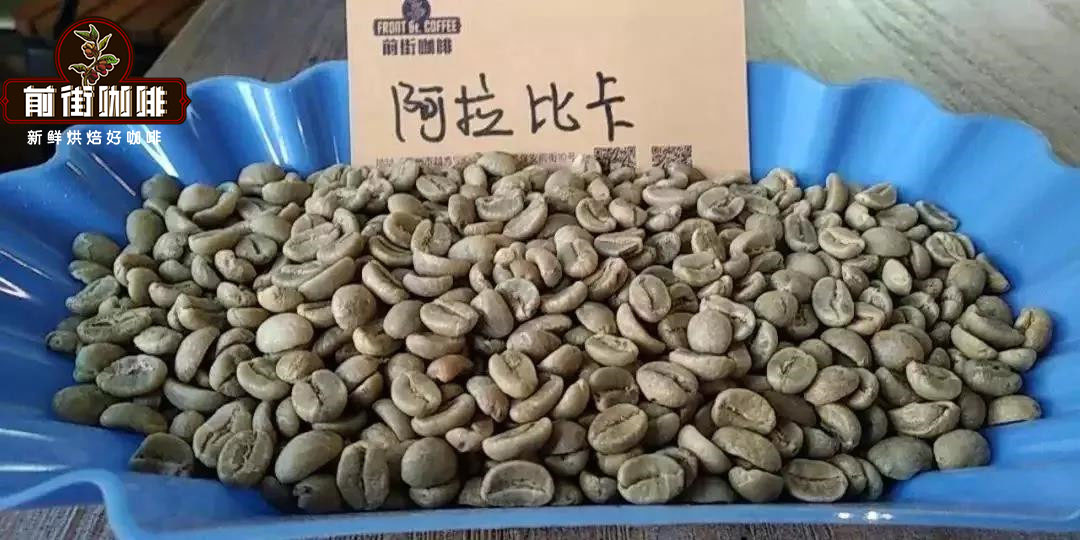
According to FrontStreet Coffee, the caffeine content of black coffee depends heavily on the variety of the bean. The two varieties dominating the market are Arabica and Robusta. Arabica carries less caffeine than Robusta and tastes better, which is why the major brands choose it for pour-over—every specialty pour-over bean at FrontStreet Coffee is Arabica-derived.
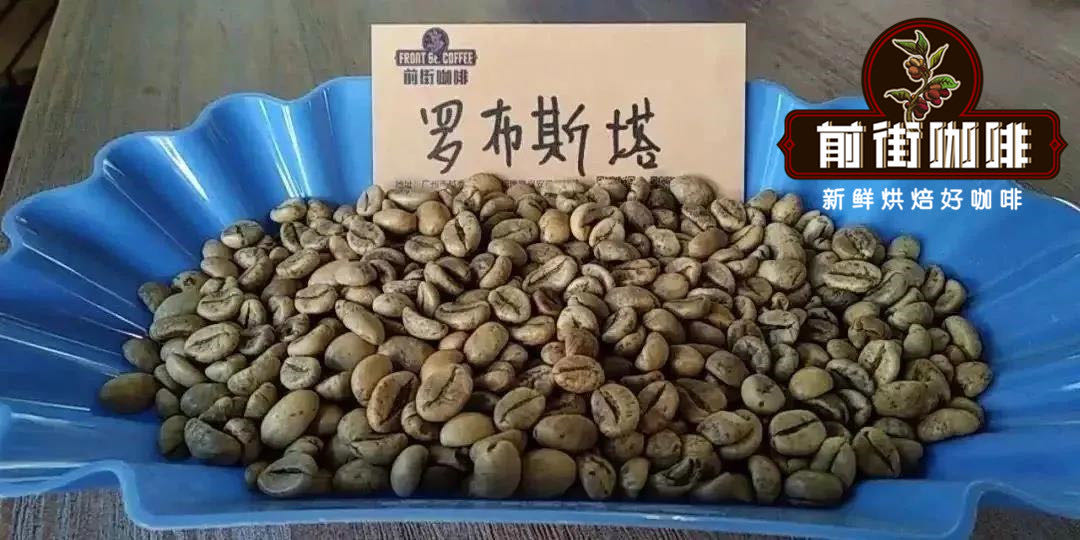
Robusta, for its part, packs more than double the caffeine of Arabica, but its cup quality can't meet the specialty standard (a cupping score of 80 or above). So Robusta stays out of the pour-over aisle and goes into instant coffee and espresso blends instead.
Which brings us to the key numbers: per FrontStreet Coffee, Arabica's caffeine content sits between 0.9-1.2%, while Robusta's runs 1.6-2.4%.
So how much caffeine is actually in a cup of black coffee? FrontStreet Coffee runs the math:
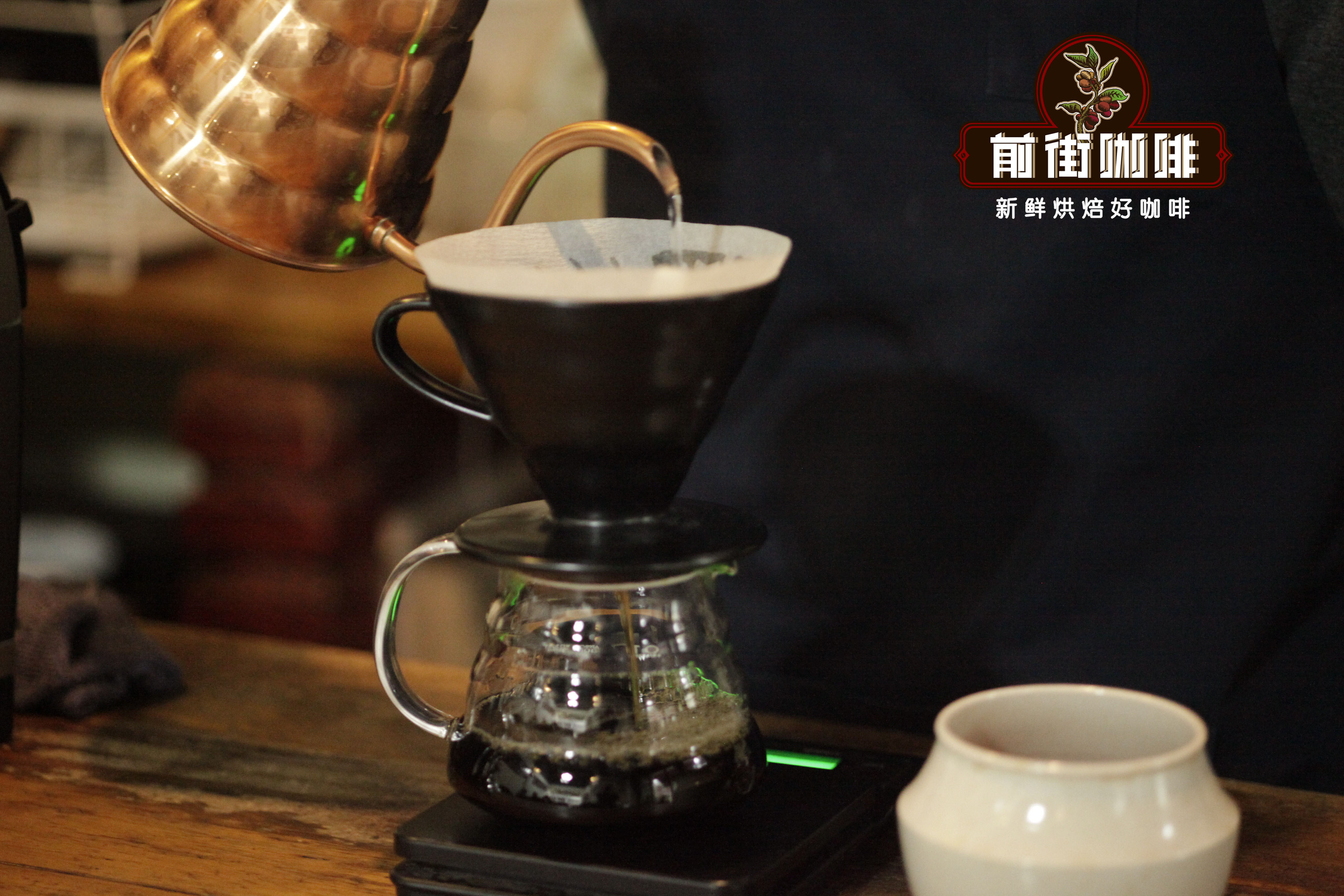
Take a FrontStreet Coffee pour-over as the example. A cup is 225 milliliters, brewed at a coffee-to-water ratio of 1:15—that's 15g of grounds—using Arabica beans. The caffeine in the cup works out to 0.9-1.2% × 15g = 135-180 milligrams.
How Much Caffeine is in Espresso?
The same variety logic applies here. FrontStreet Coffee's house espresso, the "Sunflower Warm Sun Blend," combines Honduras Sherry beans with Yirgacheffe Natural Red Cherry beans. Both are Arabica-derived, so their caffeine content also falls between 0.9-1.2%.
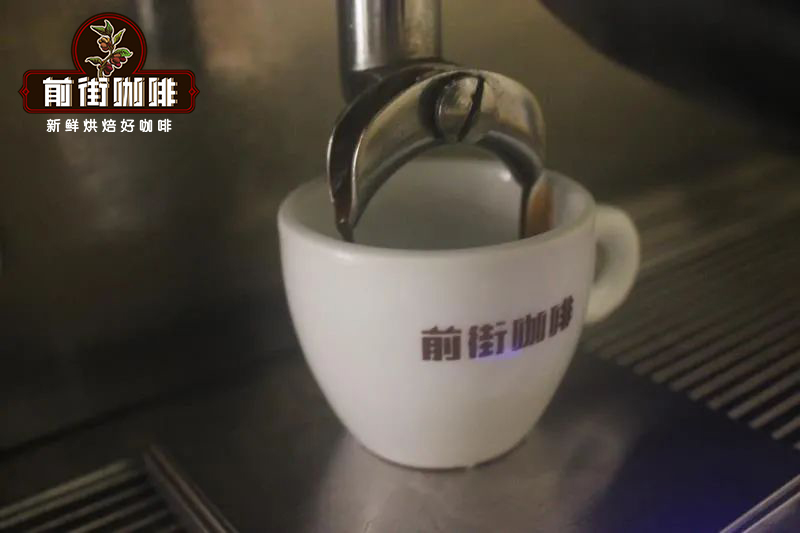
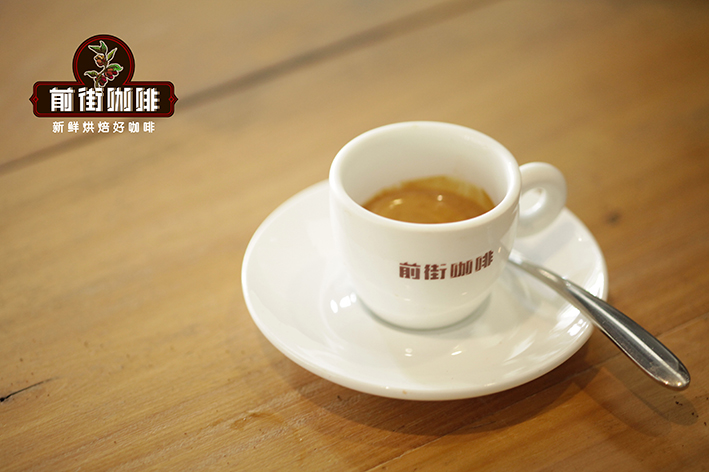
But espresso servings differ from shop to shop, so the caffeine in the cup varies too. At FrontStreet Coffee, a customer's espresso comes in at 40 milliliters. Because it's machine-extracted, the ratio differs from pour-over: FrontStreet Coffee pulls shots at a coffee-to-water ratio of 1:2, and a 40-milliliter espresso uses 20g of grounds. That works out to 0.9-1.2% × 20g = 180-240 milligrams of caffeine per cup.
That's the summary for espresso and black coffee. Which leaves one more question: how much caffeine is safe in a day?
Scientifically speaking, the human body handles about 400 milligrams of caffeine per day; beyond that, the burden starts to show. Tolerance varies from person to person, much like lactose tolerance. So if you're caffeine tolerant, keep under 400 milligrams a day. If you're not, decaffeinated coffee might be worth a try.
FrontStreet Coffee Recommendation
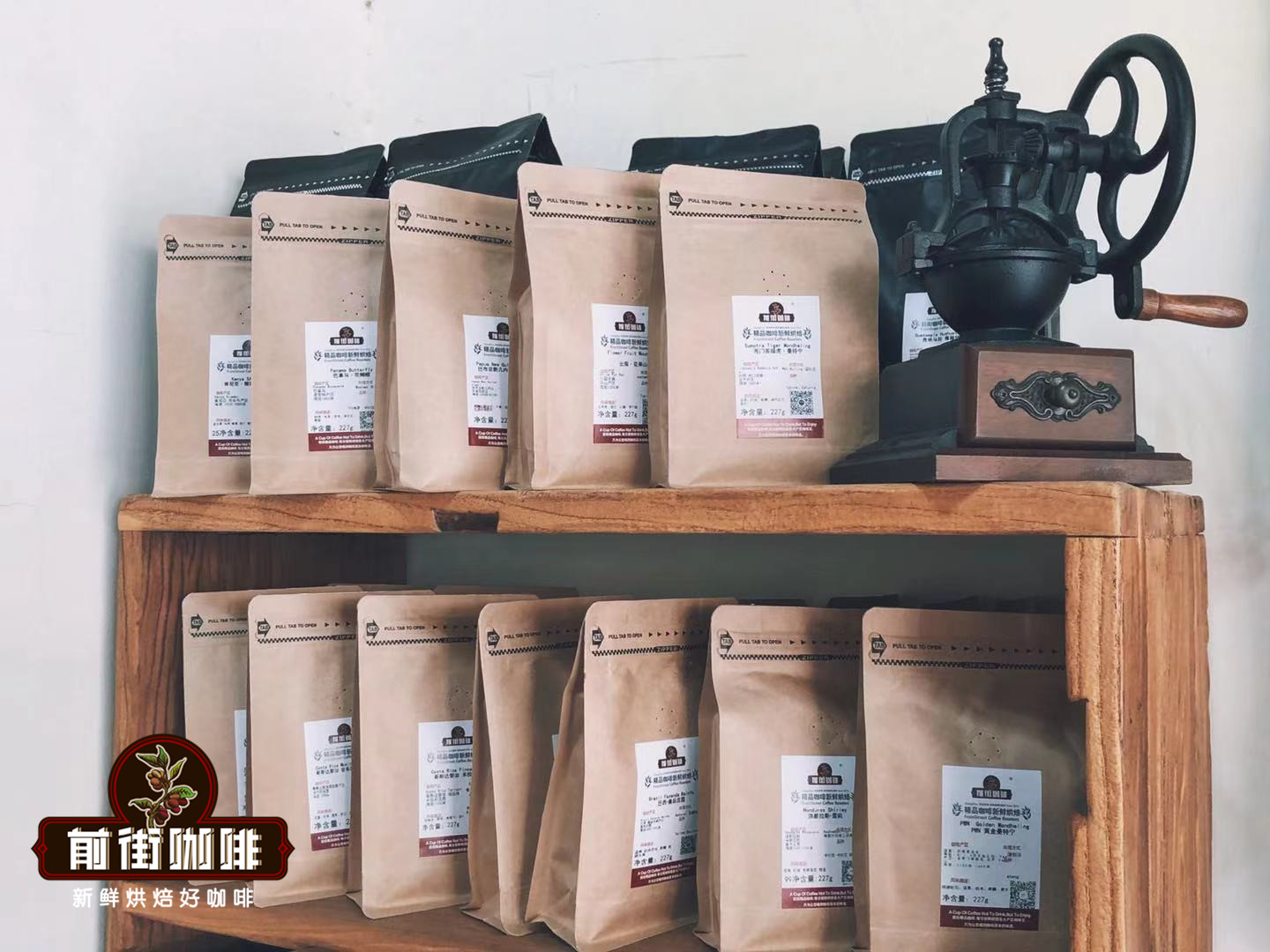
If black coffee is part of your daily routine, the bean matters more than anything. For pour-over, FrontStreet Coffee recommends the washed Guodingding Cooperative from Yirgacheffe—jasmine florals, bright citrus and lemon acidity, and a tea-like finish, or the natural Huakui from Sidamo, bursting with berry, floral, and honeyed sweetness. Both are Arabica through and through, in that same 0.9-1.2% caffeine range.
For espresso drinkers, FrontStreet Coffee's Classic Blend—built on Brazil's creamy, nutty character with Mandheling layered on top and a touch of Robusta for extra crema—delivers butter, roasted chestnut, and caramel notes and pulls a gorgeous, golden-crema shot for lattes or a straight doppio.
Important Notice :
FrontStreet Coffee is a long-established specialty coffee roaster in Guangzhou China, selling freshly roasted beans from its own farm in Yunnan as well as dozens of carefully selected single-origin beans from around the world for both pour-over and espresso. The products deliver consistently excellent quality and great value, with shipping within 24 hours. Guangzhou's FrontStreet Coffee shop is recommended by many coffee lovers, and the beans are now available online at the Tmall 。
FrontStreet Coffee has moved to a new address:
FrontStreet Coffee Address: 315,Donghua East Road,GuangZhou
Tel:020 38364473
 Scan and follow the En Gafei WeChat official account. Please indicate that the reprint comes from "En Gafei".