What is the Water-to-Coffee Ratio for Pour-Over Brewing of Nicaragua Mina Mami Estate Natural Process Pacamara Coffee?

Kenyan Coffee: Bright and Vibrant Flavors
Kenyan coffee is famously acidic, and its brightness delights FrontStreet Coffee—a vibrant, full-bodied character reminiscent of naturally sparkling beverages. Kenya stands among Africa's most renowned coffee origins, a peer of Ethiopia in prestige. Yet although it neighbors Ethiopia, Kenya entered coffee production considerably later than its East African counterpart.
Geography and Growing Conditions
The Republic of Kenya sits in eastern Africa, with the equator crossing its central region and the East African Rift Valley running north to south. It borders Somalia to the east, Tanzania to the south, Uganda to the west, and Ethiopia and Sudan to the north, while its southeast touches the Indian Ocean. The country is full of highlands, averaging 1,500 meters in elevation, and Mount Kirinyaga (Kenya Mountain) in the center rises to 5,199 meters with snow-capped peaks—Africa's second-highest mountain.
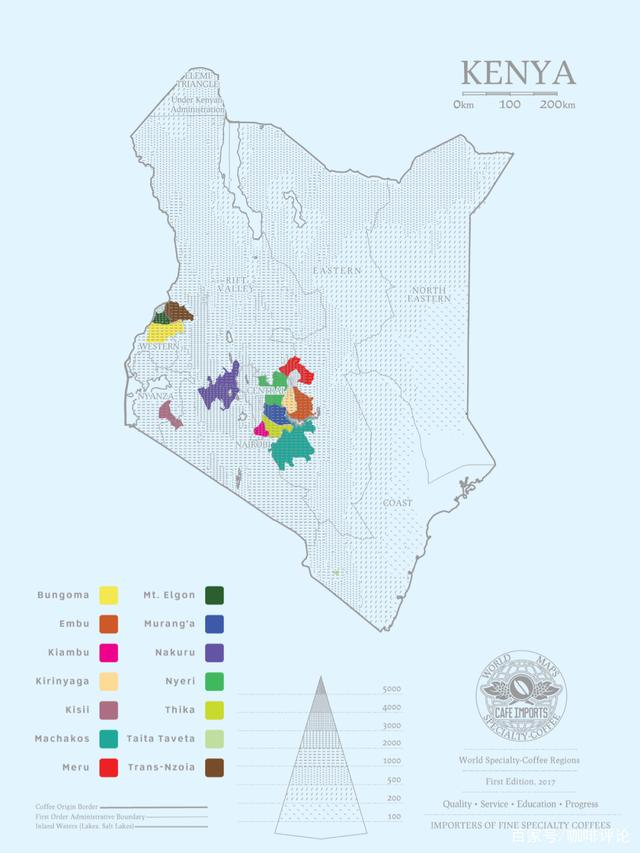
The ideal altitude, latitude, and geology make Kenya exceptional coffee country. With the equator running through it, the country lies within ten degrees of latitude on either side. This tropical zone sees two rainy seasons a year, enabling two harvests: 60% of the crop is concentrated from October to December, and the remaining 40% from June to August. Coffee grows mainly in volcanic soils at 1,600–2,100 meters, in a band stretching from around the capital Nairobi to the Kenya Mountain region, with most of it above 1,500 meters. That altitude lets beans develop complex flavors: cooler mountain temperatures slow growth, giving aromatic compounds time to fully develop, which yields more pronounced fruit acidity and denser, harder beans. This crescent of fertile soil is the heart of Kenya's specialty coffee production.
Coffee is Kenya's second-largest export, after tea.
African coffee regions are renowned worldwide for their captivating acidity and distinctive aromas, and Kenya is no exception. Sitting precisely on the equator with the Indian Ocean to its east, Ethiopia to its north, and Tanzania to its south, Kenya is one of East Africa's coffee powerhouses—an indispensable, irreplaceable producing nation.

Kenyan Coffee Varieties
Common Kenyan varieties include SL28, SL34, French Mission Bourbon, and Ruiru 11.
SL-28 & SL-34
As early as the 1930s, the Kenyan government commissioned the newly established Scott Labs to select varieties suited to the country. After screening 42 numbered preliminary selections one by one, SL-28 and SL-34 were ultimately chosen. The former descends from Bourbon, while SL-34 traces back to Typica—the two are not from the same variety line. The original breeding goal for SL28 was to mass-produce beans combining high quality with disease and pest resistance, though in some regions the emphasis fell on yield and resistance alone, with quality left aside.
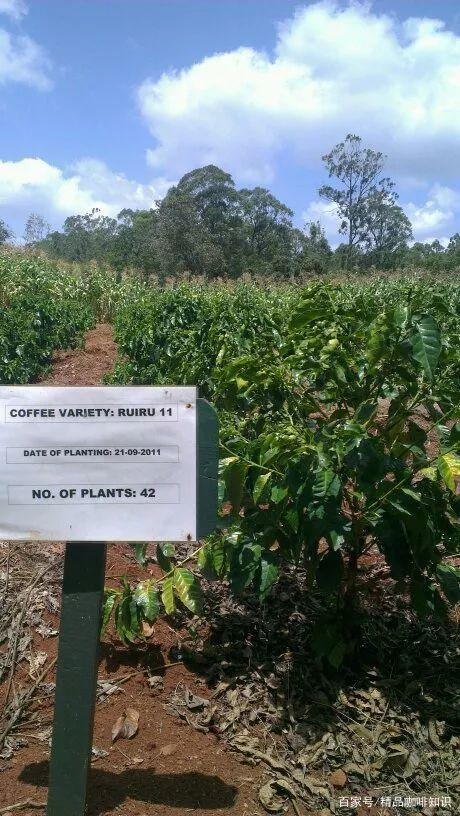
Blessed with Bourbon genetics, SL28 never quite matched its yield targets, but its copper-colored leaves and broad beans produce wonderful sweetness, balance, and complex, varied flavors, along with distinctive citrus and plum character. SL34 shares a similar profile—complex, layered acidity and an excellent sweet finish—but with a softer, cleaner mouthfeel than SL28. SL34 carries French Mission, Bourbon, and further Typica lineage; its beans resemble SL28's, but it adapts better to rainforest growing conditions.
Subsequent evaluation showered SL28 with praise—typically blackcurrant-like acidity with complex flavor expression—while SL34, though somewhat lesser, still impresses with its fruit. Together these two varieties account for 90% of Kenya's production, making them the recognized representatives of Kenyan coffee, and South America is now actively introducing SL28 as a cultivation variety.
Kenyan Coffee Classification
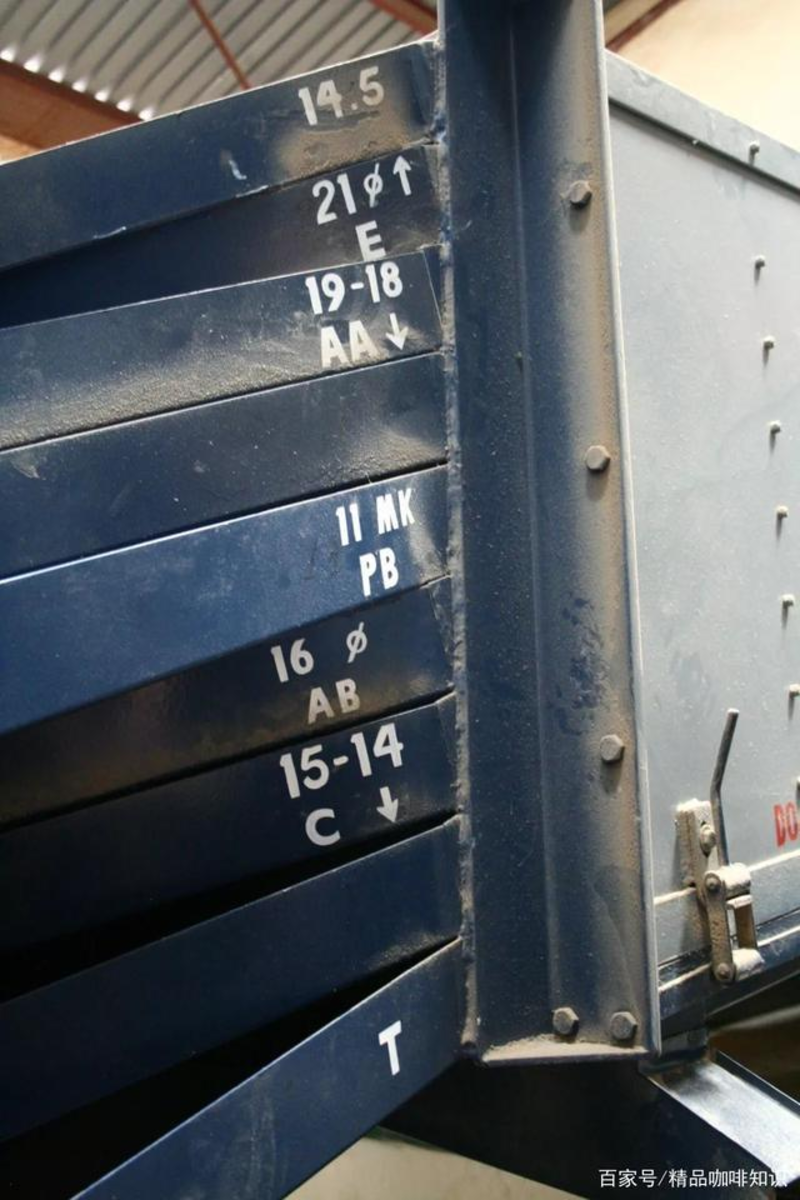
Kenya has enforced a strict grading system since the 1930s, based primarily on bean size, shape, and hardness. From highest to lowest the grades run AA or AA+, AB, PB, C, E, TT, and T—criteria that double as flavor references. The most common grades on the mass market today are AA, AB, and PB.
Coffee Size Grading
AA is a commodity grade based chiefly on bean size: it denotes larger beans, generally those above 17 mesh (17 mesh = sieve aperture of 6.75mm). AA covers 17 and 18 mesh; AB covers 15 and 16 mesh.
AA Plus (AA+): AA-grade beans of exceptionally high cup quality (flavor, mouthfeel).
AA Particle Size (Screen Size): 17–18 mesh.
AB Particle Size (Screen Size): 15–16 mesh, accounting for the majority of production.
C Particle Size (Screen Size): smaller than AB.
TT: lighter-weight beans blown out of AA and AB lots by air classifiers.
T: lighter-weight beans blown out of C-grade lots by air classifiers.
E Elephant Bean: large mutant beans formed when two beans merge, also called elephant ear beans.
UG: beans that fail to meet the standards above.
PB Peaberry: classified by shape, unrelated to flavor or weight.
Flavor Grades
Beyond size, Kenya also applies flavor grading—TOP, PLUS, and FAQ—to flag the most enjoyable coffees. The criteria cover green beans (size, color, defects), roasted beans, and cup quality (acidity, body, flavor characteristics, defects). In practice this is simplified to Acidity–Body–Flavor, each quickly scored 1–3 points per category. A bean marked 1-1-1 corresponds to TOP AA.
Because actual Kenyan coffee trading involves so many factors—1) high prices, 2) numerous lots that this three-point scoring system was designed to handle at volume, 3) direct trading outside exchange channels, and 4) limited quantities—FrontStreet Coffee samples aggressively, gathering 40–50 different Kenyan samples each year from various channels. Roasters roast and taste the diverse Kenyan acidity profiles until one or two lots that best represent Kenya are selected for our offerings.
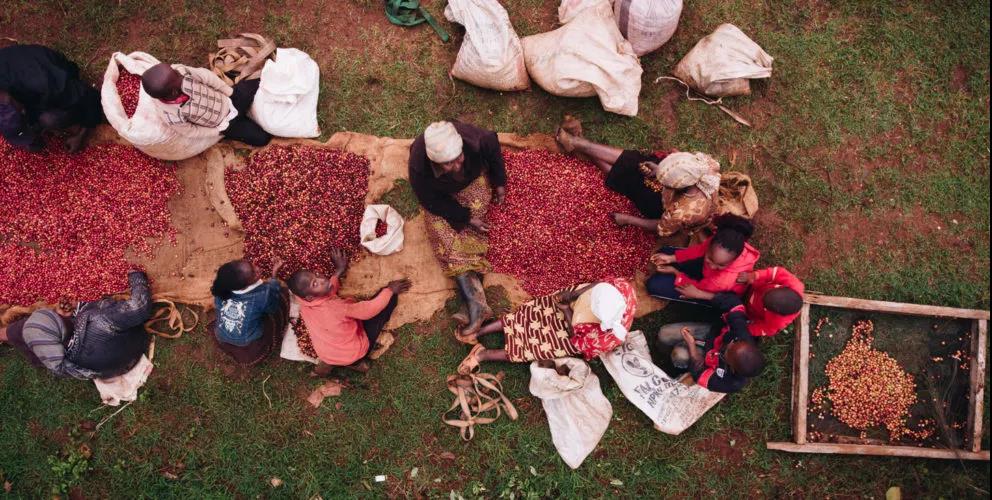
Kenyan Processing Methods
Just as honey processing characterizes Costa Rica and wet-hulling defines Indonesia, any discussion of Kenyan coffee inevitably arrives at the K72 method. The "Kenyan 72-Hour Fermented Washed Process" originated in Kenya and uses a cyclic, repeated post-fermentation washing scheme. Processing starts on harvest day: the highest quality cherries are selected, pulped, and fermented for 24 hours. After those 24 hours, the beans are washed in clean river water. The cycle repeats twice more—24-hour fermentations each followed by washing—completing three cycles totaling 72 hours, hence the Kenyan 72-Hour Fermented Washed Process, abbreviated K72.
First Washing and Fermentation
After harvest, the cherries undergo density sorting in water, exploiting the density differences among fruits: high-density (heavy) beans sink, while low-density beans float. Fully ripe, high-quality fruits are dense, and these are selected for further processing.
Once the ripe, high-quality fruits are chosen, the skin is removed and the beans soak in water, letting the mucilage clinging to the green beans ferment. That mucilage contains natural sugars and alcohols that play a crucial role in developing the coffee's sweetness, acidity, and overall flavor. Fermentation lasts up to 24 hours, removing 80–90% of the mucilage while preserving the flavors inside the beans themselves.
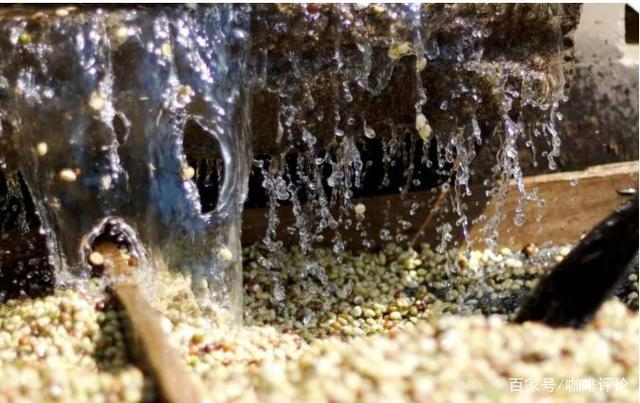
Second Washing and Fermentation
Next comes the second washing and fermentation. After cleaning, the beans soak again for 24–48 hours. This step increases proteins and amino acids, giving the beans' acidity complex, delicate layers of texture. Finally, all remaining mucilage is removed and the beans move to raised racks for sun drying.
As before, fermentation runs up to 24 hours, stripping 80–90% of the mucilage and preserving only the flavors within the beans. Once the last of the mucilage is gone, the beans are moved to elevated drying racks. Drying time depends on the weather but generally takes 5–10 days to complete.
Kenyan Coffee Growing Regions
Kenya's most famous coffee regions are seven major areas: Thika, Kirinyaga, Mt. Kenya West, Nyeri, Kiambu, Ruiri, and Muranga, with the foothills of Mt. Kenya and the Aberdares serving as the primary growing belt.
Each region offers distinctly different flavors. Kenya is divided into 47 counties nationwide.
Different counties produce clearly characterized coffees. Kenyan coffee trees grow mostly at 1,400–2,000 meters and harvest twice a year. Growing areas include Ruiri, Thika, Kirinyaga, Mt. Kenya West, Nyeri, Kiambu, and Muranga, primarily on the foothills of Mt. Kenya and the Aberdares. Embu coffee, for example, shows balance, citrus fruit, chocolate, and apple acidity, while Nyeri coffee exhibits white grape, juicy grapefruit, and cherry tomato flavors with abundant fruitiness and caramel-like sweetness.
Major Kenyan Coffee Growing Regions
NYERI
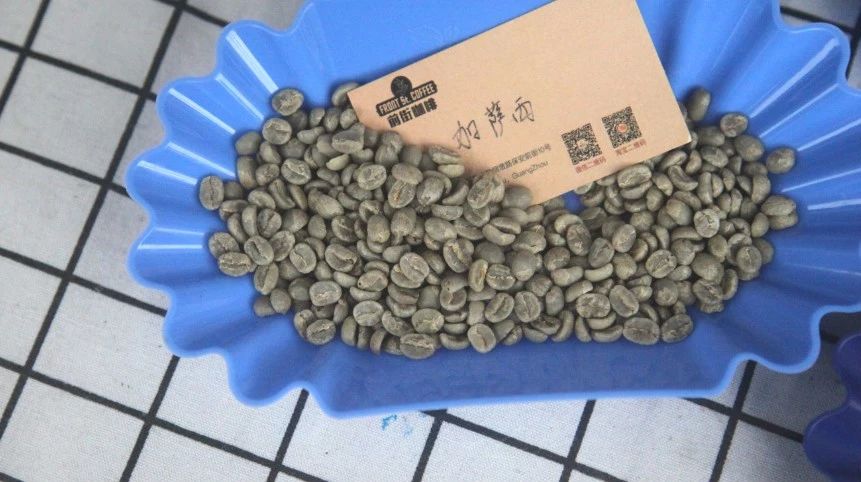
NYERI: Located in central Kenya, Nyeri is home to the dormant volcano Mt. Kenya, whose red soil nurtures Kenya's finest coffee. Agriculture dominates the region, with coffee the primary crop, and small farmer cooperatives are more common than large estates. The region has two harvest seasons, but coffee from the main season is typically higher in quality. Nyeri is renowned for its substantial blackberry-like acidity and floral, fruity aromas.
Altitude: 1,200–2,300 meters
Harvest Period: October–December (main season), June–August (secondary season)
Varieties: SL-28, SL-34, Ruiru 11, Batian
MURANG'A
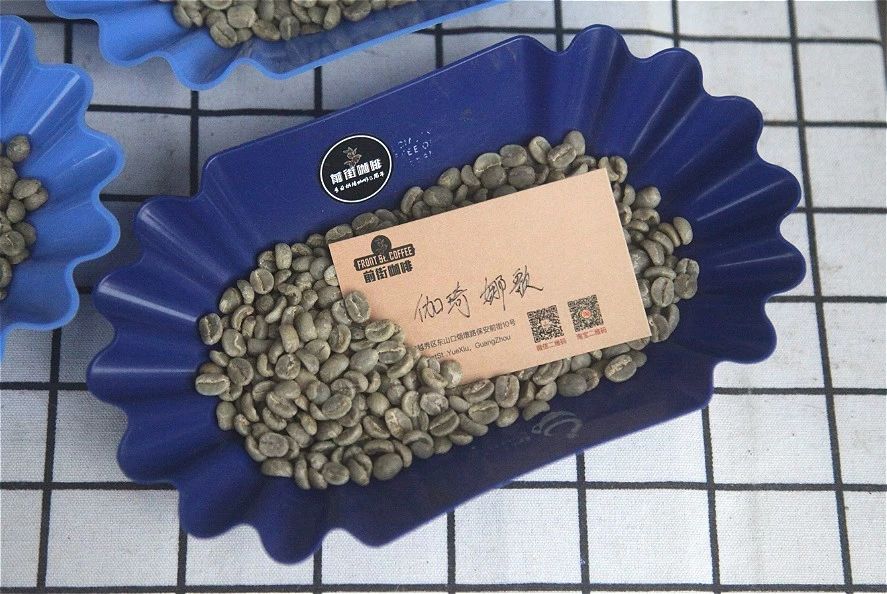
MURANG'A: This Central Province region counts roughly 100,000 coffee farmers. Not far from Nairobi, it was among the first settlement sites chosen by missionaries after the Portuguese barred them from living in coastal areas. It is another region blessed with volcanic soil and has more small farmers than estates, with notably brighter acidity.
Altitude: 1,350–1,950 meters
Harvest Period: October–December (main season), June–August (secondary season)
Varieties: SL-28, SL-34, Ruiru 11, Batian
EMBU
EMBU: This region near Mt. Kenya takes its name from Embu town, where about 70% of the population works in small-scale agriculture. The most popular cash crops are tea and coffee. Almost all coffee comes from small farmers, so production is relatively small. Acidity is less pronounced than Nyeri's, but the flavors are fortunately well balanced.
Altitude: 1,300 meters
MERU
MERU: Most coffee here is grown by small farmers on the slopes of Mt. Kenya and the Nyambene Hills. The name refers both to the area and the Meru people who inhabit it. In the 1930s they were among the first Kenyans to begin coffee production, following the 1923 Devonshire White Paper, which affirmed the importance of African rights in Kenya.
Altitude: 1,300–1,950 meters
Harvest Period: October–December (main season), June–August (secondary season)
Varieties: SL-28, SL-34, Ruiru 11, Batian, K7
KIAMBU
KIAMBU: This central Kenyan region contains the highest-altitude coffee-growing areas in the country, and Thika also belongs to it. Some high-altitude trees here suffer dieback disease and stop growing. The region is named after Nakuru town. Coffee is grown by both estates and small farmers, though production is relatively small; the area is traditionally tea country, and its beans offer vanilla and floral aromas.
Altitude: 1,850–2,200 meters
Harvest Period: October–December (main season), June–August (secondary season)
Varieties: SL-28, SL-34, Ruiru 11, Batian
KISII
KISII: This southwestern region, not far from Lake Victoria, is a relatively small growing area where most beans come from cooperatives formed by small producers.
Altitude: 1,450–1,800 meters
Harvest Period: October–December (main season), June–August (secondary season)
Varieties: SL-28, SL-34, Blue Mountain, K7
TRANS-NZOIA, KEIYO & MARAKWET
TRANS-NZOIA, KEIYO & MARAKWET: This small region in western Kenya has only begun developing in recent years. Mount Elgon provides considerable altitude, and most coffee comes from estates, often planted to diversify farms that previously grew only corn or dairy.
Altitude: 1,500–1,900 meters
Harvest Period: October–December (main season), June–August (secondary season)
Varieties: Ruiru 11, Batian, SL-28, SL-34
KIRINYAGA
This growing region sits on the slopes of Mt. Kenya next to Nyeri, known worldwide for coffee of intense, rich flavor and solid mouthfeel. Together with Nyeri it is recognized as one of Kenya's two finest growing regions. Most producers here are small farmers who join cooperatives, which play a unifying role by running washing stations where farmers deliver cherries for processing.
The region originally took its name from Mt. Kenya itself, but British colonists found the name hard to remember and renamed the mountain Mt. Kenya, no longer calling it Kirinyaga.
Mt. Kenya is Africa's second-highest peak. Though it sits in the tropics, its summit is often snow-covered—"Kirinyaga" originally meant "white peaks." The mountain is not only a UN conservation area; its surrounding foothills and grasslands draw wildlife to gather and feed, making it a favorite destination for tourists.
To the Kikuyu people it means "white mountains" and is considered the dwelling place of gods. The Kikuyu are Kenya's largest ethnic group, accounting for one-fifth of the total population.
Altitude: 1,300–1,900 meters
Harvest Period: October–December (main season), June–August (secondary season)
Varieties: SL-28, SL-34, Ruiru 11, Batian
FrontStreet Coffee Recommendation
If Kenya's bright, dense acidity is what you love, Ethiopia—coffee's birthplace—offers the other half of that African magic, with countless native varieties that keep coffee lovers faithfully coming back. The easiest entry point is FrontStreet Coffee's washed Yirgacheffe: a clear jasmine fragrance and bright citrus acidity in a light, elegant, tea-like cup, like a refreshingly clean lemon tea. Yirgacheffe is a small town in Ethiopia's south, spring-like all year, misty, cool, and humid, where thousands of coffee trees thrive and create that singular interweaving of floral notes and fruit acidity.
For a deeper dive, FrontStreet Coffee's Guodingding cooperative lot comes from the Worka zone at the southeastern edge of Yirgacheffe—originally part of the YCFCU's Worka cooperative until, in 2012, its roughly 300 member farmers established it as an independent cooperative to meet the demand for traceability. Because the fruit is stripped away before drying, the coffee's inherent aromas come through clearer and more transparent: citrus and lemon tones with elegant white florals, bright and delicate overall. The natural Red Cherry offers a different register—defective or moldy fruit is removed, then the cherries dry in the sun for two weeks until the sugars soak into the bean and moisture falls to 12%, with multiple rounds of density, color, and hand sorting guaranteeing a clean cup with rich fruit aroma. Its flavor profile: peach, cocoa, honey, and lemon.
If you enjoy bolder naturals, the FrontStreet Coffee natural Huakui from the Hambella zone of Guji, Sidamo—dried 21 days on raised beds and hand-sorted every 3–5 days across a 200-hectare farm—shows a light fermented wine note, florals, citrus, and mango at a medium-light roast, with honey sweetness, cocoa, and a touch of spice over a full body and long finish. And the Hamasho 74158, built on the JARC 74-series disease-resistant varieties from the Hamasho washing station, enchants with perfume lemon, strawberry, and star fruit on the nose, sweet notes of strawberry, star fruit, and green grape on entry, and a gentle floral lift behind them. Kafa Forest rounds out the lineup: wild coffee grown under shade at 1,400–2,100 meters, medium-light roasted into white florals, bright lemon acidity, sweet orange and bergamot, and a green-tea-like finish.
Important Notice :
FrontStreet Coffee is a long-established specialty coffee roaster in Guangzhou China, selling freshly roasted beans from its own farm in Yunnan as well as dozens of carefully selected single-origin beans from around the world for both pour-over and espresso. The products deliver consistently excellent quality and great value, with shipping within 24 hours. Guangzhou's FrontStreet Coffee shop is recommended by many coffee lovers, and the beans are now available online at the Tmall 。
FrontStreet Coffee has moved to a new address:
FrontStreet Coffee Address: 315,Donghua East Road,GuangZhou
Tel:020 38364473
 Scan and follow the En Gafei WeChat official account. Please indicate that the reprint comes from "En Gafei".