Panama Coffee Diamond Mountain Estate Coffee Beans Flavor Profile and Taste Characteristics Panama Boquete Geisha
Hacienda La Esmeralda is renowned worldwide, having taken the global coffee scene by storm with its Geisha variety. Today, nearly everyone in the coffee industry knows the fame of both Panama's Hacienda La Esmeralda and the Geisha variety. Many coffee enthusiasts, however, automatically associate the estate exclusively with Geisha and focus only on the estate name when ordering, overlooking the specifics, which often results in receiving a non-Geisha coffee from Hacienda La Esmeralda. Besides the famous Geisha, what other coffees does this estate produce?
On Hacienda La Esmeralda's official website, the estate divides its coffee into two main varieties: Geisha and Catuai. Under Geisha there are further subdivisions: Esmeralda Special, Private Collection and Geisha 1500, commonly known as Red Label, Green Label and Blue Label.
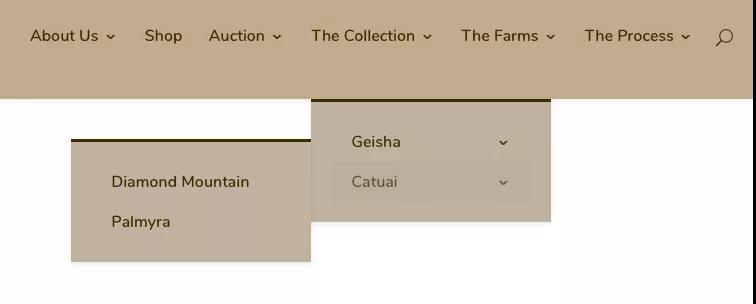
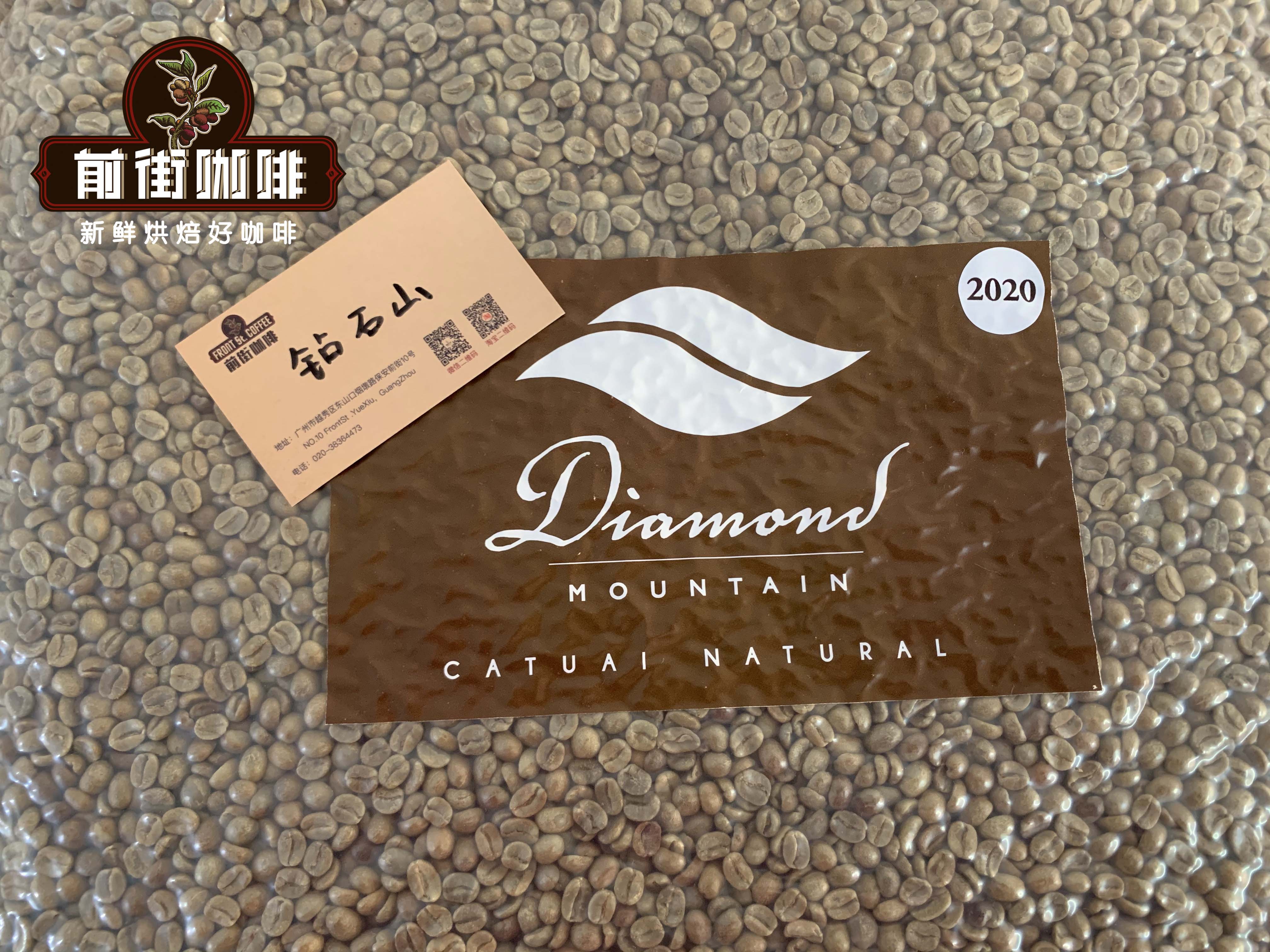
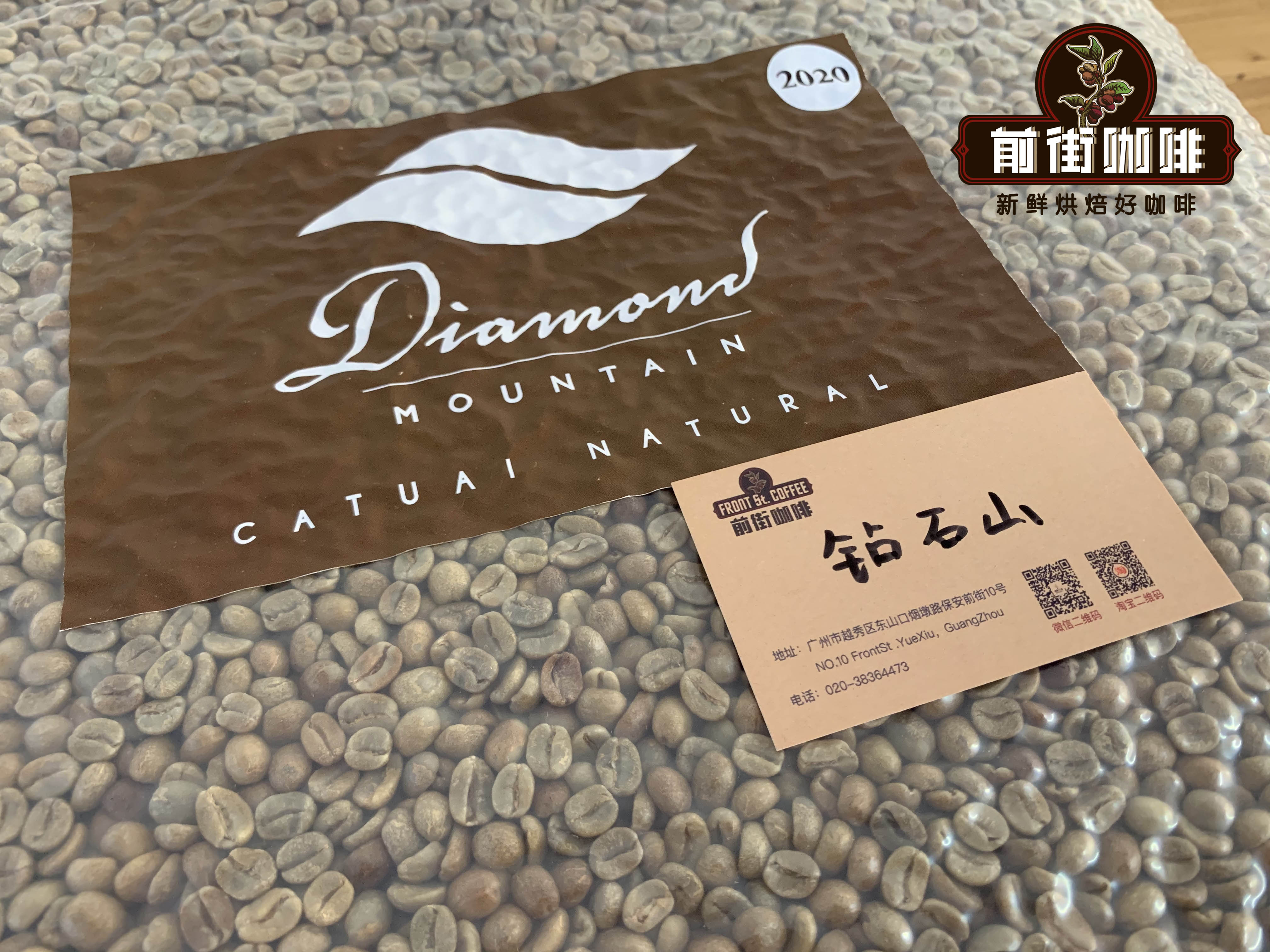
Today's focus, though, extends beyond Geisha to explore what lies under the Catuai category, which is divided into two brands: Diamond Mountain and Palmyra. Catuai has been cultivated in Panama for many years and is widely beloved for its high yield, disease resistance and clean, bright cup. FrontStreet Coffee has recently imported a batch of Diamond Mountain coffee from Hacienda La Esmeralda.

FrontStreet Coffee Panama Hacienda La Esmeralda Natural Diamond Mountain
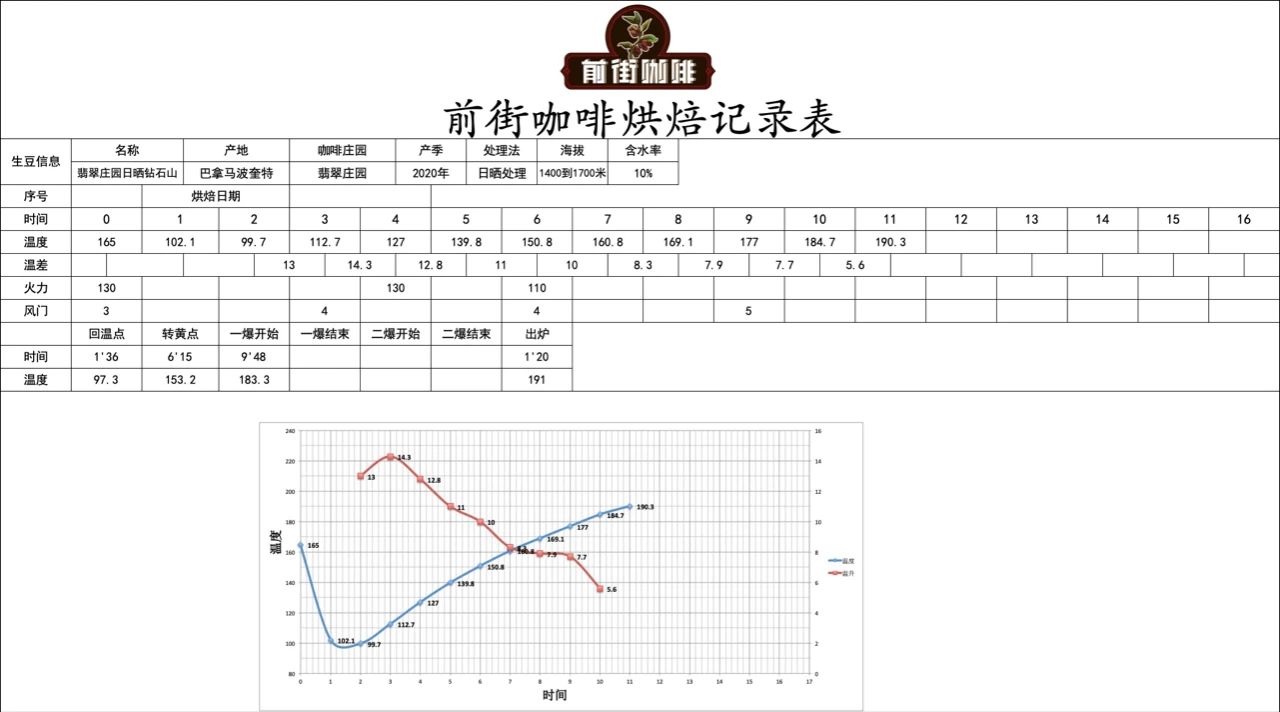
Region: Panama, Boquete
Estate: Hacienda La Esmeralda
Altitude: 1,400-1,700 meters
Varieties: Catuai, Caturra
Processing: Natural Process
The Diamond Mountain coffee comes from two of Hacienda La Esmeralda's most productive and renowned farms: Jaramillo and Cañas Verdes.
Jaramillo is the long-established flagship farm of Hacienda La Esmeralda, with an average altitude exceeding 1,650 meters. Daytime temperatures average between 19-25°C, while nighttime temperatures range from 11-15°C. This significant diurnal temperature variation gives coffee trees ample time to grow and store nutrients. With annual rainfall of 4,000mm, these conditions allowed the Geisha variety grown here to win the BOP championship in 2004 with its captivating floral aromas, catapulting both Geisha and Hacienda La Esmeralda to international fame.
Cañas Verdes was one of the farms included when the Peterson family first purchased Hacienda La Esmeralda. Originally used for dairy cattle grazing, it gradually expanded by incorporating small nearby plots dedicated to coffee. Today Cañas encompasses nine small plots, including Lino.

Cañas sits at altitudes above 1,650m, with daytime temperatures averaging 16-23°C and nighttime temperatures between 11-15°C. Annual rainfall reaches 3,500mm, with a distinct dry season lasting three to four months, though the climate remains consistently cool.
Coffee Varieties
This Diamond Mountain coffee consists of the Catuai and Caturra varieties.
Catuai derives from the Guaraní phrase "multo mom," meaning "very good." It comes in both Yellow Catuai and Red Catuai variants. The Catuai variety was developed in 1949 through a hybridization of Yellow Caturra and Mundo Novo, initially designated as H-2077.

Catuai has been cultivated in Panama for many years and is widely appreciated for its high yield, disease resistance and clean, bright cup. Compared with Bourbon varieties, Catuai yields are exceptionally high, partly because the plants are smaller, allowing tighter spacing between trees. Catuai planting density can be nearly double that of Bourbon.
Processing Method
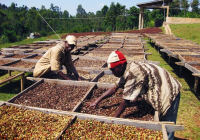
This Diamond Mountain coffee undergoes natural processing. Harvested coffee cherries are sent directly to patios for drying, and the cherries dry slowly with the beans still inside, allowing the beans to absorb fruit and aromatic notes.

Depending on weather and patio composition, the cherries dry on concrete patios for 3-5 days (8 hours daily). Once they reach an appropriate moisture level, they are transferred to a Guardiola dryer for 72 hours of rotation to complete drying and prevent fermentation. After drying, the cherries are mechanically processed to remove the fruit pulp and skin.
FrontStreet Coffee Roasting Analysis
Although Caturra may not match Geisha in flavor complexity, thanks to Hacienda La Esmeralda's meticulous management and similar growing altitudes, its quality and cup profile are exceptional. FrontStreet Coffee employs a medium-light roast.
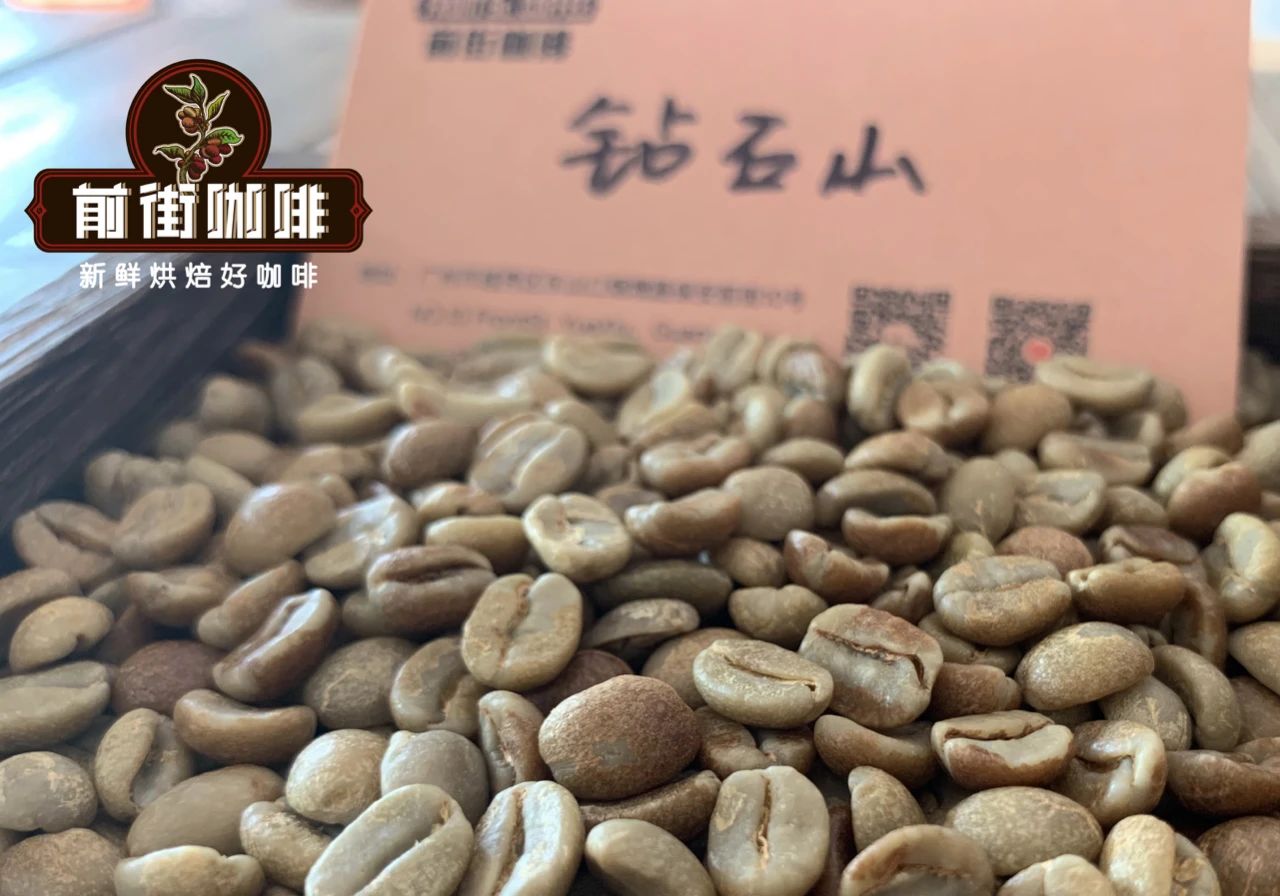
At 165°C the beans enter the roaster with heat at 130 and airflow at 3. The temperature recovery point is 97.3°C (1'36"). When the roaster temperature reaches 112°C, the airflow is increased to 4 while the heat stays the same. At 153.2°C the bean surface turns yellow and grassy aromas disappear completely, marking the entry into the dehydration phase. At 8'30", ugly wrinkles and dark spots appear on the bean surface and the toast aroma distinctly transitions to coffee aroma, which can be defined as the prelude to first crack.
When the temperature reaches 184°C the heat is reduced to 70. At this point, listen carefully for the sound of first crack. First crack begins at 9'48", and the airflow is adjusted to 5. Development after first crack lasts 1'20", with beans discharged at 191°C.
FrontStreet Coffee Cupping Results
FrontStreet Coffee Brewing Recommendations
Dripper: V60 #01
Water Temperature: 90-91°C
Coffee Dose: 15g
Ratio: 1:15
Grind Size: Medium-fine (Chinese standard #20 sieve, 80% pass-through)
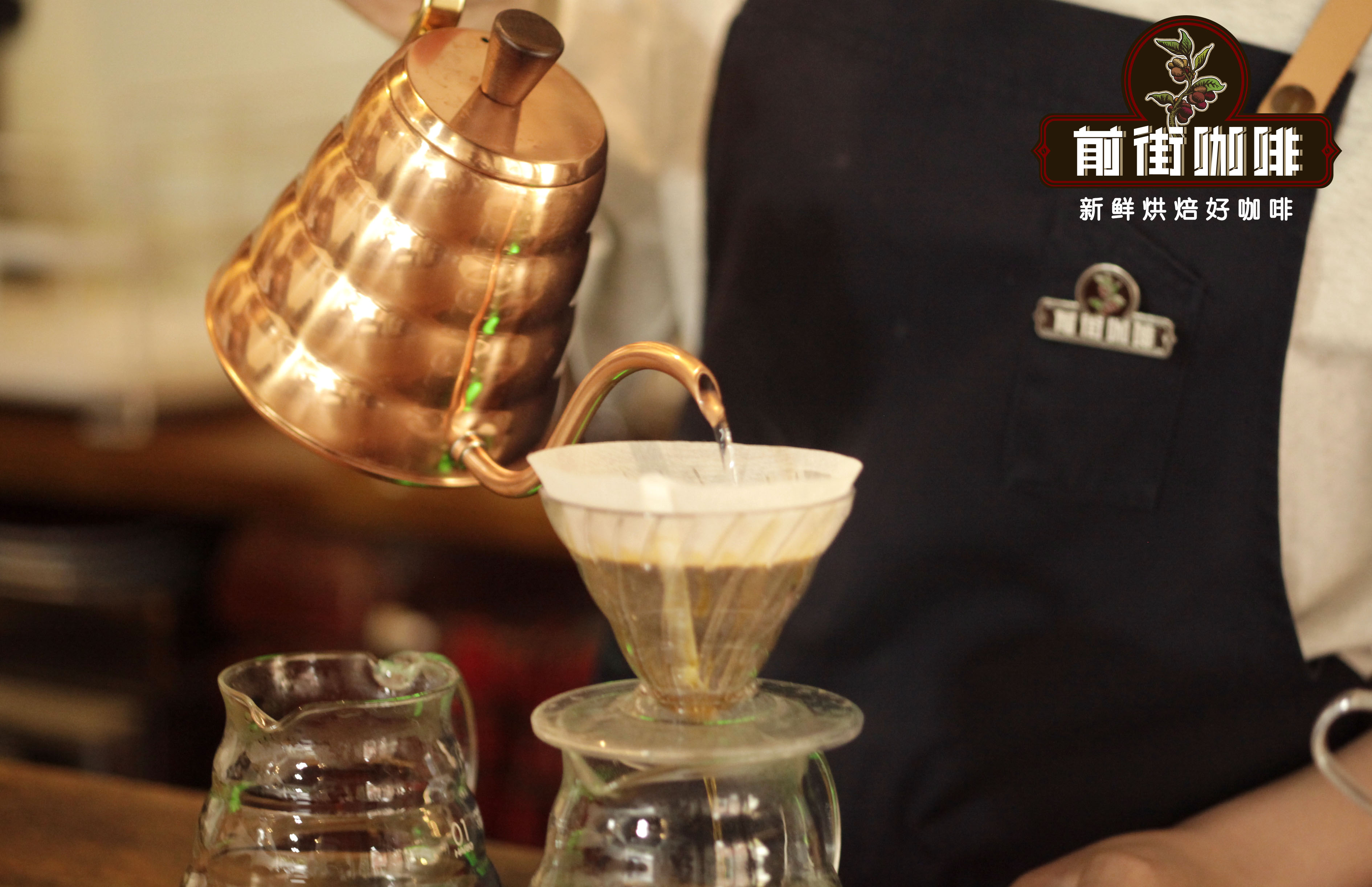
Brewing Method: Three-stage extraction. Begin with a 30-gram bloom for 30 seconds. Using a small water stream, pour in a circular motion to 125 grams, then pause. When the water level drops and is about to expose the coffee bed, continue pouring to 225 grams and stop. Wait for the water level to drop again until it is about to expose the coffee bed, then remove the dripper. (Timing starts from the beginning of the bloom.) Total extraction time: 1'55".
FrontStreet Coffee Recommendation
For most drinkers, the legendary "Geisha flavor" is what draws them to Panama in the first place, and FrontStreet Coffee makes that first step surprisingly easy. The FrontStreet Boquete Geisha is the entry-level introduction: at an accessible price it captures the orange-blossom honey sweetness and oolong-tea mouthfeel of a classic high-quality Panamanian Geisha, with delicate fruit acidity and clearly layered flavors. Once the style has you hooked, the Hacienda La Esmeralda line is the logical upgrade. The Red Label "Esmeralda Special" is harvested from single plots grown at 1,600-1,800 meters and each lot must cup above 90 points, while the value-oriented Green Label "Private Collection" blends several plots into a more affordable expression of the same high-altitude Geisha character.
If you want to taste the variety at its source, the FrontStreet Gesha Village Gold Label from Ethiopia is a refined natural-processed lot of the Geisha 1931 variety, representing 10% of the village's output and frequently picked by competition baristas. The FrontStreet Gesha Village Red Label "Growers Reserve" uses the Gori Gesha variety at 15% of production with complete traceability from plot name to processing date. For a single-variety Ethiopian estate, the FrontStreet Grana Geisha brings bright citrus acidity, an elegant ginger-flower aroma and ripe-fruit sweetness from natural processing over 14-20 days on raised beds.
When brewing these beans, treat them like the delicate coffees they are. Geisha is usually roasted medium-light, and its density means it can sink and seal the drain hole, so FrontStreet Coffee recommends grinding to about 78% pass-through on a Chinese standard No. 20 sieve, roughly fine granulated sugar, and using 91°C water. Start with 15g in a small Hario V60 at a 1:16 ratio: pour 30g for a 30-second bloom, then pour in circles to 125g, wait for the bed to drop about halfway, and finish at 225g for a total brew of roughly 2:10 to 2:20.
Important Notice :
FrontStreet Coffee is a long-established specialty coffee roaster in Guangzhou China, selling freshly roasted beans from its own farm in Yunnan as well as dozens of carefully selected single-origin beans from around the world for both pour-over and espresso. The products deliver consistently excellent quality and great value, with shipping within 24 hours. Guangzhou's FrontStreet Coffee shop is recommended by many coffee lovers, and the beans are now available online at the Tmall 。
FrontStreet Coffee has moved to a new address:
FrontStreet Coffee Address: 315,Donghua East Road,GuangZhou
Tel:020 38364473
 Scan and follow the En Gafei WeChat official account. Please indicate that the reprint comes from "En Gafei".