What's the Difference in Taste Between Washed and Natural Process Coffee? Which One Has More Prominent Flavor?
Professional Coffee Knowledge Exchange
Comparing Natural and Washed Processing Methods
FrontStreet Coffee has already covered natural and washed processing in earlier articles; here, we put the two head to head. Most people's idea of the flavor gap between natural and washed coffees comes from comparisons across different origins. Comparing the same coffee processed two different ways makes the differences far more direct. Interesting, right? Let's dig in with FrontStreet Coffee.
Natural Processing Method
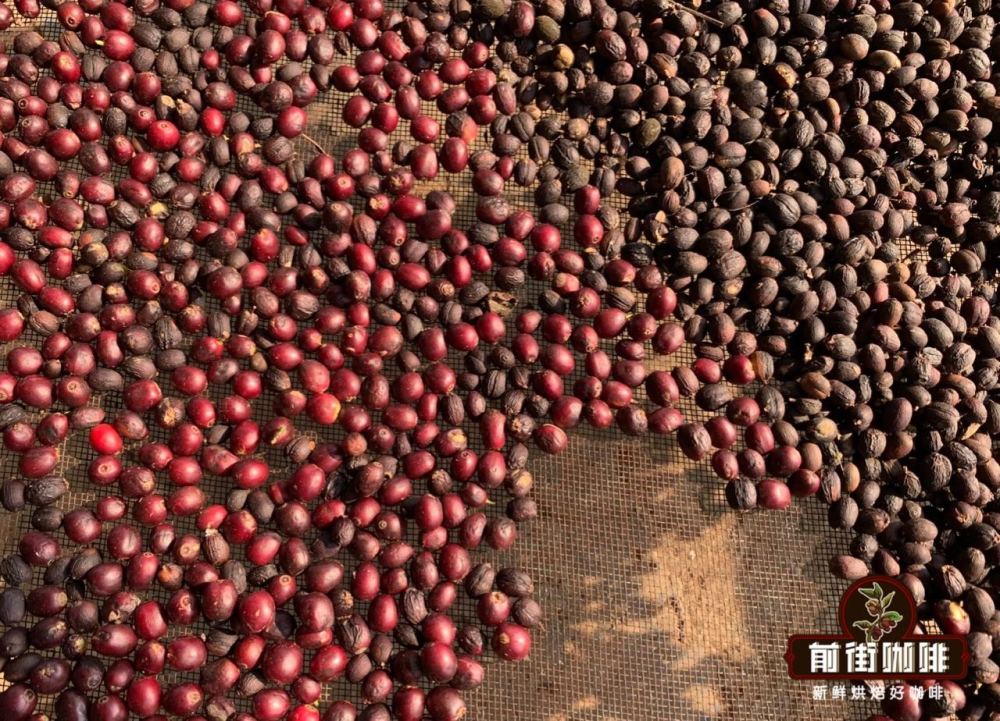
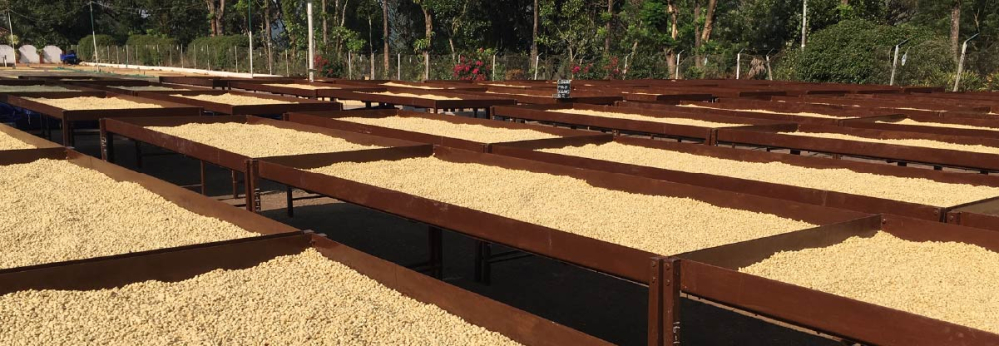
Natural processing relies mostly on African-style raised beds, which lift the cherries off the ground — blocking ground moisture and soil contamination while boosting air circulation. Throughout drying, the temperature is strictly controlled to keep high heat from pushing the fruit into over-fermentation. The whole process typically runs more than 20 days, during which microorganisms and the cherry pulp ferment gradually. The result is a sweeter cup loaded with tropical fruit.
Washed Processing Method
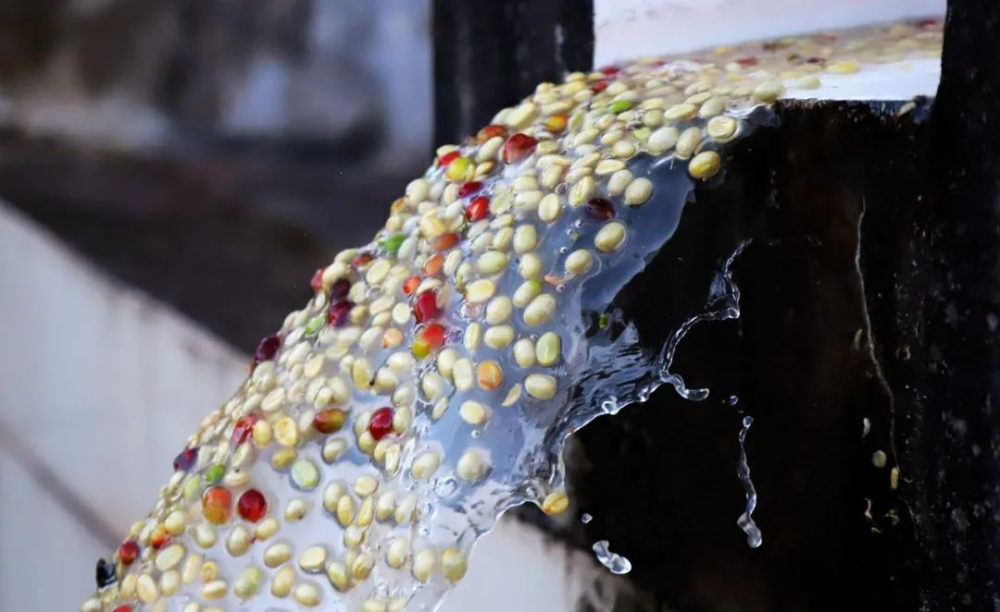
In the washed method, freshly picked cherries go straight into water, where buoyancy sorts out the underripe ones. A depulper then strips away the skin and pulp, and the beans spend the night in fermentation tanks so the mucilage layer decomposes and sloughs off. Once fermentation is complete, the parchment coffee is rinsed in washing channels for 30-60 minutes; the channels' engineered water flow carries away low-density, poor-quality beans. The surviving high-quality beans are drained, spread evenly on drying racks, and dried down to the target moisture content before packing and storage.
Importance of Processing Methods
Coffee must move into processing immediately after harvest, or it starts fermenting on its own and picking up off-flavors. The two great processing routes — natural and washed — each stamp a different signature on the cup. Naturals offer complete, natural sweetness, a gentle aroma, and more body; washed coffees deliver good sweetness, high aromatics, and lively acidity. Washed processing also gives the producer far better quality control: defective beans float and are skimmed off easily, the short fermentation leaves little room for taints, and the beans get a thorough rinse in the tanks. The result is the washed method's calling card — a clean, flawless flavor profile.
Yirgacheffe Example: Natural vs Washed
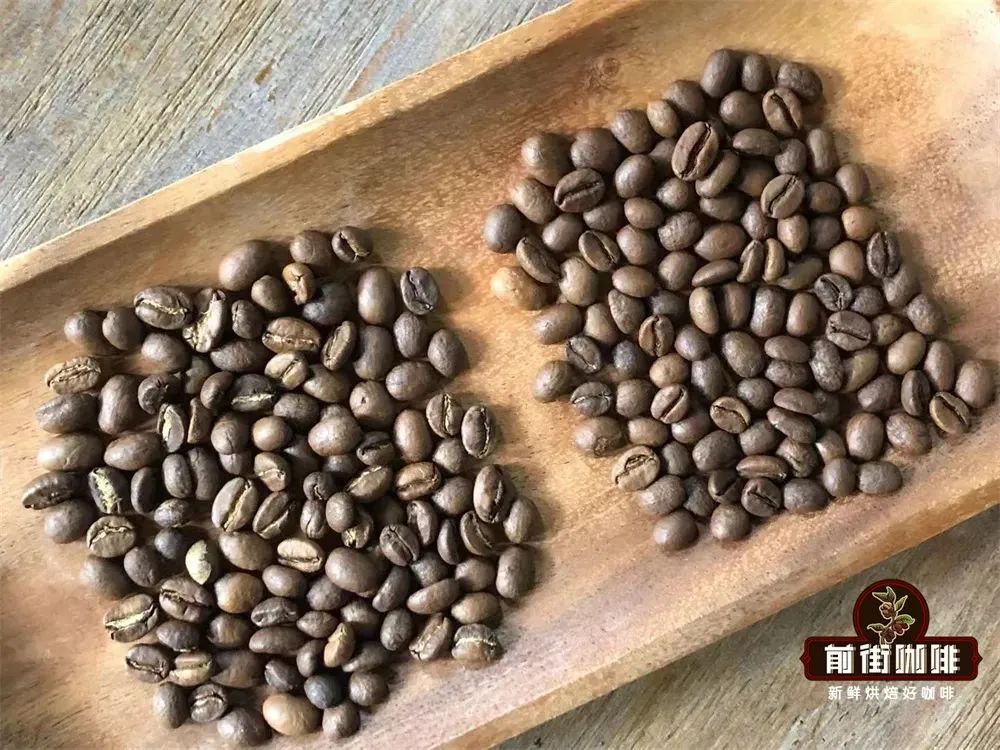
Take Yirgacheffe as the test case: what actually separates washed from natural Yirgacheffe in the cup?
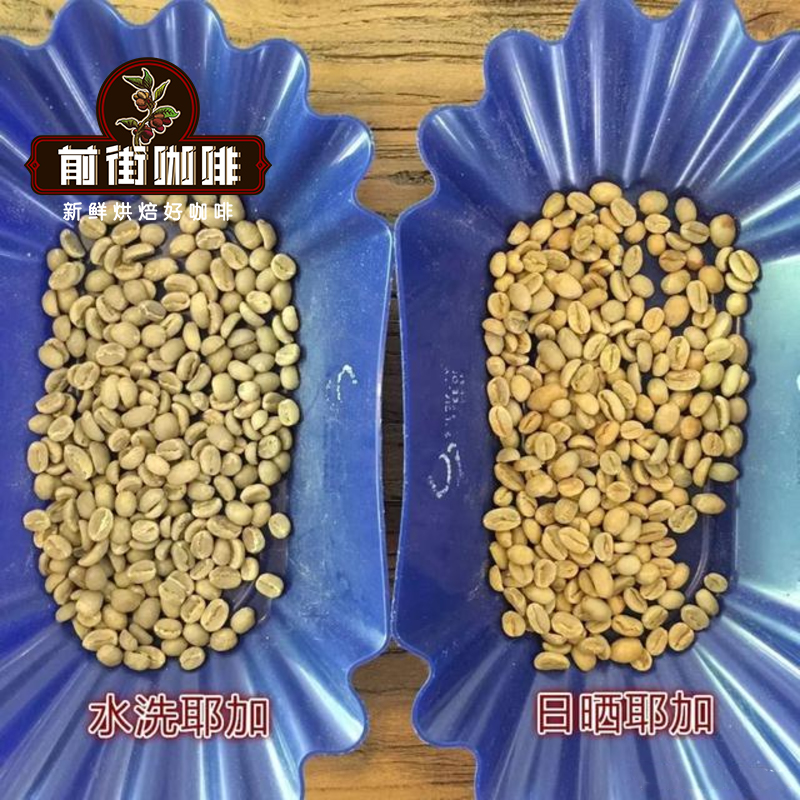
Cupping Notes for Washed and Natural Yirgacheffe

Dry Aroma Differences
Natural Yirgacheffe: a light fermented wine note and spicy fragrance.
Washed Yirgacheffe: jasmine florals with lemon or lime citrus.
[Set with 8 grams of coffee to 150ml of 93°C water; steep 3-4 minutes until a crust forms]
Taste and Mouthfeel Differences
Natural Yirgacheffe: more complex, with that light fermented wine character. The bitterness runs somewhat heavier and the mouthfeel noticeably richer — honey sweetness, cocoa with hints of spice, full body, and a persistent aftertaste.
Washed Yirgacheffe: brighter acidity — think lemon — with a cleaner, more refreshing mouthfeel. The citrus aromatics are more pronounced, and a black tea sensation lingers in the finish.
Similarity: both share the fruit acidity of lemons and other citrus.
Brewing Parameters
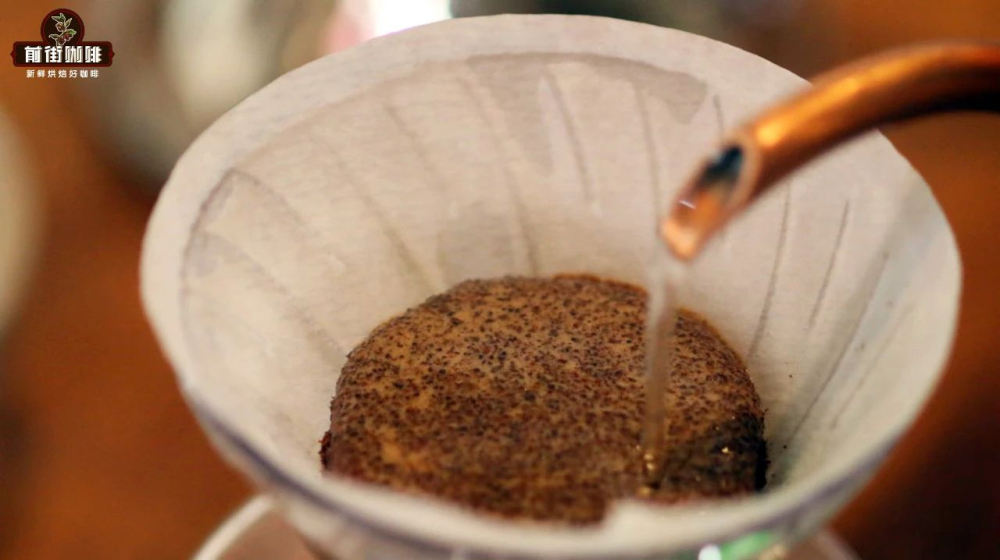
Natural Yirgacheffe: 15g of coffee, 89°C water, grind set at 4 on a Fuji Royal grinder, V60 dripper, 1:15 ratio. Pour 30g to bloom for 25s, then pour to 104g and pause; continue to a total of 230g. Cut off the tail end of the brew. Extraction time around 2 minutes 12 seconds.
Washed Yirgacheffe: 15g of coffee, 92°C water, V60 dripper, 1:15 ratio. Pour 30g to bloom for 28-30s, then pour to 110g and pause; continue to a total of 230g. Cut off the tail end. Extraction time around 2 minutes 15 seconds.
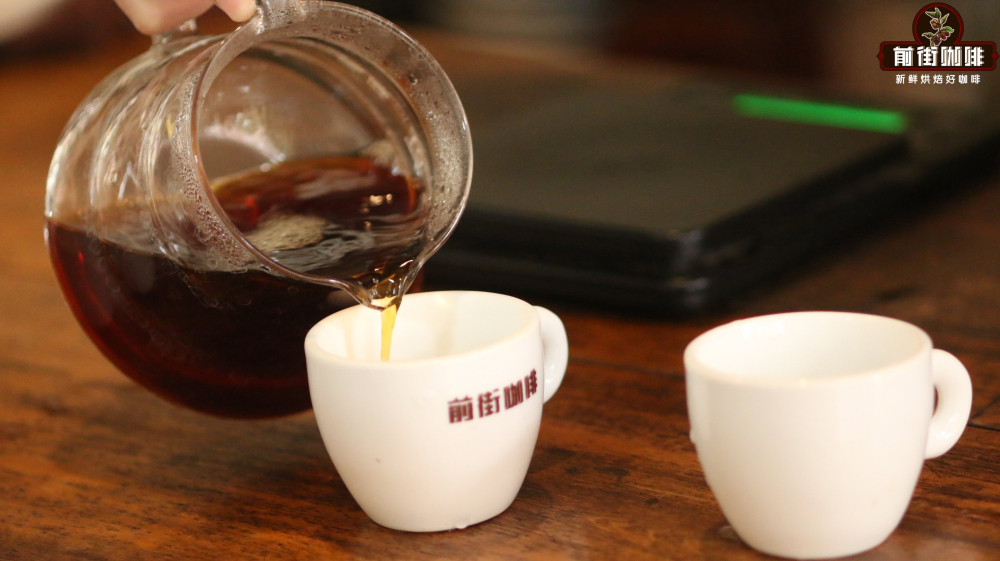
Brewed this way, Yirgacheffe feels like flowers blooming across your taste buds and olfactory system all at once.
Every coffee origin has its own climate and processing culture, and much of the final quality hinges on which method is used. Naturals are simply sun-dried whole; washed lots, by contrast, take a very different road — the de-pulped coffee is worked much like honey-processed lots drying on raised beds, while fully washed coffee ferments in tanks to strip away residual mucilage. Careful monitoring keeps fermentation consistent, batch after batch. That reliability is exactly why most specialty coffee is washed.
FrontStreet Coffee Recommendation
Want to run this washed-versus-natural tasting at home? FrontStreet Coffee's Yunnan small-bean Arabica from Baoshan — washed and medium roasted — shows what the washed route does best: a clean, transparent cup with gentle nut and chocolate sweetness and a touch of plum acidity. Pair it with the FrontStreet 2013 Natural Typica, sun-dried on the estate's own raised beds from fully red-ripe cherries, and you'll taste the other side of the coin: dark berry fruit, caramel and chocolate sweetness, a whisper of dried apricot, and a black tea finish.
Important Notice :
FrontStreet Coffee is a long-established specialty coffee roaster in Guangzhou China, selling freshly roasted beans from its own farm in Yunnan as well as dozens of carefully selected single-origin beans from around the world for both pour-over and espresso. The products deliver consistently excellent quality and great value, with shipping within 24 hours. Guangzhou's FrontStreet Coffee shop is recommended by many coffee lovers, and the beans are now available online at the Tmall 。
FrontStreet Coffee has moved to a new address:
FrontStreet Coffee Address: 315,Donghua East Road,GuangZhou
Tel:020 38364473
 Scan and follow the En Gafei WeChat official account. Please indicate that the reprint comes from "En Gafei".