How Much Pressure Should Be Applied When Tamping Espresso? Espresso Extraction Ratio, Grind Size, and Parameters
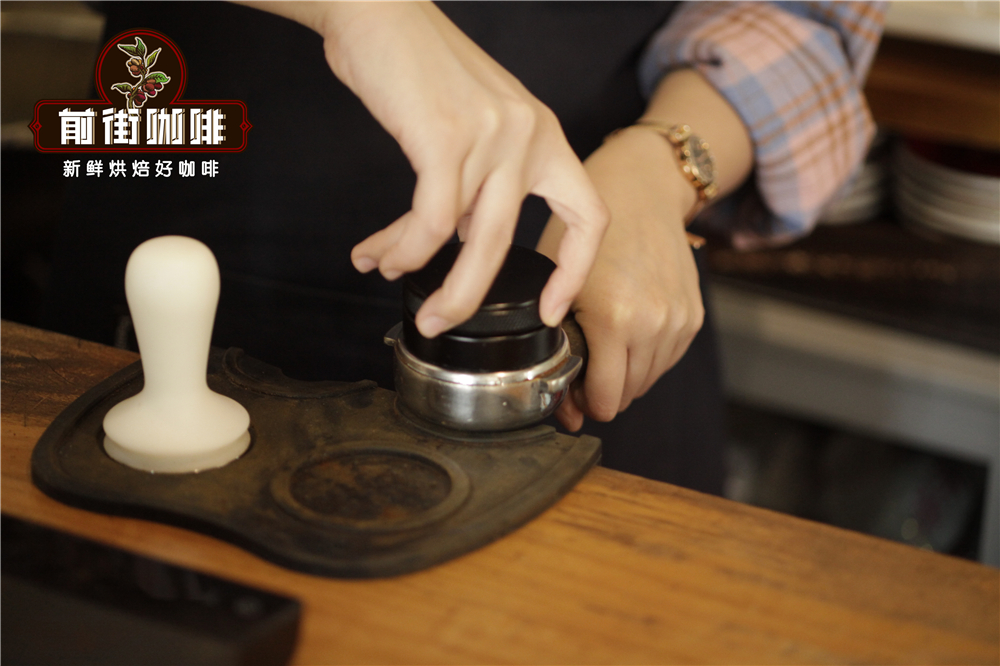
In the process of extracting espresso, we all perform one important step: tamping. So what exactly is the purpose of tamping?
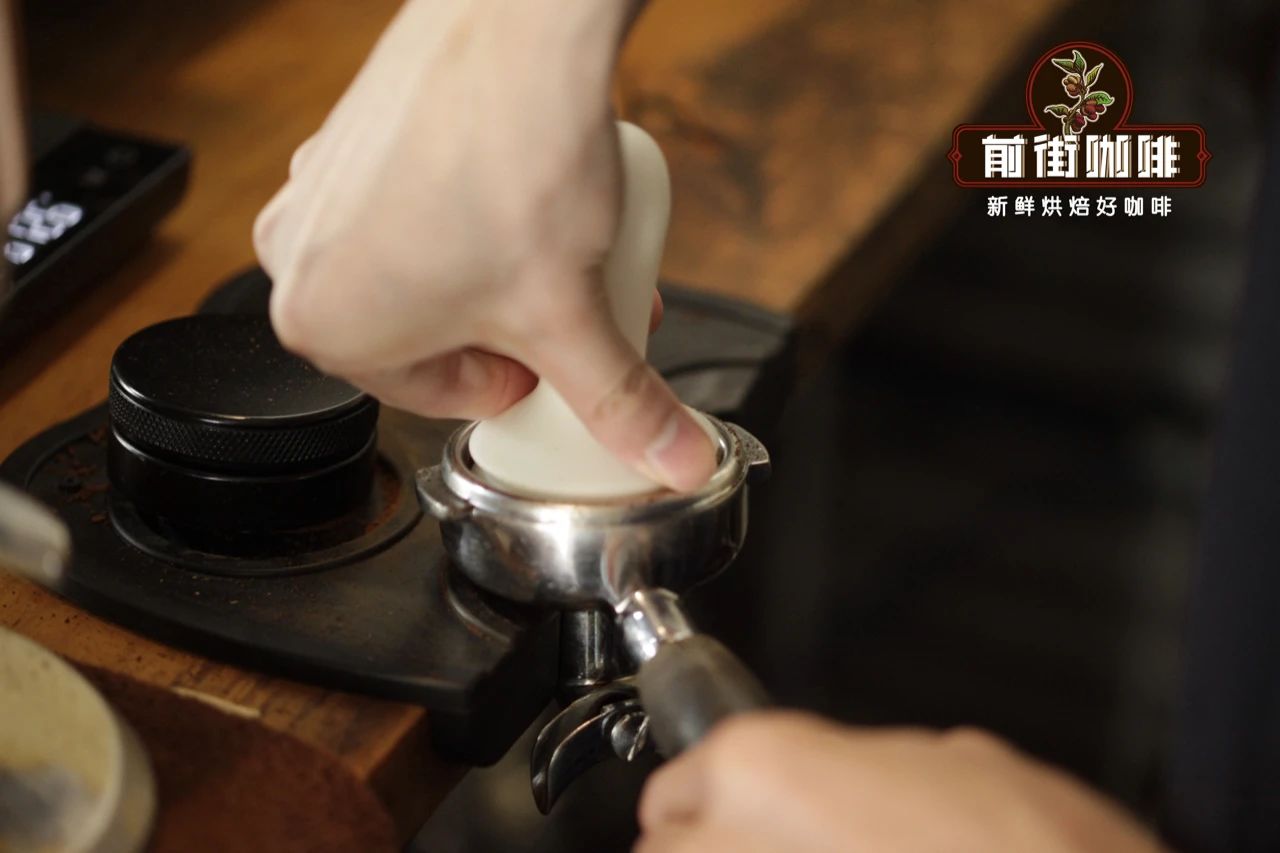
Tamping means using a tamper to compact the coffee grounds in the portafilter into a puck. Is this step necessary, and what is it for? FrontStreet Coffee first demonstrates the answer through a comparative brewing experiment.
FrontStreet Coffee extracted two sets of espresso, differing only in whether tamping was performed. One group was tamped as the control, while the other was not tamped as the experimental group. All other parameters were kept the same. The coffee grounds weighed 20 grams, extracting 40 grams of coffee liquid.
The normally tamped espresso extracted normally with a stable flow rate and a final extraction time of 27 seconds. The non-tamped group immediately ejected coffee liquid at the start of extraction, with an overall fast flow rate, watery consistency, and unstable flow. The entire extraction took 8 seconds less than the control group, and the taste was also more watery and bland.
The Purpose of Tamping
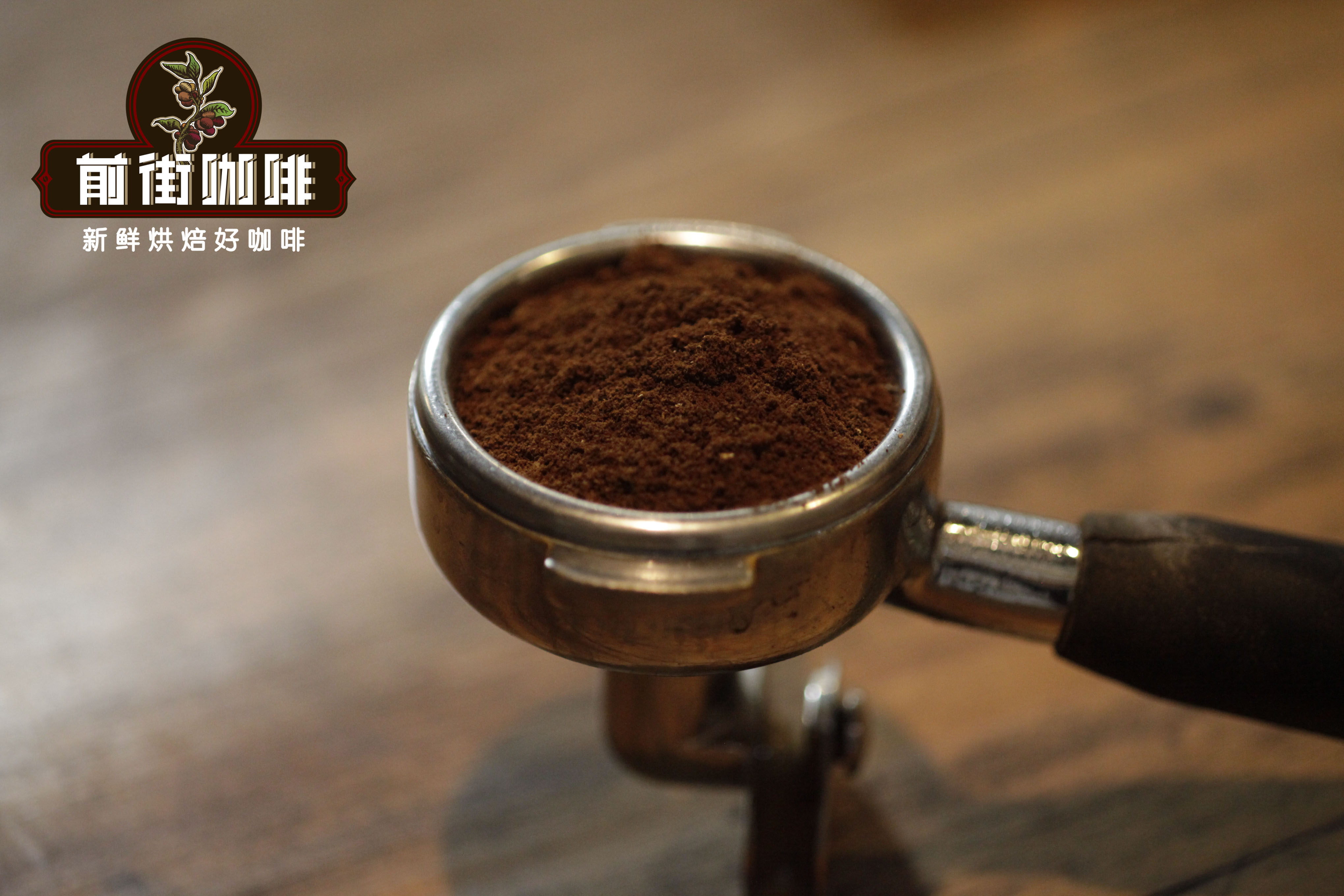
In making espresso, the first step is grinding coffee beans and distributing them evenly into the portafilter. The purpose of distribution is to spread the loose grounds evenly. At that point the grounds are still loose, with gaps of varying size between the particles. If extraction is performed without tamping, the machine's 9 bars of pressure will push water quickly through the coffee. Because the bed is loose, the grounds are scattered by the water flow, and water seeks the easiest paths through. Those easy paths become over-extracted, a problem commonly known as channeling.
So the purpose of tamping is to compact the grounds, reduce the gaps between particles, and provide enough resistance against the water flow during extraction, allowing water to extract the coffee evenly.
What to Pay Attention to When Tamping
So what should you pay attention to when tamping?
First, choose a tamper that matches the diameter of your portafilter. A mismatched diameter might mean you cannot press down, or that gaps remain at the portafilter edge, which makes tamping meaningless.
Tamping posture varies from person to person, but the general principle is that the tamper handle should be perpendicular to the portafilter and the force should be evenly distributed. Press down so the coffee layer is smooth and even. If the force is uneven and tilts the puck, the high-temperature, high-pressure water from the group head will seek the path of least resistance, causing uneven extraction.
Tamping pressure also varies from person to person. Around 2000, when La Marzocco was designing the Swift automatic filling device, the company ran extraction experiments with forces ranging from 2 pounds to 30 pounds (approximately 15kg). They found that no matter how much force was applied, almost no force was transmitted to the bottom of the puck. Tamping pressure therefore has little impact on espresso extraction, as long as the grounds are compacted firmly. You can also "feel" the compression of the puck as you tamp. There is no need to press too hard: a puck compacted too tightly offers too much resistance, so water takes longer to penetrate it, and the coffee turns out thick and bitter.
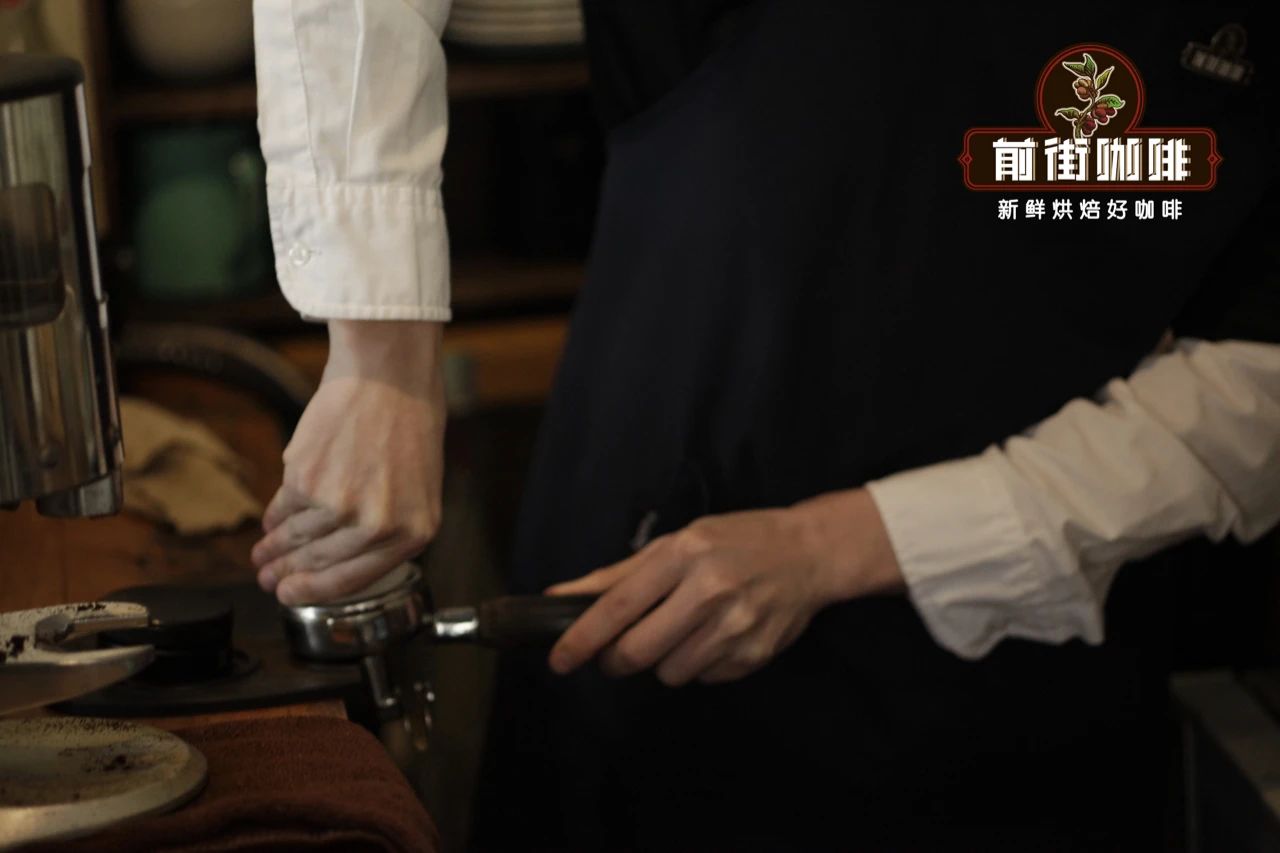
After tamping, small amounts of fine powder may stick to the tamper or the surface of the portafilter. Just rotate the tamper gently before lifting it out.
FrontStreet Coffee's Espresso Beans
What coffee beans does FrontStreet Coffee use to make espresso?
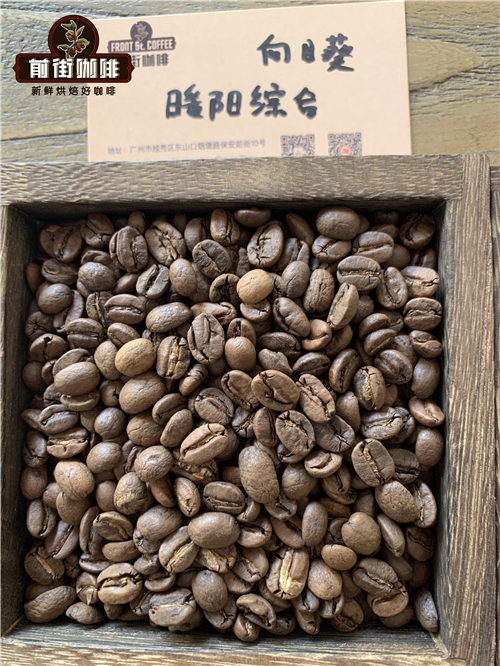
Customers who have visited FrontStreet Coffee's stores for espresso-based drinks often ask which beans are used, finding them quite special. FrontStreet Coffee uses its own blended Sunflower Warm Sunshine Blend. It consists of 70% Honduras Sherry coffee beans and 30% Ethiopia Yirgacheffe Red Cherry Project G1. Both are of the highest quality grade in their respective producing countries. The 70% Honduras Sherry barrel-aged beans provide flavor and body, while the 30% natural processed Yirgacheffe contributes more aroma and acidity.
FrontStreet Coffee's Espresso Extraction Parameters
- Grinder: Feima 900N
- Grind size: 1.6
- Pressure: 9 bar±2
- Temperature: 90.5~96°C
- Time: 25~30 s
- Dose: 20g (double shot espresso)
- Yield: 40ml
Espresso Flavor Profile
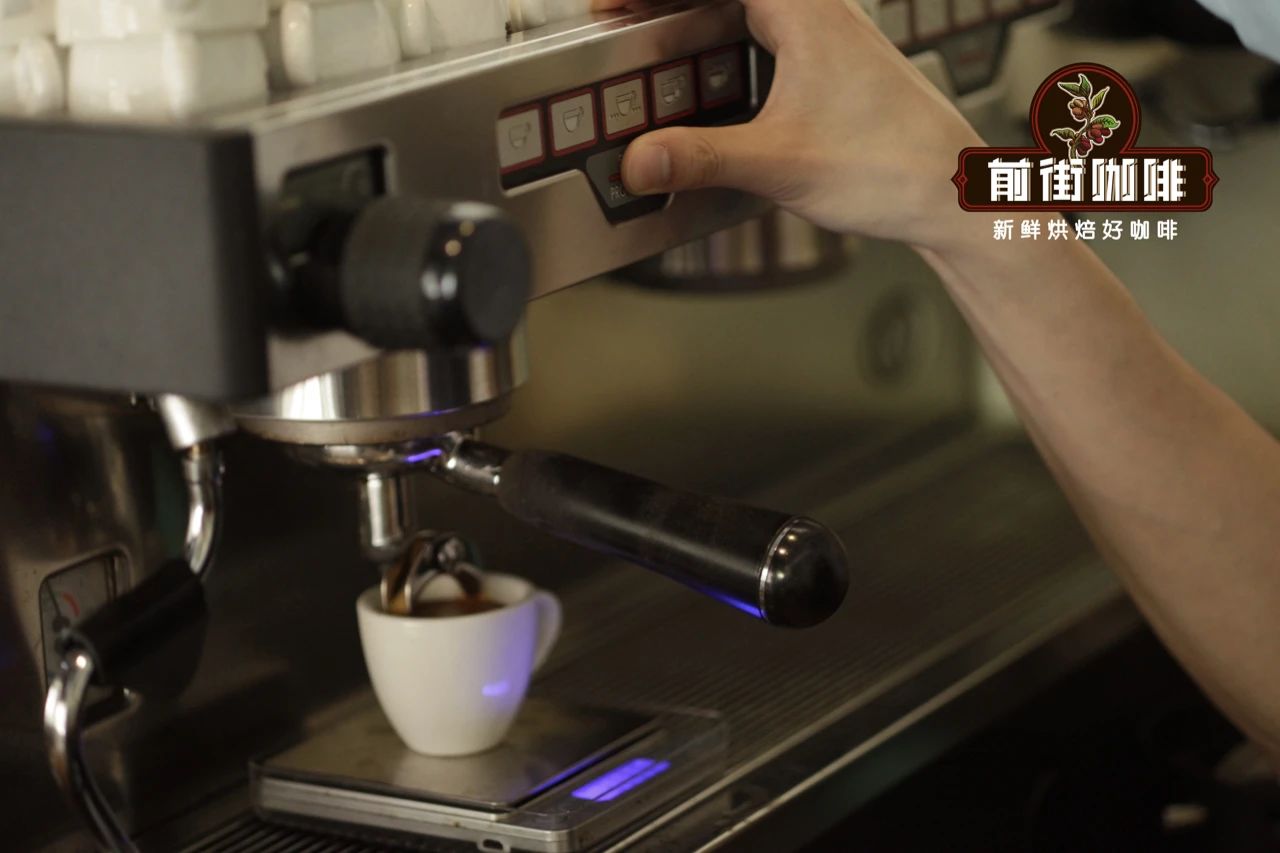
Espresso flavor: smooth mouthfeel, medium body, with distinct fruit acidity on entry accompanied by subtle berry aromas, whiskey fragrance, rich chocolate flavor, and a noticeable aftertaste.
FrontStreet Coffee Recommendation
Tamping is only half the equation: the beans matter just as much. For the tamped 20g-in, 40g-out shot described above, FrontStreet Coffee pulls its espresso with the Sunflower Warm Sunshine blend, made of 70% Honduras Sherry barrel-aged beans and 30% Ethiopia Yirgacheffe Red Cherry Project G1. The Honduras component supplies body and flavor, the natural Yirgacheffe adds aroma and acidity, and the shot shows a smooth mouthfeel, medium body, distinct fruit acidity, berry aromas, whiskey fragrance, chocolate and a clear aftertaste.
If you are choosing beans for your own machine, FrontStreet Coffee's Classic Blend is formulated for espresso and moka pot around the traditional Mamba recipe, so even a basic home machine gives a dense, fine crema, with butter, nut, spice, dark chocolate and toast notes and the golden crema that makes latte art easy. FrontStreet Coffee's Premium Blend and Black Cocoa Blend lean toward almond, walnut and hazelnut, since both use a large share of Brazilian coffee for a bittersweet, creamy peanut smoothness; FrontStreet Coffee's Premium Blend adds the nut, chocolate and caramel of Colombian coffee with moderate acidity, while FrontStreet Coffee's Black Cocoa Blend brings in the ripe-plum acidity of Yunnan small-bean coffee.
For a Single Origin Espresso, FrontStreet Coffee also offers the natural Guji Hambella SOE, roasted medium to keep its elegant floral and fruit while adding cream and strawberry, and the Brazil Queen Estate SOE, a Yellow Bourbon roasted medium-dark that pulls a low-acid, soft shot of chocolate, nut and cream. Pull them the way this article does: 20g in, about 40g out, 9 bar, in 25-30 seconds.
Important Notice :
FrontStreet Coffee is a long-established specialty coffee roaster in Guangzhou China, selling freshly roasted beans from its own farm in Yunnan as well as dozens of carefully selected single-origin beans from around the world for both pour-over and espresso. The products deliver consistently excellent quality and great value, with shipping within 24 hours. Guangzhou's FrontStreet Coffee shop is recommended by many coffee lovers, and the beans are now available online at the Tmall 。
FrontStreet Coffee has moved to a new address:
FrontStreet Coffee Address: 315,Donghua East Road,GuangZhou
Tel:020 38364473
 Scan and follow the En Gafei WeChat official account. Please indicate that the reprint comes from "En Gafei".