Three Major Coffee Growing Regions: Differences in Coffee Bean Varieties' Taste and Flavor Characteristics
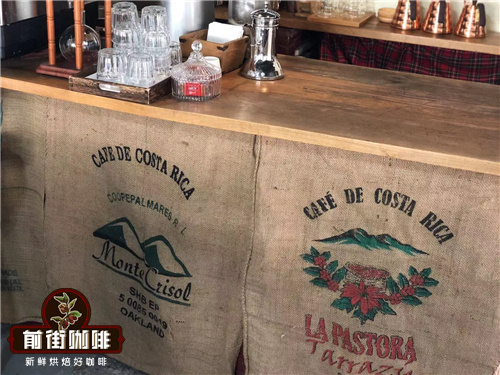
Introduction to World Coffee Regions
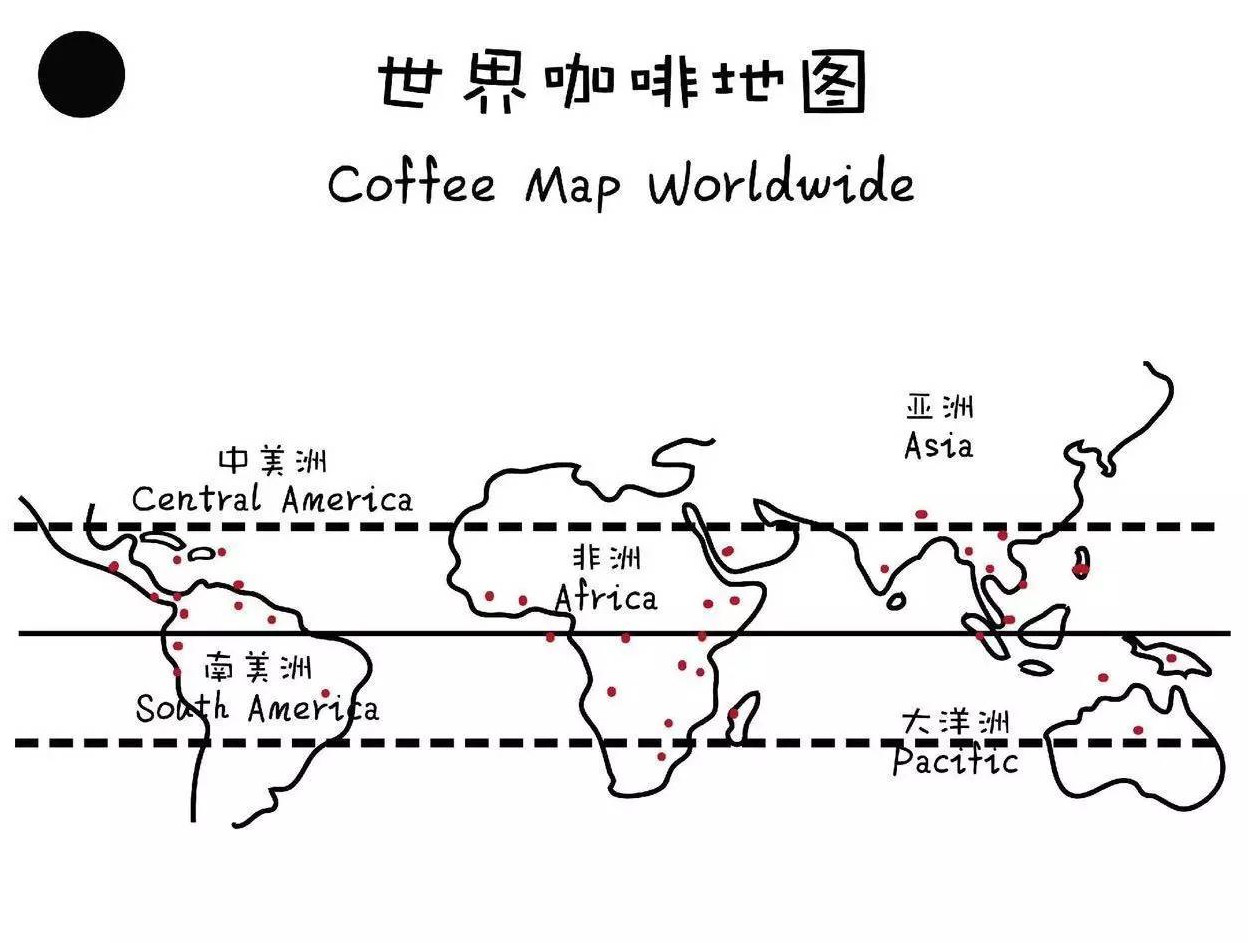
First-time coffee enthusiasts visiting FrontStreet Coffee often do not know how to choose single-origin beans that suit their taste. With over 50 different coffees from around the world available, the choice can be overwhelming. FrontStreet Coffee typically asks whether a drinker prefers acidic or non-acidic coffee, or perhaps a full-bodied brew. These flavor profiles correspond to growing regions, primarily divided into three major coffee regions: Africa, Latin America and Asia. Asian single-origin beans predominantly show unique herbal and spicy notes, while Latin American coffees feature nutty and cocoa profiles, and African beans are renowned for bright fruit acidity and a refreshing taste. Next, FrontStreet Coffee introduces the characteristics of these three regions.
African Coffee Growing Region
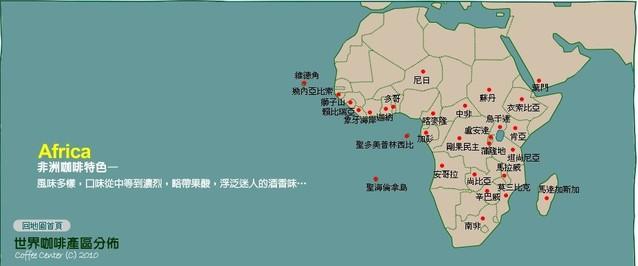
As mentioned above, the African region's flavor is primarily known for pleasant, bright and refreshing fruit acidity. Among the most famous single-origin producing countries are Ethiopia, renowned for its specialty coffee, and neighboring Kenya. These two countries can be said to support the entire development of Africa's coffee industry.
Africa is also the birthplace of coffee, with a development history spanning several hundred years, and today there are still many undiscovered wild coffee varieties on the continent. Next, FrontStreet Coffee introduces Ethiopia, the famous African growing region.
Ethiopian Coffee Bean Growing Conditions
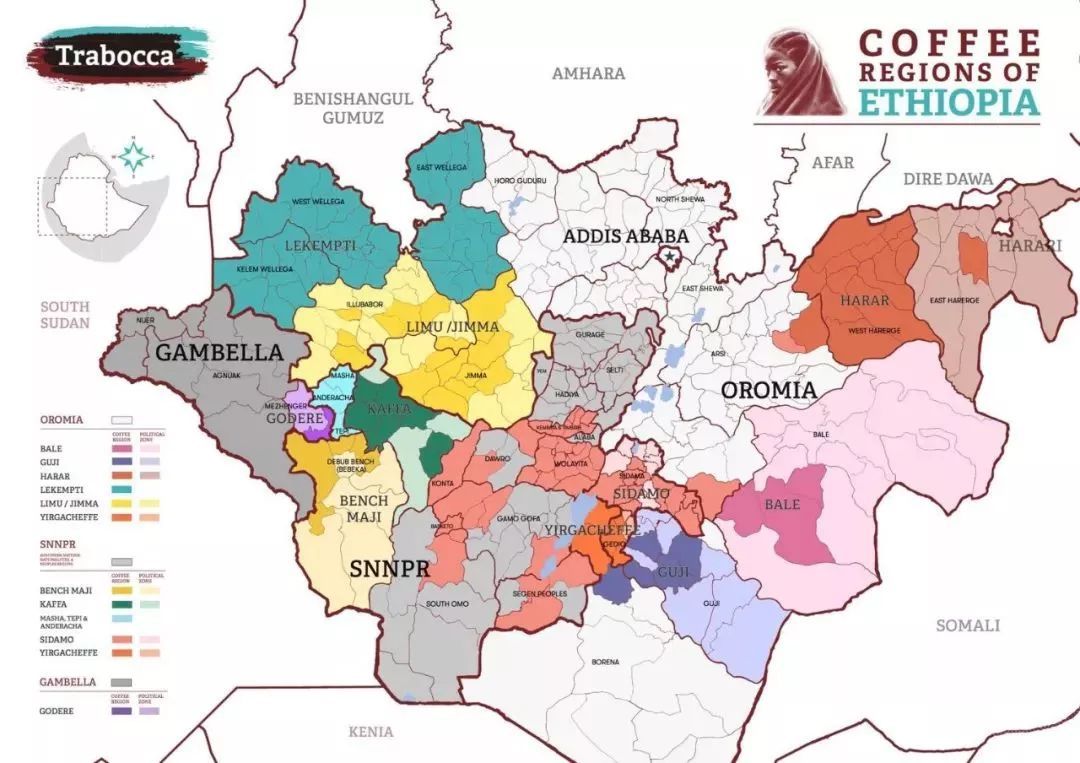
Since the first coffee tree was discovered in Ethiopia, the country has been cultivating coffee, and coffee has become an indispensable part of local life, integrated into daily routines and serving as a primary economic source. Specialty coffee production is abundant and diverse, such as FrontStreet Coffee's Ethiopian Yirgacheffe, FrontStreet Coffee's Sidamo Arsi and FrontStreet Coffee's Sidamo Guji, all originating from this region. Each has its own distinct flavor characteristics without being repetitive, capturing the hearts of numerous coffee enthusiasts.
Ethiopia is located in East Africa and is currently Africa's largest coffee-producing country. Only 60% of its coffee beans are used for export sales, however, while the remainder is used for ceremonial purposes such as weddings, where people create mixtures of coffee beans and coffee pulp, coffee with honey, and various herbs to make remedies for dispelling misfortune. This shows how inseparable coffee is from local life.
The reason Ethiopian coffee flavors are so exceptional is the country's high altitude, mild temperatures and suitable climate, ideal for coffee cultivation. As FrontStreet Coffee has noted before, beans grown at higher altitudes have better flavor and richer acidity. This is the primary reason Ethiopian coffee has such pleasant acidity.
Ethiopian Coffee Varieties
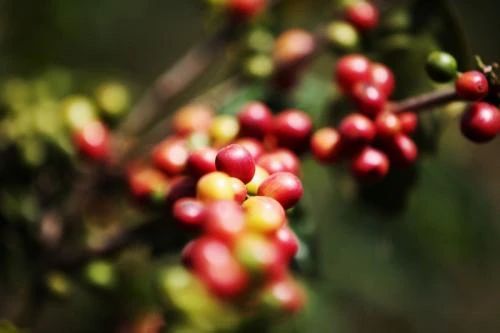
As a birthplace of coffee, Ethiopia still has many undiscovered coffee varieties. Ethiopian coffee varieties are collectively referred to as local indigenous varieties, also known as Heirloom, or long-berry indigenous varieties.
Ethiopian Coffee Bean Main Growing Regions
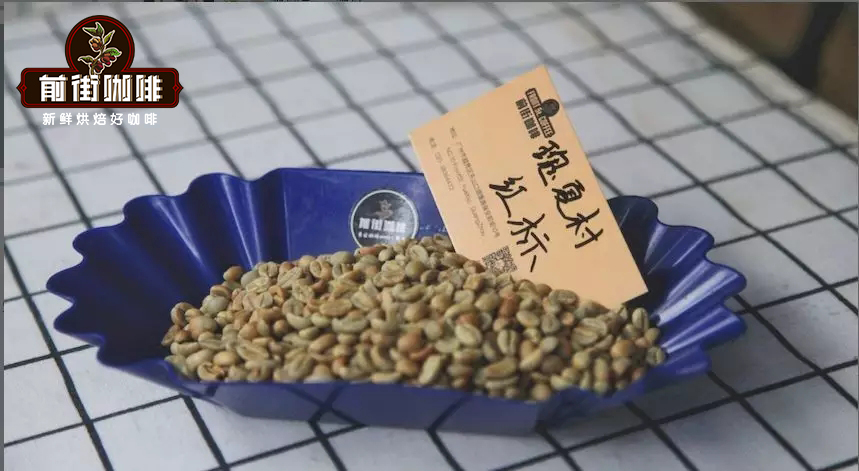
The Sidamo region of Ethiopia is the country's most famous coffee-growing region and holds international recognition. Notable examples include FrontStreet Coffee's Guji and Arsi beans, which originate from this region, and FrontStreet Coffee's Yirgacheffe, one of the most popular among coffee enthusiasts at FrontStreet Coffee. Although Yirgacheffe is located within the Sidamo region, its flavor is so distinctive that it is easily distinguished from other Sidamo coffees, so Yirgacheffe has been separated as its own growing region while also representing a specific flavor profile. This is sufficient proof that the Sidamo region is exceptionally suitable for producing high-quality specialty coffee.
Sidamo Coffee Growing Region
Sidamo is located in southern Ethiopia and is an important growing area in the south of the country. The growing altitude ranges from 1400-2200 meters. The local terrain is diverse, with microclimates, fertile soil and various soil types creating unique coffee flavors. Sidamo coffee flavors are similar to Yirgacheffe, known for their floral and citrus notes.
FrontStreet Coffee Ethiopian Sidamo Guji Coffee Beans
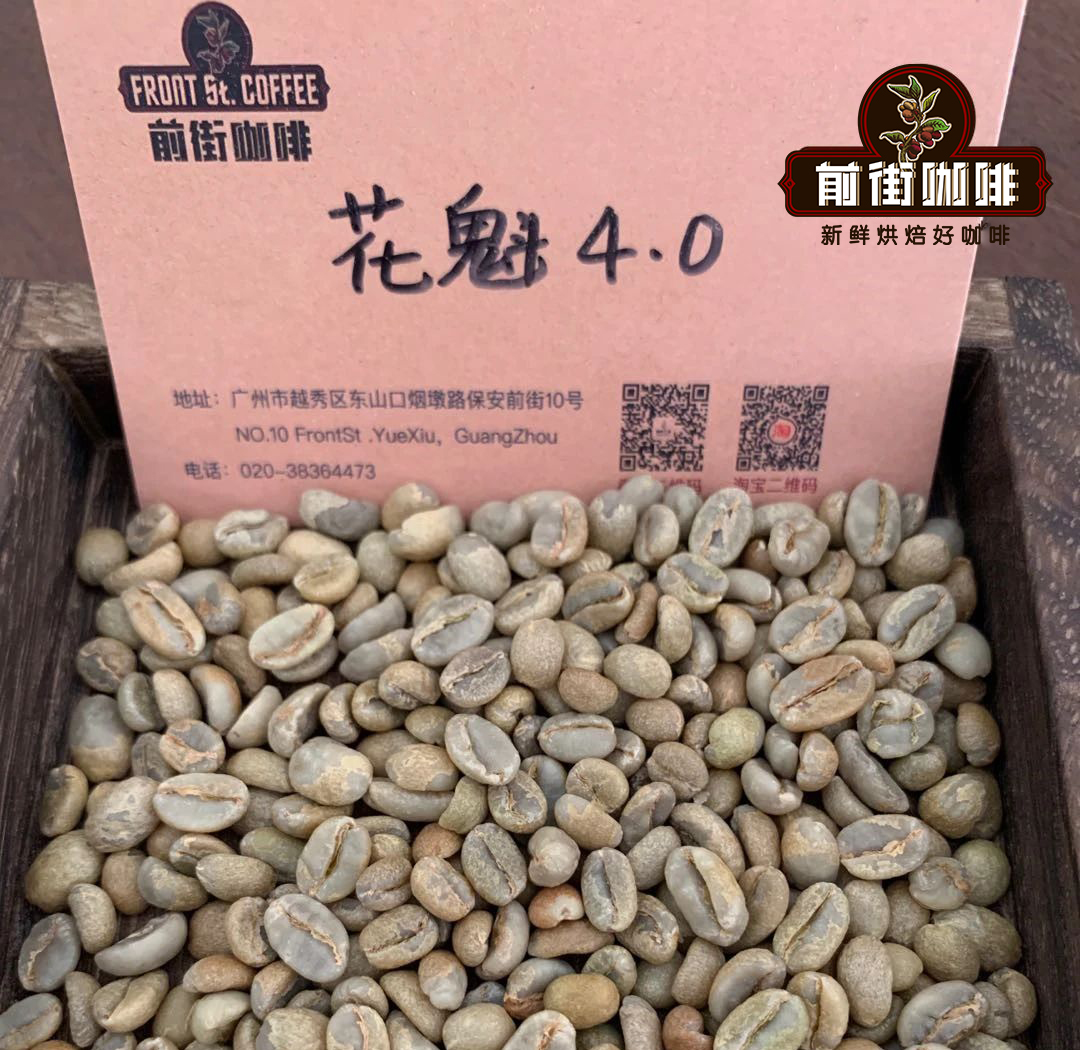
Country: Ethiopia
Region: Sidamo
Altitude: 2250-2350m
Variety: Local Indigenous Varieties
Processing: Natural Processing
Flavor: Berries, Floral Tea, Honey, Lemon, Black Tea
This FrontStreet Coffee Guji coffee won first place in the natural coffee category of the African TOH coffee competition in 2017, hence the name "Guji" (meaning "champion"). It also comes from Sidamo, but not all beans from Sidamo can be called Guji. This champion bean refers specifically to coffee produced by the Buku processing station in the Guji zone of Sidamo in 2017, so only beans produced by the Buku processing station can be called Guji. Due to annual climate variations, coffee flavors may change somewhat, so it is quite normal for FrontStreet Coffee's Guji to taste different each year.
Yirgacheffe Growing Region
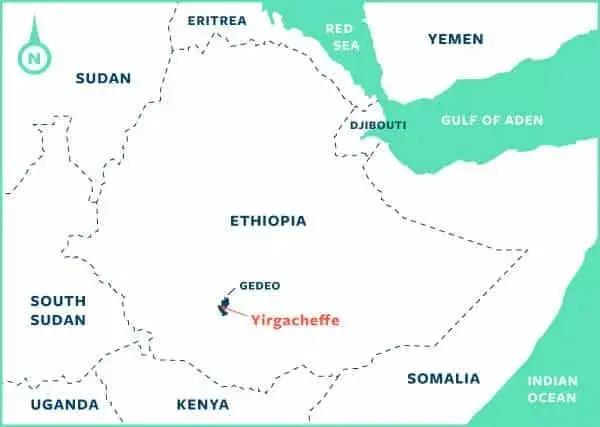
Yirgacheffe is subordinate to the Sidamo region but has been separated because of its unique flavor. In addition to the town of Yirgacheffe itself, it includes three sub-regions: Wenago, Kochere, Gelena and Abaya.
The so-called Yirgacheffe flavor refers to intense jasmine fragrance, lemon aroma, peach and almond sweetness and tea notes. Traditionally, Yirgacheffe used the most ancient natural processing method. However, in 1972, Ethiopia introduced Central and South American washed processing techniques to improve quality, making the jasmine and citrus notes of Yirgacheffe clearer and brighter. FrontStreet Coffee believes the fundamental difference between washed and natural processing is that washed processing presents the most basic flavors of coffee, directly reflecting the special characteristics of the growing region, while natural processing adds sweetness and fermentation notes to those basic flavors.
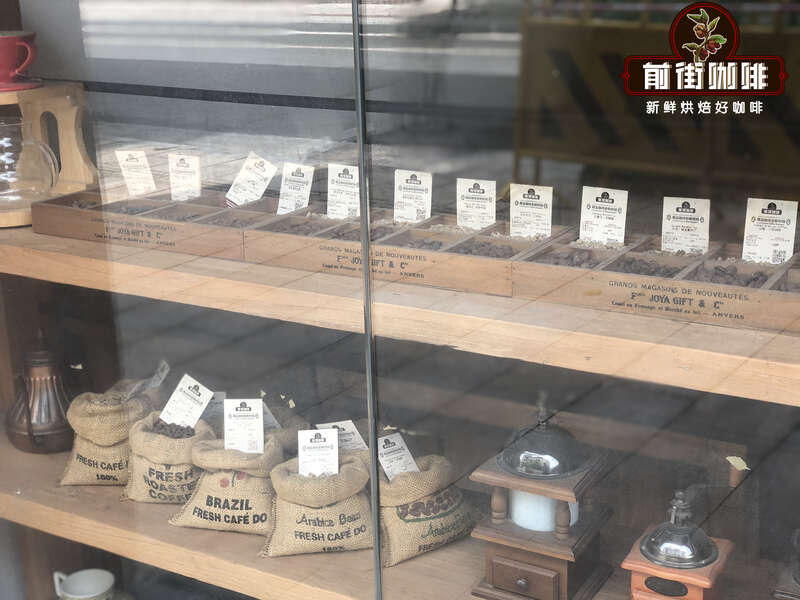
It was precisely the introduction of washed processing that helped Yirgacheffe leap to become a representative of world specialty coffee. After the 1970s, this region primarily used washed processing and became Ethiopia's most popular washed-bean growing region.
In the 21st century, however, the coffee merchant Baghshi, missing the traditional natural bean flavor and unwilling to see natural processing gradually replaced by washed processing, improved the natural bean processing method to enhance flavor and reduce defect rates. As a result, many natural Yirgacheffe coffees can now be found on the market, such as FrontStreet Coffee's Yirgacheffe Natural, which has the unique aroma and fermentation notes of natural processing. This has also given coffee enthusiasts more choices.
FrontStreet Coffee Ethiopian Gotiti Coffee Beans
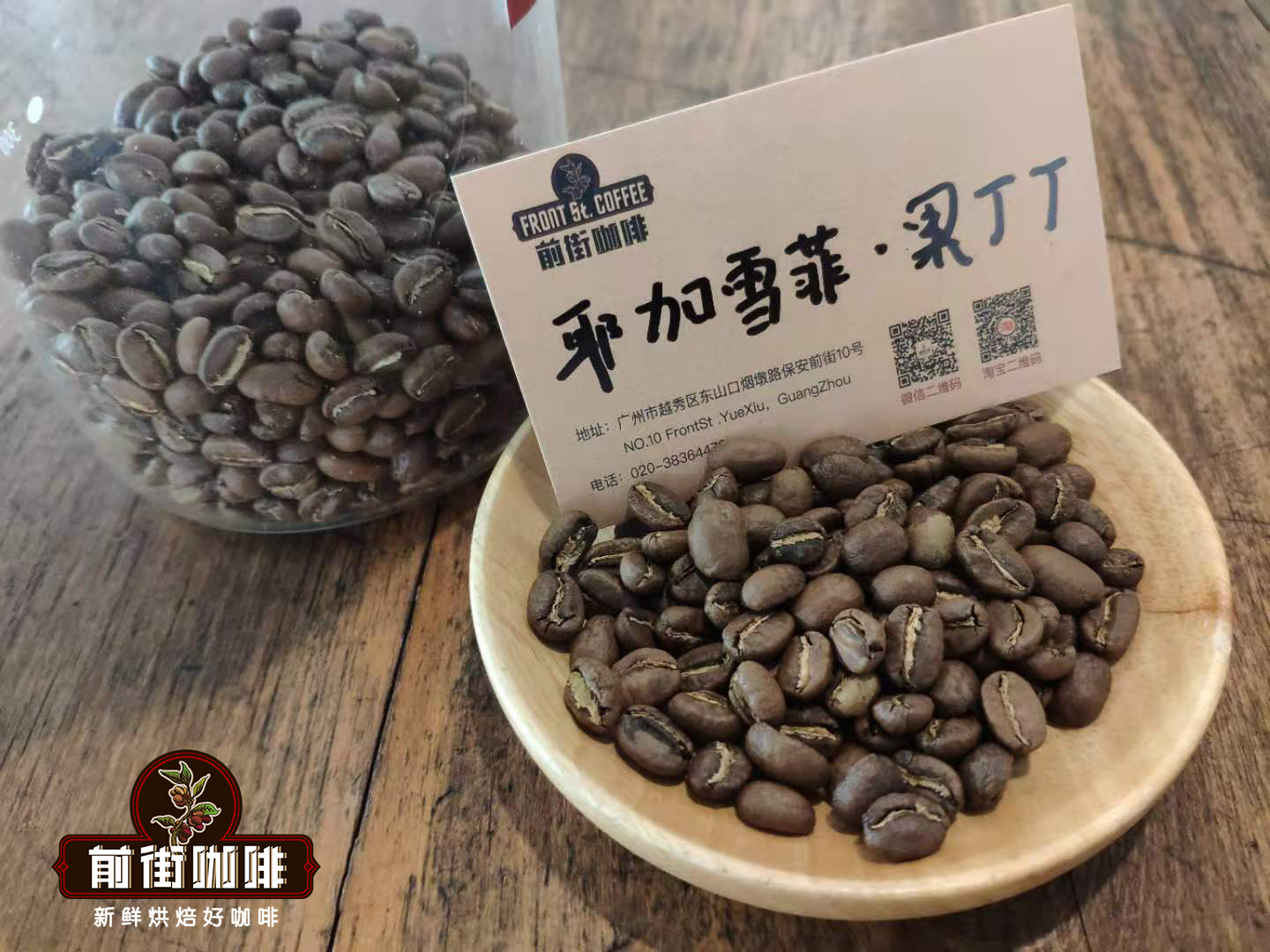
Country: Ethiopia
Region: Yirgacheffe
Altitude: 1900-2300m
Variety: Local Indigenous Varieties
Processing: Washed Processing
Flavor: Tropical Fruits, Cream, Honey, Berries, Citrus
Gotiti Cooperative is located in the Woka region at the southeastern end of Yirgacheffe. According to FrontStreet Coffee's understanding, it was originally part of the Woka Cooperative under the Yirgacheffe Coffee Farmers Cooperative Union (YCFCU).
As people pursued more traceability in green coffee, individual "single-origin" regions were gradually discovered. Therefore, in 2012, Gotiti, with approximately 300 farmer members, independently established the Gotiti Cooperative.
Gotiti village was also one of the first village areas to be independently separated. Many small farmers were originally members of the Woka Cooperative, so their coffee production skills are excellent.
FrontStreet Coffee Ethiopian Yirgacheffe Natural Red Cherry
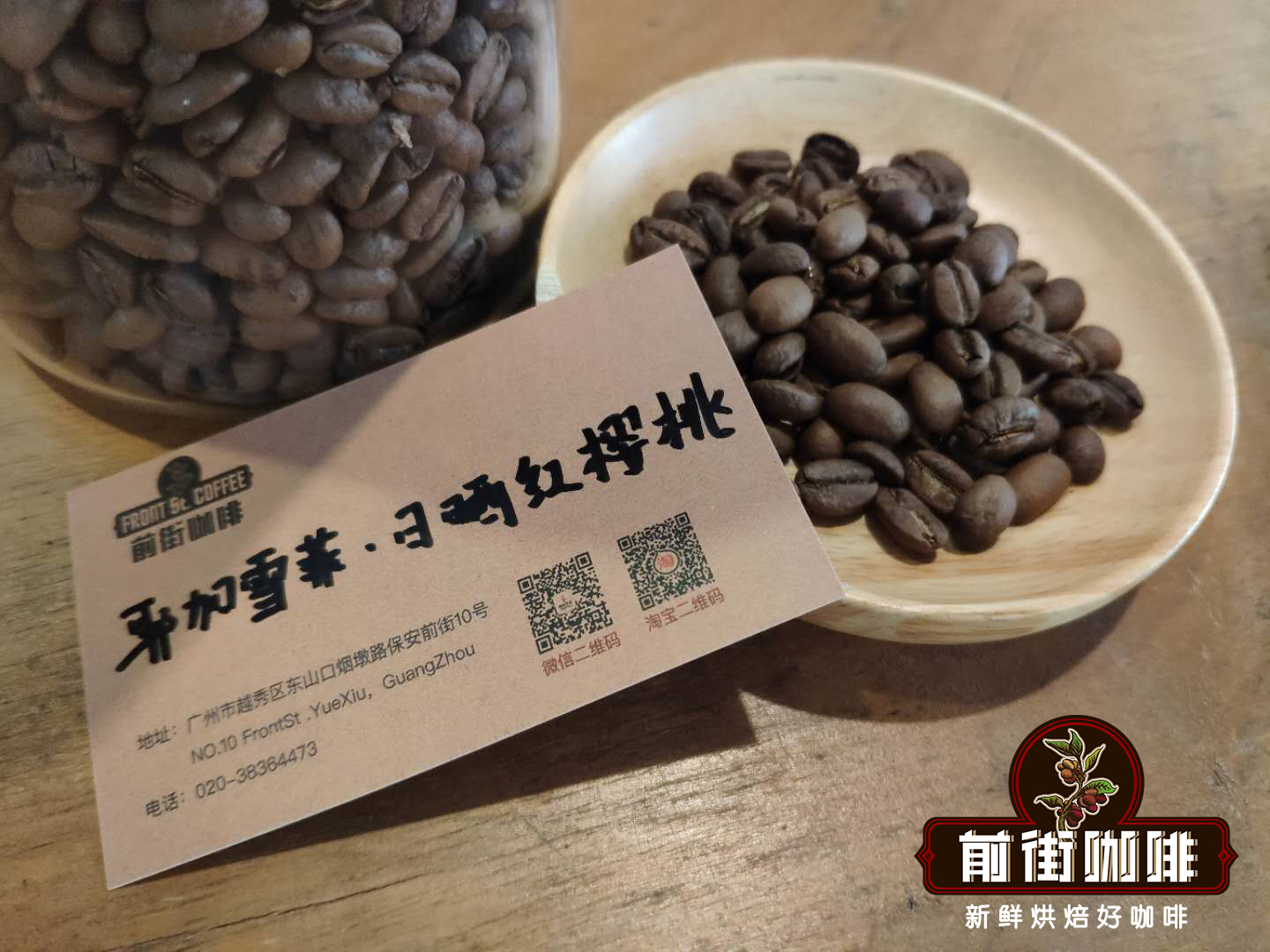
Country: Ethiopia
Region: Yirgacheffe
Altitude: 2300m
Variety: Local Indigenous Varieties
Processing: Natural Processing
Flavor: Berries, Lemon, Strawberry, Fermented Wine Notes
The term Red Cherry coffee beans actually refers to the Red Cherry Project, jointly initiated by the Dutch trader Trabocca and local farmers to improve the quality of small-scale farms. Harvesting coffee fruit requires picking not only fully red, ripe fruit but doing so entirely by hand. These are only the most basic requirements; there are also corresponding requirements for processing methods.
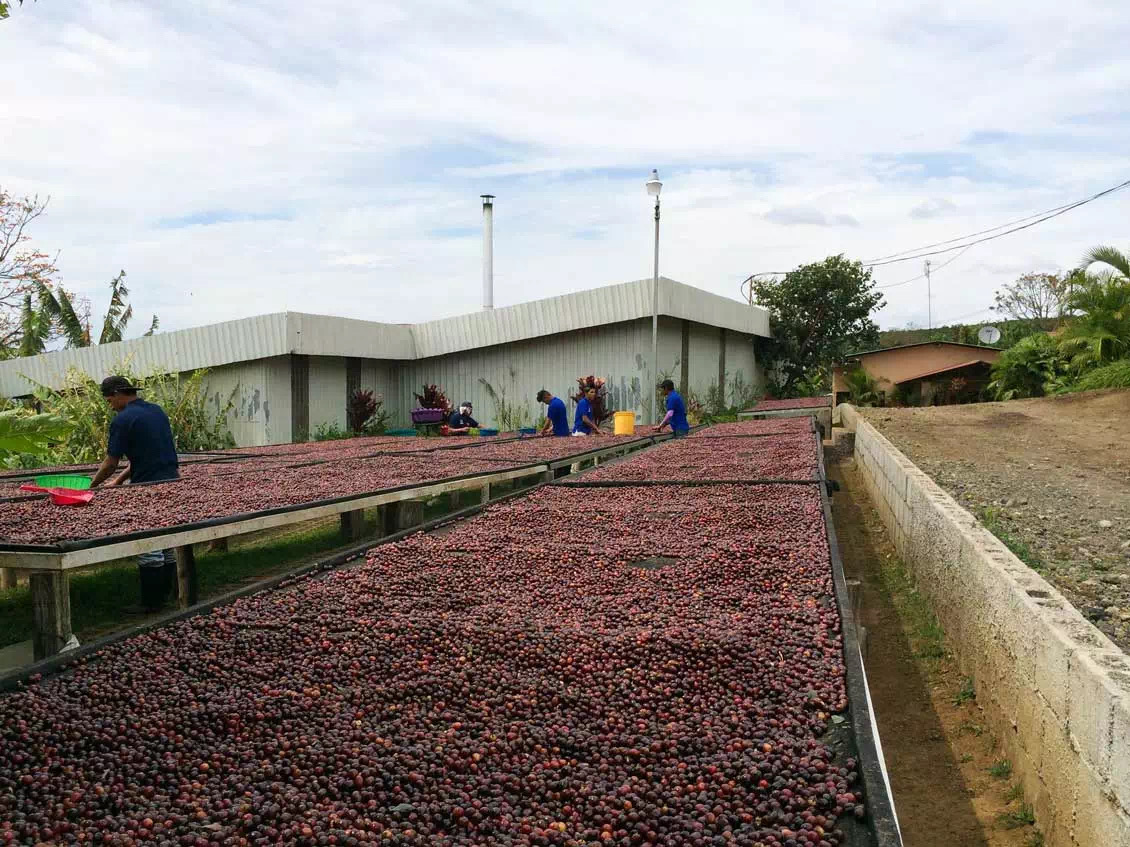
The Red Cherry Project encourages coffee farmers to invest more effort in sorting and selection, which makes these coffees relatively expensive. The unique term "Red Cherry Coffee" belongs exclusively to Ethiopia, though Red Cherry coffees exported from there will have the English name of the Trabocca company printed on their jute bags.
The above covers Ethiopia, the most famous producing country in the African region. Next, FrontStreet Coffee introduces the coffee beans from the Latin American growing region.
Latin American Coffee Growing Region
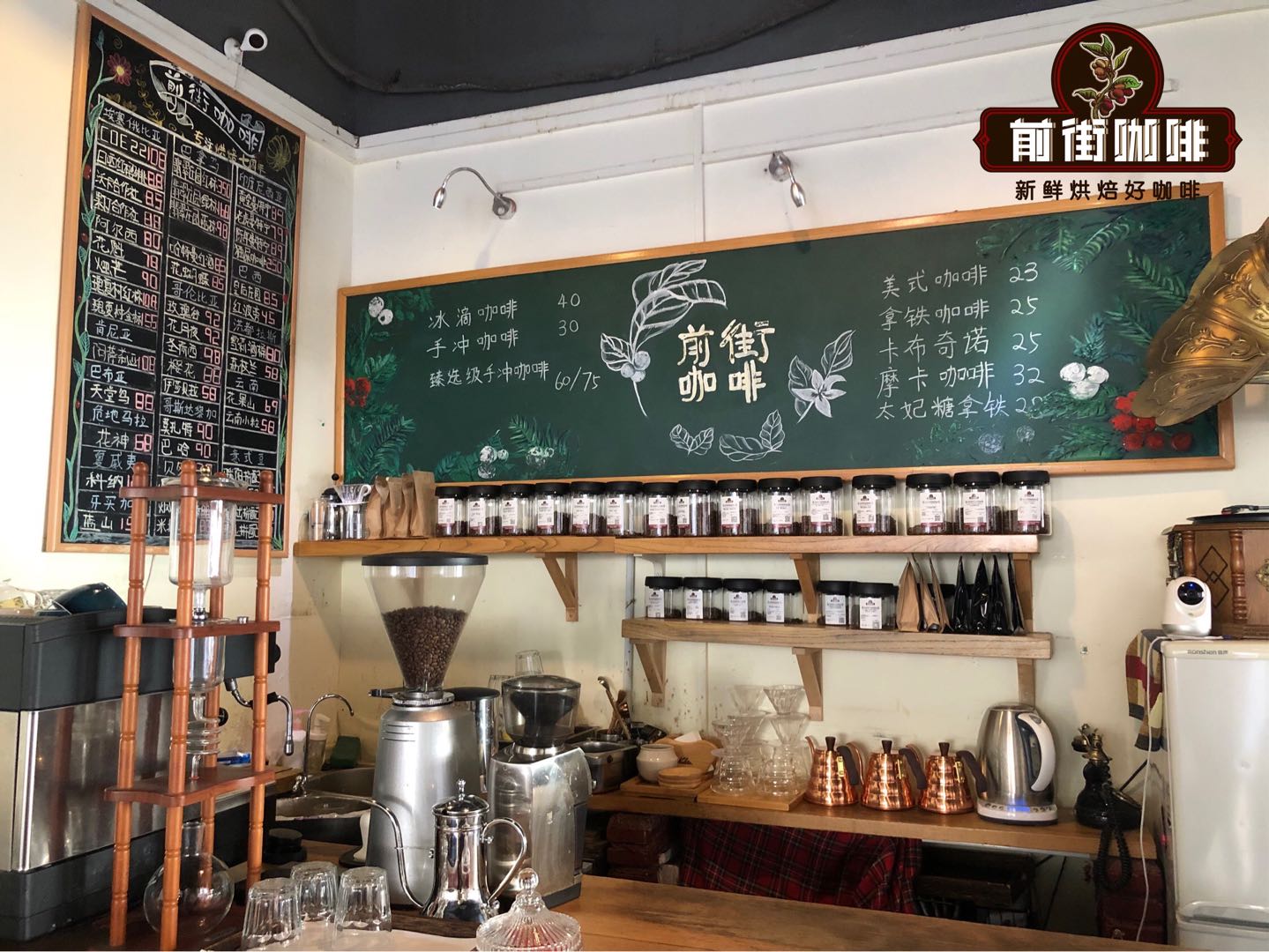
As mentioned above, Latin American coffees are primarily characterized by nutty and cocoa notes, a result of Latin America's climate. Latin America is the continent with the most humid and hot climate in the world. Low-altitude areas are heavily humid and hot, while higher altitude regions are relatively drier, which makes them quite suitable for coffee cultivation.
The coffee history of Latin America originated in the eighteenth century, when the region was deeply influenced by Spanish colonial rule, which is why many Latin American countries still use Spanish today. Because of the colonial relationship, even though coffee cultivation increased significantly in the colonized countries, there were substantial quality issues. It was not until the concept of specialty coffee emerged that Latin American producing countries began to focus on refined production.
In terms of flavor, as FrontStreet Coffee mentioned above, Latin American growing regions are fragmented, and the flavors presented in high-altitude and low-altitude areas differ. Latin American coffees are therefore often known for their balance. Besides nutty and cocoa flavors, almost all coffee flavors can be found in Latin America. Being American countries with good processing practices, the beans from this continent are also more uniform in size and have lower defect rates.
For example, FrontStreet Coffee's Brazilian beans display pure American nutty and cocoa flavors, while Costa Rican coffees have a relatively mild and smooth character with rich nutty and sweet aromas. These are enough to prove the flavor diversity of Latin America, with its relatively balanced flavor characteristics. Next, FrontStreet Coffee introduces these two famous Latin American growing regions.
Brazilian Coffee Bean Growing Region
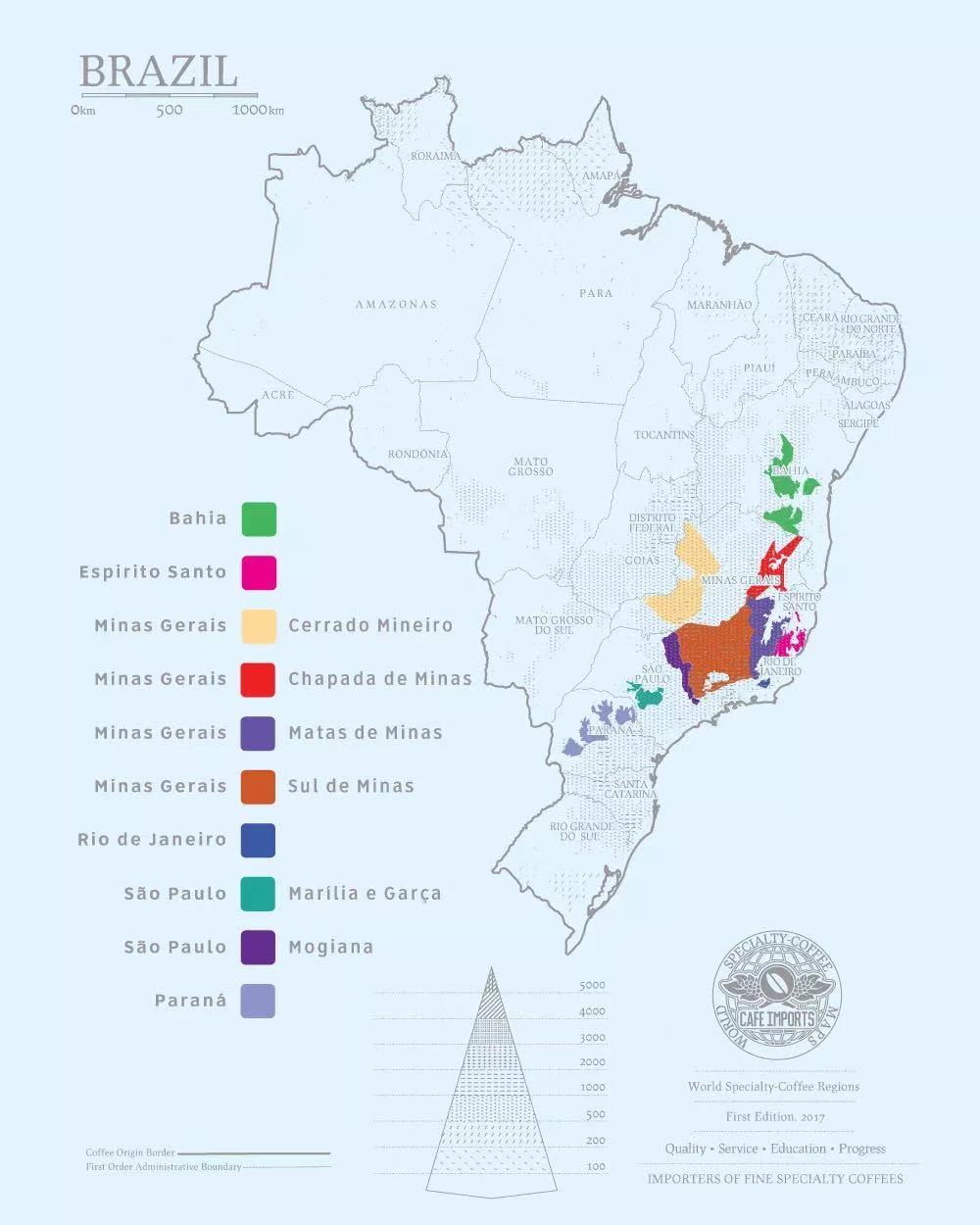
The characteristic of Brazilian growing-region coffee is low acidity, heavy nutty and chocolate notes and excellent body. FrontStreet Coffee suggests that enthusiasts who enjoy full-bodied, nutty and cocoa-flavored coffee choose Brazilian beans, which will not disappoint. Brazil is currently the world's number one coffee-producing country and also the world's second-largest coffee consumer.
Brazilian Coffee Bean Growing History
Coffee was introduced to Brazil after the 18th century. In 1727, coffee was brought to Belém, Brazil from Guyana, and has since taken root in the country, mainly distributed in the southeastern coastal regions: the states of São Paulo, Paraná, Espírito Santo and Minas Gerais.
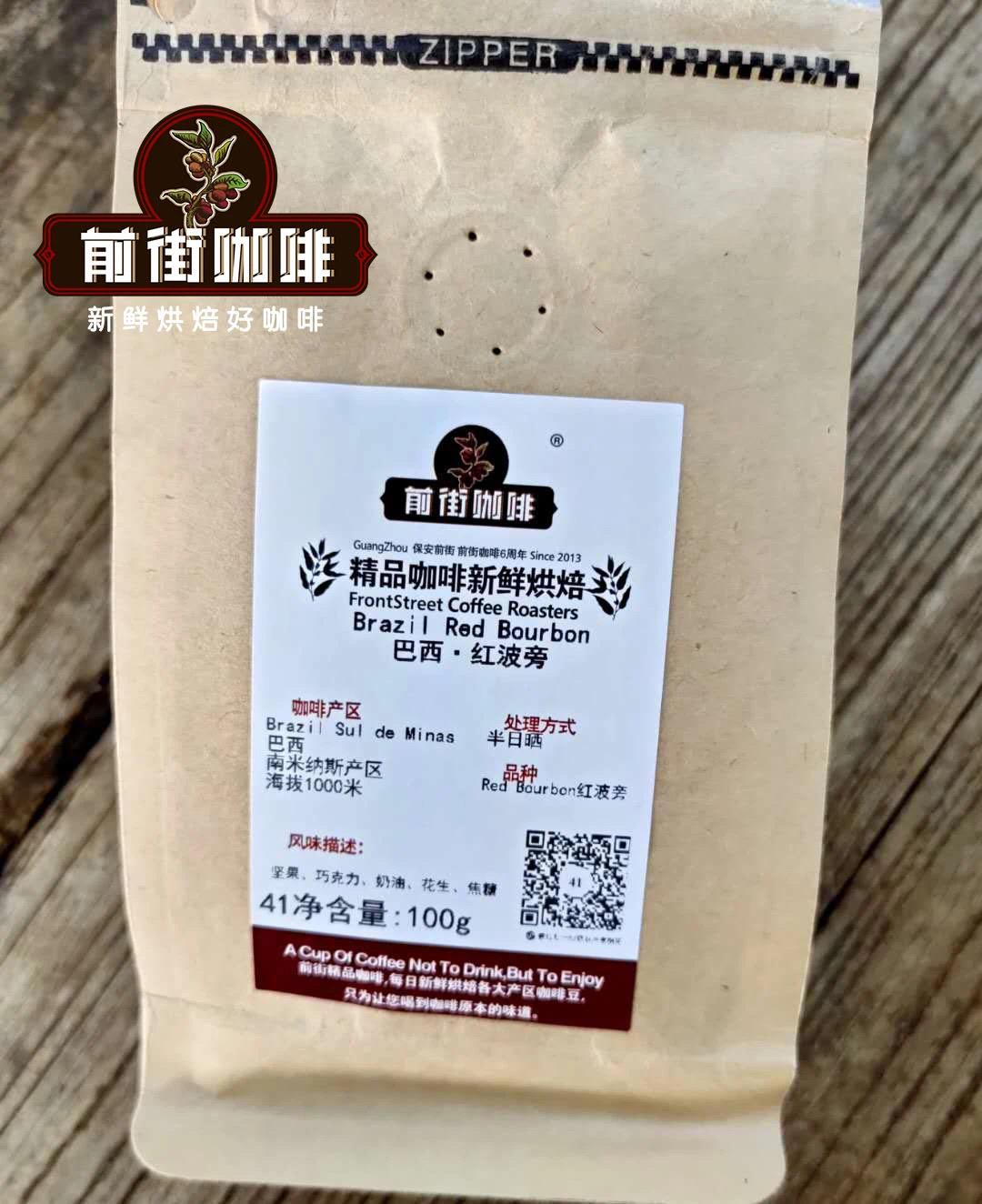
From the late 18th century to the 1920s was the golden age of Brazilian coffee production. At one point, Brazil's coffee production accounted for 75% of the world's total. For a long period, coffee exports accounted for 2/3 of Brazil's total export income, making Brazil the undisputed "Coffee Kingdom." However, the economic crisis that erupted in 1929 sharply reduced world coffee consumption and delivered a heavy blow to Brazil's coffee economy.
Since then, the proportion of coffee in Brazil's export income has declined sharply. In the past 30 years, with the rise and development of modern Brazilian industry, particularly steel, shipbuilding, automobile and aircraft manufacturing, the status of coffee in the national economy has declined year by year. It remains one of Brazil's economic pillars, however, and Brazil is still the world's largest coffee producer and exporter.
Brazilian Coffee Bean Growing Conditions
Compared with other Latin American countries, Brazil has lower altitudes and lacks microclimates. There is also a tendency to plant coffee trees without shade trees. As a result, Brazilian coffee has a somewhat plain flavor without remarkable characteristics. For this reason, Brazil is very committed to improving coffee bean quality, continuously improving Arabica varieties and investing considerable effort in processing research.
Brazilian Coffee Bean Processing Methods
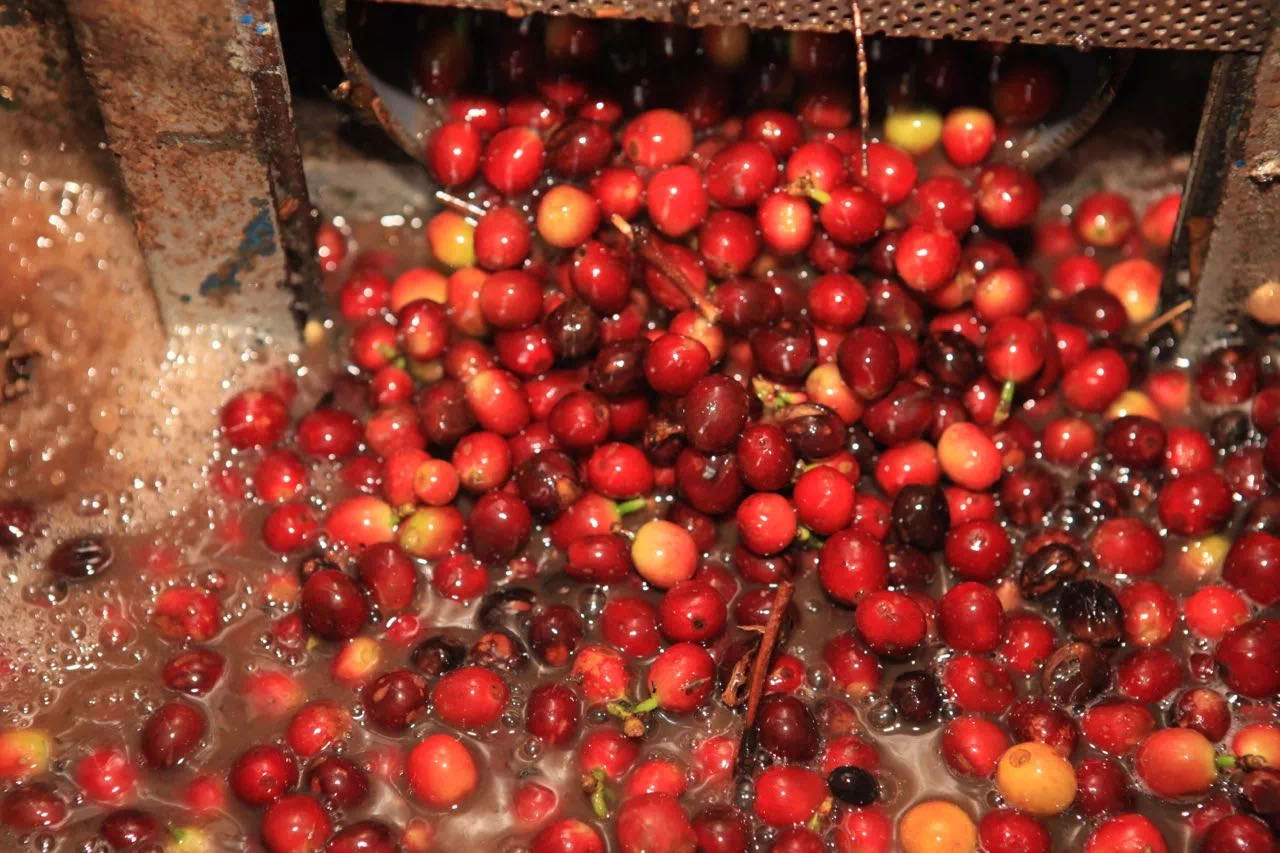
According to FrontStreet Coffee's understanding, the most commonly used processing methods in Brazil today include natural processing, pulped natural processing, semi-washed processing and washed processing. Among these, washed processing started relatively late in Brazil and has not yet gained high market acceptance.
Natural Processing: select ripe coffee fruit and place it directly in the sun to dry. The fruit needs to be turned occasionally to ensure even heating and drying until it reaches 12% moisture content, then the fruit skin and pulp are removed.
Pulped Natural Processing: after selecting suitable coffee fruit, remove the skin, pulp and some mucilage, then dry with a small amount of mucilage until reaching 12% moisture content.
Semi-washed Processing: unlike pulped natural processing, the mucilage is completely removed before drying until reaching 12% moisture content.
Washed Processing: select suitable coffee fruit, remove the skin and pulp, and use water soaking and fermentation to remove mucilage. This process can create acidity in the beans, which are then dried until reaching 12% moisture content. Both pulped natural and semi-washed processing use mechanical methods to remove mucilage, which differs from washed processing.
Among these, FrontStreet Coffee believes the bean that best represents the flavor characteristics of the Brazilian growing region is FrontStreet Coffee's Brazil Queen Estate.
FrontStreet Coffee Brazil Queen Estate Coffee Beans
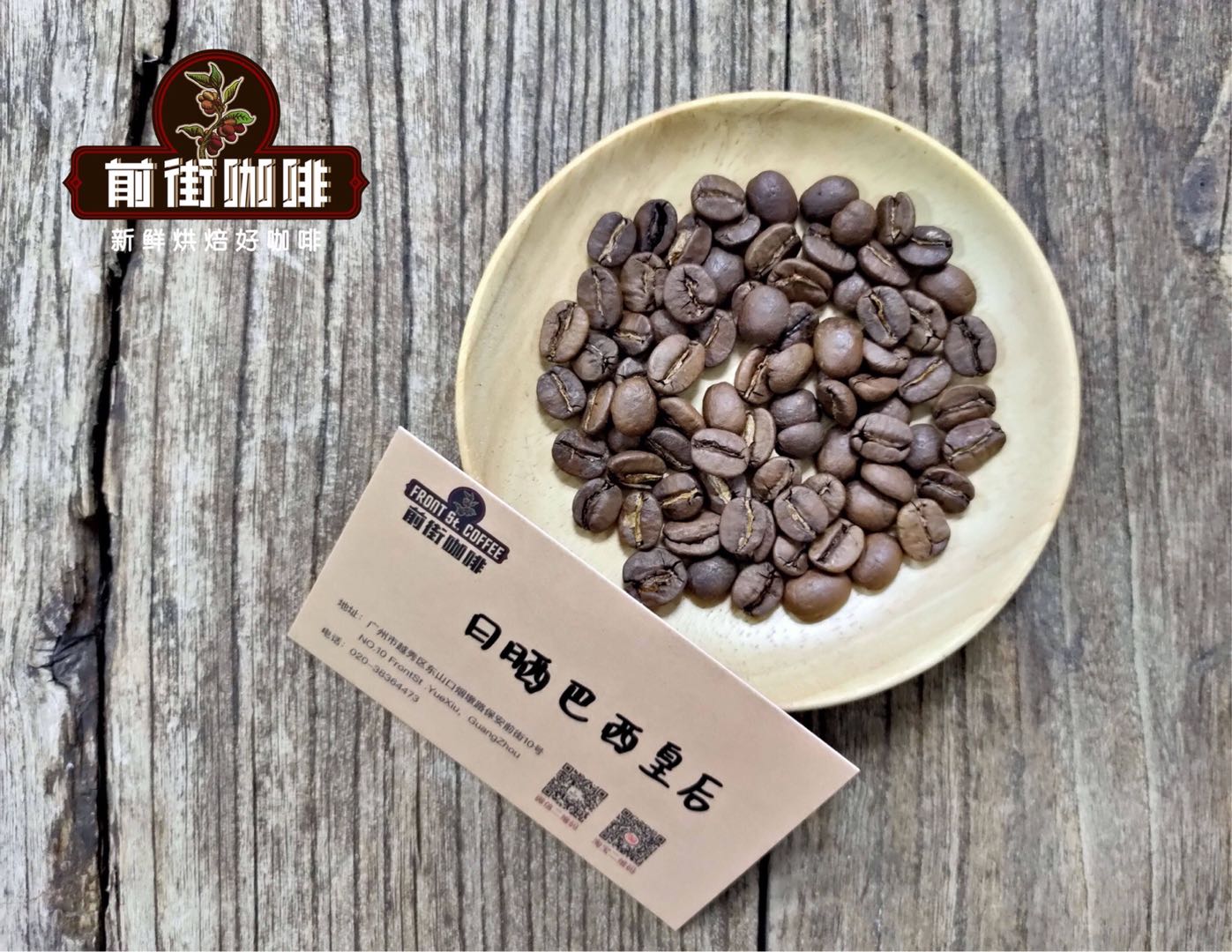
Country: Brazil
Region: Mogiana
Altitude: 1400-1950m
Variety: Yellow Bourbon
Processing: Pulped Natural
Flavor: Nuts, Creamy Peanuts, Fermented Fruit Notes, Sugarcane
This FrontStreet Coffee coffee comes from Queen Estate in the Mogiana region of Brazil. The estate covers 280 acres and is located in Vale da Grama, an ancient volcanic valley in Brazil.
In 2011, the estate won the championship in Brazil's Cup of Excellence (COE) competition. Queen Estate is owned by the renowned and respected coffee family Carvalho Dias. The four major estates under Carvalho Dias have won awards every year since the first Brazil COE competition in 1999, with more than 12 awards in 7 years. In 2004, they even swept the championship, 9th place, 11th place and others, sufficient proof of the estate's quality and also a help in restoring the reputation of Brazilian coffee.
The estate is a member of a medium-sized farm organization in the local Grama Valley, primarily exporting Bourbon variety specialty coffee. Environmental protection is thorough, and because of the higher altitude and non-flat terrain, machines cannot be used for harvesting; all fruit is picked entirely by hand. They also cultivate low-yield, high-quality Bourbon varieties as the essence of Brazilian premium coffee. FrontStreet Coffee therefore believes this estate's coffee best represents Brazil's premium coffee.
Costa Rican Coffee Growing Region
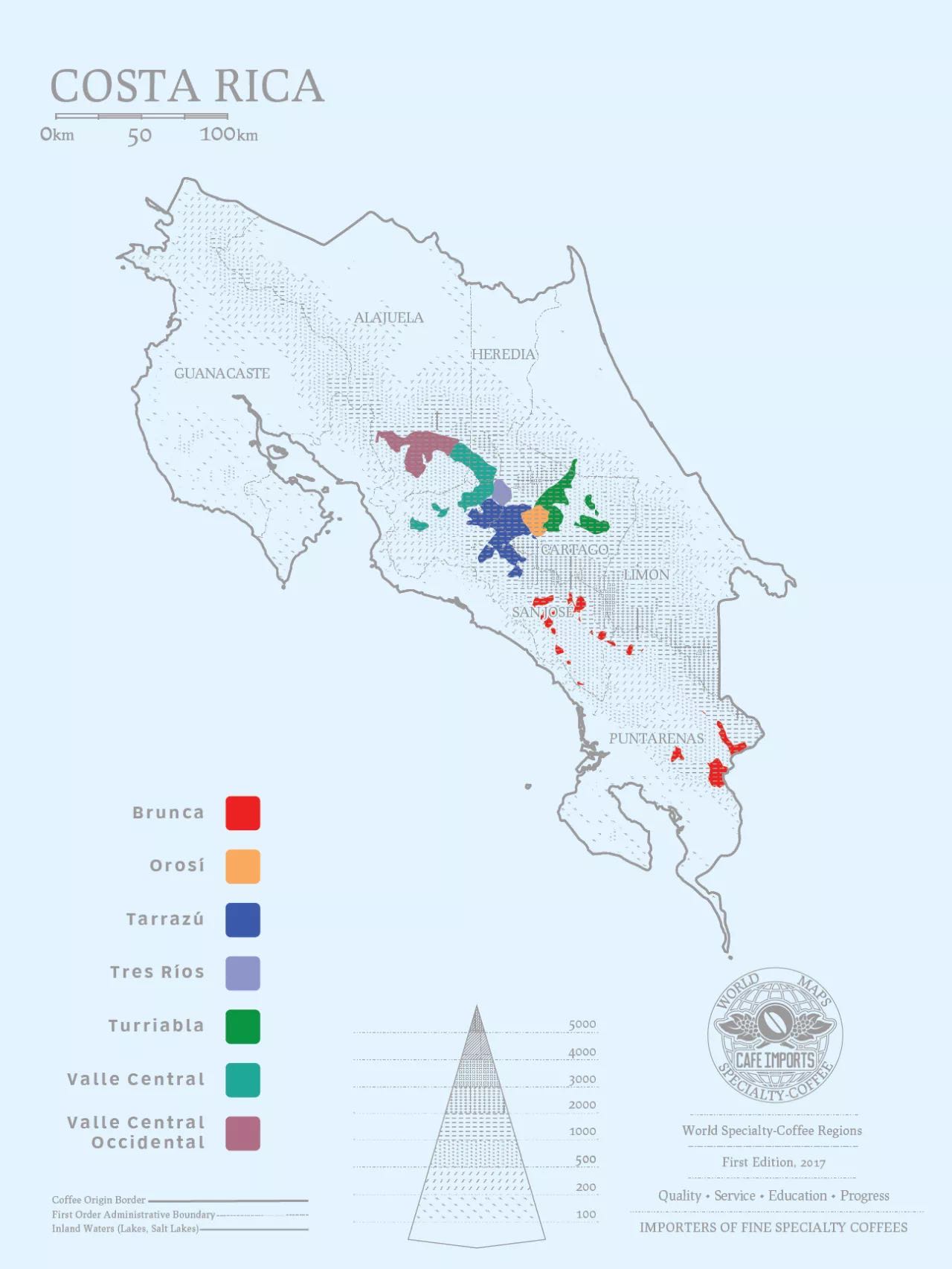
Costa Rica was the first country in Latin America to introduce coffee cultivation, so its organization and sales systems are well developed. Costa Rica is also located on the Central American isthmus with good drainage, rich volcanic soil, a mild and suitable climate and stable precipitation. Coffee produced in Costa Rica therefore has a very pure flavor and pleasant aroma, with good balance in both acidity and body. Coffee enthusiasts who visit FrontStreet Coffee to taste Costa Rican coffee express their appreciation as well.
Costa Rican Coffee Bean Varieties
As FrontStreet Coffee mentioned above, Costa Rica is very suitable for Arabica coffee cultivation, so there are quite a few coffee varieties grown there, including Bourbon, Caturra, Catuai and Villalobos, among others.
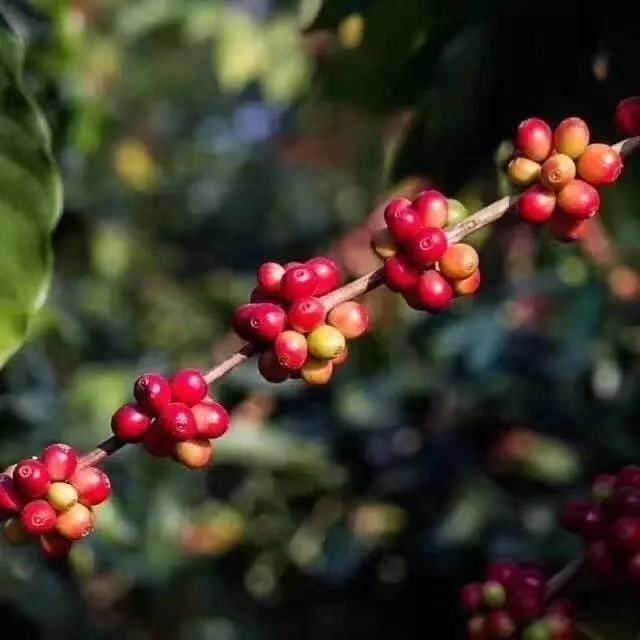
The more common variety is Caturra. For example, the FrontStreet Coffee Costa Rica Canet Estate Musician Series beans at FrontStreet Coffee are almost all produced using Caturra.
Caturra is a single-gene variant of Bourbon, discovered in Brazil in 1937. It has better productivity and disease resistance than Bourbon, and the trees are shorter, making harvesting convenient. Unfortunately, like Bourbon, it has the problem of biennial production cycles.
Caturra's flavor is comparable to or slightly inferior to Bourbon beans, but more importantly it has extremely strong adaptability and does not require shade trees; it can thrive even when directly exposed to strong sunlight, commonly known as "sun coffee." It can adapt to high-density cultivation but requires more fertilization, increasing costs, so initial acceptance by coffee farmers was not high. It is suitable for cultivation from low altitudes of 700 meters to high altitudes of 1700 meters. It has strong altitude adaptability, but the higher the altitude, the better the flavor, though productivity decreases accordingly.
Costa Rican Coffee Bean Processing Methods
Coffee enthusiasts who frequently visit FrontStreet Coffee know that Costa Rican coffee beans are predominantly honey-processed. According to FrontStreet Coffee's understanding, this is because most Costa Rican coffee is grown in mountainous areas where harvesting vehicles have difficulty reaching. If coffee is not harvested for a long time, it goes to waste, and bean buyers cannot provide coffee farmers with proper compensation. Local coffee farmers therefore developed honey processing to solve this problem.
The flavor of honey-processed coffee is as sweet as its name suggests. It differs from washed processing in that it retains the sugary mucilage layer on the beans, so honey-processed beans have a sweeter flavor than washed beans.
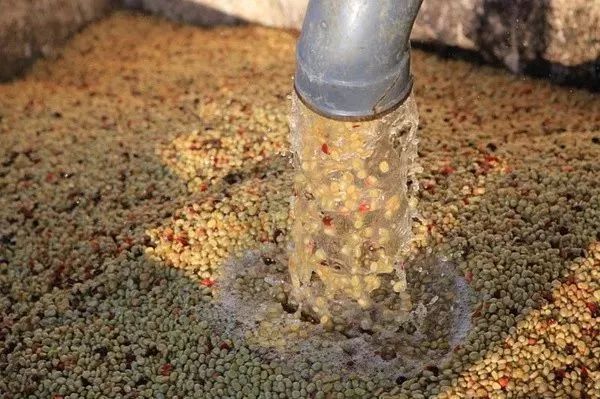
Honey Processing: this method removes the fruit skin and pulp while retaining the mucilage outside the bean, then places the mucilage-covered beans outdoors for sun-drying. Because the mucilage is relatively sticky and high in sugar, it wraps around the green beans like honey during processing. Because the pulp juice contains high sweetness and unique enzymes, the processed parchment beans contain richer flavors and more complex positive characteristics, with higher sweetness. People therefore vividly refer to this coffee mucilage as "honey," and the entire process as "honey processing."
Tarrazú Coffee Growing Region
Next, FrontStreet Coffee must mention Costa Rica's most famous growing region, Tarrazú. For example, FrontStreet Coffee's Costa Rica Tarrazú Daily Coffee and FrontStreet Coffee Costa Rica Canet Estate Musician Series both come from this region.

Tarrazú is located in the southern part of the capital San José, at an altitude of 1200-1700 meters, with fertile soil and good drainage. The coffee harvest season runs from December to March of the following year. The main characteristic of its beans is the unmatched, perfect mouthfeel created by the high-altitude growing region: a smooth taste, with hard, full beans and rich aroma.
FrontStreet Coffee Costa Rica Tarrazú Coffee Beans
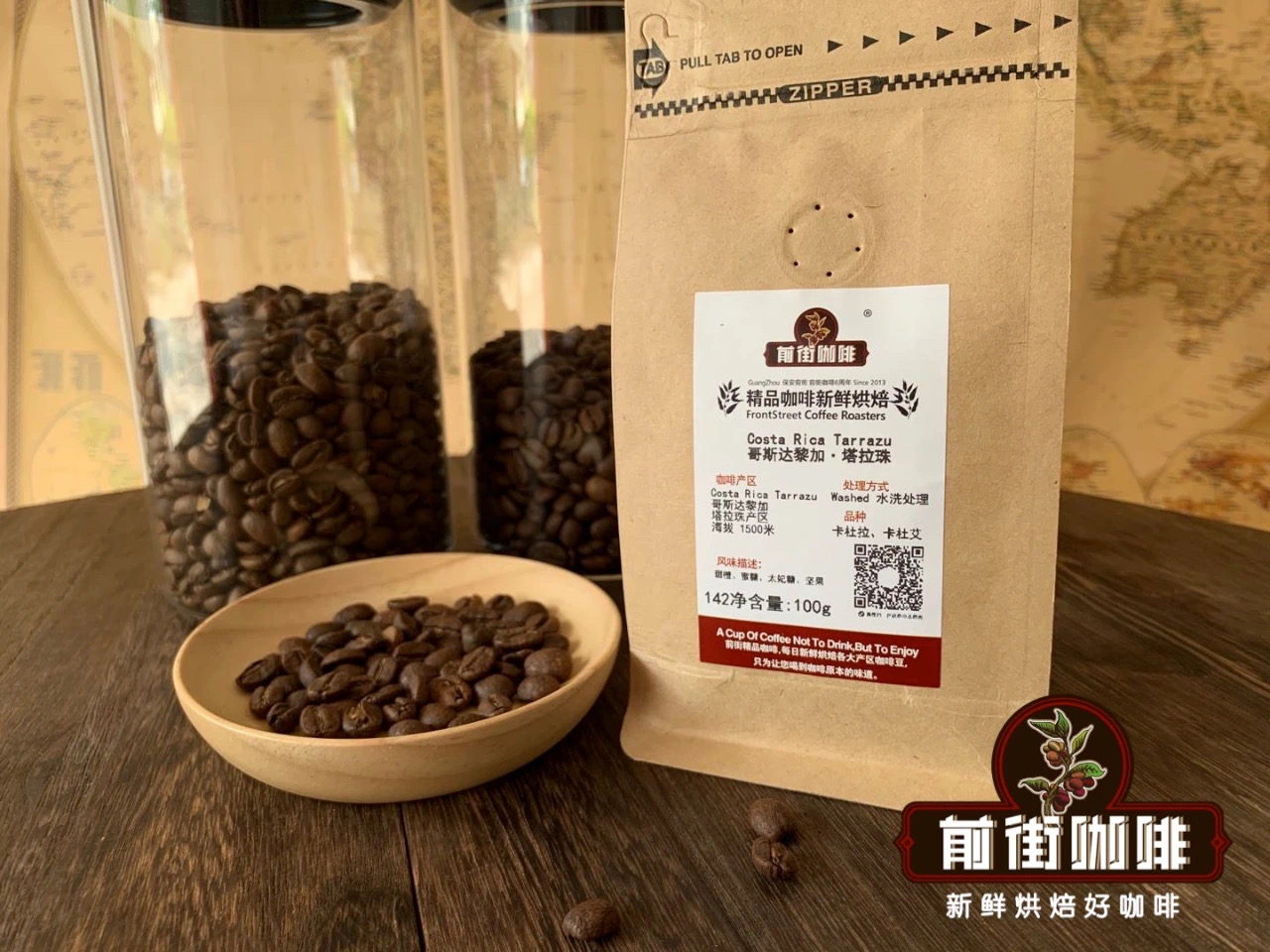
Country: Costa Rica
Region: Tarrazú
Altitude: 1950m
Variety: Caturra
Processing: Washed
Flavor: Sweet Orange, Nuts, Honey
FrontStreet Coffee Costa Rica Beethoven Coffee Beans
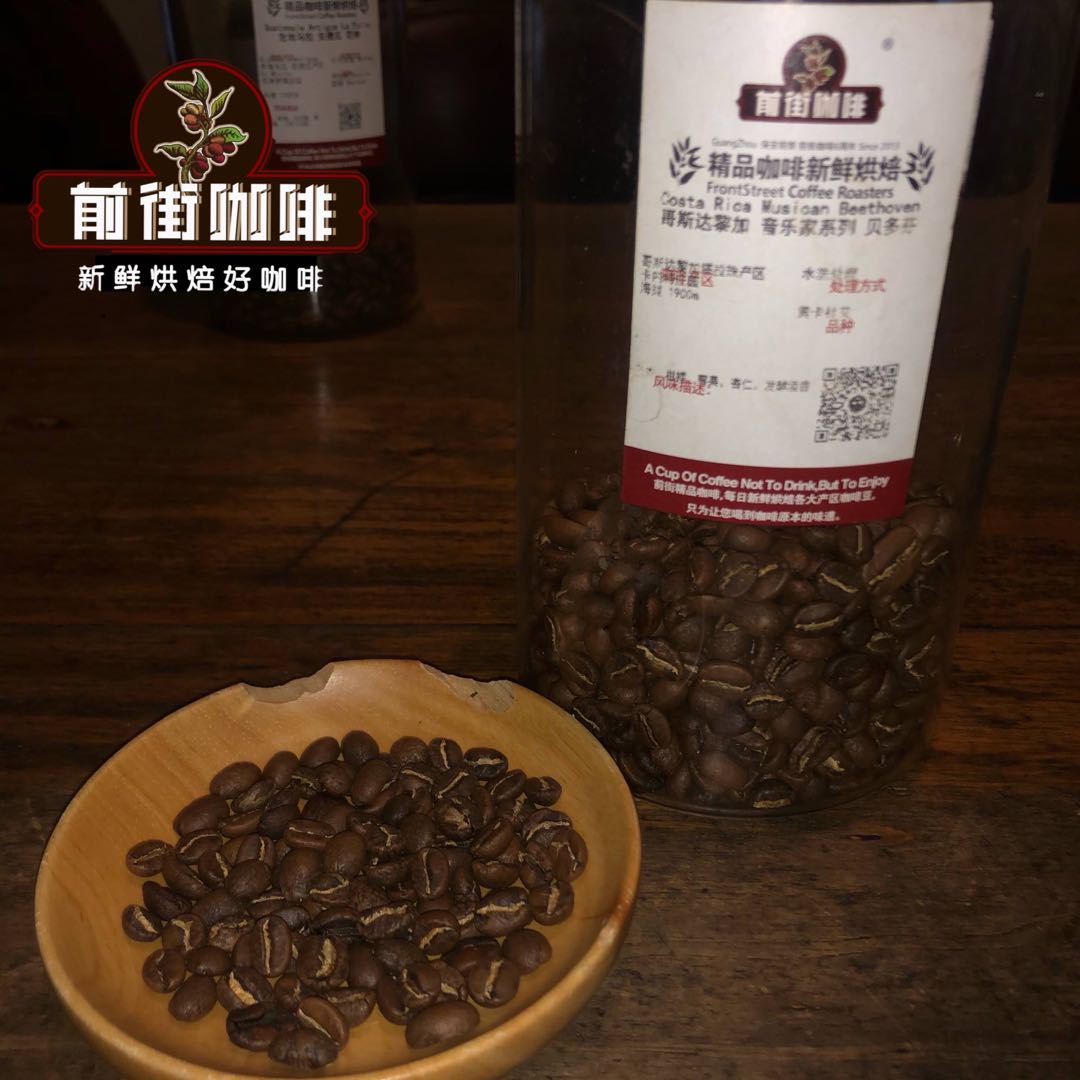
Country: Costa Rica
Region: Tarrazú
Altitude: 1800-1950m
Variety: Caturra, Catuai
Processing: Washed Processing
Flavor: Citrus, Berries, Floral Notes, Light Fermented Wine Notes
According to FrontStreet Coffee's understanding, Tarrazú is extremely prestigious in the specialty coffee world and is one of the world's major coffee-producing regions. In the 2014 Cup of Excellence competition, 17 out of 23 award-winning coffees came from the Tarrazú region. Tarrazú is located in the fertile volcanic region of Central America, with a humid climate and fertile volcanic rock soil, abundant annual rainfall, high altitude and dense forests providing natural shade, creating excellent growing conditions. No pesticides or artificial fertilizers are used during the growing process. Nearly 95% of the beans produced in the high mountains of Tarrazú belong to Strictly Hard Bean (SHB), generally grown above 1500 meters.
Asian Coffee Growing Region
The flavor characteristic of Asian coffee is herbal and spicy notes within a full body, making it particularly suitable as a base for espresso. Among the more famous Asian growing regions is undoubtedly Indonesia. Coffee enthusiasts at FrontStreet Coffee should be familiar with Indonesian Mandheling, so FrontStreet Coffee now introduces the Indonesian coffee-growing region.
Indonesian Coffee Bean Growing Region
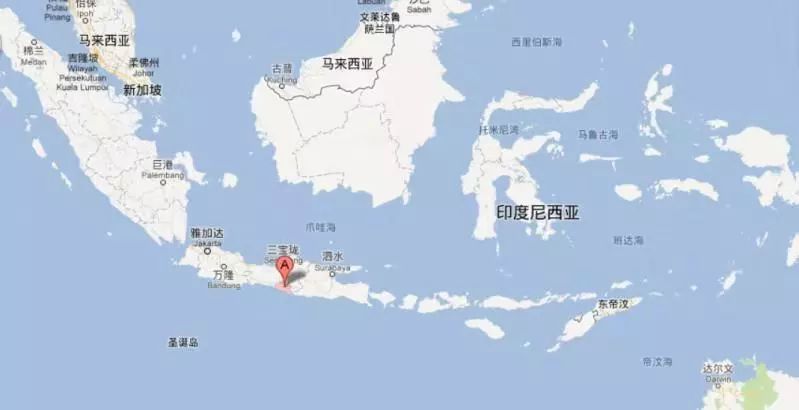
Indonesia is located in southeastern Asia and has a typical tropical rainforest climate, with average annual temperatures of 25-27°C, no distinct seasons and annual precipitation of 1600-2200mm. Indonesia is situated on a volcanic belt with fertile soil rich in minerals, which benefits coffee cultivation. Indonesia's altitude ranges from 900-2100 meters, with the main growing areas concentrated around 1200 meters. It is therefore also a region very suitable for coffee cultivation.
Indonesian Coffee Bean Varieties
There are three main categories: Arabica, Robusta and Liberica. Among these there are more than 20 main varieties, with common ones being Caturra, Catimor, Timor, Typica, S288, S795 and Sidikalong.
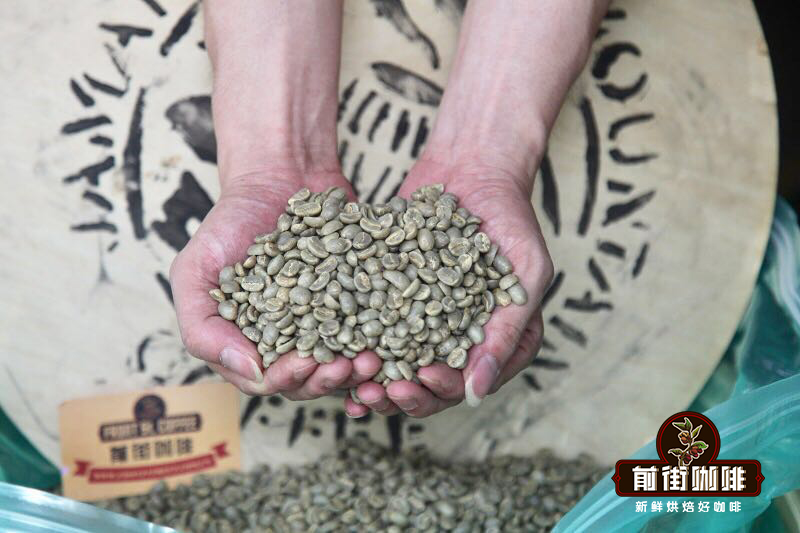
According to FrontStreet Coffee's understanding, Indonesia's total Arabica production accounts for only about 10%. This is because in 1877 leaf rust swept through Indonesia and infected almost all coffee trees, nearly wiping out Arabica and causing heavy losses. Indonesia later introduced Robusta coffee beans from Africa. Robusta has strong disease resistance, compensating for the economic losses caused by Arabica's weakness.
Indonesia is now the world's most important producer of Robusta coffee. Robusta is concentrated in southern Sumatra, while Arabica grows in northern Sumatra. Although Arabica accounts for only about 10% of Indonesia's total coffee production, that is still enough to attract worldwide attention and appreciation, including the well-known Mandheling among coffee enthusiasts.
Indonesian Coffee Bean Processing Methods
As FrontStreet Coffee mentioned above, Indonesian Mandheling flavors mostly present herbal and spicy notes, which actually relates to Indonesia's local wet-hulling processing method. This method emerged because Indonesia's climate is very humid, making natural processing difficult, and because Indonesia's water resources are very limited. It has also brought unique flavors to Indonesian Mandheling coffee, widely loved by coffee enthusiasts. Next, FrontStreet Coffee explains how wet-hulling is performed.
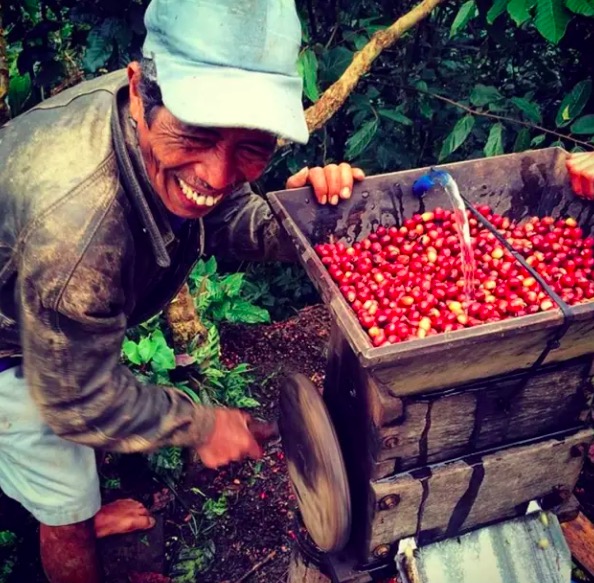
The specific steps of wet-hulling can be divided into the following two stages:
First stage: use a wooden peeler to remove the fruit skin and pulp. After 3 hours of fermentation, dry until the moisture content reaches a semi-dry, semi-wet state of 30-50%.
Second stage: remove the mucilage and parchment layer, then continue with the final drying process. Drying takes 2-4 days until the moisture content reaches 12-13%.
In addition to regular wet-hulling, there is also aged wet-hulling. The beans first undergo regular wet-hulling, then are sealed in warehouses for 2-3 years. The warehouse environment must be cool and ventilated, with regular turning of the beans to prevent mold and decay. During this period the acidity gradually weakens and converts to sugar content, and the color becomes deeper, mostly yellowish-brown or dark brown. The Mandheling beans using this processing method on FrontStreet Coffee's menu are called FrontStreet Coffee Aged Mandheling coffee beans.
Indonesian Coffee Bean Main Growing Regions
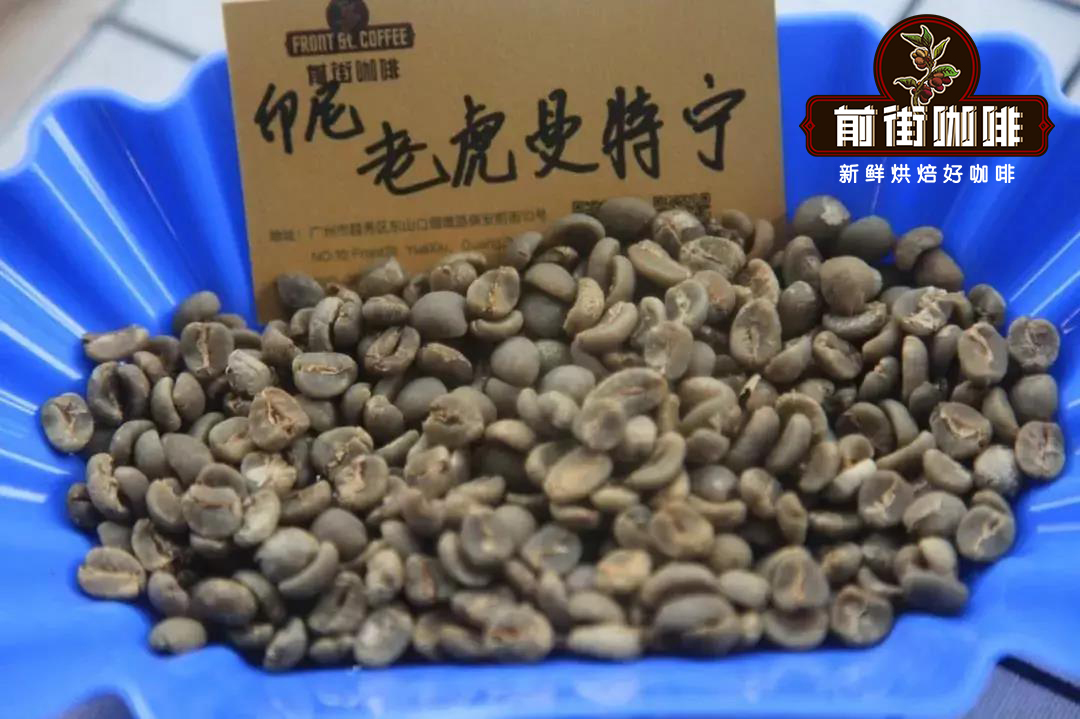
According to FrontStreet Coffee's understanding, Indonesia's main coffee-producing areas include Sumatra, Java and Sulawesi, with Sumatra's "Mandheling" being the most famous. Mandheling is also known as "Sumatran coffee." Most of the coffee produced in North Sumatra is Gayo, primarily of the Ateng (Catimor) variety. Lake Tawar in the north can be called Aceh coffee or Lake Tawar coffee. The Lindu and Lake Toba areas in South Sumatra can be called Mandheling, and the Lindu area is the actual Mandheling growing region. Mandheling is produced in the mountainous areas surrounding Lake Toba. This lake is located north of Medan, the capital of Sumatra Island, and is a high-altitude freshwater lake with an average height of about 900 meters above sea level.
FrontStreet Coffee Aged Mandheling Coffee Beans
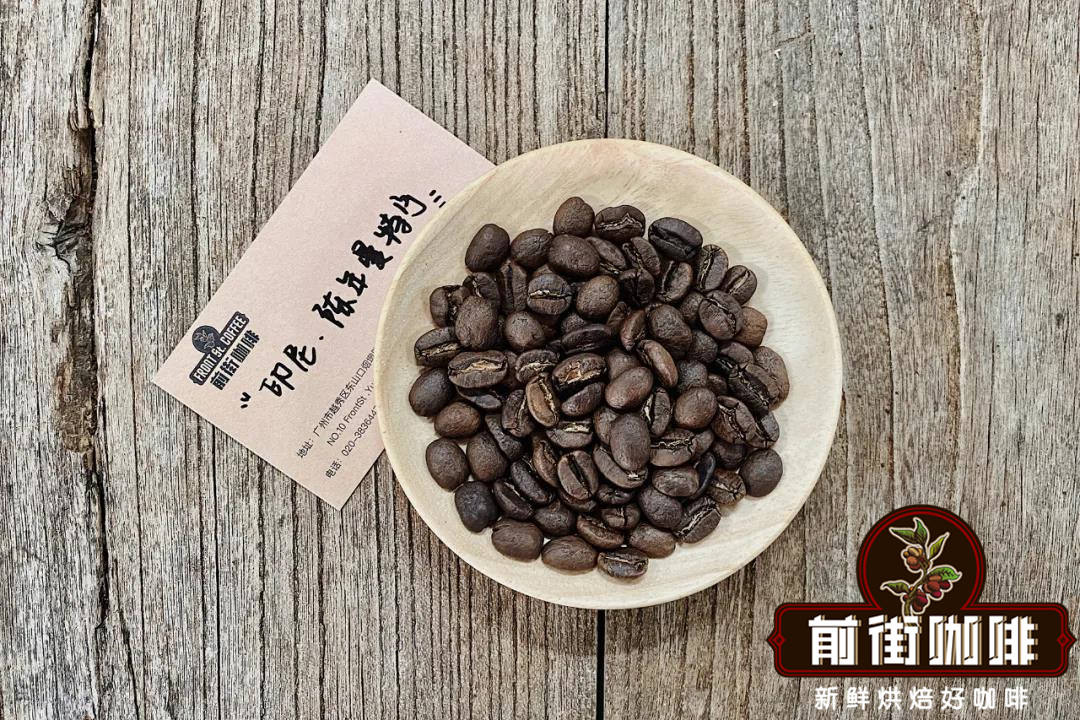
Country: Indonesia
Region: Sumatra
Altitude: 1500m
Variety: Caturra, Catuai
Processing: Wet-Hulling
Flavor: Ripe Pu-erh Tea, Caramel, Herbal Notes, Chocolate, Low Acidity
FrontStreet Coffee Lindu Mandheling Coffee Beans
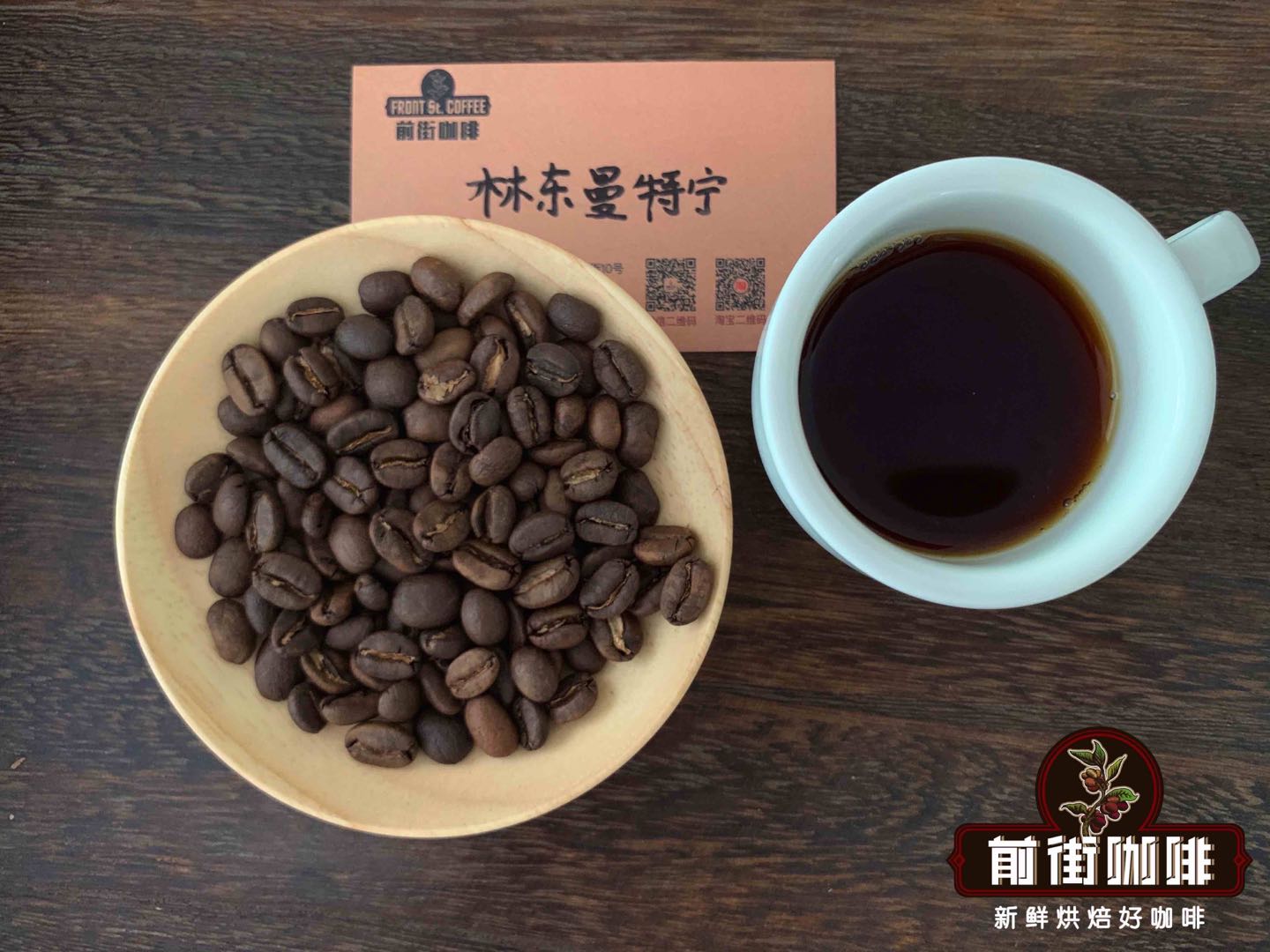
Country: Indonesia
Region: Sumatra (Lindu)
Altitude: 1100-1600m
Variety: Typica, Caturra
Processing: Wet-Hulling
Flavor: Toasted Bread, Nuts, Caramel, Pine, Herbal Notes
The above is FrontStreet Coffee's organized content regarding the flavor characteristics of coffee beans from the three major coffee-growing regions worldwide. We hope it helps coffee enthusiasts better understand coffee and choose beans that suit their taste.
FrontStreet Coffee Recommendation
Across all three regions, Africa is the one built on bright fruit acidity, and Ethiopia is where FrontStreet Coffee's African range begins. The FrontStreet Washed Yirgacheffe is the classic entry point, with clear jasmine florals and bright citrus acidity, and the washed FrontStreet Giddingding Cooperative coffee from the Worka area shows citrus and lemon tones and elegant white florals in a clean, delicate cup. On the natural side, the FrontStreet Sun-Dried Red Cherry keeps the typical Yirgacheffe character while adding tropical fruit, showing peach, cocoa, honey and lemon, and the FrontStreet Sun-Dried Huakui from the Hambella area of Guji in Sidamo dries ripe cherries on raised beds for 21 days to produce a mild fermented wine aroma, florals, citrus and mango with honey sweetness, a cocoa note and a full body.
Because processing so strongly shapes these flavors, it helps to taste the same idea from both sides. The washed FrontStreet Yirgacheffe, for instance, leans clean and bright with a tea-like body, while the naturally processed FrontStreet Yirgacheffe Natural keeps the unique aroma and fermentation notes of natural processing, which is exactly the contrast between washed and natural that Ethiopian growers have been refining since the 1970s. If you like the wilder end of the spectrum, the FrontStreet Sun-Dried Hamasho, built mostly on JARC's 74-series disease-resistant varieties, stands out for its floral and fruit aroma with perfume lemon, strawberry and carambola, and the FrontStreet Kaffa Forest grown between 1,400 and 2,100 meters shows white florals, bright lemon acidity and a green-tea-like body.
These coffees are at their best brewed gently. FrontStreet Coffee suggests water around 90-91°C, 15g of coffee at a 1:15 ratio and a medium-fine grind near fine granulated sugar, about 80% pass-through on a #20 sieve. Bloom with 30g for 30 seconds, then pour in circles to 125g, wait for the bed to drop about two-thirds, and finish at 225g for a total brew of roughly 2:00 to 2:10.
Important Notice :
FrontStreet Coffee is a long-established specialty coffee roaster in Guangzhou China, selling freshly roasted beans from its own farm in Yunnan as well as dozens of carefully selected single-origin beans from around the world for both pour-over and espresso. The products deliver consistently excellent quality and great value, with shipping within 24 hours. Guangzhou's FrontStreet Coffee shop is recommended by many coffee lovers, and the beans are now available online at the Tmall 。
FrontStreet Coffee has moved to a new address:
FrontStreet Coffee Address: 315,Donghua East Road,GuangZhou
Tel:020 38364473
 Scan and follow the En Gafei WeChat official account. Please indicate that the reprint comes from "En Gafei".