What Kind of Cups Do Bosnians Use for Coffee? What's the Best Cup for Pour-Over Black Coffee? The Difference Between Mocha and Pour-Over Coffee
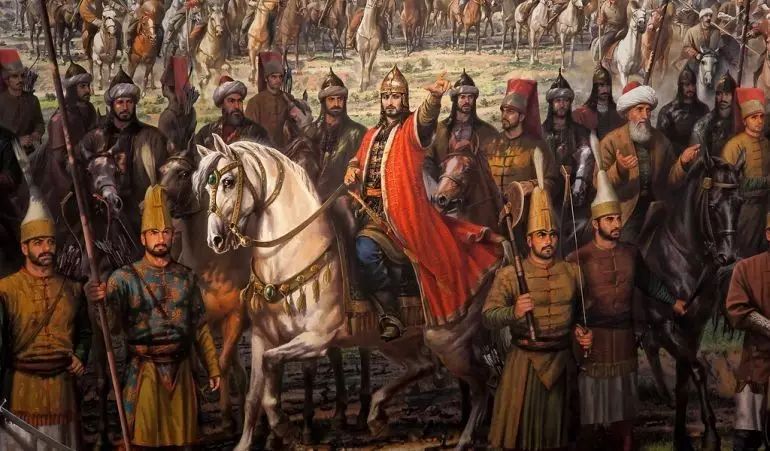
Those familiar with European history will know that the former Ottoman Empire invaded Bosnia in 1463 and annexed it into its territory. Bosnia is now part of the region of Bosnia and Herzegovina. After more than 400 years of Ottoman rule, many aspects of Bosnian life were shaped by Ottoman cultural exports, and their way of drinking coffee is one example.
In the mid-17th century, Venetian merchants introduced coffee to Europe. Turkish coffee led the way, promoted in coffeehouses as "authentic Arabic coffee." Bosnia and Herzegovina calls it "Bosnian coffee" — partly as an expression of national pride and partly to distinguish it from Turkish coffee.
Turkish coffee spread to Britain and France in the mid-to-late 17th century. Britain's first coffeehouse was established in the mid-17th century by a Turkish-born Jew. In 1680, dignitaries and celebrities from across France were invited by the Turkish ambassador to attend a luxurious gathering, where the ambassador's African slaves served coffee to guests on expensive porcelain saucers.
Preparation Methods
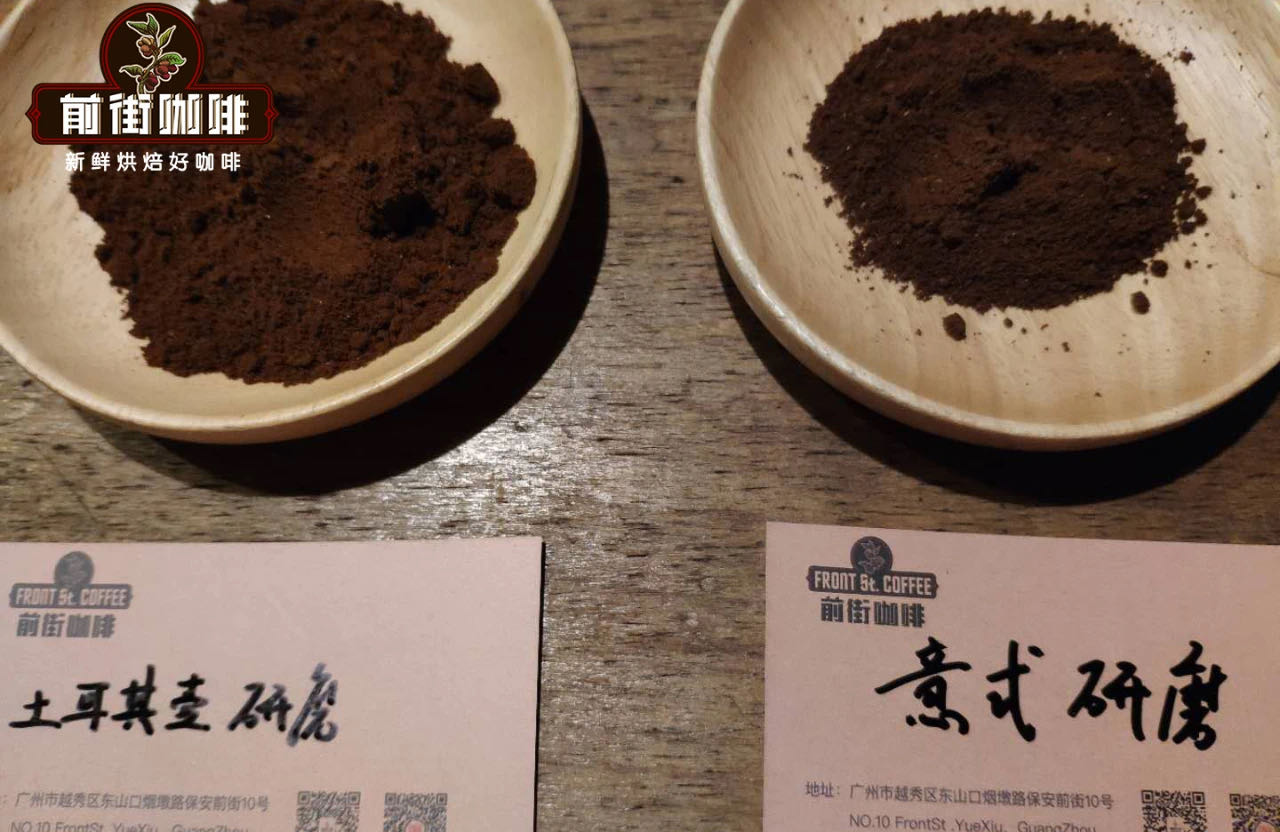
Unlike the coffee we usually drink, Turkish coffee is prepared by brewing, and it is consumed with the grounds and the liquid together.
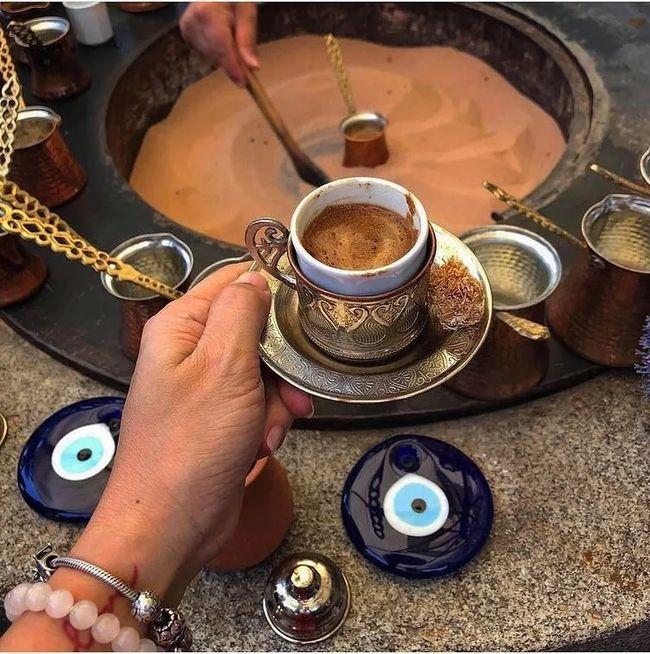
Turkish Coffee Preparation Method
Coffee grounds ground to an extremely fine powder are placed with cold water in a small copper long-necked coffee pot (cezve) for brewing. When the coffee is about to boil, remove it from the heat immediately, pour a small portion into a cup, then continue heating. After several boilings, wait until the coffee gradually thickens and the water reduces to half its original volume before serving.
Because traditionally used coffee grounds were of poor quality and gave weak flavor, sugar, cardamom and cinnamon are added for seasoning before the first boil.
Bosnian Coffee Preparation Method
According to FrontStreet Coffee's research, the Bosnian method is roughly the same as Turkish coffee, except that no grounds are added at the start — cold water is boiled first, then the fine coffee powder is added.
Because the beans are ground to a flour-like powder and the brewing temperature is high with a long duration, both Turkish and Bosnian coffee tend to taste bitter.
For those who prefer lighter flavors, FrontStreet Coffee recommends brewed coffee, such as drip extraction. Drip extraction means pouring coffee grounds into a filter cup lined with filter paper, then pouring hot water over the grounds and letting the extracted liquid drip into a server.
Because there is such a wide variety of brewing equipment and such an enormous number of coffee-growing regions, the same bean brewed with different equipment or methods — or the same equipment and method used on beans from different regions — will produce different flavors.
After cupping beans from many regions, FrontStreet Coffee found that Asian coffee beans mostly show herbal and spicy notes, South American beans feature nutty and chocolate flavors, and African beans carry bright acidity similar to citrus and lemon.
Next, FrontStreet Coffee will compare three coffee beans from each of these three continents:
Asia
The best-known Asian coffee bean worldwide is Mandheling from Indonesia. Indonesia's coffee cultivation began in 1696 when the Dutch sought larger planting areas. Because Indonesia has frequent rain and constant typhoons, there were no suitable conditions for sun-drying, and local economic conditions were poor, so only the wet-hulled method — a semi-washed process — could be used. As times have changed, Indonesia's economy is no longer the poverty-stricken scene of the past, and many estates and companies can now use washed processing. FrontStreet Coffee believes the reason Indonesian coffee has not abandoned the traditional wet-hulled method is that wet-hulling is what creates Mandheling flavor — Mandheling and wet-hulling have long been complementary.
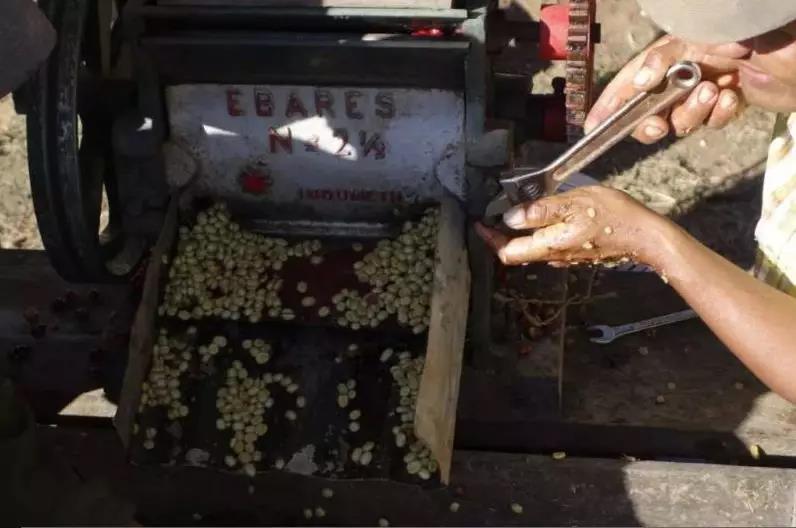
The specific steps of wet-hulling can be divided into two stages:
First stage: use a wooden peeler to remove the skin and pulp, ferment for 3 hours, then dry to reduce the moisture content to a semi-dry, semi-wet 30-50%.
Second stage: remove the mucilage and parchment layer and continue the final drying, which takes 2-4 days and brings the moisture content down to 12-13%.
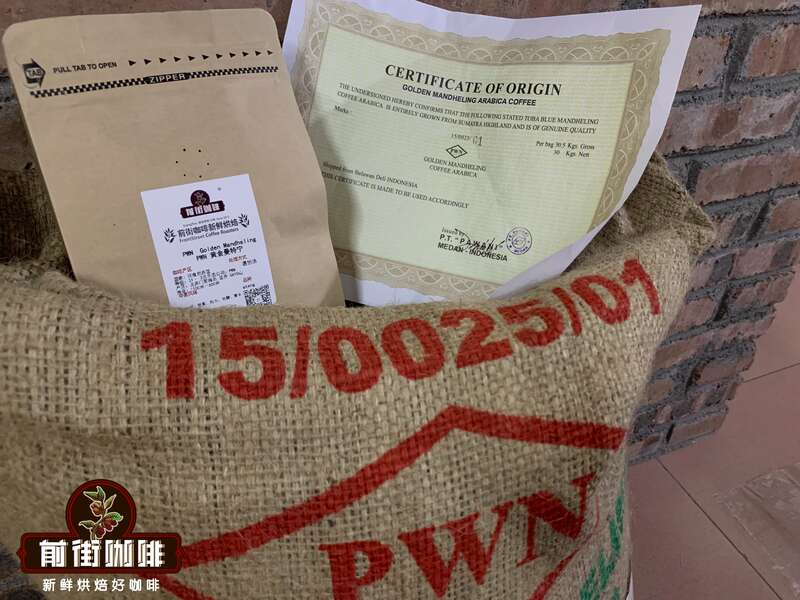
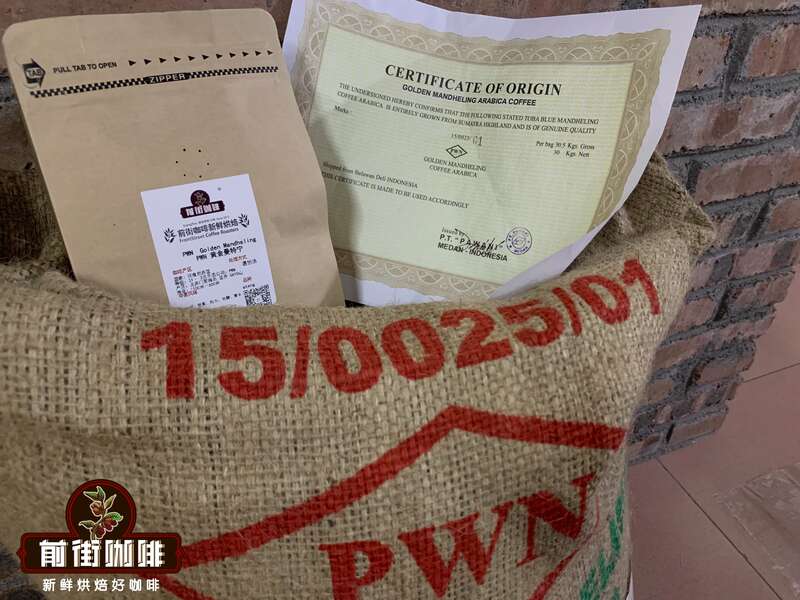
FrontStreet Coffee PWN Gold Mandheling
Region: Aceh GAYO Mountain, North Sumatra, Indonesia
Altitude: 1100m-1600m
Variety: Ateng
Processing Method: Wet-hulled
South America
South America is a major producing region of Arabica coffee beans, with Brazilian Arabica production ranking first in the world. Brazil's harvest conditions can even directly affect global coffee market prices.
Brazil's coffee cultivation began more than 300 years ago, but its development has been extremely rapid. Because Brazilian coffee is mostly grown in full sun, the cherries absorb enough heat to mature quickly, which produces a softer bean quality — also noted in Han Huaizong's book "Specialty Coffee Studies" regarding the soft-bean character of Brazilian coffee. Low acidity, sufficient sweetness, balanced acidity and bitterness, excellent body and a smooth mouthfeel. FrontStreet Coffee's beans from Brazil's Queen Estate are no exception.
FrontStreet Coffee Brazil Queen Estate
Region: Mogiana, Brazil
Estate: Queen Estate
Altitude: 1400m-1950m
Variety: Yellow Bourbon
Processing Method: Natural
Africa
Among African coffee beans, none are more famous than those from Ethiopia. According to historical sources FrontStreet Coffee has studied, Ethiopia's Kaffa Forest is the origin of Arabica coffee beans. Ethiopia's most famous growing regions are Yirgacheffe and Sidamo, and the beans from both regions in FrontStreet Coffee's shop are of excellent quality. The two regions, from the same country, each have their own character — the citrus-and-lemon Yirgacheffe beans and the wild-berry Sidamo beans both earn applause from coffee lovers.
Yirgacheffe was originally a small growing region under Sidamo's jurisdiction. Because the coffee produced there had rich floral aromas, Ethiopian growers began to claim that their beans had Yirgacheffe flavor, and Yirgacheffe became independent and distinguished from other regions. In Han Huaizong's book "Specialty Coffee Studies," the Yirgacheffe flavor is described as "a hundred flowers blooming." FrontStreet Coffee's Yirgacheffe Kochere and Sidamo Arsi are no exception: Kochere has not only citrus flavors but some white floral notes, while Arsi has rich berry flavors and honey-like sweetness.
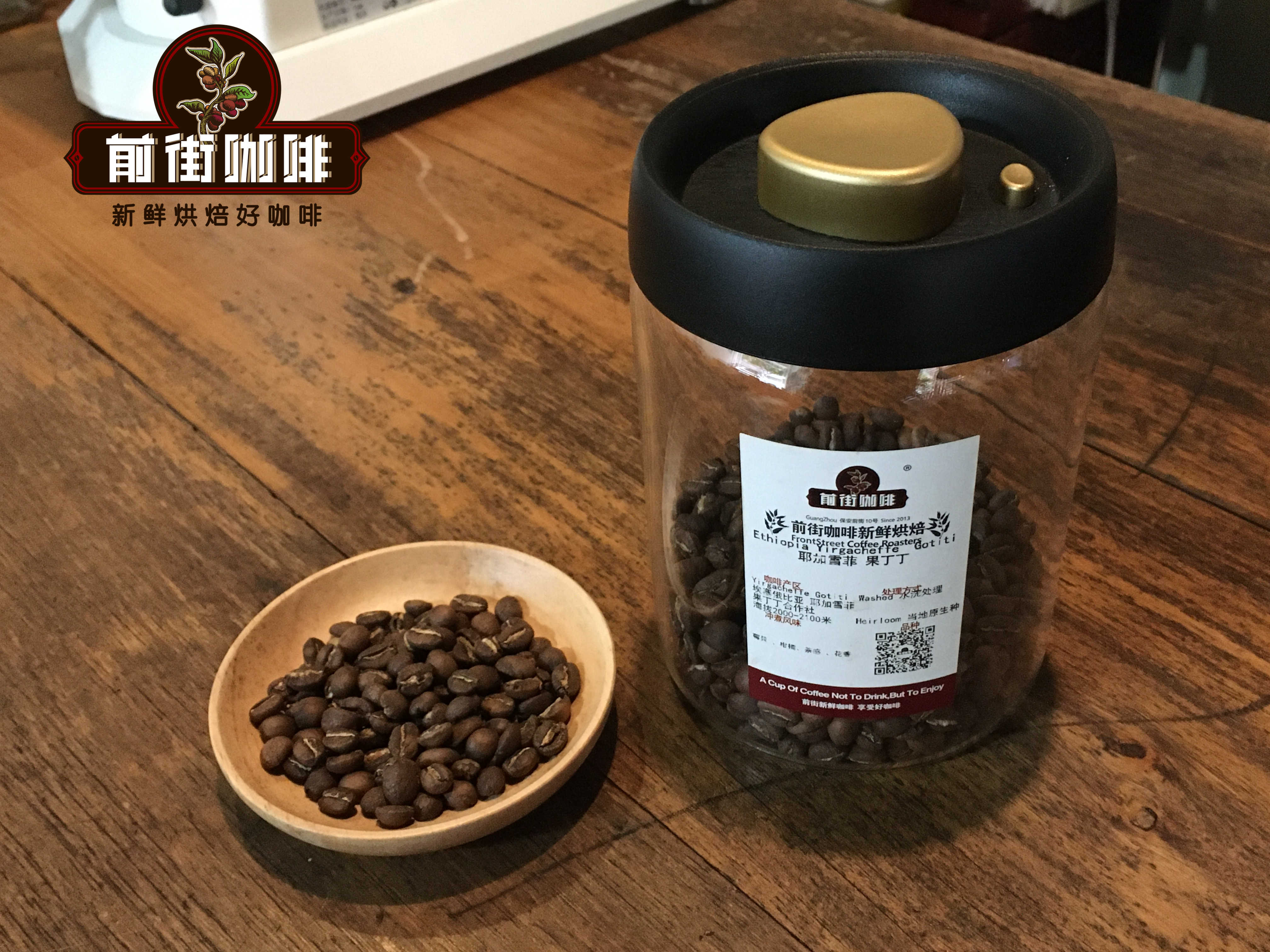
FrontStreet Coffee Yirgacheffe Kochere
Region: Yirgacheffe, Ethiopia
Cooperative: Kochere Cooperative
Altitude: 2000m-2100m
Variety: Local Landrace
Processing Method: Washed
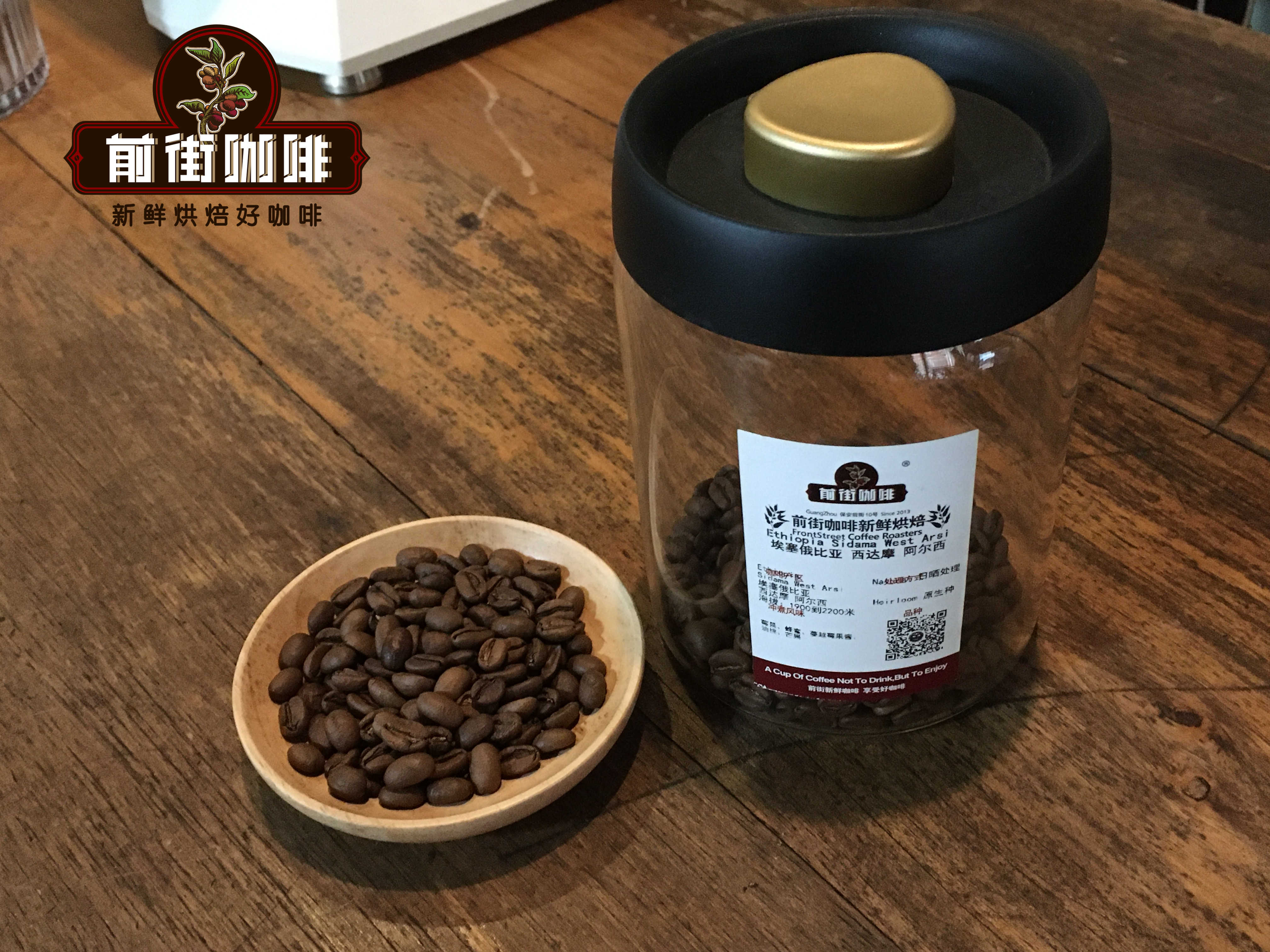
FrontStreet Coffee Sidamo Arsi
Region: Arsi, Sidamo, Ethiopia
Altitude: 1900m-2200m
Variety: Local Landrace
Processing Method: Natural
Brewing Recommendations
Those familiar with FrontStreet Coffee know that FrontStreet Coffee uses two types of filter cups for brewing: one is V60, the other is KONO.
Regular readers of FrontStreet Coffee's articles also know that light roasts and dark roasts differ in water temperature and filter cup choice. Lower water temperature is used to avoid extracting too many undesirable flavors. With a dark roast, many aromatic substances have already been released during roasting, so continuing to extract with the water temperature used for light roast would over-extract. FrontStreet Coffee chooses the KONO filter cup because the V60's flow rate is too fast and easily under-extracts at low water temperature. The KONO has few ribs and sits at the bottom, so the filter paper fits tightly against the cup, restricting airflow and increasing the contact time between water and grounds, allowing full extraction and a richer mouthfeel.
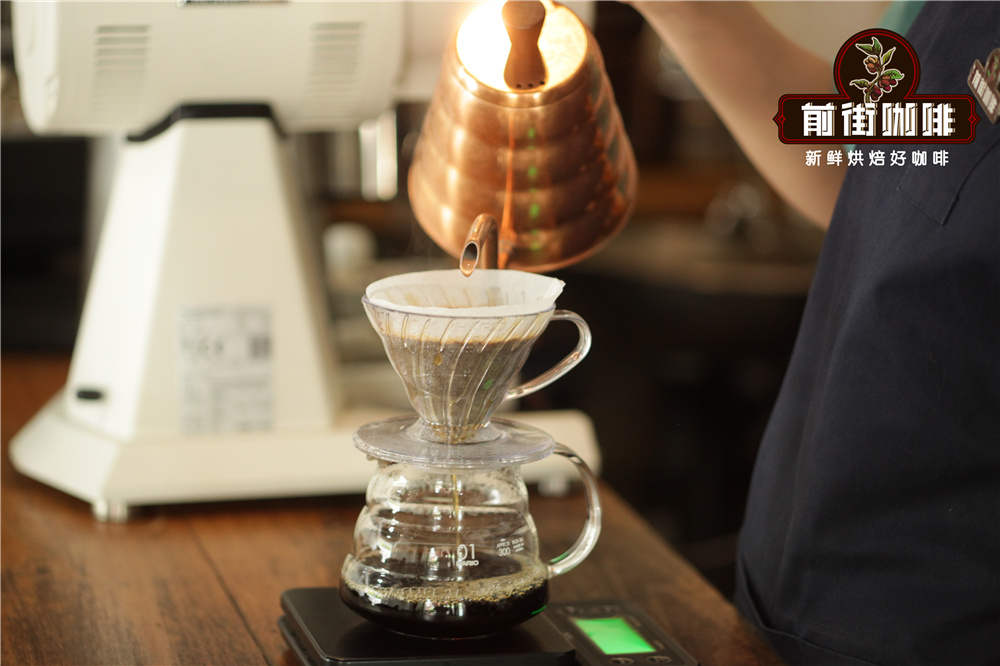
FrontStreet Coffee uses segmented extraction: bloom with 30g of water for 30 seconds, then pour a small circling stream to 125g to segment, and continue to 225g when the water level drops to just before the coffee bed is exposed. Remove the filter cup when the water level again drops to just before the bed is exposed (timing starts from the bloom), for an extraction time of 2'00".
Flavor Descriptions
[Gold Mandheling] Nutty, spicy, herbal, licorice, chocolate, caramel — clean and smooth flavor;
[Brazil Queen Estate] Peanut butter, nuts, cane sugar
[Yirgacheffe Kochere] Citrus, berries, tea-like, floral
[Sidamo Arsi] Berries, strawberry, lemon, fermented wine aroma
Professional coffee knowledge exchange and more coffee bean information, please follow Coffee Workshop (WeChat official account: cafe_style)
For more specialty coffee beans, please add FrontStreet Coffee on private WeChat, WeChat ID: kaixinguoguo0925
FrontStreet Coffee Recommendation
If you are stepping away from Turkish or Bosnian brewing and want a cleaner, brighter cup, a pour-over with a Hario V60 is the natural next move. Hario, founded in Tokyo in 1921, redesigned the V60 in 2004 around its distinctive 60° cone and single large hole, and launched it a year later. The cone forces water to travel to the center before dripping into the server, extending contact between water and coffee, while the single large hole lets water run freely, so the flow rate depends on your pouring — and shows directly in the flavor. That fast, controllable extraction is exactly what the floral and fruity coffees of the third wave need, which is why FrontStreet Coffee brews beans like the classic-Yirgacheffe Washed Gordin Cooperative, the tropical-fruit-rich Flower Champion, the Geisha-style Strawberry Candy and the raisin-forward Mozart in a V60.
The African beans above are a good place to start. FrontStreet Coffee's Washed Gordin Cooperative Yirgacheffe is grown in the Worka area at the southeastern edge of Yirgacheffe and shows the classic citrus, lemon and jasmine profile with a clean tea-like body, while FrontStreet Coffee's Flower Champion out of Hambella in Sidamo Guji leans into tropical fruit — strawberry, passion fruit, jackfruit and lychee — with pronounced sweetness, very low bitterness and a juicy, smooth entry. For a fruitier natural Yirgacheffe, FrontStreet Coffee's Red Cherry is described as peach, cocoa, honey and lemon.
If you prefer the heavier side of the spectrum, the V60 also handles medium-dark beans well, though FrontStreet Coffee often switches to KONO for them since its slow flow builds more body. FrontStreet Coffee's PWN Indonesia Golden Mandheling is a deep roast with very low acidity and a thick, lingering body, full of herbal and dark chocolate aroma with a faint earthy note, while FrontStreet Coffee's Brazil Queen Estate is balanced and low in acidity with pronounced nut and cocoa aroma and clear caramel sweetness — good for pour-over, espresso or a moka pot. FrontStreet Coffee's 2013 Yunnan Natural Typica rounds out the list: clean and citrus-and-caramel driven, with the medium-dark roast adding nut, chocolate and brown sugar and keeping acidity at a moderate level.
Important Notice :
FrontStreet Coffee is a long-established specialty coffee roaster in Guangzhou China, selling freshly roasted beans from its own farm in Yunnan as well as dozens of carefully selected single-origin beans from around the world for both pour-over and espresso. The products deliver consistently excellent quality and great value, with shipping within 24 hours. Guangzhou's FrontStreet Coffee shop is recommended by many coffee lovers, and the beans are now available online at the Tmall 。
FrontStreet Coffee has moved to a new address:
FrontStreet Coffee Address: 315,Donghua East Road,GuangZhou
Tel:020 38364473
 Scan and follow the En Gafei WeChat official account. Please indicate that the reprint comes from "En Gafei".