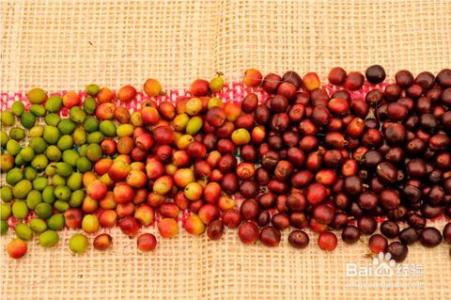
Yunnan Coffee Varieties, Roasting Requirements for Yunnan Arabica Coffee, Brewing Parameters and Flavor Characteristics of Yunnan Catimor
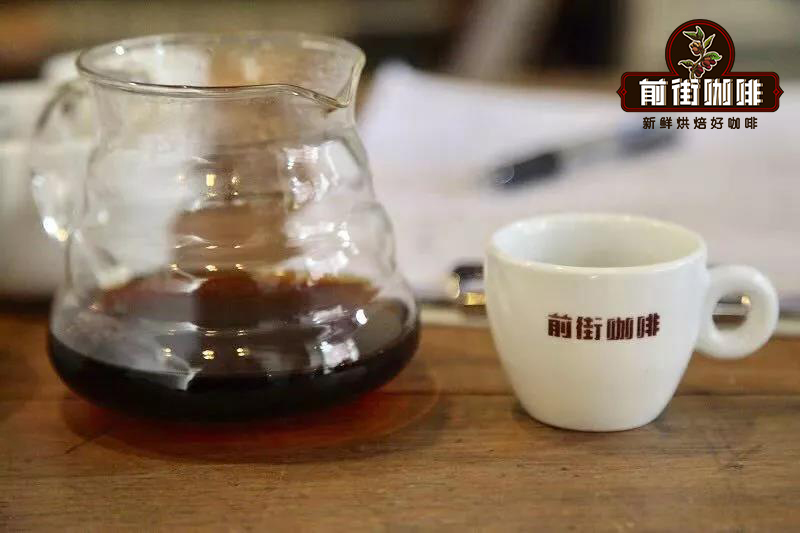
Introduction to Yunnan Coffee
With the release of the movie "Coffee or Tea?", more and more friends have come to know Yunnan coffee. FrontStreet Coffee has also been asked how to brew a newly purchased bag of small-grain coffee and what flavor characteristics it should have. In this article, FrontStreet Coffee introduces Yunnan's signature coffee—Yunnan small-grain coffee.
What is Small-Grain Coffee?
Small-grain coffee refers to Arabica coffee beans. Because the beans are relatively small, they are also called small-fruit coffee. Robusta is called medium-fruit coffee, and Liberica belongs to large-fruit coffee. Yunnan grows Arabica, so its coffee is also called Yunnan small-grain coffee.
Coffee Varieties in Yunnan
Yunnan's small-grain coffee is mainly Typica. Because Typica has poor disease resistance and is susceptible to leaf rust, it requires constant monitoring of growth conditions and careful attention to every leaf. Because of Typica's low yield, another variety was added to Yunnan's small-grain coffee: Catimor. Catimor is a hybrid of Arabica and Robusta. Robusta has good leaf rust resistance, rich oils, high yield, and is easy to cultivate. After hybridizing with Arabica's Typica, Catimor carries 25% Robusta genes. It improved leaf rust resistance while retaining rich oils and keeping some of the rich flavors of the original Typica. As a result, most Yunnan plantations began large-scale cultivation of Catimor, and Typica's cultivation range began to shrink.
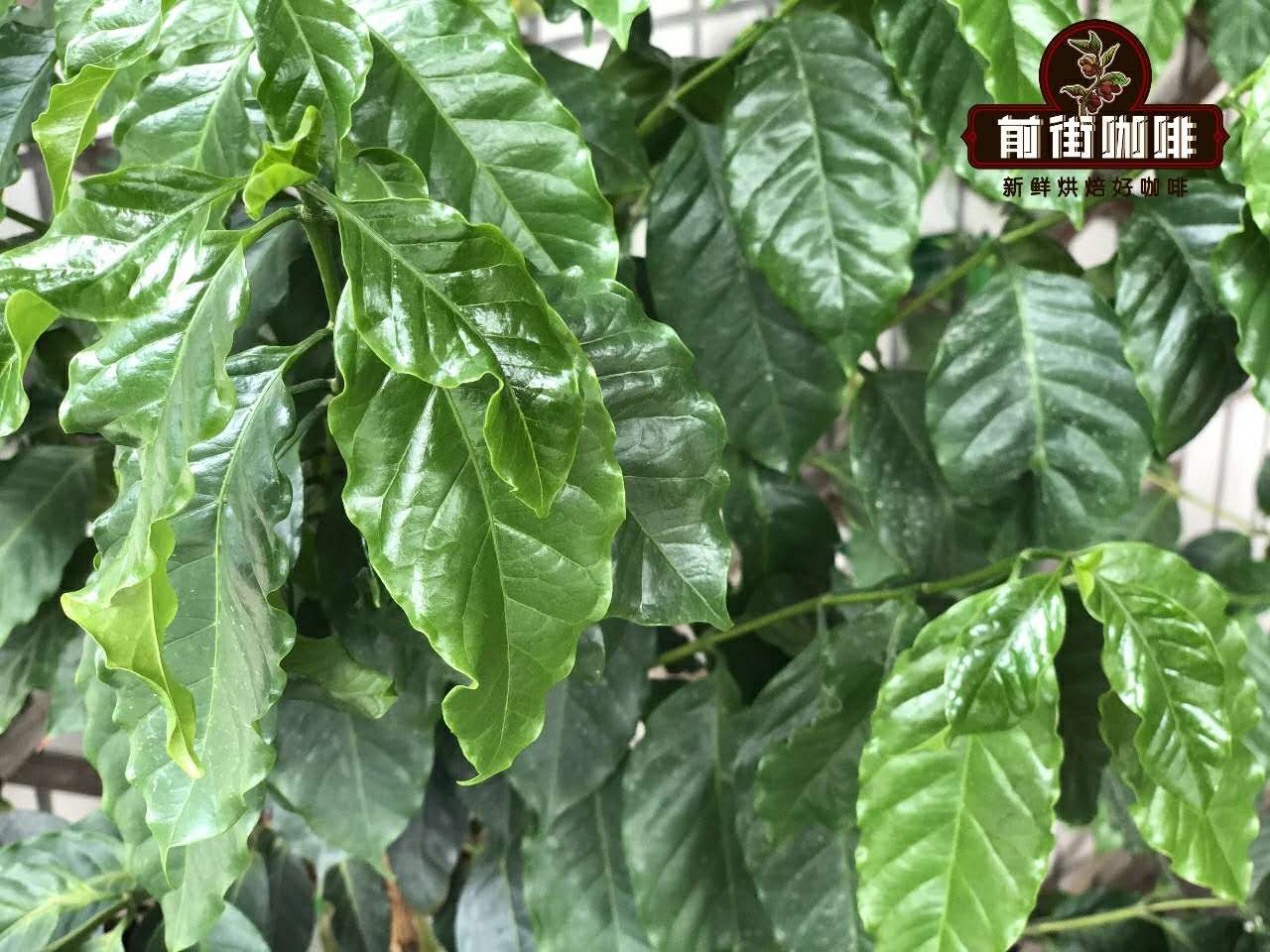
Today, the main coffee varieties cultivated in Yunnan include Catimor, Typica, Bourbon, Caturra, Catuai, and others. However, almost everything you see on the market is Catimor. So Yunnan small-grain coffee now effectively means Yunnan Catimor.
In 1959, the Portuguese moved the Bourbon mutant variety Caturra from Brazil to East Timor and crossbred it with Timor, which has Robusta ancestry. They successfully cultivated Catimor, which has excellent disease resistance and productivity. As leaf rust affected coffee-producing countries worldwide, international organizations helped producing countries vigorously promote Catimor to resist leaf rust and raise productivity.
Yunnan Coffee Growing Conditions
Small-grain coffee is suited to mountainous areas at altitudes of 800-1800 meters. If the altitude is too high the flavor turns sour; too low and it turns bitter. Most small-grain coffee is planted in dry-hot valley areas around 1100 meters, giving it moderate acidity, rich aroma, and a mellow flavor. Many regions of Yunnan offer unique environments suitable for growing small-grain coffee, producing excellent quality beans.
The main growing areas are distributed across Lincang, Baoshan, Simao, Xishuangbanna, and Dehong. Baoshan has an average temperature of 21.5°C, reaches up to 40.4°C, and sees basically no frost throughout the year, making it recognized as the best small-grain coffee producing area. The coffee cultivated here is famous domestically and internationally for being strong but not bitter, fragrant but not overpowering, with small uniform grains, a rich mellow aroma, and fruity notes. International Coffee Organization tasting experts have rated Yunnan coffee in the same category as Colombian wet-processed small-grain coffee, making it one of the better quality coffees in the world.
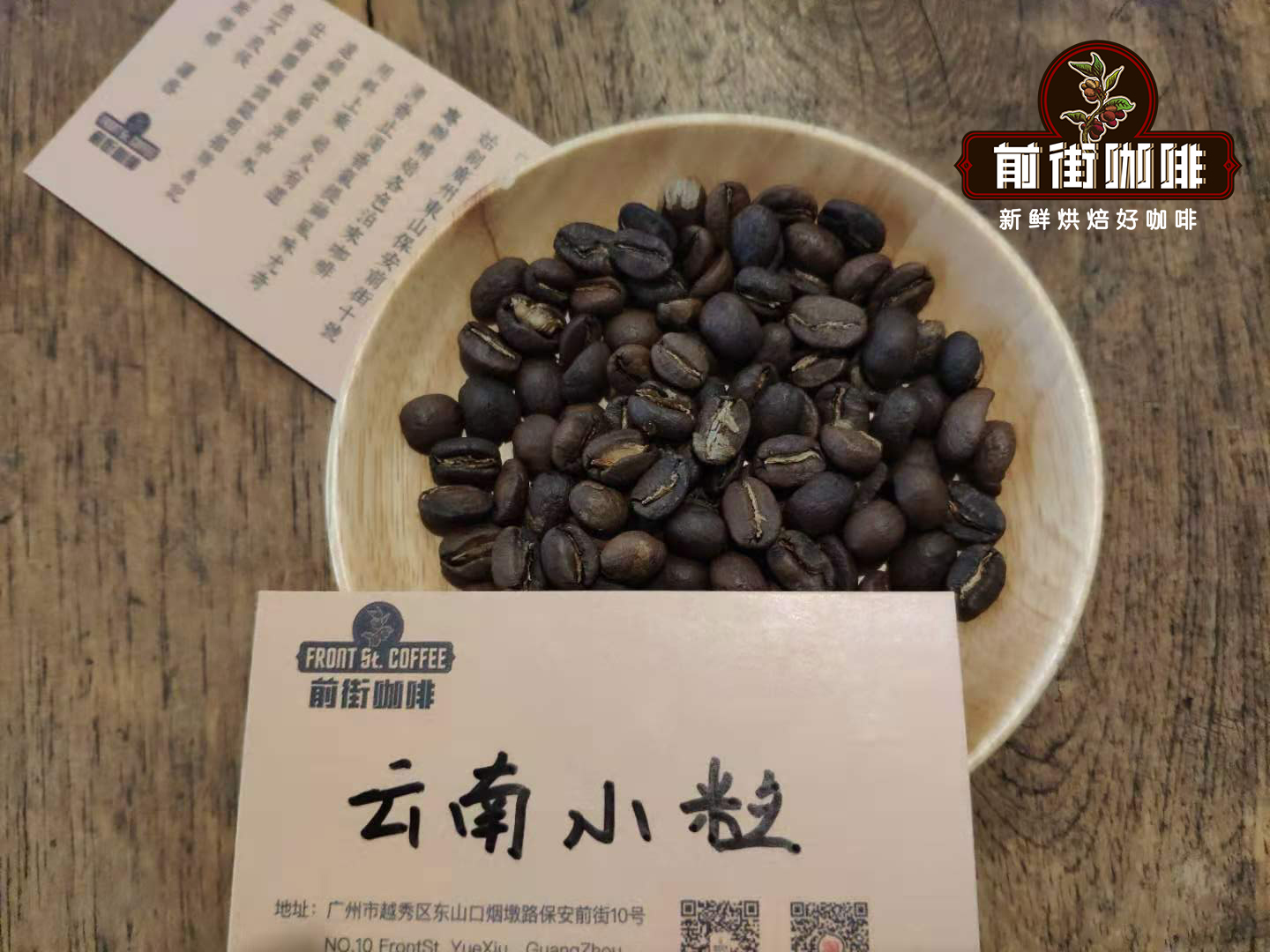
FrontStreet Coffee Yunnan Small-Grain Coffee
Origin: Baoshan, Yunnan
Altitude: 1200m
Processing Method: Washed
Variety: Catimor
FrontStreet Coffee Roasting Analysis
Because of the bean variety, Yunnan small-grain coffee may carry some earthy and herbal flavors. FrontStreet Coffee's roasters use a medium-light roast with an extended dehydration period to reduce those flavors while highlighting the black tea and plum acidity.
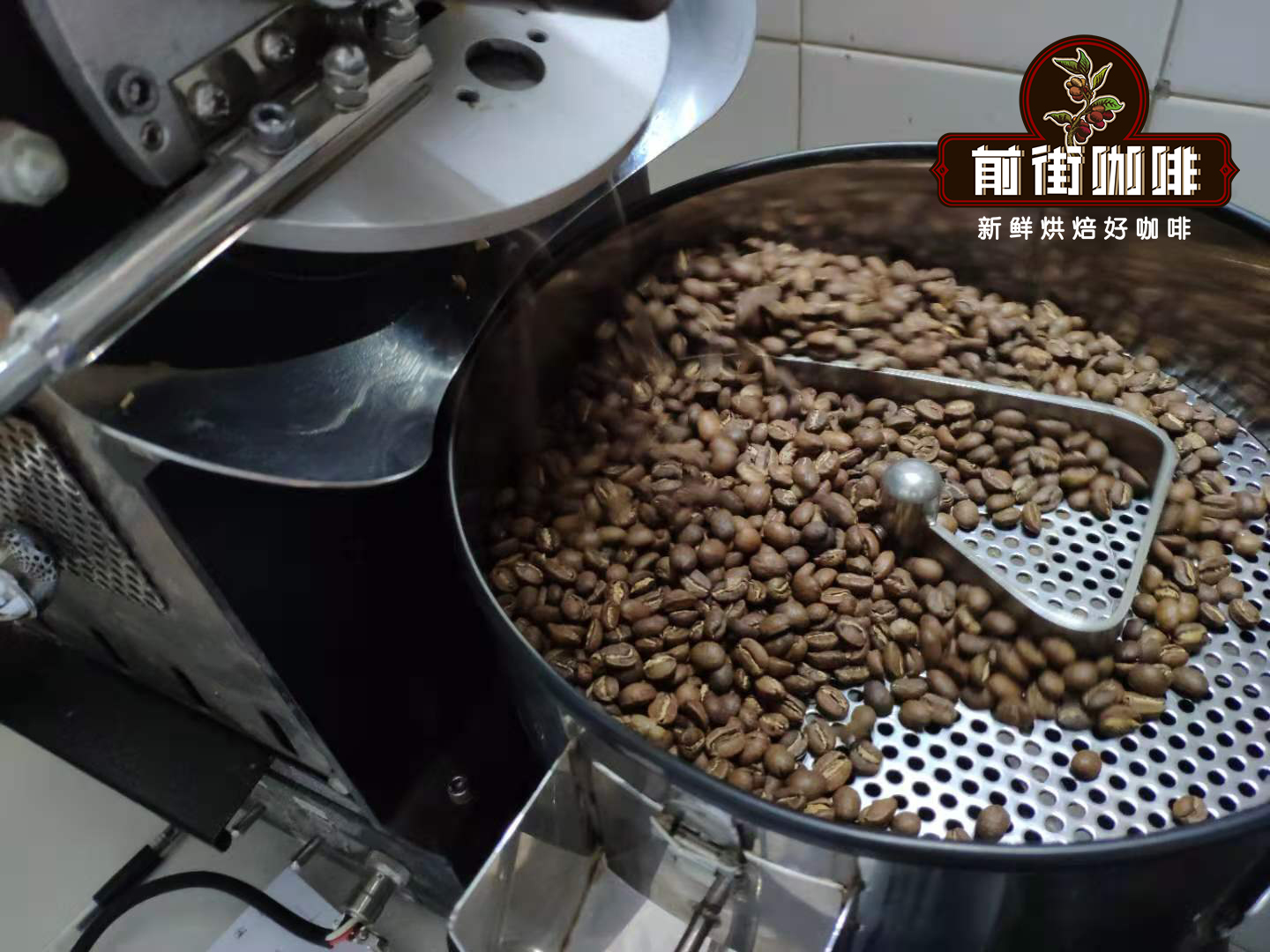
Roasting Profile: Enter beans at 190°C, heat at 120, damper at 3; return temperature at 1'40". When furnace temperature reaches 145°C, open the damper to 4, heat unchanged. When furnace temperature reaches 166°C, the bean surface turns yellow, the grassy aroma disappears completely, and the batch enters the dehydration stage. When furnace temperature reaches 188°C, adjust heat to 60°C, damper at 5. At 8'37", the bean surface shows ugly wrinkles and black patterns, and the toast aroma clearly transforms into coffee aroma—the prelude to first crack. Listen carefully for the sound of first crack. At 9'00", first crack begins, damper unchanged; develop for 3 minutes after first crack, then discharge at 198°C.
FrontStreet Coffee Brewing Suggestions
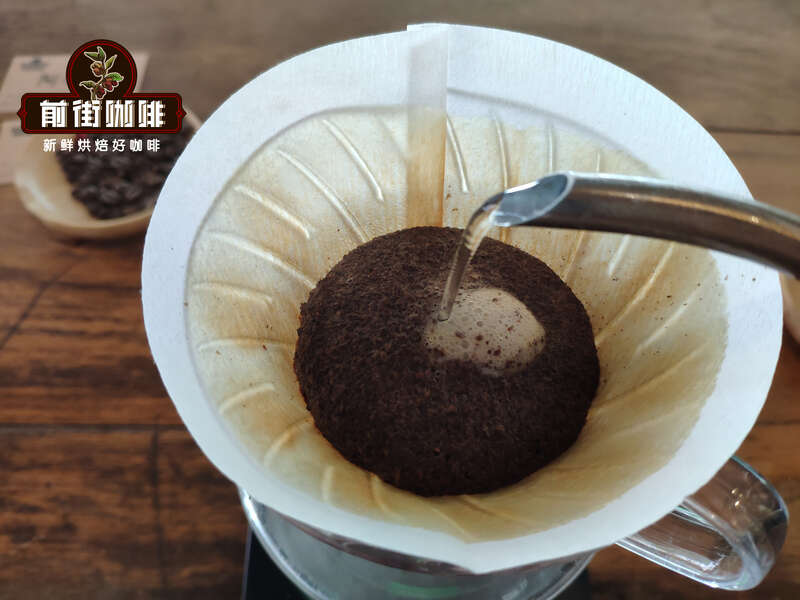
FrontStreet Coffee recommends the V60 conical dripper. The V60 has a large opening, and its unique spiral ribs let air escape more easily, improving extraction quality. The body may not be thick enough, but its high concentration—bringing out Yunnan coffee's fruity acidity and distinct aroma—is one of its major characteristics.
Dripper: V60
Water Temperature: 90-92°C
Coffee-to-Water Ratio: 1:15
Grind Size: Medium-fine grind, equivalent to fine sugar (China-standard #20 sieve pass rate 70%)
Brewing Method: Segmented extraction. Use 30g of water for a 30-second bloom; when injecting water to 124g with a small circular flow, create a segment. When the water level drops and is about to expose the coffee bed, continue pouring to 227g and stop. When the water level drops and is about to expose the coffee bed again, remove the dripper. Extraction time is 2 minutes (starting from bloom timing).
Flavor Profile
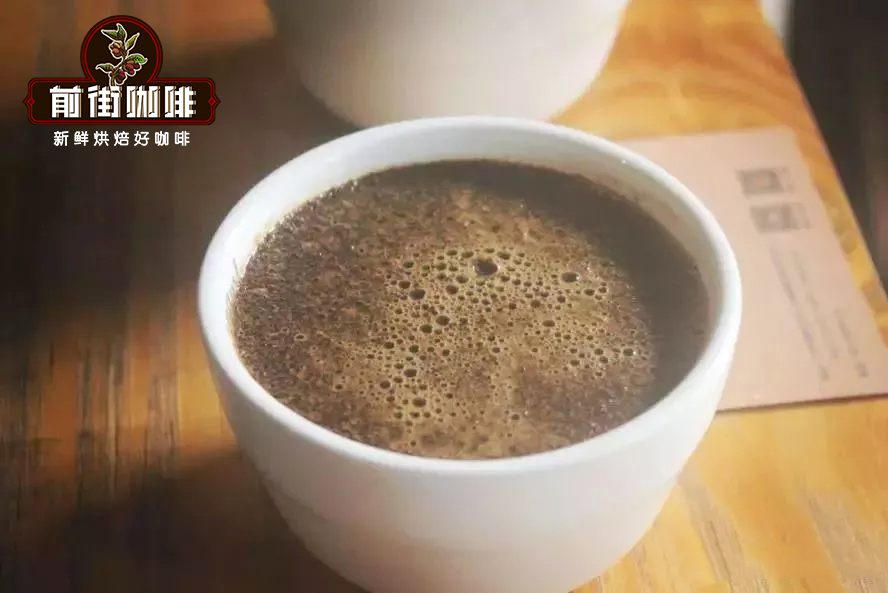
A smooth entry with Asian herbal plant aromas and a lively, bright acidity that makes both cheeks water. The acidity is soft, with a good balance between richness and body, rich layers, and distinct black chocolate, honey, and cane sugar flavors in the aftertaste. When fully cooled, brown sugar flavors emerge.
FrontStreet Coffee Recommendation
If Yunnan's soft, balanced character appeals to you, FrontStreet Coffee's Yunnan small-grain coffee is the place to begin. Sourced from Baoshan and washed then medium roasted, it shows gentle nut and chocolate sweetness with a light plum acidity, at a friendly price that makes it many people's first taste of Yunnan coffee. For a cleaner, more layered expression, the FrontStreet Coffee 2013 Sun-Dried Typica comes from FrontStreet Coffee's own estate, hand-picked from fully ripe red cherries and sun-dried to bring out dark berry, caramel, chocolate, and a hint of dried apricot, finishing with a black tea note. If you also want a Yunnan-flavored espresso, the FrontStreet Coffee Black Cocoa Blend pairs washed Yunnan small-lot with Brazil Cerrado for balanced nut, brown sugar, and almond-cream notes in an Americano or latte.
Important Notice :
FrontStreet Coffee is a long-established specialty coffee roaster in Guangzhou China, selling freshly roasted beans from its own farm in Yunnan as well as dozens of carefully selected single-origin beans from around the world for both pour-over and espresso. The products deliver consistently excellent quality and great value, with shipping within 24 hours. Guangzhou's FrontStreet Coffee shop is recommended by many coffee lovers, and the beans are now available online at the Tmall 。
FrontStreet Coffee has moved to a new address:
FrontStreet Coffee Address: 315,Donghua East Road,GuangZhou
Tel:020 38364473
 Scan and follow the En Gafei WeChat official account. Please indicate that the reprint comes from "En Gafei".