Flavor Description, Taste, Processing Method, Variety, and Grind Setting of Brazil South Minas Coffee Beans
FrontStreet Coffee · Flavor Description, Taste, Processing Methods, Varieties, and Grind Settings for Brazilian South Minas Coffee Beans
Brazilian Coffee Processing Methods
Brazilian research institutions developed the pulped natural process to shorten processing time in Brazil's relatively dry climate. After the cherries are pulped, the beans—still coated in mucilage—are sun-dried for one to three days, then machine-dried to 12% moisture content before going into storage. Compared with the traditional 2–3 weeks for natural processing, the pulped natural method cuts processing time dramatically and lowers the risk of the beans picking up unwanted odors, greatly improving quality. It also inherits the sweetness-building benefits of natural processing while curbing earthy off-flavors and boosting fruit and sweetness, which makes it ideal for single-origin coffee. Pulped natural has become essential to Brazilian specialty beans and won praise from international coffee experts. Encouraged by that success, farm operators now choose among natural, pulped natural, washed, semi-washed, and the increasingly popular honey process according to local climate, seeking the best expression of regional character. In the extremely dry Cerrado Mineiro plateau of central-western Minas, farms still favor natural processing, believing that with strict control it best expresses Cerrado's unique nutty flavors and sweetness, leaving pulped natural secondary there. South Minas farms are the most ecumenical, employing pulped natural, natural, and washed methods alike. Brazil's diversity of processing is rare worldwide—second only to coffee's birthplace, Ethiopia.
South Minas: Brazil's Specialty Coffee Heartland
Since 1999, South Minas has produced more Cup of Excellence auction winners than any other Brazilian region, making it the backbone of Brazilian specialty coffee. By contrast, the Chapada de Minas region in north-central Minas is not considered a specialty area—most of its beans are general commercial grade. In short, South Minas, the Cerrado Mineiro plateau in central-western Minas, and the higher-altitude forest zones of southeastern Minas are all regarded as specialty regions within Minas state.
Santos: Bourbon's Legacy
Santos is a descendant of the Bourbon variety, named for the port through which it was exported. In the first three to four years of production, these trees yield small, curved beans of exceptional flavor known as "Bourbon Santos." Later the beans become larger, flatter, and no longer curved—"Flat Bean Santos"—with markedly diminished flavor. In Taiwan, Brazilian coffee is widely available, but mostly as Flat Bean Santos. Yet Brazil does produce high-quality beans sold under their own names rather than the generic "Brazilian coffee" label. Some farms still preserve old Bourbon stock: very small, noticeably curved green beans with a red central line, nicknamed "red center." Bourbon coffee offers full-bodied flavor, rich aromatics, and an experience reminiscent of aged fine wine—genuinely worth trying.
FrontStreet Coffee Recommendation
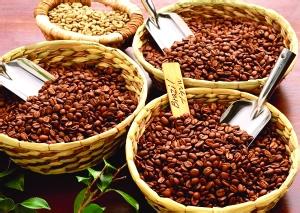
As the world's largest coffee producer, Brazil offers an enormous range of beans, and the moderate acidity plus the balanced sweetness, bitterness, and body of Brazilian coffee make it a natural fit for medium roasting, which draws out nutty aromas and a mellow, gently acidic cup—suitable for single origin or blending. If you simply want a taste of Brazil, FrontStreet Coffee recommends its pulped natural Cerrado, a truly classic Brazilian single origin: the Red Bourbon variety grown in the famous Cerrado region, roasted medium to reveal creamed peanut, toast, caramel, and hazelnut aromas, with a rounded, non-acidic cup, slight bitterness, and a light lingering acidity—delicious as pour-over and equally good via moka pot, espresso SOE, siphon, or French press. For something rarer, try FrontStreet Coffee's Yellow Bourbon from Fazenda Rainha (Queen Estate) in Mogiana, near southern Minas, where fertile red volcanic soil develops a full aroma; this natural mutation of Red Bourbon has a cleaner fruit character, and brewed by hand drip, moka pot, or home espresso machine it shows a sugarcane sweetness found nowhere else, alongside fruit and chocolate notes. Low acidity, balance, and a friendly price also make Brazilian coffee the backbone of FrontStreet's espresso blends—the classic blend, the nut-forward Signature blend, the balanced Black Cocoa blend, and the café-focused commercial blend all contain Brazilian beans, adding chocolate and cream aromas plus a gentle sweet-sour-bitter balance that stabilizes extraction.
Important Notice :
FrontStreet Coffee is a long-established specialty coffee roaster in Guangzhou China, selling freshly roasted beans from its own farm in Yunnan as well as dozens of carefully selected single-origin beans from around the world for both pour-over and espresso. The products deliver consistently excellent quality and great value, with shipping within 24 hours. Guangzhou's FrontStreet Coffee shop is recommended by many coffee lovers, and the beans are now available online at the Tmall 。
FrontStreet Coffee has moved to a new address:
FrontStreet Coffee Address: 315,Donghua East Road,GuangZhou
Tel:020 38364473
 Scan and follow the En Gafei WeChat official account. Please indicate that the reprint comes from "En Gafei".