Panama Elida Estate Coffee Beans: Introduction to Origin Region, Flavor Description, Taste Profile, Variety, and Processing Method
Professional Coffee Knowledge Exchange
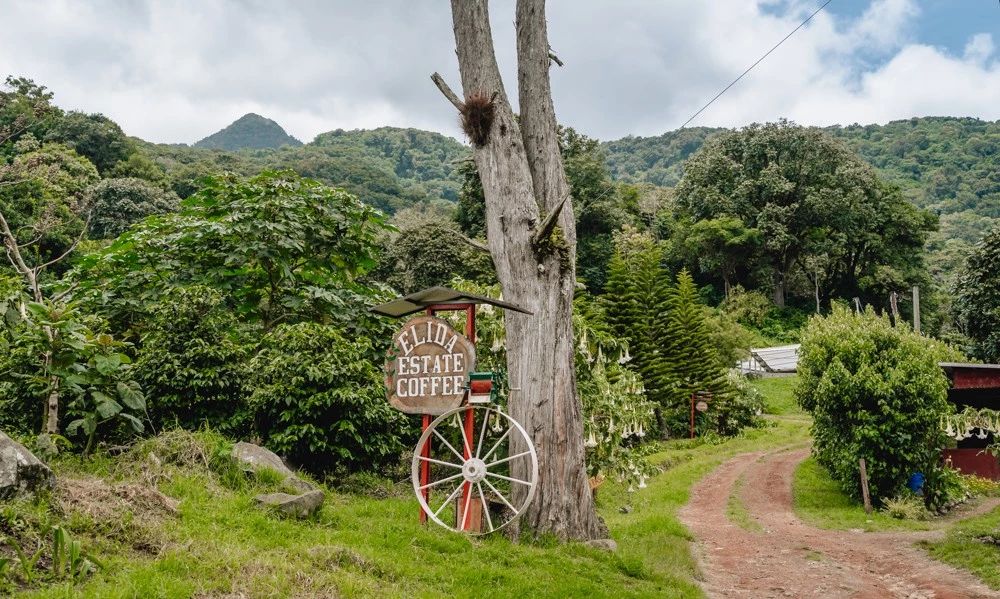
Panama is one of FrontStreet Coffee's most famous origins. In the Boquete growing region alone there are two very well-known estates — Hacienda La Esmeralda and Elida Estate — while the Volcán region is home to Hartmann Estate, among others. FrontStreet Coffee often writes about Hacienda La Esmeralda, but today the spotlight is on Elida Estate in Boquete.
Introduction to the Boquete Growing Region
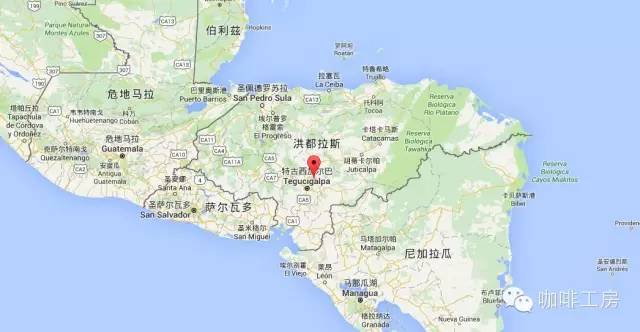
A quick orientation first. Boquete is a town in Chiriquí Province, near the border between Panama and Costa Rica and close to the famous Baru Volcano. With its beautiful scenery and rich, fertile soil, the climate and terroir are ideal for producing high-quality coffee. (Costa Rican coffee is also superb, and FrontStreet Coffee stocks many varieties there; honey processing gives Costa Rican beans their signature character — FrontStreet's Bahia shows ripe-fruit aromas, the washed Beethoven is cleaner with more pronounced acidity, and the Mozart falls in between, with softer acidity and a rich fermented wine note.)
Elida Estate in Panama
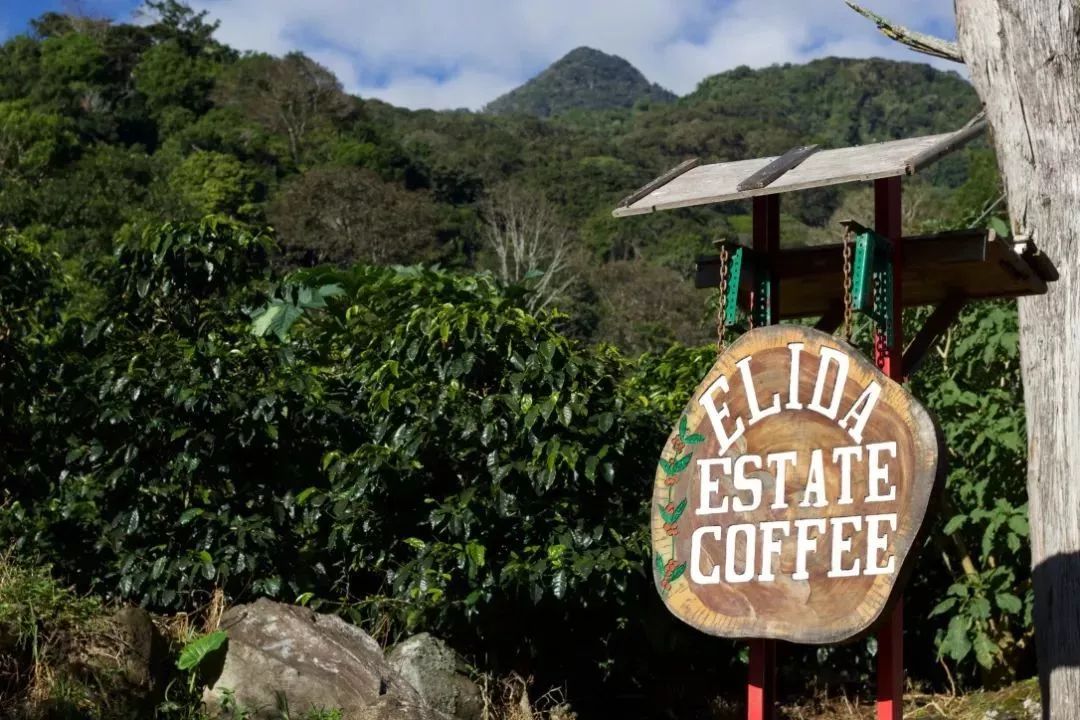
Elida Estate sits in the renowned Boquete growing region. The estate covers 65 hectares in total, more than half of which lies within Baru Volcano National Park; only 30 hectares are used for coffee cultivation, and the rest remains pristine primary forest. The coffee trees grow at altitudes of 1,670 to 1,850 meters, making Elida one of Panama's two highest coffee estates (the other is Carmen Estate, in the Volcán Valley). At such altitudes, low temperatures delay cherry maturation by about a month compared with normal ripening periods. The fertile volcanic soil supplies ample nutrients, and the excellent microclimate created by Baru Volcano together explain why Elida consistently posts outstanding results in cupping competitions.
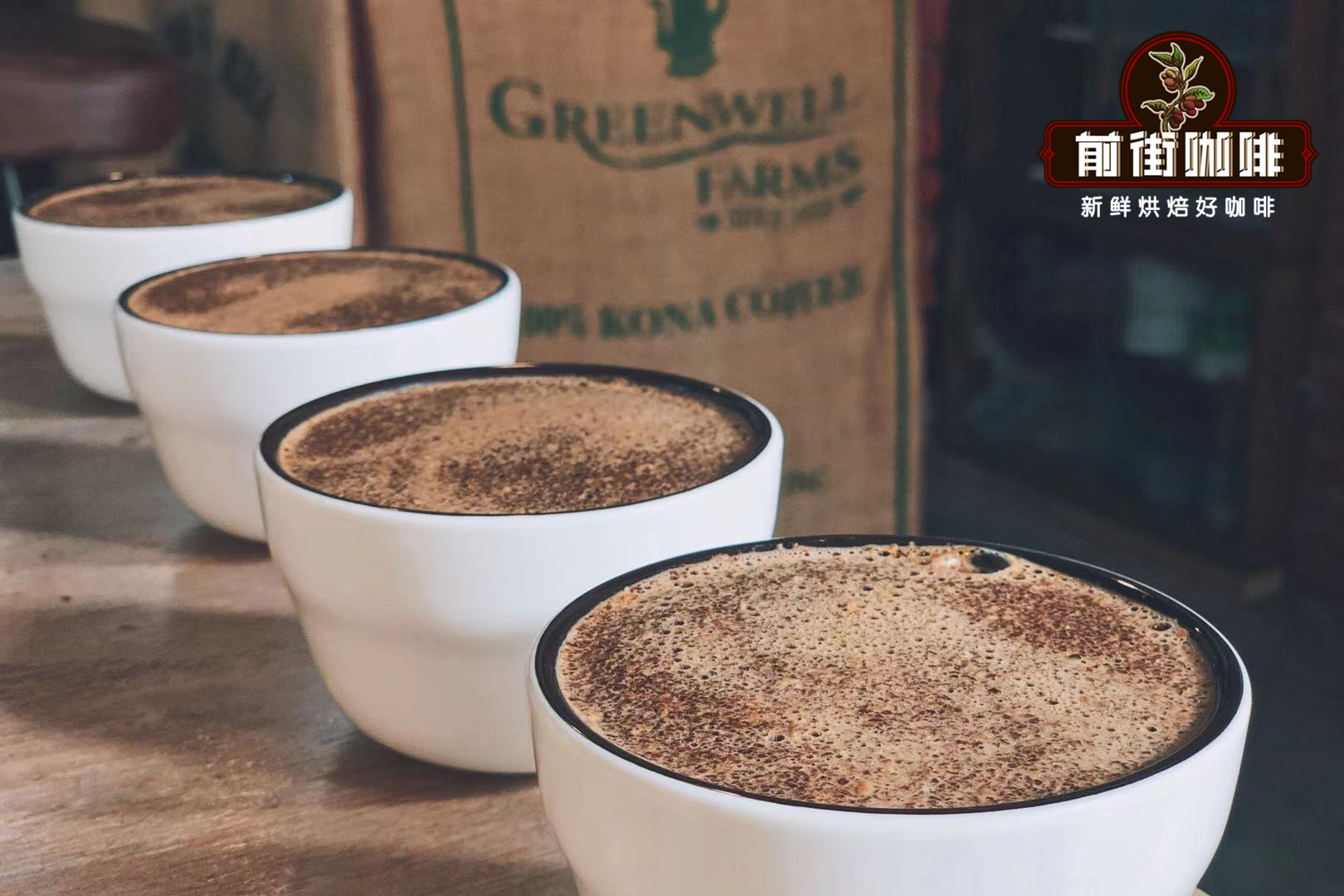
FrontStreet Coffee has cupped Elida Estate beans as well. After grinding 11.3 grams of coffee, the dry fragrance was rich, with caramel, roasted almond, and floral aromas. When 94-degree water was poured, the wet fragrance over the first four minutes recalled jackfruit and fermented wine. After cupping, FrontStreet Coffee found the overall mouthfeel smooth, with distinct notes of raisin, peach, orange, muskmelon, cane sugar, and caramel, a green-tea sensation, and high cleanliness.
Flavor Comparison with Hartmann Estate
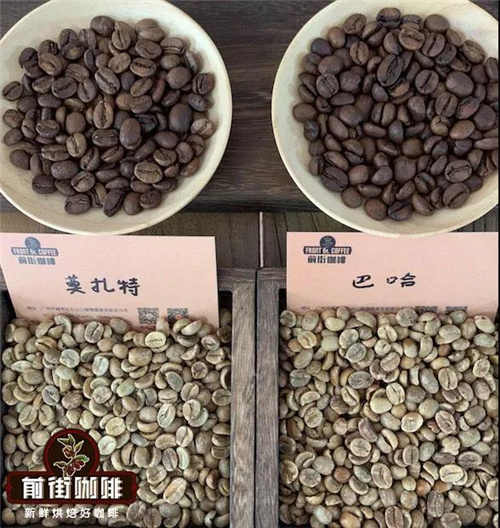
What exactly characterizes Elida's cup, and how does it differ from Hartmann Estate coffee from the Volcán region? To compare the two, FrontStreet Coffee ran the same cupping protocol on Hartmann Estate beans. Ground dry, the Hartmann lot — processed using the red wine method — released aromas of orange and jasmine. After filling the bowl with water, the wet fragrance showed fermented wine notes and honey-like sweetness. Four minutes later we broke the crust, skimmed the grounds, and evaluated. The verdict: Hartmann leans toward tropical fruit, nuts, red wine, honey, and cane sugar.
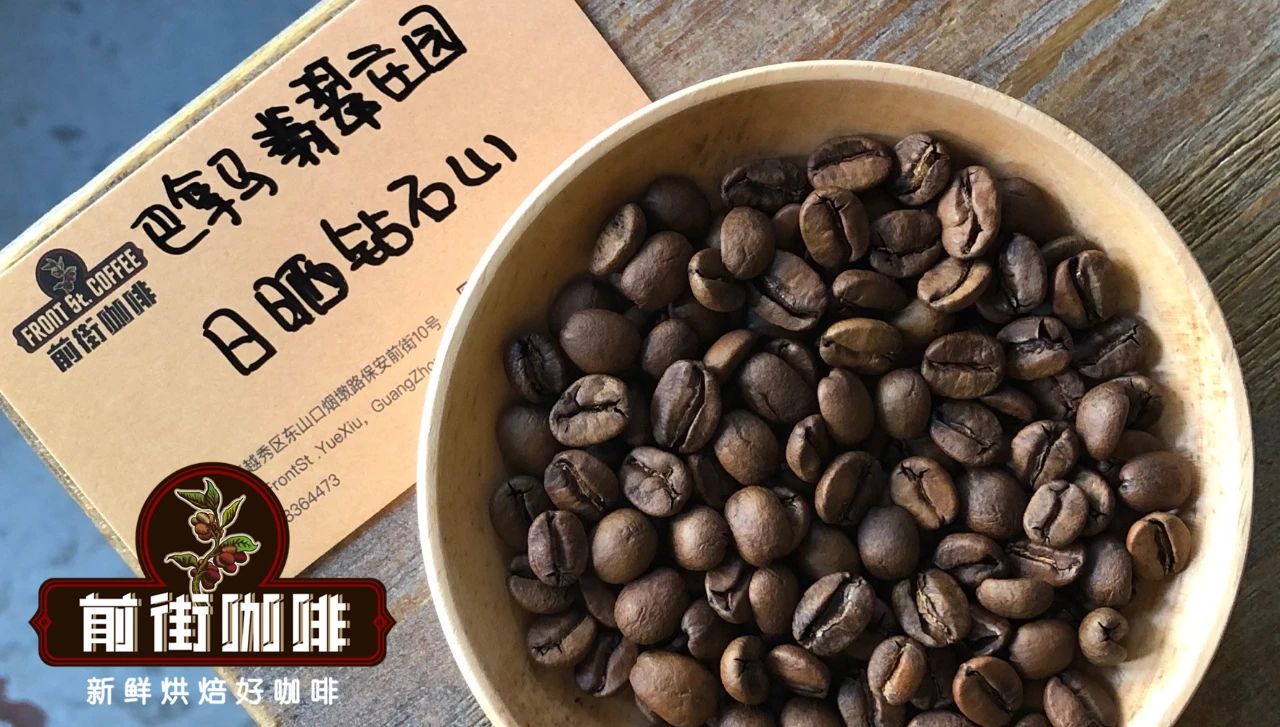
These two Panama coffees from different growing regions show clear flavor differences driven largely by processing. In FrontStreet Coffee's comparison, Hartmann carries a very rich fermented red-wine aroma, while Elida leans toward tropical fruit. Elida's cup also differs from FrontStreet Coffee's Panama Diamond Mountain series from Hacienda La Esmeralda, also in Boquete: the Diamond Mountain beans show citrus and berry dry fragrance, a citrus wet fragrance, and an overall profile of citrus, honey, and cocoa with fermented wine notes.
Coffee Varieties and Processing
Besides Geisha, Hacienda La Esmeralda also grows Caturra and Catuai, split into the Diamond Mountain series and the Palmira series mentioned above. Elida Estate grows Catuai as well as Typica and Geisha. The estate's processing mill sits halfway up the mountainside, so freshly picked cherries can be delivered for processing immediately, protecting cherry quality. Elida's environment also suits other high-quality temperate crops, especially tree tomatoes and some uncommon high-altitude fruits — and interestingly, the flavors of those fruits often show up in Elida's coffee too.
Elida has a long history in Panamanian coffee. It is the flagship estate of the Lamastus family, founded in 1918. From the day Robert Lamastus planted the family's first coffee tree, a century has passed — long enough for the estate to witness specialty coffee's rise around the world.
Today the estate is still run by Lamastus descendants: owner Mr. Wilford, his father Thatcher, and Wilford's son Wilford Jr., the fourth-generation successor. Coffee runs in the family's blood — Wilford was born on a small coffee farm, and so were his parents. The Panama coffee the family currently produces comes from Elida Estate, Donkey Estate (El Burro), and Luisito Estate.
Quality Control and Processing Excellence
Beyond the unique altitude and microclimate, owner Mr. Wilford pours enormous care into harvesting and processing. To hold the highest standards, Elida's coffee is hand-picked only from the most mature cherries ("Ripe on Pinton"). That high maturity means the pectin's sugar content is naturally high — the foundation of Elida's excellent flavors.
And Wilford is stricter than most of the industry about "purification" after milling, too. Once green bean processing is complete, Elida's beans must rest for more than 5 months at low temperature to strip away green notes, letting the flavors develop more fully and in better balance. FrontStreet Coffee considers this one more reason Elida Estate coffee tastes so refined.
FrontStreet Coffee Recommendation
If Elida has you curious about Panamanian coffee, FrontStreet Coffee has two Boquete-grown picks drawn from its Panama lineup.
FrontStreet Boquete Washed Geisha — If it's your first taste of Panama specialty coffee, this estate-level entry Geisha is the recommended starting point. Grown at 1,600 meters in Boquete, where mountain mists, humid days, cool nights, and the fertile volcanic soil of Baru Volcano nourish the trees, it brews into a fragrant cup with the jasmine florals unique to Geisha, plus green tea, honey, citrus, and orange.
FrontStreet Panama Washed "Flower Butterfly" (Butterfly) — Carrying half Geisha bloodline, this bean blends three varieties — Geisha, Caturra, and Catuai — planted on the Baru Volcano slopes of Boquete. The local microclimate brings abundant rainfall and wide day-night temperature swings, and the volcanic rock soil plus meticulous picking and processing give the cup impressive body, bright citrus acidity, and Geisha-like jasmine aroma. It works beautifully both as pour-over and cold brew.
Important Notice :
FrontStreet Coffee is a long-established specialty coffee roaster in Guangzhou China, selling freshly roasted beans from its own farm in Yunnan as well as dozens of carefully selected single-origin beans from around the world for both pour-over and espresso. The products deliver consistently excellent quality and great value, with shipping within 24 hours. Guangzhou's FrontStreet Coffee shop is recommended by many coffee lovers, and the beans are now available online at the Tmall 。
FrontStreet Coffee has moved to a new address:
FrontStreet Coffee Address: 315,Donghua East Road,GuangZhou
Tel:020 38364473
 Scan and follow the En Gafei WeChat official account. Please indicate that the reprint comes from "En Gafei".