Pour-Over Coffee Grind Size Standards and Adjustment Parameters
Whether online or in our physical stores, coffee enthusiasts ask about grind size constantly. FrontStreet Coffee's answer is usually just six words: fine as granulated sugar.
How Fine Is Granulated Sugar?
For beginners that answer is a little too technical. We are talking about millimeter-level precision, which is genuinely hard to grasp. So exactly how fine is granulated sugar?
Under the GB 317-2006 technical requirements for white sugar, white sugar is classified into four levels: refined, premium, first grade, and second grade. Different grades vary in purity and particle-size precision. Sugar particle values are also categorized as coarse grain at 0.800-2.50mm, large grain at 0.630-1.60mm, medium grain at 0.450-1.25mm, and fine grain at 0.280-0.800mm, with uniform crystals inside the specified range accounting for at least 80%.
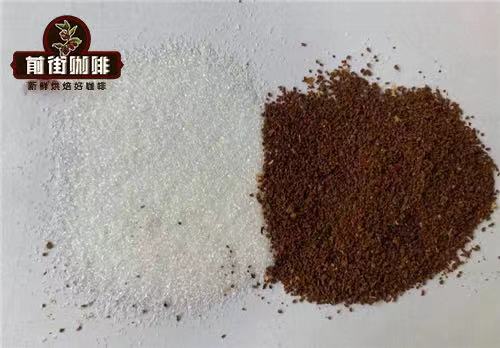
Normally such comparisons require visual and tactile judgment, and unless you are highly experienced it is hard to be precise, which is particularly unfriendly to beginners. Coffee grounds make it harder still: once beans are ground, the particles are irregular in shape compared with sugar crystals, so both eye and fingertip struggle to assess them accurately.
Why Does Grind Size Matter?
To feel the effect of grind size most directly, brew whole roasted beans, sugar-sized grounds, and flour-fine powder using the same water temperature, the same coffee-to-water ratio, and the same brewing time, then taste and compare the results.
As most people understand, with a given amount of coffee, the larger the surface area of the extracted material, the more substances are released in the same time. Not all of what coffee releases tastes good, though, so the task is to find a grind size that extracts the desirable compounds.
How Do You Choose a Grind Size?
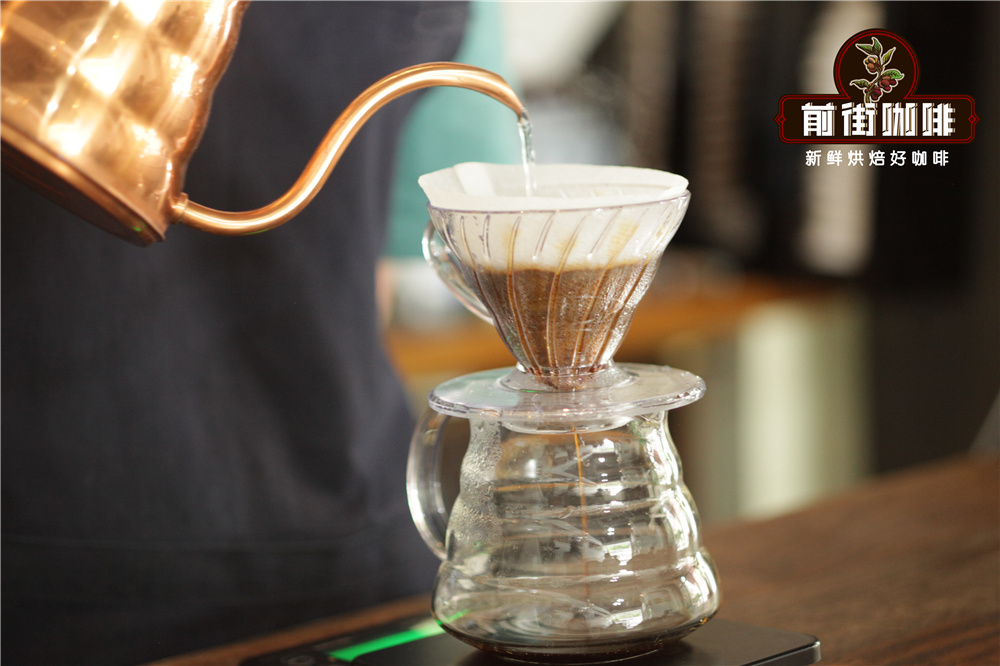
If you own several brewing devices, you will notice that each method calls for a different particle size. Espresso, known for its intensity, is made on semi-automatic espresso machines and uses particles around 0.2-0.3mm. Pour-over coffee, the method most often discussed, ideally uses particles between 0.6-0.8mm.
All of those numbers sit inside 1 millimeter. Some enthusiasts will immediately look for measuring tools. The question is whether you own an instrument that can measure 0.1 millimeters, and even if you did, how would you actually measure with it?
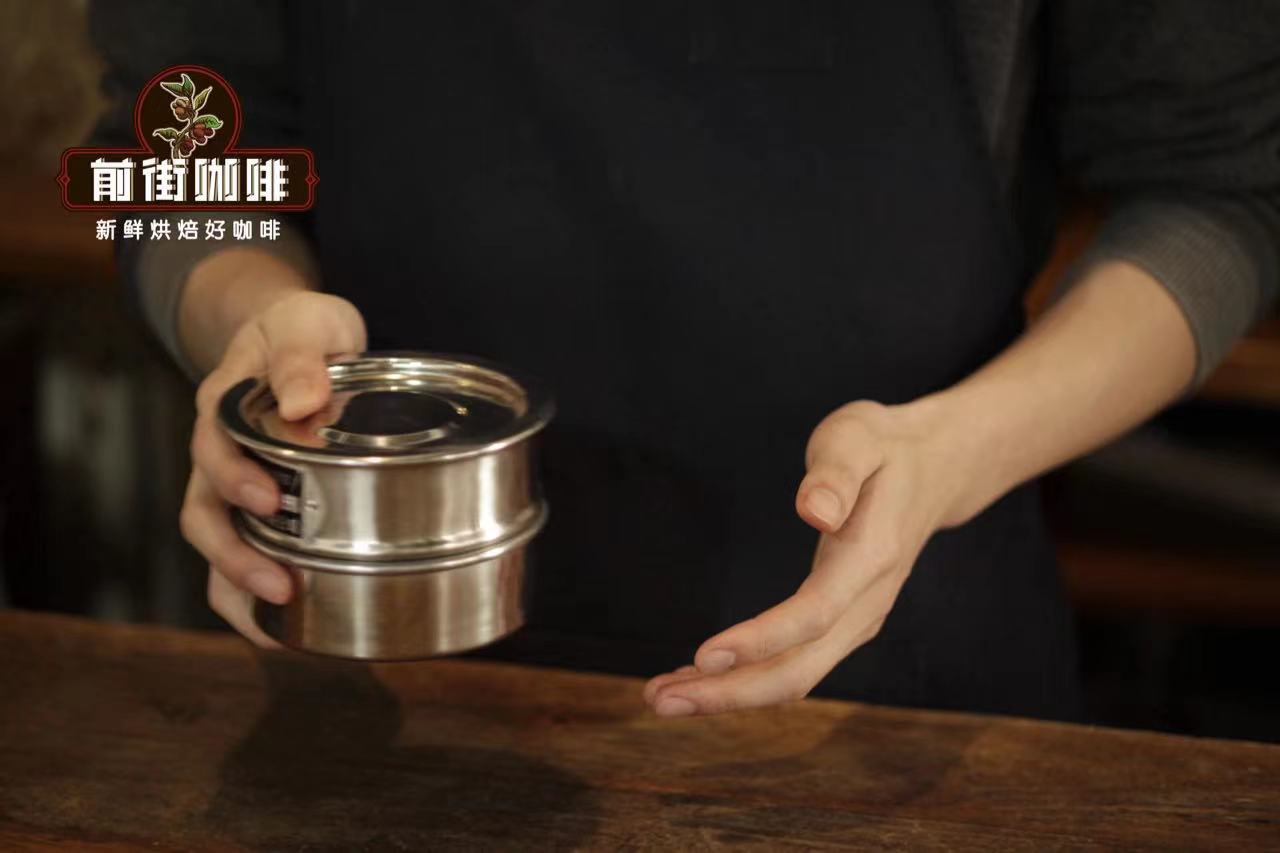
At this point FrontStreet Coffee would introduce a tool that comes up whenever grind size is discussed: the Chinese standard #20 sieve, at 0.85 millimeters. Whatever a grinder costs, the grounds it produces will always contain both coarse and fine particles. The aim is for the majority of grounds to fall within 0.6-0.8 millimeters, so FrontStreet Coffee uses an 80% pass rate through a 0.85mm standard sieve as the grind-size standard for light to medium roasted coffee.
Beyond numbers, grind size can also be judged from the brewing process itself. Brewing time is one reference: FrontStreet Coffee's standard parameters specify that a pour-over should extract within 1 minute 50 seconds to 2 minutes 10 seconds. Grind too fine and extraction time extends; grind too coarse and it shortens.
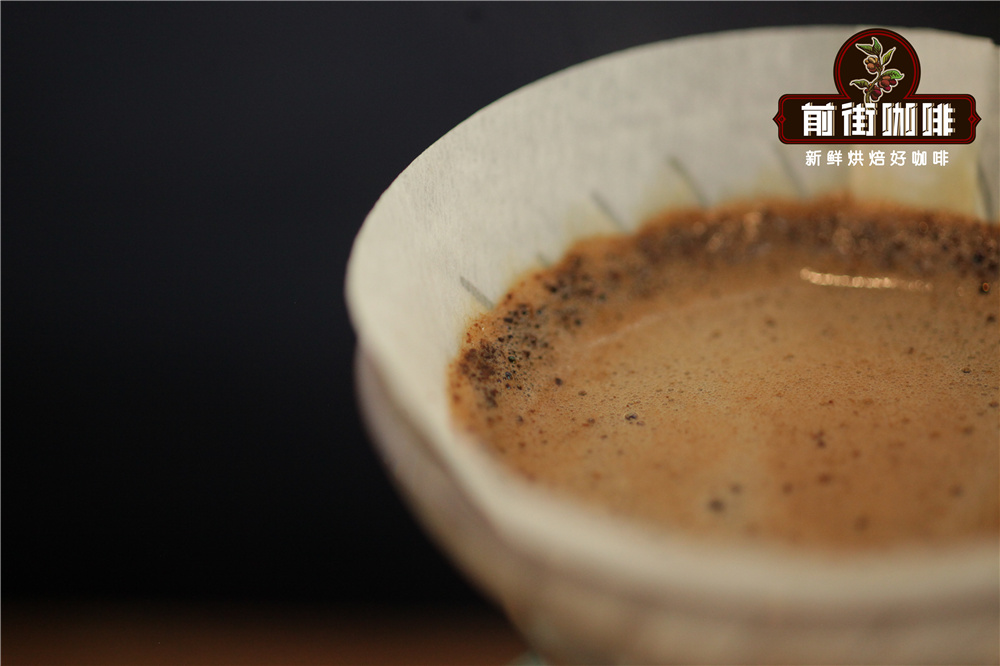
Alternatively, watch how the coffee bed settles. Generally the bed should settle slowly and evenly. If it settles too quickly, the grind may be too coarse. If settling becomes progressively slower or even stalls, the grind may be too fine or contain too many fines, producing a muddy consistency at the bottom of the bed.
Case Study: Honduras Sherry Coffee
Next, FrontStreet Coffee uses Honduras Sherry as an example, choosing two different grind sizes for comparison. First, as usual, the bean itself.
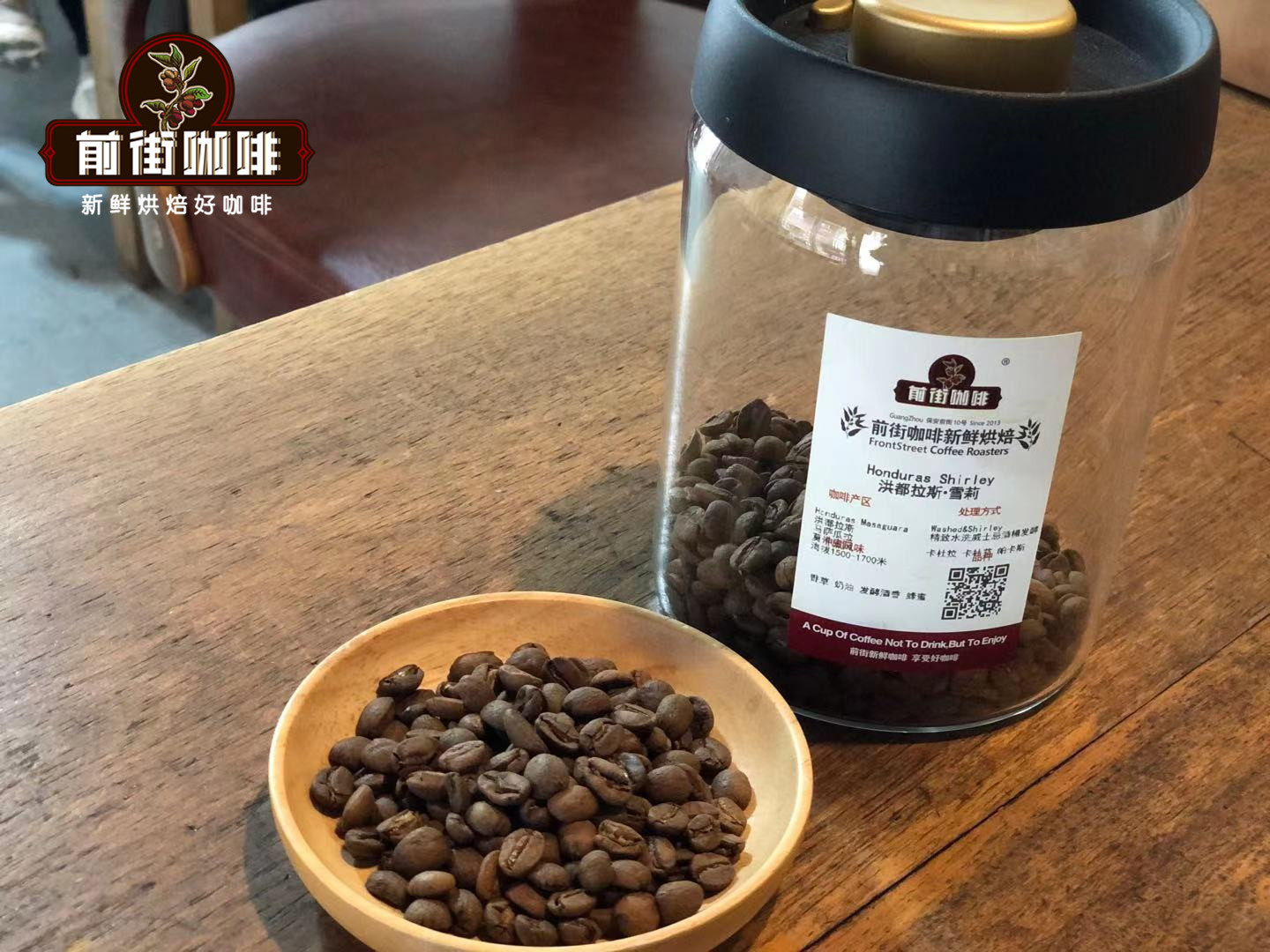
Honduras Sherry
Region: Masaguara region, Honduras
Estate: Moca estate
Altitude: 1500-1700m
Varieties: Caturra, Catuai, Pacas
Processing: Fine washed whiskey barrel fermentation
Honduras lies in northern Central America, bordered by the Caribbean Sea to the north and the Gulf of Fonseca to the south, sharing borders with Nicaragua and El Salvador to the east and south and Guatemala to the west. It is mostly mountains and plateaus.
At the Moca Coffee Estate, because the growing area is mountainous, beans are hand-picked and then carefully processed to produce higher quality. Honduras harvests three million bags of coffee annually, supplying abundant, high-quality coffee to the world, and has become one of the top ten coffee exporting countries.
This bean contains three varieties: Caturra, Catuai, and Pacas.
Caturra
Caturra is a natural variant of Bourbon, discovered in Brazil in 1937. Caturra plants are smaller than Bourbon plants. Although it inherits Bourbon lineage, Caturra has relatively weak disease resistance but higher yields than Bourbon. Although it was discovered in Brazil, the variety does not grow well there; it is widely popular in Central and South America instead, in countries such as Colombia and Costa Rica.
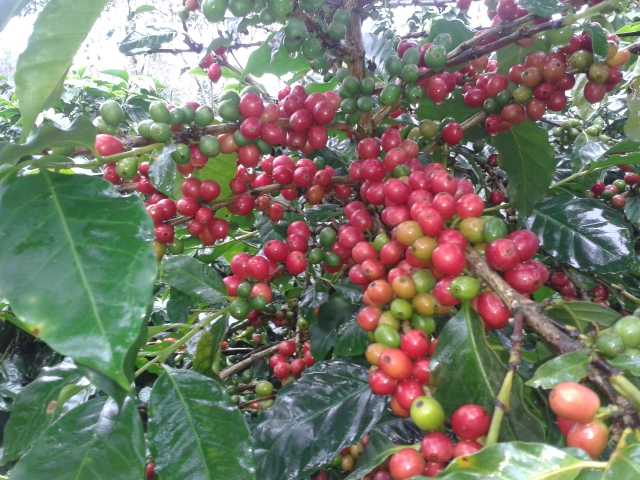
Catuai
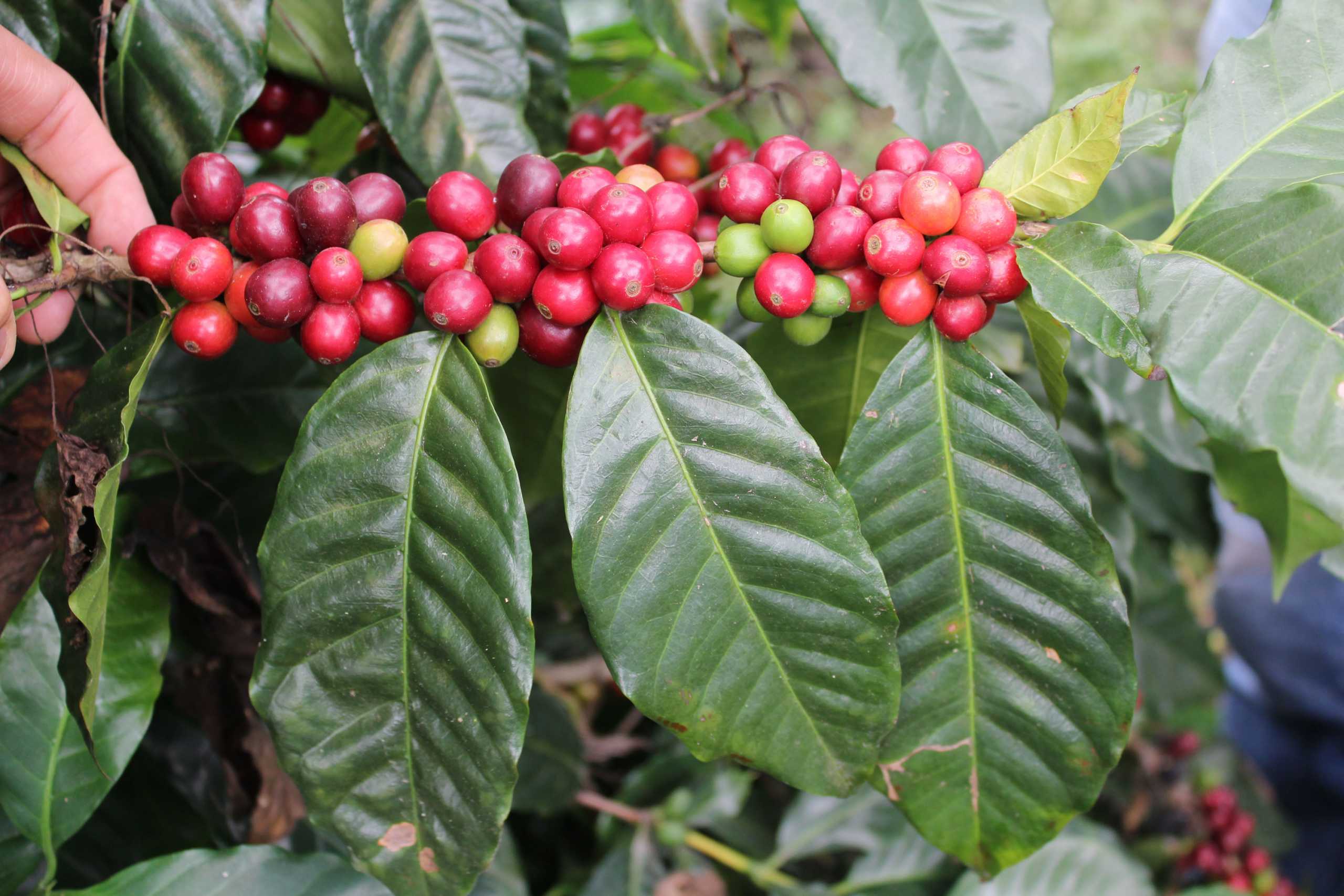
Catuai is an artificial hybrid of Caturra and Mundo Novo. It resists natural disasters well, especially wind and rain. Catuai plants are shorter than other varieties, and the fruit is not easy to harvest. Catuai comes in both red and yellow fruiting forms.
Pacas
Pacas is a natural variant of Bourbon resulting from a single gene mutation. It was discovered in 1949 on a farm belonging to the Pacas family in the Santa Ana region of El Salvador. In 1974, the Honduran Coffee Institute introduced the variety and cultivated it in Honduras.
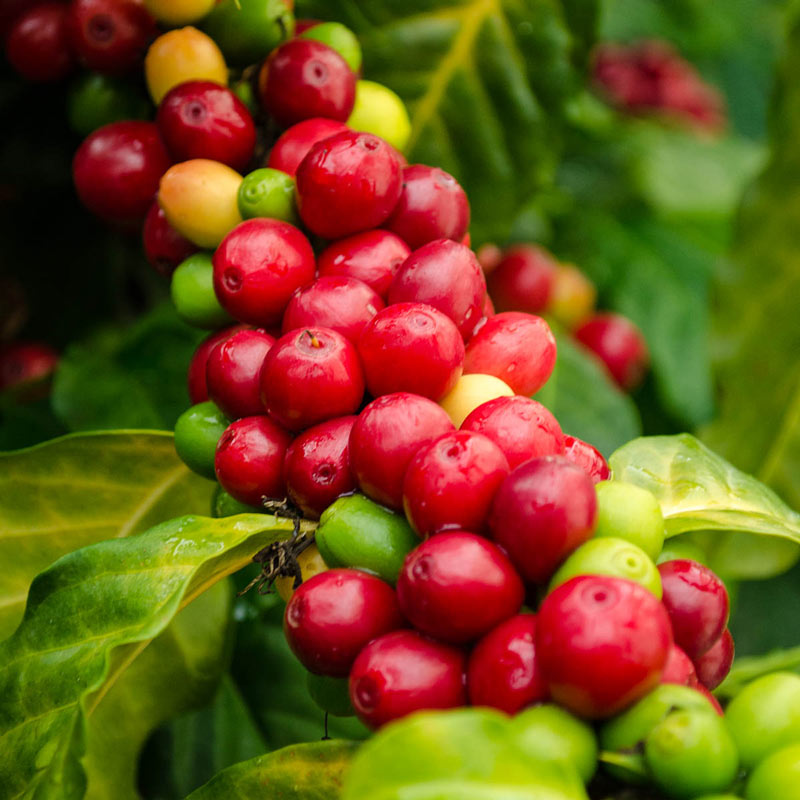
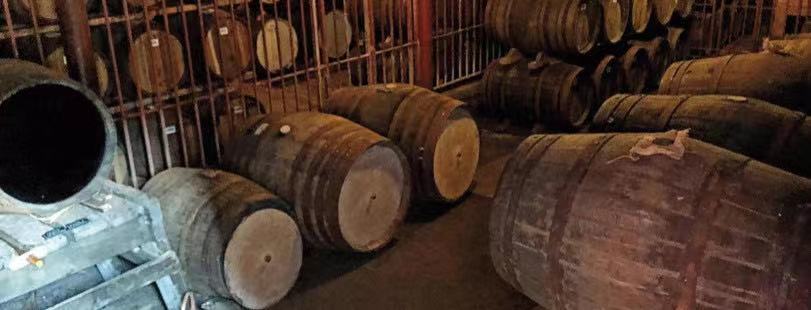
FrontStreet Coffee's Honduras Sherry uses fine washed whiskey sherry barrel fermentation. Freshly harvested cherries are finely washed first, then placed in oak whiskey barrels that previously matured sherry wine for low-temperature fermentation lasting 30-40 days at approximately 15-20 degrees Celsius, followed by shade drying.
Now let's look at how grind size affects this Sherry coffee.
Two grind settings were selected: Group A at BG #8s and Group B at BG #3s. Cupping procedures and concentration tests followed.
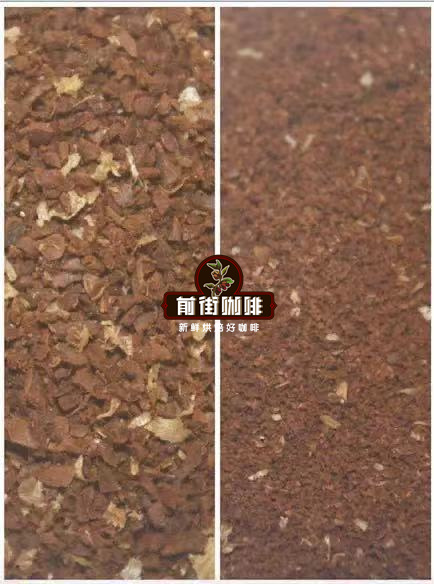
Group A measured a concentration value of 0.78%, while Group B measured 1.17%.
More extracted compounds are not necessarily better. An excessively fine grind pulls more large-molecule substances out of the coffee, which is what produces bitterness. An appropriate grind size avoids the under-extraction that leaves flavors incomplete and the cup weak, while also reducing the risk of over-extraction that makes coffee bitter, strong, and astringent.
FrontStreet Coffee shares professional coffee knowledge and information on the beans it carries for anyone who wants to compare results and refine their own brewing.
FrontStreet Coffee Recommendation
Grind size matters most with the floral and fruity coffees that show every flaw in extraction, and a good place to start is FrontStreet Guodingding Yirgacheffe. It is the first specialty coffee for a great many drinkers: clearly defined citrus, berry, and floral notes with a green-tea finish. Unlike the "sour coffee" people imagine, a well-made Yirgacheffe tastes soft and bright, like the natural sweet-sour of fruit rather than anything sharp. That makes it a forgiving bean for anyone learning to dial in a pour-over.
If you want to test how a grind adjustment changes a fruit-forward cup, FrontStreet Ethiopia Huakui pushes the same idea much further. Its tropical fruit aroma is extremely prominent, and strawberry, passion fruit, jackfruit, and even lychee come through clearly. Sweetness is pronounced and bitterness very low, and it is smooth and juicy on entry, which is why many drinkers describe it as the coffee that tastes least like coffee. A coarser grind will mute the fruit; a finer one inside the 0.6-0.8mm window will let those layers separate.
And for the coffee that sets the ceiling on this kind of brewing, FrontStreet Panama Esmeralda Red Label Geisha is unmatched. Among specialty coffees it is a legend: extremely elegant jasmine florals with citrus, bergamot, and black-tea notes, a clean and transparent body, a long sweet finish, and rich layering. It costs more than ordinary specialty coffee, but the aroma it delivers is still one of the ultimate experiences drinkers chase. FrontStreet suggests grinding Geisha to 78% pass-through on the China standard #20 sieve, about the size of fine sugar, and brewing with a V60 at 91 degrees Celsius, 15g of coffee, and a 1:16 ratio poured in three stages: 30g for a 30-second bloom, then in small circles to 125g, then, once the bed has dropped halfway, in small circles to 225g, for a total extraction of about 2 minutes 10 seconds to 2 minutes 20 seconds.
Important Notice :
FrontStreet Coffee is a long-established specialty coffee roaster in Guangzhou China, selling freshly roasted beans from its own farm in Yunnan as well as dozens of carefully selected single-origin beans from around the world for both pour-over and espresso. The products deliver consistently excellent quality and great value, with shipping within 24 hours. Guangzhou's FrontStreet Coffee shop is recommended by many coffee lovers, and the beans are now available online at the Tmall 。
FrontStreet Coffee has moved to a new address:
FrontStreet Coffee Address: 315,Donghua East Road,GuangZhou
Tel:020 38364473
 Scan and follow the En Gafei WeChat official account. Please indicate that the reprint comes from "En Gafei".