Latin American Coffee Beans: Introduction to Our Preferred Coffee Sources and Breakfast Blend Overview
An Introduction to Latin American Coffee
How coffee first reached Latin America is told several ways, but the most common version credits the French naval officer Gabriel Mathieu de Clieu (1687–1774), who in 1720 smuggled one or a few seedlings out of the royal greenhouse and carried them to Martinique in the Caribbean — opening the door to Latin America's flourishing coffee trade. The Latin American growing region covers the countries of Central and South America plus Mexico. The trade often lumps the region's output together as "washed coffee," since fermentation washing is the norm (Brazil, which relies largely on natural drying, is the exception). FrontStreet Coffee finds Latin American beans balanced and mild, with refreshing acidity and charming cocoa and nut notes in near-perfect proportion.
Today Latin America ranks among the world's great coffee-producing regions, and coffee has become one of its signature crops. By some counts, coffee plantations occupy at least 45% of the region's arable land. Thanks to geography, most Latin American beans are shipped to the United States, followed by Europe and Asia. Coffee-growing countries are generally developing economies while consumption clusters in the so-called first world — but Latin Americans are devoted coffee drinkers too. Beyond Americanos, mochas, lattes, cappuccinos, and espresso, each country has its own brewing customs and vocabulary, which have grown into distinctive local coffee cultures.
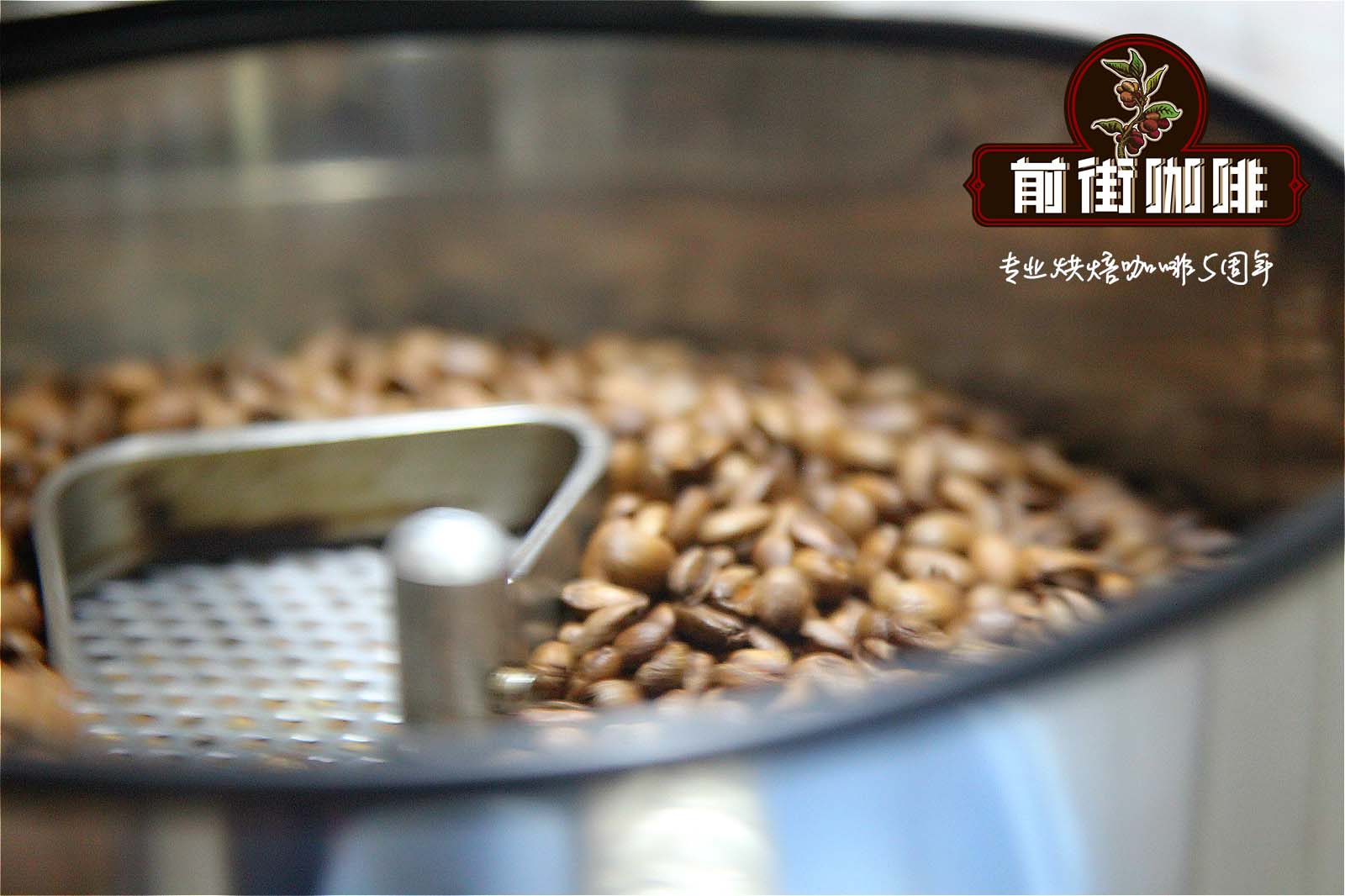
FrontStreet Coffee's founding purpose was never simply to sell beans, but to taste coffees from around the world. Along the way, FrontStreet Coffee set out to understand every producing region, the different varieties within each region, the different processing methods for each variety — building databases for all of it, and comparing regions side by side. The hope is to help more coffee lovers see the world of coffee more clearly.
With every tasting, FrontStreet Coffee asks the same questions: which beans from a given origin best express the local climate and the growers' craft? FrontStreet Coffee looks for beans with a true sense of place — what the French call goût de terroir.
The Signature of Each Growing Region
The world's three great growing regions each have a distinct character:
Latin American coffee is refreshing and familiar, often evoking nuts or cocoa.
African/Arabian coffee is exotic and seductive, all floral notes, berries, and citrus.
Asian/Pacific coffee is rich and full-bodied, with earthy and herbal undertones.
Processing Methods
Processing options multiply every year, and FrontStreet Coffee's lineup covers essentially all the mainstream methods. Latin American coffee is generally washed and fermented, and careful processing shows in the finished beans: better quality, lower defect rates, larger and more uniform beans. The region's coffees tend to have a lovely aroma, a very balanced flavor profile, a characteristic cocoa note, and a refreshing, lively acidity.
What Latin American Coffee Tastes Like
The region's major producers (roughly 60% of the coffee discussed here) include Brazil, whose Santos coffee is famous; Jamaica, home to Blue Mountain, the "king of coffee"; plus Mexico, Panama, Peru, Colombia, Guatemala, Costa Rica, Cuba, Venezuela, Nicaragua, and others.
Latin American coffee is celebrated for balance — nearly every coffee flavor finds a home here. The near-universal use of washed processing for green beans is another regional hallmark, and rigorous processing yields beans that are larger and more uniform than African coffee, with lower defect rates.
Starbucks' Latin American Blends
Starbucks Pike Place
Starbucks Pike Place is a blend of Latin American beans first introduced in 1971 — meaning it has been sold for exactly as long as Starbucks has existed.
Starbucks Breakfast Blend
In 1998, Starbucks launched this coffee for drinkers who prefer a milder cup. Breakfast Blend is roasted lighter than most Starbucks coffees; the roasters use precise heat control to develop a full roasted aroma without heaviness. If you want a morning coffee that is not too intense yet still delivers texture and flavor, Breakfast Blend is a solid pick — lively citrus up front, finishing clean.
Latin America, Country by Country
Brazil
Flavor profile: Mild, moderate acidity and bitterness, gentle aroma
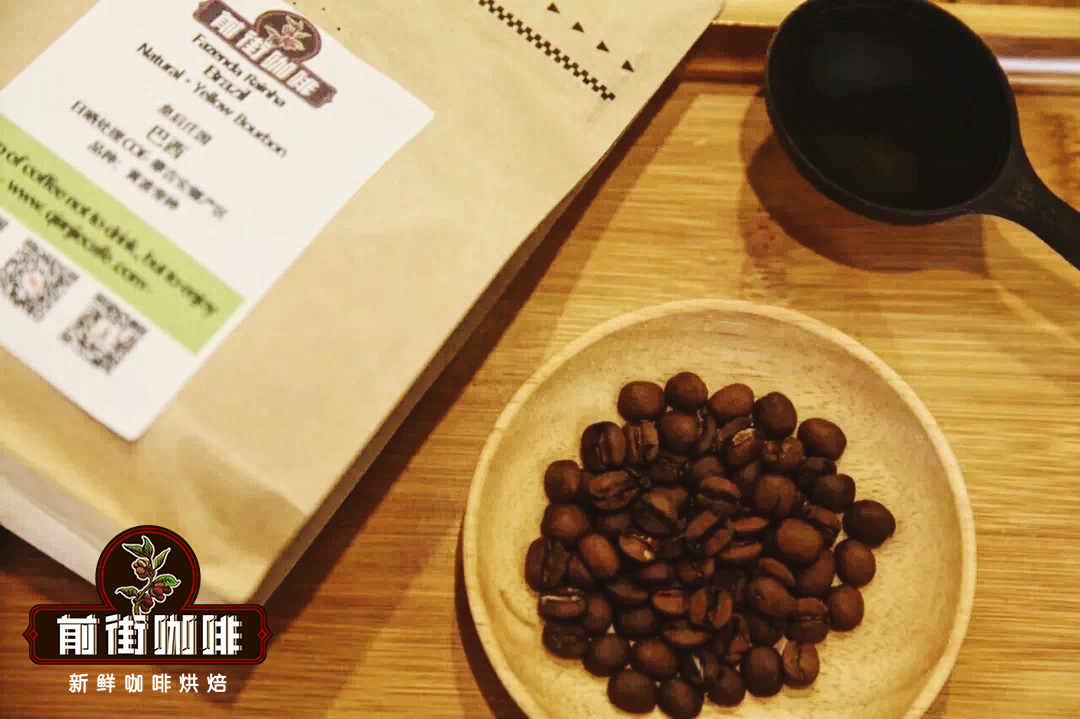
Brazil is the world's largest coffee producer, accounting for a full third of global output and holding real weight in the international coffee trade. Natural disasters strike Brazil more often than most regions, but its sheer plantable area more than compensates. The country grows a wide range of coffee types; because volume is high and costs are low, outstanding micro-lots are relatively scarce and Brazilian coffee is often used as a blending base.
Colombia
Flavor profile: Acidity and berry aromas, caramel sweetness, full of sweetness
Colombia is one of the world's great quality-coffee producers, a jewel of the coffee map and a land seemingly made for the crop. Its growing regions stretch wide, with Medellín, Armenia, and Manizales the most famous — habitually grouped together as "MAM."
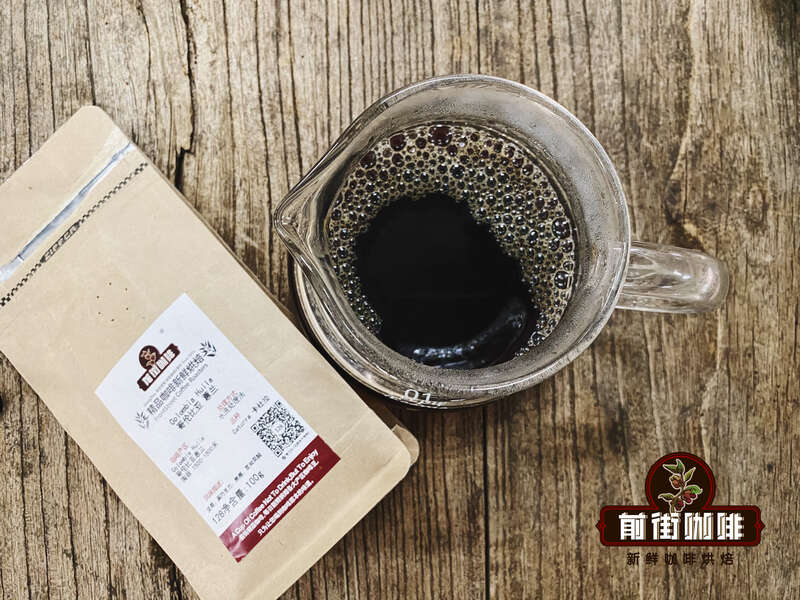
Honduras
Flavor profile: Neither sour nor astringent, high body and aroma, friendly to beginners
Honduras produces two highly regarded grades of coffee. One is "Highland Coffee," grown at 1000–1500 meters; the other is "Selected Highland Coffee," grown at 1500–2000 meters, which represents the country's very best. Most Honduran coffee is exported to the United States and Germany.
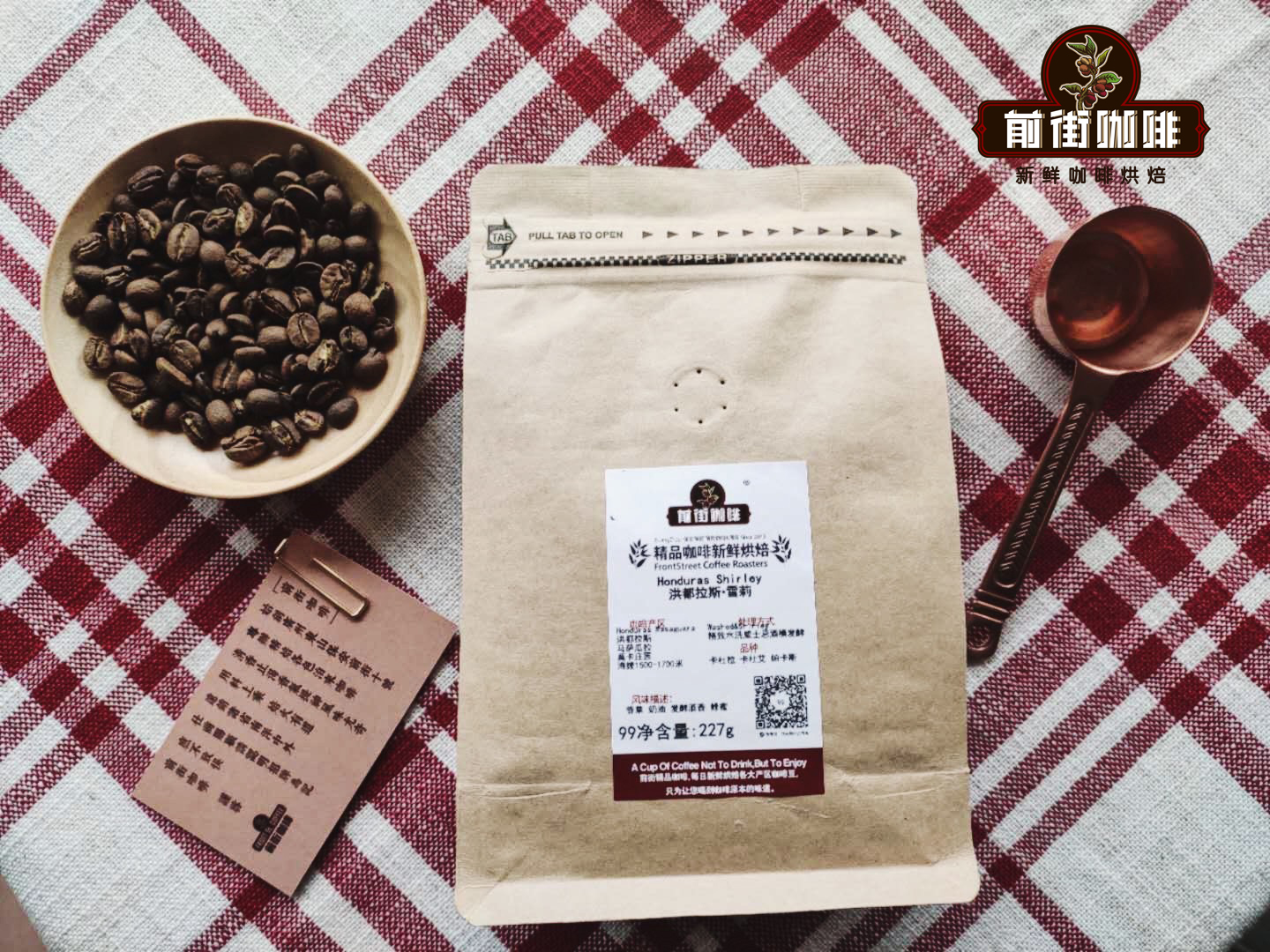
Panama
Flavor profile: Defined by Geisha, with distinctive bright acidity
Panama is world-famous for Geisha, and that fame rests on its unique geography. Panama is Central America's southernmost country, bordered by the Caribbean to the east, the Pacific to the west, Costa Rica to the north, and Colombia to the south — the isthmus joining two continents. These forces combine into complex, varied microclimates, which is what gives Panamanian coffee its singular character.
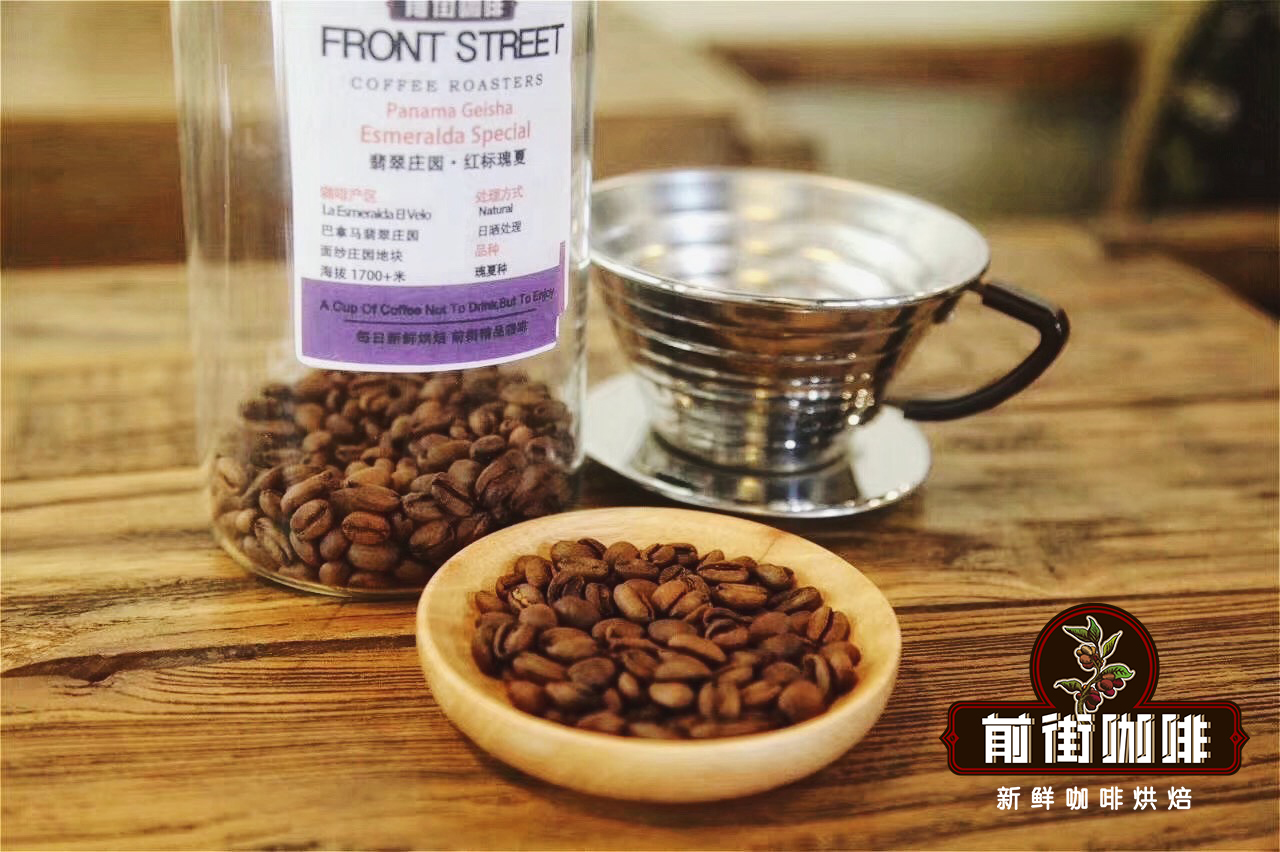
Costa Rica
Flavor profile: Chocolate and nutty flavors, moderate acidity
Coffee from Costa Rica's highlands is world-renowned. Its three most famous origins are Tarrazú, south of the capital San José, along with the Central Valley and Western Valley regions.
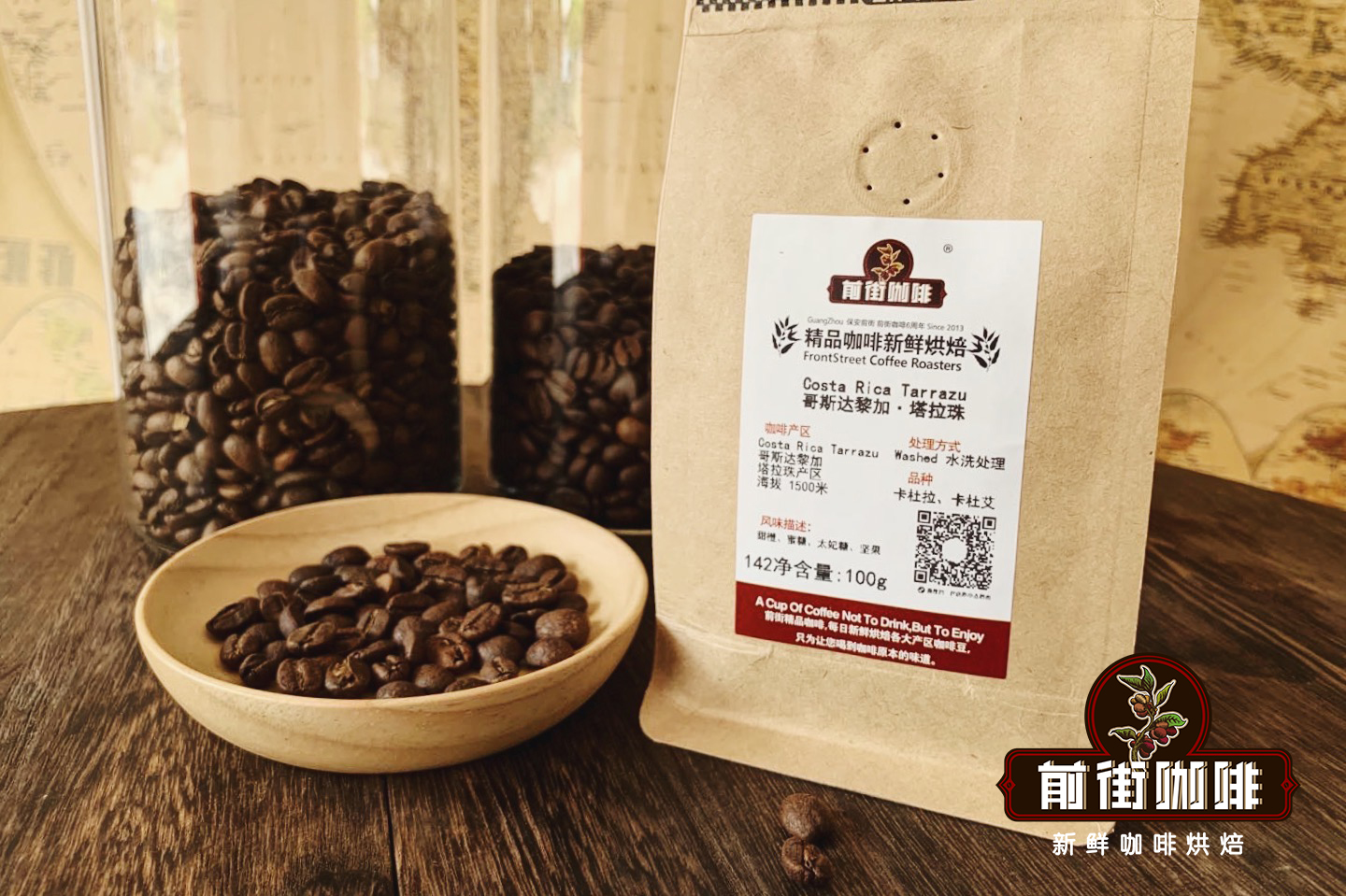
Guatemala
Flavor profile: Bittersweet and aromatic, excellent in the cup
Some of the world's most flavorful coffee grows in Guatemala's central highlands. Beans from here typically carry roasted and cocoa aromas with a slightly firmer acidity — slightly tart, mellow, and smooth, which makes them superb blending material. The country grades its coffee into seven levels by altitude; highland lots are the most mellow and fragrant, while lowland beans are comparatively ordinary.
Peru
Flavor profile: Chocolate, vivid acidity, thick and smooth
Peru practices planned cultivation, which has greatly expanded production. Its main growing regions lie in the north and center — nearly 70% of Peruvian coffee comes from the north, much of it organic.
Ecuador
Flavor profile: Medium body, layered acidity, higher sweetness
Ecuador's principal growing region is Manabí province, a dry coastal area with gentle altitudes of 300–700 m. It is the country's largest coffee region, producing half of Ecuador's Arabica output.
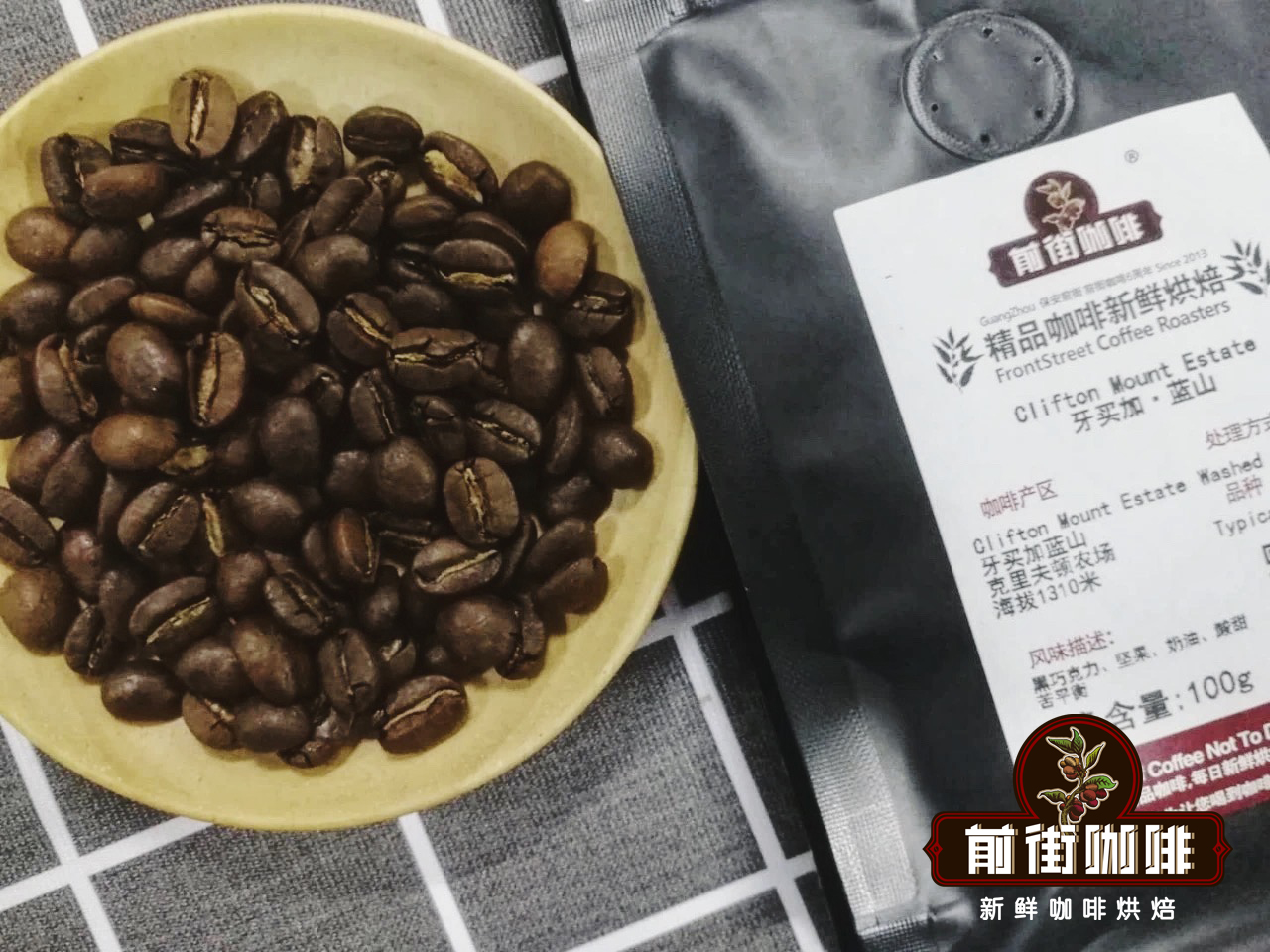
Jamaica Blue Mountain
Flavor profile: Rich and mellow, sweet-sour-bitter in perfect proportion, virtually no bitterness, moderate and elegant acidity, a lasting fruit finish
Jamaica Blue Mountain carries enormous prestige, tiny production, and a long history. Even people who have never tasted specialty coffee have heard of it.
Bolivia
Flavor profile: Pronounced fruit tones, sometimes with floral notes
Transport difficulties have limited Bolivia's coffee development, but quality has never suffered — Bolivian beans are genuinely excellent. When Japanese competitor Miki Suzuki took world runner-up at the 2017 World Barista Championship in Seoul with a Bolivian Geisha, Bolivia stepped further into the spotlight as a producing country.
FrontStreet Coffee Recommendation
FrontStreet Coffee's Espresso Blends
FrontStreet Coffee offers five espresso blends in different styles, and every bag ships within 5 days of roasting so the full flavor arrives intact. The Boutique Blend pairs washed Colombian with pulped-natural Brazilian beans for nut, dark chocolate, and caramel notes with a comfortable bittersweetness — silky with milk, stable for latte art, and capable of beautiful Dirty layering. FrontStreet Coffee's Commercial Blend adds a small proportion of Robusta to the classic Brazil–Colombia pairing, layering toast, almond, and walnut aromatics over a low-acid, full-bodied crema — the go-to choice for cafés watching costs. The Dark Cocoa Blend combines washed Yunnan beans with Brazilian pulped-natural coffee: a nutty ripe-plum acidity, cream-chocolate and cocoa-cookie fragrance, and a golden crema that suits shops and home machines alike. The Classic Blend, built for beginners practicing latte art, is a medium-dark three-origin recipe inspired by the old-school "Mamba" (Mandheling plus Brazil) with a touch of Robusta for extra aroma and crema. And for drinkers tired of traditional darker roasts, the Strawberry Sugar Geisha Blend delivers rose florals with grape, dried blueberry, sweet orange, and candy notes in an Americano or latte.
Important Notice :
FrontStreet Coffee is a long-established specialty coffee roaster in Guangzhou China, selling freshly roasted beans from its own farm in Yunnan as well as dozens of carefully selected single-origin beans from around the world for both pour-over and espresso. The products deliver consistently excellent quality and great value, with shipping within 24 hours. Guangzhou's FrontStreet Coffee shop is recommended by many coffee lovers, and the beans are now available online at the Tmall 。
FrontStreet Coffee has moved to a new address:
FrontStreet Coffee Address: 315,Donghua East Road,GuangZhou
Tel:020 38364473
 Scan and follow the En Gafei WeChat official account. Please indicate that the reprint comes from "En Gafei".