Cappuccino Cup Capacity Size - What Size Cup for Specialty Coffee
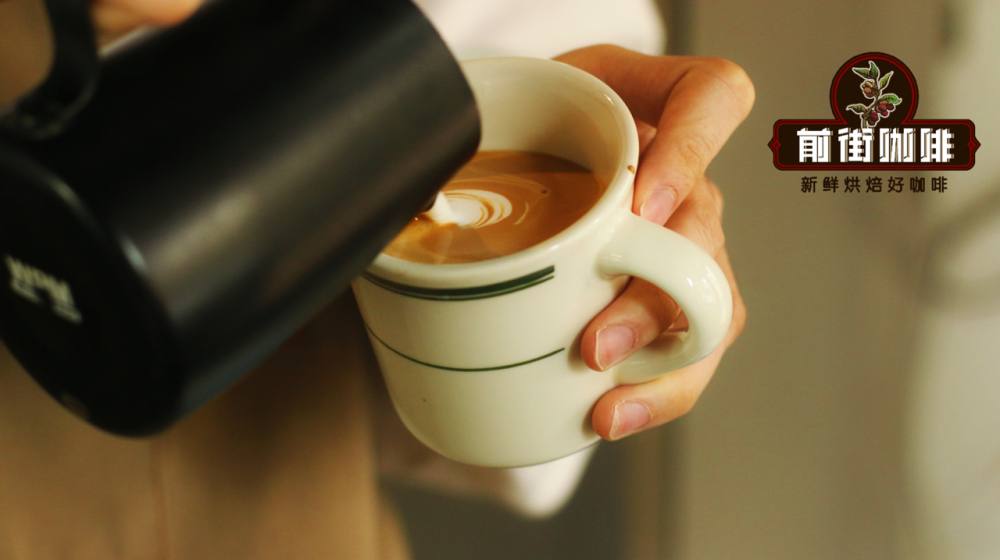
Before making a Flat White, FrontStreet Coffee likes to lay out exactly what the drink is and what sets it apart.
Flat White Coffee
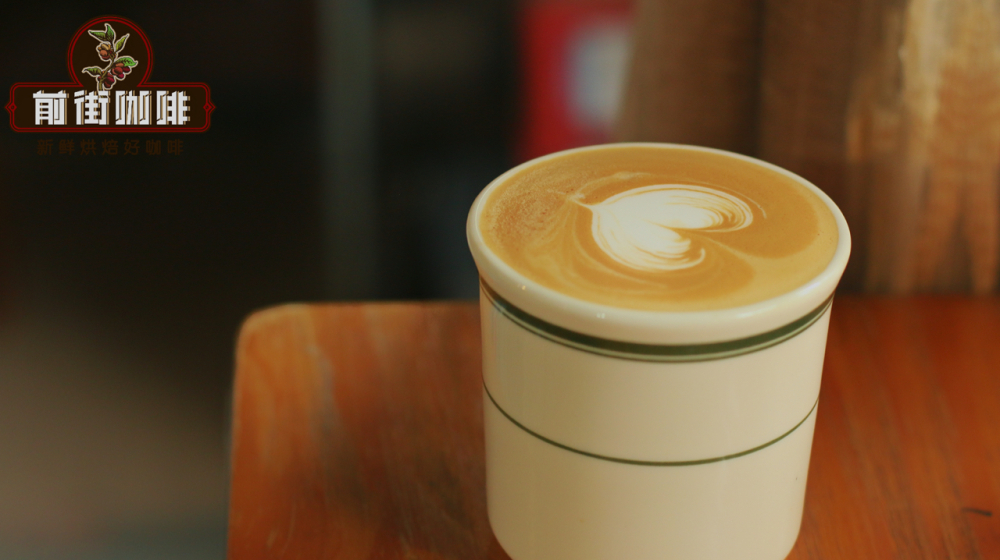
Also known as Australian White Coffee, Little White Coffee, or "Fu Rui White," the Flat White originated in Melbourne, Australia. After Italians brought espresso Down Under in the 1980s, local cafes reworked the milk coffee to suit their own tastes. Because its thin milk foam sits perfectly level with the cup's surface, the drink was christened Flat White.

Like the latte and the cappuccino, the Flat White is built from nothing but espresso and fresh milk, and it has become one of the most popular espresso drinks of recent years. Compared with a latte's balance, a Flat White leans hard into the aroma and flavor of the coffee itself; compared with a cappuccino's pillowy foam, its foam layer is thin and velvety, so every sip carries more of the coffee.
Where Does Flat White Come From?
Australians and New Zealanders each claim the Flat White as their own invention, and baristas in the two countries build it differently as well. The true origin may never be settled, but one thing is sure: the drink was born of a shared pursuit of better coffee.
Before the 1970s, Australian coffee shops brewed black coffee with French presses, manual drip, and similar methods. In the early 1970s, Italians carried espresso machines into Australia and set off a new coffee wave. Against the backdrop of the traditional latte and cappuccino, Australians wanted milk coffees with thinner foam and a stronger coffee presence, so the milk-coffee format kept being "improved" across Australia and New Zealand. As the foam grew flatter and flatter - until it was a single thin layer flush with the cup rim - the drink earned the name Flat White: "flat" for the level surface, "white" for the milk-whitened coffee.
From the 1980s onward, Australians wrote Flat White onto their fixed menus, and the drink soon spread to cafes in Europe and America. In China it became a mainstream hit after Starbucks introduced it in 2015 under the name "Fu Rui White" as one of its signatures - confirmation that this milk coffee had gone truly mainstream.
Back to the drink itself: a Flat White uses milk to spotlight the coffee - the coffee is the protagonist and the milk merely supports it - so the coffee flavor reads fuller and richer. And because the foam layer on top is thin, every mouthful of coffee arrives wrapped in that velvety texture. The moderate serving temperature and small cup mean you finish it before foam and liquid have a chance to separate. Beyond cup size and foam depth, some baristas swap in a double Ristretto as the base to push the beans' aromatics further, fitting latte-level foam into a 150ml cup.
Flat White Coffee Ratio Parameters
Nailing a flavor-rich Flat White means getting three things right: the foam, the milk ratio, and the espresso base.
1. Foam
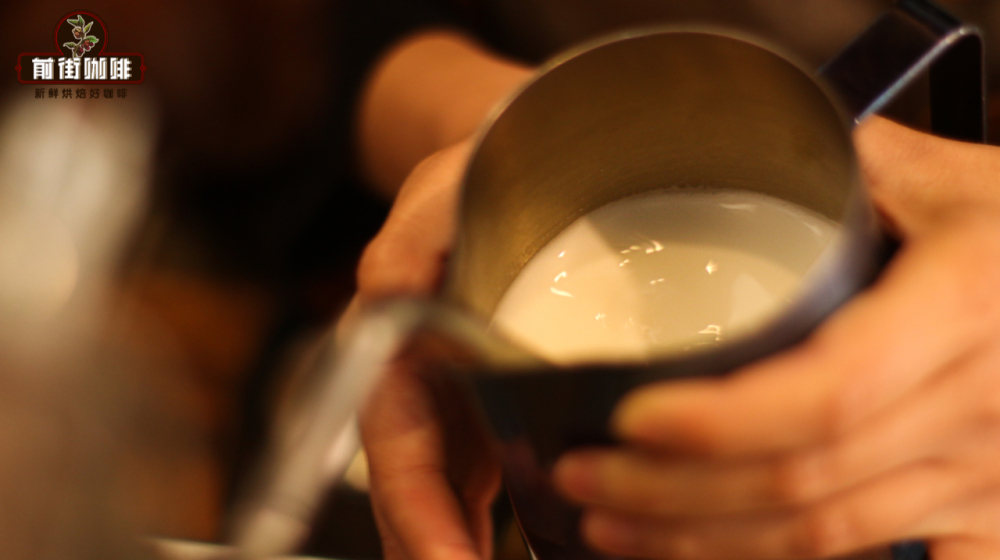
The "flat" in Flat White is a literal requirement: a proper Flat White's foam must sit level with the cup rim, never domed. A latte typically carries about 1cm of domed foam; Flat White foam can only be about 0.5cm, or the surface will not read "flat." Exact foam depth varies from shop to shop, and some baristas skip foaming altogether - heating the milk only and pouring it straight into the espresso - so customers taste the crema at its fullest.
2. Espresso Base
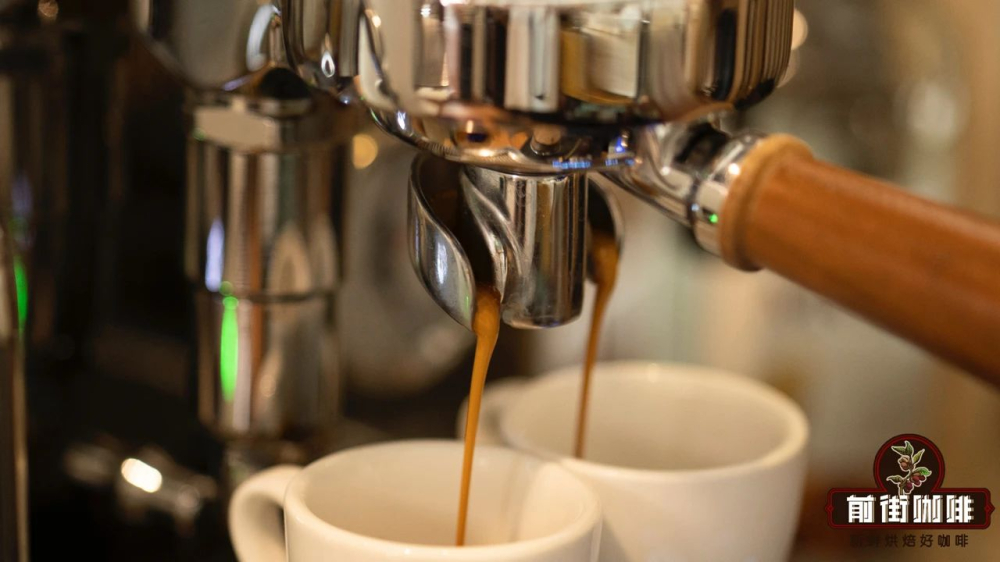
The Flat White's base is not the usual Espresso but the more concentrated Ristretto. Australians felt the tail end of an Espresso "diluted" the flavor, so they take only the early and middle portions of the shot - "restricting" the last part, hence the name. Cutting the tail reduces the extraction of large carbohydrate molecules, letting acidity and roast aromas shine.
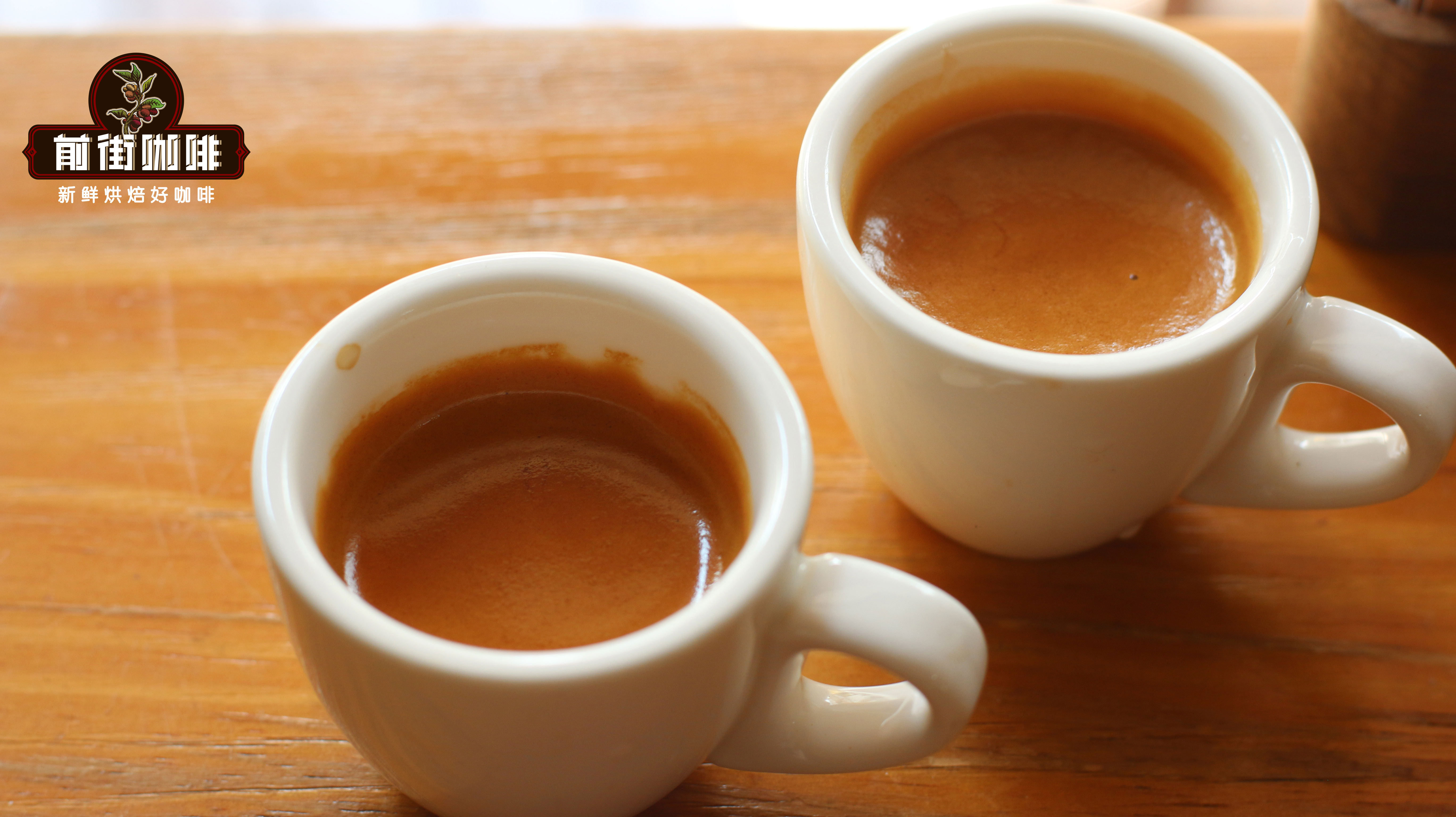
For instance, FrontStreet Coffee extracts an Espresso at 20 grams of grounds yielding 40 grams of liquid, while its Ristretto uses the same 20 grams of grounds to draw just 28-30 grams of liquid, deliberately "discarding" the tail of the shot.
3. Milk Ratio
Because the Flat White chases richness, it adds proportionally less milk to the espresso, with the exact amount set by the cup size the shop pours into. Use a latte's milk ratio and you would essentially be drinking coffee-flavored milk. FrontStreet Coffee serves its Flat White in a 200ml ceramic cup: two portions of Ristretto totaling 30 grams form the base, joined by 170 grams of hot milk for a fuller, richer coffee flavor.

Making a Flat White Coffee
With the fundamentals clear, FrontStreet Coffee will now make a Flat White following the shop's standard workflow.
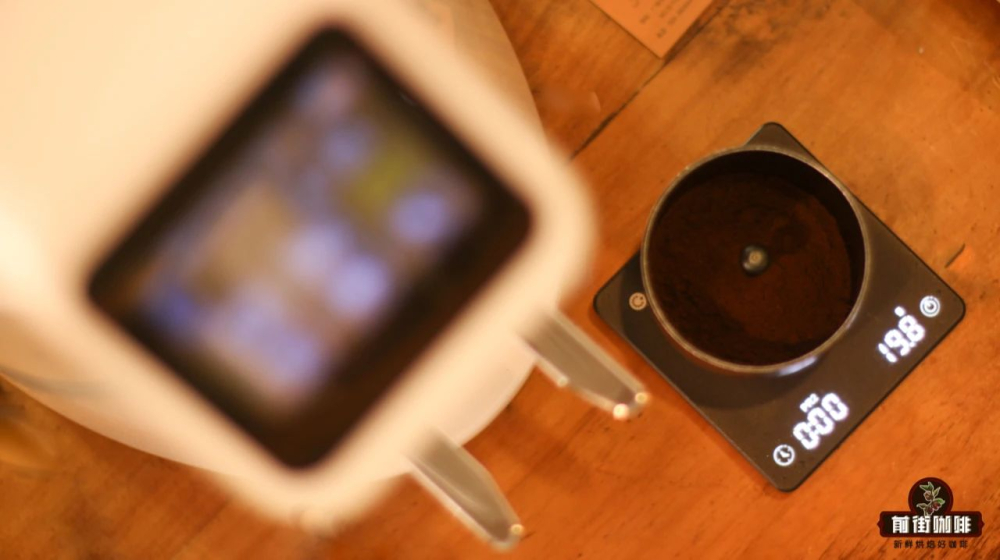
First, wipe the portafilter basket with a clean towel, grind 20 grams of coffee into the basket, and give it a gentle tap to settle the bed level.
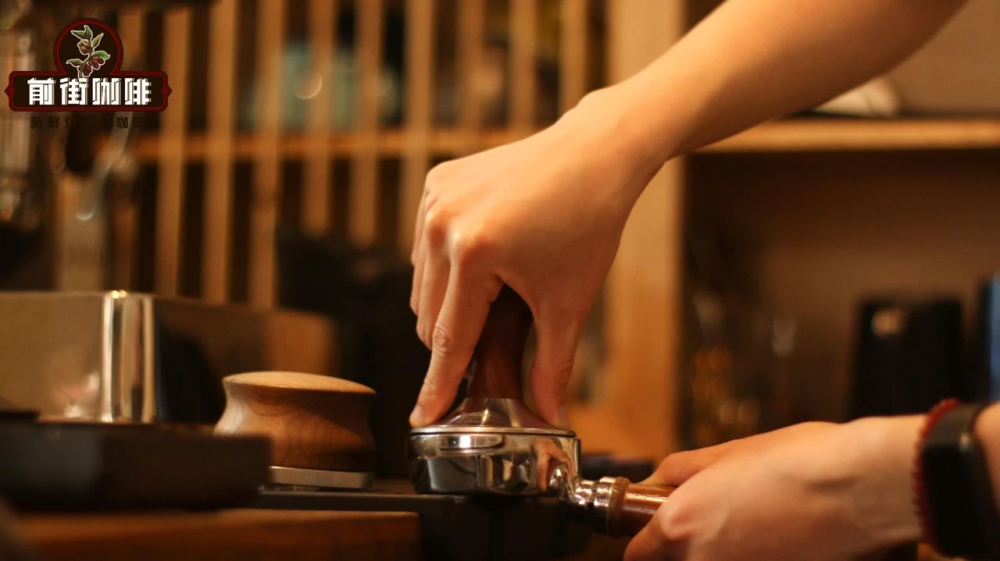
Level the grounds with a distribution tool, then tamp evenly into a compact puck.
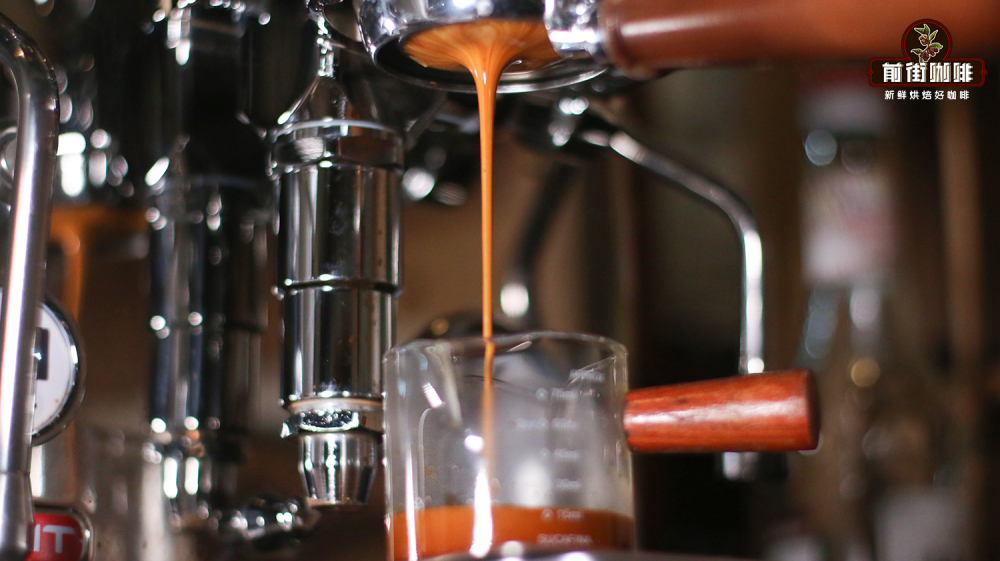
Run the extraction switch briefly to moisten the group head and flush any stray grounds, lock the portafilter in place, and start the shot. Watch both weight and time: once the scale shows 28-30 grams of liquid in about 27-28 seconds, cut the extraction. Pour the two Ristretto portions into the preheated Flat White cup.
Pour 170ml of fresh milk into the pitcher and steam it to a dense foam about 5mm thick. Give the Ristretto base a gentle swirl, then fold in the frothed hot milk evenly and thoroughly.

How a Flat White ultimately tastes depends on each shop's beans. FrontStreet Coffee pulls its espresso from its own roast, the "FrontStreet Sunflower Warm Sun Blend." The shot shows whiskey aroma, vanilla, cream, and berry acidity, and once the milk joins in, the Flat White reads as chocolate milk and whiskey-laced chocolate - silky and mellow on entry, with a remarkably persistent aftertaste.
FrontStreet Coffee Recommendation
If you are drawn to low-fuss brewing gear, the French press deserves a look: making coffee in one is as easy as brewing tea - add grounds, pour hot water, stir, press, and pour. The catch is that the simpler the tool, the more the details matter. The French press is a full-immersion brewer with a metal mesh filter, and because water and grounds steep together, the cup carries richer oils and a heavier, fuller body - though anyone who dislikes sediment or fines may want to pass. Since the grounds sit in hot water for a long time, light roasts will over-show acidity and bury their own florals, so the press suits medium or dark roasts best, which express sweetness and caramel flavors beautifully.
For a fragrant, aromatic cup, FrontStreet Coffee recommends Strawberry Candy, a Geisha blend pairing Costa Rican honey-process coffee with washed Panamanian Geisha. Steeped in a French press, it releases rose, citrus, grape, and dried-blueberry aromas, and turns to strawberry-soft-candy sweetness with milk. For a low-acid black coffee with a full oil texture, go instead with FrontStreet Coffee's PWN Golden Mandheling - triple hand-sorted plus one machine pass, evenly sized and luminous beans, roasted medium-dark to show rich spice, caramel, cedar, and dark chocolate aromas, with a full body and pleasant oils in the press.
The technique: grind to coarse granulated sugar (about setting 10.5 on an EK43s, or 26 clicks on a C40-style hand grinder - like small pebbles rather than fine sand; too fine, and fines slip through the mesh and leave heavy sediment, though a finer grind with a shorter steep can add layers if you prefer). Use a 1:15 ratio - 15g of coffee to 225g of water, which lands the strength around 1.1-1.2% - and water about 1-2°C hotter than a pour-over (roughly 90°C after letting boiled water rest 2-3 minutes), since a single pour with no stirring extracts less. Steep for 4 minutes as a starting point - 5 minutes can turn a dark roast bitter and 3 minutes may undershoot a light one - then press the plunger down slowly and pour gently so the bed stays undisturbed.
Important Notice :
FrontStreet Coffee is a long-established specialty coffee roaster in Guangzhou China, selling freshly roasted beans from its own farm in Yunnan as well as dozens of carefully selected single-origin beans from around the world for both pour-over and espresso. The products deliver consistently excellent quality and great value, with shipping within 24 hours. Guangzhou's FrontStreet Coffee shop is recommended by many coffee lovers, and the beans are now available online at the Tmall 。
FrontStreet Coffee has moved to a new address:
FrontStreet Coffee Address: 315,Donghua East Road,GuangZhou
Tel:020 38364473
 Scan and follow the En Gafei WeChat official account. Please indicate that the reprint comes from "En Gafei".