Flavor Profile, Processing Methods, Variety Characteristics, and Regional Introduction of Yunnan Typica Coffee Beans

Yunnan holds a significant place in the history of Chinese coffee as one of the country's earliest coffee-growing areas. A decade ago FrontStreet Coffee joined the ranks of Yunnan growers, starting from the very roots. The "FrontStreet 2013" on our bean menu is the culmination of those years of work, selected from the ancient Typica variety and processed by the natural sun-drying method.
What are the characteristics of the Typica variety?
The most distinctive feature of the Typica coffee tree is its bronze-colored leaves at the top, which earned it the name "Red Top Coffee." Its trunk is slender, with very thin branches that tilt slightly, and the lateral branches form a 50-70° angle with the vertical stem. The plant reaches about 5 meters in height, which makes manual harvesting somewhat challenging. Right beside the entrance of FrontStreet Coffee's shop we have planted both a Typica and a Catimor variety — feel free to look at them while you enjoy your coffee. Typica beans are relatively large and elongated, with pointed tips that curve upward, somewhat resembling an egg. They often show citrus acidity with a sweet aftertaste, and many drinkers praise them as elegant and clear. Jamaica Blue Mountain coffee is also of the Typica variety.
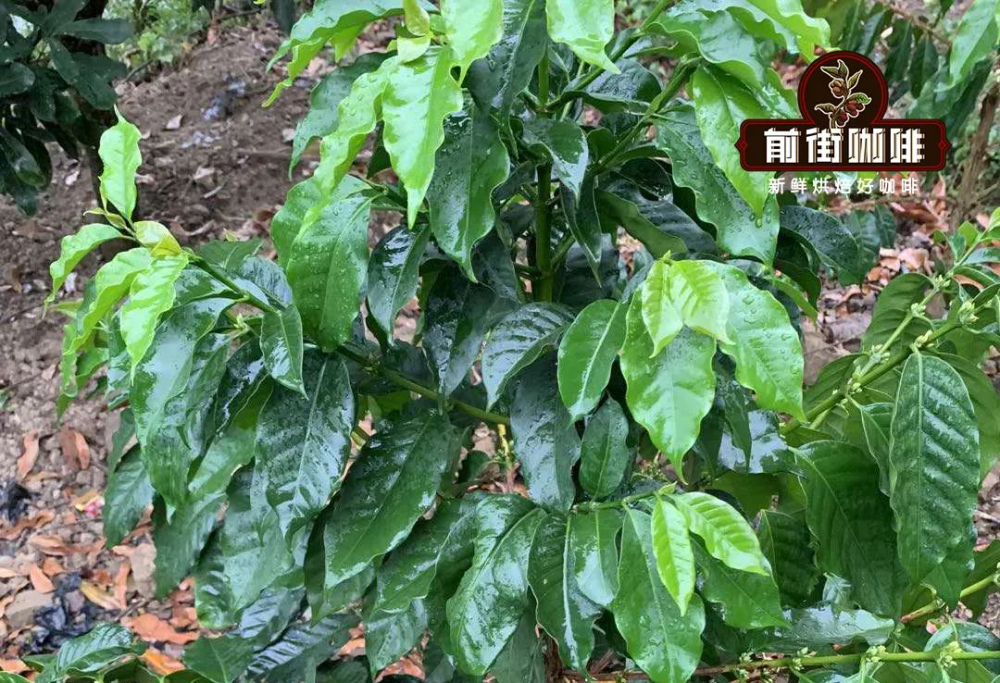
Because of its extremely poor disease resistance, Typica struggles against common problems such as leaf rust and coffee berry disease, and its yield is very low. Coffee trees infected with leaf rust are essentially incurable, eventually withering and even dying. As an economic crop, Typica's low yield and susceptibility to disease make it hard to turn a profit, which leads many growers to abandon it for more resistant varieties. Cultivating Typica beans with an elegant, pure flavor is no simple matter: every stage, from natural terroir and plant management to fruit harvesting and post-processing, has to be properly assured for the beans to develop positive flavors and texture. Producing high-quality Typica therefore requires more investment in labor and technical skill.
How does FrontStreet Coffee cultivate Typica?
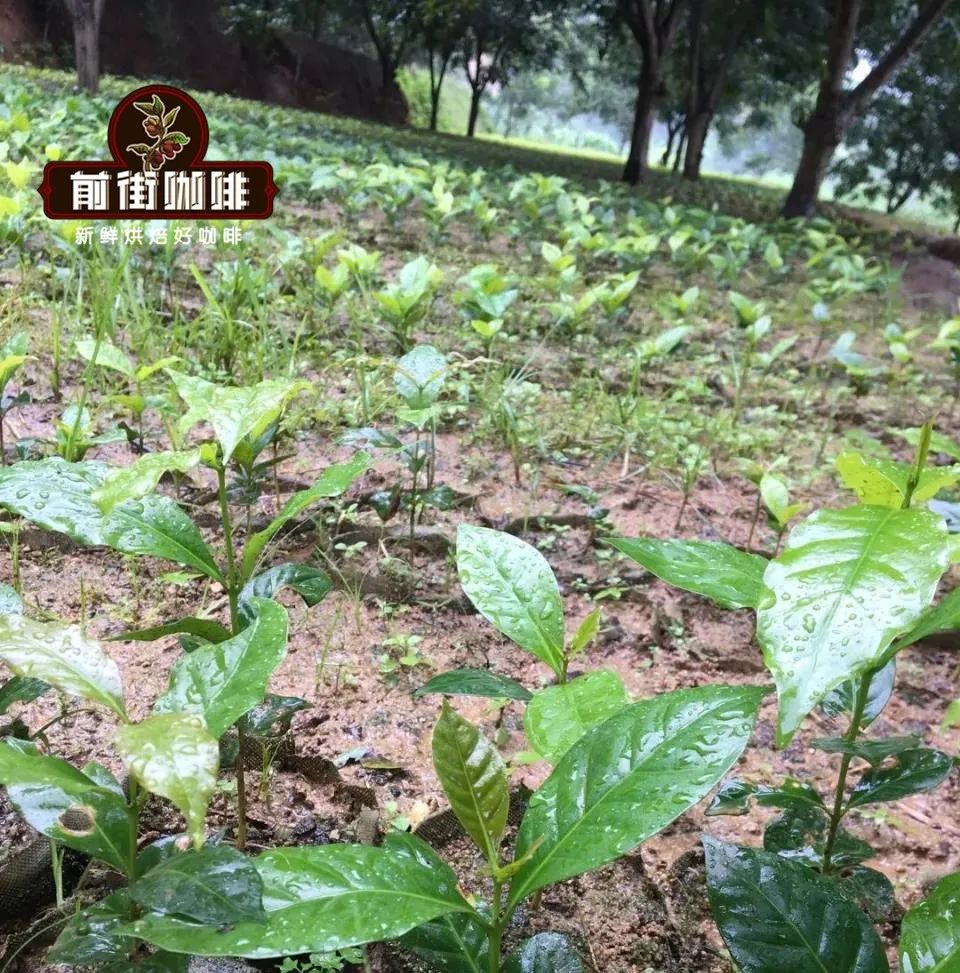
In a country where tea culture flourishes, coffee is essentially an imported product, so domestic knowledge about it is not extensive. To explore more, FrontStreet Coffee traveled to Lincang, Yunnan in 2013 to begin its coffee cultivation journey. From site selection, variety selection and seedling cultivation to planting, harvesting, processing and roasting, everything was handled by FrontStreet Coffee's team, and through that work we accumulated considerable experience and knowledge about varieties, altitude and processing methods.
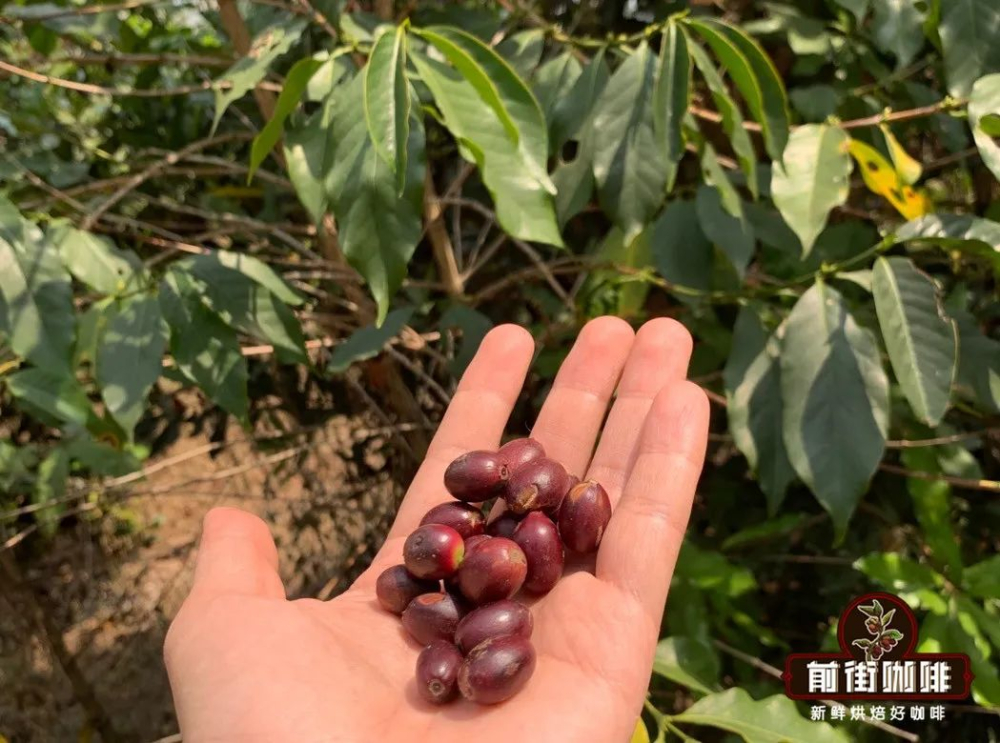
The varieties originally planted in Yunnan were the ancient Typica and Bourbon. Later, Yunnan coffee suffered from global leaf rust damage, which caused large-scale death of the trees and a significant reduction in planting area. With support from major foreign companies, the high-yield, disease-resistant Catimor was introduced. That established Catimor as the replacement for the ancient Typica trees and made it the main variety of Yunnan coffee today. Because Typica is low-yielding and disease-prone and carries high management costs, growers face longer exploration periods, which is why most Yunnan coffee farmers are reluctant to plant it.
Lincang in Yunnan is influenced by the warm, humid airflow from the Indian Ocean and the southwest monsoon. The seasons are not sharply divided, but the dry and rainy seasons are clearly defined. With abundant rainfall, long sunshine hours, short frost periods and some areas frost-free year-round, the three-dimensional climate is distinct and very suitable for Arabica. FrontStreet Coffee therefore chose the most primitive Typica variety specifically. The delicate Typica is also notorious for its low yield and poor resistance, so FrontStreet Coffee invested considerable effort in cultivation management. After 5-6 years of growing, FrontStreet Coffee finally harvested the first batch in 2020, produced by the natural sun-drying method and named "FrontStreet 2013."
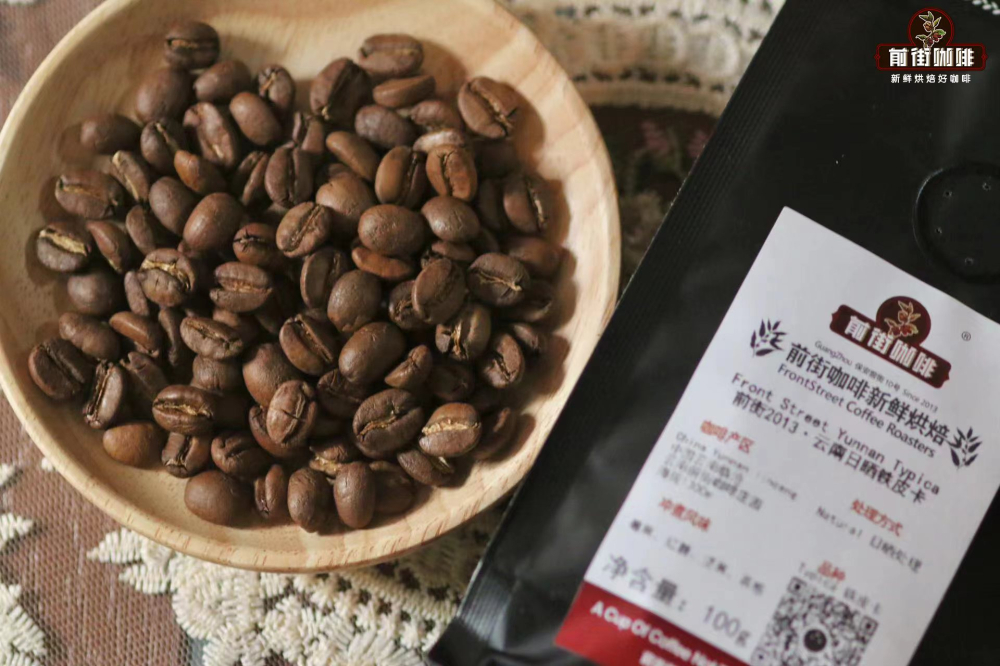
Why use the natural processing method?
At FrontStreet Coffee you will only find Yunnan beans processed by two methods: washed and natural. For this Typica, FrontStreet Coffee chose the natural method. Natural processing does not require much equipment — the main process is drying the beans evenly under continuous sunny weather. The steps may look simple, but achieving high-quality natural processing means managing the details of every stage carefully.
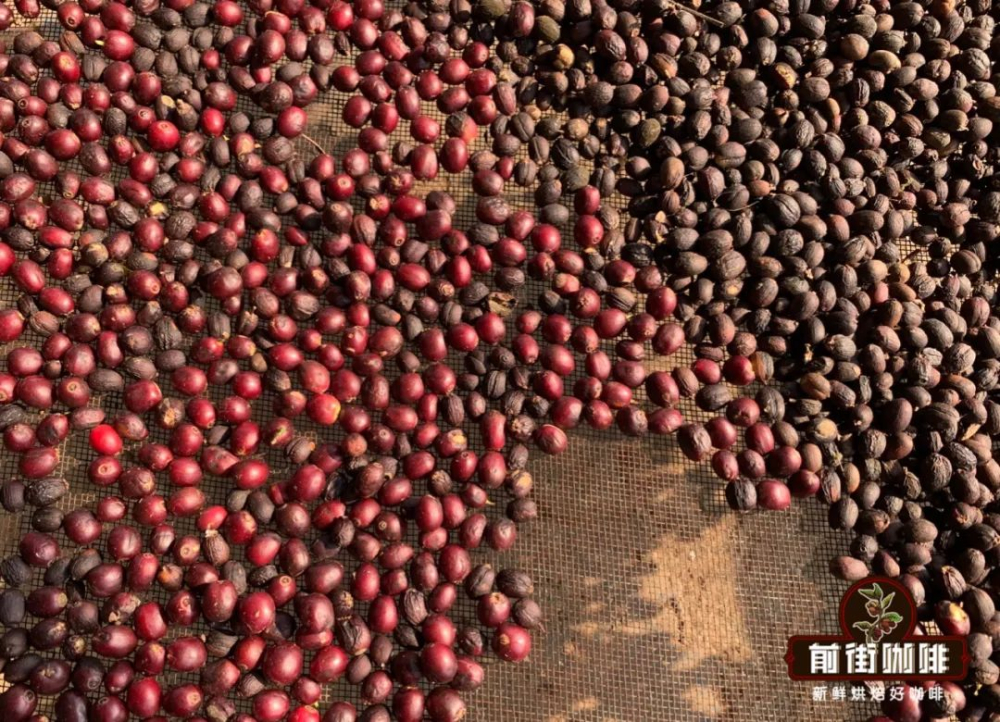
Coffee cherries must be processed immediately after harvesting. First they are sorted, with flotation being one commonly used method. The sorted fruit is then sun-dried, and FrontStreet Coffee arranges staff to turn the cherries periodically to avoid uneven heating that could cause over-fermentation. When the cherries dehydrate from bright red to dark purple and reach the target moisture content, they can be sent for hulling and roasting. Naturally processed Typica shows fuller fermented flavors than washed, with prominent sweetness and aromas of caramel, berries and black tea.
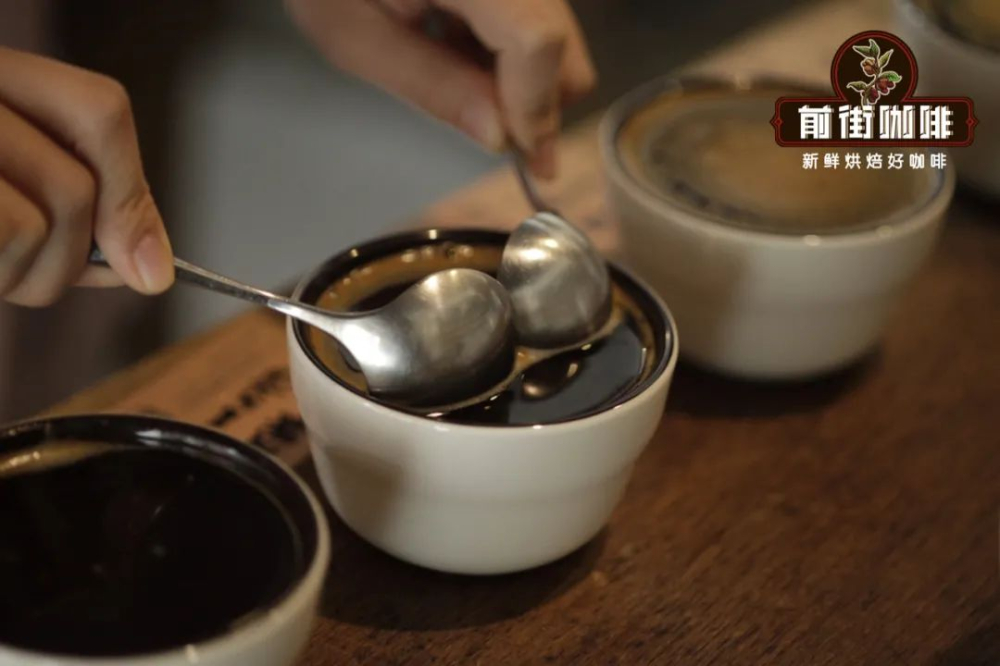
Pour-over flavor profile of Yunnan Typica coffee
On roasting, FrontStreet Coffee holds that Yunnan coffee should have both a rich coffee aroma and some acidity, so we use a medium roast level. For daily store offerings, FrontStreet Coffee uses pour-over extraction to present the coffee's natural aroma.
Pour-over black coffee is not only the daily method used by FrontStreet Coffee's baristas but also a simple approach many enthusiasts can manage at home. Because Yunnan Typica tends toward a balanced profile — avoiding excessive acidity and heavy bitterness — FrontStreet Coffee prefers the V60 dripper with a medium-fine grind and a medium water temperature.
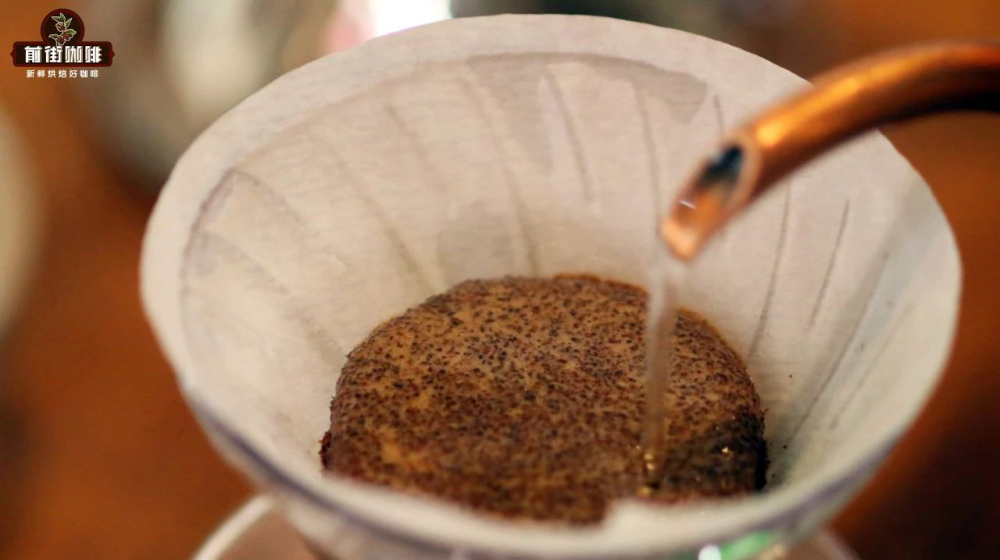
FrontStreet Coffee uses different parameters for different beans. For darker roasts such as Mandheling and Brazilian coffee, FrontStreet Coffee brews at 87-88°C with a medium-coarse grind. For lighter roasts such as Ethiopian Yirgacheffe and Panama Geisha, it uses higher temperatures of 91-93°C with a medium-fine grind to draw out the aroma of high-altitude hard beans. Returning to FrontStreet Coffee's Yunnan arabica, we use a medium water temperature and grind to highlight its balanced, harmonious mouthfeel.
Brewing parameters:
- Dripper: Hario V60
- Bean amount: 15g
- Water temperature: 90°C
- Grind size: 75% pass-through rate on a #20 sieve
- Water-to-coffee ratio: 1:15
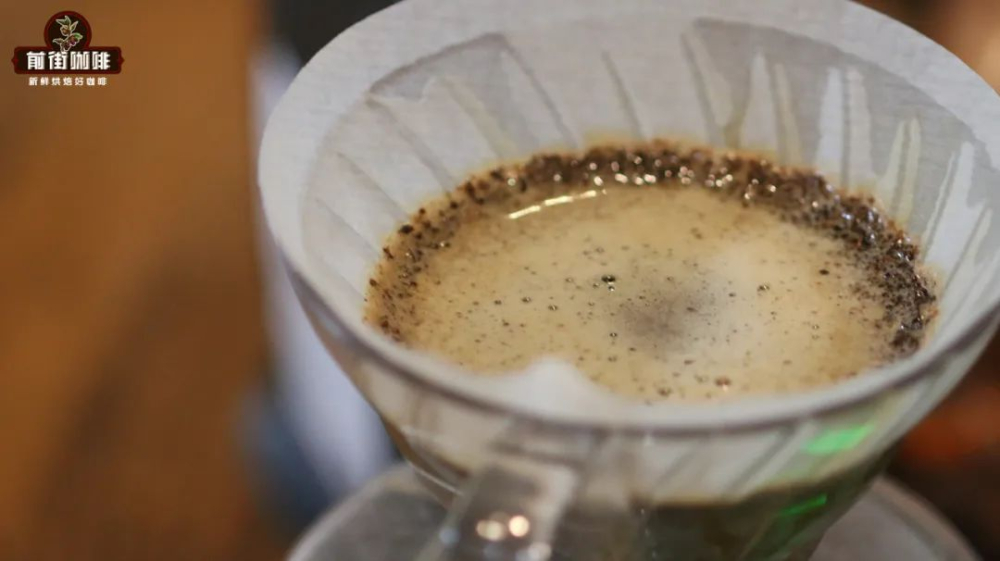
Three-stage pouring: use twice the weight of the coffee in water to moisten the bed and form a dome, then let it bloom for 30 seconds. Next, pour a small stream in circles from the inside out until you reach 125g, then pause. Wait until the coffee bed drops to half the dripper's height, then continue with the same fine stream for the third stage until you reach 225g. Remove the dripper once all the coffee liquid has filtered through, which takes about 2 minutes in total.
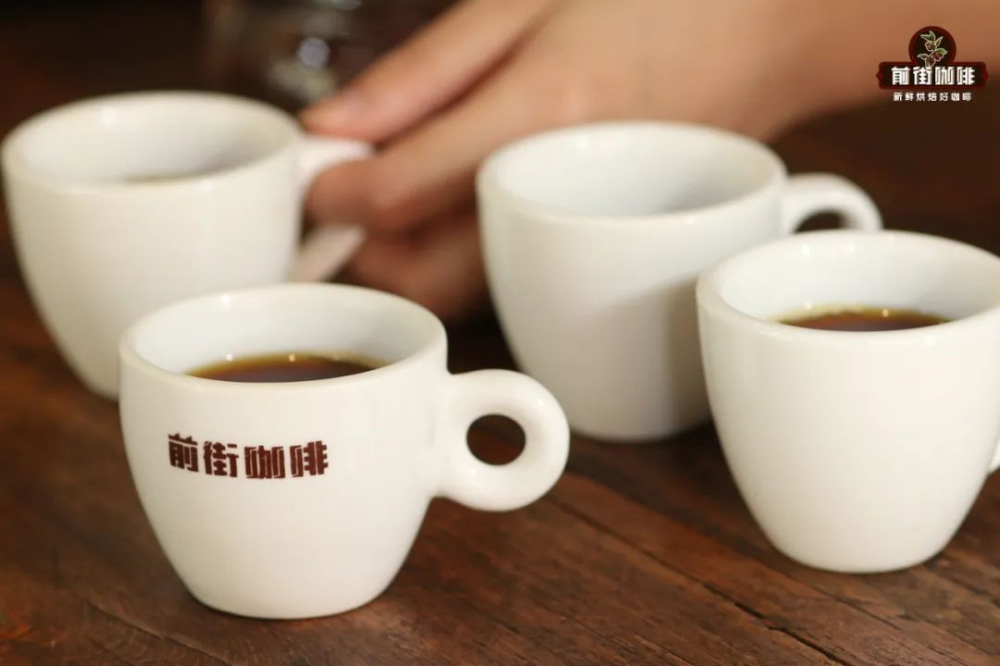
Pour-over flavor of FrontStreet 2013 Natural Typica: caramel, nuts, chocolate, fermented notes, berries, black tea and sugarcane. Medium-high body with a clean texture, a black tea aftertaste and rich, varied layers.
FrontStreet Coffee Recommendation
Typica is the thread that connects this Yunnan coffee to the most famous island coffee in the world: Jamaica Blue Mountain is also grown from Typica. The two share the variety's elegant, clear character, but they express it in very different places. FrontStreet Coffee's Jamaica Blue Mountain No.1 comes from Clifton Estate in the Blue Mountains, the region's oldest growing area and the only Blue Mountain estate with Rainforest Alliance certification, at 1310m and processed by the traditional washed method. FrontStreet Coffee roasts it medium-dark, which brings its classical balance fully into view — nut, dark chocolate and cream-caramel notes layered over a soft sweetness, with acidity, sweetness, bitterness and aroma all in step and a clean, lingering finish.
What makes Blue Mountain worth choosing in particular is that very little of it reaches the wider market in an unaltered form. The Blue Mountain region produces less than 2500 tons a year, and Japan, with a long trading relationship with Jamaica, historically bought more than 70% of the crop, leaving even less for everyone else. Genuine lots arrive with a Jamaican government certificate and proof of origin and ship in the traditional wooden barrels, which come in 15, 45 and 70 kg sizes and carry the details of the green bean lot. Beware of packaging that leads with "Blue Mountain" and then adds words like "blend," "flavor" or "taste" — that is a borrowed name, not the coffee.
Both Typica lots reward the same careful treatment. FrontStreet Coffee suggests a Kono or V60 dripper with 15g of coffee, a 1:15 ratio and water at 87-88°C, ground slightly coarser than a light roast — about the texture of granulated sugar — and letting the beans rest 4-7 days after roasting, counting the roast date as day one. Pour in three stages: a 30g bloom for 30 seconds, then a slow circle to 120g, then on to 225g with a slightly faster flow. If you want a richer cup, the same beans also brew well in a moka pot with a slightly finer grind, hot water in the base and medium-low heat.
Important Notice :
FrontStreet Coffee is a long-established specialty coffee roaster in Guangzhou China, selling freshly roasted beans from its own farm in Yunnan as well as dozens of carefully selected single-origin beans from around the world for both pour-over and espresso. The products deliver consistently excellent quality and great value, with shipping within 24 hours. Guangzhou's FrontStreet Coffee shop is recommended by many coffee lovers, and the beans are now available online at the Tmall 。
FrontStreet Coffee has moved to a new address:
FrontStreet Coffee Address: 315,Donghua East Road,GuangZhou
Tel:020 38364473
 Scan and follow the En Gafei WeChat official account. Please indicate that the reprint comes from "En Gafei".