Yunnan Coffee Bean Varieties and Characteristics: The Impact of Different Processing Methods on Flavor and Taste

In recent years, riding the wave of specialty coffee, Yunnan Arabica has drawn serious attention as a point of pride for domestic Chinese production. As the only region in mainland China that cultivates Arabica, what advantages does Yunnan coffee offer? FrontStreet Coffee takes you through its past and present.
Yunnan Coffee's Century-Long History
Seen against the wider world, Yunnan's coffee history is short—yet it still spans a century. In 1904, French missionary Alfred Tienne brought coffee seeds into Yunnan from abroad and successfully planted the first coffee tree in a village called Zhukula (now within Binchuan County, Dali). That marked the beginning of coffee cultivation in Yunnan.
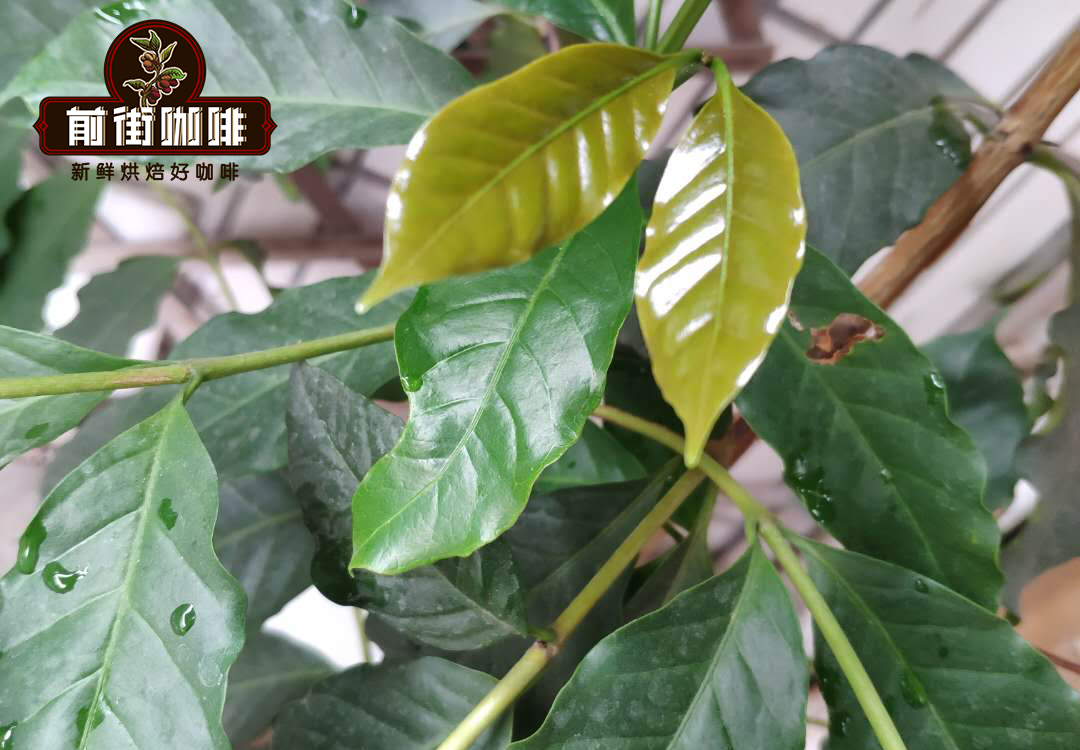
After 1930, the renowned overseas Chinese leader Mr. Liang Jinshan brought coffee to Pu Piao and Luoming for cultivation, a tradition that continued until after the founding of New China. After 1952, guided by expert Ma Guojin of the Baoshan Tropical Economic Research Institute, areas such as Lujiang began large-scale coffee cultivation, and that scale has continued for nearly 60 years. Throughout this period, every coffee variety grown in Yunnan was Typica.
Later, with further reform and opening up in 1992, foreign companies like Nestlé entered Yunnan to develop the coffee industry. At the time, they cultivated the Catimor variety supplied by Nestlé on a large scale—valued for its strong disease resistance and high yield. It quickly replaced Typica, which had excellent flavor but was delicate and fragile, and became Yunnan's dominant coffee variety. Back then, however, Yunnan coffee was used mainly as raw material sold to Nestlé for instant coffee.
By the end of 1997, the province's coffee cultivation area had reached 7,800 hectares. Today, Yunnan accounts for 70% of China's coffee cultivation area and 83% of its production. By both area and output, Yunnan coffee holds a dominant position within the country.
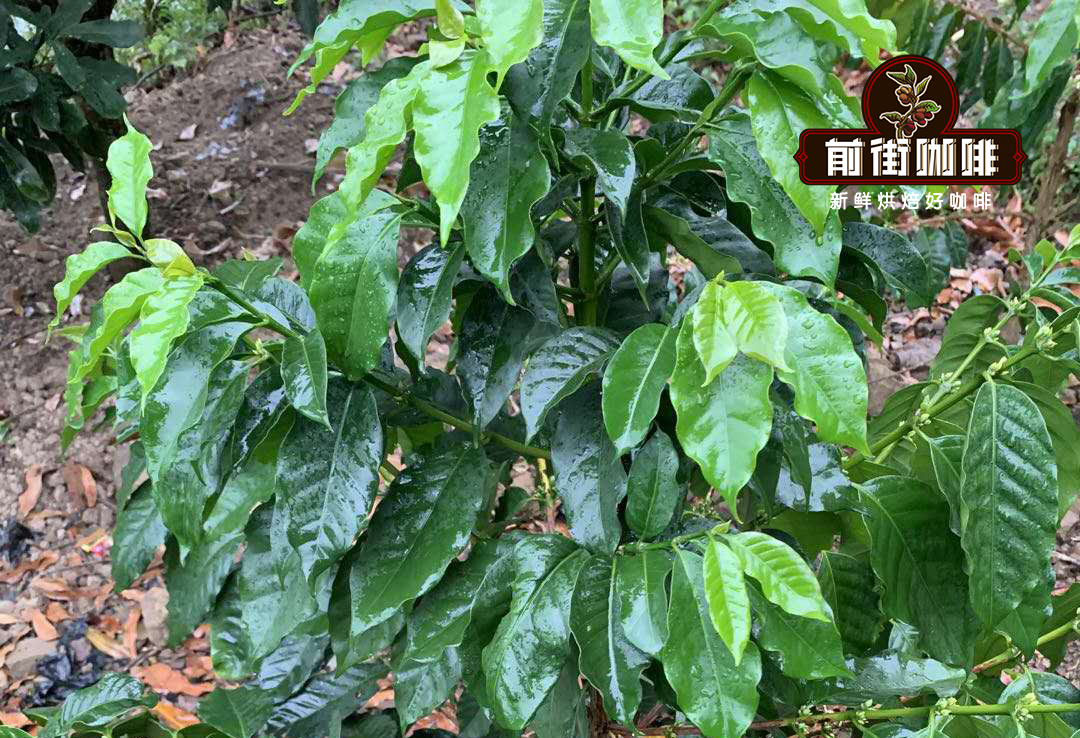
From 2000 onward, the specialty coffee wave swept the globe. China, too, experienced an economic takeoff after 2008, with a marked rise in material living standards that also fueled domestic specialty coffee. Yunnan coffee began to attract the attention of Chinese drinkers.
Traditional Washed Processing of Yunnan Coffee
FrontStreet Coffee's Yunnan beans typically use the washed method. Most of the fruit pulp is separated from the harvested cherries by a depulping machine, and the parchment beans are then guided into a clean water tank, where they soak and ferment to thoroughly remove the remaining mucilage. In the past—about five years ago—washing was often the preferred way to process premium coffee.
Through water processing, underripe and defective beans are separated out by buoyancy, and fermentation is easier to control. So, unlike natural-processed beans that may carry off-flavors, washed coffee presents clear fruit acidity, slightly greater complexity, and a cleaner cup, free of astringency or sharpness.
Special Processing Methods in Yunnan
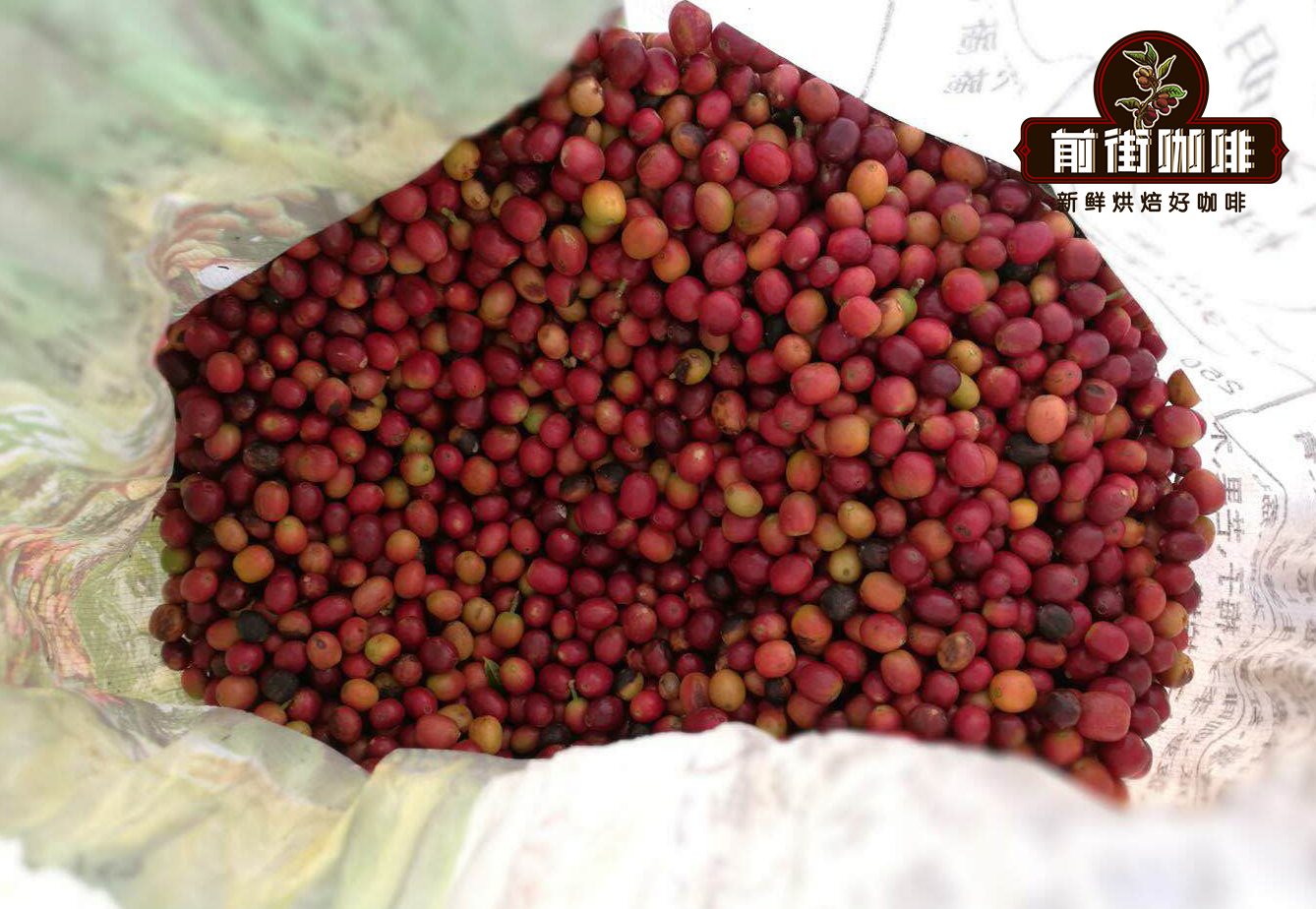
Today Yunnan has also seen many emerging processing methods, with various anaerobic techniques appearing one after another and creating highly recognizable flavors. FrontStreet Coffee believes these methods do have merit, but still insists on starting from the growing region and the variety. Changes in processing only treat the symptoms, not the root cause—Catimor will always be Catimor.
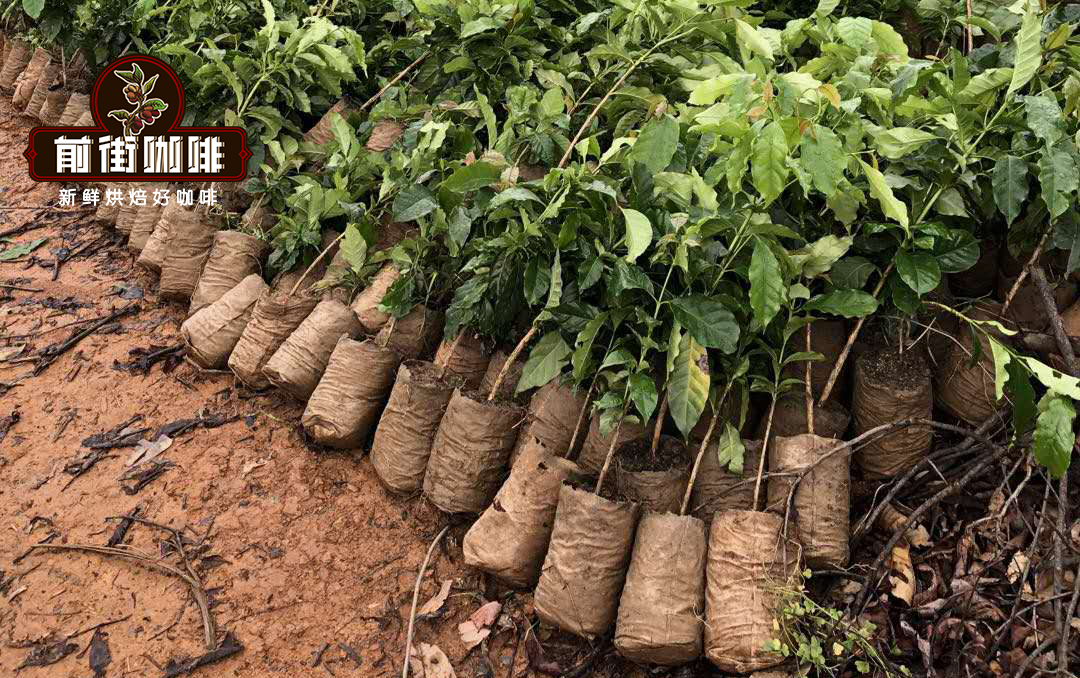
Only by choosing the right cultivation altitude and premium-flavored varieties at the source can Yunnan coffee achieve sustainable long-term development. That is why FrontStreet Coffee quietly began cultivating coffee in Yunnan as early as 2012. From seed to bean, it took 5 years. FrontStreet Coffee therefore continues to rely on traditional processing methods like washed and natural.
FrontStreet Coffee Yunnan Huaguoshan
- Region: Baoshan, Yunnan
- Altitude: 1200m
- Variety: Typica
- Processing: Washed
FrontStreet Coffee Roasting Analysis
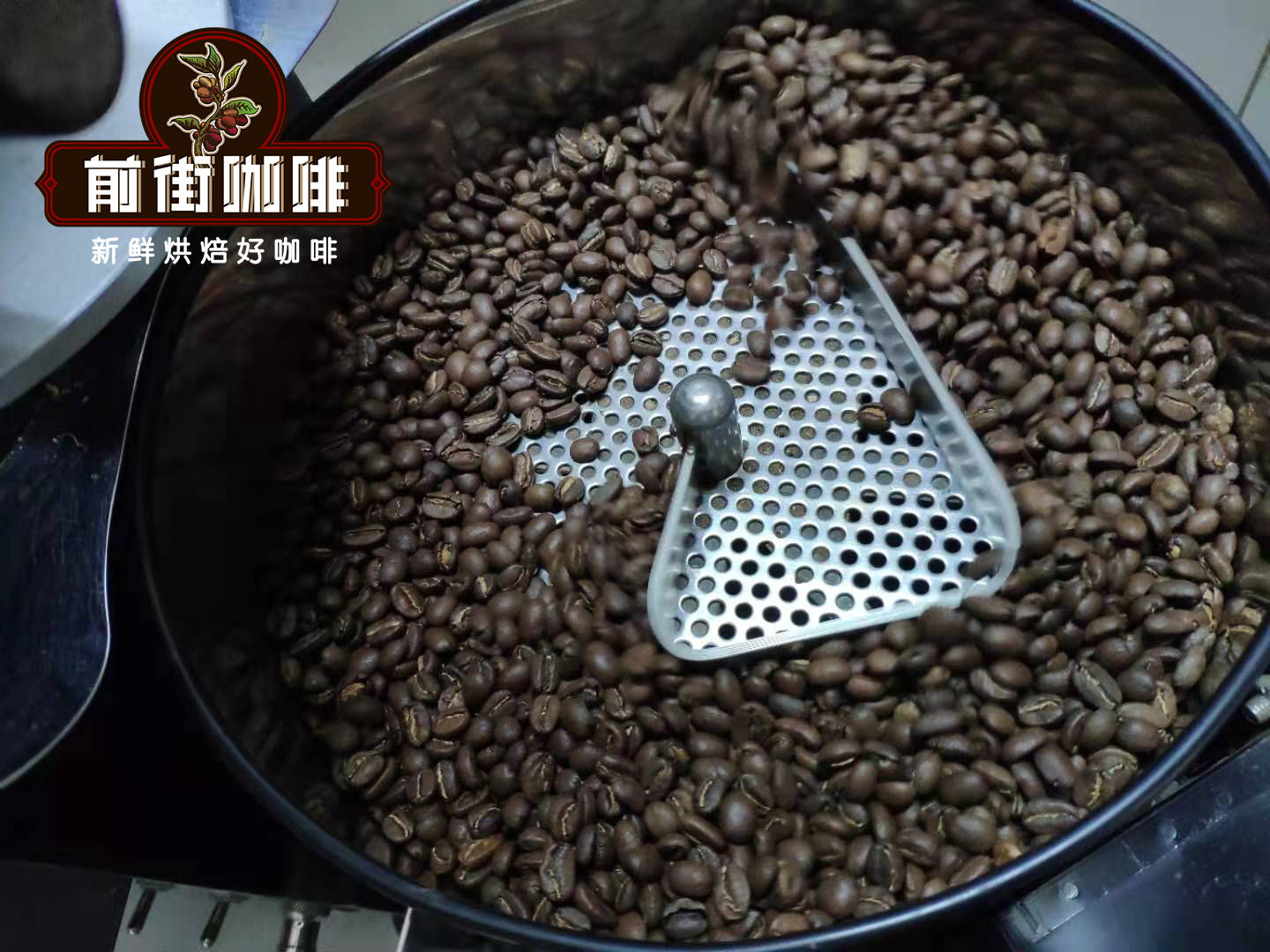
Yunnan Huaguoshan (Typica): FrontStreet Coffee chose a medium-light roast for this bean. Yangjia 800N (300g batch size): heat the drum to 200°C, air damper set to 3. After 1 minute, adjust heat to 160°C. Return temperature at 1'32". Roast until yellowing at 5'40", temperature 149°C, with the grassy aroma completely gone and dehydration complete; heat unchanged, air damper adjusted to 4. At 6 minutes, heat adjusted to 140. At 7 minutes, heat further adjusted to 120. At 8 minutes, ugly wrinkles and black spots appear on the bean surface, and the toast aroma clearly transforms into coffee aroma—this can be defined as the prelude to first crack. Listen carefully for the first crack sound. At 8'37", first crack begins, heat adjusted to 90, air damper fully open to 5. At 9 minutes, adjust heat down to 20. Develop after first crack for 2'00", dropped at 196°C.
FrontStreet Coffee Cupping Report
FrontStreet Coffee conducts cupping within 8-24 hours after sample roasting. FrontStreet Coffee's baristas typically use 200ml ceramic cupping bowls marked with 150ml and 200ml measurement lines. Following SCAA standards, water TDS is around 150ppm; TDS that is too low easily causes over-extraction, while too high affects mouthfeel and can cause under-extraction. Cupping water temperature is 94°C. Cupping grind size follows SCAA cupping standards, controlled to a 70%-75% pass-through rate on a standard 20-mesh sieve (0.85mm). Ratio: 11g coffee powder plus 200ml hot water, i.e., 1:18.18, so the extracted concentration falls within the 1.15%-1.35% golden cup range. Steeping time: 4 minutes.
Yunnan Huaguoshan cupping: rich fruit aroma on entry, with melon and herbal plant fragrance. Smooth on entry, with mid-palate nuts and milk chocolate, finishing with a lively, bright plum acidity that makes the cheeks water. Well balanced, medium body with full richness. From hot to warm, you feel the sweet-and-sour layering—sweet first, then sour. Apricot and citrus-toned acidity, with a black tea finish carrying some brown sugar.

FrontStreet Coffee Brewing Guide
When brewing these two washed Yunnan coffees, FrontStreet Coffee recommends aiming for balance—neither overemphasizing acidity nor overworking the finish. Choose a 15g dose and a 1:15 ratio, or 1:16 if you want clearer flavors. Choose a Kono dripper and an 88°C brewing temperature to soften the acidity. Grind: medium-fine, coarse-sugar size (75% pass-through on a 20-mesh sieve).

FrontStreet Coffee's Multi-Stage Pouring Technique
Use 30g of water for a 30-second bloom. When pouring with a small stream to 125g, create a stage division. When the water level drops and is about to expose the coffee bed, continue pouring to 225g and stop. When the level drops and is about to expose the bed again, remove the dripper. Extraction time from the start of the bloom: 2'00".
With this method, the Huaguoshan Typica gives distinct roasted nuts, soft acidity, overall balance and richness, a solid dark chocolate aroma, and slight orange peel notes.
FrontStreet Coffee Recommendation
Yunnan coffee, also known as Yunnan small-bean, is prized for its uniform, plump beans and well-rounded, moderate body. For a first encounter with Chinese Arabica, FrontStreet Coffee's Yunnan small-bean coffee from the Baoshan region is the natural starting point: washed and medium-roasted, it highlights a caramel quality while preserving some acidity, expressing the terroir of Yunnan with soft nutty and chocolate sweetness and a gentle plum acidity at a friendly price. To explore Yunnan flavor more clearly, FrontStreet Coffee's 2013 sun-dried Typica is the next step—FrontStreet Coffee established its own estate in Yunnan in 2013 and planted Typica there, one of the oldest and purest Arabica varieties, which the region first received from French missionaries. Sun-dried and medium-roasted, it is fuller-bodied and more brightly sweet-and-sour, with citrus and berry notes, a hint of fermented wine aroma, caramel sweetness, and a creamy finish. And if you would like to taste Yunnan in espresso form, FrontStreet Coffee's Black Cocoa blend pairs Yunnan small-bean with Brazilian Cerrado: the Brazil supplies mixed-nut aroma and a balanced body, while the Yunnan small-bean contributes chocolate and citrus, producing an Americano with balanced sweet-sour-bitterness and notes of nuts and brown sugar, or a latte with the smoothness of almond and cream—an excellent choice for beginners.
Important Notice :
FrontStreet Coffee is a long-established specialty coffee roaster in Guangzhou China, selling freshly roasted beans from its own farm in Yunnan as well as dozens of carefully selected single-origin beans from around the world for both pour-over and espresso. The products deliver consistently excellent quality and great value, with shipping within 24 hours. Guangzhou's FrontStreet Coffee shop is recommended by many coffee lovers, and the beans are now available online at the Tmall 。
FrontStreet Coffee has moved to a new address:
FrontStreet Coffee Address: 315,Donghua East Road,GuangZhou
Tel:020 38364473
 Scan and follow the En Gafei WeChat official account. Please indicate that the reprint comes from "En Gafei".