Yunnan Coffee Bean Harvest Season Timeline and Introduction to Characteristics of Yunnan Coffee Growing Regions and Varieties
Introduction to Yunnan Coffee Beans
Single-origin Yunnan beans have been making real noise in the specialty market in recent years, and most of the Chinese-grown coffee on shelves today comes from Yunnan. The beans are newcomers, and their quality isn't yet fully consistent — but FrontStreet Coffee sees enormous potential, which is why we've established our own coffee plantation in Baoshan, Yunnan. Here's what you should know about when Yunnan coffee matures, its varieties, and its flavors.
When Do Yunnan Coffee Beans Mature?
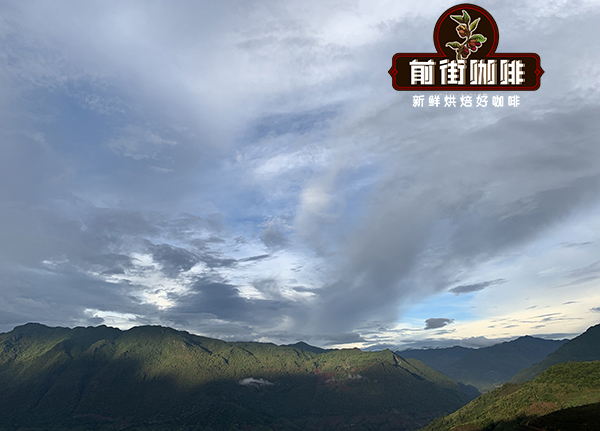
First, a bit of background: the specialty beans on the market are all Arabica, a variety prized for flavor but with one defining trait — the higher it grows, the richer the cup — though it cannot tolerate frost. Since temperature drops by 0.6 degrees Celsius for every 500 meters of elevation, coffee fruit naturally matures later at higher altitudes.
From our experience growing coffee in Yunnan, trees in low-altitude areas typically start bearing fruit in early to mid-September, while our plantation, at higher elevation, doesn't mature until November.
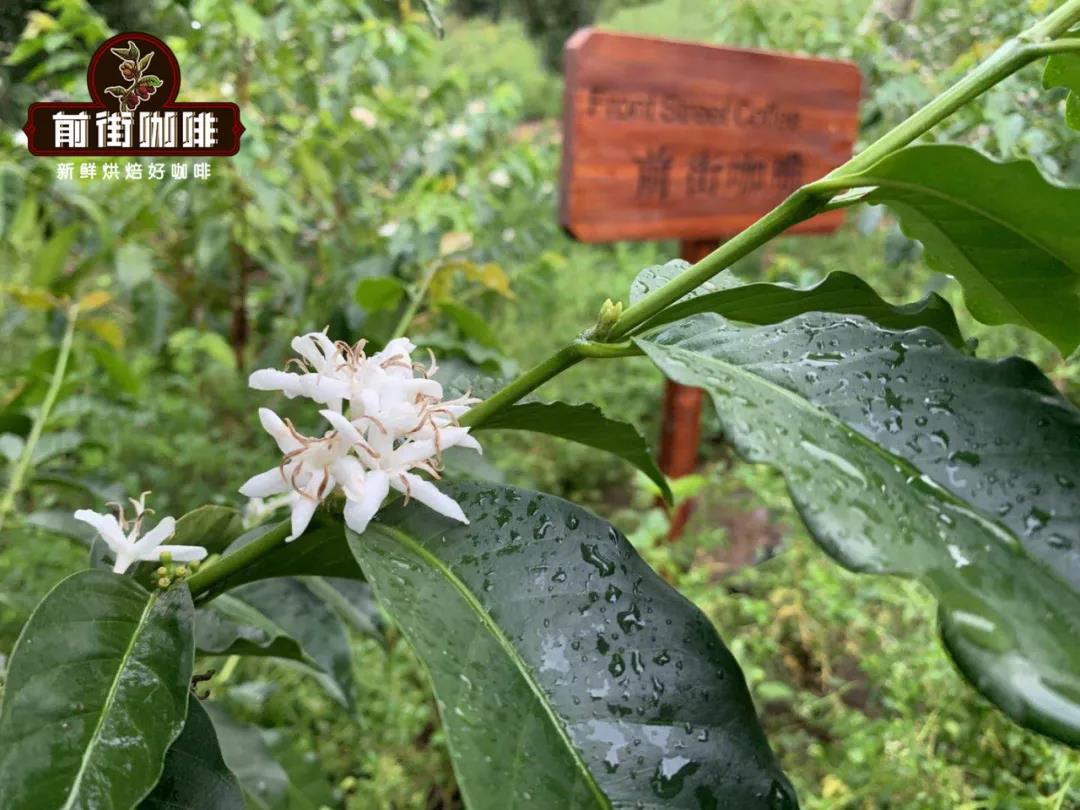
Coffee is also a short-day plant with multiple flowering periods. In Yunnan, Coffea arabica flowers from February to July, with peak bloom from March to May. Flowering is heavily influenced by climate, especially rainfall and temperature, and the blossoms live only 2–3 days, typically opening between 3 and 5 AM and reaching full bloom from 5 to 7 AM. The fruit takes far longer: 8–10 months to mature, usually between October and December of the same year. Rainfall and climate directly shape fruit development, so a coffee tree normally bears fruit just once a year.
What Varieties Are Yunnan Coffee Beans?
All specialty coffee is Arabica, and Yunnan is no exception — Catimor, Typica, Bourbon, Caturra, and Catuai are all grown there. But seasoned enthusiasts know that the most common Yunnan coffee on the market is Catimor: "Yunnan small-bean coffee" in the trade almost always means Yunnan Catimor.
While Typica, Bourbon, Caturra, and Catuai are all Arabica-derived, Catimor is a hybrid of Robusta and Arabica. Here's a closer look at each variety.
Typica Coffee Beans
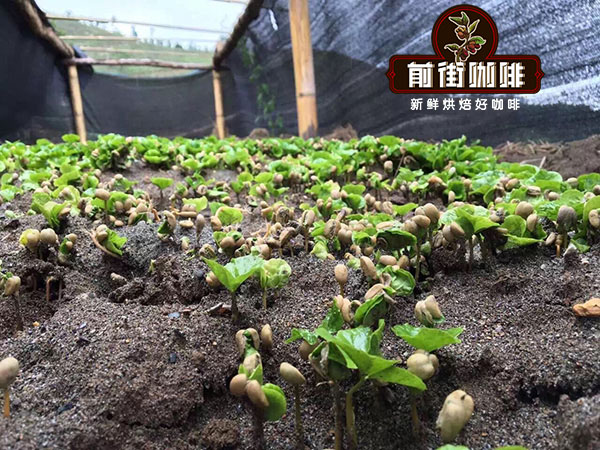
The most classic of all quality Arabica varieties, and the ancestor of many commercial cultivars. Typica shows outstanding cup character and is recognized as a specialty variety, but it yields very little and is susceptible to rust, demanding more intensive care. It originates from Ethiopia and southeastern Sudan and is the most widely planted variety in the Western Hemisphere. The plants are relatively tall but intolerant of strong sunlight, and yields are high in Hawaii. Typica's young leaves are bronze-colored, earning it the nickname "red-topped coffee."
Bourbon Coffee Beans
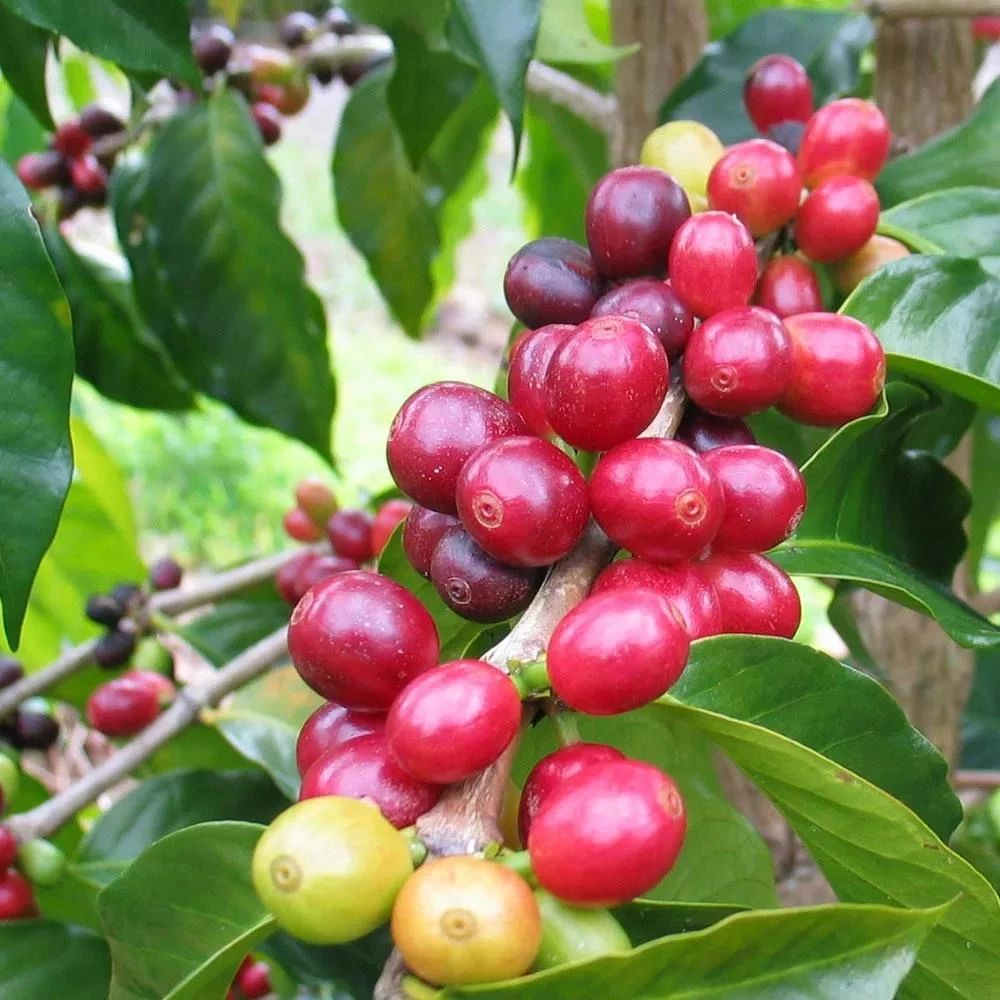
Bourbon descends from Typica and spread after the French planted it on Bourbon Island (now Réunion) in 1708. It has a wonderful aroma and rich flavors, with higher yield and vigor than Typica, suiting elevations of 1,200–2,000 meters — though it resists pests and disease less well and is sensitive to strong wind and heavy rain. Bourbon is the second most important Arabica variety after Typica. Its main branches first grow upward at a 45-degree angle to the trunk, drooping as fruit loads increase; denser nodes on the lateral branches mean more fruit and higher yields, though the berries are smaller and ripen more slowly. Its green young leaves and terminal buds give it the name "green-topped coffee."
Caturra Coffee Beans
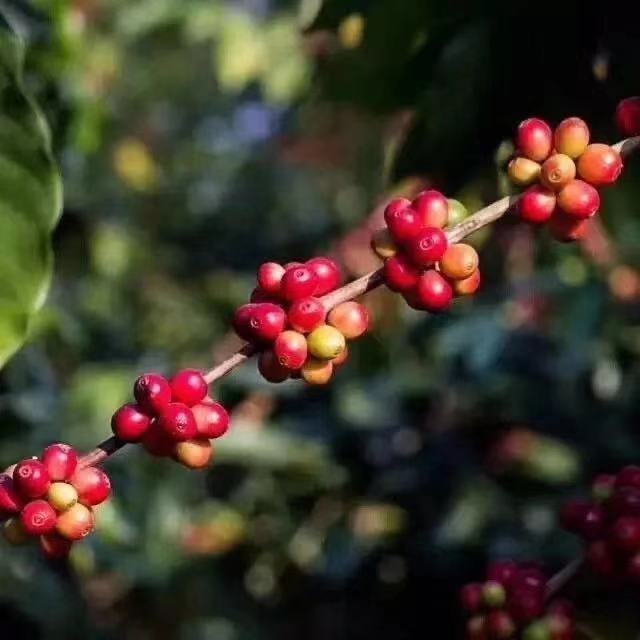
Caturra is a single-gene mutation of Bourbon, discovered in Brazil in 1937. It produces more, resists disease better, and its compact plants make harvesting easier — but like Bourbon it tends toward biennial bearing. Its flavor matches or slightly trails Bourbon, and crucially it adapts superbly: no shade needed, thriving even in direct strong sunlight, hence the nickname "sun coffee." It tolerates high-density planting but demands more fertilizer, which raised costs and slowed its early adoption by farmers.
Catuai Coffee Beans
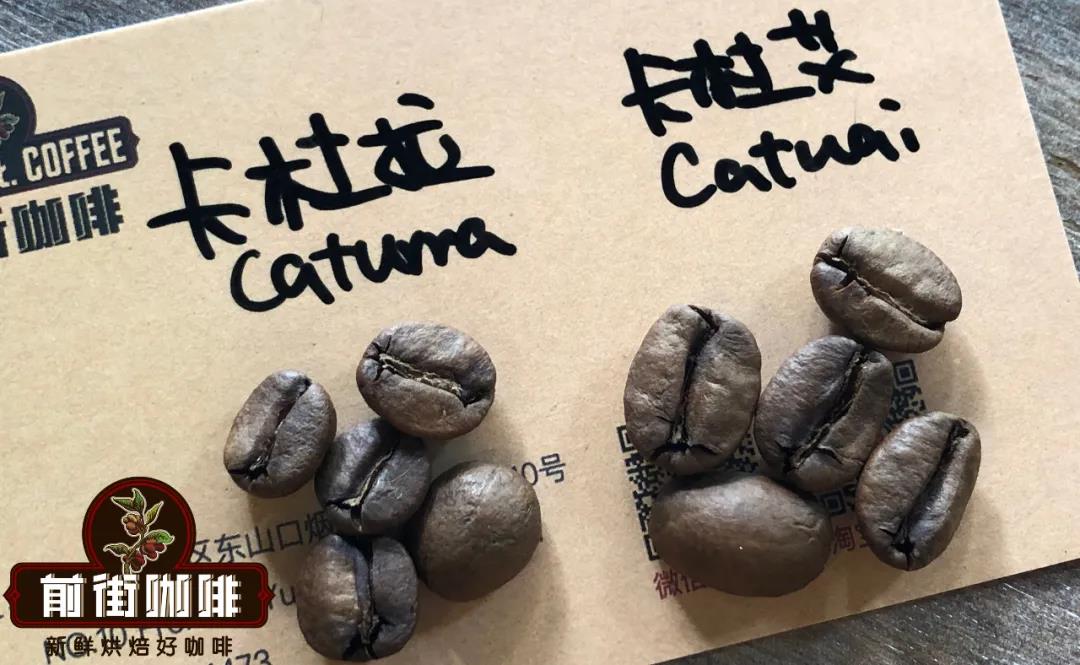
Catuai is an Arabica hybrid — a cross of Mundo Novo ("New World") and Caturra — with good resistance to natural stresses, particularly wind and rain. It inherits Caturra's compact stature, fixing Mundo Novo's tall-growth drawback, and its firm fruit clings tightly in strong winds, solving the fragility typical of Arabica cherries. Its weakness is a comparatively flat flavor: less complex than Caturra and lacking Mundo Novo's richness. Its productive lifespan is also only about ten years.
Catimor Coffee Beans
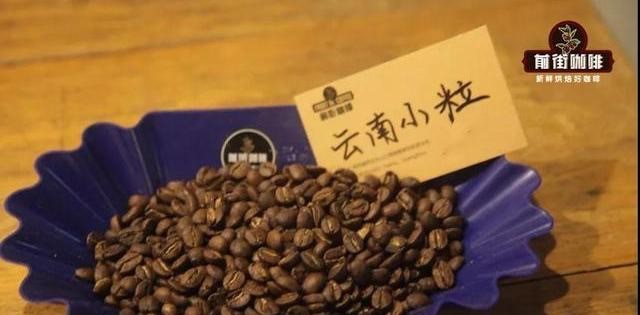
Catimor is not of pure Arabica lineage: it is a cross between Timor (a Robusta-derived species) and Caturra (a Bourbon mutation). Its 25% Robusta heritage is the source of its flavor drawbacks — muted aroma, a generally bitter cup, and tendencies toward astringency and pungent, musty notes.
The variety FrontStreet Coffee grows in Baoshan, Yunnan, is Typica. To change the perception that Yunnan coffee doesn't taste good, you have to start at the root. Right now, Yunnan coffee leans heavily on special processing methods to mask undesirable flavors, which has taught consumers that "only specially processed Yunnan coffee is drinkable."
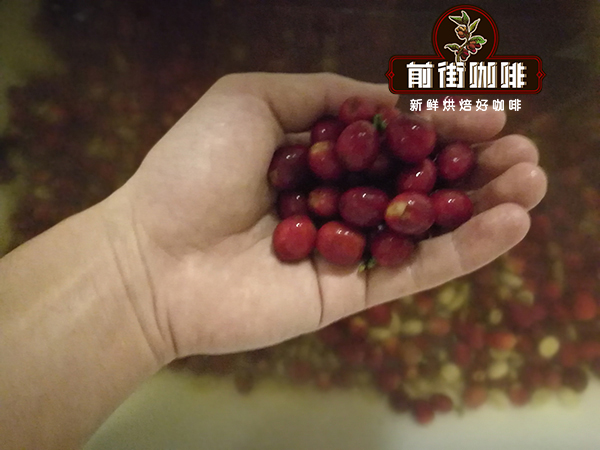
That isn't the truth. A delicious coffee is built on its original flavor, which means starting from the factors that shape it: growing region, variety, and processing. That's why FrontStreet Coffee chose Typica to showcase what Yunnan can do — Typica has a subtle, clean character and balanced cup with high clarity that no special processing can replicate. Great coffee ultimately comes down to the variety; special processing is not a long-term answer.
Yunnan Coffee Bean Processing Methods
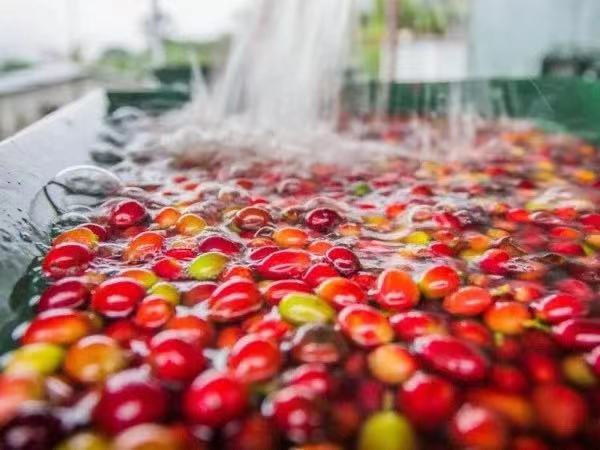
FrontStreet Coffee therefore uses the most traditional washed processing for its Yunnan beans. Washing makes the flavor cleaner and fresher, rinsing away defective notes and presenting the beans' most original character — which is why it's our favorite method. During washing, unripe and defective beans are separated out by buoyancy, and fermentation is easier to control. Unlike naturals, which can carry impure flavors, washed beans show distinct fruit acidity, greater complexity, and cleaner flavors.
That covers when Yunnan coffee matures, its varieties, and its character. Next, the brewing profiles of two of our Yunnan beans.
FrontStreet Coffee Yunnan Huaguoshan Coffee Beans
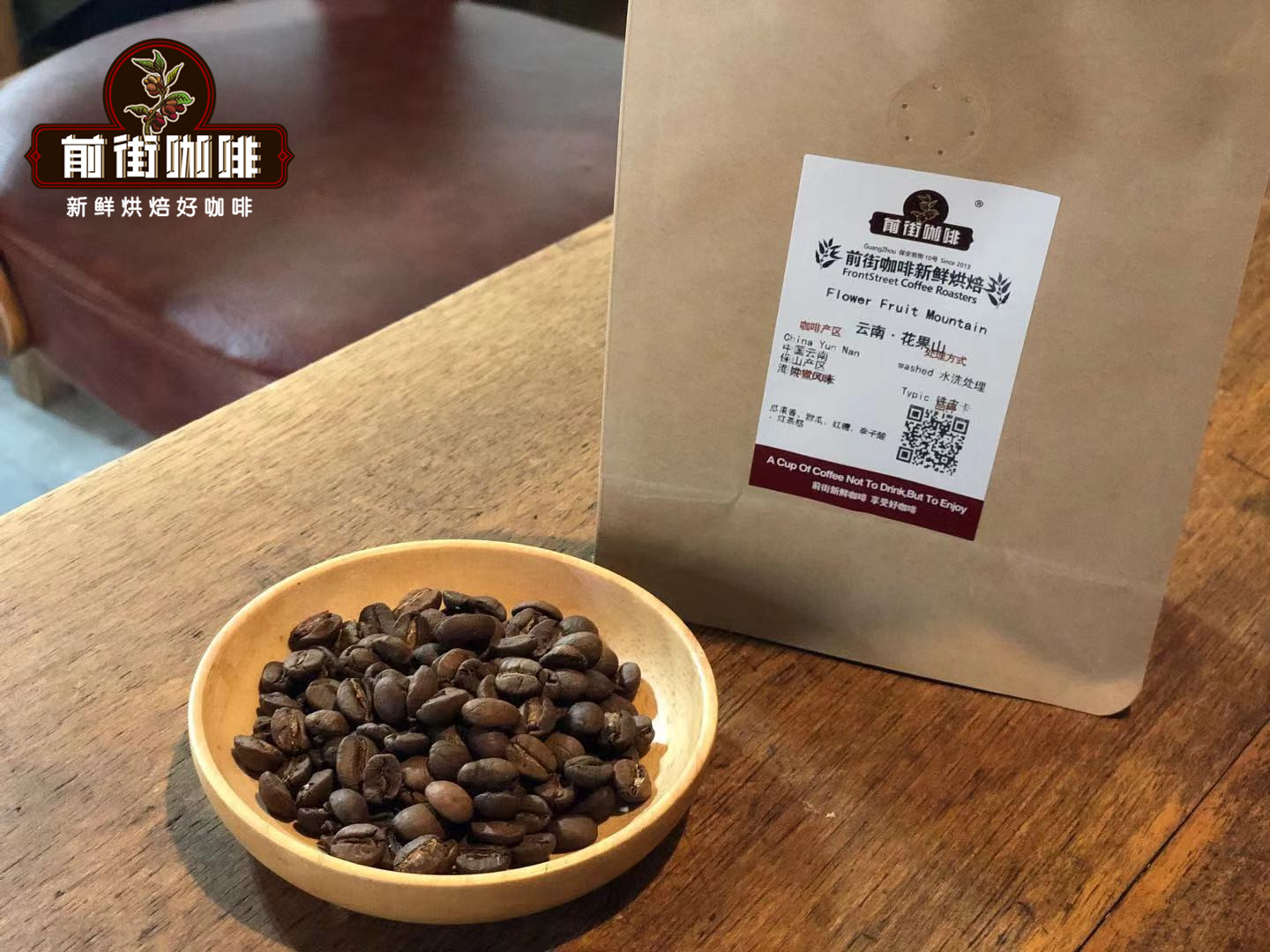
Country: China
Region: Baoshan, Yunnan
Altitude: 1,450–1,550m
Variety: Typica
Processing: Washed
Flavor: Citrus, nuts, plum, melon fragrance, brown sugar, black tea sensation
The difference between our Huaguoshan and ordinary Yunnan small-bean coffee is variety: Huaguoshan is Typica, while small-bean coffee is Catimor. Both could technically be called small-bean coffee, but because Typica's floral-and-fruit acidity is gentler and richer, it was given its own name — Huaguoshan, "Flower and Fruit Mountain" — to set the two apart.
FrontStreet Coffee Yunnan Small-Bean Coffee Beans (Daily Use)
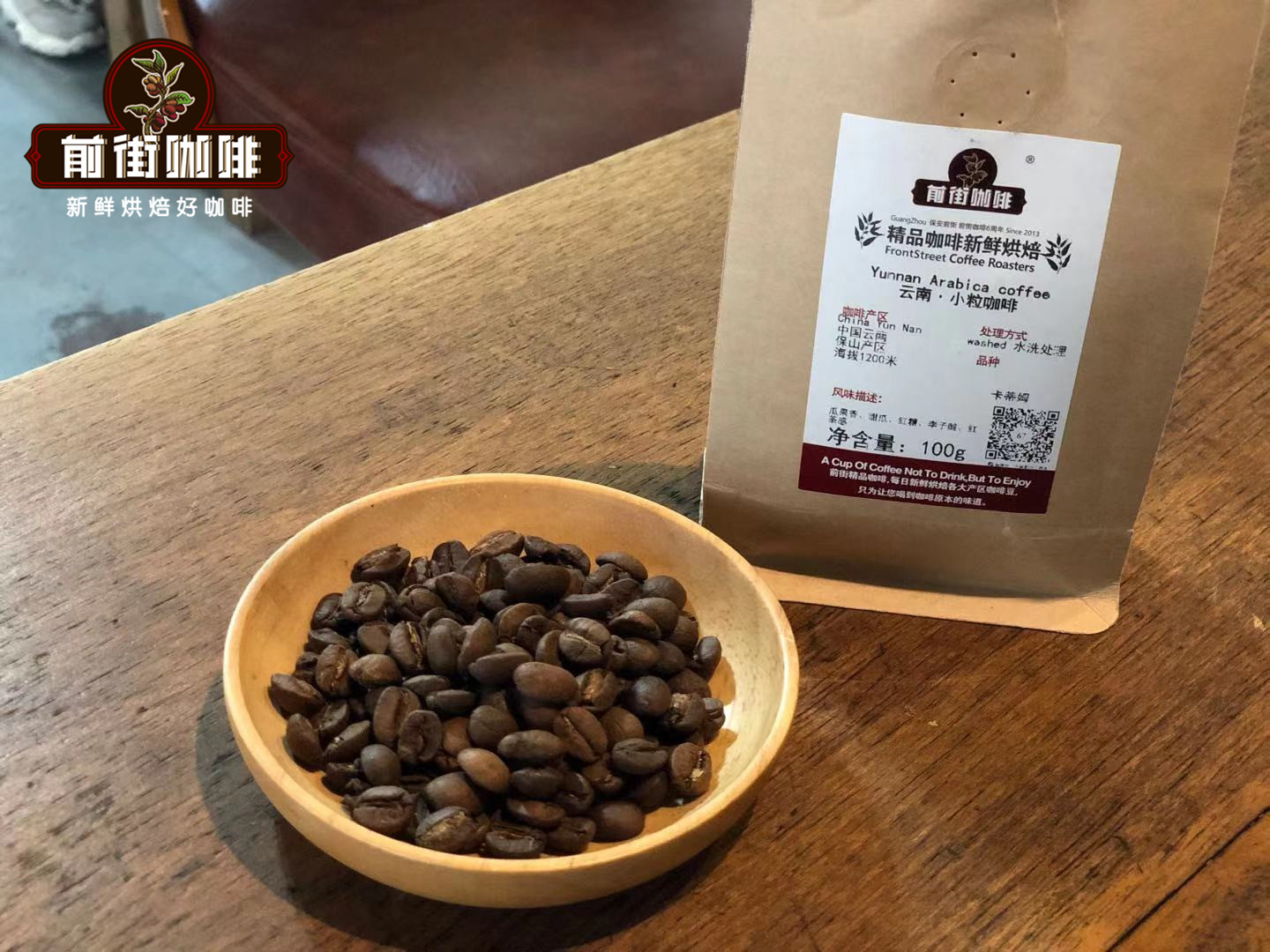
Country: China
Region: Baoshan, Yunnan
Altitude: 1,200m
Variety: Catimor
Processing: Washed
Flavor: Herbal, nutty aroma, chocolate, caramel
"Yunnan small-bean coffee" refers to the Arabica cultivated across Yunnan. Coffee is an evergreen small tree of the Rubiaceae family, native to Africa; the main cultivated species today are small-bean (Arabica) and medium-bean (Robusta) coffee. Traditionally, small-bean coffee in Yunnan specifically referred to a mixed population of Bourbon and Typica varieties.
FrontStreet Coffee Yunnan Coffee Bean Pour-Over Recommendations
Both beans are Yunnan-grown and medium roasted, so we recommend the V60 conical dripper. Its wide opening and spiral ribs vent air easily, improving extraction quality; the body may not be as thick, but the high concentration brings out Yunnan coffee's signature fruit acidity and distinct aromatics.
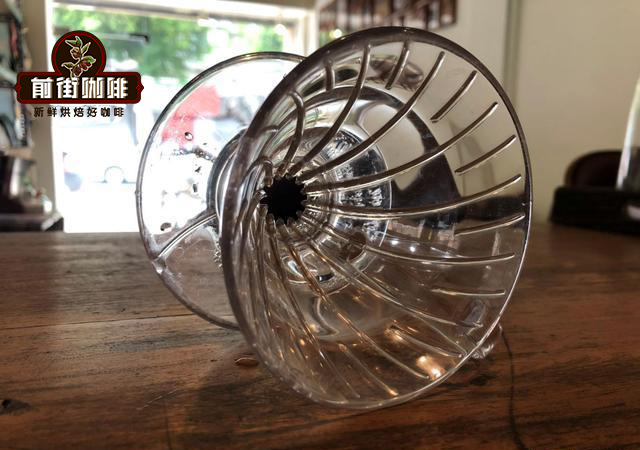
Dripper: V60
Water Temperature: 90–92°C
Ratio: 1:15
Grind: Medium-fine, fine-granulated-sugar texture (VARIO 50: 57% pass-through on a #20 standard sieve)
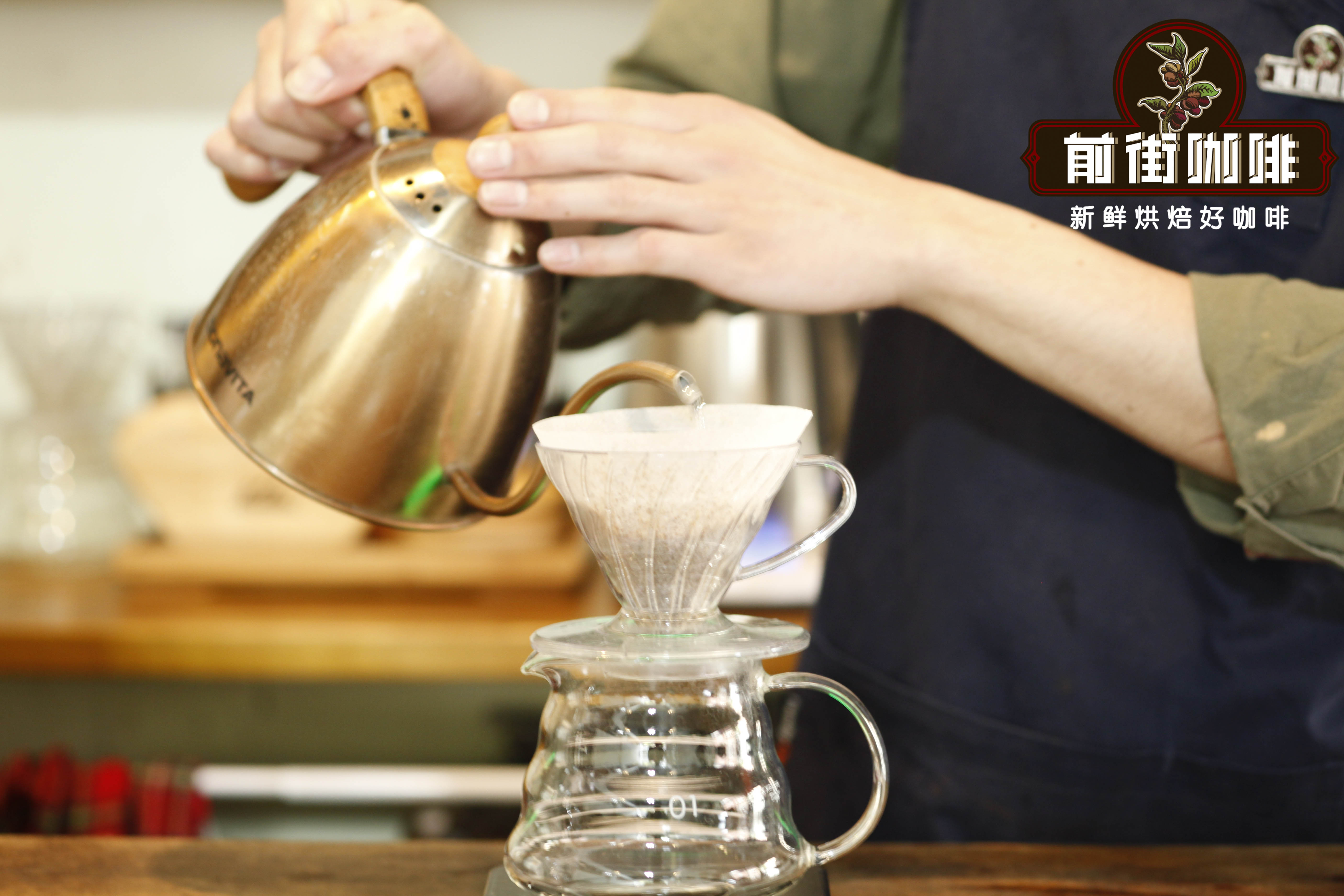
Method: Segmented extraction
Bloom with 30g of water for 30 seconds, then continue with a small, circular pour to 124g and pause. As the level drops and the bed is about to emerge, pour again to 227g and stop. When the level drops once more, remove the dripper. (Timing starts at the bloom.) Total extraction time: 2 minutes.
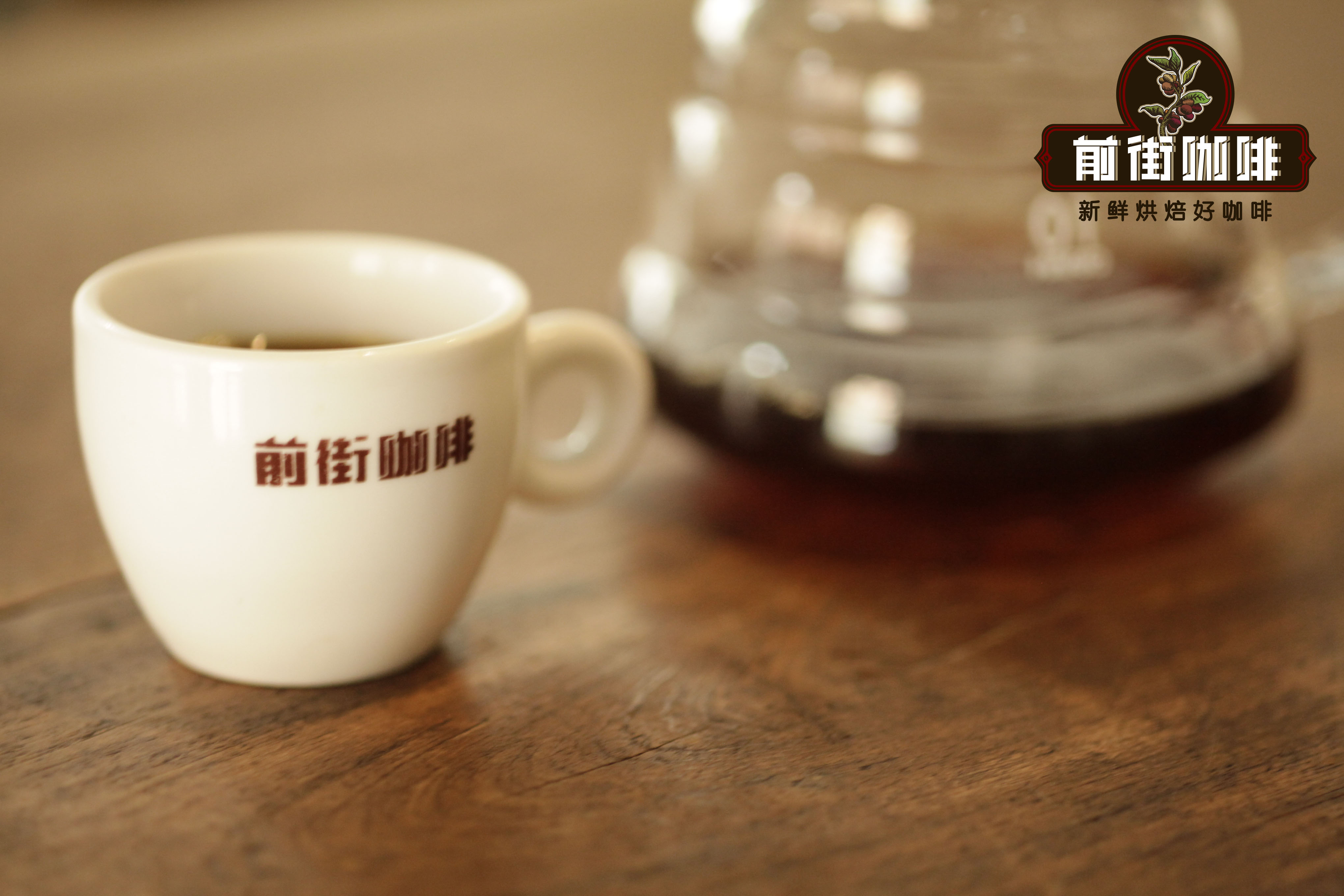
Huaguoshan in the cup: Rich but not bitter, aromatic but not heavy — florals up front, sweet melon in the middle, and a black tea sensation in the finish.
Yunnan Small-Bean in the cup: A smooth entry, Asian herbal aromatics, lively bright acidity that makes both cheeks water, gentle acidity with well-balanced richness and body, layered depth, and distinct dark chocolate, honey, and cane sugar in the aftertaste. Fully cooled, brown sugar flavors emerge.
FrontStreet Coffee Recommendation
For a first taste of Chinese coffee, start with FrontStreet Coffee's Yunnan Small-Bean from Baoshan — washed processed and medium roasted, it shows soft nutty and chocolate sweetness with a light plum acidity at an approachable price. Baoshan's coffee history began in the mid-1950s, and the area's frost-free climate and unique dry-hot river-valley microclimate around Lujiangba — modest temperature swings year-round but big ones between day and night — give the beans their distinctive lingering sweetness, which washing preserves beautifully.
If you want a clearer expression of the region, step up to our 2013 Yunnan natural Typica, grown on our own plantation. Typica is one of the oldest and purest Arabica varieties — the very cultivar French missionaries first planted in Yunnan back in 1904 in Zhugula Village, Binchuan County — and we natural-process only fully ripe red cherries before a medium roast. The cup is fuller and rounder, with citrus and berry tones, a hint of fermented wine aroma, caramel sweetness, a creamy finish, and dark-berry and apricot notes over a black tea aftertaste. And for Yunnan character in espresso, try the FrontStreet Black Cocoa blend, which pairs Yunnan small-bean with Brazil Cerrado: nutty, balanced, and chocolate-citrus bright in an Americano, silky with almond and cream in a latte — an easy favorite for beginners.
Important Notice :
FrontStreet Coffee is a long-established specialty coffee roaster in Guangzhou China, selling freshly roasted beans from its own farm in Yunnan as well as dozens of carefully selected single-origin beans from around the world for both pour-over and espresso. The products deliver consistently excellent quality and great value, with shipping within 24 hours. Guangzhou's FrontStreet Coffee shop is recommended by many coffee lovers, and the beans are now available online at the Tmall 。
FrontStreet Coffee has moved to a new address:
FrontStreet Coffee Address: 315,Donghua East Road,GuangZhou
Tel:020 38364473
 Scan and follow the En Gafei WeChat official account. Please indicate that the reprint comes from "En Gafei".