Characteristics and Brewing Methods of Yunnan Small Bean Catimor Coffee Beans - Flavor Description and Taste Introduction - Is Catimor an Arabica Variety?
Introduction to Coffee Varieties
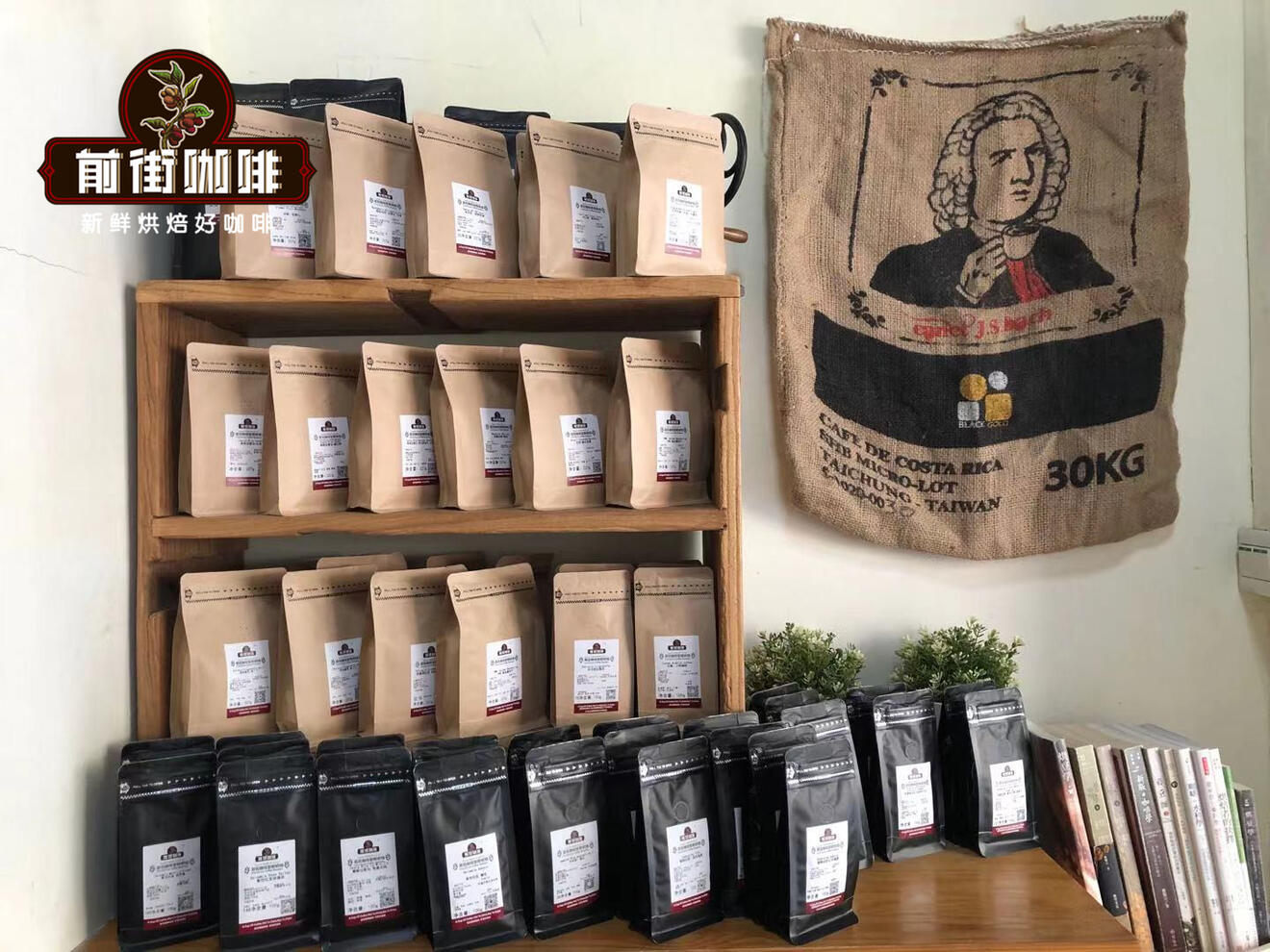
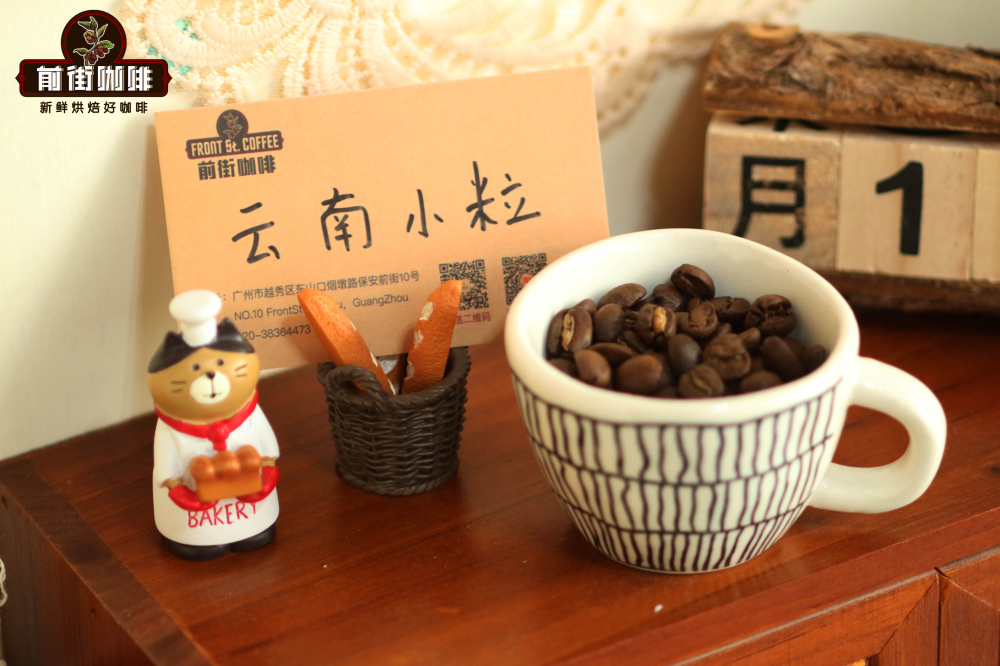
The oldest variety in Yunnan is actually Typica, but Typica has poor disease resistance. To simply raise yields, coffee farmers began cutting down fine-flavored varieties and planting varieties with inferior flavor but very high yields. The rust-resistant S288 was introduced first, and later the higher-yielding Catimor variety arrived. Today at FrontStreet Coffee you will find two kinds of coffee beans: Yunnan Typica coffee beans and Catimor coffee beans. FrontStreet Coffee marks Yunnan Typica as Yunnan specialty coffee, while Yunnan Catimor coffee beans are labeled Yunnan Xiaoli.
Global Catimor Cultivation
On Indonesia's Sumatra island, Ateng (the local name for Catimor) and Tim Tim — which is Timor, carrying half Robusta genes — already account for 70% of exports. What is called Mandheling is in fact a three-way blend of these two hybrid varieties alongside Typica, one of the Arabica varieties.

Colombia also plants its own Catimor extensively (reportedly backcrossed for many generations, sharply reducing the Robusta genes), naming it "Colombia" after the country — a sign of how important it has become, and it is now one of the main export varieties.
In Kenya, the local hybrid of Robusta and Arabica is called Ruiru 11, and there is a trend in commercial export beans toward replacing the traditional SL28 and SL34 varieties.
In China's Yunnan, exports to major international coffee companies such as Starbucks and Nestlé are basically all Catimor, since high yield and disease resistance bring coffee farmers higher economic returns.
Catimor Characteristics
Catimor comes from a hybrid of Timor and Caturra. In 1959 it was developed by CIFC, the Portuguese Coffee Leaf Rust Research Center, with research focused on disease resistance and high yield. Catimor beans are characterized by high yield, short plants that can be densely planted, and new leaves that are reddish-brown. Inheriting Robusta genes from Timor, Catimor resists coffee berry disease and coffee leaf rust more effectively and shows stronger overall pest and disease resistance. This same trait, however, is often criticized in cup performance.
Catimor beans also ripen quickly and yield heavily, requiring sufficient fertilizer and shade. Its high yield corresponds to a relatively short commercial lifespan of only about ten years on average. Planted at low altitudes, Catimor's cup performance shows no significant difference from other commercial varieties. Planted above 1200 meters, however, its cup flavor is noticeably inferior to Bourbon, Caturra, and Catuai.

Asian Coffee Characteristics
When coffee enthusiasts mention Asian coffee, their first impression is usually richness and stability. Because of that heavy character, Asian coffee is very suitable as a base for espresso blends. Asian coffee green beans are generally processed by wet or semi-wet methods. The beans are mostly uniform in size, but those processed semi-wet have darker colors. The general characteristics of Asian coffee are a heavy flavor and a strong, round sweetness, with aroma and brightness somewhat plain — deep flavor and a rich mouthfeel.
Chinese Coffee Growing Regions
China's main coffee growing regions are Hainan, Yunnan, Guangdong, and Taiwan. The northern part of Hainan Island and the southern part of Yunnan Province lie between 15°N latitude and the Tropic of Cancer. Their coffee is rich but not bitter, fragrant but not strong, and quite unique with a touch of fruit flavor, making it top-grade coffee that earns international acclaim. Taiwan sits in the subtropical zone with many mountains and distinct rainy seasons, a fairly good growing environment for coffee. Since coffee trees were introduced by the British during the Guangxu period, small-scale cultivation still exists. Famous growing areas include Huichang Farm in the Nantou mountain area (over 1000 meters altitude) and Hebao Mountain in Yunlin Gukeng (294 meters altitude).
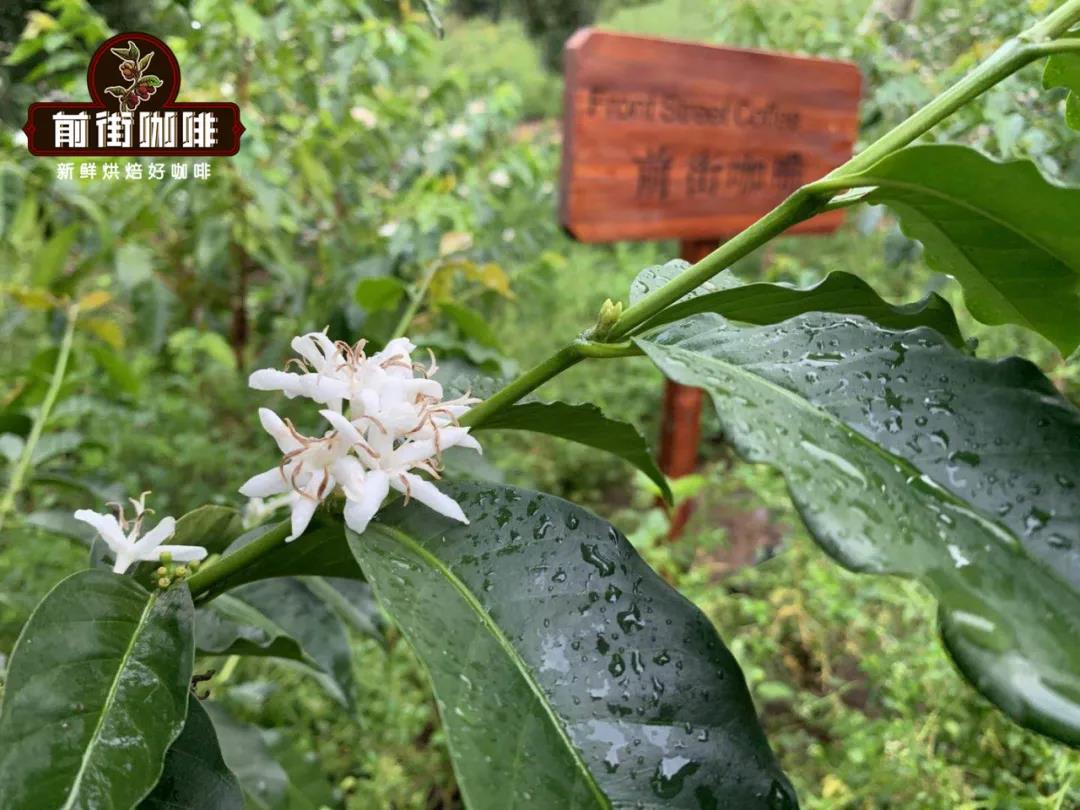
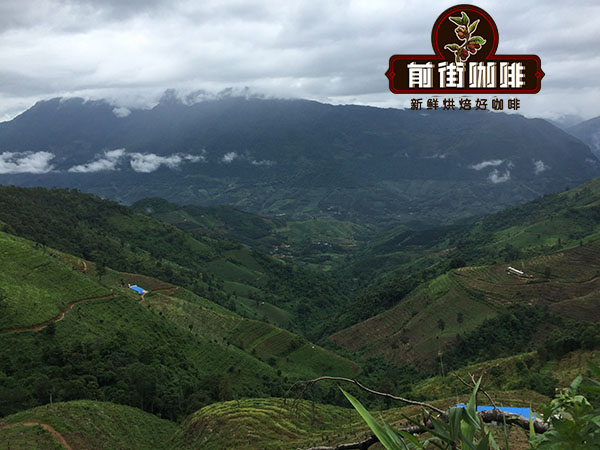
Yunnan is China's main coffee bean growing region. Yunnan lies south of the Tropic of Cancer in a subtropical mountainous climate zone, with unique plateau red soil that is fertile and loose and a mild climate, particularly suitable for growing small-seeded coffee varieties. Yunnan coffee was first introduced by French missionaries in 1902, and to this day 24 coffee trees more than 90 years old still grow in Zhukula Township, Binchuan County. In 1914, Jingpo ethnic border people from Ruili introduced it from Myanmar to Nongxian Village. Typica and Bourbon, these two classic high-quality varieties, are the main cultivated varieties in Yunnan. Because of their similar morphology and habits, they are often mixed in cultivation. Bourbon's terminal buds and young leaves are green, called green-top coffee; Typica's terminal leaves are reddish-brown, called red-top coffee.
After examining Yunnan's coffee cultivation and primary processing bases, tasting experts from the International Coffee Organization evaluated Yunnan coffee as being in the same category as Colombian wet-processed small-seeded coffee — among the highest quality coffee in the world. Today, Yunnan coffee is mainly distributed across 11 prefectures and cities including Baoshan, Simao, Yuxi, and Dehong. Among them, the coffee quality in the Baoshan and Simao regions is superior.
The dry-hot valley Lujiangba is Baoshan's "tropical treasure." The average temperature in the basin is 21.5°C, with a maximum of 40.4°C, and basically no frost throughout the year. The small-seeded coffee cultivated here is rich but not bitter, fragrant but not strong, with small, uniform beans, a rich mellow aroma, and fruit flavor. Simao lies in the upper reaches of the Lancang River and is famous for its steep terrain, being one of China's noted Pu'er tea regions. At the same time, Simao is China's largest coffee cultivation area, with about 150,000 mu under coffee and an output capacity of 22,500 tons. Simao's altitude ranges between 1000-2000 meters, with mountainous and sloped terrain predominating and many dry-hot valleys and barren mountains, plus fertile soil, sufficient sunlight, abundant rainfall, and large day-night temperature differences — very suitable for coffee growth.

Coffee quality is determined by many factors, including growing environment, climate, and cultivation management. The optimal growing environment is low latitude, high altitude, sufficient rainfall, and appropriate sunlight. Other regions in this zone, such as Hawaii in the United States and Saudi Arabia, either sit at low altitude or are desert with little rain. Only Simao, Yunnan, in this zone possesses all the suitable conditions, creating the unique mellow, fragrant taste of Simao coffee.
Yunnan Xiaoli Coffee
Origin: Yunnan Baoshan
Altitude: 1200m
Processing Method: Washed
Variety: Catimor
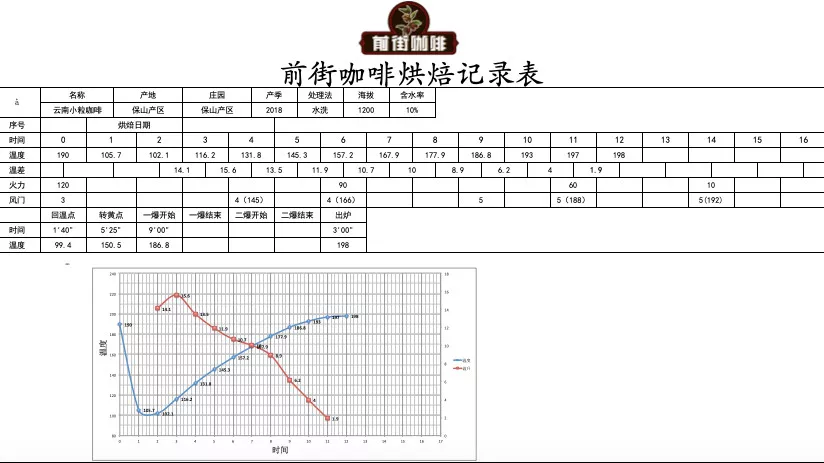
FrontStreet Coffee Roasting Profile
Preheat the roaster to 190°C, set heat to 120, damper at 3; return temperature at 1'40". When the roaster reaches 145°C, open damper to 4, heat unchanged; when it reaches 166°C, the bean surface turns yellow and the grassy smell disappears completely, entering the dehydration stage. When the roaster reaches 188°C, adjust heat to 60°C, damper at 5.
At 8'37", ugly wrinkles and black spots appear on the bean surface, and the toasted bread smell clearly turns to coffee aroma — the prelude to first crack. Listen carefully for the sound of first crack. First crack starts at 9'00"; damper unchanged, develop for 3 minutes after first crack, discharge at 198°C.
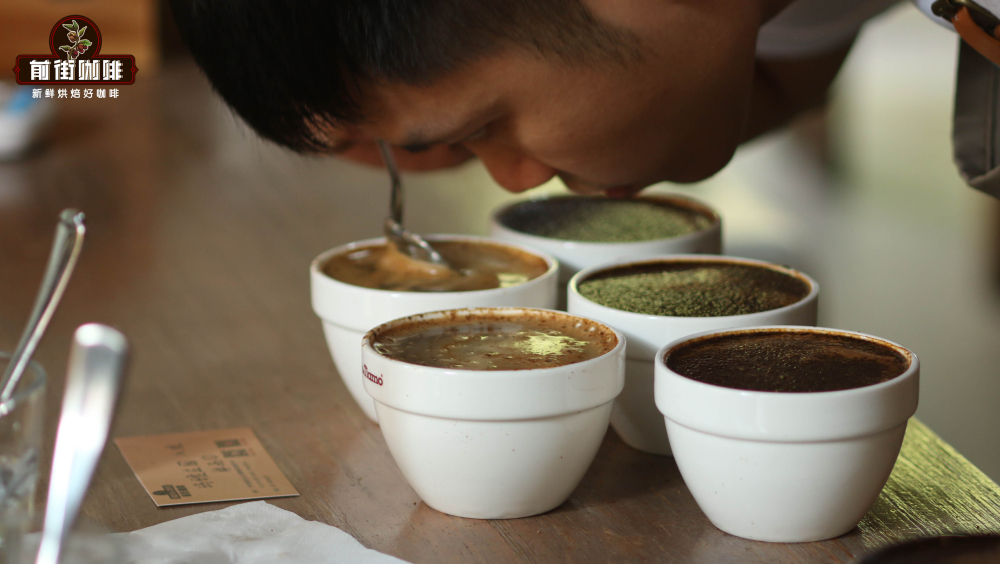
FrontStreet Coffee Cupping Results
Smooth on entry, with Asian herbal plant aroma, lively and bright acidity, saliva production on both cheeks, soft acidity, good balance with richness, and rich layers. The aftertaste shows obvious dark chocolate, honey, and cane sugar. After complete cooling, brown sugar flavor emerges.
FrontStreet Brewing Recommendations
Kalita Wave Dripper
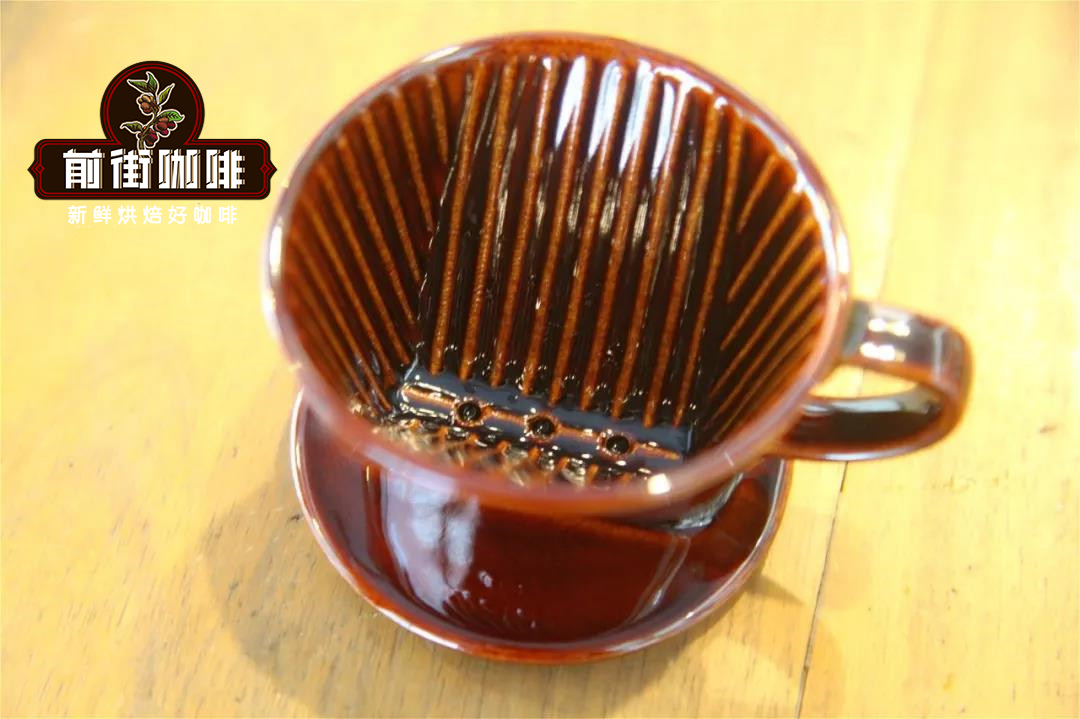
First, brew this bean with the Kalita Wave dripper. This trapezoidal dripper has three small holes at the bottom, with many ribs on the cup wall distributed in equally spaced straight lines. Flow rate is relatively slow, mainly immersion extraction.
Parameters & Technique: Grind size EK43 setting 10 (80% pass rate through #20 standard sieve), water temperature 91°C, coffee-to-water ratio 1:15. Bloom with 29g water for 30 seconds, pour to 130g in stages. When the water level drops and is about to expose the coffee bed, continue pouring to 229g and stop. When the water level drops and is about to expose the coffee bed, remove the dripper. Extraction time from bloom start: 1:40.
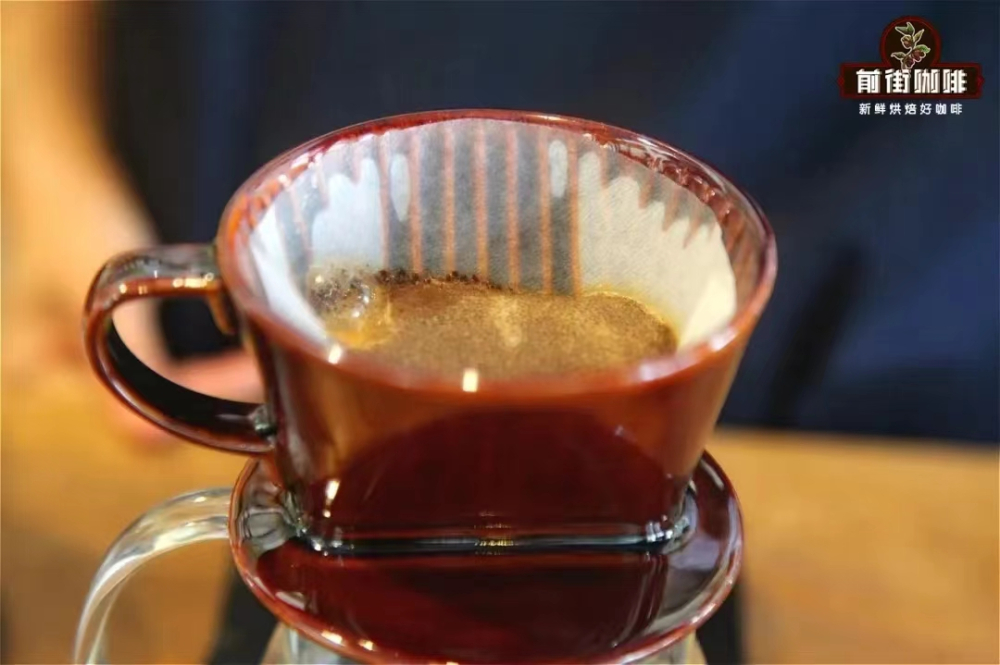
Flavor: Aromas of spice, cantaloupe, cream, passion fruit, caramel, and nuts, with hazelnut sweetness in the aftertaste.
Hario V60

Because the V60 dripper's ribs are distributed in curved patterns of varying length from top to bottom, exhaust is relatively smooth during brewing and the flow rate is fairly fast. Because of this, the extracted coffee's flavor layers are quite obvious. FrontStreet Coffee therefore uses a V60 to brew a pot of Yunnan Xiaoli, using segmented extraction to raise the extraction rate.
Parameters & Technique: Medium-fine grind (80% pass rate through #20 standard sieve), water temperature 91°C, coffee-to-water ratio 1:15. Bloom with 30g water for 30 seconds, stop at a 125g pour. When the water level drops and is about to expose the coffee bed, continue pouring to 227g. When the water level drops and is about to expose the coffee bed, remove the dripper. (Extraction time from bloom start) 1:42.
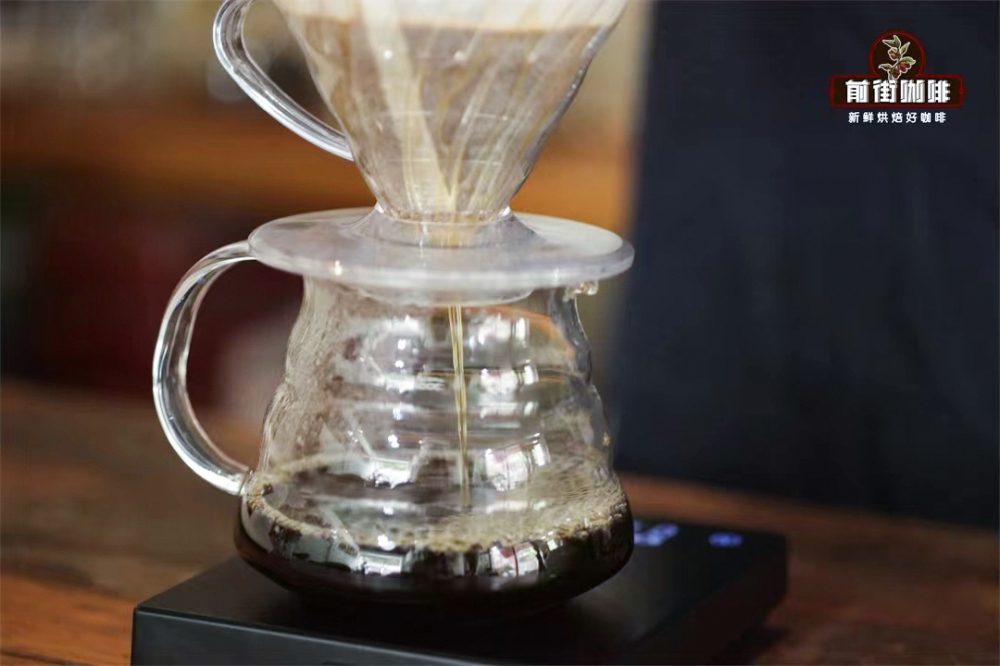
Flavor: Starfruit, plum, melon, cream, and black tea. The overall mouthfeel is relatively smooth with very bright fruit acidity, and a tea-like aftertaste with a bit of fruit sourness.
Siphon Brewer
Siphon extraction works mainly through pressure difference. First, heat the water in the lower chamber to boiling, then insert the upper chamber, creating high pressure in the lower chamber. Because of the pressure difference between the chambers, hot water rises to mix with the coffee grounds in the upper chamber for extraction. After extraction, remove the heat source from the lower chamber, instantly reducing the pressure difference and causing the coffee extract to flow back down. The siphon is mainly immersion-based, so the brewed coffee is more balanced with a rich mouthfeel.
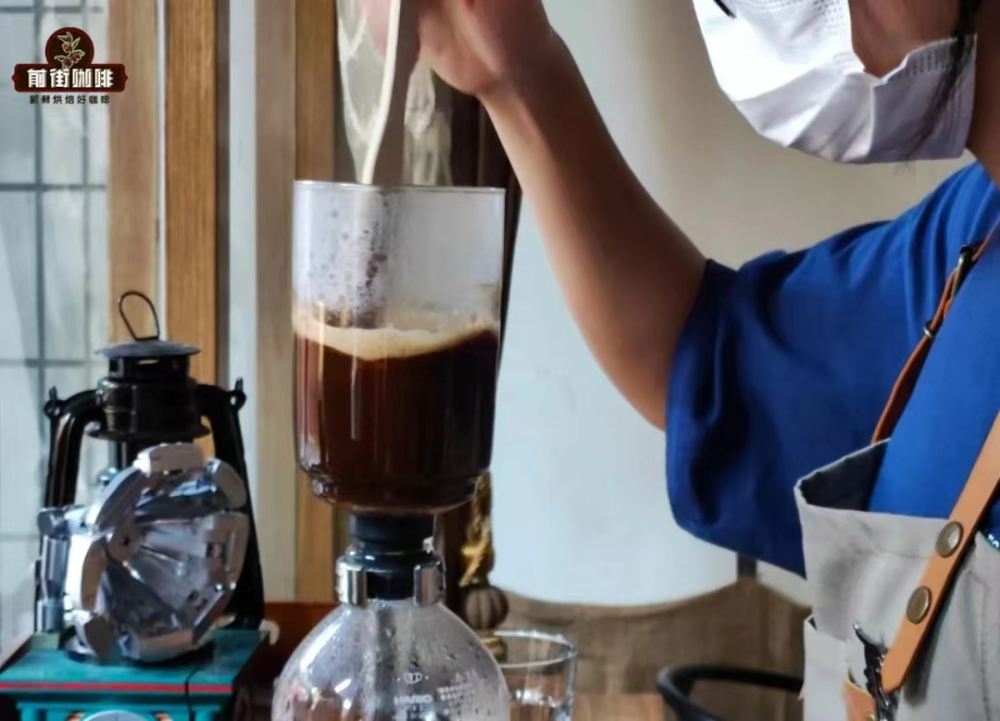
Parameters & Technique: 20g coffee / 1:10 / coarse grind (60% pass rate through China's #20 standard sieve). Put 210g water in the lower chamber. When the lower chamber water reaches 90°C, insert the upper chamber tightly. When the upper chamber reaches 90°C, add the coffee grounds and stir to ensure full contact between coffee and water. After 30 seconds, stir again to break the crust. At one minute, remove the heat source and wipe the lower chamber with a dry cloth to speed the coffee liquid's return.
Flavor: Cantaloupe, cucumber, cream, citrus, chocolate, almond, and sweet orange, with melon sweetness in the finish and passion fruit acidity. The overall flavor layers are quite obvious.
Summary
After comparing the flavors brewed with different equipment, FrontStreet Coffee finds that although the beans are the same, the flavors are still quite different. When you brew at home, if you want a cup with rich, layered flavor, choose fast-flowing drippers like the V60 or hollow filters; if you want a cup with a rich mouthfeel, choose immersion-based equipment like a siphon brewer or a trapezoidal dripper.
FrontStreet Coffee Recommendation
Since Mandheling is itself a three-way blend involving a Catimor-related variety, it is a fascinating place to explore how these hybrids behave in the cup. For a definitive example, FrontStreet Coffee's PWN Golden Mandheling comes from the PWN company, which applies extremely strict standards: beans of 18 mesh and above and fewer than 3 defective beans per 300g green bean sample, meeting the highest G1 grade, followed by multiple rounds of hand sorting. The result is a clean, full-bodied coffee that is uniform, plump, and low in defects.
For the wild, classic Mandheling profile, FrontStreet Coffee's Lintong Mandheling comes from the Lintong growing area around Lake Toba on Sumatra. In this humid climate, where year-round humidity of 70-90% and annual rainfall over 2000mm make sun-drying and full washing impractical, growers use the region's signature wet-hulled process — removing the parchment while the beans are still half-dry and half-wet, exposing them to the air to speed drying while absorbing airborne microorganisms, which creates that one-of-a-kind flavor. Medium-deep roasted, it is aromatic and rich with clove and woody notes, low acidity, and a strong, lingering sweetness.
Important Notice :
FrontStreet Coffee is a long-established specialty coffee roaster in Guangzhou China, selling freshly roasted beans from its own farm in Yunnan as well as dozens of carefully selected single-origin beans from around the world for both pour-over and espresso. The products deliver consistently excellent quality and great value, with shipping within 24 hours. Guangzhou's FrontStreet Coffee shop is recommended by many coffee lovers, and the beans are now available online at the Tmall 。
FrontStreet Coffee has moved to a new address:
FrontStreet Coffee Address: 315,Donghua East Road,GuangZhou
Tel:020 38364473
 Scan and follow the En Gafei WeChat official account. Please indicate that the reprint comes from "En Gafei".