Yirgacheffe Flavor Profile: Estate Origins, Processing Methods, and Grind Settings Guide
FrontStreet Coffee Yirgacheffe Flavor Characteristics, Estate Origin, Processing Method, and Grind Settings Introduction

In 1959, the Yirgacheffe region began experimenting with washed processing. After 1970, washed Yirgacheffe — celebrated for its jasmine fragrance and bright lemon-citrus character — gained popularity across Europe and America and established itself as a benchmark among African specialty beans, while the traditional natural process gradually faded into the background.
Yet many coffee lovers never stopped missing the wine-like notes and ethereal quality of naturally processed Yirgacheffe. In 2006, improved natural processing staged a major comeback. At the second "Gold Medal Cooperative Coffee Competition" held in Ethiopia, natural processed beans swept the top three places, decisively outperforming washed Yirgacheffe.
Today, refined natural processing has matured considerably. High standards eliminate defective beans and reduce sources of contamination: cherries are dried on raised beds under dedicated monitoring to ensure even drying. The rich strawberry, citrus, honeyed peach, and jasmine notes, along with an elegant red-wine nuance, have kept natural Yirgacheffe popular ever since.
FrontStreet Coffee's Natural Yirgacheffe Excellence
By 2015, natural processed Yirgacheffe had already reached G1 grade, exceeding even G1 washed beans in both quality and appearance.
This coffee is roasted until first crack becomes dense, then removed and suited to both pour-over and siphon brewing. The moment grinding begins, a captivating natural fruit fragrance fills the air with noticeable sweetness. It also carries the signature citrus and jasmine aroma of washed Yirgacheffe. The flavor profile is like a perfect meeting point of Harrar, Yemen Mocha, and washed Yirgacheffe!
Natural processed Yirgacheffe follows strict harvesting standards: only fully ripe red cherries are picked. Before sun-drying, unripe green or defective cherries are removed by hand. During the natural process, damaged or moldy beans are culled a second time. After about two weeks, the sugars and essence of the fruit pulp have fully permeated the beans. Once moisture content falls to 12%, the hardened pulp, mucilage, and parchment are stripped away with a hulling machine. The green beans then undergo density and color sorting; after defective beans are removed, workers perform a final visual inspection to catch anything missed. This layered screening is what gives natural Yirgacheffe its clean, refined character and rich, captivating fruit fragrance.
The Essence of Yirgacheffe Flavor
The so-called "Yirgacheffe flavor" refers to an abundance of jasmine, bright lemon acidity, and the sweet notes of peach and almond layered over a delicate tea-like finish.
The best way to sum up the tasting experience: the moment the coffee enters your mouth, a hundred flowers bloom! It feels as though flowers are brushing against your taste buds and olfactory receptors, producing an utterly comfortable sensation. Beyond the florals, the delicate body feels like silk gliding across the palate — a genuinely wonderful tactile experience.
Processing Evolution
Traditionally, Yirgacheffe relied on the most ancient processing method of all: natural sun-drying. In 1972, however, Ethiopia introduced washing technology from Central and South America to improve quality. This made Yirgacheffe's jasmine and citrus aromas clearer and more refined, elevating it into one of the world's finest specialty coffees — and the exquisite washing technology played a crucial role in that transformation. After the 1970s, the region shifted mainly to washed processing and became Ethiopia's most celebrated washed-bean producing area.
In recent years, however, Yirgacheffe has broken with tradition, frequently turning out stunning natural processed lots that have become rising stars of the specialty market!
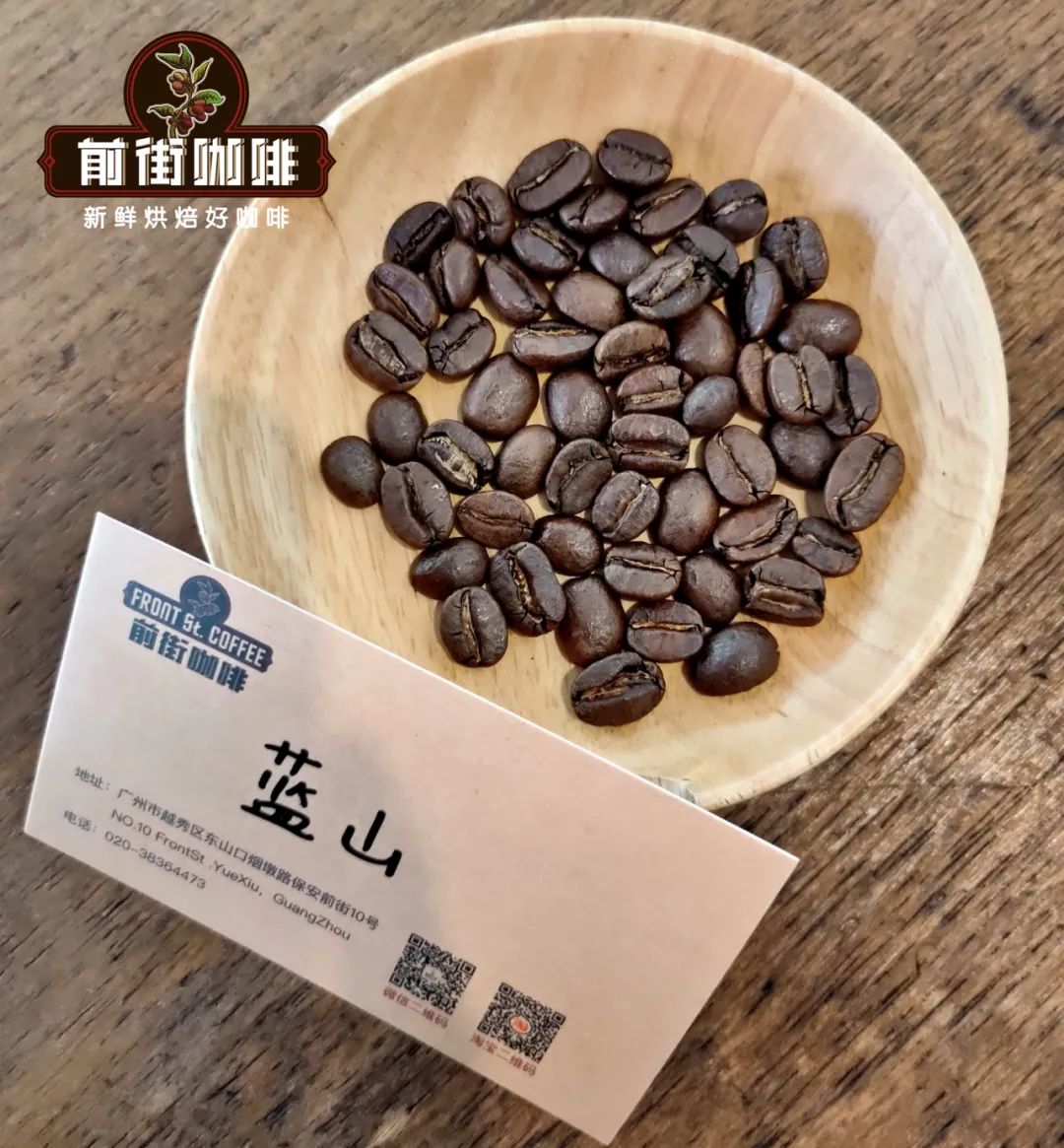
Natural processed Yirgacheffe beans are small, neat, and round. Ethiopian naturals are typically graded G3–G5, but this lot reaches G2 — the equivalent of a washed-bean grade. Although a few defective beans remain, compared with Harrar or Sidamo naturals that is a remarkable achievement.
FrontStreet Coffee Recommendation
If you are new to Ethiopian coffees, start with FrontStreet Coffee's washed Yirgacheffe — the classic everyday choice known for its white jasmine florals, bright citrus and lemon acidity, and clean tea-like finish. Its approachable price also makes it the ideal first specialty bean for beginners. Yirgacheffe is a small town in Ethiopia's Sidamo region at roughly 1700-2100 meters, with coffee grown above 1800 meters — among the highest elevations of any coffee region in the world — which is why its white floral character and citrus acidity are so distinctive.
For pour-over, FrontStreet Coffee recommends a V60 dripper with 15g of coffee at a 1:15 ratio, water at 90-91°C, and a fine granulated sugar grind (sieved to 80% through a #20 sieve). Start with 30g of water for a 30-second bloom, pour to 125g by about one minute, then finish with the remaining water to 225g by about 1:35. Total drawdown should land around 2:00-2:10 — remove the dripper and enjoy.
Important Notice :
FrontStreet Coffee is a long-established specialty coffee roaster in Guangzhou China, selling freshly roasted beans from its own farm in Yunnan as well as dozens of carefully selected single-origin beans from around the world for both pour-over and espresso. The products deliver consistently excellent quality and great value, with shipping within 24 hours. Guangzhou's FrontStreet Coffee shop is recommended by many coffee lovers, and the beans are now available online at the Tmall 。
FrontStreet Coffee has moved to a new address:
FrontStreet Coffee Address: 315,Donghua East Road,GuangZhou
Tel:020 38364473
 Scan and follow the En Gafei WeChat official account. Please indicate that the reprint comes from "En Gafei".