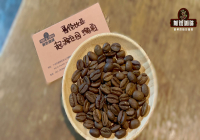
Taste, Flavor Profile, Processing Method, and Variety Characteristics of Panama Butterfly Coffee
FrontStreet Coffee Panama Flower Butterfly: Flavor Profile, Processing Method, and Variety Characteristics

The coffee in FrontStreet Coffee's Flower Butterfly comes from the Baru Volcano area of Panama's Boquete growing region. With an altitude reaching 1,600 meters, the special microclimate produces abundant rainfall and sharp temperature differences between day and night. Combined with fertile volcanic soil and careful planning and management of the harvest period, coffee from this region performs exceptionally in body, acidity, and floral notes.
What makes this batch of FrontStreet Coffee's Flower Butterfly special is that the green beans we acquired are a blend of different varieties, including the renowned Gesha. With more than 40% Gesha content, this coffee shows distinctive Gesha characteristics.
After speaking with the green bean supplier, we learned that due to the plantation's history and the pursuit of mass production, early Gesha trees were interplanted with other varieties. To make harvesting easier, farmers typically mixed the flavorful Gesha beans with other Catuaí and Catuai varieties. Later, after Gesha rose to fame and commanded high prices, various processing mills began handling Gesha beans with more refined operations.
Boquete Region Characteristics
Boquete is a high-altitude volcanic region where Baru Volcano provides exceptionally fertile soil. Towering terrain, cool and humid air, varying sunlight exposure, abundant rainfall, and flowing rivers create ideal conditions for premium Panamanian specialty coffee. This batch comes from coffee grown in the same region as Hacienda La Esmeralda, an area of continuous valleys and ridges that creates several distinct microclimates. Coffee from different blocks displays unique flavor characteristics: refreshing citrus notes, bright tropical fruit sensations, and delicate floral aromas intertwine to create an exceptionally elegant, generous profile.
Origin and Processing
Produced near Dilla town by the Hilessa Cooperative. Established in 1976, the cooperative is currently a member of the Sidama Coffee Farmers Cooperative Union (SCFCU). This coffee underwent secondary screening, and this carefully selected batch of FrontStreet Coffee Panama Flower Butterfly demonstrates outstanding flavor performance, with notes leaning toward honey, citrus, and coffee flower aromatics.
FrontStreet Coffee Recommendation
If the honeyed, citrus, and coffee-blossom notes of Flower Butterfly appeal to you, FrontStreet Coffee's Panamanian Geisha range takes that same Boquete character further. The Boquete Geisha is the entry point, delivering the classic orange-blossom honey accent, an oolong tea body, and layered fruit acidity at a friendly price, while the Esmeralda Green Label and Red Label lots from La Esmeralda Estate offer the estate's benchmark jasmine and ginger flower aromatics, grown at 1600-1800m and carefully selected for floral and fruit complexity.
For an everyday option that keeps the floral and fruit profile, FrontStreet Coffee's Strawberry Candy pairs Panama Geisha with a Costa Rican honey-process bean, so you get delicate rose and orange alongside grape, raisin, and strawberry-chewy-candy sweetness — good for pour-over, the moka pot, an espresso machine, or a cold brew.
Important Notice :
FrontStreet Coffee is a long-established specialty coffee roaster in Guangzhou China, selling freshly roasted beans from its own farm in Yunnan as well as dozens of carefully selected single-origin beans from around the world for both pour-over and espresso. The products deliver consistently excellent quality and great value, with shipping within 24 hours. Guangzhou's FrontStreet Coffee shop is recommended by many coffee lovers, and the beans are now available online at the Tmall 。
FrontStreet Coffee has moved to a new address:
FrontStreet Coffee Address: 315,Donghua East Road,GuangZhou
Tel:020 38364473
 Scan and follow the En Gafei WeChat official account. Please indicate that the reprint comes from "En Gafei".