Colombian Geisha Coffee Beans: Estate Origin, Flavor Profile, Taste Characteristics, and Variety Introduction
FrontStreet Coffee has acquired many different Geisha coffee beans from various regions, whether from Panama, Costa Rica, Guatemala, Ecuador, or Ethiopia—Geisha from different regions each have their own characteristics.
In this article, however, FrontStreet Coffee wants to introduce Geisha from another country—the anaerobic natural processed Geisha from Finca El Origen in Colombia. What makes this Geisha special? This anaerobic natural processed Geisha showed intense berry candy notes during cupping, with the sweetness of blackcurrant candy, the sweet-tartness of hibiscus dried fruit, the subtle fragrance of orange blossom, and a black tea-like aftertaste, with a very rich and full mouthfeel.
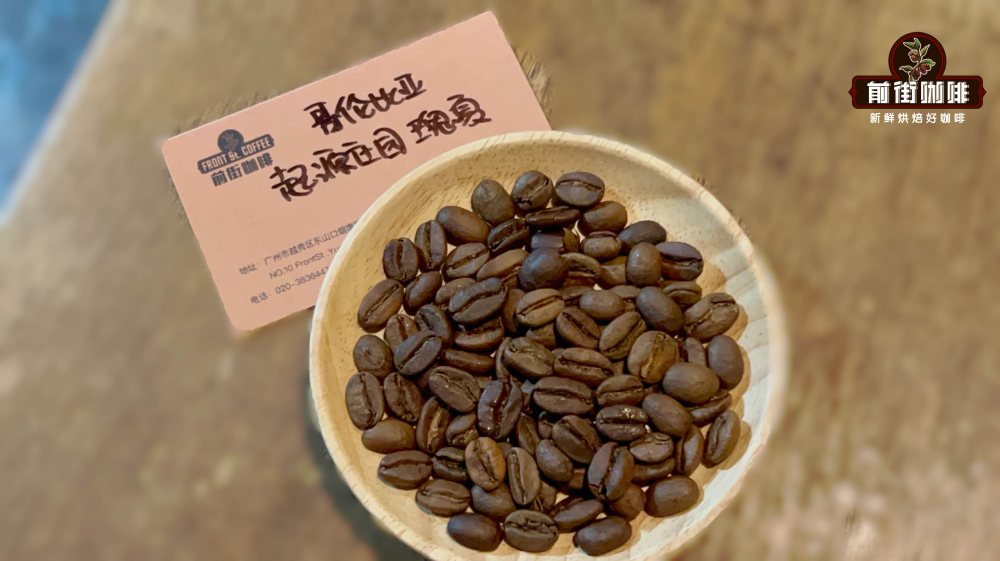
Colombia
Colombian coffee is quite famous in the world. After all, it was once the second-largest coffee-producing country and now ranks third. Before 2001, Colombia focused more on the commercial coffee bean market. It wasn't until after 2001 that it began to enter the relatively niche specialty coffee market. Even so, because Colombia's environment is very suitable for growing specialty coffee—rich topography, low latitude, high altitude, large temperature differences, slow coffee bean growth—it has considerable explosive potential in specialty coffee.

Colombia has three Cordillera mountain ranges running north-south, extending toward the Andes Mountains. Coffee is planted along the highlands of these mountain ranges, providing diverse climates. Here it is harvest season year-round, with different types of coffee maturing at different times. Fortunately, unlike Brazil, Colombia doesn't have to worry about frost damage. Colombia has approximately 2.7 billion documented coffee trees, of which 66% are planted using modern cultivation methods on plantations, while the rest are grown on traditionally managed small farms.
Finca El Origen
Finca El Origen is located in Colombia's most famous specialty coffee-producing region—Huila. The Huila region is a hilly area surrounded by mountains, with an altitude above 1,500 meters. Colombia's most important rivers converge here, bringing abundant water resources and moisture. Contrary to the impression of Colombian coffee as balanced and mellow, many smallholder micro-batch Colombian specialty coffees actually have distinct regional flavor characteristics.
Geisha
The Geisha variety was discovered in 1931 in the Geisha forest of Ethiopia and later sent to a coffee research institute in Kenya. In 1936 it was introduced to Uganda and Tanzania; Costa Rica introduced it in 1953, and it was brought to Panama in the 1960s.
Geisha coffee didn't receive much attention in the Panama region until around 2000, when the owner of Hacienda La Esmeralda discovered that it had different flavors from other coffee varieties, able to express bright, delicate citrus aromas and subtle floral fragrances.

Then, in 2004, it was submitted to the Best of Panama (BOP) competition, surprising all the judges and winning first place. After that, the Geisha variety from Panama was introduced and cultivated by other Central and South American countries, including the Colombia region.
Geisha coffee is particularly picky about its growing environment, requiring high altitude, cloud shade, fertile soil, and sufficient accumulated temperature. The average altitude is 1,625 meters, with an annual average temperature between 16°C and 25°C, and average rainfall of about 3,500 millimeters.
Anaerobic Natural Processing
Anaerobic natural processing is a post-processing method that builds on natural processing, using modern technology to let coffee cherries ferment in an anaerobic environment for a period of time. It involves placing freshly harvested coffee cherries into sealed barrels for low-temperature fermentation. In an anaerobic environment, the decomposition rate of mucilage decreases while the pH value drops more slowly, extending the coffee's fermentation time and developing more sweetness. The entire anaerobic environment must have strictly controlled temperature, averaging between 10 and 15 degrees Celsius.
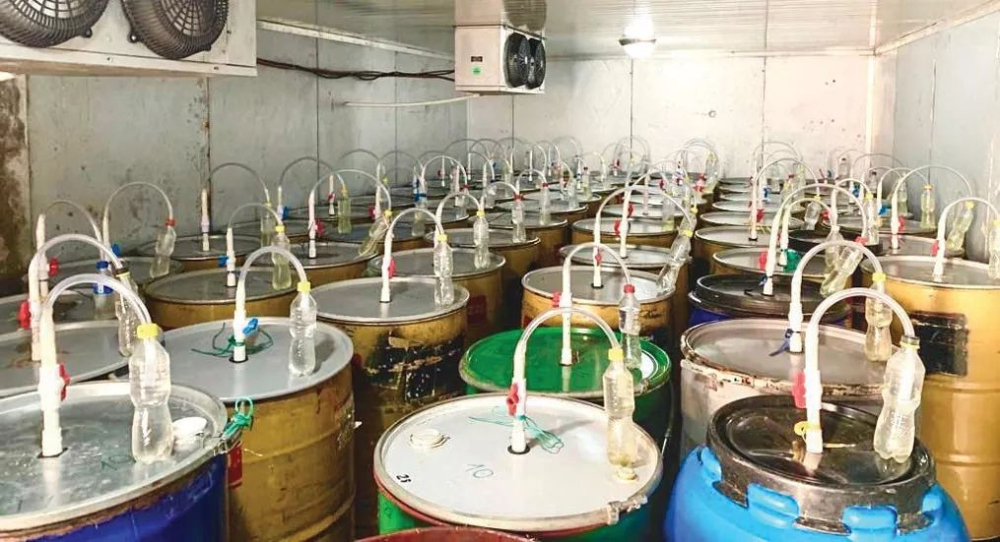
After more than three days of anaerobic fermentation, the coffee cherries in the barrels undergo natural sun-drying. Finally, the dried cherries have their excess parts removed to extract the coffee beans.
Colombian Geisha Coffee Pour-Over Recommendations
Dose: 15g
Ratio: 1:15
Water Temperature: 90°C
Grind Size: Medium-fine grind (80% pass-through through #20 sieve)
Pouring Technique: Three-stage pour

First stage: pour 30ml and bloom for 30 seconds. Second stage: using a small water stream, pour in a circular motion to 100ml. When the water level drops to the halfway point, third stage: using a small water stream, pour in a circular motion to 95ml. Total extraction time is 2 minutes.
FrontStreet Coffee Recommendation
To explore the natural-processed Geisha style that this Colombian lot represents, FrontStreet Coffee's naturally processed Geishas are the closest match. The FrontStreet Coffee Genlana Estate Natural Geisha comes from a single-variety farm on the border of Kochere and Genlana Abaya in Ethiopia; the cherries are hand-picked, dried on raised beds for 14-20 days depending on the weather, and roasted medium-light to show bright citrus acidity, elegant ginger-flower aroma, ripe-fruit sweetness, and a fine, silky body with the variety's signature refined finish. For a Geisha Village expression of the same approach, the FrontStreet Coffee Geisha Village Gold Label (Rarities), made from the Gesha 1931 variety and only 10% of the village's output, is natural processed and layers complex florals with a long, lingering finish. Both echo the berry-candy richness of this Colombian anaerobic natural while staying true to Geisha's delicate elegance.
Important Notice :
FrontStreet Coffee is a long-established specialty coffee roaster in Guangzhou China, selling freshly roasted beans from its own farm in Yunnan as well as dozens of carefully selected single-origin beans from around the world for both pour-over and espresso. The products deliver consistently excellent quality and great value, with shipping within 24 hours. Guangzhou's FrontStreet Coffee shop is recommended by many coffee lovers, and the beans are now available online at the Tmall 。
FrontStreet Coffee has moved to a new address:
FrontStreet Coffee Address: 315,Donghua East Road,GuangZhou
Tel:020 38364473
 Scan and follow the En Gafei WeChat official account. Please indicate that the reprint comes from "En Gafei".