Distribution Tool vs Tamper: How to Use Correctly and Espresso Extraction Parameters Affecting Americano Taste Factors
Understanding Coffee Distribution Tools: A Professional Guide
For professional coffee knowledge exchange and more coffee bean information, follow Coffee Workshop (WeChat public account: cafe_style)
When you watch espresso being made, you will notice baristas reaching for two tools to deal with the grounds sitting in the portafilter once the coffee is freshly ground: a flat cylindrical distribution tool, and a tamper with a handle. Many people who have watched FrontStreet Coffee's baristas pull shots have asked what these two tools actually do. In this article, FrontStreet Coffee explains what distribution tools and tampers are.
First, a quick look at the steps of making espresso:
Clean portafilter, grind and dose, distribute the grounds, tamp, lock the portafilter and extract, then clean the portafilter again. Distribution tools and tampers are the auxiliary tools that cover the distribution and tamping steps.
What is the Purpose of Coffee Distribution?
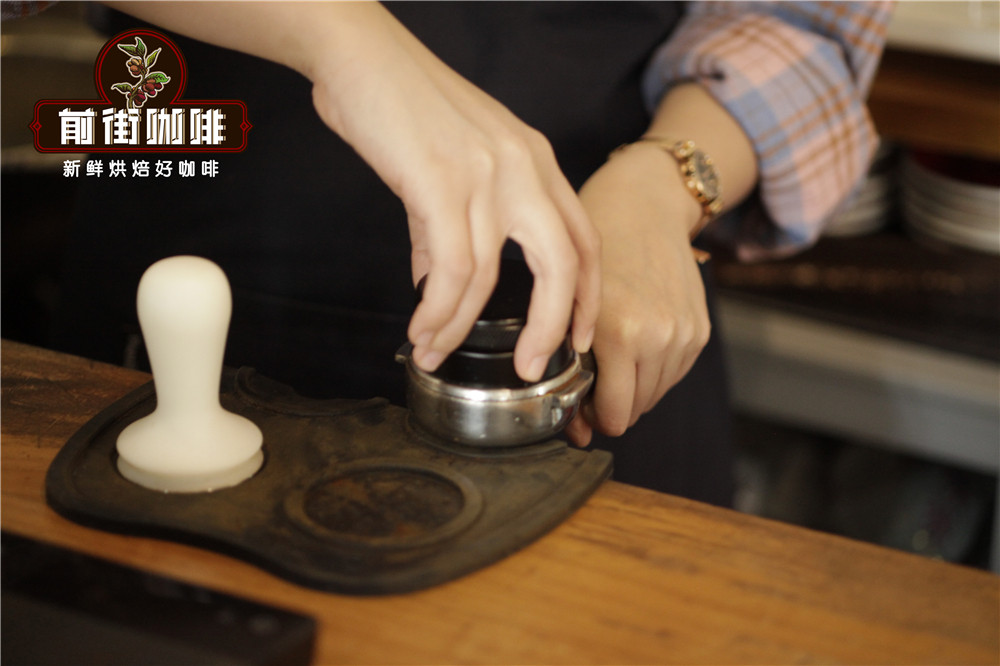
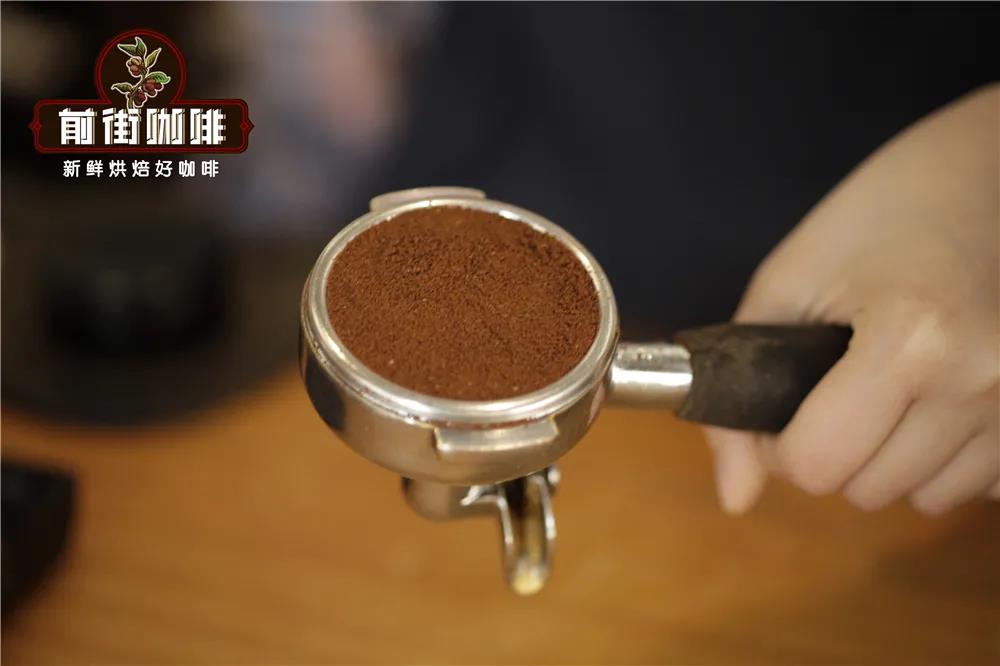
The main goal of distribution is to get the grounds sitting evenly in the portafilter with a flat surface, so the shot extracts uniformly. When coffee leaves the grinder and drops into the basket, two problems usually show up: static from the electric grinder makes the grounds clump together, and the grounds land at uneven density. There are usually two ways to distribute, one using your fingers and one using a distribution tool.
Is it Better to Use Fingers or a Distribution Tool for Coffee Distribution?
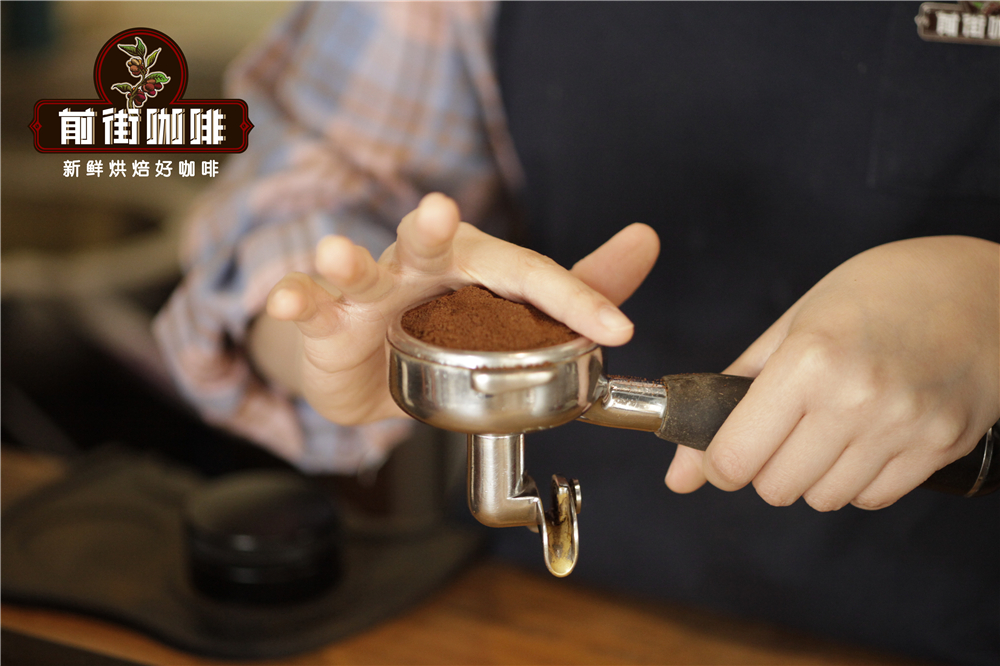
FrontStreet Coffee recommends using a distribution tool. For one thing, distributing with your fingers looks unhygienic. For another, fingers rarely achieve a truly even bed, and the unevenness raises the density between particles and intensifies channeling. Once channeling is baked in at the distribution stage, no amount of even tamping afterward can rescue the shot. Fingers also do not reliably break up the clumps that static creates, so particle density stays inconsistent and extraction suffers.
Advantages of Using Distribution Tools
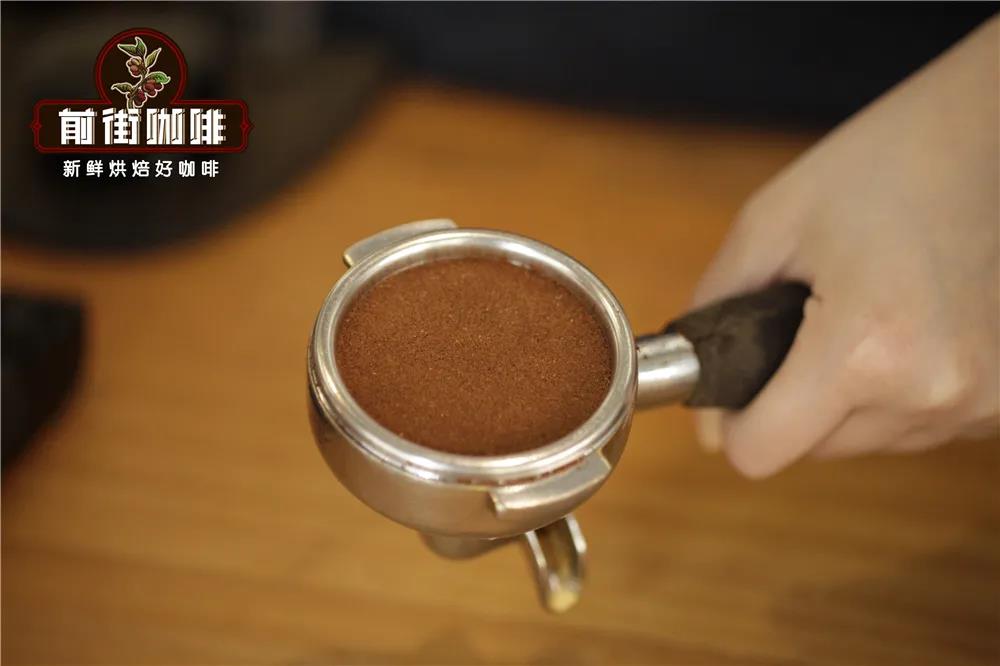
Distribution tools on the market come in single-blade, three-blade and four-blade versions. FrontStreet Coffee uses a single-blade tool. All three shapes serve the same purpose, evening out the grounds in the basket. Most distribution tools adjust in height, and that height actually sets how much the grounds get compressed. FrontStreet Coffee recommends setting the tool to 1mm for a double-shot basket and 2mm for a single-shot basket. Set too high, and the tool not only spreads the grounds but also compresses them in the process, which changes how much tamping force you need next and, ultimately, how the water flows during extraction.
What is the Purpose of Tamping?
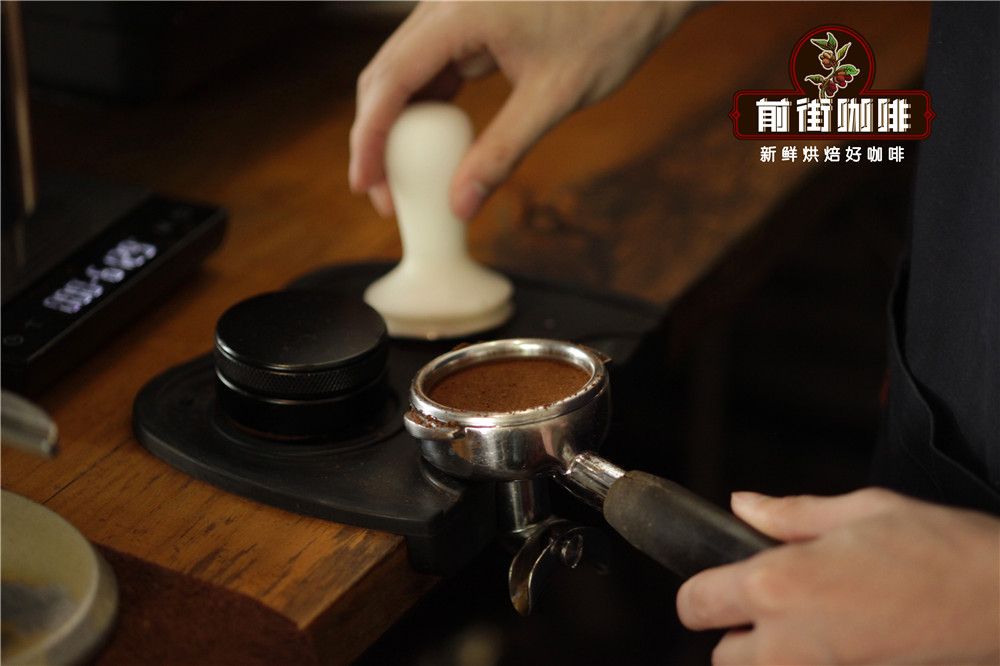
Tamping mainly prevents channeling and promotes more even extraction. Even after distribution, the gaps between particles can remain uneven, and a loose bed is easily washed aside by 9-bar hot water during extraction, which creates more channeling. Compacting the grounds makes the puck denser, shrinks those gaps and reduces the chance of channeling.
How Much Pressure Should We Apply When Using a Tamper?
Tamping pressure varies from person to person. Around 2000, when La Marzocco was designing the Swift automatic filling device, the company ran extraction experiments at forces from 2 to 30 pounds (approximately 15kg). They found that whatever force was applied, it was almost entirely absorbed by the time it reached the bottom of the puck. So tamping pressure has minimal impact on extraction, as long as the grounds are compacted firmly. You can also feel the puck change as you press, and there is no need to press hard. Press too hard and the puck's resistance becomes too strong, water takes longer to penetrate, and the shot turns thick, bitter and burnt.
What's the Difference Between Americano Made from Untamped, Evenly Tamped, and Over-Tamped Coffee Grounds?
For this experiment, FrontStreet Coffee used sun-processed Yirgacheffe blended with sherry barrel-fermented coffee beans. Extraction parameters: 19g dose, 35ml of espresso, and extraction times of 22s, 27s and 32s. Then 180ml of hot water was added to each, producing three Americanos for comparison.
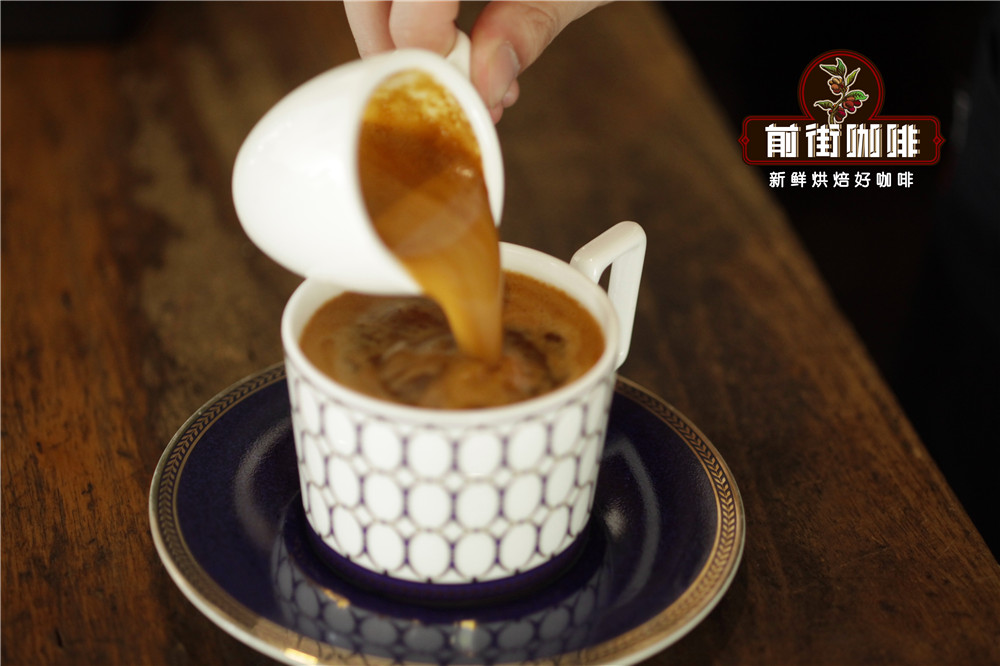
The Americano from untamped grounds had sharp acidity, a thin taste and no body whatsoever.
The Americano from evenly tamped grounds had a rich whiskey aroma, gentle fruit acidity and a nutty aftertaste.
The Americano from over-tamped grounds showed burnt characteristics, turned bitter on entry and was hard to swallow.
For more specialty coffee beans, add FrontStreet Coffee's private WeChat: kaixinguoguo0925
FrontStreet Coffee Recommendation
Once your distribution and tamping are dialled in, the beans have to keep up. For beginners making Americano on a home machine, FrontStreet Coffee's Classic Blend is the straightforward pick. Built from Indonesian Mandheling, Brazilian Red Bourbon and washed Vietnamese beans in a traditional Italian-style recipe, it balances the low-acid, full, herbal and woody character of Asian coffee against the even, smooth, creamy quality of the Americas. Expect butter, nuts, spice and dark chocolate on extraction, whether you are pulling an Americano or a latte, with the wild character and generous crema that define this blend.
If value matters more than crema volume, the FrontStreet Black Cocoa Blend pairs Yunnan small-bean coffee with Brazil Cerrado. It brings nuts, chocolate and cream to an Americano along with the ripe acidity of Sanhua plum, all in a soft, friendly body at a modest price. Its flexibility also makes it a common choice for opening a cafe. FrontStreet's Premium Blend, meanwhile, has been the house espresso for close to a decade, built on Brazil Cerrado and Colombia Huila for the classic Italian profile, and FrontStreet Coffee's Commercial Blend handles volume with a targeted recipe that keeps quality while controlling cost.
For a different direction, the Strawberry Candy espresso blend is a medium roast that gathers single-origin Arabica from Colombia, Costa Rica and Ethiopia, using washed, natural and honey processing to lift the aroma. It carries a rose note, low bitterness and gentle acidity, and in an Americano or latte you will find grape, dried blueberry, sweet orange and fruit candy, with an almond finish. If you want a single-origin SOE, FrontStreet's Ethiopia Hualv from the Hambela area of Sidama is a washed natural-processed lot from the Buku Abel station, offering cream strawberry, guava, dried mango, black tea and citrus.
Important Notice :
FrontStreet Coffee is a long-established specialty coffee roaster in Guangzhou China, selling freshly roasted beans from its own farm in Yunnan as well as dozens of carefully selected single-origin beans from around the world for both pour-over and espresso. The products deliver consistently excellent quality and great value, with shipping within 24 hours. Guangzhou's FrontStreet Coffee shop is recommended by many coffee lovers, and the beans are now available online at the Tmall 。
FrontStreet Coffee has moved to a new address:
FrontStreet Coffee Address: 315,Donghua East Road,GuangZhou
Tel:020 38364473
 Scan and follow the En Gafei WeChat official account. Please indicate that the reprint comes from "En Gafei".