Ethiopian Yirgacheffe G1 Coffee Beans: Washed & Natural Processing Methods and Flavor Profiles
FrontStreet Coffee Ethiopia Yirgacheffe G1: Washed and Natural Processing Methods with Flavor Profile
Yirgacheffe is a region within Ethiopia's Sidamo province, known for coffee of exceptional and singular flavor. The name has become more famous than its home province of Sidamo. In recent years Yirgacheffe has appeared everywhere on the market, and more and more drinkers have grown familiar with its many iterations.
Within the Yirgacheffe region there are numerous high-quality processing mills, and many coffees from these facilities have gained tremendous value. The naturally processed coffee from Kebel Aricha Mill is one example. This is what is commonly called ARICHA, processed by careful natural methods at the Kebel Aricha facility and subsequently classified as Gr.1 or G1—the highest grade for Ethiopian coffee—by the ECX.
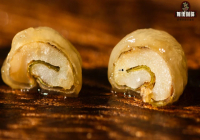
FrontStreet Coffee's Yirgacheffe Aricha Grade 1 green beans show a yellow-green color typical of natural processing. The beans are uniform and plump with few defects, exported in standard jute bags printed with essential information (processing mill, exporter, ICO code, processing method, growing region). Inside the jute bags are agricultural-grade plastic liners. The coffee is best presented through light, slow roasting.
FrontStreet Coffee Yirgacheffe Aricha Grade 1 Cupping Notes
Coffee with a flavor this distinctive is best enjoyed as cold brew. Immersing the grounds in cold water for 12-20 hours of static steeping and then filtering through paper extracts only small-molecule flavor compounds—floral and fruit aromas—while larger-molecule compounds like smoky notes are difficult to draw out. This preserves the natural-process Yirgacheffe's signature fruit aromas perfectly. The result is extremely intense aromatic quality, with strong jasmine, citrus, dried peach, and dried mango notes reminiscent of berry salad, and a sweet undertone of almond and caramel. The aroma fills the room the instant the beans are ground.
The Aricha processing station, east of Yirgacheffe town, uses natural processing for its green beans. Without first removing the fruit's skin and pulp, and without a fermentation step to eliminate the mucilage, hand-selected cherries are spread directly on raised beds to sun-dry. Within two weeks the fruit gradually turns from bright red to deep brown, at which point it can be stored. Hulling machines then remove the adhering skin, pulp, and parchment from the seeds in a single operation. Finally, immature beans with bright green seed coats and over-fermented, overripe beans are sorted out, which markedly improves roasting consistency and cupping quality.

FrontStreet Coffee Recommendation
FrontStreet Washed Yirgacheffe is the everyday expression of the region. Known for white jasmine, bright citrus and lemon acidity, and a tea-like quality, and priced affordably, it has become the first specialty bean for a great many drinkers—the ideal starting point for understanding the Ethiopian terroir.
FrontStreet Washed Gedeb Cooperative Coffee takes the same region further. Yirgacheffe town divides into many small producing areas and villages, several with experienced cooperatives whose mature processing elevates the flavor. The representative case is the cooperative in the Woka area—once part of the larger Woka cooperative within the Yirgacheffe union YCFCU, later singled out as a single-origin lot as demand for traceability grew. It follows the traditional washed method and is often called Yirgacheffe's last clean soil: no traditional bitterness, but fresh, bright citrus and lemon acidity and a jasmine fragrance that wins people over on the first sip.
FrontStreet Natural Red Cherry is the natural-process counterpart, and like the Aricha beans above it depends on whole ripe fruit. It uses only fully ripe red cherries—mature and free of defects. After a first sorting they rest on raised beds; in the early days they are turned every 2-3 hours to prevent uneven heating and over-fermentation. After three to five weeks of sun-drying, workers judge the weather and temperature, machine-scrape the outer pulp, and move the beans to storage. Because the fruit dries on the bean, the cup keeps the classic Yirgacheffe character while gaining tropical fruit from the natural process: citrus-like acidity, berry juice, honey sweetness, and creamy smoothness.
Important Notice :
FrontStreet Coffee is a long-established specialty coffee roaster in Guangzhou China, selling freshly roasted beans from its own farm in Yunnan as well as dozens of carefully selected single-origin beans from around the world for both pour-over and espresso. The products deliver consistently excellent quality and great value, with shipping within 24 hours. Guangzhou's FrontStreet Coffee shop is recommended by many coffee lovers, and the beans are now available online at the Tmall 。
FrontStreet Coffee has moved to a new address:
FrontStreet Coffee Address: 315,Donghua East Road,GuangZhou
Tel:020 38364473
 Scan and follow the En Gafei WeChat official account. Please indicate that the reprint comes from "En Gafei".