Yunnan Coffee Bean Varieties, Processing Methods, and Flavor Characteristics | Brewing Guide for Yunnan Coffee
Yunnan Coffee: China's Emerging Coffee Gem

Yunnan coffee has become familiar to everyone as domestic products have gained attention, and it now appears on menus in coffee shops everywhere. Some drinkers say Yunnan coffee does not taste very good, while others find it delicious. FrontStreet Coffee sees this as a matter of personal preference: tastes differ, so it is only natural that opinions do too.
The dry aroma of Yunnan coffee smells of nuts, and in the cup it opens into more chocolate, nut, and cream flavors with a prominent brown sugar sweetness. The overall mouthfeel is quite balanced. Because coffee is an agricultural product, the flavor shifts slightly from year to year. Today's Yunnan coffee carries some tea-like notes along with nut and pine flavors. It has something in common with FrontStreet Coffee's Colombian Huilan and Mandheling coffees, but a careful tasting reveals the differences: FrontStreet Coffee's Mandheling is rich and mellow with pine and herbal notes, the Huilan has nuts, dark chocolate, and gentle fruit acidity, while the Yunnan Arabica is more balanced yet still carries nut and pine notes, with added tea-like character and fruit acidity.
Yunnan: China's Premier Coffee Growing Region
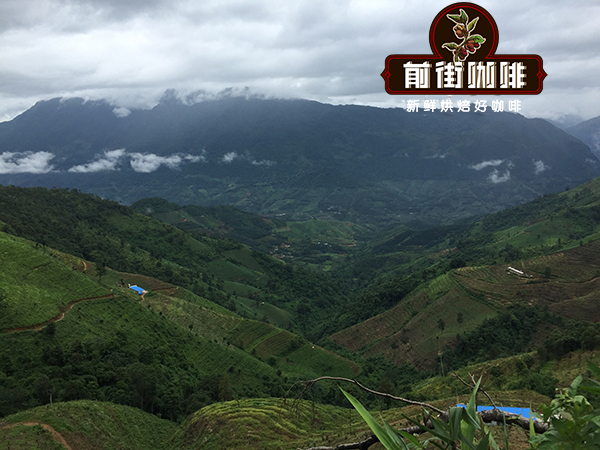
Yunnan is China's largest coffee-producing region, with recent annual output of about 26,000 tons, or 90% of the national total. It is also the most suitable area in the country for coffee, a genuine golden zone. The western and southern parts of the province lie between 15°N latitude and the Tropic of Cancer, and most of the land sits between 1,000 and 2,000 meters, predominantly mountainous and sloped with significant elevation change. Fertile soil, abundant sunlight, plentiful rain, and large day-night temperature differences combine to give Yunnan Arabica its distinctive character: rich without bitterness, aromatic without harshness, with a slight fruit note.
Yunnan's natural conditions closely resemble Colombia's, with low latitude, high altitude, and wide day-night temperature swings. Cupping the Arabica produced there places it in the mellow, aromatic category, with quality and taste similar to Colombian coffee.
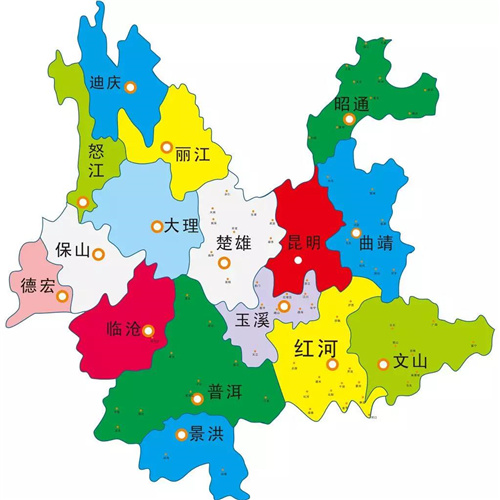
Coffee has been cultivated in Yunnan for 80 to 90 years. The tropical and subtropical areas of the south and southwest, together with the low-heat valley zones, suit Arabica well. Coffee is now grown in 27 counties across 11 prefectures, and the province holds 650,000 mu of land suitable for coffee.
Major Coffee Growing Regions in Yunnan
The main growing areas are Lincang, Baoshan, Dehong, and Pu'er. Pu'er is China's key coffee region, with the largest planted area, the highest output, and the best quality, and it serves as an important distribution center for the international coffee trade. Baoshan is the most famous source of Yunnan Arabica. In December 2010, Baoshan Arabica coffee received A-level certification and was recognized as a product reflecting China's national geographical indication through the China National Standards Administration process.
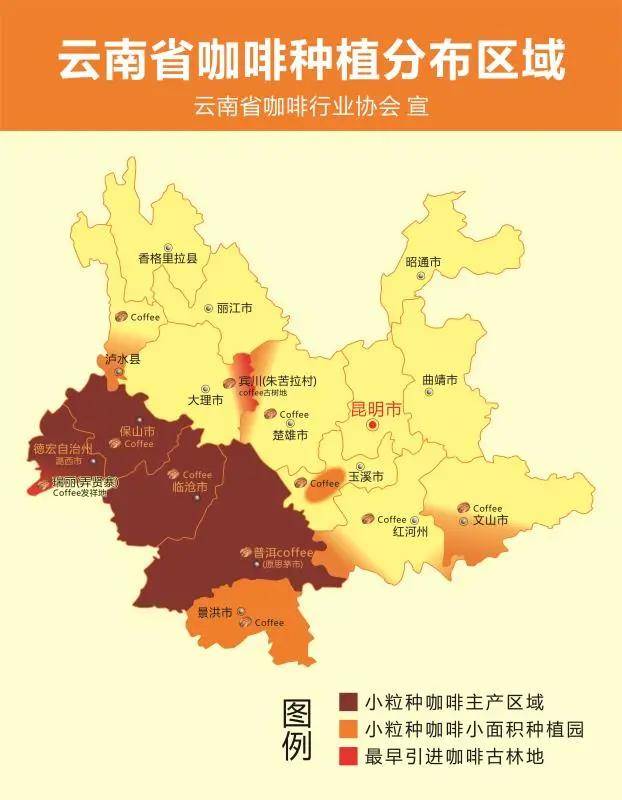
Lincang has a subtropical, low-latitude plateau mountain monsoon climate, and its complex terrain produces multiple climate types. Dominated by warm, humid air from the Indian Ocean and the southwest monsoon, the area has no clear four-season division but a distinct dry season and rainy season. Rainfall is plentiful and sunshine hours are long, averaging more than 2,000 hours a year. The frost period is short and some areas are frost-free year-round. The vertical climate is pronounced, with average annual temperatures in the mountains between 13 and 15°C.

FrontStreet Coffee's estate is located in Lincang, where FrontStreet Coffee grows the Typica variety.
Pu'er, known as the hometown of tea, has a 150-year history of coffee cultivation. In the early 1990s, the city began developing coffee as a backbone industry to adjust its industrial structure and raise farmer incomes. Under the subtropical monsoon climate, most of Pu'er is frost-free year-round, with no severe cold in winter and no extreme heat in summer. The city's average annual temperature ranges from 15 to 20.3°C, the annual frost-free period exceeds 315 days, and annual rainfall runs between 1,100 and 2,780 millimeters.
Coffee cultivation in Baoshan began in the mid-1950s, when the first seedling was introduced from Southeast Asia by the late patriotic overseas Chinese Mr. Liang Jinshan. In recent years, as international trade has expanded, Lujiangba's Arabica has become widely known. Baoshan has a low-latitude mountainous subtropical monsoon climate, and its position on a low-latitude plateau with complex topography creates a vertical climate where, as locals say, one mountain holds four seasons and ten miles bring different weather.
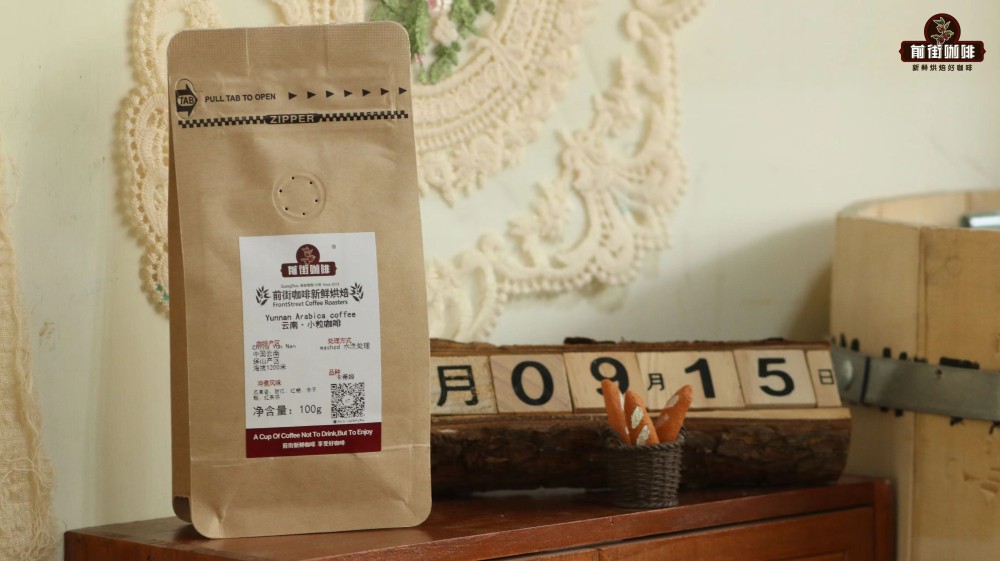
FrontStreet Coffee's Yunnan Arabica coffee comes from Baoshan.
Dehong has no severe cold in winter and no extreme heat in summer, with abundant rainfall that arrives alongside the heat, dryness and cold in the same season, small annual temperature variation but large daily swings, short frost periods, and few frosty days. These conditions give coffee trees excellent growing and overwintering conditions. The whole prefecture sits near the Tropic of Cancer at a low latitude and, influenced by the Indian Ocean southwest monsoon, has a south subtropical monsoon climate.
Main Coffee Varieties in Yunnan
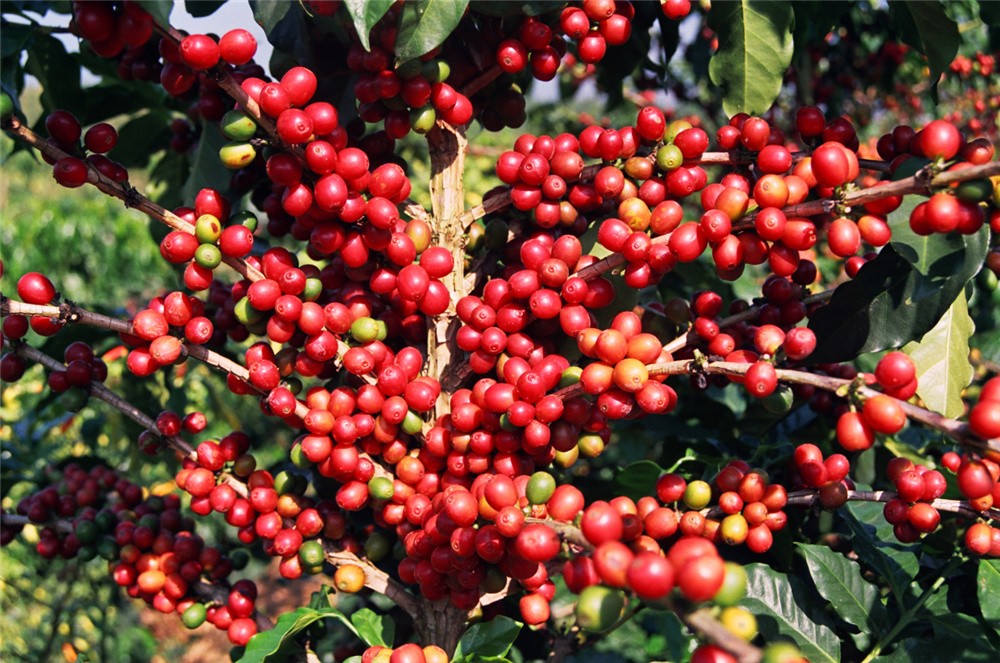
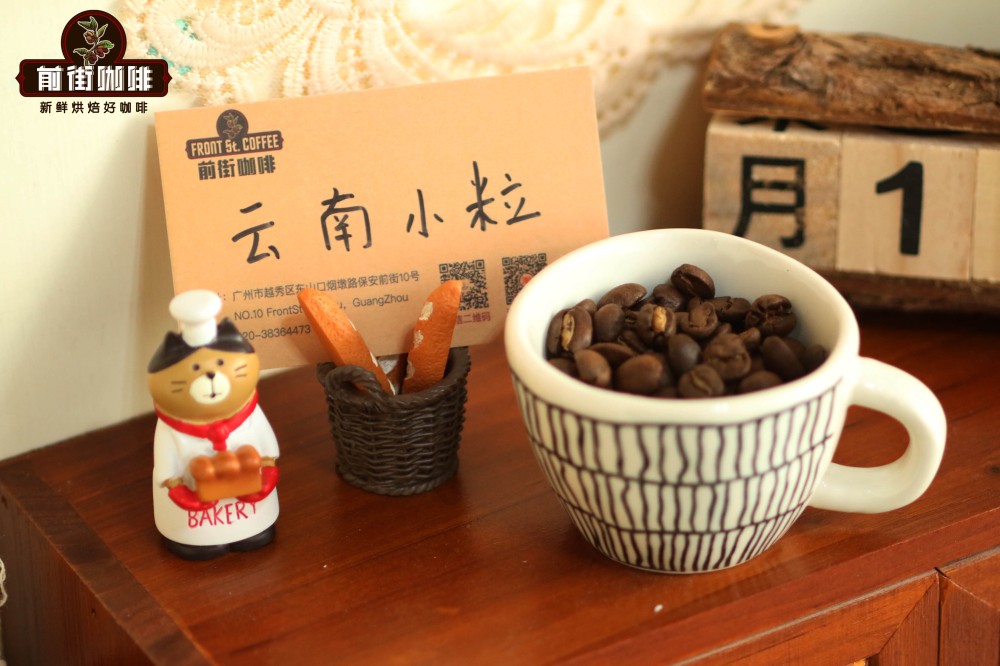
The first coffee variety grown in Yunnan was Typica, which can be traced to 1904, when the French missionary Alfred Tiede brought coffee seeds from Vietnam to Yunnan and planted them successfully in Zhugula Village, Binchuan County. That marked the beginning of Yunnan coffee, generally called small-seed coffee and known domestically as Yunnan Arabica. Typica has relatively low resistance to disease and pests and low yields, and it demands labor-intensive management; market purchase prices also offered little advantage. In recent years farmers have therefore switched to the newer Catimor variety, so the most commonly planted coffee in Yunnan today is Catimor and its improved selections, which is what people usually mean by Yunnan Arabica on the market.
Catimor Coffee Variety
Strictly speaking, Catimor is not pure Arabica. It is a hybrid of the Timor variety, which belongs to the Robusta species, and Caturra, a mutant of the Bourbon variety, which gives Catimor 25% Robusta genetic heritage.
That 25% Robusta heritage is precisely what shapes Catimor's flavor weaknesses: insufficient aroma richness, heavy bitterness, and a tendency toward astringency and irritating musty notes.
Typica Coffee Variety
Typica originates in southeastern Ethiopia and Sudan and is the most widely cultivated coffee variety in the Western Hemisphere. The plants are relatively robust but do not tolerate strong sunlight, and Typica's top leaves are copper-colored, which earned it the name "red-topped coffee." Many commercial improved varieties in use today descend from this type.
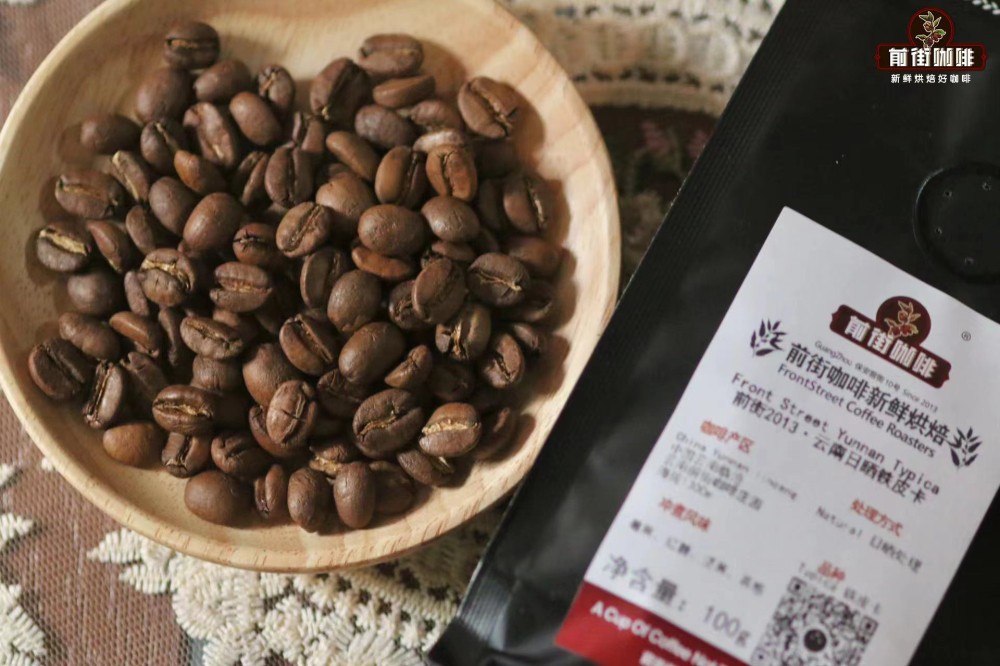
Typica beans are recognized as a specialty coffee variety, but yields are extremely low and the plants are susceptible to rust disease, requiring more human management and higher maintenance costs. Excellent estate coffees such as Jamaica Blue Mountain, Sumatra Mandheling, and Hawaii Kona all belong to the Typica family.
Yunnan Coffee Bean Processing Methods
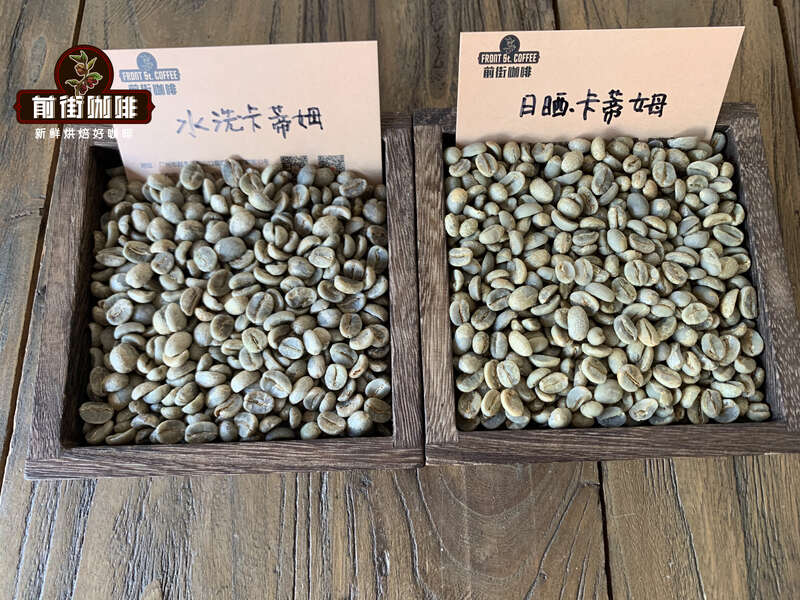
Yunnan's weather is marked by frequent rain and fog, which makes washed processing the most common approach for its coffee, and indeed most Yunnan coffee is washed today. FrontStreet Coffee believes washed coffee stands for cleanliness, stability, and higher acidity, and it has long held that washed processing brings out a coffee's local flavor best, which is why most of its daily beans are washed. FrontStreet Coffee's Yunnan coffee comes in both washed and natural versions.

In washed processing, machines remove the skin and pulp from the harvested cherries, the depulped beans go into fermentation tanks where fermentation breaks down the mucilage layer, and the fermented beans are then rinsed repeatedly with clean water to remove the decomposed mucilage before finally being dried.
FrontStreet Coffee's Brewing Guide for Yunnan Arabica Coffee
FrontStreet Coffee finds Yunnan coffee's flavor quite balanced, containing sweet, sour, and bitter notes at once. It therefore chose a medium roast to highlight chocolate aroma while retaining some acidity. Through cupping, FrontStreet Coffee tastes nut and herbal aromas, brown sugar sweetness, and plum acidity with a balanced mouthfeel in its Yunnan Arabica daily bean, while the naturally processed FrontStreet Coffee 2013 has higher fruit sweetness, black-tea richness, and chocolate thickness, with a clear overall flavor and a clean aftertaste.
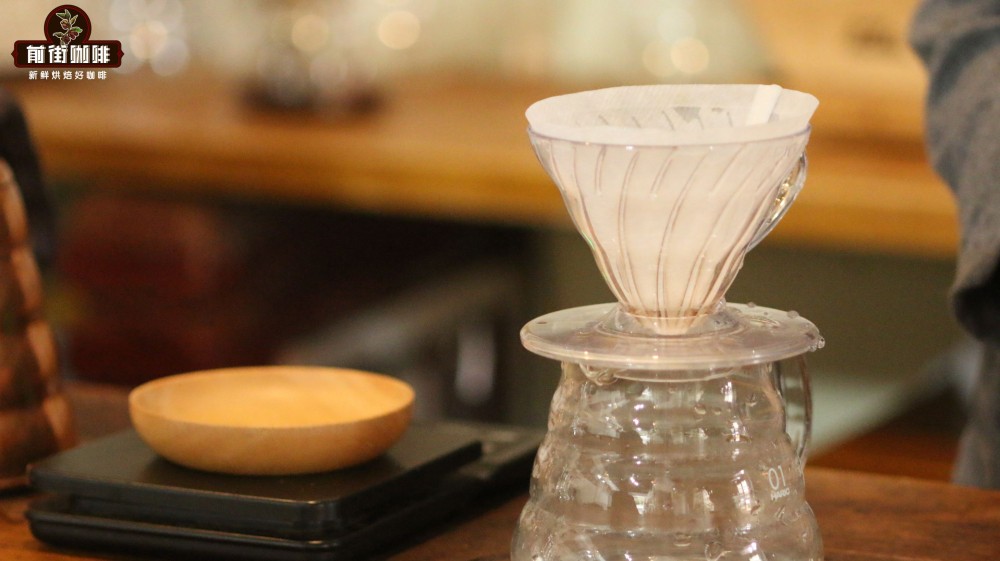
Because of that balance, FrontStreet Coffee chose a V60 with a hand-drip water temperature of 88°C. Too high a temperature easily produces burnt, bitter flavors, while too low a temperature leads to under-extraction, so 88°C is the middle ground used here. Compared with other conical drippers, the V60 has a wider outlet, and its spiral ribs running from top to bottom let water vapor escape more easily during extraction, which enhances the layers of flavor.
Some drinkers ask whether a KONO dripper would work for a medium-roast Yunnan Arabica. FrontStreet Coffee believes it can, but with a KONO the flavor becomes less rich and more mellow. Anyone curious can certainly try it.
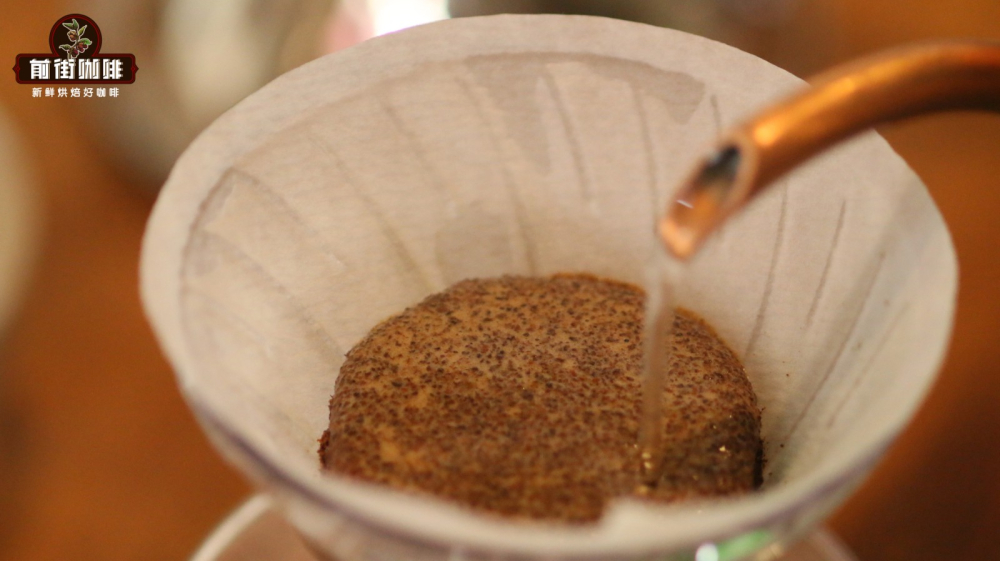
FrontStreet Coffee's Yunnan Arabica brewing parameters: dripper V60, water temperature 88°C, coffee-to-water ratio 1:15, grind size medium with a 75% pass-through rate on the China standard #20 sieve.
When brewing, a three-pour method gives the coffee richer layering. First pour 30g of water to wet the grounds fully and let them bloom for 30 seconds. Then use a small stream to pour slowly in a circle for the second pour, reaching 125g to split the extraction. When the water in the dripper drops to just above the coffee bed, continue pouring. The third pour should reach 225g, then stop. Wait for all the water to drip through into the server before removing the dripper. Total extraction time is 2 minutes.
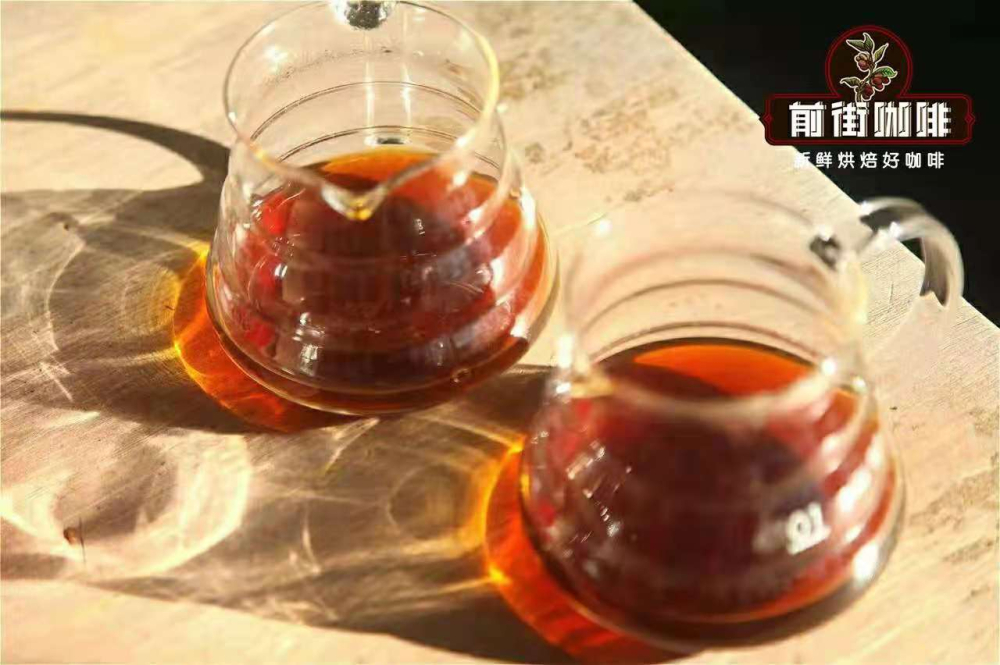
FrontStreet Coffee's washed Yunnan Arabica flavor: a rich nutty aroma, with herbal, chocolate, and caramel notes in the mouth and a light fruit acidity in the aftertaste.
FrontStreet Coffee's Brewing Suggestions
To brew a delicious cup, whether by hand-drip or as espresso, FrontStreet Coffee has always held that coffee bean freshness matters enormously. Every bag FrontStreet Coffee ships is within 5 days of roasting, because it understands how much freshness affects flavor. The roasting philosophy is "Freshly Roasted Good Coffee," so that every customer receives the freshest coffee when the order arrives. The degassing period is about 4 to 7 days, which means the coffee lands at peak flavor.

Some customers need FrontStreet Coffee to grind the beans, which is fine. One reminder: once beans are ground in advance they no longer need degassing, because during transport the pressure from carbon dioxide building up in the packaging helps round out the flavor, so the ground coffee can be brewed as soon as it arrives. Ground coffee must be brewed promptly, however, since it oxidizes quickly in air and the flavor fades faster. FrontStreet Coffee therefore suggests buying whole beans and grinding fresh before brewing to appreciate the coffee's flavor best.
People once said that imported coffee tasted better, but Chinese coffee has risen to prominence too. FrontStreet Coffee carries three Yunnan coffees: FrontStreet Coffee's Washed Yunnan Arabica, FrontStreet Coffee's Natural Yunnan Catimor, and FrontStreet Coffee's 2013 Natural Typica.
FrontStreet Coffee Recommendation
Yunnan's balanced, low-acid, nut-and-chocolate profile shares a family resemblance with another classic that FrontStreet Coffee knows well, and if you enjoy the Yunnan style you will likely enjoy Mandheling too. Sumatra in Indonesia produces more than 60% of the country's Arabica and Robusta, and only the higher-altitude areas of Aceh and North Sumatra grow Arabica on a large scale. Sumatra's climate is the reason for wet hulling: humidity runs 70 to 90% year-round with frequent typhoons and annual rainfall above 2,000 mm, which rules out the 2 to 3 week sun-drying used in Africa and makes fully washed processing too costly in water and labor for most farmers. Instead the parchment is stripped from the bean while it is still half dry, exposing the bean to the air to speed drying, and this method is what produces Mandheling's distinctive heavy body and its earthy, herbal, slightly wild character.
FrontStreet Coffee offers two expressions of it. The Lintong Mandheling, from the area around Lake Toba in North Sumatra, is the traditional daily-bean version, wet-hulled and prized for that herbal fragrance. Above it sits the PWN Golden Mandheling, an exclusive signature product from Indonesia's PWN company, which registered the name and buys only high-quality Mandheling green beans. PWN selects beans of 18 screen or larger and holds the top G1 grade, with fewer than 3 defective beans per 300g sample, then applies one machine sort plus three hand sorts to remove every remaining defect and ensure uniform color, shape, and size. Both are roasted medium-dark, which softens the acidity and plays up the black chocolate, caramel, and herbal notes, and both suit drinkers who prefer a low-acid, full-bodied cup.
Brewing Mandheling as pour-over shows it at its best. FrontStreet Coffee suggests water at 87 to 88°C, 15g of coffee, a 1:15 ratio, a coarse granulated-sugar grind, and a three-stage pour, which brings out the full, rounded body and the caramel sweetness best. Pour 30 ml first to wet the grounds completely and let them degas, then add 100 ml to push out the golden foam and lift the bed, and finish with a gentle 95 ml pour down the center to raise the sweetness, leaving a cup of thick body, caramel sweetness, and chocolate and nut flavor. Mandheling also shines in milk: FrontStreet Coffee's Classic Blend pairs Brazil's creamy nut character with a medium-dark roasted Mandheling, whose butter, roasted chestnut, and caramel notes stand out and whose sandalwood, herbal, and spice aromas lift the body of the whole cup, with a small addition of Robusta for extra crema, making latte art and the layered gradient of a Dirty equally easy.
Important Notice :
FrontStreet Coffee is a long-established specialty coffee roaster in Guangzhou China, selling freshly roasted beans from its own farm in Yunnan as well as dozens of carefully selected single-origin beans from around the world for both pour-over and espresso. The products deliver consistently excellent quality and great value, with shipping within 24 hours. Guangzhou's FrontStreet Coffee shop is recommended by many coffee lovers, and the beans are now available online at the Tmall 。
FrontStreet Coffee has moved to a new address:
FrontStreet Coffee Address: 315,Donghua East Road,GuangZhou
Tel:020 38364473
 Scan and follow the En Gafei WeChat official account. Please indicate that the reprint comes from "En Gafei".