Espresso Extraction: Ratios, Time, and Key Considerations - Brewing Methods and Flavor Characteristics
What Is Espresso?
Espresso was invented in Italy. Since the early 20th century, this method of using steam pressure to create a beverage has been successfully commercialized, becoming one of today's most popular ways to brew coffee.
The Extraction Principle Behind Espresso
Whenever we brew coffee by any method, our goal is to dissolve the positive flavor compounds out of the beans with water and end up with a delicious cup. Coffee beans are made up of many substances, and about 30% of their components are water-soluble - fruit acids, caffeine, oils, and carbohydrates, for instance. Only about 20% of those are the pleasant-tasting aromatic small molecules that extract first; the larger molecules with woody and bitter tastes need longer extraction times. A barista's job, then, is to tune the relevant parameters so more of the high-quality components end up in the cup.
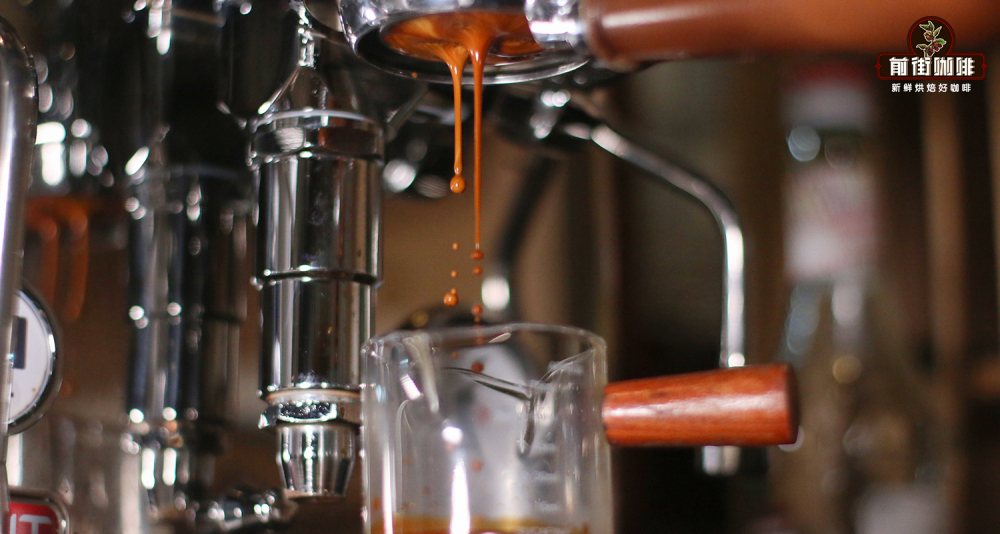
Espresso was developed by Italians to pull a strong cup of coffee in the shortest possible time. It uses steam pressure to compress coffee grounds within a matter of dozens of seconds, extracting soluble aromatic compounds. Because extraction is so short and the pressure so high, the concentrated flavors come through far more intensely. Producing a good espresso therefore demands stricter operation, with every influencing parameter weighed carefully.
Many factors shape the flavor between bean and cup: grind size, the espresso machine's boiler pressure, water temperature, distribution and tamping pressure, dose, extraction time, and the weight of the extracted liquid. Normally the machine's pressure and water temperature are fixed and not easily changed, and distribution and tamping come down to the barista's habits. That leaves four main variables for daily adjustments: dose, time, liquid weight, and grind size.

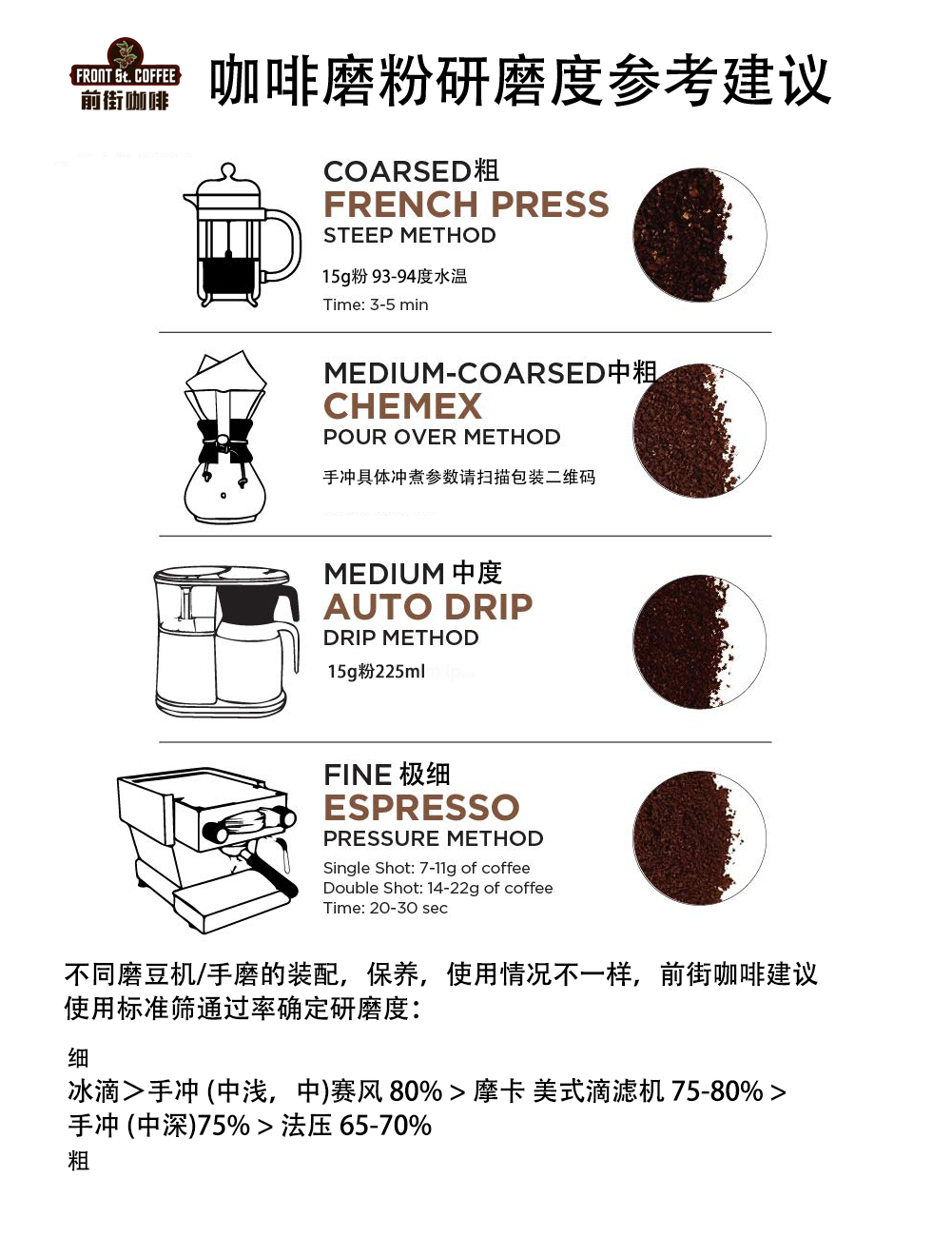
Grind Size
The coarseness and consistency of the grind are the most important factors behind the flow-rate variations between one espresso and the next. Even a 1-gram difference in dose can shift the flow time by several seconds when extracting the same amount of liquid. When particle sizes are uneven, the denser areas after tamping create greater resistance to the water, so extraction becomes inconsistent. Grind directly affects flow rate, time, and flavor.
Dose-to-Liquid Ratio
The ratio between the dose and the weight of extracted liquid is what we call the dose-to-liquid ratio, and it is a relatively intuitive parameter. The dose depends on the capacity of the portafilter basket, which comes in double and single sizes. FrontStreet Coffee's shop machines, for example, use 20 grams for a double shot, and adjustments are made from that baseline (accurate to 0.1 grams). Because the dose-to-liquid ratio is not fixed, the output volume should be decided by how the coffee tastes.

Earlier baristas had no precise scales and would judge the output volume by watching the color of the crema. At the start of extraction it looks dark brown and concentrated; over time it shifts to golden yellow, then to light yellow. Generally, extraction should stop when the crema turns white. Today's standards are stricter, with more stable data behind them, and dose-to-liquid ratios have settled near a reference value of 1:2. FrontStreet Coffee's shop, for example, uses 20 grams of grounds to extract 40 grams of liquid.
Extraction Time
Time is affected by grind, dose, and whether the grounds are evenly distributed, and it in turn influences flow rate and the dose-to-liquid ratio. Generally, espresso extraction time runs between 25 and 30 seconds. With a fixed dose-to-liquid ratio, a shorter extraction means a faster flow and fewer dissolved compounds; a longer extraction means a slower flow and more dissolved compounds. At the same dose-to-liquid ratio, the only way to change extraction time is to adjust the grind size and dose.
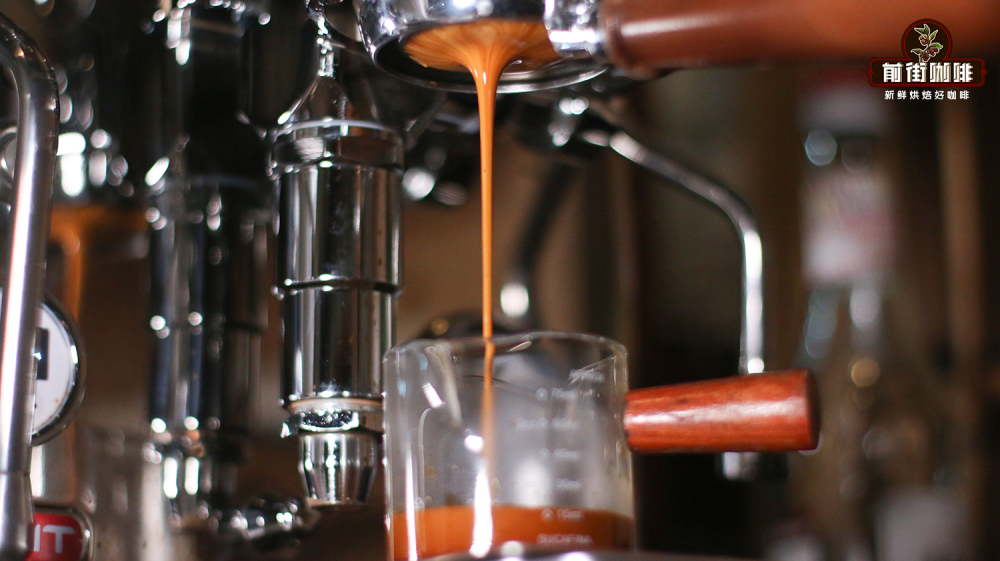
In daily practice, baristas keep concentration and extraction rate within an ideal range by judging the espresso's flow rate and taste, then adjusting two variables: grind size and the dose-to-water ratio. For example, at the same extraction ratio, an espresso that tastes of burnt bitterness while showing moderate concentration may simply have been extracted too long, pulling out those bitter notes; the usual fix is a coarser grind to speed up the flow. When an espresso tastes weak and under-concentrated, it may be under-extracted, which can be improved by increasing the dose or grinding finer to build a fuller mouthfeel.
What Other Operational Details Need Attention?
All of these parameters shift with the extraction state. We need to pay close attention and learn the adjustment directions that each extraction variable suggests, so we can better capture the excellent flavors in the cup.
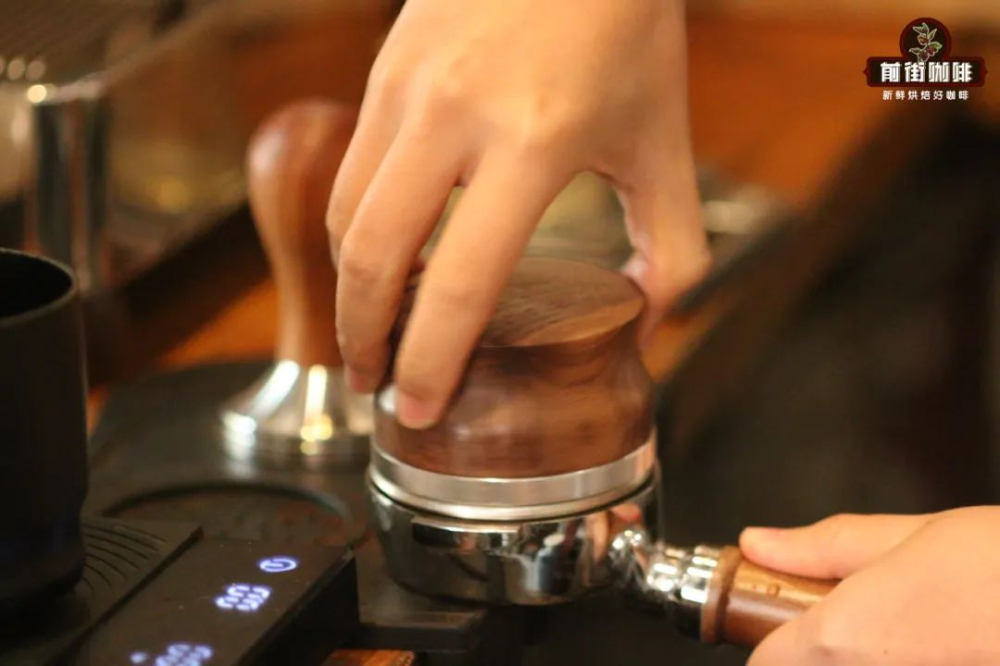
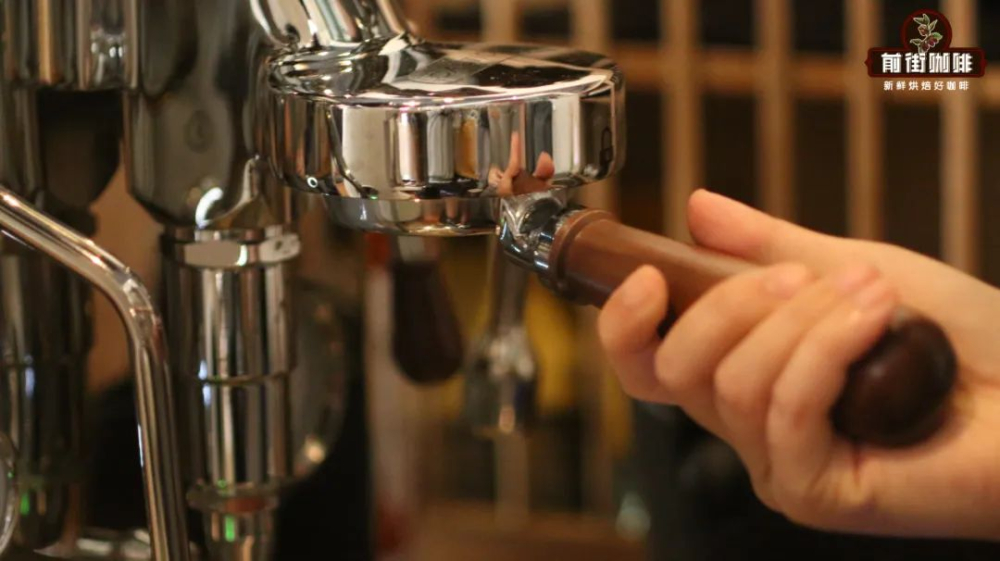
Whoever the barista, extracting a high-quality espresso requires every action to be precise and well executed. Distribution must be even and tamping pressure stable. Too little pressure or an uneven coffee bed leads to uneven extraction. Locking in the portafilter requires proper alignment too; if it knocks against the machine it can crack the puck, causing channeling and a cup that is hard to swallow.
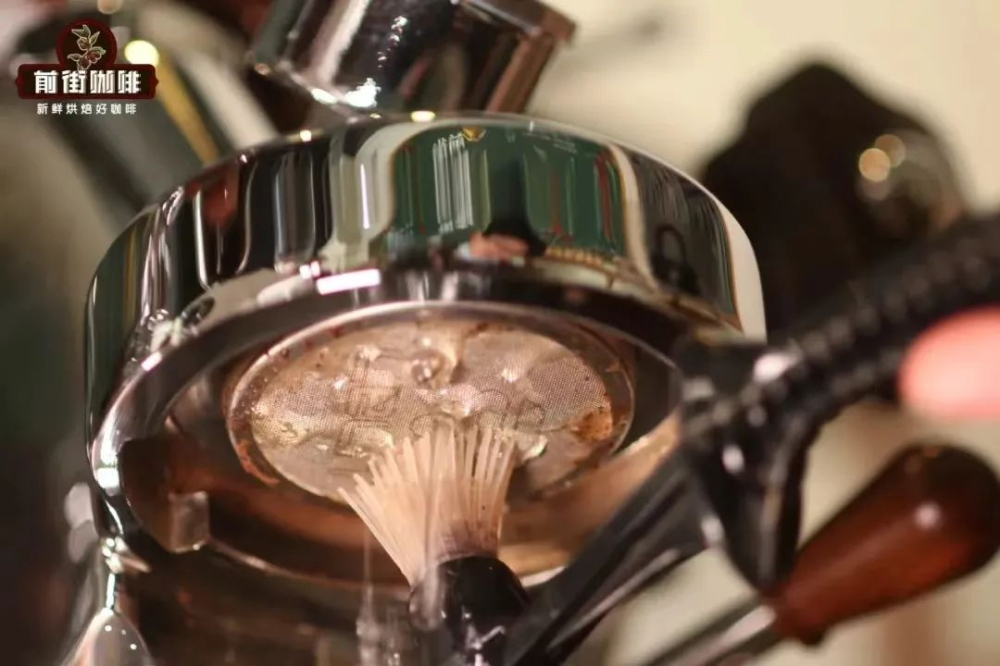
After extraction, some coffee residue sticks to the shower screen. Left there, it dries in the heat of the group head, and those residues affect the flavor of the next espresso. FrontStreet Coffee therefore suggests building a habit: once extraction finishes, remove the portafilter while simultaneously flushing the shower screen with water.
Recommended Espresso Coffee Beans
Because espresso is extracted with a fine grind, high water temperature, and high pressure, the concentrated coffee gathers multiple flavors at once, and those compounds hit our taste buds with multiplied force. If we use a light-roasted single-origin bean, the taste can become too strong and bury the coffee's aroma. Coffee is an agricultural product that varies with climate, soil, and more, so even beans from the same region differ from batch to batch. Blends use the principle of complementing strengths and offsetting weaknesses to keep every batch balanced and consistent in aroma and mouthfeel.

To help espresso release a rich golden crema and produce Italian coffee with a mellow, aromatic mouthfeel, we recommend FrontStreet Coffee's Classic Italian Blend. It is a dark-roasted coffee that brings together Brazilian natural-processed beans, Indonesian Mandheling, and Vietnamese washed beans. Beyond its roasted aroma, its key feature is a full crema. Whether made into an Americano or a latte, it delivers those qualities with ease.

A freshly pulled espresso is covered with a thick, dense golden foam called crema. It comes from carbon dioxide in freshly roasted beans foaming under the high pressure inside the machine. Crema is not only full of aroma but also essential for pouring latte art into milk drinks. To make sure everyone can drink fresh, aromatic coffee and enjoy the fullest flavor, FrontStreet Coffee ships only beans roasted within 5 days.
FrontStreet Coffee Recommendation
Once your dose, time, liquid weight, and grind are dialed in, the next variable is the bean itself - and for espresso at home, a well-built blend makes all the difference. FrontStreet Coffee's Classic Blend is the first pick. It is designed specifically for espresso and moka pot use, and its greatest strength is a superb crema: even a beginner on an entry-level home machine can pull a dense, fine crema without trouble. It follows a traditional Mamba-style recipe, giving a full, warm, rounded cup that seasoned drinkers and newcomers alike can enjoy, and it works just as well at home as it does behind a counter.
If you lean toward a nutty, aromatic profile, FrontStreet Coffee's Premium Blend is the natural companion. It pairs a washed Colombian coffee with a Brazilian semi-washed coffee in a classic combination, and as espresso it shows nuts, dark chocolate, and caramel. Made as an Americano, latte, or flat white, it highlights the soft aromas of cream, almond, and cocoa, with a crema that stands up to any cafe, which makes it ideal for anyone practicing latte art or planning to open a shop. Both blends are dark-roasted Italian-style recipes built on Brazilian beans, which supply chocolate and cream aromas plus a gentle sweet-sour balance, and that balance is exactly what keeps extraction stable from shot to shot.
Important Notice :
FrontStreet Coffee is a long-established specialty coffee roaster in Guangzhou China, selling freshly roasted beans from its own farm in Yunnan as well as dozens of carefully selected single-origin beans from around the world for both pour-over and espresso. The products deliver consistently excellent quality and great value, with shipping within 24 hours. Guangzhou's FrontStreet Coffee shop is recommended by many coffee lovers, and the beans are now available online at the Tmall 。
FrontStreet Coffee has moved to a new address:
FrontStreet Coffee Address: 315,Donghua East Road,GuangZhou
Tel:020 38364473
 Scan and follow the En Gafei WeChat official account. Please indicate that the reprint comes from "En Gafei".