How Coffee Grind Size Affects Taste: A Visual Guide to Espresso Grind Sizes
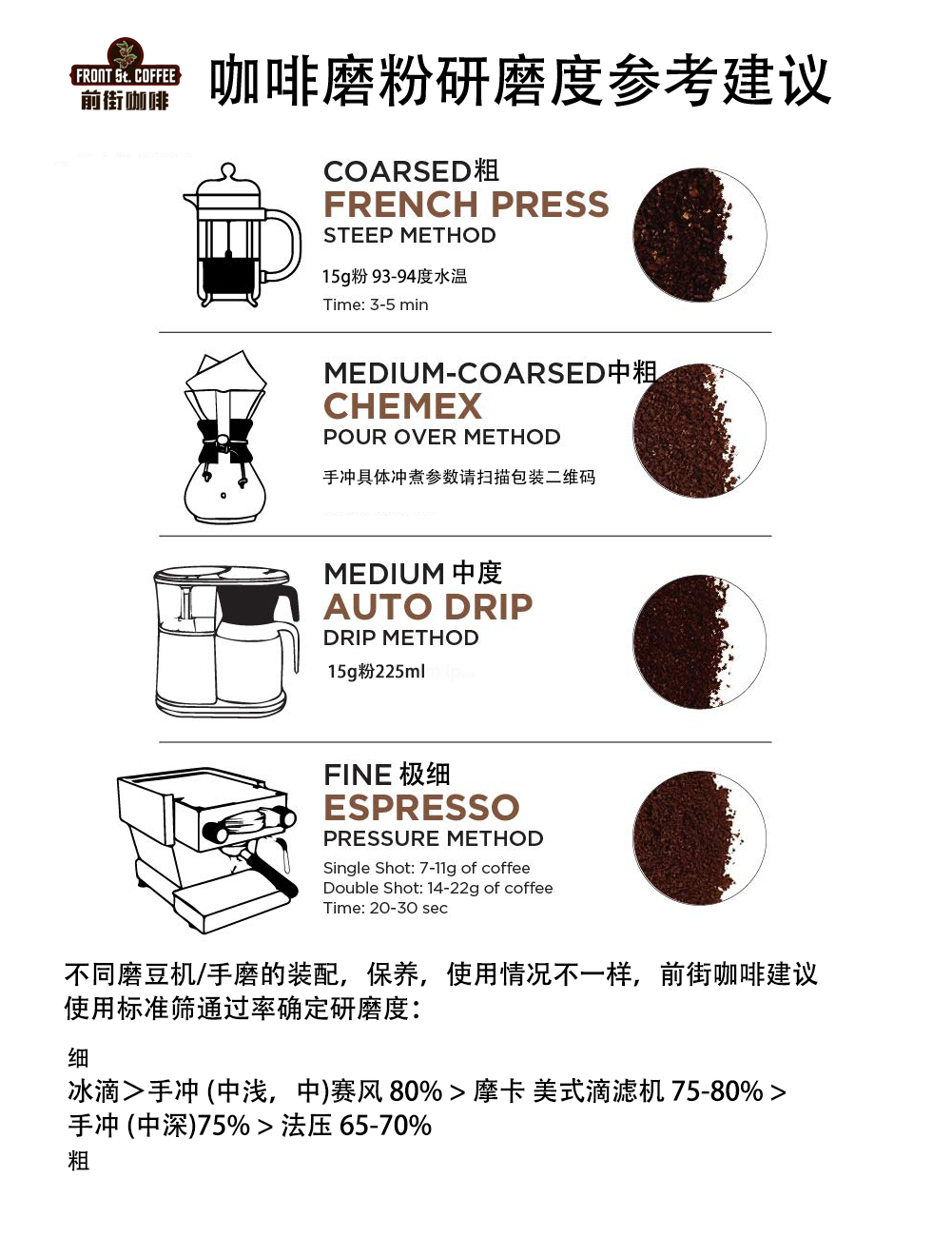
How Coffee Grind Size Affects Taste - Common Grind Size Chart
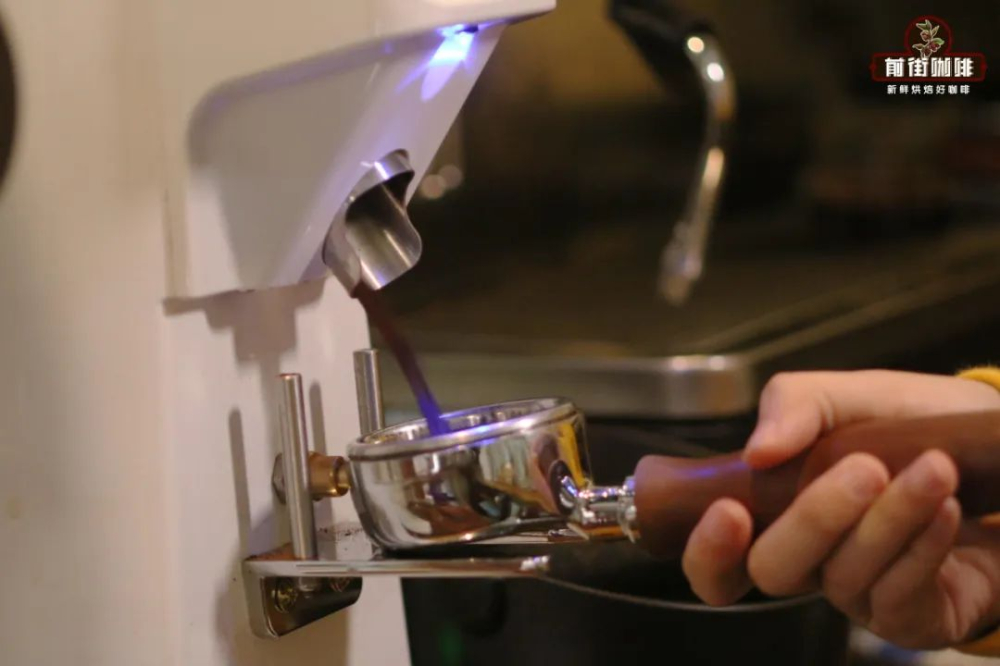
Keep in mind that no two grinders behave exactly alike, even two units of the same brand, so the particle size you get at a given setting will differ from machine to machine. That is why you should buy a standard sieve and measure the grounds yourself.
Most of us know that espresso is ground far finer than pour-over, but there is rarely a simple figure that tells you exactly how fine. In FrontStreet Coffee's experience, dialing in the right espresso grind is considerably harder than dialing in a pour-over grind.
With pour-over you can calibrate using a sieve, and the margin for error is generous. A 70-80% pass rate through a #20 sieve will still give you a good cup.
Espresso, by contrast, is a pressurized, short-time extraction, and that amplifies everything, the good and the bad alike. As a result, the demands on grind size are far stricter. Grind a touch too fine and water crawls through the bed, over-extracting the coffee. Grind a touch too coarse and water rushes through, under-extracting it. That whole swing can come down to a mere 0.1 of a grind setting.
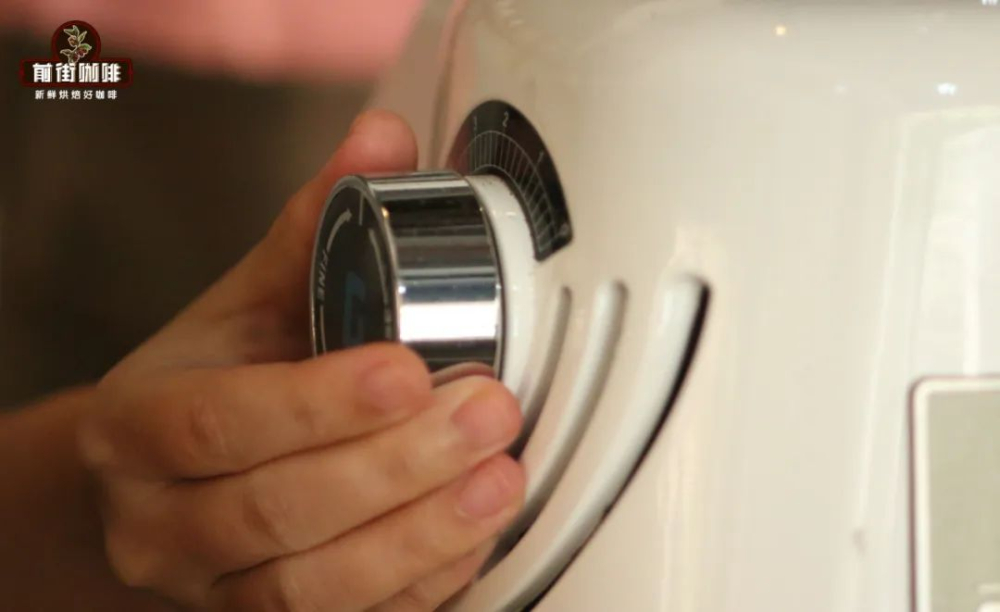
If you are a beginner who wants to find the right espresso grind quickly, follow FrontStreet Coffee's step-by-step approach.
Step 1: Initially Lock in the Grind Range
This step is aimed at anyone just starting out with espresso. Begin by adjusting the grinder until the grounds feel like flour, soft and smooth against your fingers with no gritty texture.
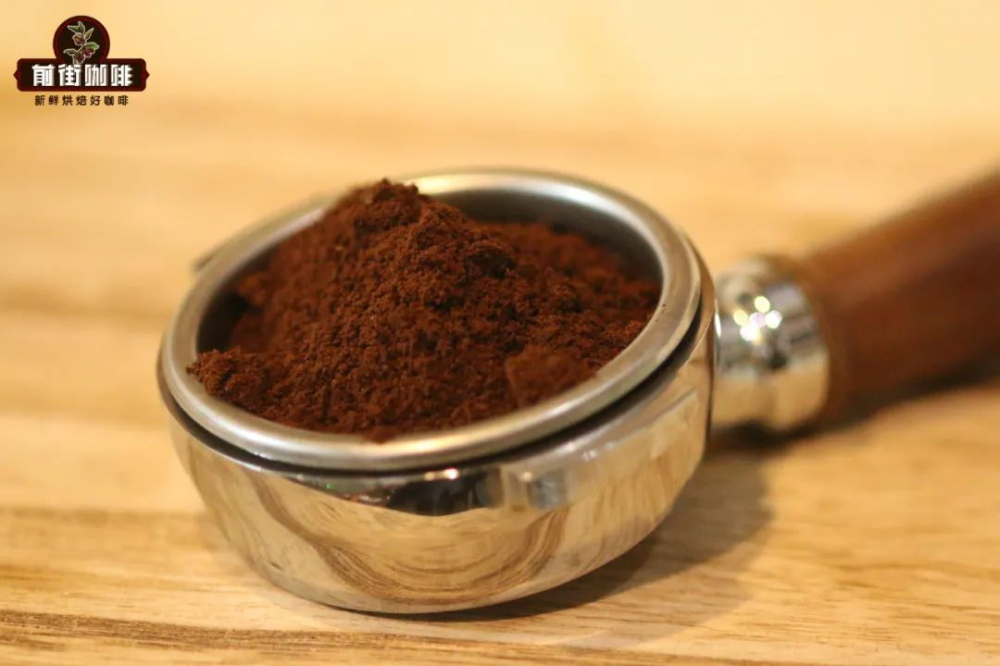
Then apply the standard espresso formula: a 1:2 coffee-to-liquid ratio with an extraction time of 20-30 seconds. For the dose, use the figure marked on your portafilter basket, for example 18g for an 18g basket or 20g for a 20g basket. Once the dose and ratio are fixed, adjust the grind until the shot runs within that 20-30 second window. If it takes longer than 30 seconds, grind coarser next time. If it finishes in under 20 seconds, grind finer.
Step 2: Adjust Based on Flavor and Extraction Feedback
Once you find a setting that pulls a shot in 20-30 seconds, move on to the next stage: fine-tuning by taste.
That standard formula describes an ideal state, nothing more. In practice, different beans and different machines mean a shot can hit the numbers and still not taste good. If you have tasted it and it is already to your liking, you can skip this step. Otherwise, taste the shot and adjust from there.
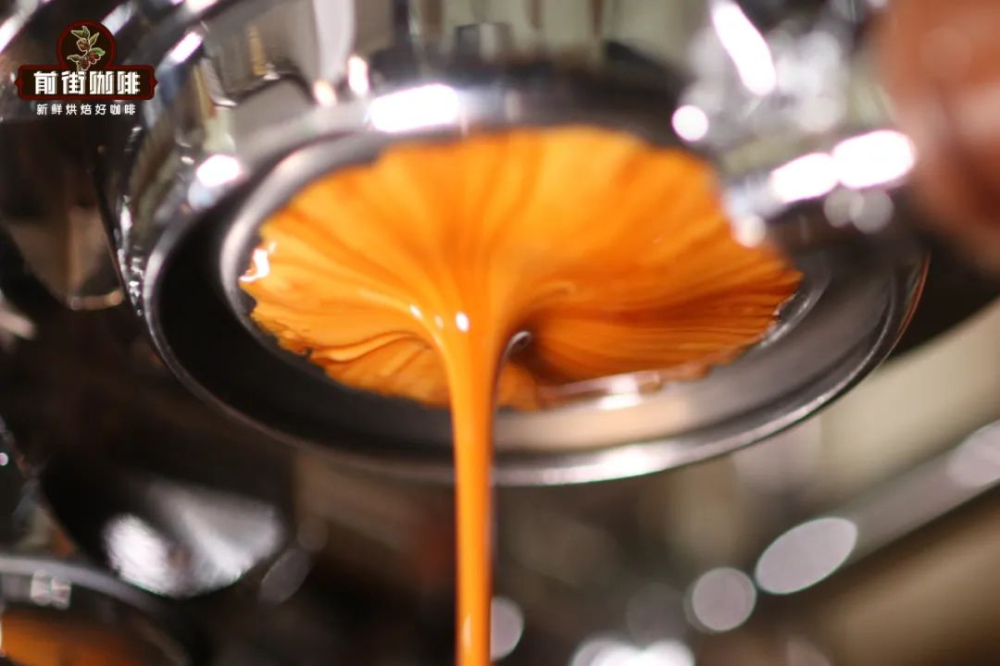
At this stage the grind is not the only variable; the dose and ratio are in play too. If the espresso tastes sharply acidic and feels thin, grind finer. If it tastes burnt or bitter, grind coarser, or increase the ratio, for example to 1:1.8.
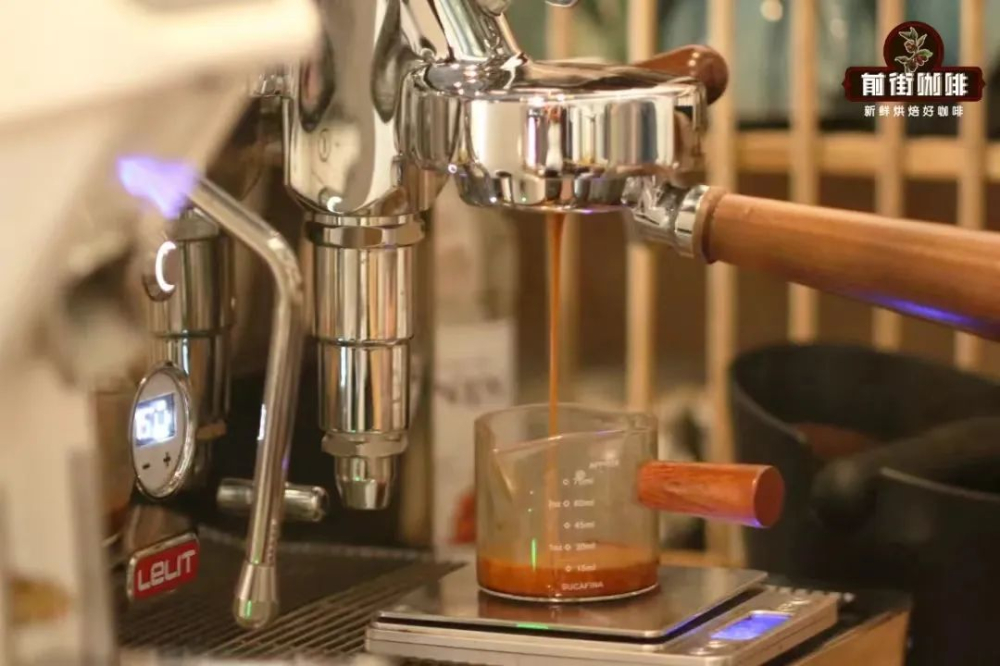
When it finally suits your palate, that setting is your espresso grind size.
Some customers ask FrontStreet Coffee, "I don't know how to figure out grind size. Can you grind the coffee into powder and ship it to me?" FrontStreet Coffee can grind it for you, but we usually recommend buying whole beans and grinding at home instead. There are two reasons. The first is freshness. Espresso particles are far finer than pour-over, so the aromatic compounds escape faster and carbon dioxide is released sooner. Once most of the gas has gone, it becomes difficult to produce good crema, and the flavor suffers.
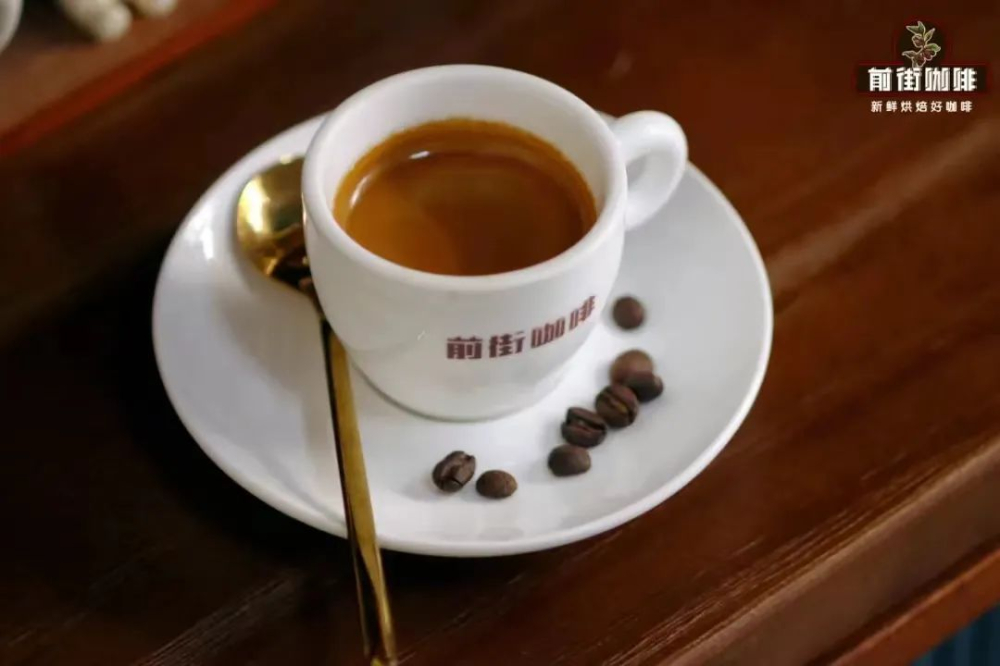
The second reason is that espresso grind size is never fixed. It shifts with the beans' degassing level and with the weather, so the setting needs fine-tuning day by day to keep extraction on target. With pre-ground coffee, a setting that worked days ago can turn erratic.
So if you want to make espresso yourself, the best path is to learn how to adjust the grind and to buy whole espresso beans.
FrontStreet Coffee Recommendation
Since espresso magnifies every variable, choosing beans that are forgiving and predictable helps a great deal. FrontStreet Brazil Queen Estate coffee, a Yellow Bourbon from Mogiana, has low acidity and a balanced body with pronounced nut and cocoa aromas and clear caramel sweetness. It pours smoothly without astringency and works equally well as pour-over, espresso, or moka pot, which makes it a dependable choice while you are still dialing in your grind.
If you prefer a darker, more intense shot, FrontStreet PWN Indonesian Golden Mandheling is roasted dark, so acidity is minimal and the body is thick and long, opening with herbal and dark chocolate notes and a faint earthy undertone. It suits anyone who likes a heavy cup and avoids bright acidity.
For a classic, balanced middle ground, FrontStreet Jamaica Blue Mountain No.1 strikes an even balance among acidity, sweetness, bitterness, and aroma. Premium Blue Mountain typically shows cream, caramel, chocolate, nut, honey, and a light fruity note, supple and rounded on entry with a clean, lingering finish.
Important Notice :
FrontStreet Coffee is a long-established specialty coffee roaster in Guangzhou China, selling freshly roasted beans from its own farm in Yunnan as well as dozens of carefully selected single-origin beans from around the world for both pour-over and espresso. The products deliver consistently excellent quality and great value, with shipping within 24 hours. Guangzhou's FrontStreet Coffee shop is recommended by many coffee lovers, and the beans are now available online at the Tmall 。
FrontStreet Coffee has moved to a new address:
FrontStreet Coffee Address: 315,Donghua East Road,GuangZhou
Tel:020 38364473
 Scan and follow the En Gafei WeChat official account. Please indicate that the reprint comes from "En Gafei".