Rich and Mellow Yunnan Small Bean Coffee: Flavor Profile, Processing Methods, Quality Characteristics, and Taste Introduction
In recent years, on a visit to a coffee shop you have probably heard about Yunnan small bean coffee grown in our own country. So what exactly do Yunnan small beans taste like, and which variety does "small bean" refer to? In this article, FrontStreet Coffee helps you understand the subject better.
What Are "Small Bean" Coffees?
Yunnan small bean coffee is also known as Arabica coffee (Coffea arabica L.). In the 1950s, the dominant varieties in Baoshan, Yunnan, were Typica, Bourbon, and S288. Of these, Typica is the oldest, known for a pure and elegant flavor, but it has a low yield and weak disease resistance, which leaves it susceptible to blight. Yunnan therefore introduced the Catimor variety, which can be densely planted and has strong disease resistance, and it has become the most widely planted coffee variety in the region today. So when people speak of "Yunnan small beans," they are in fact referring mostly to Yunnan's Catimor coffee beans.
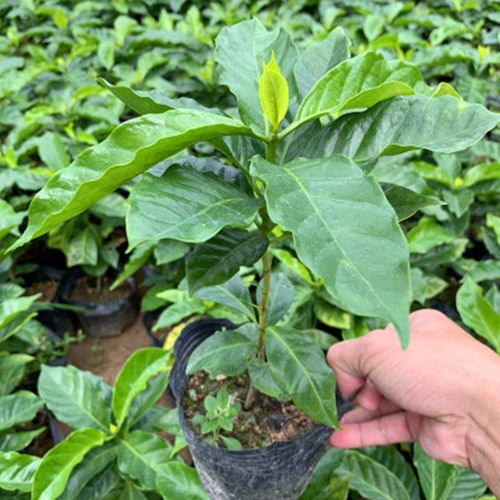
In 1959, Portuguese scientists developed and created a small-stature coffee plant resistant to disease and pests that could also grow well at low altitude and give high yields. In other words, Catimor was bred as a "commercial bean." Although Catimor has commercial value, its cupping quality is often questioned, which is to say it has flavor defects. Catimor has therefore been largely overlooked, and some producers are reluctant even to label it as Catimor.
What Causes Catimor's Drawbacks?
Catimor is a hybrid descendant of Caturra and Timor. Caturra is a highly regarded natural mutation of the Bourbon variety and a regular presence in specialty coffee competitions; among FrontStreet Coffee's house-roasted beans, for example, dozens of varieties use Caturra. Timor belongs to the natural cross-species of Robusta and Arabica, discovered in the early 1900s on Timor Island in Southeast Asia. Robusta is notorious for an unappealing taste marked by heavy bitterness and intensity, but it has very high disease resistance, tolerates both cold and heat, and yields well. Catimor inherits some of those traits, including higher survival and fruit-setting rates and a short maturity period, which naturally makes it more favored by coffee farmers and producers.
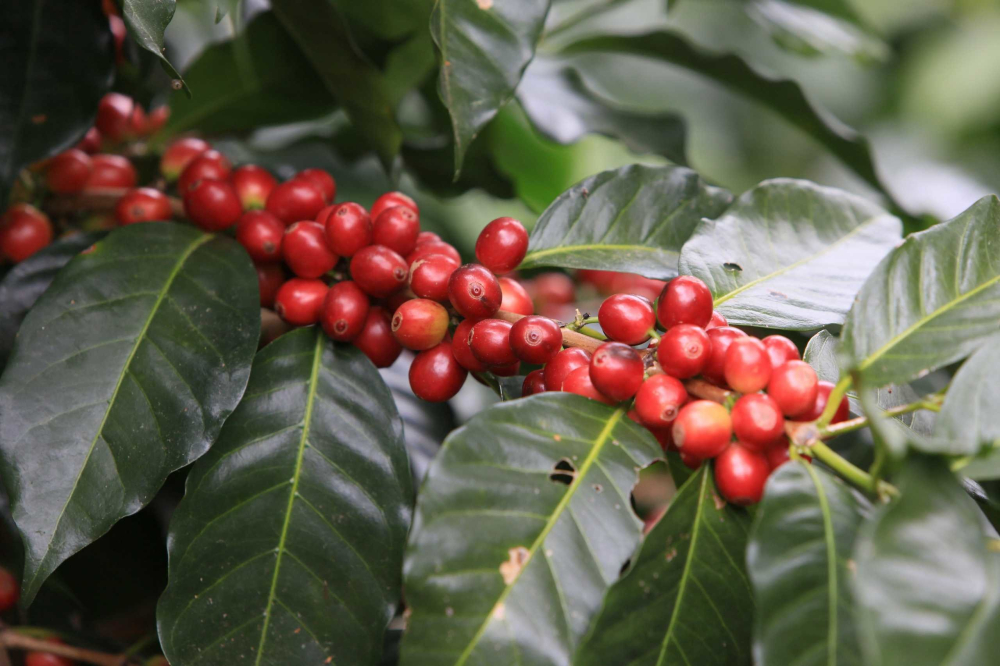
In the past, Yunnan coffee farmers had not accumulated much mature experience in cultivation, planting Catimor at lower altitudes and using rough processing methods, which produced mediocre coffee that was mostly bought for commercial instant coffee. With the spread of specialty coffee culture in China, many coffee professionals and researchers have begun investing in Yunnan's growing regions, steadily improving quality through better disease and pest prevention, shade trees, soil and water conservation, planting altitude, and cherry picking and processing methods. Today, Yunnan Catimor coffee produced with professional techniques can also show good aroma and cleanliness.
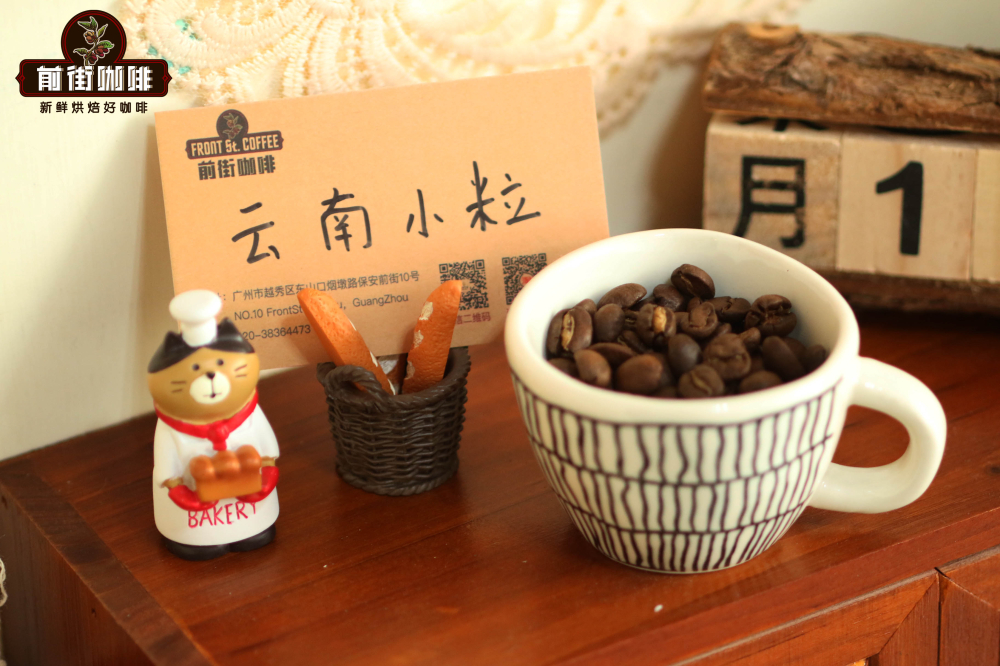
What Does Washed Yunnan Small Bean Coffee Taste Like?
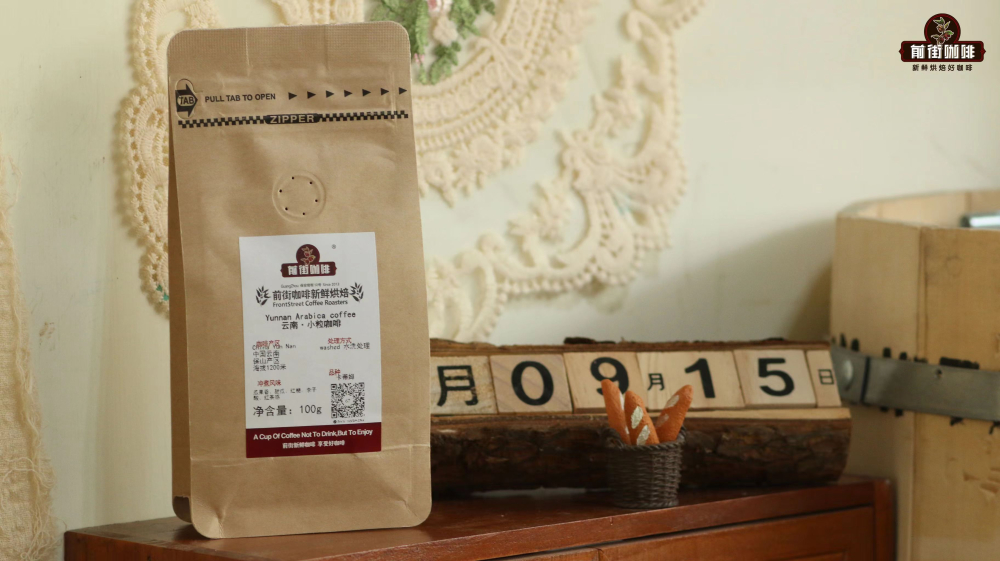
When launching Yunnan coffee as a daily drinker, FrontStreet Coffee ran multiple cupping comparisons and selected washed Catimor coffee from the Baoshan region as Yunnan coffee's representative, offering it in 100-gram small packages so everyone can experience the "taste of Yunnan." FrontStreet Coffee finds this Yunnan daily drinker has a relatively balanced mouthfeel, with a hint of nuttiness and some plum fruit aroma along with a brown sugar-like sweetness, making it gentle overall.
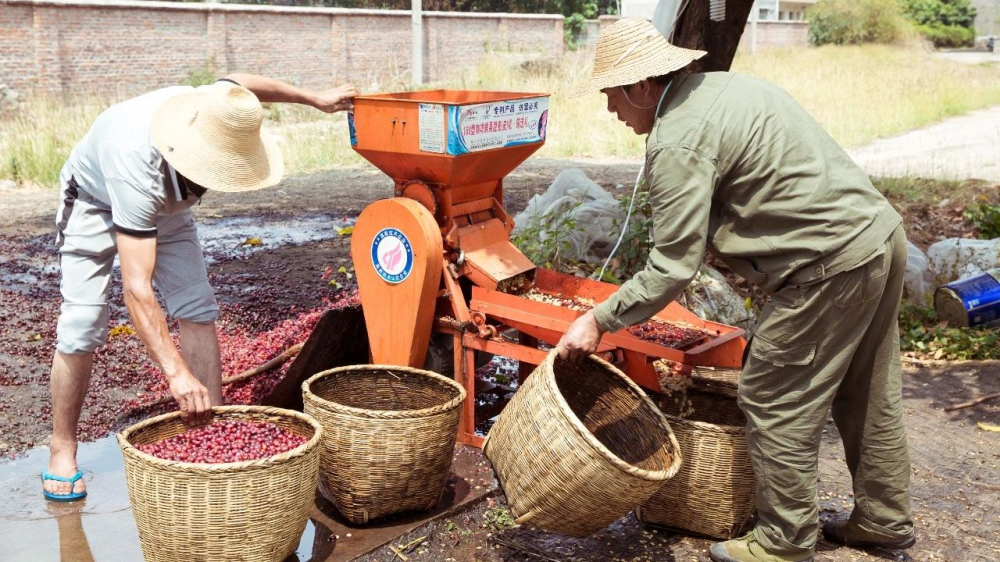
The Washing Process Steps:
Use machines to remove the skin and pulp from harvested cherries, place the peeled beans into fermentation tanks, let fermentation break down the mucilage layer, wash the fermented beans repeatedly with clean water to remove the decomposed mucilage, and finally dry them in the sun for 1-2 weeks. Washed Yunnan coffee not only lowers the defect rate but also gives more stable quality and higher cleanliness, letting you appreciate Yunnan coffee's most original flavors in the cup. That is why FrontStreet Coffee chose washed batches first when it launched the "Yunnan representative" daily drinker.
FrontStreet Coffee's Pour-Over Recommendations
Dripper: Hario V60
Dose: 15g
Water Temperature: 90°C
Grind Size: 75% pass-through rate on #20 sieve
Water-to-Coffee Ratio: 1:15
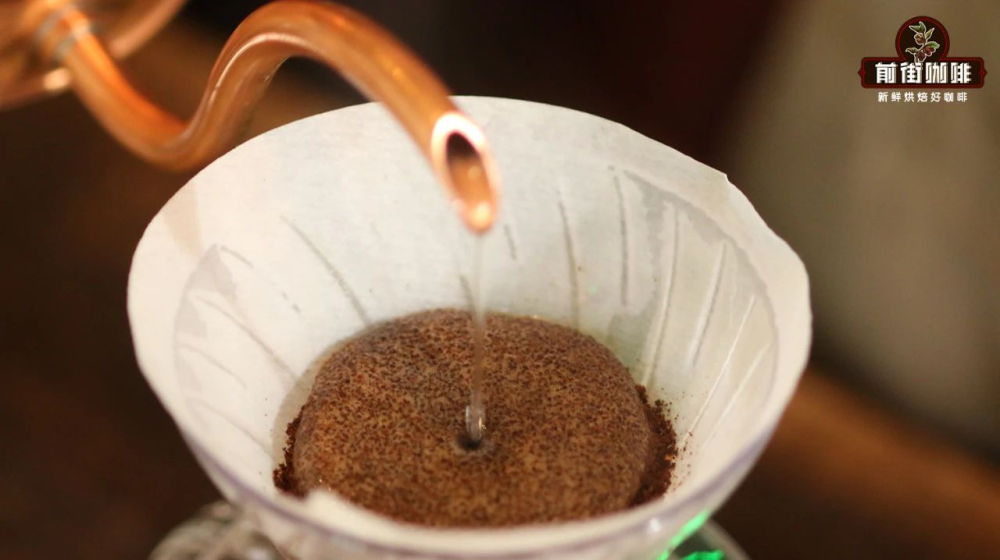
Grind Size and Water Temperature: Because Yunnan coffee's flavor profile is neutral and balanced, water that is too hot and a grind that is too fine can easily over-extract and release too many bitter, large-molecule flavor compounds, while water that is too cool and a grind that is too coarse under-extract and leave the coffee tasteless. FrontStreet Coffee therefore chooses a medium water temperature and grind, extracting with 90°C water and coffee ground to a 75% pass-through rate on the Chinese standard #20 sieve, or EK43s setting 10.5 in store.
Three-Stage Pouring: Use twice the coffee dose in water to wet the bed, forming a dome and blooming for 30s, then pour with a small stream in circles from inside to outside until you reach 125g, wait for the coffee bed to drop to half the height of the dripper, continue with the same fine stream for the third stage to 225g, and remove the dripper once all the coffee has filtered through, taking about 2 minutes in total.
Yunnan small bean coffee has come a long way, and a careful washed lot shows just how balanced and clean the region can be.
FrontStreet Coffee Recommendation
Yunnan coffee is often called Yunnan small bean, and the small bean is really another name for Arabica, so called because it bears the smallest fruit of the three original coffee species. The story goes back to 1904, when the French missionary Tian Deneng brought coffee seed, the Typica variety, from Vietnam into Yunnan and planted the first coffee tree in Zhukula village, Binchuan county, in the province; Yunnan's favorable geography and climate made the small bean a great success. The FrontStreet Yunnan small bean comes from the Baoshan region, washed and medium roasted, brewing with soft nut and chocolate sweetness and a slight plum acidity, and at a friendly price it has become many people's first taste of Yunnan coffee. To go deeper into the region, the FrontStreet 2013 sun-dried Typica is the step up. In 2013 FrontStreet built an estate and planted a batch of Typica trees, both because Typica is one of the oldest coffee varieties with pure Arabica genetics and an elegant, clean flavor long recognized as a specialty variety, and because the first coffee trees planted in Yunnan were also Typica, brought in by a French missionary, so FrontStreet hoped to recover that original taste of place. Where the FrontStreet Yunnan small bean is an easy introduction, the 2013 Typica is the sign of moving up in the region: it uses only fully ripe, all-red cherries, is natural processed, and then medium roasted for a more balanced body and a more pronounced sweet-tart character, so it carries the tone of dark berries along with caramel sweetness, chocolate, and a hint of dried apricot, and a black tea finish after swallowing; other descriptions of this Typica note citrus and berry tones, a light fermented wine aroma, caramel sweetness, and a creamy finish. For a Yunnan-style espresso, the FrontStreet Black Cocoa Blend, built from Yunnan small bean and Brazil Cerrado, is recommended by many baristas: the Brazil supplies the mixed nut aroma and balanced body while the Yunnan small bean takes the role of chocolate and citrus, so the Americano comes out balanced across sweet, sour, and bitter with the sweetness of nut and brown sugar, and the latte has the smooth, creamy feel of almond. Yunnan coffee is also known for even, plump beans and a mellow, moderate body. Coffee prefers a warm environment, tolerating heat but not cold, and grows best with plenty of light; the ideal growing temperature is 16 to 21 degrees Celsius, which is why the golden coffee belt is centered on the equator and reaches to 25 degrees north latitude, where Yunnan happens to lie. Most of Yunnan sits at 1,000 meters altitude, with fertile sloping soil, abundant sunshine and rainfall, and a wide day-night temperature difference, all of which favor the coffee tree. Yunnan's coffee is grown mainly across the southwestern part of the province, in the four production areas of Baoshan, Dehong, Pu'er, and Lincang, and FrontStreet's two Yunnan specialty beans on the daily list come from Baoshan and Lincang. Baoshan's coffee history began in the mid-1950s, when the patriotic overseas Chinese Mr. Liang Jinshan introduced the crop; the warm, frost-free climate suits the small bean especially well, and around Lujiangba in particular the unique dry-hot river valley has a small annual temperature range but a large day-night difference, which gives Baoshan small-bean coffee its distinctive sweet finish, while reasonably low rainfall adds a further advantage for the fruit. For an entry-level Chinese Arabica, then, the FrontStreet Yunnan small bean is the first choice: washed and medium roasted, it brings out some caramel while keeping part of the acidity, so it expresses the terroir of Yunnan well, since washed processing removes the pectin layer through fermentation and rinsing before drying.
Important Notice :
FrontStreet Coffee is a long-established specialty coffee roaster in Guangzhou China, selling freshly roasted beans from its own farm in Yunnan as well as dozens of carefully selected single-origin beans from around the world for both pour-over and espresso. The products deliver consistently excellent quality and great value, with shipping within 24 hours. Guangzhou's FrontStreet Coffee shop is recommended by many coffee lovers, and the beans are now available online at the Tmall 。
FrontStreet Coffee has moved to a new address:
FrontStreet Coffee Address: 315,Donghua East Road,GuangZhou
Tel:020 38364473
 Scan and follow the En Gafei WeChat official account. Please indicate that the reprint comes from "En Gafei".