Panama Hacienda La Esmeralda Geisha Coffee Flavor Description Processing Method Quality Characteristics Taste Introduction
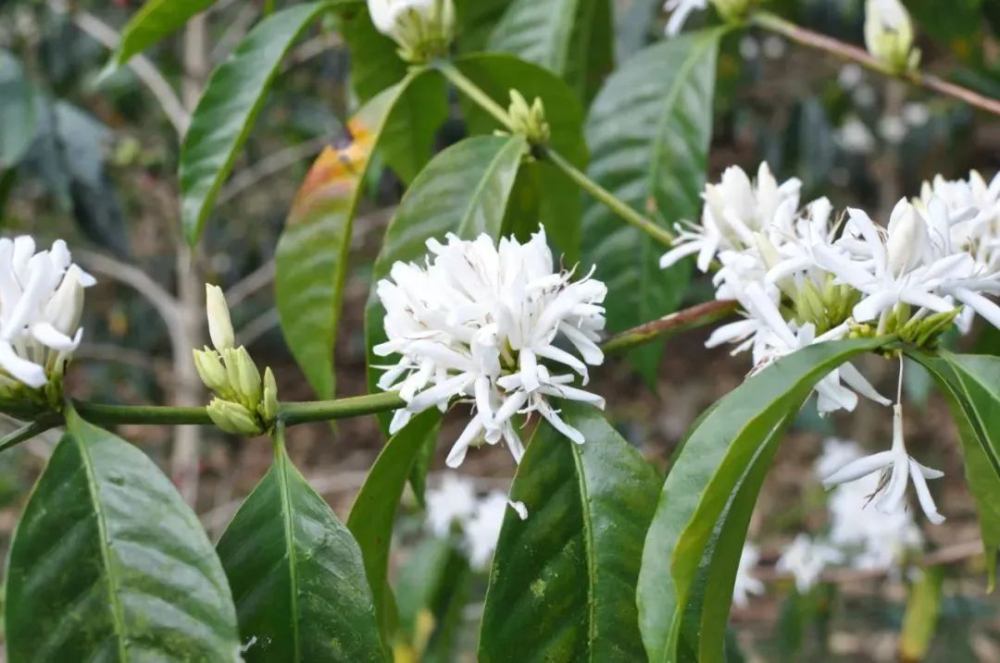
Few varieties have bent the coffee world around them the way Geisha has. For nearly two decades it has reigned as the undisputed king of coffee, ever since it burst out of the Ethiopian wilds — where it was collected some 70 years ago — to sweep world-class competitions, shatter price records, and set the market alight after its 2004 debut. In Chinese-speaking markets it even picked up a second stage name, "Guixia." Here is FrontStreet Coffee's proper introduction to the variety that started it all.
The Geisha Variety
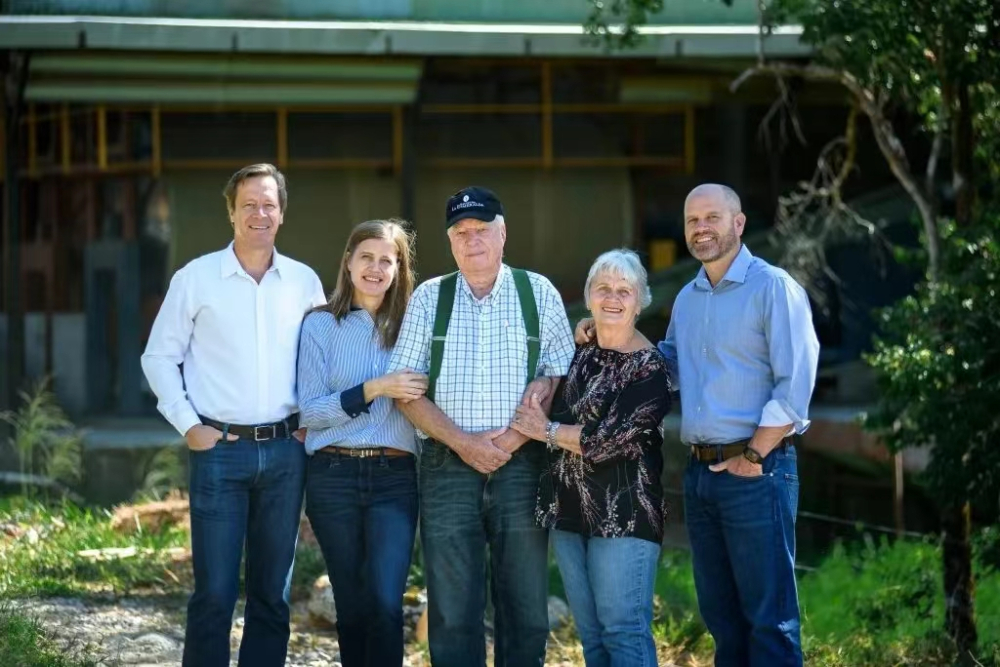
Geisha seedlings were first collected from the wild forests of southwestern Ethiopia, in a search for new disease-resistant stock, and named after the nearby Geisha mountain. In 1954 the variety was brought to Costa Rica and logged there as accession T2722. Through the 1950s and 60s it was trialed on farms across Central and South America, but its low yield and fragile constitution kept it from ever being planted widely. Then in 2003 the Peterson family of Hacienda La Esmeralda recognized what they had on their hands; after their Geisha won the 2004 Best of Panama competition, the age of Panamanian Geisha began.
The name itself carries history: "Geisha" shares its spelling with the Japanese word for a performing artist, so Japan translated it literally, as did Taiwan. When Geisha first reached mainland China in 2006, importer Mr. Yuan of Kalomen Coffee coined the name "Guixia" instead.
Geisha is a demanding variety. It wants high altitude, fertile soil, and cloud or shade cover — it cannot tolerate harsh direct sun. Hacienda La Esmeralda's owners have said the estate needs numerous shade trees to shelter the delicate plants, and that traditional pruning is essential in the early years or the trees simply die. At higher elevations the cherries ripen more slowly, building more complex and distinctive flavors. Unlike most varieties, Geisha has a very thin leaf system, so its photosynthetic efficiency is low, and its fragile roots take up water and nutrients slowly. A single Geisha tree yields only about half the fruit of a Caturra tree — a big part of why the coffee commands such prices.
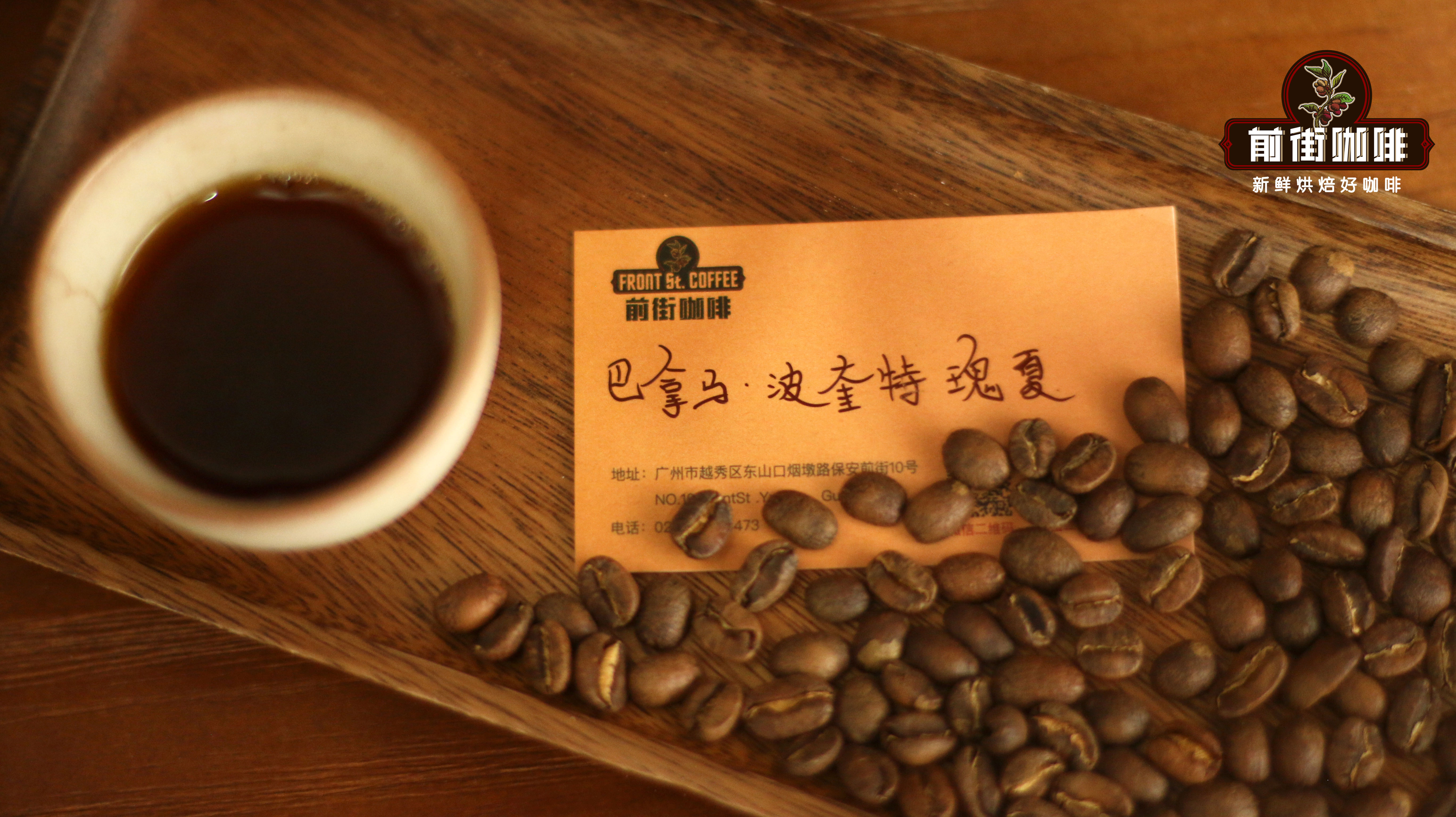
Since Geisha's rise, farmers far beyond Central and South America have rushed to plant it. But every region has its own terroir, and terroir shapes the cup, so Geisha now speaks with many accents. FrontStreet Coffee considers the two most representative to be Geisha's birthplace, Ethiopia, and its adopted home, Panama.
Panama's Unique Terroir
Panama has only three main coffee regions — Boquete, Volcan, and Renacimiento — yet it grows some of the most expensive coffee on earth. Cultivation clusters in the beautiful Boquete valley of the western highlands and around Baru Volcano in the Volcan area, both in Chiriquí Province, squarely in the heart of the coffee belt. Fertile volcanic soil, old-growth forest, growing altitudes of 1,800 meters (6,000 feet), stable microclimates — Panama counts more than 100 of them — and humid ocean air all play their part.
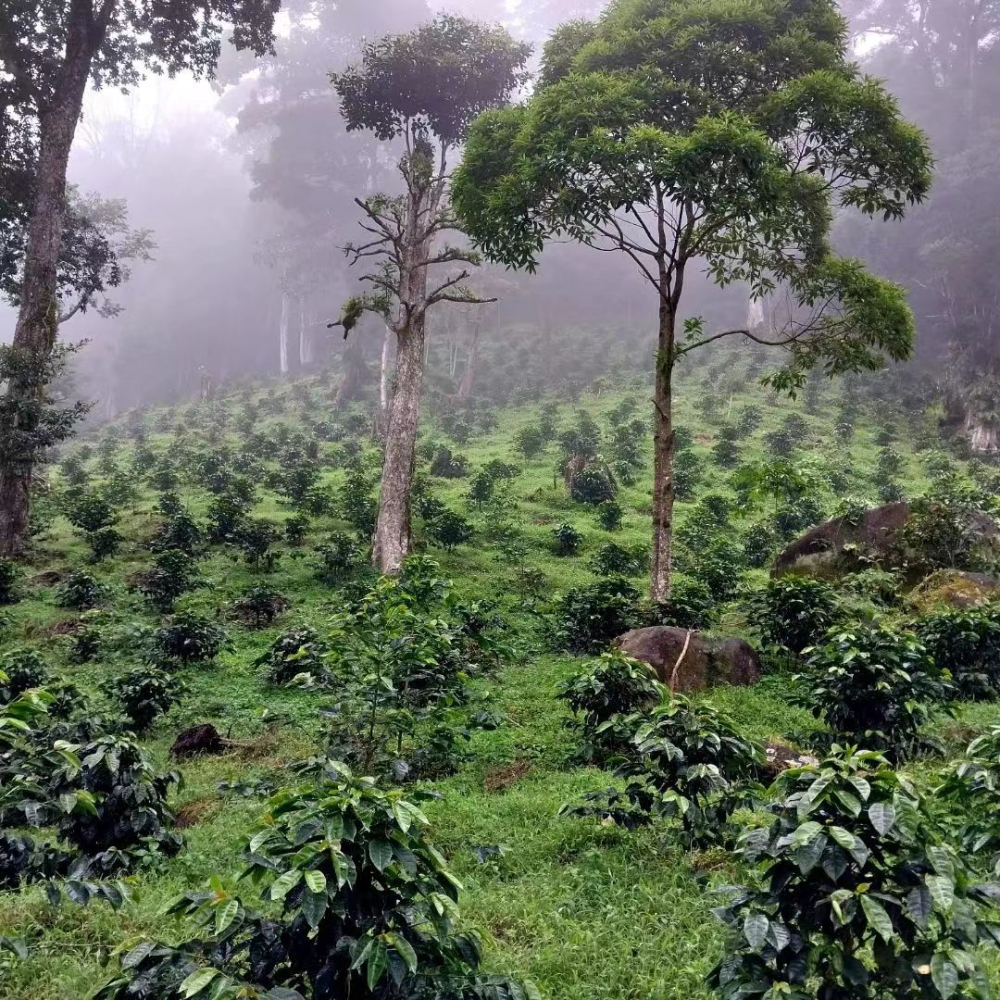
Boquete, a town in Chiriquí Province, sits on a plateau 1,000-2,000 meters up on the eastern flank of Baru Volcano. It catches the warm, humid monsoon winds off the Caribbean while cool Atlantic currents lie behind it. Baru Volcano National Park, an ecological reserve rich in biodiversity, spans seven microclimates with near-permanent mist and abundant rainfall — close to ideal growing conditions. FrontStreet Coffee's Panama Hacienda La Esmeralda and Elida Estate Geisha lots both come from Boquete.
The Volcan region rings the volcano itself, where nutrient-rich volcanic soil, ample moisture, and cloud cover feed the trees and produce beans with deeper, more intense flavors — most notably dried-fruit notes, sweetness, and aroma that set them apart from Boquete lots.
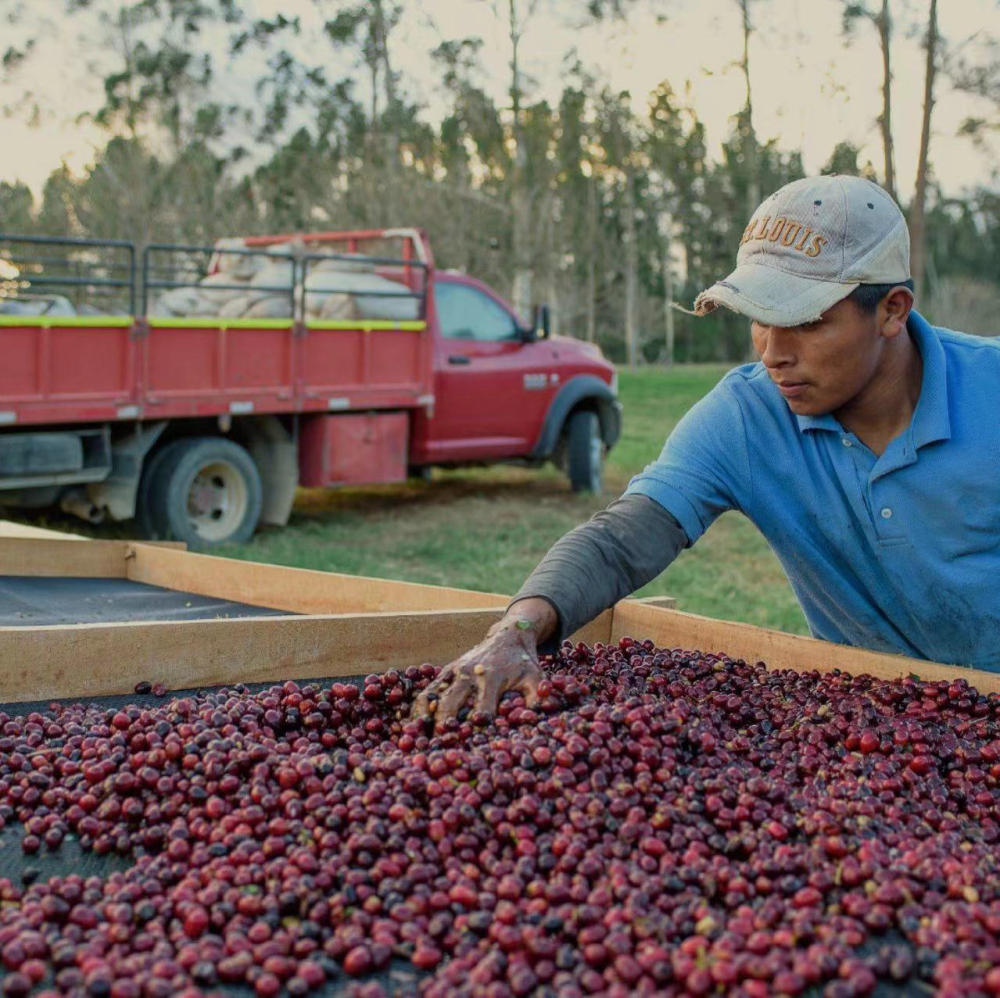
Geisha's Talent Scout - Hacienda La Esmeralda
Hacienda La Esmeralda made Geisha famous, and it was also the first estate to grade Geisha rigorously. Every year's releases draw industry-wide attention. After the championship wins, the Peterson family organized their Geisha plantings systematically by altitude, zone, and cupping performance. Broadly the Geisha land divides into three sections: Cañas Verdes, Jaramillo, and El Velo. To guarantee traceability, each section is further split into small plots, so buyers can trace any batch number back to the exact plot where it grew.
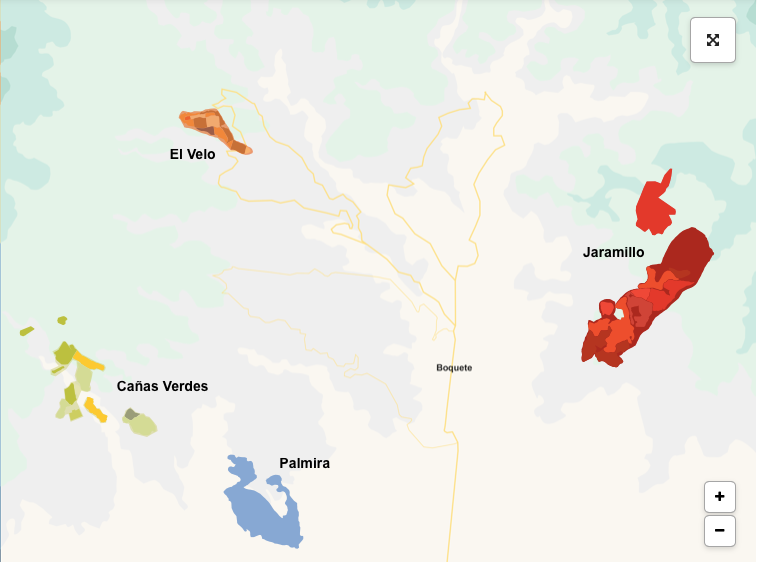
Geisha was first identified in the Jaramillo section, where the Petersons decided to push the variety to higher altitudes. As its discovery and cultivation ground, Jaramillo remains the estate's most celebrated section. Averaging above 1,650 meters, its cold, humid mountain air gives the coffee remarkable fragrance and clarity. Jaramillo today comprises five plots — Mario, Noria, Reina, Bosque, and Buenos Aires — with the Mario and Bosque plots having delivered standout competition performances.
The Cañas section lies some distance from the other two. Because the Peterson family assembled this land gradually — starting in 1967 and continuing after 2004 — its sub-plots are comparatively small. All of Cañas sits above 1,600 meters across nine plots, with Montaña and Tumaco the most impressive. Geisha from here shows elegant floral and fruit aromatics and often fetches the estate's highest auction prices.
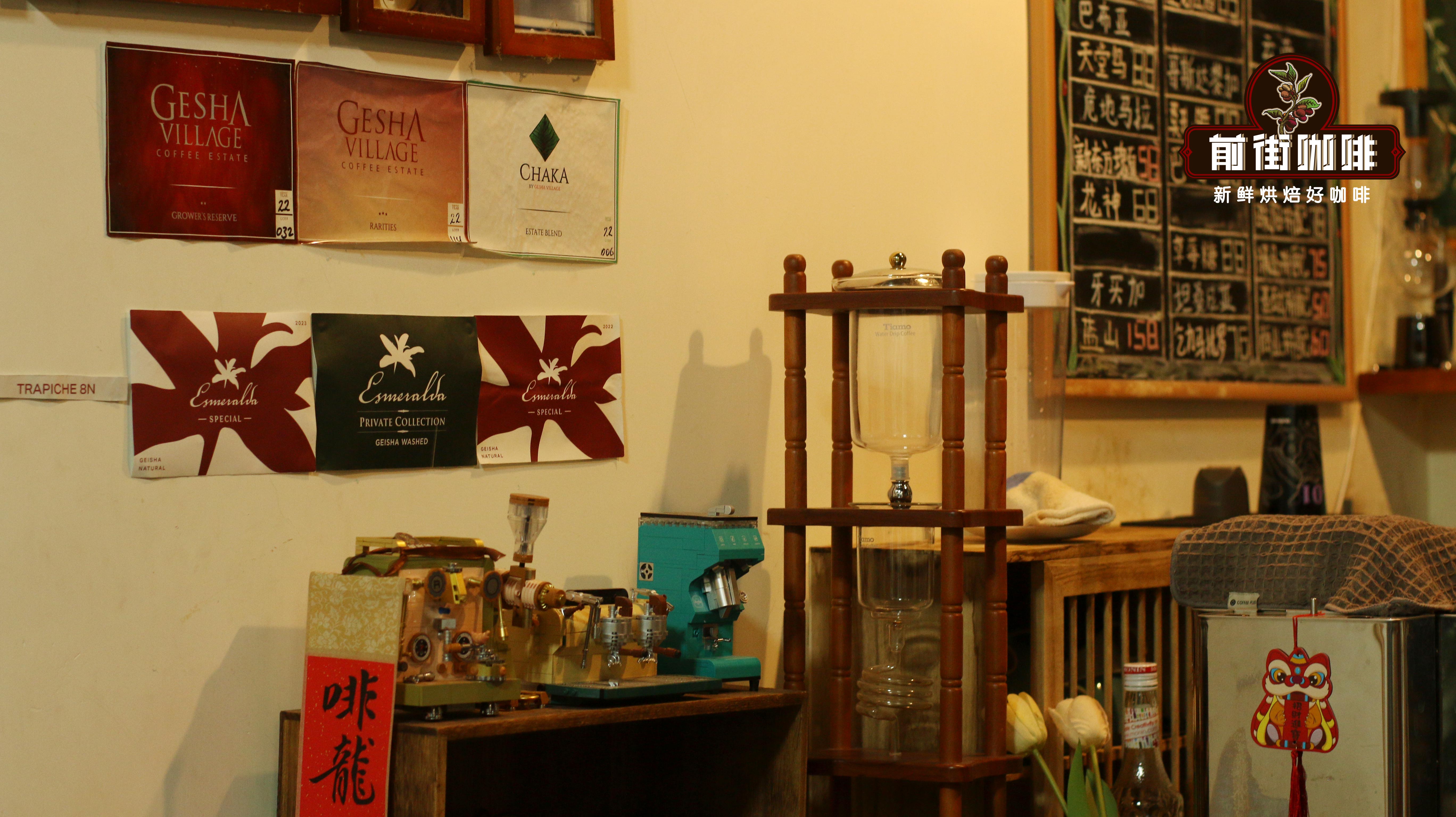
What Grade is Red Label Geisha?
Three labels of Esmeralda Geisha circulate on the market: Red Label, Green Label, and Blue Label. These are quality tiers the Peterson family assigns by the cupping performance of specific plots. From highest to lowest they are Esmeralda Special (Red Label, including auction lots), Private Collection (Green Label), and Las Rocas (formerly Blue Label).
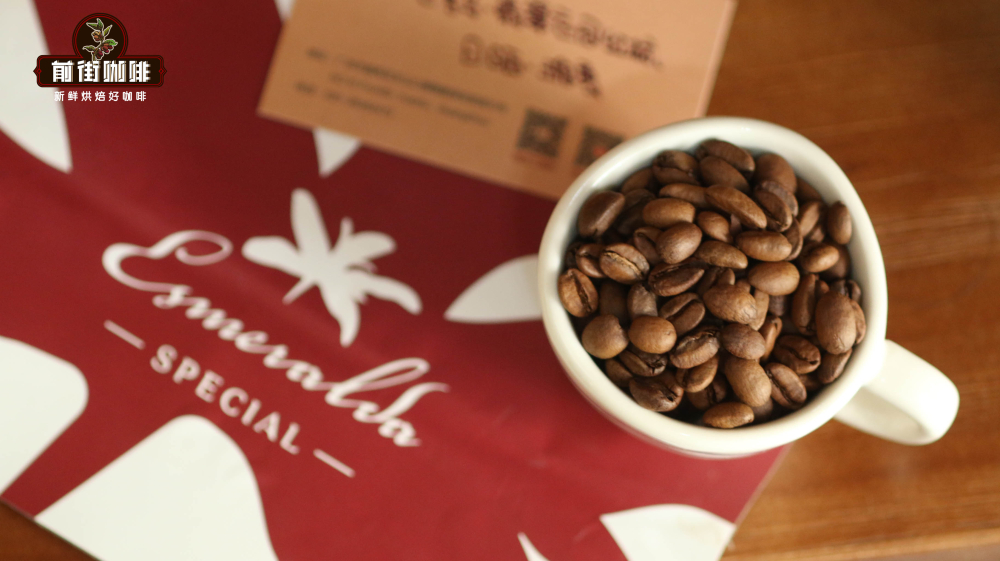
Red Label, the top tier, is picked from high-altitude Geisha at 1,600-1,800 meters that cupps above 90 points, drawn mainly from the Jaramillo and Cañas Verdes farms. High-altitude farming and harvesting are punishing, but that is where Geisha's floral and fruit character shows at its most vivid in Boquete. The estate runs its own auctions, and Red Label batches selected from individual plots for competition are sold as auction lots, each carrying a unique number tied to one complete batch from one specific plot. The most famous of these is surely the Mario plot on the Jaramillo farm. FrontStreet Coffee's La Esmeralda Red Label Geisha comes from Mario, processed naturally, and delivers honey, citrus, rose, cream, complex fruit, and black tea.
FrontStreet Coffee also carries a Green Label Geisha, washed-processed, whose cupping profile shows fresher, more natural lemon, berry, grapefruit, and Tieguanyin-tea notes. These are micro-lots grown at 1,600-1,800 meters across Jaramillo, Cañas Verdes, and neighboring plots without plot-by-plot separation, meant to showcase the signature classic character of high-altitude Geisha.

To capture the classic "Geisha flavor," FrontStreet Coffee believes more of the floral aroma and acidity must be preserved, so all of its Geisha lots are roasted light, with roast curves adjusted to suit each processing method's flavor differences.
FrontStreet Coffee's Pour-Over Recommendations for La Esmeralda Red Label Geisha
Light roasts preserve more of the floral and fruit aromatics that make high-altitude coffee special, but they also leave the bean's internal structure denser, so extraction calls for hotter water and a finer grind. FrontStreet Coffee uses water at 92-93°C and grinds to an 80% pass-through rate on a #20 standard sieve.
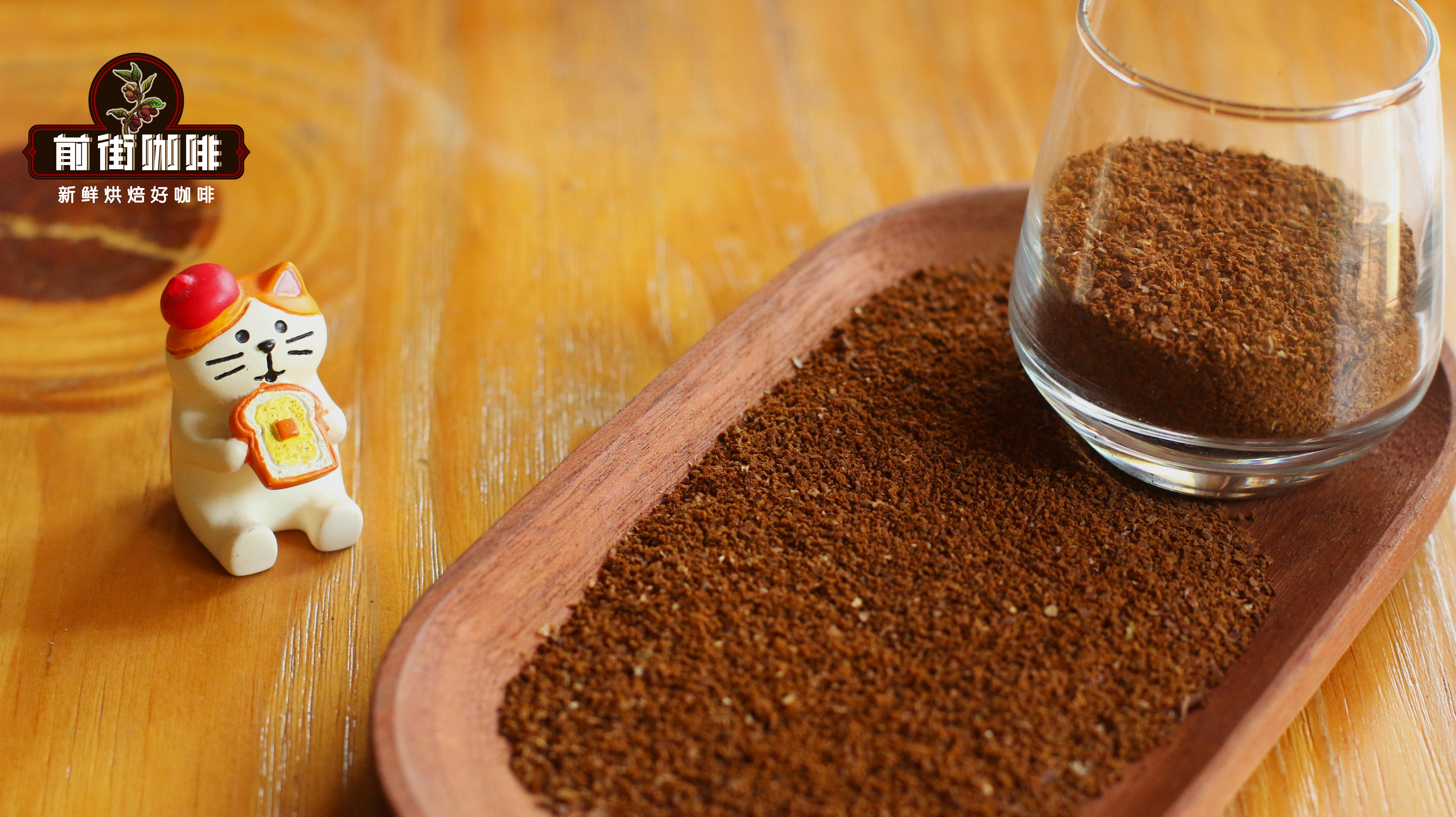
Every grinder differs — in burr precision, wear, and upkeep — so identical settings can produce different particle sizes. FrontStreet Coffee recommends keeping a sieve on hand: a #20 standard sieve lets you verify grind fineness and calibrate your grinder's settings.
FrontStreet Coffee's flavor descriptions assume freshly roasted beans. Past about a month of storage, some aromatics will already have faded and brewing will not bring them back. Because freshness matters that much, FrontStreet Coffee only ships beans roasted within the last 5 days, so every order arrives inside its full flavor window.
For the dripper, FrontStreet Coffee wants Red Label Geisha to express rich layers of orange and honey, and its baristas reach for a resin V60. The V60's ribs run from top to bottom around a single large central hole, speeding the water flow, while the spiral ridges lengthen the water's path and extend contact time between grounds and water. Every stream converges toward the center of the bed, concentrating extraction pressure and drawing out deeper layers of flavor.
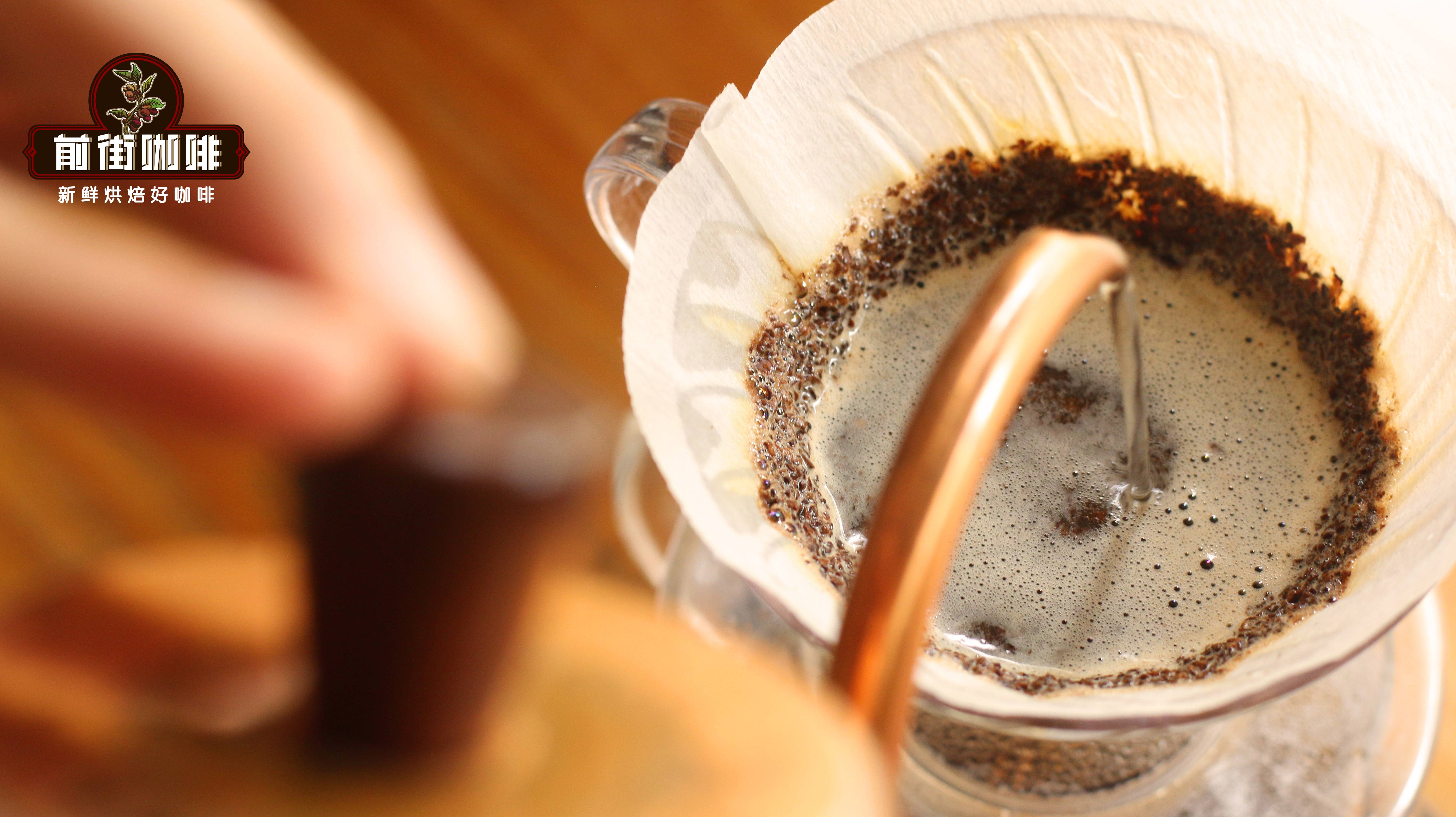
Below is FrontStreet Coffee's recipe for its La Esmeralda Red Label Natural Geisha — use it as a reference point against your own approach.
The parameters for Red Label Geisha pour-over are: Dripper: V60, Water temperature: 91-92°C, Coffee amount: 15g, Coffee-to-water ratio: 1:16, Grind size: Fine-sugar consistency (80% pass-through on a #20 sieve)
Three-Stage Extraction:
Load 15g of coffee into the dripper and tare the scale. Stage one: pour 30g of water to bloom for 30 seconds, starting the timer as you pour. Use a small stream, spiraling out from the center so the whole bed is wetted. Stage two: open the flow slightly and add 120g of water, aiming to lift and evenly saturate the entire coffee bed; pour vertically and steadily. The scale should read 150g, with this stage finished by about 55 seconds.
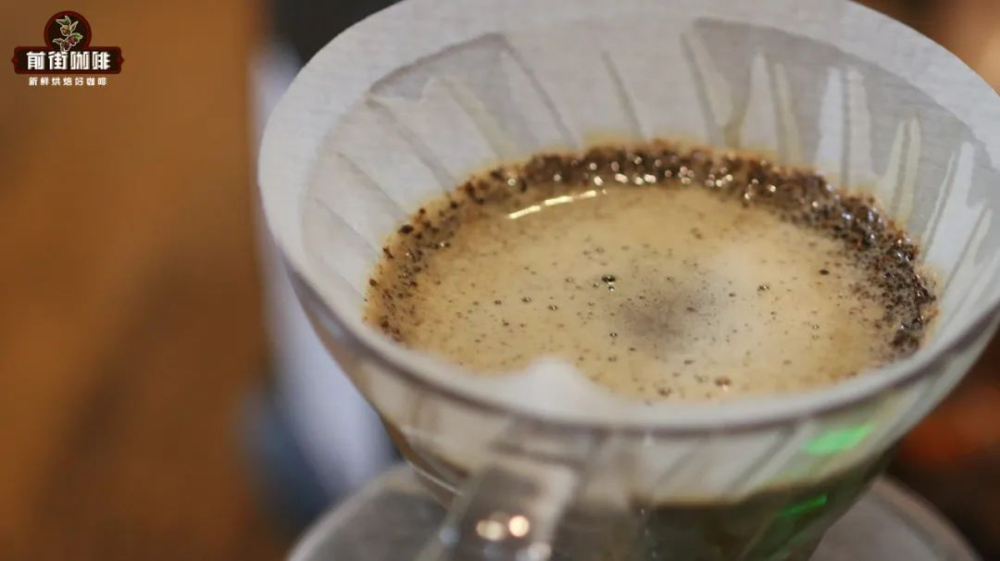
When the liquid level falls to roughly half the bed, begin stage three: small circles and a small stream to add the final 90g. Keep the flow gentle — a heavy pour collapses the bed and invites under-extraction. Total water should come to 240g, with the drawdown finishing around 2 minutes 10 seconds. Remove the dripper, swirl the coffee in the server to even it out, and taste.
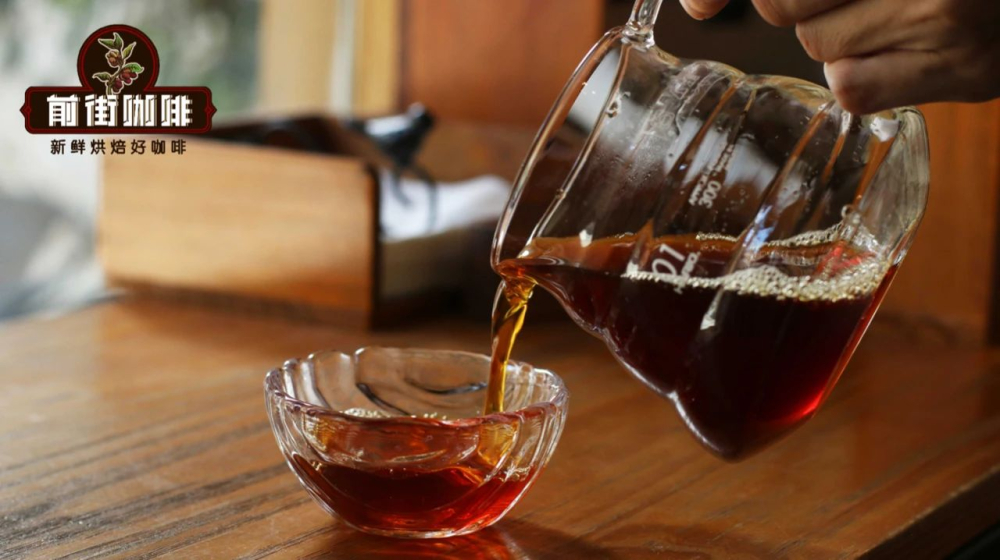
The brewed Red Label Geisha is elegant: rose, citrus, strawberry, and bright tropical-fruit acidity, a long black-tea aftertaste, layers that shift as the cup cools, and a smooth overall texture.
FrontStreet Coffee Recommendation
Hacienda La Esmeralda remains the "Bale" that discovered this thoroughbred, and its two-tier lineup still defines the category. FrontStreet Coffee's Red Label Geisha — officially "Esmeralda Special" — grows at 1,600-1,800 meters, must cup above 90 points, and each numbered batch comes entirely from a single plot such as Jaramillo's Mario, letting buyers chase the micro-flavor they love. The Green Label, "Private Collection," blends batches across multiple high-altitude plots without plot-level detail, which makes it noticeably more affordable — FrontStreet Coffee considers it one of the best-value ways to taste genuine high-grown Geisha.
New to Geisha and not ready for those prices? FrontStreet Coffee steers beginners to its Boquete Gesha, an entry-level Panama lot that delivers the classic orange-blossom-and-honey signature, an oolong-tea-like finish, delicate fruit acidity, and clearly layered structure at a friendly price. And for brews, keep it simple: 15g of coffee, a small V60, a 1:16 ratio, water at 91°C, and a grind at about 78% pass-through on a #20 sieve (roughly fine sugar), poured in three stages to 225g — about 2'10" to 2'20" of total extraction.
Important Notice :
FrontStreet Coffee is a long-established specialty coffee roaster in Guangzhou China, selling freshly roasted beans from its own farm in Yunnan as well as dozens of carefully selected single-origin beans from around the world for both pour-over and espresso. The products deliver consistently excellent quality and great value, with shipping within 24 hours. Guangzhou's FrontStreet Coffee shop is recommended by many coffee lovers, and the beans are now available online at the Tmall 。
FrontStreet Coffee has moved to a new address:
FrontStreet Coffee Address: 315,Donghua East Road,GuangZhou
Tel:020 38364473
 Scan and follow the En Gafei WeChat official account. Please indicate that the reprint comes from "En Gafei".