Latin American Coffee Beans: Characteristics, Flavors, Producing Countries, and Stories from the World's Three Major Coffee Types and Seven Growing Regions

Latin America began cultivating coffee trees only in the eighteenth century, yet it enjoys sunshine, high mountains, fertile rain-fed soil and diverse natural microenvironments, and has now become the most important coffee-producing region in the world. In FrontStreet Coffee's daily bean range, FrontStreet Coffee's Brazil Red Bourbon offers cocoa flavours, while FrontStreet Coffee's Costa Rica Tarrazú is gentle and smooth with rich nutty and sweet aromas. Broadly speaking, Latin American beans have pleasant aromas and very balanced profiles, usually with a distinct cocoa-like character while keeping a refreshing and lively acidity. Another celebrated Latin American coffee is FrontStreet Coffee's Panama Hacienda La Esmeralda Geisha. On FrontStreet Coffee's shop menu, the Panama Hacienda La Esmeralda Natural Red Label smells of ginger flower and citrus, enters on mature fruit, black tea and citrus, and drinks as a sweet-and-sour fruit tea, with berry sweetness in the aftertaste and a relatively lasting finish.
Characteristics of Latin American Coffee Beans: Balanced, Moderate Acidity and Mellow
In 1721 the French naval officer Gabriel Mathieu de Clieu overcame enormous hardship to bring the first coffee seedling from Africa to Martinique in Latin America, and coffee cultivation in the region began there. Because France was then ruled by the Bourbon dynasty, the Arabica grown in Latin America acquired another name that is still famous in the industry: Bourbon. Today Bourbon is an important branch of Arabica coffee.

Latin American coffee is known for balance: every coffee flavour can be found somewhere in the region. The widespread use of washed processing for green beans is another characteristic of Latin American coffee. That careful processing also produces beans that are larger and more uniform than African coffees, with lower defect rates.
Representative Examples:
Brazil: Strong flavour with chocolate aftertaste.
Colombia: Lighter flavour, good balance, nutty flavours, fruity acidity in aftertaste;
Jamaica Blue Mountain: Balanced sweet, sour and bitter, mild, mellow and smooth, with dark chocolate flavours.
Brazil (South America)
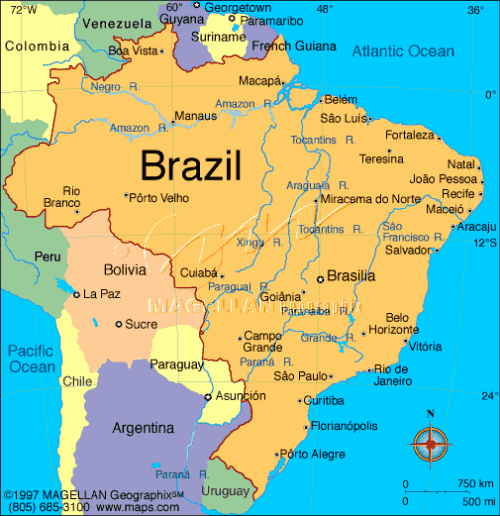
Coffee Production Region | Brazil Coffee Grading System and Four Common Processing Methods in Brazil
This largest coffee-producing region, with its many grades and types, accounts for one-third of global consumption and holds a significant position in the world coffee trade. Brazil faces natural disasters several times more often than other regions, but its plantable area is large enough to compensate.
The varieties here are numerous, but industrial policy focuses on quantity and affordability, so premium-grade coffees are not common; Brazilian beans are nonetheless an excellent choice for blending with other coffees.
Among the most famous is Santos coffee, which is mellow and neutral. It can be brewed on its own or mixed with other beans to create a blend, and works well either way.

South Minas, with hills rising from 700 m to 1200 m, is Brazil's earliest coffee production area. Rising labour costs mean mechanical harvesting now dominates. Other Brazilian types such as Rio and Paraná can be produced in large quantities because they need little care; the flavour is somewhat rough, but they remain good value.
Because production is spread across the country and quality varies, Brazil established its own standards, classifying by impurity level from NO.2 to NO.8, by bean size from NO.13 to NO.19, and by flavour into six grades. Almost all Arabica varieties are of good quality with stable prices, the most famous being Brazil Santos. It has been essential for blending since ancient times and is familiar to the public. More recently, Termina Cup has also received high evaluations.
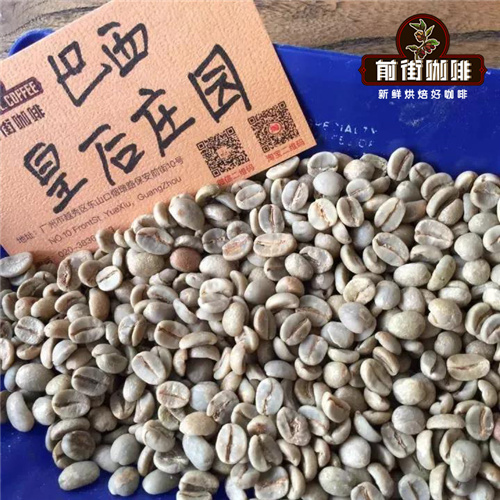
FrontStreet Coffee · Brazil Queen Estate Yellow Bourbon Coffee Beans
Region: Mogiana, São Paulo State
Altitude: 1400-1950m
Variety: Yellow Bourbon
Processing: Natural
Brewing Parameters: Using a Kono dripper, 88°C water temperature, 15 g coffee dose, 1:15 coffee-to-water ratio, medium-fine grind (BG#6W)
Brewing Method: Segmented extraction, 30 g of water for a 30-second bloom, breaking the pour once a small circular stream reaches 125 g, then continuing to 225 g when the water level is about to expose the coffee bed (timing starts at the bloom), with an extraction time of 2 minutes.
Flavor Description: Obvious sweetness with a light lemon aroma, rich nutty flavours, and prominent dark chocolate in the later stages, overall quite rounded.

Colombia (South America)
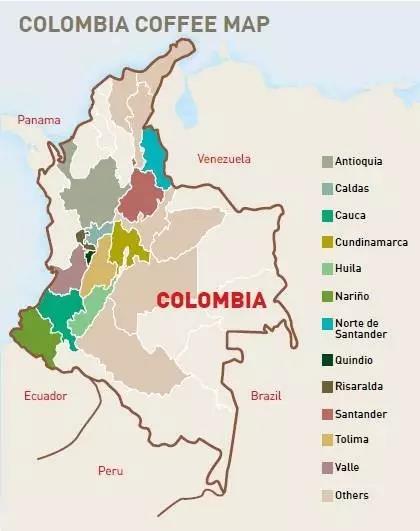
Colombia is one of the world's largest producers of quality coffee, a shining pearl on the world coffee map and a coffee land favoured by nature. Arabica varieties are planted on steep slopes at the foot of mountains at altitudes of 800-900 metres, all hand-picked and washed.
Colombian coffee is balanced with a smooth mouthfeel, like a gentleman among coffees, well-regulated and conventional. Its production regions are extensive, with Medellin, Armenia and Manizales the most famous, habitually referred to together as MAM.
Colombia's specialty bean areas lie mainly in the south, above 1500 metres, including San Augustin in Huila Department, Popayan in Cauca Department, Nariño Department and Tolima Department. Products from these places have delicate acidity and berry aromas, with caramel sweetness and abundant sweetness.
FrontStreet Coffee · Colombia Washed Huila
Region: Huila
Altitude: 1500-1800
Variety: Caturra
Processing: Washed

Brewing Parameters: Using a KONO dripper, 90°C water temperature, 15 g coffee dose, 1:15 coffee-to-water ratio, medium-fine grind (BG#6S)
Brewing Method: Segmented extraction, 30 g of water for a 30-second bloom, breaking the pour once a small circular stream reaches 125 g, then continuing to 225 g when the water level is about to expose the coffee bed (timing starts at the bloom), with an extraction time of 2 minutes.
Flavor Description: Quite balanced overall with obvious sweetness, entering on dark chocolate, nuts and caramel, with gentle fruity acidity as the temperature changes.
Honduras (Central America)

Honduras lies in northern Central America, bordered by the Caribbean Sea to the north and the Gulf of Fonseca in the Pacific to the south, sharing borders with Nicaragua and El Salvador to the east and south and Guatemala to the west, mostly mountainous and plateau terrain. The tropical climate is mild with abundant rain, making it ideal for coffee.
Honduras produces two types of excellent coffee that enthusiasts hold in high regard. One is Highland Coffee, grown at 1000-1500 metres, and the other is Select Highland Coffee, grown at 1500-2000 metres, the country's highest grade. Most Honduran coffee is exported to the United States and Germany.

Twenty years ago Honduras could hardly compete with neighbouring countries in attention to processing detail, maintenance of processing facilities, investment in equipment, export procedures and green bean logistics. Green bean quality was rough rather than refined, and only a few estates or Cup of Excellence-winning lots could be considered specialty. Since 2007 the situation has improved. Under the leadership of IHCAFE and many forward-thinking dry processing facilities, Honduras has gradually improved processing flows, invested in green bean equipment and worked on transport and export. Although its international reputation remains relatively low, proactive roasters have already invested in Honduran production areas to uncover specialty coffees.
In production terms, in 2011-2012 Honduras even led Central American producing countries, harvesting approximately three million bags of 46 kg of coffee a year. Besides volume, IHCAFE has partnered with like-minded production associations and processing facilities on a series of plans to supply international buyers with high-quality, delicious Honduran coffee.
Honduran coffee has a rich, mellow mouthfeel, is neither astringent nor sour, and has high richness and aroma, making it well suited to beginners. It reveals layered flavours depending on roast level: medium roasting maximises sweetness, while dark roasting increases bitterness without losing the sweetness. Medium roasting generally gives the best mouthfeel with a rich, distinctive aroma, and is deeply favoured by Honduran coffee enthusiasts.
FrontStreet Coffee · Honduras Sherry Coffee Beans
Region: Masaguara
Estate: Moca Estate
Altitude: 1500-1700m
Variety: Caturra, Catuai, Pacas
Processing: Fine washed whiskey sherry barrel fermentation

Brewing Parameters: Using a Hario V60 dripper, 90°C water temperature, 15 g coffee dose, 1:15 coffee-to-water ratio, medium-fine grind (BG#6S)
Brewing Method: Segmented extraction, 30 g of water for a 30-second bloom, breaking the pour once a small circular stream reaches 125 g, then continuing to 225 g when the water level is about to expose the coffee bed (timing starts at the bloom), with an extraction time of 2 minutes.
Flavor Description: Enters on vanilla and cream aromas with citrus and berry acidity, then almond and dark chocolate in the middle, maple sweetness at the end and a vanilla aftertaste. Distinct flavours with a smooth mouthfeel, stable from hot to cold and free of off-flavours.

Panama (Central America)
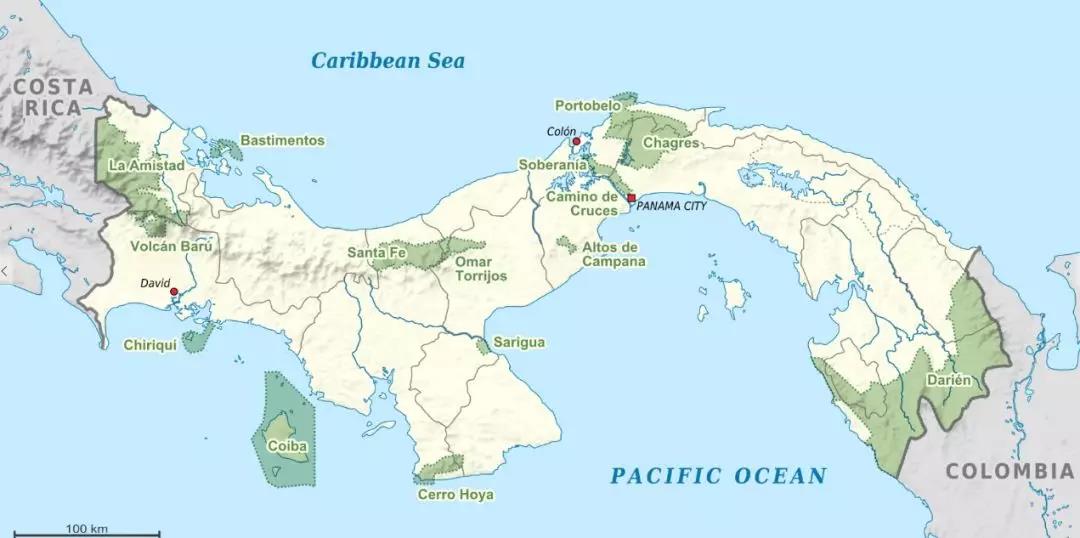
Panama is world-famous for Geisha, and the reason is inseparable from its unique natural geography. Panama is the southernmost country in Central America, bordered by the Caribbean Sea to the east, the Pacific Ocean to the west, Costa Rica to the north and Colombia to the south, and is an important isthmus connecting North and South America. Those geographical factors give Panama complex and varied microclimates, which create the distinctive flavours of Panamanian coffee.

Panama is roughly divided into four production regions:
Boquete Production Region: Altitude 1450 metres
This region produces the most coffee in Panama, and the best quality.
Volcan Production Region: Altitude 2,000-3,000 metres
Coffee from this region has mild, balanced flavours and is gradually gaining attention from international experts and enthusiasts.
Santa Clara Production Region: Altitude 1500 metres
This region benefits from irrigation by the Chorerra waterfall and from its proximity to the Panama Canal, which makes it easy to export coffee from across Panama to the world.
Piedra de Candela Production Region: Altitude 1200 metres
This region is considered the most promising for developing high-quality specialty coffee.

In the evolution of Panama's coffee history, one highlight stands out: Geisha. Compared with the typical flavours of other Panamanian coffees, Geisha's distinctive character is more intoxicating. It also carries particular risks: an extremely high mortality rate, low yield, difficulty in pruning, and a need for complex and costly processing to preserve its original flavour.
Geisha has a distinctive bright acidity. In the book Coffee Hunter, the author Hsu Bao-lin puts it this way: "If you haven't encountered Geisha beans in your life, even calling yourself a gourmet is in vain," evidence of its unquestioned status in coffee circles. Is Geisha expensive? I do not have the surname "expensive"; I have the surname Geisha.
FrontStreet Coffee · Panama Hartmann Coffee
Region: Volcan
Estate: Hartmann Estate
Altitude: 1250-1700m
Variety: Catuai
Processing: Red Wine Processing

Brewing Parameters: Using a Hario V60 dripper, 90°C water temperature, 15 g coffee dose, 1:15 coffee-to-water ratio, medium-fine grind (BG#6S)
Brewing Method: Segmented extraction, 30 g of water for a 30-second bloom, breaking the pour once a small circular stream reaches 125 g, then continuing to 225 g (timing starts at the bloom), with an extraction time of 2 minutes.
Flavor Description: A relatively rich texture with obvious sweet and sour sensations, a smooth entry and a rich red wine mouthfeel, high sweetness, lively bright acidity and rich layers, with tropical fruit, nuts, red wine aftertaste and clear honey and cane sugar, turning to brown sugar when fully cooled.
Costa Rica

Coffee from the high-altitude areas of Costa Rica is world-renowned: rich, mild in flavour but extremely acidic. The beans here are carefully processed, which is why quality is high. The famous coffee comes from the Central Plateau, where the soil consists of several thick layers of volcanic ash and dust.
High-quality Costa Rican green beans are called Strictly Hard Beans, with classification standards as follows:
SHB (Strictly Hard Beans): Above 1200 metres (3900 feet)
GHB (Good Hard Beans): 1000-1200 metres (3300-3900 feet)
MHB (Medium Hard Beans): 500-1000 metres (1600-3300 feet)
Costa Rica's most mature processing method, honey processing, generally produces coffee with an excellent balance of sweetness and fruit acidity. The flavour is generally less strong than natural-processed coffee but fresher and more mellow. The key to the difference lies in the sugar and acidity of the mucilage layer: during drying the sugar in the mucilage becomes increasingly concentrated and penetrates the beans.

Its three most famous production areas are Tarrazú, south of the capital San Jose, and the Central Valley and Western Valley regions. Natural processing is a very traditional method that uses minimal resources, but because there are so many uncontrollable factors, doing it well is very difficult.
Varieties grown in Costa Rica include Caturra, Catuai and Villa Sarchi, plus small amounts of Kenyan varieties such as SL28 and Obata.
Villasarchi
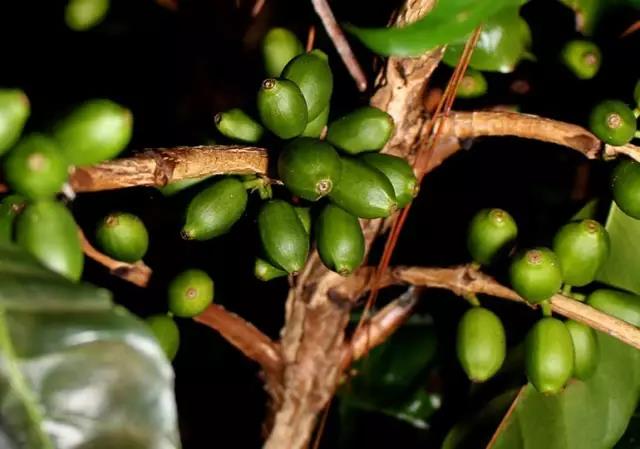
Originating in Costa Rica, this is a Typica variety, with a 60-degree angle between the branches and the trunk like Typica, and bronze-coloured leaves.
FrontStreet Coffee · Costa Rica Cantet Estate Musician Series Mozart Coffee Beans
Region: Tarrazú
Estate: Cantet Estate
Altitude: 1950m
Variety: Caturra, Catuai
Processing: Raisin Honey Processing

Brewing Parameters: Using a Hario V60 dripper, 90°C water temperature, 15 g coffee dose, 1:15 coffee-to-water ratio, medium-fine grind (BG#6S)
Brewing Method: Segmented extraction, 30 g of water for a 30-second bloom, breaking the pour once a small circular stream reaches 125 g, then continuing to 225 g when the water level is about to expose the coffee bed (timing starts at the bloom), with an extraction time of 2 minutes.
Flavor Description: Enters on complex floral aromas and fermented sauce notes with raisin and dried-fruit sweetness, starfruit and berry acidity, and a cane sugar sweet aftertaste.
Guatemala
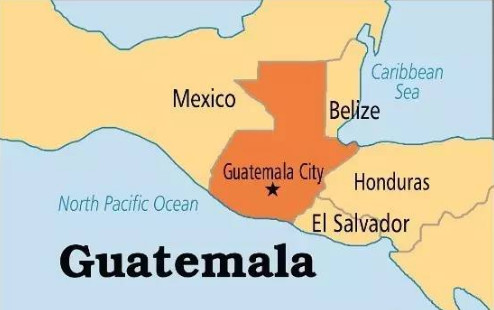
Flavor Characteristics: Bitter and aromatic, excellent mouthfeel
World-renowned, excellent-flavoured coffee is grown in central Guatemala. Beans here mostly carry charcoal-roast flavours and cocoa aroma with only slightly stronger acidity. Slightly acidic, mellow and smooth, it is the best material for blended coffee. Guatemala is classified into seven grades by altitude; higher altitudes are more aromatic and mellow, while lowland beans are lower in quality.
[Pacamara]: A coffee variety discovered in El Salvador in the 1950s, a hybrid of Pacas (a spontaneous mutation of Bourbon) and Maragogype (Elephant Bean).
Guatemala Production Regions
Guatemala is divided into eight production regions, five volcanic and three non-volcanic: Antigua, Traditional Atitlán, Cobán Rainforest, Nuevo Oriente, San Marcos Volcano, Acatenango Valley, Huehuetenango Highlands and Fraijanes Plateau.
Even within one production region flavours may differ. In the Huehuetenango Highlands, for example, crossing a single mountain can change the coffee's flavour immediately. Add the growing diversity of varieties and processing methods, and coffee flavour becomes a contest of a hundred schools of thought.

Non-Volcanic Regions
The Huehuetenango Highlands, among Guatemala's three non-volcanic coffee regions, has the driest climate and the highest altitude. Beans from here are characterised by high acidity, bitter and aromatic, with a wine aftertaste and an excellent mouthfeel.
The Cobán Rainforest Region is defined above all by its rainforest, with two seasons, a heavy rainy season and a light one. The tropical rainforest brings high humidity and abundant nutrients. The coffee's most notable characteristic is relatively strong fruit aroma, closely related to the local humidity.
The Nuevo Oriente Region lies in easternmost Guatemala, began growing coffee latest, and was once the country's most remote and poorest area. The rainy, foggy conditions make it somewhat similar to the Cobán Rainforest, though with slightly less humidity and rain. The soil is rich in minerals and nutritionally balanced. Beans from this region have a balanced mouthfeel, full body and chocolate notes, but the lowest fruit acidity of Guatemala's eight regions. Chocolate aroma is the main characteristic of Nuevo Oriente.

Volcanic Regions
The Antigua Region is one of Guatemala's most famous coffee areas and the most frequently awarded, crowned with the name Classic. Its main characteristics are rich volcanic soil, low humidity, abundant sunlight and a wide day-night temperature difference. The region is surrounded by three volcanoes, Agua, Fuego and Acatenango. Fuego is one of Guatemala's three most active volcanoes. Because local volcanic activity is frequent, volcanic pumice holds humidity and supplies continuous volcanic ash and minerals to the soil, overcoming Antigua's low rainfall and creating the region's extremely balanced coffee with sweet, sour, bitter and spicy aromas.
The Acatenango Valley Region rises as high as 2000 metres, with dense shade and a unique ecology. Nearby volcanic eruptions keep enriching the soil with fertile minerals, the best natural fertiliser locally. Coffee is processed mainly by traditional family methods. Beans from here resemble Antigua but with slightly lower fruit acidity, significant and pleasant dry and wet aromas, full body, a clear aftertaste and a refreshing aroma.

The Traditional Atitlán Region, among the five volcanic regions, has the most abundant organic matter in its soil. It has accumulated excellent cultivation and processing techniques over a long period. Ninety percent of the coffee is planted on steep volcanic slopes along the shores of Lake Atitlán, at altitudes of approximately 1300-2000 metres. The beans have mild acidity, bright citrus peel aroma and good body.
The Fraijanes Plateau Region is a high-altitude volcanic region with mineral-rich soil. Its beans tend toward balance but have more distinctive aromas and flavours than Antigua.

FrontStreet Coffee · Guatemala Antigua Flor de Cafe Coffee Beans
Region: Antigua
Estate: La Minita Estate
Altitude: 1850m
Variety: Bourbon, Caturra, Catuai
Processing: Washed Processing
Brewing Parameters: Using a Hario V60 dripper, 90°C water temperature, 15 g coffee dose, 1:15 coffee-to-water ratio, medium-fine grind (BG#6S)
Brewing Method: Segmented extraction, 30 g of water for a 30-second bloom, breaking the pour once a small circular stream reaches 125 g, then continuing to 225 g when the water level is about to expose the coffee bed (timing starts at the bloom), with an extraction time of 2 minutes.
Flavor Description: Citrus acidity is quite obvious, with rich floral aromas, pleasant sweetness, medium body and a slight caramel note in the later stages, balanced and clean overall with a smooth texture.

Peru

Peruvian coffee has distinct chocolate, cream and herbal notes, with main varieties including Typica, Bourbon and Catuai.
Peru's Main Production Regions
North: Nearly 70% of Peru's coffee comes from here, mainly organic.
Central: At high altitude (1200-2000 m), and most coffee produced here is also organically cultivated, with elegant, smooth acidity and a layered mouthfeel.
Peru uses planned cultivation for coffee, greatly improving yield. Its rich acidity and mellow smoothness are its most significant characteristics. Peruvian coffee has gentle acidity and medium body with excellent taste and aroma, making it indispensable in blends. Outstanding Peruvian coffee has rich aroma, a smooth mouthfeel, distinct layers and rich sweetness, with gentle fruit acidity and rich, high-quality dark chocolate notes.
Ecuador
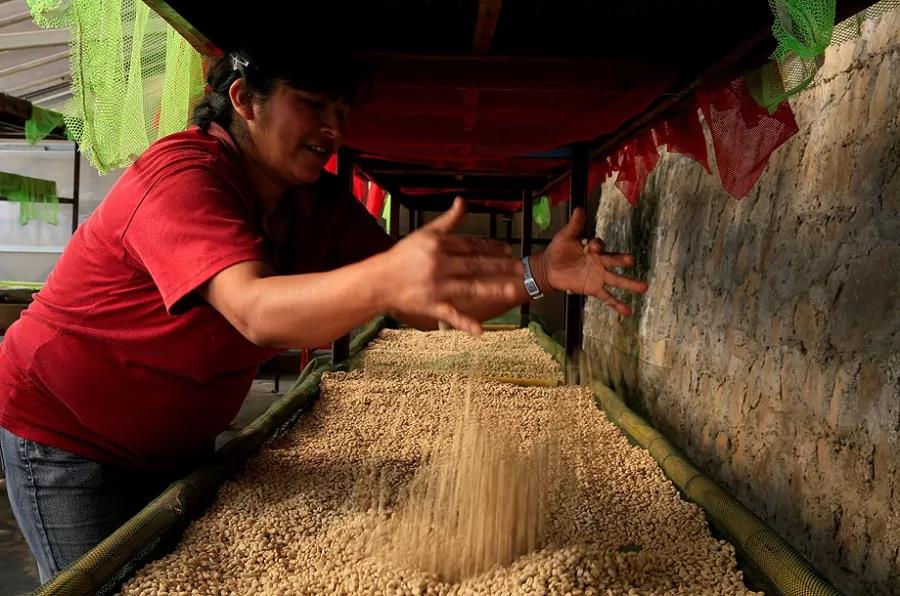
Varied ecosystems have created Ecuador's rich coffee flavours, but most still show classic South American characteristics such as medium body, layered acidity and high sweetness. Most coffee is organically cultivated, and the high-altitude areas produce good quality.
Ecuador's Main Production Regions
Manabi Province: Dry and coastal, at moderate altitudes of 300-700 m, this is Ecuador's largest coffee region, with Arabica accounting for half the national total.
Zamora Chinchipe Province: In south-eastern Ecuador at high altitudes of 1000-1800 m, mainly producing washed Arabica with distinct sweetness and berry notes.

Loja Province, El Oro Province: Twenty percent of the country's Arabica comes from this region. Because the climate is dry, the beans are almost all naturally processed.
Jamaica Blue Mountain

When the subject of coffee comes up, many people say at once, "Give me a cup of Blue Mountain." Jamaica Blue Mountain has a high reputation, low production and a long history. Even those who have never drunk specialty coffee have probably heard of it.
Three Major Production Regions of Blue Mountain Coffee
The Blue Mountain region is small, with only 6,000 hectares of planting area, so it is impossible for every coffee labelled Blue Mountain to be grown there. Another 12,000 hectares are used to grow two other, non-Blue Mountain coffees: High Mountain Supreme and Jamaica Prime.

Grades are classified by bean size into NO.1, NO.2, NO.3 and hand-selected PB. The basic standard for NO.1 Blue Mountain green beans is beans above 17 mesh, a defect rate below 3% and a moisture content around 13%. To date, Jamaica Blue Mountain green beans have had only one processing method, washed, with no natural or other methods.
Jamaica Blue Mountain Coffee Bean Processing Method
FrontStreet Coffee's Jamaica Blue Mountain coffee beans mainly use washed processing, which ensures the standard flavour of Blue Mountain. This year, however, there is a treat in store: a naturally processed version of Blue Mountain has been successfully produced. It is an unprecedented and innovative attempt. The development team went through countless difficulties, needing permission from Jamaica's Ministry of Agriculture to export non-washed green beans and making repeated visits to learn from excellent estates and adjust the processing plan.

Jamaica Blue Mountain Coffee Bean Grading
Coffee from Jamaica's Blue Mountain region has three grades: Blue Mountain Coffee, Jamaica High Mountain Supreme Coffee Beans and Jamaica Prime Coffee Beans.
Blue Mountain Coffee is divided further. From high to low: Blue Mountain No.1, Blue Mountain No.2, Blue Mountain No.3 and PB (also called peaberries, round beans).
Blue Mountain No.1: 96% of green beans are 17/18 mesh, defect rate below 2%.
Blue Mountain No.2: 96% of green beans are 16/17 mesh, defect rate below 2%.
Blue Mountain No.3: 96% of green beans are 15/16 mesh, defect rate below 2%.
PB: 96% of green beans are PB, defect rate below 2%.
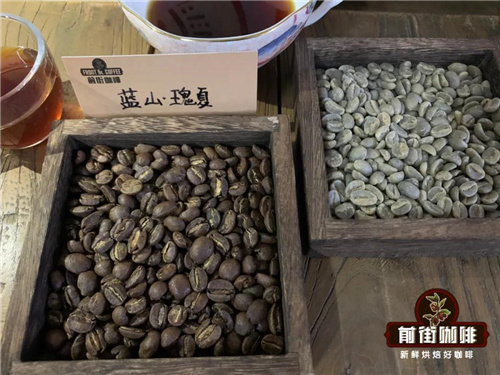
FrontStreet Coffee · Jamaica Blue Mountain No.1 Coffee Beans
Region: Blue Mountain
Estate: Clifton Estate
Altitude: 1310m
Variety: Typica
Processing: Washed

Brewing Parameters: Using a Kono dripper, 88°C water temperature, 15 g coffee dose, 1:15 coffee-to-water ratio, medium-fine grind (BG#6W)
Brewing Method: Segmented extraction, 30 g of water for a 30-second bloom, breaking the pour once a small circular stream reaches 125 g, then continuing to 225 g when the water level is about to expose the coffee bed (timing starts at the bloom), with an extraction time of 2 minutes.
Flavor Description: A clean, mild mouthfeel, rich and mellow, with dark chocolate, nuts and cream and balanced sweet, sour and bitter notes.
Bolivia
In Bolivia, transport difficulties have limited the pace of coffee development, but quality is by no means inferior. Bolivian beans are all of good quality, with distinct fruity notes and sometimes floral aromas.

Japan's competitor Miki Suzuki took the world runner-up title at the WBC (World Barista Championship) held in Seoul in 2017 using Bolivian Geisha, and Bolivia as a coffee-producing country became far better known. Most Bolivian varieties are Typica, Caturra and Catuai, with organic cultivation almost everywhere.
Bolivia has diverse terrain, and its capital La Paz sits at 3500 metres in the west. High altitude is a great advantage for coffee, but Bolivia's coffee industry remains weak, with annual production of only 150,000 bags.
Bolivian farmers mainly use washed processing, with some occasionally using natural or honey methods. It is worth noting that because Bolivia's climate is colder than other coffee-producing countries, many farmers use machine drying rather than sun-drying.
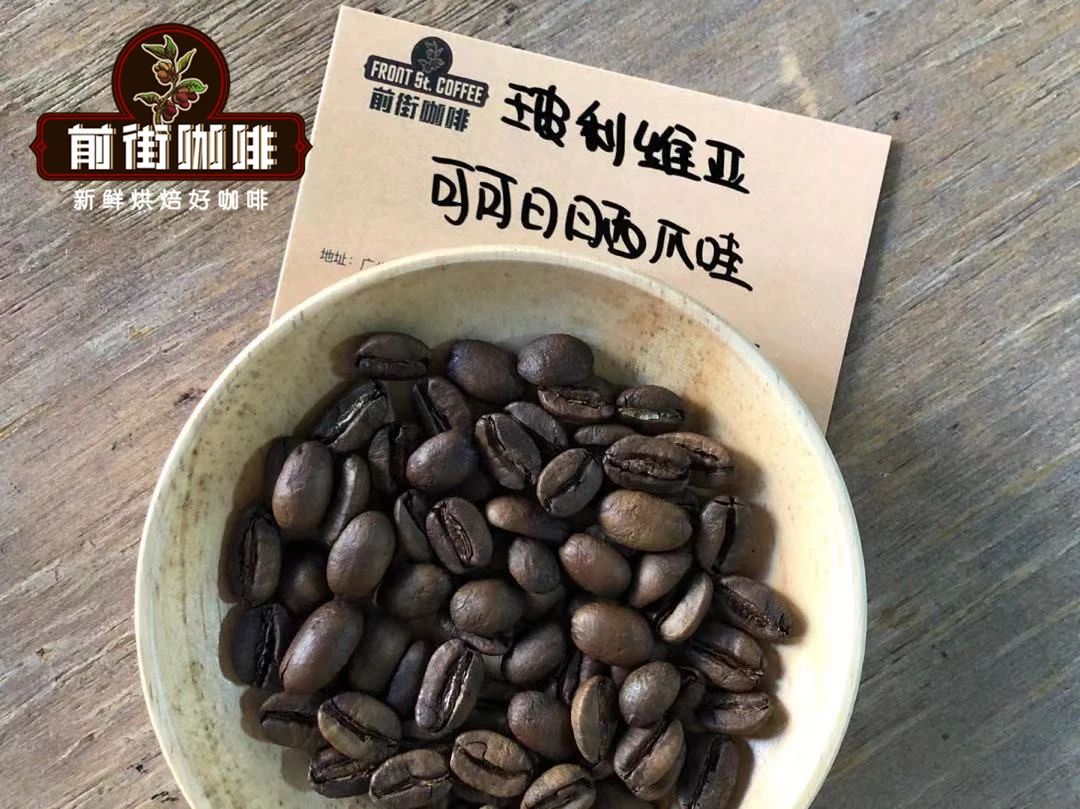
FrontStreet Coffee · Bolivia Waliki Estate Cocoa Natural Java
Coffee Region: La Paz
Planting Altitude: 1600 metres
Coffee Variety: Java
Processing Method: Cocoa Natural Processing
Brewing Parameters: Using a Kono dripper, 88°C water temperature, 15 g coffee dose, 1:15 coffee-to-water ratio, medium-fine grind (BG#6W)
Brewing Method: Segmented extraction, 30 g of water for a 30-second bloom, breaking the pour once a small circular stream reaches 125 g, then continuing to 225 g when the water level is about to expose the coffee bed (timing starts at the bloom), with an extraction time of 2 minutes.
Flavor Description: Slight fermentation, grape, light nuts, floral aroma, medium acidity, juice-like mouthfeel
For more specialty coffee beans, please add FrontStreet Coffee's private WeChat, WeChat ID: kaixinguoguo0925
FrontStreet Coffee Recommendation
The way to taste the Latin American character at the top of the range is Panama Geisha. FrontStreet Coffee's Panama Boquete Geisha is an entry-level Geisha that delivers the classic orange-blossom honey, oolong-tea texture and delicate fruit acidity of high-quality Panamanian Geisha in clearly separated layers at an approachable price. Above it sit Hacienda La Esmeralda's two labels: the Red Label, Esmeralda Special, grown at 1600-1800 metres with every lot cupping above 90 points and drawn from a single small plot, and the Green Label, originally Private Collection, which blends several plots and emphasises the estate's signature high-altitude Geisha profile.
Ethiopia, where Geisha originated, offers a brighter, more fruit-driven reading of the variety. FrontStreet Coffee's Geisha Village Gold Label is the Geisha 1931 variety, about 10% of the village's production, and the Red Label is the Gori Gesha variety at roughly 15%, cupping at 88 points or above on the SCA 100-point scale as a single-terroir series with full plot-level traceability. For a gentler introduction, FrontStreet Coffee's Granada Estate Geisha from Ethiopia is medium-light roasted and shows bright citrus acidity, elegant ginger-flower aroma and ripe-fruit sweetness.
If you want an everyday Latin American coffee rather than a collector's lot, FrontStreet Coffee's Brazil Queen Estate is the place to start. The variety is the rare Yellow Bourbon, a natural mutation of Red Bourbon, grown in Mogiana near South Minas on fertile red volcanic soil. Through pour-over, a moka pot or a home espresso machine it delivers a sugarcane sweetness found in few other origins, alongside fruit and chocolate notes.
Important Notice :
FrontStreet Coffee is a long-established specialty coffee roaster in Guangzhou China, selling freshly roasted beans from its own farm in Yunnan as well as dozens of carefully selected single-origin beans from around the world for both pour-over and espresso. The products deliver consistently excellent quality and great value, with shipping within 24 hours. Guangzhou's FrontStreet Coffee shop is recommended by many coffee lovers, and the beans are now available online at the Tmall 。
FrontStreet Coffee has moved to a new address:
FrontStreet Coffee Address: 315,Donghua East Road,GuangZhou
Tel:020 38364473
 Scan and follow the En Gafei WeChat official account. Please indicate that the reprint comes from "En Gafei".