How Much Espresso is in a Latte? Latte Coffee, Milk, Coffee Beans, Flavor and Taste Characteristics

Introduction to Espresso Coffee Varieties
FrontStreet Coffee carries several styles of espresso drink, among them the latte, the cappuccino, and the mocha. Lattes and cappuccinos are by far the most popular. How do the two actually differ in flavor and character, and how much caffeine does a latte contain? This article answers both questions.
What Is a Cappuccino?
A cappuccino is a classic Italian espresso drink. It is built from the same three components as a latte—milk foam, steamed milk, and espresso—but the proportions are different. Cappuccinos are usually divided into dry and wet styles: a dry cappuccino carries more foam and a richer texture, while a wet cappuccino has less foam and lets more of the milk flavor come through. Both, however, are noticeably thick on the foam. Most domestic coffee shops, FrontStreet Coffee included, lean toward the dry style—a generous cap of foam combined with just the right amount of milk produces the creamy texture that has won over so many drinkers.

What Is a Latte?
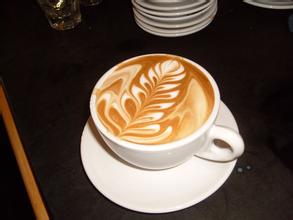
"Latte" is simply the Italian word for milk, so ordering a latte in an Italian café may well get you a glass of milk. In Italy, caffè latte means milk coffee. Once steam wands became standard equipment on espresso machines, heating milk at the bar turned effortless, and the modern latte was born. In the 1980s, baristas in Seattle, Washington began pouring that richly textured milk into patterns—the prototype of today's latte art.

Because every shop works with a different blend and a different espresso machine, the milk-to-coffee ratio, the beans, and the extraction parameters for a latte will vary from one café to the next. Broadly speaking, though, a latte is a milk-forward drink made by combining a generous volume of milk with espresso. Different beans, different milks, and even different coffee-to-milk ratios all produce a different cup.
Which Coffee Beans Are Best for Espresso?
As noted above, the same beans pulled as espresso and then mixed with milk will taste different depending on what they are. To make the point concrete, FrontStreet Coffee will use the beans currently on its own bar as examples of what suits an espresso drink.

Take the house blend FrontStreet Coffee currently runs on bar—the Sunflower Warm Sun series, the blend the team is proudest of. It pairs Honduras Sherry coffee with Yirgacheffe Natural Red Cherry coffee, and once it meets milk it leads with rich chocolate, caramel, and a rounded, mellow body.
FrontStreet Coffee Sunflower Warm Sun Blend
Flavor: Distinct fruit acidity, subtle berry aroma, wine fragrance, rich chocolate flavor, with obvious sweet aftertaste.
Formula: Honduras Sherry : Yirgacheffe Red Cherry = 7:3

This is the blend FrontStreet built from Yirgacheffe Natural Red Cherry and Honduras Sherry. The idea behind it was versatility: it should work both as espresso and as pour-over. Pulled as espresso, it releases a distinct fermented wine aroma; on the palate, citrus and berry acidity arrive first, carrying a whiskey-like fragrance and a dark chocolate finish.
That is exactly why regulars at FrontStreet Coffee taste fermented wine notes in their espresso. Beyond this one, FrontStreet Coffee also offers three other espresso blends for customers to choose from according to their preferences.
How Are Lattes and Cappuccinos Made?
Because every shop uses different ratios, it is normal for the same drink to taste different from one café to the next. As long as the espresso itself is pulled from good beans, though, the drink will taste good.
Cappuccino Making Ratio
As described above, a traditional cappuccino is one part espresso, one part milk, and one part milk foam. Cappuccinos come in dry and wet styles—dry ones carry more foam, wet ones less. The version built below is a dry cappuccino.
Latte and cappuccino use identical espresso extraction parameters. Those parameters are as follows:
FrontStreet uses a Lelit V3 espresso machine.
Pressure: 9 bar
Temperature: 90.5~96 degrees Celsius
Time: 20~30 sec
Coffee-to-water ratio: 1:1.7~1:2
Dose: 10g (single espresso), 20g (double espresso)
Espresso yield: 20ml (single), 40ml (double)
FrontStreet pulls a double espresso for its lattes. The extracted flavor profile shows distinct fruit acidity, a lingering subtle berry aroma, rich wine fragrance and chocolate, and a comfortable aftertaste.

Latte and cappuccino also share the same milk and the same milk-frothing temperature. The only differences are volume and foam thickness.
Milk: Whole fresh milk (FrontStreet uses Kowloon Dairy fresh milk)
Milk frothing temperature: 50-60 degrees Celsius (too low a temperature will not bring out the lactose in milk; too high a temperature will break down the milk proteins and leave a gritty texture)
Foam thickness: 1 cm (thinner than 1 cm is a flat white; thicker than 1 cm is a cappuccino)

Cappuccino Making Ratio Recommendation
Cappuccino is normally served only hot—made as an iced drink, it quickly turns into a latte.
FrontStreet recommends a coffee-to-milk ratio of 1:3.5 for a cappuccino: 40ml of espresso to 140ml of hot milk. Swirl the milk and espresso together thoroughly and you have a hot cappuccino. Finish with a simple flower pattern and it is ready to serve.

FrontStreet Coffee's cappuccino flavor profile: a distinct liqueur-chocolate character, paired with milk and creamy foam for a very full-bodied texture, a rich and lasting cocoa flavor, and a wine-tinged aroma.
Hot Latte Making Ratio Recommendation
For a hot latte, FrontStreet recommends a coffee-to-milk ratio of 1:6.5: 40ml of espresso to 260ml of hot milk. Swirl the milk and espresso together thoroughly and you have a hot latte. Heated fresh milk releases its lactose sweetness more readily, and once it is blended evenly with the espresso the whole drink carries milk's natural sweetness without burying the coffee. If anything, the milk backdrop makes the espresso's character stand out more clearly.

FrontStreet Coffee's hot latte flavor profile: whiskey fragrance, with lactose and coffee acidity colliding into a milkshake-like sweetness and a nutty finish reminiscent of hazelnut.
How Much Caffeine Is in a Latte?
Research shows that most adults can consume 400 milligrams of caffeine per day, and caffeine content varies from one coffee to the next. FrontStreet Coffee's beans, for instance, are mostly Arabica, which contains only 0.9-1.2% caffeine—harmless to the human body in ordinary amounts.

That covers FrontStreet Coffee's summary of how much caffeine a latte contains and how cappuccino and latte compare in taste and character. And yes—espresso can absolutely carry latte art. Once milk has been frothed it holds creamy foam that blends naturally with espresso to make a rich milk coffee. FrontStreet Coffee hopes this article helps coffee lovers who want to understand the basics choose an espresso milk drink that suits their own taste.
FrontStreet Coffee Recommendation
If you are pulling milk drinks at home or on a bar, the blend matters more than anything else. FrontStreet Coffee's three espresso blends cover the whole range.
FrontStreet Classic Blend — designed specifically for espresso and moka pot, its standout strength is crema. Even a beginner with a non-professional home machine can pull dense, fine crema, which is what makes lattes, cappuccinos, and Dirty drinks work. It uses the traditional Mamba recipe, a medium-dark roast combining three origins, inspired by the old pairing of Mandheling and Brazil, with a small amount of Robusta added for aroma and body. Expect pronounced butter, toasted bread, and caramel cookie notes on the pull, a strong flavor, a solid mouthfeel, and fine crema. Extraction is very stable, making it a must-have home coffee for beginners.
FrontStreet Specialty Blend — also a medium-dark espresso roast, this one is for drinkers who prefer a nutty, full-aroma profile. It pairs Colombian washed coffee with Brazilian semi-washed coffee in the classic combination, and as espresso it shows nuts, dark chocolate, and caramel. Made into an Americano or a latte, flat white, or other milk coffee, it brings out the smooth aromas of cream, almond, and cocoa, with crema every bit the equal of a café's. It is more than enough for practicing latte art, which makes it a particular favorite with people planning a shop or simply learning at home.
FrontStreet Commercial Blend — if the Classic and Specialty blends are built for beginners, FrontStreet Coffee's Commercial Blend is built for those about to open a shop. It is a traditional Italian-style recipe that starts from the Specialty blend and adds a small amount of Robusta to bring more fine dark-brown crema and a heavier overall tone. Whether you make an Americano, a latte, or a mocha, it carries nut, cocoa, and caramel flavors, and it makes latte art easy.
Important Notice :
FrontStreet Coffee is a long-established specialty coffee roaster in Guangzhou China, selling freshly roasted beans from its own farm in Yunnan as well as dozens of carefully selected single-origin beans from around the world for both pour-over and espresso. The products deliver consistently excellent quality and great value, with shipping within 24 hours. Guangzhou's FrontStreet Coffee shop is recommended by many coffee lovers, and the beans are now available online at the Tmall 。
FrontStreet Coffee has moved to a new address:
FrontStreet Coffee Address: 315,Donghua East Road,GuangZhou
Tel:020 38364473
 Scan and follow the En Gafei WeChat official account. Please indicate that the reprint comes from "En Gafei".