Exploring Sidamo Shakiso Coffee: Flavor Profiles, Processing Methods, Varieties, and Regional Characteristics

For more specialty coffee knowledge and bean information, follow FrontStreet Coffee.
The Sidamo Coffee Region
Sidamo's coffee flavors are extraordinarily diverse. Different soil compositions, regional microclimates, and countless native varieties give each town's coffee its own distinct character. The Sidamo growing region lies in southern Ethiopia, where agriculture is the main industry; the coffee areas cluster around the Great Rift Valley of East Africa.
That diversity stems from varied soils, microclimates, and a wealth of native coffee species, set against towering mountains, highlands, plateaus, valleys, and plains. The local geology is nutrient-rich, well-drained volcanic soil reaching nearly two meters deep, dark brown or brown at the surface. The region's greatest advantage is how it maintains fertility through organic cycles—fallen leaves and plant residues from surrounding trees serve as fertilizer. This is what gives each town's coffee its distinct signature. From 2010 to 2012, Sidamo coffee consistently scored 92-94 on the authoritative American coffee review website Coffee Review.


That says everything about the quality of the region's green beans. Sidamo grows at 4,600-7,200 feet in the southernmost Ethiopian highlands (Sidamo province)—a famous specialty region in the country's south, bordering Kenya, southeast of Jimma and directly south of the capital. It typically shows distinct sweetness, which is why so many people favor it. Annual production runs about 225,000 60kg bags. The beans are slightly smaller than Longberry, greenish with gray tones. On Sidamo's drying fields, coffee rests on wooden racks with hemp netting, where workers take turns stirring it under the sun. Natural process Sidamo is mostly exported as G4, while washed Sidamo—processed more finely than natural lots—is mostly exported as G2.
Shakisso, in Guji in the southern Oromia region, borders Sidama and Gedeo. The area is dotted with old mining pits from previous gold mining, leaving many holes scattered across the coffee-growing land.
That makes walking between the growing areas genuinely dangerous. Shakisso is a unique region within Guji/Sidamo—remote even by Sidamo standards, far from most other coffee areas. The other famous local product is gold. Miners, land disputes, and ethnic tensions made the region unstable in 2006, so the area's biggest challenge today is finding the manpower to maintain the groves and harvest the coffee. Local smallholders began growing organic coffee in 2001 and work closely with medium-sized producers who know how to raise forest coffee in highland terrain.

Brewing Recommendations
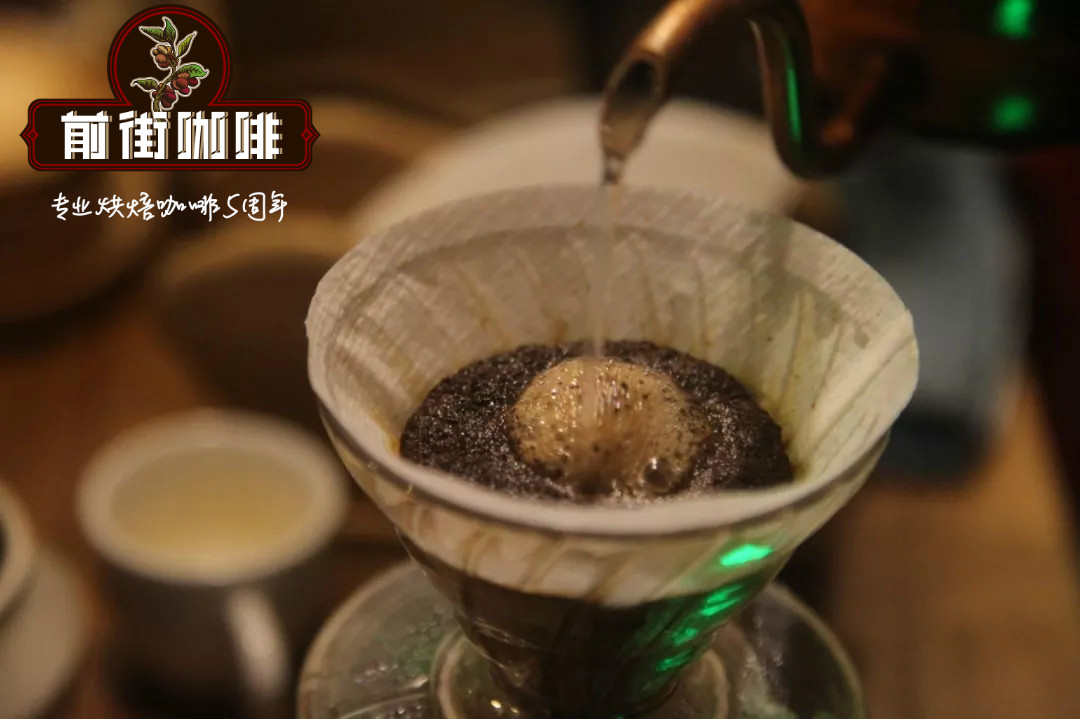
FrontStreet Coffee's recommended method: pour-over
Filter: V60
Water temperature: 91°C
Coffee-to-water ratio: 1:15
Grind size: BG-5R (58% pass-through on the Chinese standard #20 sieve)
Technique: bloom with 30g of water for 30 seconds, pour to 125g in stages; when the level drops and nearly exposes the bed, continue to 225g and stop; when the bed is about to show again, remove the dripper. (Timing starts from the bloom.) Extraction time is about 2 minutes.
The entry shows distinct lemon acidity with jasmine florals; as the cup cools, cream, cane sugar, and nuts appear. The finish carries oolong tea character and a persistent sweetness—overall, very sweet and refreshing.
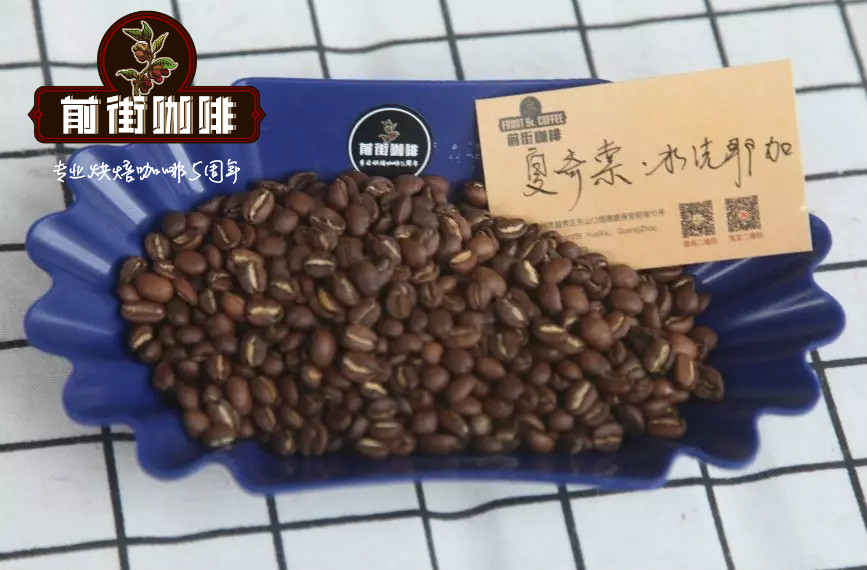

For this Shakisso lot, FrontStreet Coffee chooses a light roast to preserve its aromatics and fruit acidity—and don't be shy about brewing it with hotter water!
END
FrontStreet Coffee Recommendation
For more Sidamo character, FrontStreet Coffee recommends two naturals from the region:
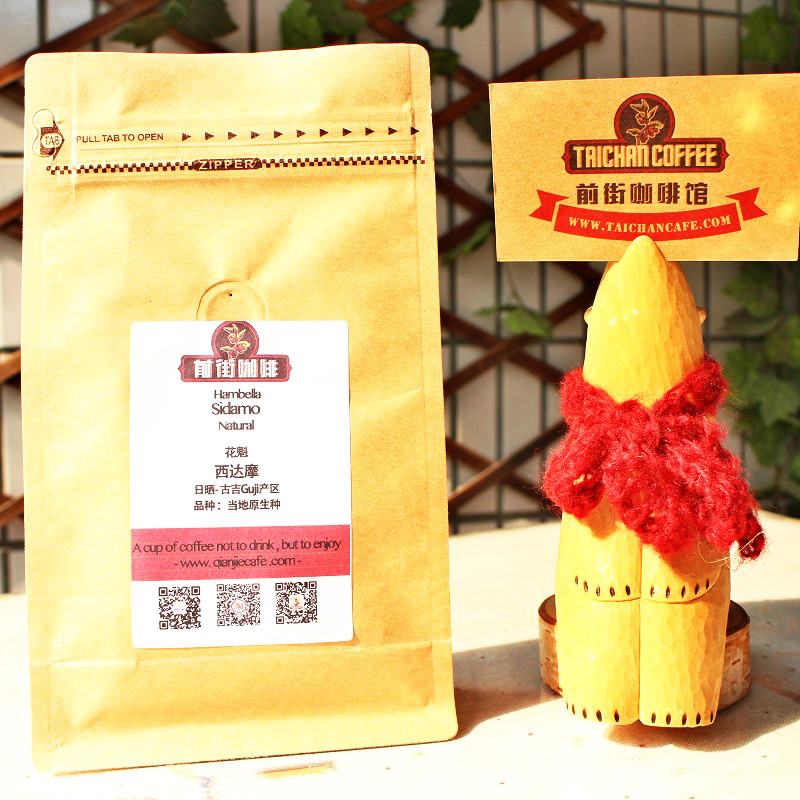
FrontStreet Sidamo Huakui (Natural) — from the Hambella area of Guji, West Arsi: a 200-hectare farm using traditional natural processing. Ripe cherries are dried on raised beds for 21 days, turned constantly for even drying and hand-sorted every 3-5 days to remove defective or moldy beans, then hulled once the dried husk hardens. Medium-light roasted, it shows a faint fermented wine aroma, florals, citrus, and mango with a much denser, more complex cup: honey sweetness, cocoa undertones, a whisper of spice, thick body, and a long finish.
FrontStreet Sidamo Hamasho 74158 (Natural) — from the Hamasho washing station, a perennial winner in Ethiopia's green bean competitions. Its lots are built mainly on the JARC 74-series disease-resistant varieties; the 74158 strain has small, compact beans and outstanding floral-fruit aromas: perfume lemon, strawberry, and star fruit sweetness on the nose, followed by vivid strawberry, star fruit, and green grape flavors with delicate florals rising on the finish.
Important Notice :
FrontStreet Coffee is a long-established specialty coffee roaster in Guangzhou China, selling freshly roasted beans from its own farm in Yunnan as well as dozens of carefully selected single-origin beans from around the world for both pour-over and espresso. The products deliver consistently excellent quality and great value, with shipping within 24 hours. Guangzhou's FrontStreet Coffee shop is recommended by many coffee lovers, and the beans are now available online at the Tmall 。
FrontStreet Coffee has moved to a new address:
FrontStreet Coffee Address: 315,Donghua East Road,GuangZhou
Tel:020 38364473
 Scan and follow the En Gafei WeChat official account. Please indicate that the reprint comes from "En Gafei".