Civet Cat Coffee Flavor Profile, Varieties, Origin Characteristics, and Premium Coffee Bean Introduction
Coffee enthusiasts generally know that Jamaican Blue Mountain Coffee is among the finest coffees in the world, but do you know what the most expensive coffee is? The world's most expensive coffee is undoubtedly Kopi Luwak (Indonesian Civet Coffee). As rarity commands value, one pound of Kopi Luwak coffee beans retails for at least six hundred US dollars, earning it the reputation as the "Rolls Royce" of coffees.
Kopi Luwak (also known as civet coffee) has limited annual production, making it a favorite among the wealthy. When FrontStreet Coffee first tried civet coffee, it found it had a special herbal aroma and excellent body.

History - The Greed of European Powers and Farmers' Discovery
Historically, why would anyone search for coffee in feces? The question is puzzling, but historical records give us the reasons and the people who made these discoveries.
During the Age of Exploration, European powers sought to acquire more land worldwide. Taiwan was once an island colonized by the Dutch and Spanish, while Indonesia, the island of civets, was also occupied by the Dutch, who even established the so-called "East India Company," a government institution with enormous power.

Indonesian farmers, under the threat of force, became cheap labor for the Dutch. Initially they grew spices, and later coffee. Crops from tropical Indonesia were very popular in Europe, allowing the Dutch to earn considerable silver. This was typical of how colonial powers treated the local populations of the territories they controlled during the Age of Exploration.
Yet the farmers had never tasted the coffee they grew themselves, a situation that in some places persists today. At the time, farmers dared not secretly pick the crop, since discovery would lead to severe punishment. But curiosity could not be stopped. When someone discovered coffee beans remaining in civet feces and found them exceptionally delicious after processing, they came to understand why the Western world loved coffee so much, even coffee recovered from animal feces.
This good fortune did not last long. After the Dutch learned about it, collecting civet coffee became one of the new tasks of the trade, and the farmers could no longer enjoy coffee with that special taste.
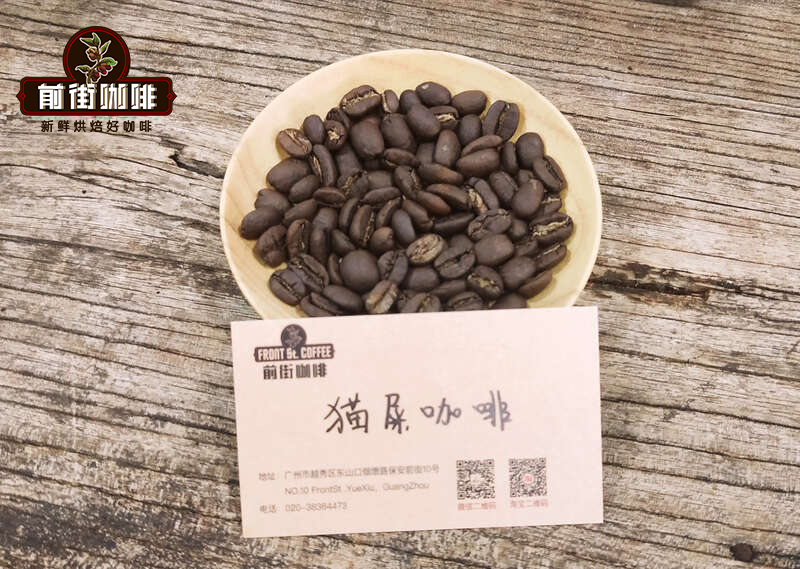
Bean Source: Wild or Farmed?
All of this is for a luxury item, and a second-rate one at that. Experts say the uniqueness of civet coffee lies in wild civets selectively choosing coffee fruits; when civets are kept in cages and fed random coffee fruits, the resulting product will not be particularly good.
Furthermore, a coffee expert stated in an article by the Specialty Coffee Association of America that civet coffee was not originally that good: although the civet's digestive process does make coffee smoother, it also removes good acidity and flavors, which are the characteristics of specialty coffee.
Currently there is no way to distinguish whether civet coffee beans come from wild or captive civets. In 2013, the BBC conducted a secret investigation and found that some coffee marketed as wild civet coffee in Europe came from inhumanely treated captive civets.
Even Tony Wild, the coffee trader who introduced civet coffee to the West, argued in a British Guardian article that civet coffee should not be consumed. He said this coffee has become increasingly industrialized, more cruel to animals, and frequently counterfeit. Today there is no certification mechanism to prove that "wild" coffee is truly wild. Additionally, while other coffee certification organizations ensure reliable coffee cultivation and production, these organizations refuse to certify civet coffee.
The Rainforest Alliance, based in New York, and other well-known coffee certification organizations issue certification labels based on Sustainable Agriculture Network (SAN) standards. These standards prohibit farms from hunting wild animals, and SAN regulations for Indonesian coffee explicitly prohibit caged civets.

UTZ is another important sustainable coffee certification standard that also prohibits farms from keeping wild animals in cages and refuses to certify civet coffee.
Rainforest Alliance's Alex Morgan said that certifying civet coffee is too risky because it is impossible to ensure that the beans are 100% from wild sources. He said: "My personal recommendation is to avoid this coffee as much as possible, as it usually comes from caged animals."

Sumatra Civet Coffee Kopi Luwak Specialty Coffee
Among many civet coffees, the most expensive is Indonesian wild beans, followed by Philippine, with Vietnamese being cheaper. There are also so-called "Grade A" civet coffees on the market, where beans are excreted by artificially fed civets, or possibly by other animals. Wild civets live in nature and freely select beans. Since these cats are picky eaters, they avoid bad fruit and choose only ripe ones, not old ones, so the beans they select are always of the highest quality without defects. Farmed civets come with no such guarantee, and the quality of the excreted beans varies. Coffee beans are evaluated by experts and international buyers through cupping for aroma and concentration, while ordinary consumers find it difficult to determine the true quality of coffee from packaging appearance alone.
The principle is simple enough: it uses lactic acid bacteria and digestive fluids from the animal's digestive tract to replace machines or water washing, removing the pulp and pectin attached to the bean surface. These beans are excreted with the feces, and after washing they become valuable "in vivo fermented" beans. Besides the commonly heard civet, this processing method actually involves other animals such as guans, monkeys, and elephants, but the latter few have not reached commercial scale, and only the civet stands out.

Civets mainly inhabit tropical rainforests and subtropical evergreen broadleaf forest edges, shrublands, and grasslands in hills and mountains below 2100 meters altitude, choosing rock caves, soil holes, or tree holes as habitat sites.
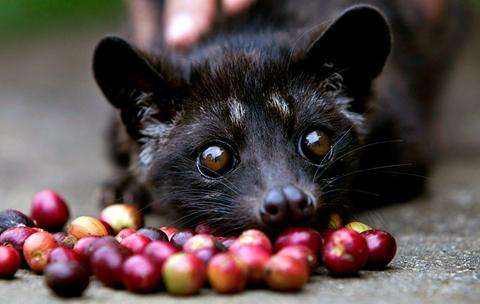
Civets have omnivorous diets. Animal foods include small mammals, birds, amphibians, reptiles, crustaceans, and insects such as rodents, small birds, snakes, frogs, fish, crabs, bird eggs, insects, earthworms, and wild birds. Plant foods include stems and leaves of Solanaceae plants, seeds of various figs, and fruits like Trichosanthes and Physalis. However, civets have poor digestion for plants, so eating berries is equivalent to their dessert, while their main food is meat.
Because they digest plants poorly, they mainly live in broadleaf forests, shrublands, and agricultural areas in South Asia and Southeast Asia. These areas are also suitable environments for coffee trees to grow, so many of the fruits civets eat are coffee berries. Civets can only digest the peel and pulp; the fruit pits inside, the coffee beans, are eventually excreted.
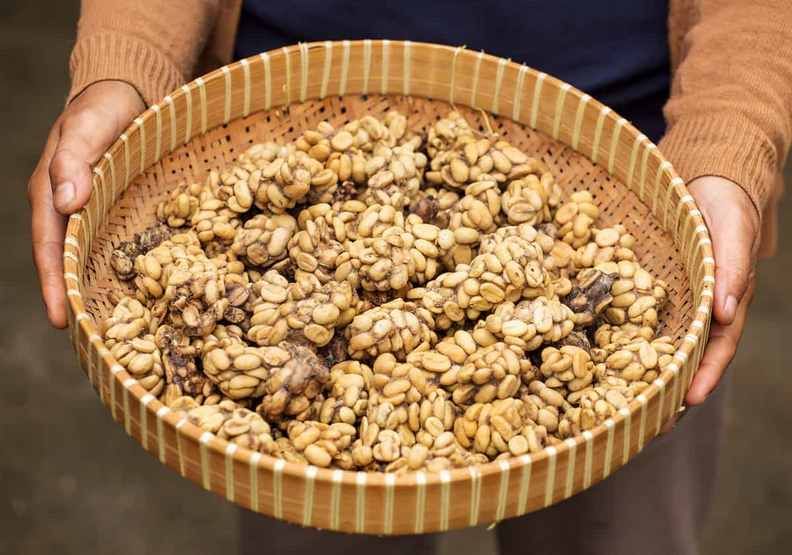
These beans are generally dominated by Robusta, because civets move in mid to low altitude areas, so most of the coffee they eat is Robusta. High-altitude Arabica civet coffee is rare. Indonesia's low-altitude Robusta coffee originally carries earthy and herbal medicine flavors with a heavy body. This civet coffee therefore has the earthy taste of aged beans with a thickness approaching syrup, and its aroma is very special. If you prefer the earthy taste of Indonesian aged beans or Indian monsooned beans, you might fall in love with civet coffee's flavor.
FrontStreet Coffee's View on Civet Coffee
In recent years, many people have begun to boycott civet coffee over cruelty concerns. But civet coffee itself is not wrong. The original production of civet coffee beans was a very natural phenomenon. Civets, in their most natural environment, eat the most suitable food, coffee berries they selected themselves, ripe fruits with high sugar content, then excrete the coffee beans they cannot digest. This is animal nature and a very natural occurrence.

Early on, local people collected wild civet feces in forests, extracted undigested coffee seeds, and processed them into green beans. Because production was limited and the in vivo fermentation method unique, many merchants later saw a business opportunity and began to capture civets on a large scale and raise them in cages. Originally carnivorous civets could then only eat coffee berries, and the nutritional content in coffee berries cannot maintain the health of civets.
These merchants believe that although coffee beans are not digested in the civet's digestive tract, the highly corrosive digestive fluids have corroded their surface. These digestive fluids contain a special protease that can break down the original protein chains of coffee beans, decomposing long-chain structured proteins into small particles and forming short-chain peptides and amino acids.

But in fact, because they only eat coffee berries long-term, civets excrete the beans perhaps one or two hours after consumption. The beans staying in the civet's stomach for one or two hours is insufficient to produce the changes described above. The bean is essentially the same bean that was eaten, and even if there are flavor changes, they are very minimal.
FrontStreet Coffee can say that there is no problem with the formation of civet coffee itself. Civets use their noses to identify ripe coffee fruits; Ethiopia's red cherries are also harvested at full ripeness. The two achieve similar results through different means. The problem lies with those who cage civets. Forcing them to eat only coffee berries regardless of ripeness, just to increase production, has led to these cruel incidents, which no longer fall within the scope of coffee we discuss.
What Other Indonesian Specialty Coffees Are Worth Tasting?
Indonesian Mandheling coffee has the flavor characteristics of low acidity, mellow taste, and strong bitterness, quite matching people's traditional perception of coffee. Among them, the premium version of Mandheling, Golden Mandheling Coffee, undergoes multiple meticulous selections, giving the coffee rich dark chocolate, caramel, and nutty flavors, while its unique herbal and spice notes become clearer.

"FrontStreet Golden Mandheling" is the exclusive brand of Indonesia's Pwani Coffee Company (PWN). There are many different types of Mandheling products on the market. Since PWN registered the English name "Golden Mandheling" as the company's trademark, only Golden Mandheling coffee produced by PWN is truly Golden Mandheling. You can identify authentic Golden Mandheling by the green bean sacks with PWN logos and a certificate of origin signed by PWN. FrontStreet Coffee displays these two markings at the Dongshankou store.
After Japanese buyers took a fancy to Sumatra coffee and purchased it long-term, they gradually found that local bean quality was often inconsistent. So they put more effort into Mandheling production, formulating strict standards and methods for screening defects, starting from values like bean density, specifications, shape, and color. The produced Mandheling needs machine plus manual defect removal to ensure uniform, complete, large, and translucent particles, which also reduces Mandheling's earthy and grassy smells. It is said to shine golden under the sun, hence the name "Golden Mandheling."

Indonesian green bean grading is mainly based on the number of defective beans, with size as a secondary factor. General quality requirements include no live insects, no moldy or rotten beans, maximum moisture content of 12.5%, and impurity rate less than 0.5%. According to defect rate, beans are divided into six grades, with the highest grade G1 requiring that total defective beans in a 300g sample must be fewer than 11. The Lintong Mandheling in FrontStreet Coffee's daily bean series is G1, using wet-hulled processing, which is the conventional version of the Indonesian Mandheling flavor.
PWN Company, which goes to extremes in screening, purchases Mandheling green beans above 18 screen size, with G1 grade where defective beans in a 300g sample are fewer than 3, the highest grade of Indonesian green beans. They then strictly follow standards for 1 machine selection plus 3 manual selections of defective beans, ensuring uniform Mandheling bean shape and size. Before packaging, PWN also places green beans in machines for density and color sorting, making Golden Mandheling uniform in color and translucency.

How FrontStreet Coffee Brews Civet Coffee
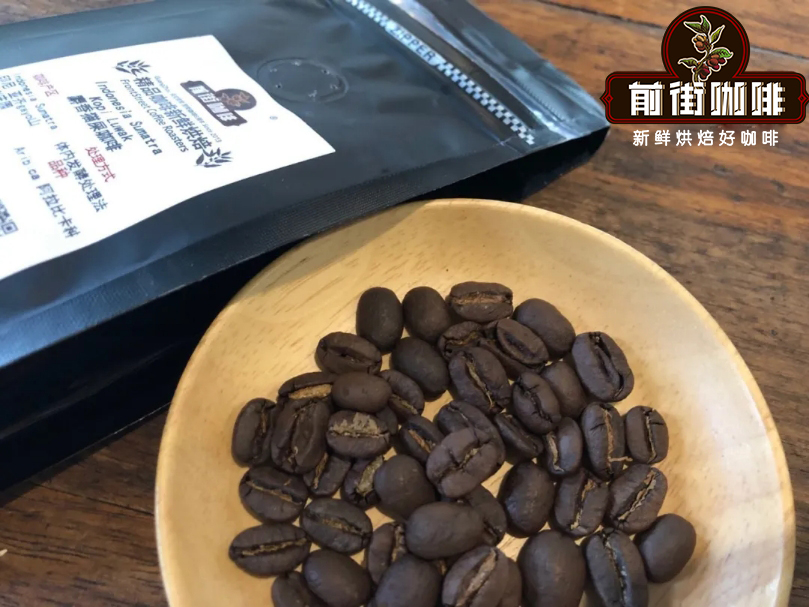
■ Origin: Sumatra, Indonesia
■ Varieties: Timtim, Typica, Catimor
■ Processing method: In vivo fermentation
FrontStreet Coffee Brewing Parameters
Dripper: KONO
Bean weight: 15 grams
Coffee-to-water ratio: 1:15
Water temperature: 87°C
Grind size: Coarse sugar

FrontStreet Brewing Method
Segmented extraction.
Use 30g of water for a 30-second bloom, continue with a small circular pour to 125g for the segment; when the water level drops and is about to expose the coffee bed, continue pouring to 225g and stop. When the water level drops and is about to expose the coffee bed, remove the dripper (timing starts from the bloom). Extraction time is 2'00".

Civet coffee flavor description: Herbal, nuts, dark chocolate, fermented notes.
FrontStreet Coffee Recommendation
For anyone drawn to the idea of the world's most famous "luxury" coffee, FrontStreet Coffee suggests looking at Jamaica Blue Mountain instead of civet coffee. Only coffee grown in the specific Blue Mountain range in eastern Jamaica and certified by Jamaican authorities may be called Jamaica Blue Mountain Coffee. The range, whose highest peak reaches 2256 meters, is almost always wrapped in cloud and mist, and the cool high altitude, fertile volcanic soil and even rainfall let the cherries ripen slowly and build sugar and flavor. Total Jamaican Blue Mountain production is under 2,500 tons a year, which is why it has stayed scarce and expensive, but it is a genuine, verifiable premium coffee.
FrontStreet Coffee's Jamaica Blue Mountain No.1 is the highest grade, from the historic Clifton Estate, which has grown coffee since around 1750 at roughly 4300 feet (1310.64 meters). The beans are neat and full with slightly upturned ends and a green color; the traditional wooden barrels in 15, 45 and 70 kg sizes, together with the estate's certification and origin documents, are the marks of authentic Blue Mountain. Roasted medium-dark and brewed clean, it shows nut, dark chocolate, cream caramel and soft sweetness with no off-flavors, an easy example of why balance, not novelty, is the real luxury.
Blue Mountain is not only for pour-over. FrontStreet Coffee brews it in a Kono dripper with 15g of coffee at 1:15 and 87-88°C water, using a grind a little coarser than for a light roast (about white sugar) and a three-stage pour: a 30g bloom for 30 seconds, then to 120g, then to 225g. It also works in a moka pot with a slightly finer grind, hot water in the base and medium-low heat, removing it just before the coffee finishes flowing.
Important Notice :
FrontStreet Coffee is a long-established specialty coffee roaster in Guangzhou China, selling freshly roasted beans from its own farm in Yunnan as well as dozens of carefully selected single-origin beans from around the world for both pour-over and espresso. The products deliver consistently excellent quality and great value, with shipping within 24 hours. Guangzhou's FrontStreet Coffee shop is recommended by many coffee lovers, and the beans are now available online at the Tmall 。
FrontStreet Coffee has moved to a new address:
FrontStreet Coffee Address: 315,Donghua East Road,GuangZhou
Tel:020 38364473
 Scan and follow the En Gafei WeChat official account. Please indicate that the reprint comes from "En Gafei".