Coffee Introduction - Guide to Washed Coffee Processing and Brewing Methods
The Washed Coffee Process
Washed processing requires special machinery and an ample water supply. Done well, it highlights the unique character of the beans themselves, and defective beans can be largely removed during washing, raising overall quality. The washed process is widely used across Central and South America.
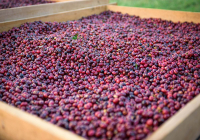
Once coffee cherries are harvested from the mountains, the next step is removing peel and pulp to obtain the beans. There are two main paths: washed and natural—with the water supply usually deciding which. Some specialty coffees use both.
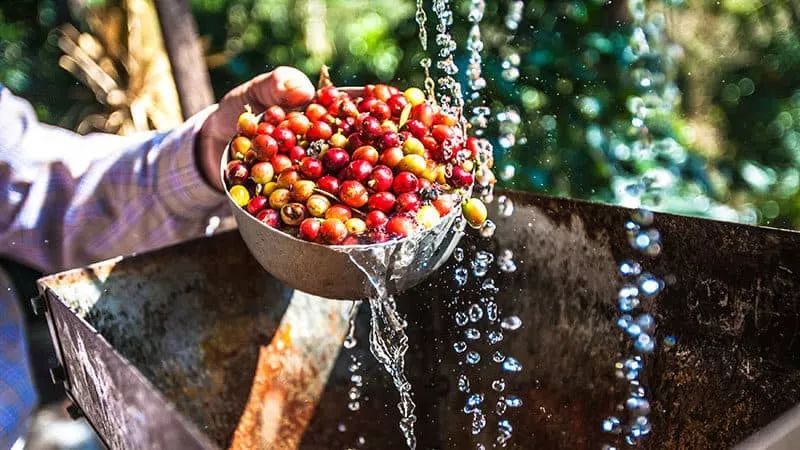
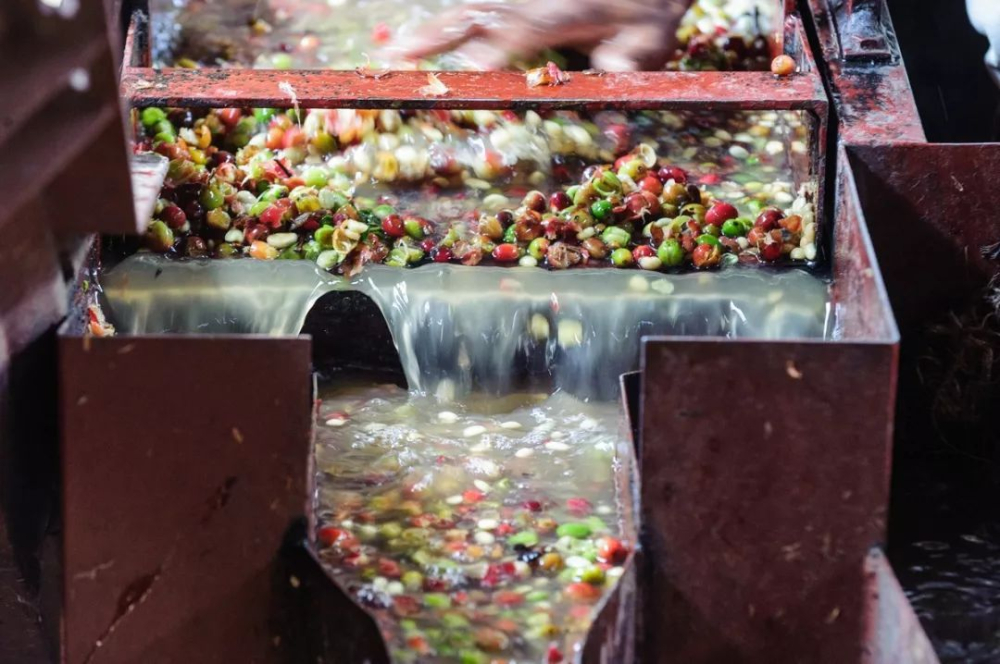
After harvest, the beans are pre-sorted to remove impurities, then truckloads are poured into large water tanks where clean, flowing water carries them along channels. Mature, denser beans sink to the bottom; damaged cherries, branches, leaves, and lighter impurities float and are skimmed off above the channels.
Through the channels, the mature cherries reach a depulping machine that strips the pulp—the step that most distinguishes washed processing, since in natural processing pulp and beans are never separated up front.

At this stage the bean is still wrapped in a viscous, soft parchment that protects its integrity. Washing should begin immediately after harvest, before pulp rot can taint flavor and drag down quality.
Next, the beans pass over mechanical vibrating screens that separate immature and defective beans missed earlier; the beans that pass go back into the channels for a second cleaning in fresh water.
Fermentation Process
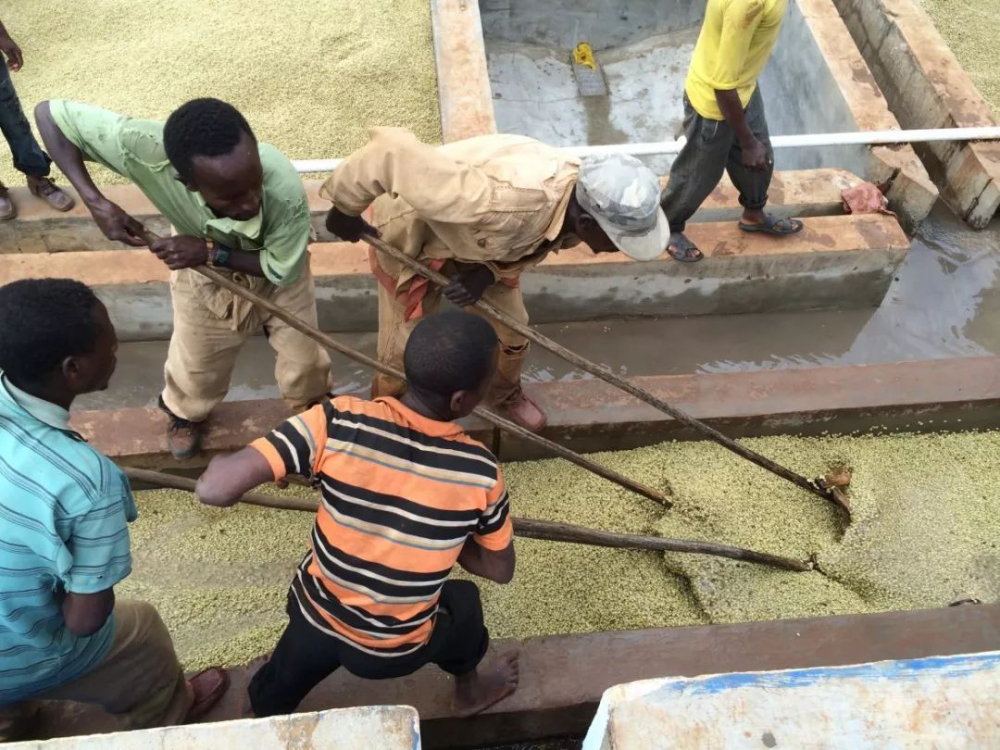
Some residual pulp inevitably clings to the parchment after depulping, so the beans go into fermentation tanks where natural enzymes break it down. Fermentation typically ends within 24-36 hours, depending on temperature, pulp thickness, and enzyme concentration; the beans are then washed again in clean water until pulp and parchment are gone. The process must be watched closely—otherwise unwanted sourness or off-flavors can contaminate the beans. When it's done, the bean surface feels rougher, having lost its viscous slip.
Drying Process
After fermentation and washing, bean moisture sits around 57%, so the beans are machine-dried or sun-dried down to 12.5%. Machine drying usually takes 2-3 days; sun-drying depends on the weather and stretches to 1-2 weeks.
Final Processing
Once moisture is down to 12.5%, the beans are stored for export. Just before shipping, machinery removes the dried parchment and the final layer of silver skin, after which the beans are cleaned, screened, sorted, graded, and packed.
Characteristics of Washed Coffee
Washed beans give a cleaner, impurity-free taste with an attractive fruity aroma, and they tend toward blue-green or gray-green in color. The cup is clearer, distinctly bright, and free of muddiness.
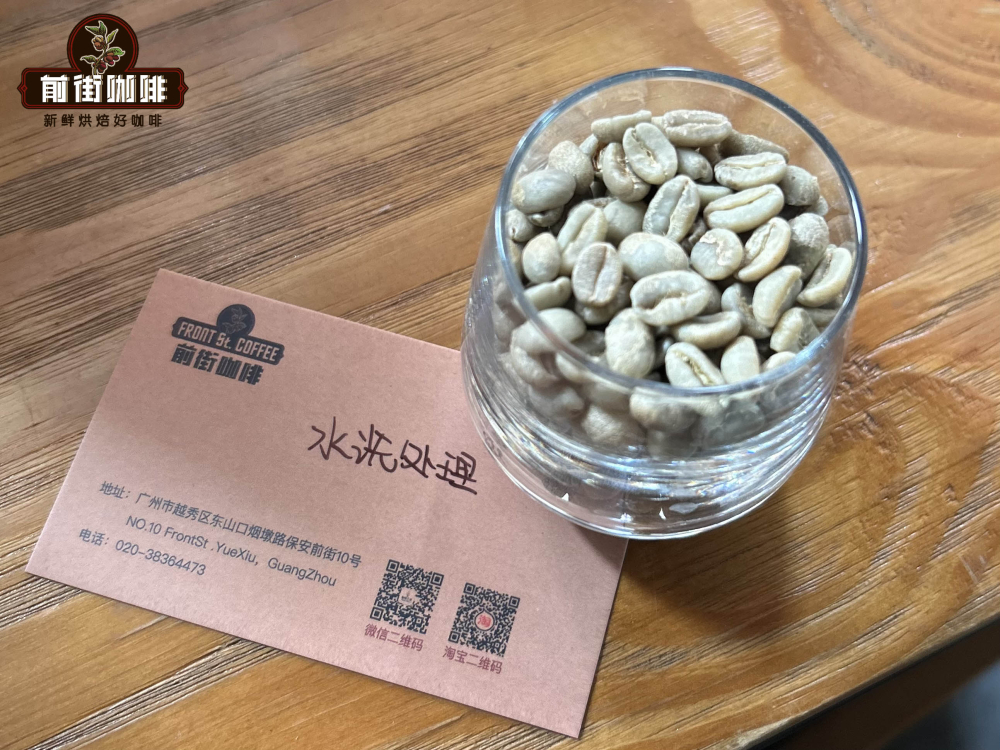
Having cupped many washed coffees, FrontStreet Coffee finds that the fermentation step makes the overall character remarkably clean and bright—which also makes washed processing a stern test of bean quality. In FrontStreet Coffee's view, a bean's true quality is exposed without disguise by the washed method, and the process also showcases the distinctive flavors of its region.
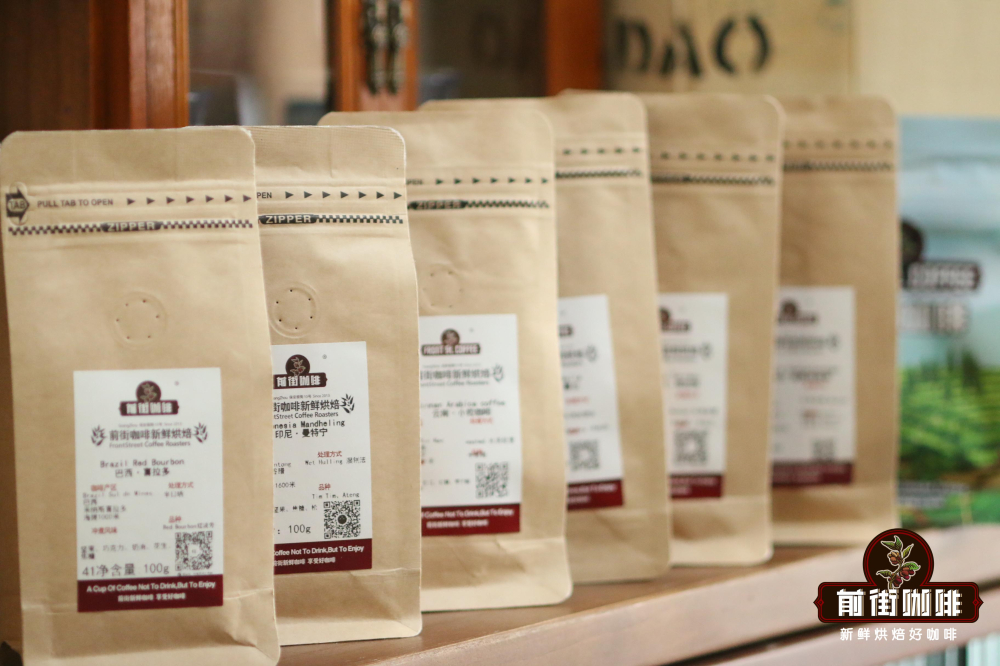
Among FrontStreet Coffee's many beans is a series of regionally selected everyday coffees. Except for Brazil and Indonesia—where local conditions favor natural or alternative processing—five of the regions (Ethiopia, Guatemala, Colombia, Costa Rica, and Yunnan) use washed processing, so everyone can learn the basic flavors of the world's popular origins in the most cost-effective way.
FrontStreet Coffee Recommendation
To taste what washing does for a cup, start with the FrontStreet Yirgacheffe Gedeb Cooperative: this team from Gedeb village brings masterful processing experience, and the washed method lets the coffee show maximum jasmine florals and bright citrus acidity—after a medium-light roast it unfolds green tea and honey notes, and it suits pour-over, cold brew, and espresso alike. For washed processing at its most elaborate, try the FrontStreet Kenya "Little Tomato": Kenya doubles the wash—floation, soaking, scrubbing away residual mucilage, soaking again, then drying and hulling—and that extra round of washing plus a long fermentation presents fruit-juice vibrancy at its extreme, with cherry tomato, dark plum, snow pear, black amber plum, and raw sugar aromas in a sweet-tart, juicy cup. And for proof that washing also guards delicacy, the FrontStreet Jamaica Blue Mountain No. 1—born of Jamaica's island climate and shorter sunshine—washes away fruit, pulp, and mucilage before drying to shorten the process, yielding bright, clean beans with a low defect rate and a pure cup of hazelnut, cream, chocolate, and caramel, perfectly balanced with nothing sticking out.
Important Notice :
FrontStreet Coffee is a long-established specialty coffee roaster in Guangzhou China, selling freshly roasted beans from its own farm in Yunnan as well as dozens of carefully selected single-origin beans from around the world for both pour-over and espresso. The products deliver consistently excellent quality and great value, with shipping within 24 hours. Guangzhou's FrontStreet Coffee shop is recommended by many coffee lovers, and the beans are now available online at the Tmall 。
FrontStreet Coffee has moved to a new address:
FrontStreet Coffee Address: 315,Donghua East Road,GuangZhou
Tel:020 38364473
 Scan and follow the En Gafei WeChat official account. Please indicate that the reprint comes from "En Gafei".