Kenya Coffee Flavor Characteristics with Cherry Tomato Acidity - Introduction to Kenya Premium Coffee Bean Origins and Varieties

For more specialty coffee knowledge, follow FrontStreet Coffee.
The Unique Flavor Profile of Kenyan Coffee
Kenyan coffee is famous for its soaring acidity and distinct fruit flavors. Premium Kenya is aromatic, rich, and wonderfully complete: blackcurrant (blackberry) and grapefruit notes make it a favorite of connoisseurs. It shows excellent clarity and a refreshing taste—so fresh that it makes a superb iced coffee in summer. When tasting, pair it with acidic fruits like grapefruit or with cocoa products for the best effect.
The Backbone: Kenyan Smallholder Farmers
Don't underestimate Kenya's smallholder farmers. Like an army of ants, their combined output exceeds that of large farms—roughly a 6:4 ratio, rare among coffee-producing countries. Kenyan beans also carry a strict grading system: beans leaving the washing stations are classified into seven grades by size, shape, and hardness—AA (or AA+) at the top, followed by AB, PB, C, E, TT, and T. The system resembles Colombia's, weighing size and appearance primarily—but good looks don't guarantee good flavor, a distinction coffee lovers should keep in mind.
Kenyan Farm Structure and Quality Assurance
Kenyan coffee farms come in two kinds. One is the large plantation—about five acres on average—but generally at lower altitudes, so its quality is considered only middling for Kenya. The better beans come from small farms, mostly on volcanic slopes above 5,000-6,000 feet. Each smallholder produces only about 20 to 70 bags per season, far too little to justify an expensive washing station. But small farmers band together into cooperatives of hundreds or even thousands of households; the government funds the washing stations, and farmers deliver their cherries there for unified processing—removing underripe or rotten cherries, then pulping, fermenting, washing off the mucilage, separating the beans, drying, and polishing. The whole process is supervised by the official Coffee Board, ensuring rigorous quality control.
The Secret Weapon: the K72 Double-Wash Process
One more factor gives Kenyan coffee its brilliant acidic fruit: the locally prevalent double-wash method, known as the K72 process.

Ordinarily, washed coffee is depulped, leaving a thin layer of mucilage to ferment for 24-48 hours, then machine- or sun-dried. Kenya works differently: the whole fermentation stretches to 72 hours.
The Kenyan method runs repeated fermentation-and-wash cycles. On harvest day the best cherries are selected, pulped, and fermented for 24 hours; then washed in clean river water; then fermented another 24 hours in fresh water and washed again. The cycle repeats 3 times for 72 hours total—hence "Kenya 72-hour fermentation wash," abbreviated K72. FrontStreet Coffee believes this lets the beans ferment slowly at low temperatures, yielding brighter, cleaner, yet fuller flavors!

FrontStreet Coffee's Kenya "Small Tomato"
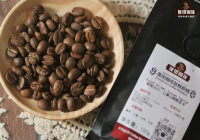
FrontStreet Coffee's Kenyan beans come from the Asali processing station in the Thika region, with vivid plum acidity, a solid mouthfeel, and a fruit sweetness reminiscent of small cherry tomatoes—hence the nickname "Small Tomato."

FrontStreet Coffee: Kenya · Small Tomato Coffee Beans
Region: Thika, Kenya — Asali processing station
Altitude: 1,550-1,750 meters
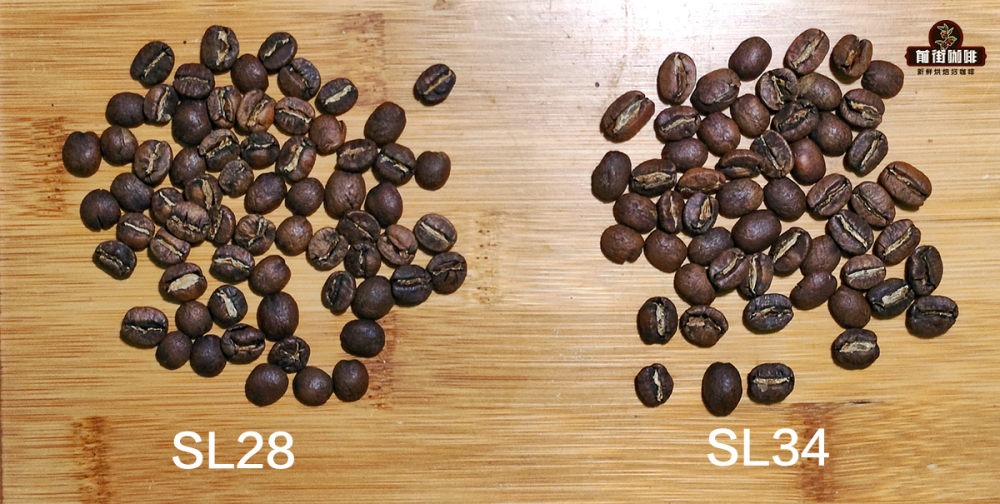
Varieties: SL28, SL34
Processing Method: K72 wash
Flavor Notes: plum, cherry tomato, snow pear, brown sugar
Brewing Guide for Light Roast Kenyan Coffee
For light roasts like Kenya · Small Tomato, FrontStreet Coffee says three details matter most:
1. Choose a Fast-Flow Dripper
Light roast beans expand less and are harder, so grinding tends to produce very fine particles that sink first and clog the drawdown in the final stage. Brewed that way, coffee comes out weak in aroma and muddy in texture. Pair the coffee with a fast-flow dripper—the V60 that FrontStreet Coffee uses most often. Its spiral ribs help the grounds degas while maximizing the volatilization and dissolution of acidic aromatics, and the large bottom opening further accelerates flow.

2. Water Temperature Control
Keep the water no hotter than 93°C and no cooler than 90°C. From FrontStreet Coffee's experience: for bright, uplifting acidity with a tea-like finish, brew at 90-91°C; for fuller, more solid fruit acidity and a stronger body, use 92-93°C.

3. Grind Size Adjustment
Because grind size governs total extraction time, FrontStreet Coffee judges the setting by combining extraction time with taste. It's simple: brewing 15g with a three-stage pour, if the drawdown finishes in under 1 minute 40 seconds and the cup tastes sharply acidic and thin, the grind is too coarse and the coffee under-extracted. If it runs past 2 minutes 20 seconds and the coffee is bitter, astringent, and heavy, the grind is likely too fine, causing over-extraction.
Powder-to-Water Ratio and Technique
For the ratio, FrontStreet Coffee finds both 1:15 and 1:16 workable. Prefer an oolong-tea or berry-juice richness? Use 1:15. Want the white florals and citrus acidity more clearly etched? Use 1:16 and let the flavors spread.

Three-Stage Pouring Method
Stage one: pour 30g of water and bloom for 30 seconds, starting the timer as you pour. Use a small flow, spiraling from the center outward so the whole bed is wetted. Stage two: after 30 seconds, increase to a steady, slightly larger flow and pour 95g to lift the entire coffee bed, pouring vertically and evenly—the scale should read 125g, with this pour finishing around 55 seconds.
When the level drops to about half, start stage three: pour 100g with a small flow in small circles—avoid sweeping too wide, or you'll break up the bed and under-extract. The final total is 225g, with drawdown completing around 2 minutes.

In short: 30g bloom for 30 seconds; second pour to 125g; when the bed is about to show, third pour to 225g; remove the dripper once the liquid has fully drained into the server. Total extraction time: 2'00".
FrontStreet Coffee Recommendation
If bright, fruit-driven washed coffees are your pleasure, FrontStreet Coffee suggests two more from its menu:
FrontStreet Colombia Huila (Washed) — from Huila, Colombia's most celebrated specialty region: hill country above 1,500 meters where the country's great rivers converge. Medium-dark roasted to bring out dark chocolate and nutty sweetness with moderate crema and full body—equally good for pour-over, French press, moka pot, or espresso.
FrontStreet Colombia Pink Bourbon, Frontera Estate (Anaerobic Natural) — for the fruit lovers: cherries ferment in sealed, pressure-rated stainless tanks with temperature, time, and pH precisely controlled. Medium-light roasted, it pours passion fruit, grape, apricot, and dried-fruit complexity—rich, layered, and unmistakably modern.
Important Notice :
FrontStreet Coffee is a long-established specialty coffee roaster in Guangzhou China, selling freshly roasted beans from its own farm in Yunnan as well as dozens of carefully selected single-origin beans from around the world for both pour-over and espresso. The products deliver consistently excellent quality and great value, with shipping within 24 hours. Guangzhou's FrontStreet Coffee shop is recommended by many coffee lovers, and the beans are now available online at the Tmall 。
FrontStreet Coffee has moved to a new address:
FrontStreet Coffee Address: 315,Donghua East Road,GuangZhou
Tel:020 38364473
 Scan and follow the En Gafei WeChat official account. Please indicate that the reprint comes from "En Gafei".