Yunnan Arabica Coffee: An Introduction to Small Bean Coffee Flavor, Taste, Growing Environment
Not so long ago, few people outside China knew that Yunnan grew coffee at all. Coffee was seen as an imported luxury, something that arrived in sacks rather than grew on hillsides. That changed when a French missionary planted a handful of seeds in a village churchyard, quietly starting a coffee story that is now more than a century old. As specialty coffee has matured, origin has become the thing consumers care about most — and that shift has finally pulled Yunnan coffee into the global spotlight. Although the province has long supplied raw material for Nestlé instant coffee, its true potential is only now being discovered. FrontStreet Coffee takes a closer look at that story below.
Coffee Cultivation History
In 1892, a French missionary named Tian Deneng arrived in Yunnan to preach, settling in Zhukula Village. Missing his daily coffee, he planted seeds he had brought from Vietnam beside the church. The trees took, others were raised from them, and Zhukula Village became the birthplace of Yunnan coffee cultivation.

Small Bean Coffee Growing Regions
Yunnan coffee is grown at elevations of 800-1,800 meters, much of it in dry-hot valley zones sitting around 1,100 meters. Those natural conditions produce coffee with rich flavor and moderate body. The main growing regions are Baoshan, Lincang, Pu'er, and Dehong — all favored for their low latitude, high altitude, and generous rainfall.
Pu'er
Home to more than a century of coffee cultivation, Pu'er is the largest growing area in Yunnan, blessed with a distinctive combination of location, climate, and soil.
Baoshan
Arguably Yunnan's finest quality region, Baoshan averages 21°C year-round. The beans it produces are small and uniform, with rich fruit character and a mellow, balanced cup.
Lincang
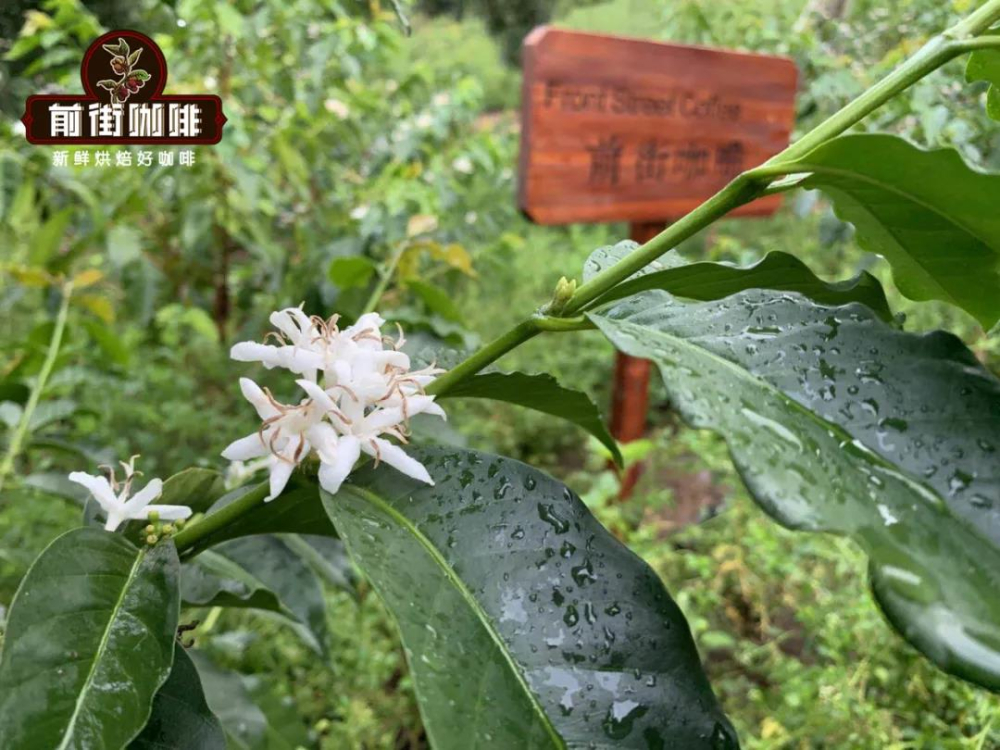
Lying in southwestern Yunnan astride the Tropic of Cancer, Lincang averages 16°C with abundant sunshine — a climate remarkably similar to Colombia's. Cultivation sits above 1,000 meters, nurturing vivid acidity and sweetness. FrontStreet Coffee's own estate is located in this Lincang growing region.
Dehong
A typical South Asian tropical rainforest climate, with cultivation above 1,000 meters.
Coffee Varieties
Typica
One of the oldest Arabica landrace varieties, Typica carries excellent flavor genetics. A useful identifying feature is the reddish-brown young leaves at the top of the tree. Typica is recognized worldwide as a specialty variety, but its weak disease resistance makes it vulnerable to pests, demanding far more hands-on management. In the cup it rewards that effort with rich flavor, pronounced sweetness, and a smooth, sweet profile.

Bourbon
A natural mutation of Typica that spread after being cultivated on the island of Bourbon. Bourbon yields more and grows more vigorously than Typica, and its flavor shines brightest at high altitude. Like its parent, it lacks strong disease resistance and has the quirk of taking a rest year after a heavy fruiting. Expect a rich aroma, smooth texture, and clear sweetness with fruity notes.
Catimor
A cross between Timor Hybrid and Caturra. Because the Timor parent carries Robusta genetics, Catimor is not pure Arabica, and its cup quality generally falls short of traditional Arabica varieties. It was bred for exactly the traits Typica lacks — disease resistance and yield — but the Robusta inheritance tends to mask delicate Arabica character: the aroma and flavor are plainer, with a noticeable bitterness.

Processing Methods
Washed processing dominates in Yunnan, though honey and anaerobic processing have appeared in recent years. Freshly harvested cherries are first sorted to keep only the best fruit, then run through a pulping machine to strip the skin and separate the seeds. The seeds are soaked and fermented in tanks so the sticky mucilage clinging to them breaks down, and finally the fermented beans are dried. Washed Yunnan coffee shows bright fruit acidity and a clean cup.

Because the Arabica beans grown here are small, Yunnan coffee is widely known as "small bean" coffee. Typica is still grown, but Catimor is the workhorse variety, favored by farmers for its hardiness and high yield.
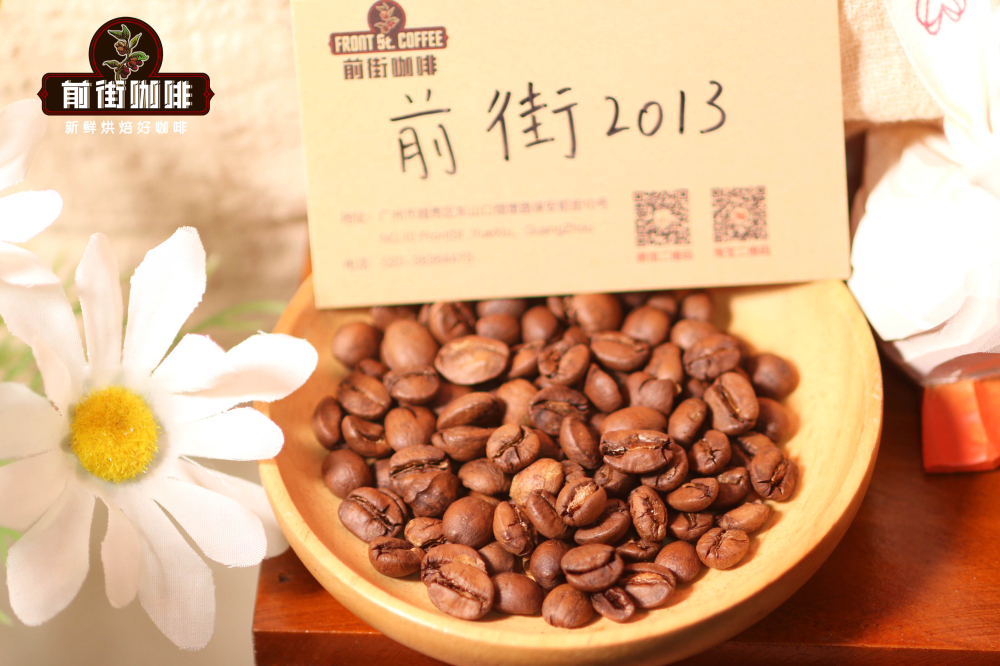
FrontStreet Coffee's Yunnan Typica, by contrast, is a natural process lot. Sun-drying the whole cherries lets the pulp and mucilage ferment gently, giving the beans a soft fermented aroma and smooth body, while the sugars in the fruit migrate into the bean and turn into sweet flavors after roasting. The result: plum-like acidity, a black-tea mouthfeel, and a brown sugar finish.
Finally, FrontStreet Coffee shares its recipe for brewing natural Typica from its Yunnan estate.
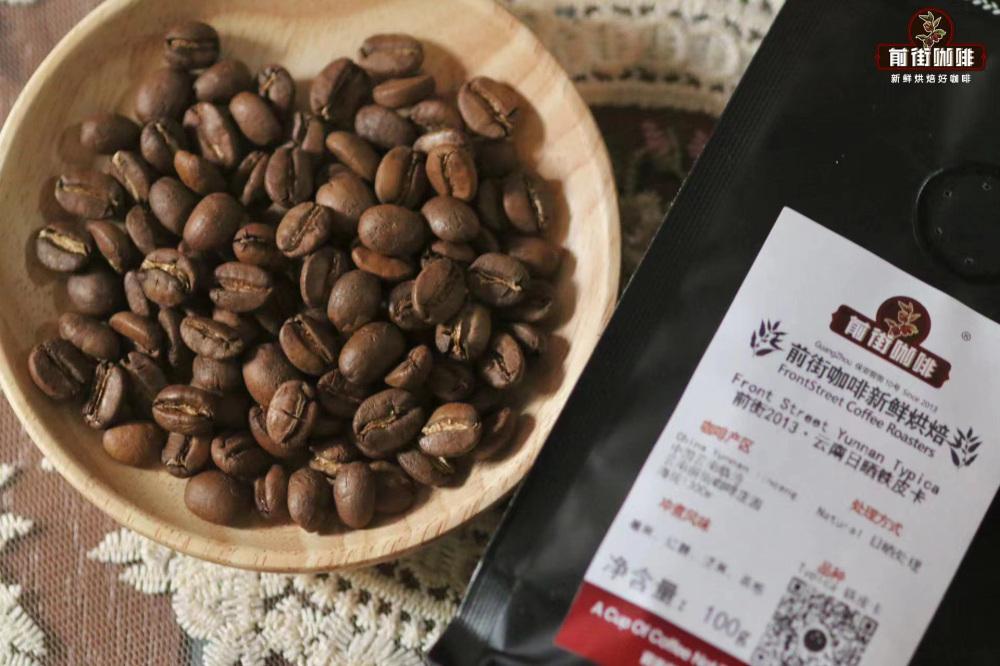
FrontStreet Coffee 2013 Yunnan Natural Typica
- Region: Lincang, Yunnan, China
- Variety: Typica
- Altitude: 1,300m
- Processing: Natural
How to Brew Yunnan Typica Coffee Beans Well?
Dose 15 grams of coffee, ground medium (about 78% pass-through on a Chinese-standard 20-mesh sieve), and aim for a 1:15 coffee-to-water ratio; go 1:16 if you prefer a cleaner, lighter cup. Use a V60 dripper with 88°C water to keep the acidity soft.

Pour in three stages: start with 30 grams of water to bloom for 30 seconds, then continue pouring in small circles up to 125 grams. Once the water level drops and the coffee bed is nearly exposed, pour up to 225 grams and stop. When the bed is nearly exposed again, lift off the dripper (timing from the start of the bloom). Total extraction time is 2'10".
The cup offers plum-like acidity, a black-tea mouthfeel, and a brown sugar aftertaste.

FrontStreet Coffee Recommendation
If you want a friendly first step into Yunnan coffee, start with FrontStreet Coffee's Yunnan Small-Grain beans from the Baoshan region. "Small-grain" is simply the local name for Arabica — the species with the smallest beans of the three coffee genera — and Baoshan's frost-free, dry-hot valley climate gives the cup a distinctive lingering sweetness. Processed washed and roasted medium, it opens with soft nut and chocolate notes and a touch of plum acidity, at a price that makes it an easy everyday bean.
For espresso drinkers who want Yunnan character, FrontStreet Coffee's Black Cocoa Blend combines Yunnan Small-Grain with Brazil Cerrado: the Brazil side contributes mixed-nut aroma and balance, while the Yunnan component brings chocolate and citrus. As an Americano it is evenly balanced across sweet, sour, and bitter with nut and brown sugar sweetness, and as a latte it pours with a smooth almond-and-cream texture — a forgiving choice for beginners.
Important Notice :
FrontStreet Coffee is a long-established specialty coffee roaster in Guangzhou China, selling freshly roasted beans from its own farm in Yunnan as well as dozens of carefully selected single-origin beans from around the world for both pour-over and espresso. The products deliver consistently excellent quality and great value, with shipping within 24 hours. Guangzhou's FrontStreet Coffee shop is recommended by many coffee lovers, and the beans are now available online at the Tmall 。
FrontStreet Coffee has moved to a new address:
FrontStreet Coffee Address: 315,Donghua East Road,GuangZhou
Tel:020 38364473
 Scan and follow the En Gafei WeChat official account. Please indicate that the reprint comes from "En Gafei".