Introduction to the Five Steps of Espresso Coffee Blending: Espresso Bean Blend Ratios and Brewing Methods

In the specialty coffee world, more and more people prefer single-origin beans, and that is easy to understand. Roasters can use the method best suited to each bean to draw out its optimal flavor, and when selling a single origin they can introduce customers to where it grows and the story behind it.
None of that makes blends less important. A roaster who can build a blend to a customer's specification is being tested in a different way.

The Purpose of Creating Coffee Blends
As FrontStreet Coffee sees it, one goal is to sell coffee that tastes consistent year-round, since plenty of customers want their favorite flavor all year. Coffee, unfortunately, is an agricultural product and every season's harvest differs. Adjusting the types and proportions in a blend is one way to keep the coffee fresh and stable.
A more important reason is the ability to create a flavor no single bean can deliver. Blending is therefore an art form rather than a mere tool. The interaction of different coffee characteristics can produce something entirely new, not a simple case of 1+1=2.
In some blends you can still pick out the character of each component, and an experienced cupper can name which beans went in. In others, one dominant characteristic suppresses the rest.

Another advantage is staying power: a good blend can sell for a long time because it satisfies most palates. Even after ten years it can still be popular. A good blend should also taste excellent whether it is pulled as espresso or brewed as filter coffee.
Quality of Blend Coffee Beans
Do blends use poor-quality beans? Certainly not.
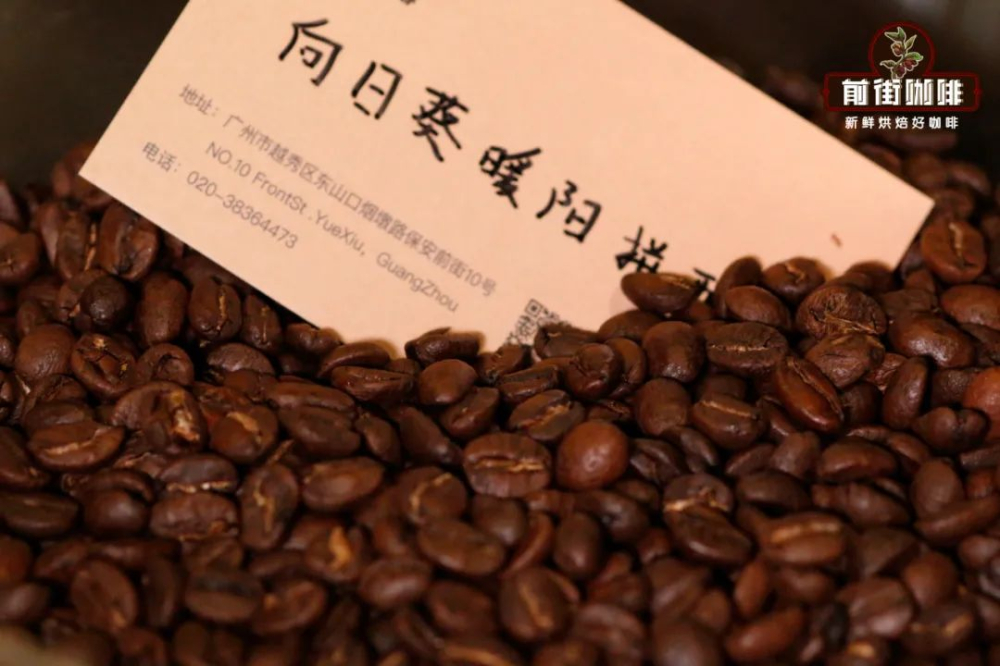
Blended coffee is not a synonym for cheap and low quality. In the past, blending often aimed at a price advantage and the mass market, which over time created the misconception that blends are inferior and single origins are exceptional. That is gradually changing. Since the second half of 2019, FrontStreet Coffee's Sunflower Warm Sun Blend, made from FrontStreet Coffee's Honduras Sherry and FrontStreet Coffee's Ethiopia Natural Red Cherry from Yirgacheffe, has been used continuously and widely praised by customers, which has done something to restore blends' reputation. A blend is neither good nor bad in itself; what matters is the blender's intent.
Five Steps to Create a Delicious Espresso Blend
First: Plan the process. At this stage you need to answer some basic questions: Who is this blend for? Home drinkers, cafes, or a multi-purpose blend? Those answers determine what flavor the blend should have and how dark it should be roasted. The roaster has to know what flavor they are aiming for, and all of it must be decided up front.

Second: Every bean in the blend must have its own character and perform well as a single origin. Some roasters use inferior beans and try to mask the flaws through roasting. In my view that is counterproductive, and customers will not be satisfied.
Third: Determine the roast level of each bean so that each can express its own character and contribute to the blend. Roast first, then blend. You must try each coffee at several roast levels. This stage is critical, so experiment widely. Many roasters skip it and settle on a roast level too early. Remember, the optimal roast level differs from bean to bean, and each coffee usually has more than one. Countless varieties multiplied by countless roast levels can turn blending into an endless nightmare.

Many roasters copy well-known blends and, in pursuit of "complete caramelization," dark-roast relentlessly until the original flavor is gone, ending up with dark, burnt product. Lighter roasting preserves the coffee's original flavor, complexity, freshness, and inherent sweetness. I encourage trying to express your blend through lighter roasting. If you go that route, the roaster's skill matters enormously: fully automatic roasters cannot produce good medium-light roast coffee.
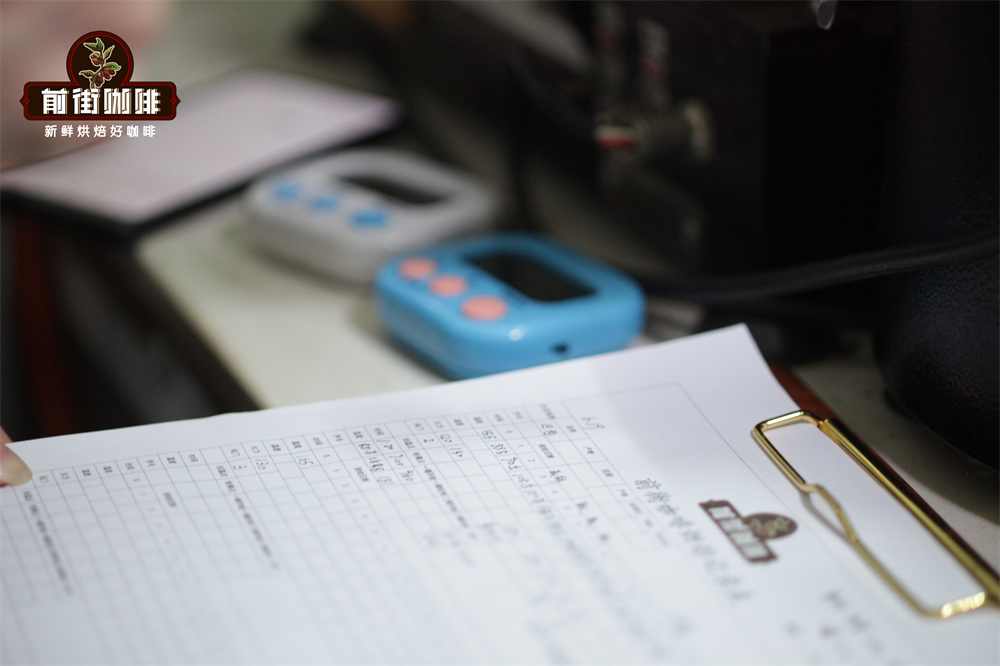
Fourth: Choose the green coffee types and their roast levels yourself. Keep detailed records of the green beans used, the roasting methods, and the blend proportions. If you build a good blend, those records let you keep improving it.
Each season's harvest varies, so it is worth re-evaluating your blend every season. The key to the art is ensuring every bean in the blend is roasted to perfection, and creating the perfect blend also exercises your palate. Even if you believe you have made the best blend, the final judgment belongs to customers.
Common Espresso Bean Blend Formulas
Blended or single-origin, coffee that others recognize as good is good coffee. That said, FrontStreet Coffee is not claiming blending is superior; blending for its own sake is meaningless. From a blender's perspective, a blend should compensate for what single-origin beans lack. Here are a few delicious formulas.

① Mandheling Blend Formula = 40% Indonesia Mandheling + 60% Brazil Red Bourbon
This formula is not original to FrontStreet Coffee; it came from Japan. Indonesian Mandheling has a deep flavor with rich nut and chocolate notes along with some controversial herbal character. Brazil Red Bourbon, by comparison, seems thin and tasteless, with strong peanut and nut notes. Combined at a 4:6 ratio, the two neutralize the herbal and peanut flavors and produce a clean, mellow impression reminiscent of Blue Mountain coffee.
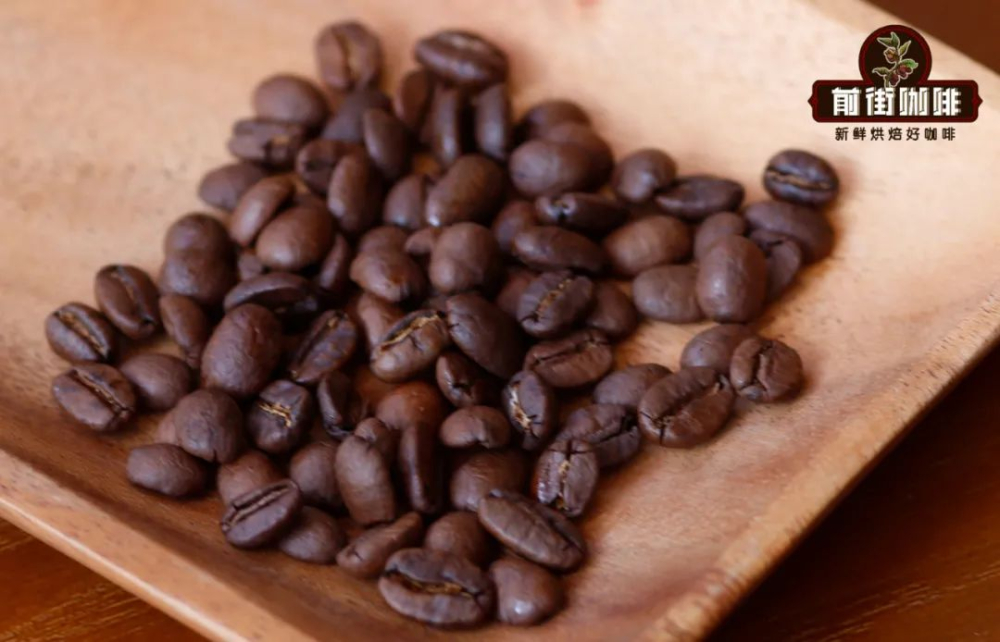
② Passionate Sweetness Formula = 70% FrontStreet Yirgacheffe Red Cherry + 30% FrontStreet Costa Rica Tarrazu
FrontStreet Yirgacheffe Red Cherry brings very sweet berry flavors, and adding 30% FrontStreet Costa Rica Tarrazu enhances the mouthfeel and honey sweetness. Brewed as pour-over, this blend with Yirgacheffe as its base delivers a mellow body with extra sweetness.
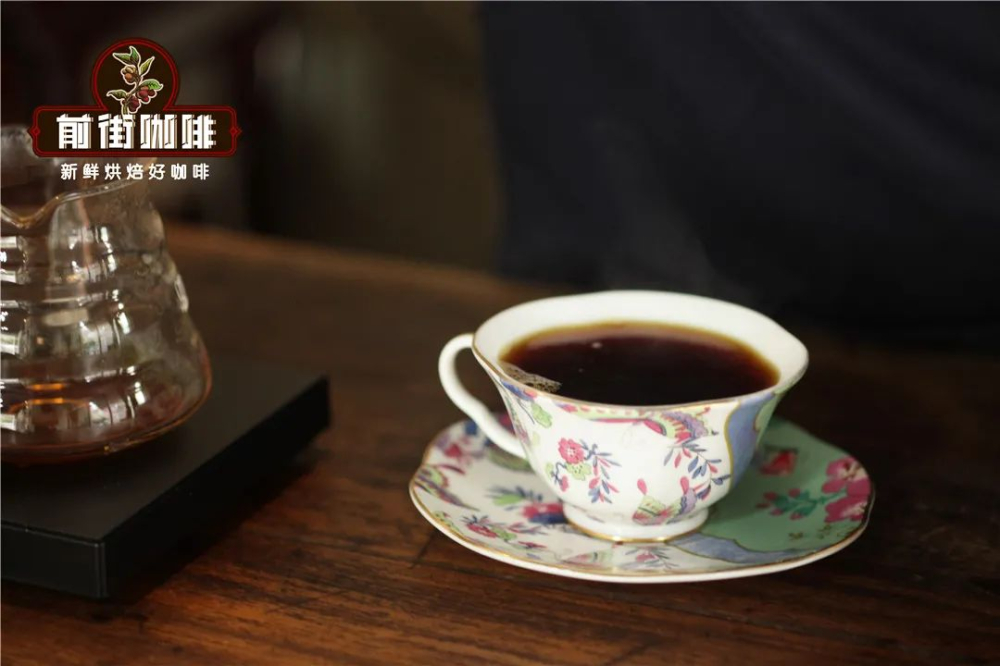
③ Flower and Fruit Harmony Formula = 60% FrontStreet Guatemala Flor + 30% FrontStreet Washed Yirgacheffe + 10% FrontStreet Kenya AA
All three coffees share a light body with citrus and lemon notes. The dominant FrontStreet Guatemala Flor contributes jasmine florals, while FrontStreet Washed Yirgacheffe with its green tea finish and FrontStreet Kenya AA with its small tomato notes compensate for Guatemala Flor's short finish. Brewed as pour-over, it expresses both floral and fruit notes with a light mouthfeel.
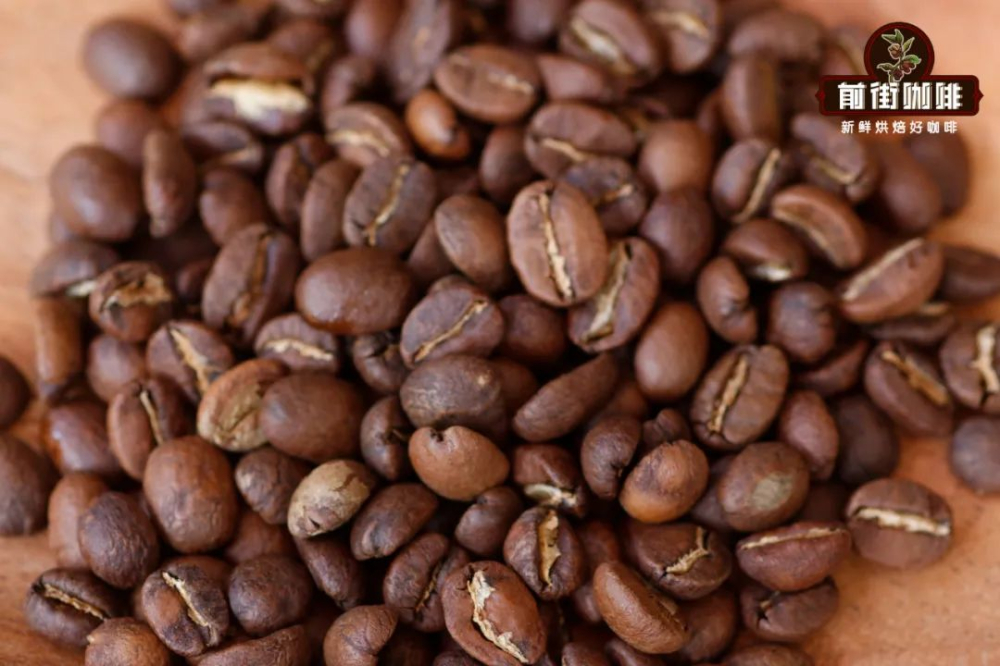
Steps to Make Espresso
FrontStreet Coffee uses a double basket, which requires 20 grams of coffee each time, with a 1:2 extraction ratio, meaning 40 grams of coffee liquid is extracted within a reasonable time. Extraction time relates to the flow rate of the grounds. Generally a single extraction is controlled between 20-35 seconds. Under 20 seconds and the coffee tends to taste thin and bland; over 35 seconds and over-extraction brings burnt bitterness. FrontStreet Coffee therefore keeps espresso extraction between 26-32 seconds.

Coffee Beans: FrontStreet Coffee Sunflower · Warm Sun Espresso Blend
Coffee Powder Amount: 20g
Coffee Liquid Amount: 40g
Powder-to-Liquid Ratio: 1:2
Extraction Time: 26-32 seconds
Grinding Setting: Galileo 2.0
Before extraction, dry the portafilter, turn on the grinder, grind a double shot of coffee, and place it on an electronic scale, adding or removing grounds until you reach 20 grams. Then use a distribution tool to level the coffee, and press firmly downward and vertically with a tamper to compact the puck, which makes extraction more stable.

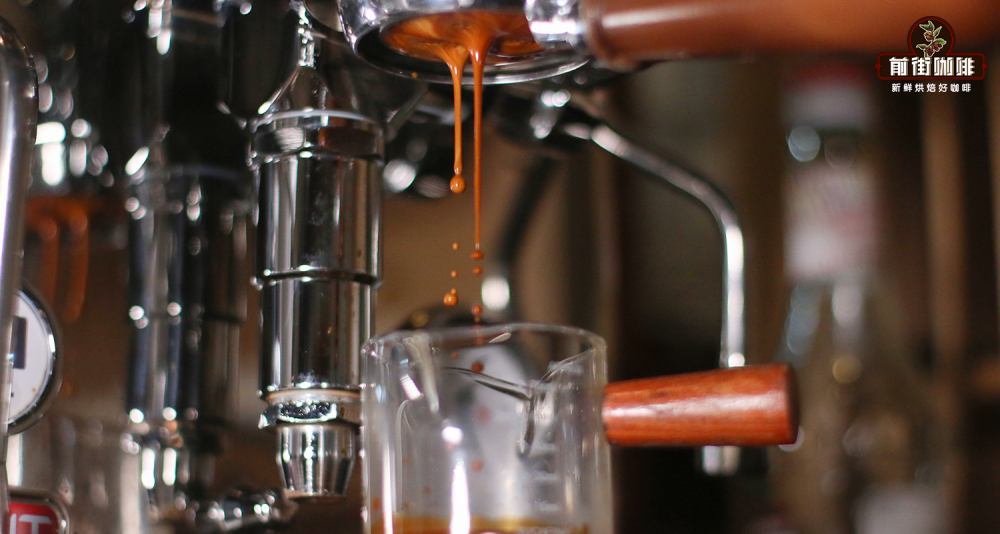
Then turn on the extraction switch and let water flow for 1-2 seconds to moisten the brew head and wash away stuck grounds. Place an electronic scale under the cup to catch the espresso and zero the weight, then set it under the brew head.
Lock the portafilter gently onto the brew head and start the extraction switch. Watch the liquid as it flows. When the scale shows 40 grams of coffee extracted after about 30 seconds, pull down the extraction switch. Parameters shift subtly with daily humidity and the condition of the beans, so the dose, grind setting, and extraction volume may need adjusting.

The extracted espresso can be drunk straight. A glass of ice water alongside cleanses the palate and lets you taste the dense crema and the mellow body of the coffee beneath. Pulled from the Warm Sun blend, the espresso carries rich vanilla, cream, cookie, and whiskey aromas, with toffee lingering in the mouth after you swallow.

If the intensity is too much, add water to taste for a refreshing Americano, or add milk in your preferred proportion to soften the texture and make a delicious latte.
FrontStreet Coffee Recommendation
Building a blend starts with choosing good components. These FrontStreet blends are designed for espresso and moka pot use, and each targets a different priority.
FrontStreet Classic Blend - Designed specifically for espresso and moka pot brewing, and its greatest strength is crema: even a beginner on a non-professional home machine can pull a dense, fine foam. It follows the traditional Mamba formula, so the body is thick and warm, and it is approachable for veteran and novice alike. Americano, latte, cappuccino, and Dirty all depend on good crema, and this one delivers.
FrontStreet Premium Blend - The blend FrontStreet's own cafes have used the longest, nearly ten years of pulling Americanos, espressos, and lattes. It pairs Brazil Cerrado with Colombia Huilan, and the flavor is classic: the espresso taste most people have in mind, suitable for home and commercial use alike.
FrontStreet Black Cocoa Blend - Made from 100% Arabica, with generous crema, a thick body, and a friendly price, it balances quality and cost. The Yunnan small bean brings ripe plum acidity and a creamy chocolate aroma on grinding, and the overall cup is balanced enough to serve as a base for lattes, Americanos, and specialty drinks.
Important Notice :
FrontStreet Coffee is a long-established specialty coffee roaster in Guangzhou China, selling freshly roasted beans from its own farm in Yunnan as well as dozens of carefully selected single-origin beans from around the world for both pour-over and espresso. The products deliver consistently excellent quality and great value, with shipping within 24 hours. Guangzhou's FrontStreet Coffee shop is recommended by many coffee lovers, and the beans are now available online at the Tmall 。
FrontStreet Coffee has moved to a new address:
FrontStreet Coffee Address: 315,Donghua East Road,GuangZhou
Tel:020 38364473
 Scan and follow the En Gafei WeChat official account. Please indicate that the reprint comes from "En Gafei".