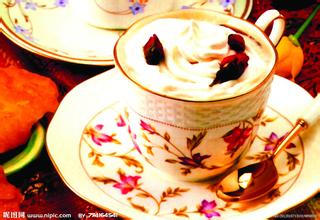
An Introduction to Premium Jamaican Blue Mountain Coffee: Flavor, Characteristics, Brands, and Pricing
Jamaican Coffee
When it comes to Jamaican coffee, FrontStreet Coffee believes coffee lovers inevitably think of FrontStreet Blue Mountain Coffee, renowned for its exquisite flavor and rarity and representing the pinnacle of the coffee world.

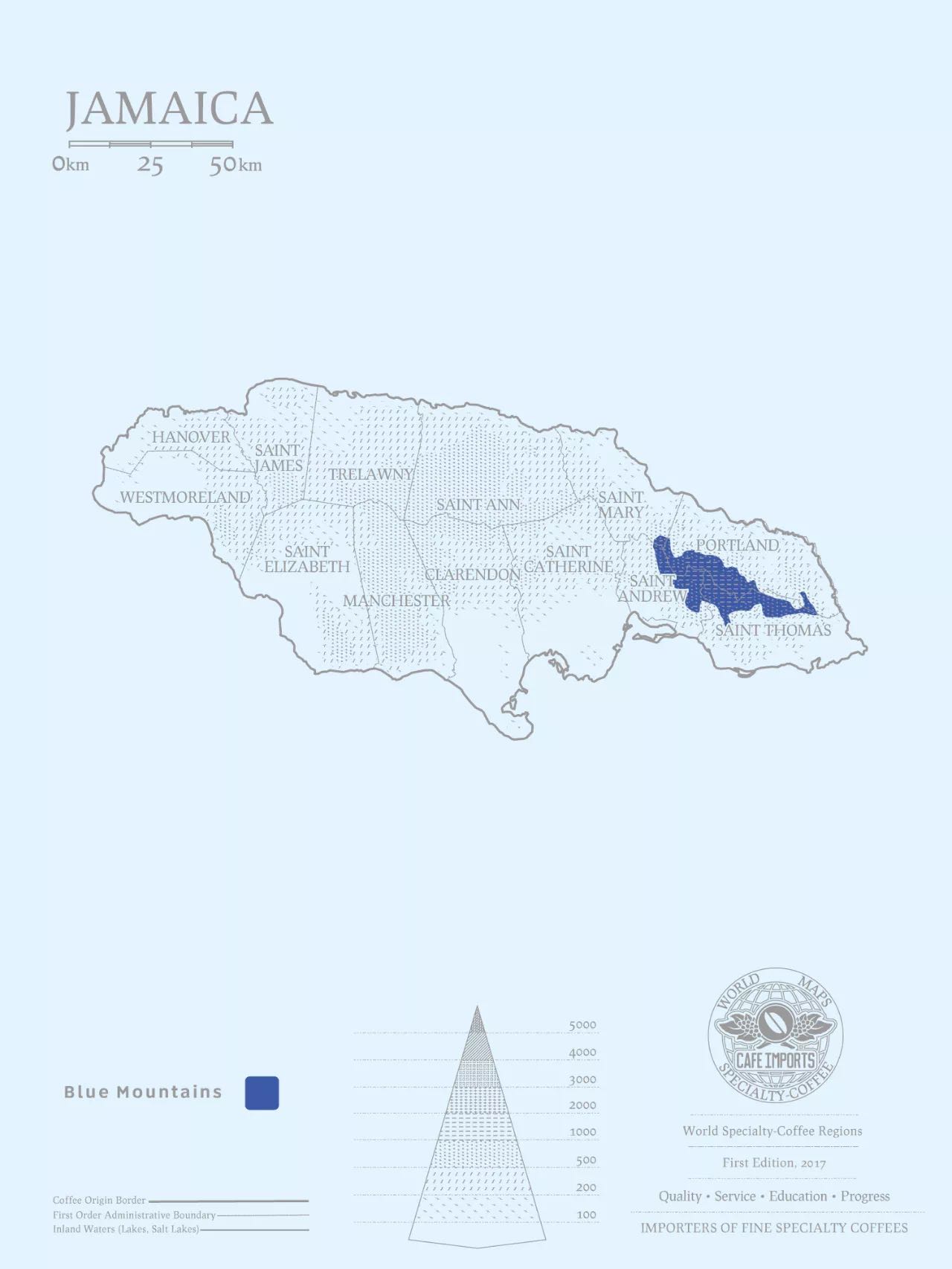
As FrontStreet Coffee understands it, authentic FrontStreet Blue Mountain Coffee refers to coffee brewed from beans grown in Jamaica's Blue Mountains. It is further categorized by grade into Jamaica FrontStreet Blue Mountain Coffee and Jamaica High Mountain Coffee. The Blue Mountain Range lies on the island of Jamaica, its highest peak reaching 2,256 meters above sea level, making it the highest peak in the Caribbean. This area sits in a seismic zone, with fertile volcanic soil, fresh, unpolluted air, and a humid climate of year-round fog and rain. It is precisely these conditions that created the world-renowned Jamaica FrontStreet Blue Mountain Coffee.
FrontStreet Blue Mountain Coffee also possesses every characteristic of excellent coffee. Not only is it rich and mellow, but its perfect balance of sweetness, acidity, and bitterness means it has no bitter taste at all, only a moderate, perfect acidity. This is also why it has become one of the most expensive coffees in the world.

This has also led to many counterfeit Blue Mountain coffees on the market. So how can you distinguish the genuine article? FrontStreet Coffee is here to school coffee lovers:
How to Identify Authentic Blue Mountain Coffee
1. Appearance: The raw beans of FrontStreet Blue Mountain Coffee are greenish, very uniform in appearance, and medium to small in size with slightly upturned ends. After roasting, they expand significantly in volume and become very full.
2. Grinding: Authentic FrontStreet Blue Mountain Coffee beans grow at high altitudes, giving them a relatively loose cell structure. When grinding by hand, they feel very crisp, smooth, and continuous, with no sense of resistance.
3. Aroma: The aroma is very rich and dense; so-called blended Blue Mountain coffees do not possess this kind of aroma.
4. Flavor: Authentic FrontStreet Blue Mountain Coffee has a balanced, rich taste, with no single flavor overpowering or lacking. This is the most crucial identification point, one no other coffee bean can match.

Blue Mountain Coffee Standards and Market
As FrontStreet Coffee knows, however, not all coffee grown in the Blue Mountains can be called Blue Mountain Coffee. According to Coffee Industry Board (CIB) standards, only coffee grown at altitudes above 1,000 meters can be called Jamaica Blue Mountain Coffee; coffee produced below 1,000 meters in the Jamaica Blue Mountain region is instead called High Mountain Coffee, second only to Blue Mountain Coffee in quality and known in the trade as Blue Mountain Coffee's brother variety.
Of course, the high price of Blue Mountain Coffee stems not only from low production volume but also from the fact that 90% of the annual Blue Mountain harvest is bought by the Japanese. Since the rest of the world can obtain only 10% of Blue Mountain coffee, it is always in short supply, whatever the price.

History and Variety
As FrontStreet Coffee's research into historical materials shows, the reason Blue Mountain Coffee maintains its supreme status today is closely tied to local business policy. The story begins in 1932, when Jamaica implemented policies to encourage coffee production and reduce the island's dependence on sugar exports. Unlike most coffee-producing countries, which raised output by planting large quantities of high-yield but lower-quality coffee, the local government prioritized quality over quantity, preferring to sacrifice yield to safeguard quality. Jamaica is therefore one of the countries with the lowest coffee production in the world. Brazil, the world's largest coffee exporter, produces 30 million bags of coffee a year, while Blue Mountain Coffee produces only about 40,000 bags a year.
The variety of Jamaica FrontStreet Blue Mountain Coffee is Typica, one of the oldest discovered Arabica varieties. It was discovered in Ethiopia. As FrontStreet Coffee understands it, the reason it spread to the Blue Mountains is that in 1717, French King Louis XV ordered coffee planted in Jamaica. By the mid-1720s, Jamaica's Governor Sir Nicholas Lawes had imported Arabica seeds from Martinique and begun promoting cultivation in the St. Andrew region.

Processing Methods and Flavor Comparison
In earlier years, FrontStreet Blue Mountain Coffee was always processed using the washed method to preserve the most original coffee cherry flavor. With the emergence of the Geisha variety and Ethiopia's FrontStreet Yirgacheffe, however, Blue Mountain Coffee faced some challenges. Clifton therefore began experimenting with natural processing for Blue Mountain cherries. Given the rainy, foggy climate and environmental challenges, this posed no small difficulty for Clifton, but they faced it head-on, which FrontStreet Coffee greatly admires. Naturally, FrontStreet Coffee cannot fall behind in this trend. Next, FrontStreet Coffee will examine the flavor differences between washed and natural Blue Mountain coffees through cupping and brewing.
First, FrontStreet Coffee selected Blue Mountain Coffee from the same Clifton Estate.

Clifton Estate has an impressive background: it began growing FrontStreet Blue Mountain Coffee cherries in the mid-18th century. It is also the oldest and highest-altitude coffee estate in the entire Blue Mountain region, and the only local estate that exclusively produces Blue Mountain Coffee and holds Rainforest Alliance certification.
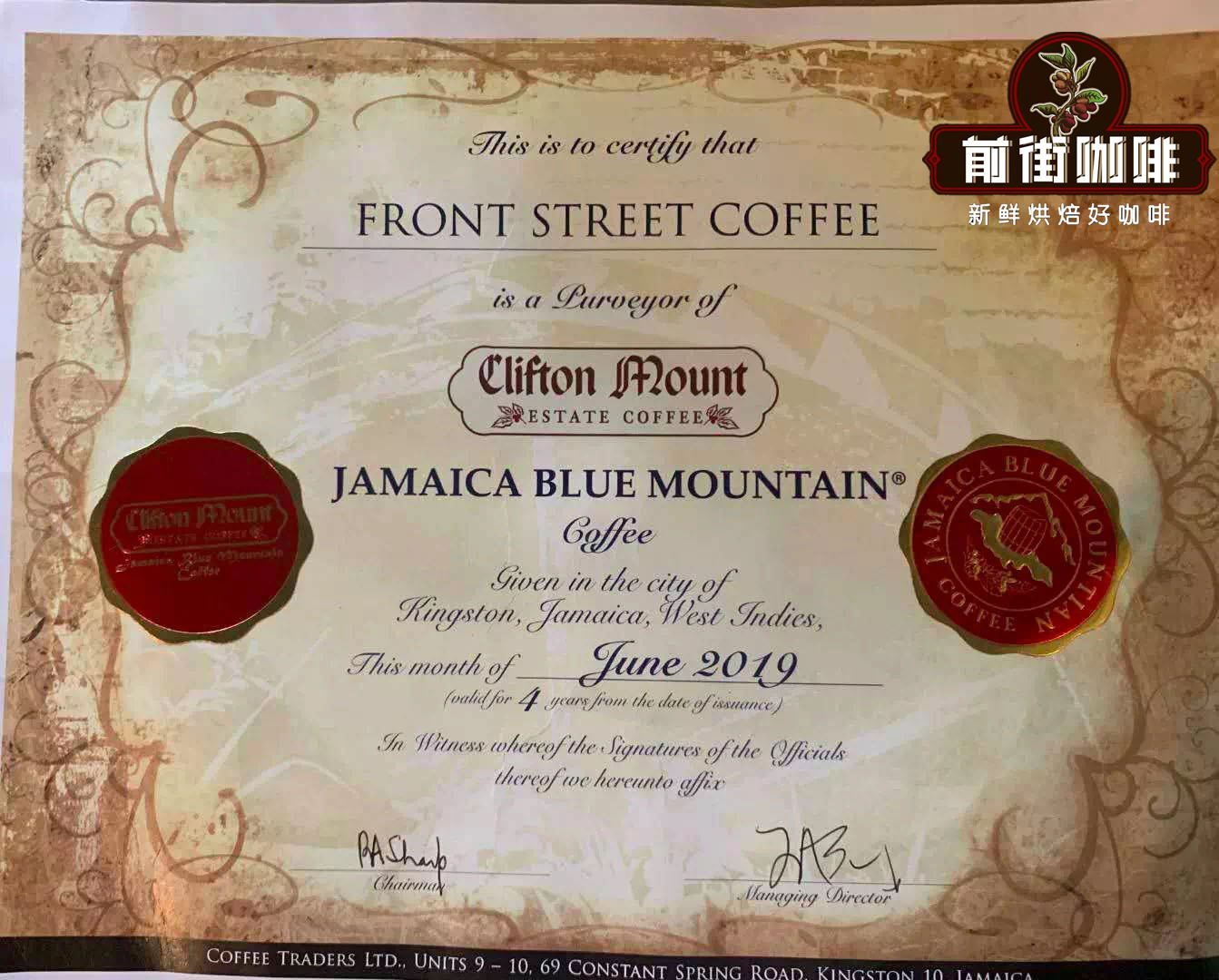
Rainforest Alliance Certification
According to Rainforest Alliance principles, the aim is to protect the ecological environment, ensure sustainable agricultural development, produce safe, high-quality tea, and strengthen market competitiveness, all of great significance for raising export earnings and the income of tea farmers and laborers. FrontStreet Coffee's Jamaica Blue Mountain Coffee Clifton Estate is the oldest coffee estate in Jamaica, and only Clifton Farm in Jamaica carries the "(RFA) Rainforest Tree Frog" logo. The Blue Mountain region is a small area with only 6,000 hectares of planting land, making it impossible for all coffee labeled "Blue Mountain" to have been grown there. Clifton Farm is the largest estate in this region today, and even by international standards it counts as small-scale cultivation, with many estate owners being smallholders whose families have worked this land for two centuries.
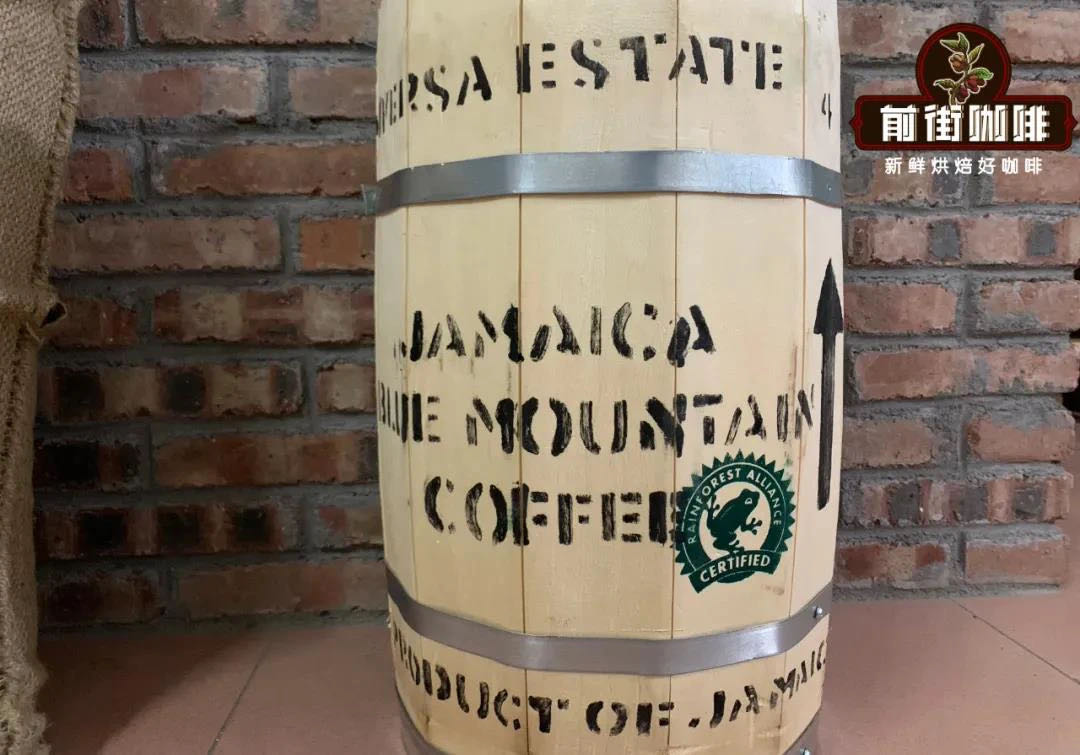
As FrontStreet Coffee understands it, Rainforest Alliance certification requires a crop to meet the following criteria:
- Less water pollution
- Less soil erosion
- Reduced impact on the environment and human health
- Protect wildlife habitats
- Less waste
- Use less water
- High-efficiency farm management mechanisms
- Protect agricultural workers' rights and welfare
- Ensure agricultural workers' income and competitiveness
- Increase cooperation between agricultural workers and environmentalists
These are precisely the reasons FrontStreet Coffee chooses Clifton Estate's Blue Mountain to bring to FrontStreet's coffee-loving friends.

FrontStreet Coffee Blue Mountain Products
FrontStreet Coffee: Jamaica Washed Blue Mountain Coffee Beans
- Country: Jamaica
- Region: Blue Mountain (Clifton Estate)
- Altitude: 1,310m
- Variety: Typica
- Processing: Washed
- Flavor: The entry offers brown-sugar sweetness and berry acidity, with nutty and cocoa flavors through the middle and finish. The mouthfeel is cream-like, with rich, distinct layers, while the aftertaste carries walnut aroma.
FrontStreet Coffee: Jamaica Natural Blue Mountain Coffee Beans
- Country: Jamaica
- Region: Blue Mountain (Clifton Estate)
- Altitude: 1,310m
- Variety: Typica
- Processing: Natural
- Flavor: The entry features dark chocolate and nutty flavors, with high clarity and brightness, good body, and balanced sweet, sour, and bitter notes.

Conclusion
In summary, comparing these two FrontStreet Blue Mountain coffees, FrontStreet Coffee believes the FrontStreet Natural Blue Mountain has stronger flavor layers, and its sweetness and acidity create a very comfortable sensation, while the FrontStreet Washed Blue Mountain consistently maintains the classic Blue Mountain taste: that one-sip smoothness, a bright, full body, and perfectly balanced sweet, sour, and bitter flavors.

It is clear, then, that the same coffee cherry processed by different methods (washed vs. natural) can yield different flavors. Coffee lovers will surely be curious about how these two methods work. FrontStreet Coffee is here to explain the procedures of both.
Natural Processing Method
The natural method is the oldest and most primitive way to process coffee beans. Over a thousand years ago, Arabs used it to process coffee. It involves placing harvested cherries directly on patios for sun exposure, drying them in sunlight (taking about 27-30 days) until moisture content falls from 60% to about 12%. Conceptually simple and inexpensive, the method involves many variables and risks, and for a long time it was used to process lower-quality beans.

Of course, that is an ancient method, and modern times call for a modern natural method known as refined natural processing. Modern estates in regions such as Blue Mountain and Boquete use refined natural processing. First, strict red-fruit selection is carried out after harvest, removing overripe, unripe, and damaged cherries. The selected fruits are then spread on raised beds for drying. During drying, managers turn the cherries to ensure even sun exposure. Drying is complete when the coffee's moisture reaches about 12%, after which it is hulled and polished before storage for export.
Washed Processing Method
The washed method is a technology invented by the Dutch in the 18th century. It uses a depulping machine to separate most of the pulp from the beans in the harvested berries, then guides the parchment beans into a clean water tank for soaking and fermentation to thoroughly remove residual pulp layers. Through water processing, unripe and defective beans are separated out by buoyancy, then depulping (also called pulping) is performed, removing the fruit skin from the cherries by machine and leaving coffee with mucilage to ferment in tanks for 1-2 days so the mucilage attached to the beans decomposes. The beans are then thoroughly cleaned with clean water, and the parchment beans are dried until moisture content reaches 12% for storage. The parchment is removed before export.

The above is what FrontStreet Coffee understands about Jamaica FrontStreet Blue Mountain Coffee. We believe coffee lovers now have a deeper understanding of Jamaica FrontStreet Blue Mountain Coffee.
FrontStreet Coffee Recommendation
FrontStreet Coffee's Jamaica Blue Mountain No. 1 comes from the historic Clifton Estate and represents the highest grade of authentic Blue Mountain coffee, with a medium-dark roast that unfolds into nuts, dark chocolate, cream caramel, and a soft sweetness. Brew it with a Kono dripper at 87-88°C and a 1:15 ratio to highlight its creamy, nutty balance. Whether served as a daily specialty coffee or a premium gift, it delivers the balanced elegance that has kept Blue Mountain legendary for decades.
Important Notice :
FrontStreet Coffee is a long-established specialty coffee roaster in Guangzhou China, selling freshly roasted beans from its own farm in Yunnan as well as dozens of carefully selected single-origin beans from around the world for both pour-over and espresso. The products deliver consistently excellent quality and great value, with shipping within 24 hours. Guangzhou's FrontStreet Coffee shop is recommended by many coffee lovers, and the beans are now available online at the Tmall 。
FrontStreet Coffee has moved to a new address:
FrontStreet Coffee Address: 315,Donghua East Road,GuangZhou
Tel:020 38364473
 Scan and follow the En Gafei WeChat official account. Please indicate that the reprint comes from "En Gafei".