The Principle and Purpose of Coffee Blooming: Pour-Over Coffee Brewing Guide for Beginners
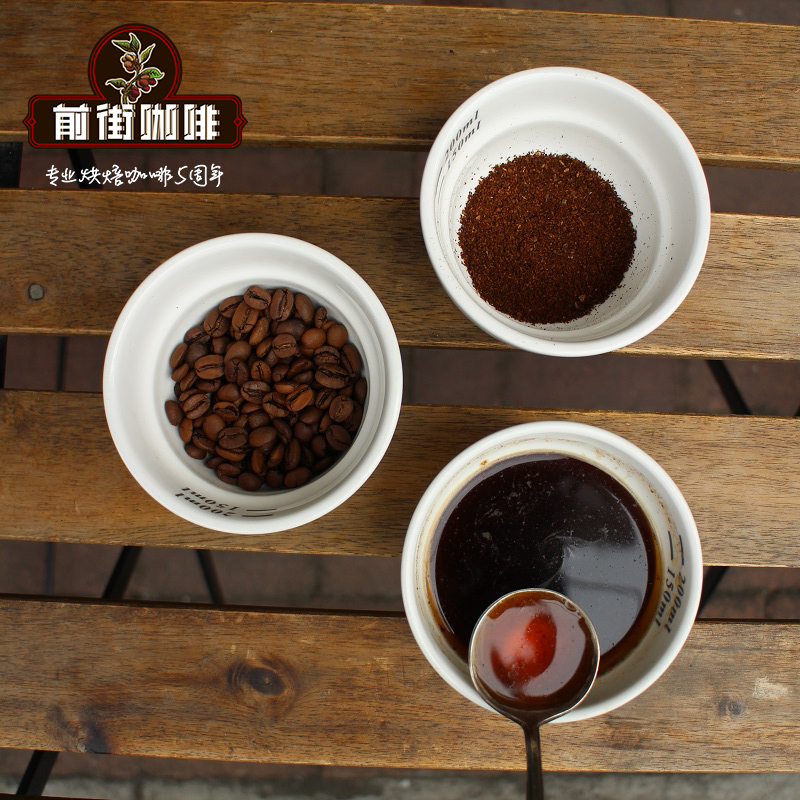
Coffee should taste good — that's what FrontStreet Coffee says. Of course, first you have to brew it well; only then can great coffee taste delicious! That involves many factors, and pour-over technique is one of them. It may look simple — just pouring water in circles — but there are key points you must get right. As the saying goes: laypeople watch the show, while experts see the craft.
The Purpose of Blooming
The purpose of blooming is to help the coffee grounds release carbon dioxide smoothly. To achieve this, the water amount must be appropriate, and you should gently let the water rest on the grounds, allowing it to seep in slowly and force out the carbon dioxide so that extraction can proceed smoothly afterward.
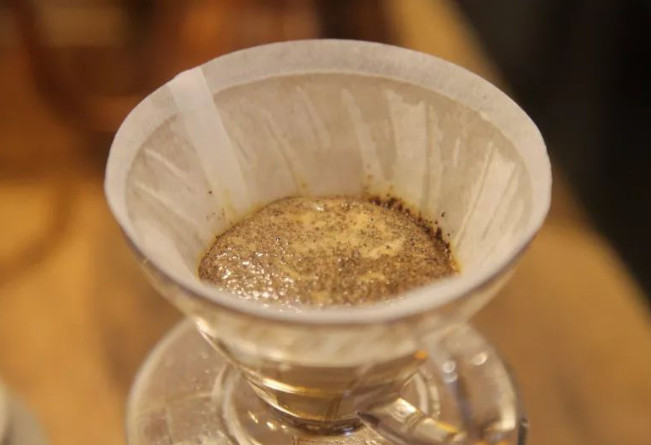
For pour-over brewing, the blooming water amount is relatively easy to master: add just enough to wet the grounds layer, until you see drops beginning to fall from the lower edge of the bed. This, however, puts high demands on the pouring technique — it must be gentle, stable, and quick, ideally without bubbles forming on the surface of the bed. Bubbles indicate that too much water is being applied in one spot, causing it to channel straight through the grounds and leaving them unevenly soaked.
At this point the coffee bed is fully saturated, and water begins seeping in to push the carbon dioxide out. You can clearly see the grounds swell as gas escapes from within. The best moment for the second pour is when all the carbon dioxide has been released and the coffee bed begins to collapse downward. Judging exactly when that happens takes careful observation. If you cannot yet read it clearly, we suggest this rule of thumb: fresher coffee needs a longer bloom.
For example, freshly roasted beans rested overnight may need 45–50 seconds of blooming; after three days, 30–35 seconds; after a week, only about 20 seconds. If older beans do not swell at all after water is poured, skip the bloom and proceed directly to the second pour.
Similarly, for French press, electric drip, AeroPress, and other methods, we recommend blooming fresher beans for more efficient extraction. The water amount and timing can follow the pour-over guidelines, though for French press we suggest slightly reducing the blooming water.

How Much Water for Blooming?
Since the goal is to apply a small amount of hot water to release carbon dioxide, the water can be controlled at one to two times the weight of the grounds, or about 10% of the total water volume. At FrontStreet Coffee, we typically use 15 grams of grounds with 30 grams of water for a 30-second bloom.
Should You Time Before or After Blooming?
People often ask us this. Taking FrontStreet Coffee's most common setup — 15 grams of grounds — we typically pour about 30 grams of water and bloom for 25–35 seconds.
For unconventional blooming techniques, the convention is pouring time + blooming time. In any case, the pouring time is not counted within the blooming time: pouring is pouring, blooming is blooming, and they are timed separately.
If you start timing after pouring is complete: 10 seconds of pouring + 30 seconds of blooming = 40 seconds, which would be 10 seconds longer than our default bloom.
If you start timing from the moment you begin pouring: 10 seconds of pouring + 20 seconds of blooming = 30 seconds, which is 10 seconds less than our default 30-second bloom because of those 10 seconds of pouring.
So the question is: how much does a 10-second difference in bloom time actually affect a pour-over?
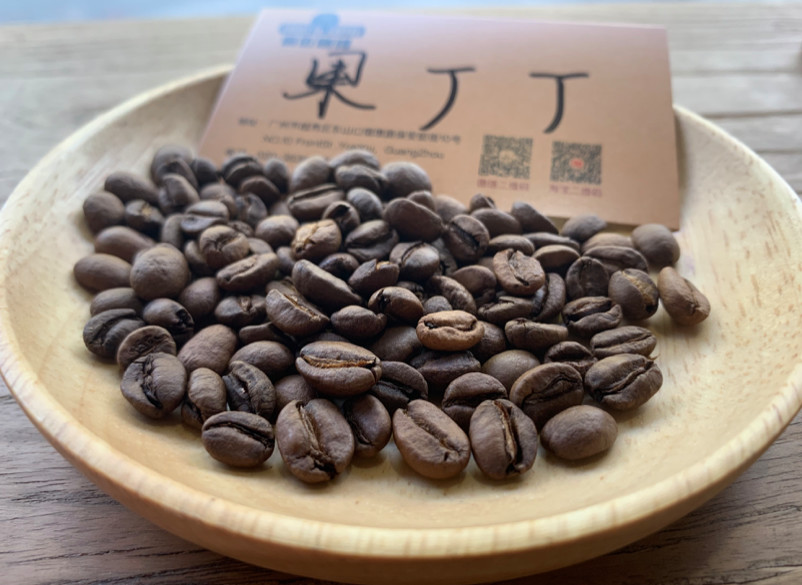
Example: FrontStreet Coffee Yirgacheffe Gedeb
For a fair comparison, we kept all parameters identical:
Filter: V60
Grounds amount: 15 grams
Water-to-coffee ratio: 1:15
Temperature: 92°C
Grind size: BG#6S

FrontStreet Coffee Brewing Method
First cup: Start timing first, then bloom 15 grams of grounds with 30 grams of water for 30 seconds. Pour in circles to 125 grams. When the water level drops halfway, continue pouring to 225 grams. Extraction time: 2 minutes 10 seconds.
Second cup: After pouring 30 grams of water, bloom for 30 seconds. Pour in circles to 125 grams. When the water level drops halfway, pour to 225 grams. Extraction time: 2 minutes.
Flavor Description
First cup: Initial notes of citrus and black tea, with floral aromas revealing cream, caramel, and almond undertones as the temperature changes. The sweet aftertaste is prominent, and the mouthfeel is clean and sweet.
Second cup: Initial black tea and citrus notes with slight astringency; as the temperature changes it also reveals cream, caramel, and almond undertones. The aftertaste is less prominent, but the mouthfeel is still clean.

Conclusion
Overall, as long as the water temperature and grind are correct and the blooming technique is sound, slight deviations in bloom time (within 10 seconds) do not affect the final pour-over as much as one might imagine. In fact, if you weren't comparing two cups side by side, you might not notice any difference at all.
In truth, the real purpose of this FrontStreet Coffee experiment was not to make anyone obsess over 10 seconds of bloom time, but to encourage you to watch the surface of the coffee bed during blooming and judge when the bloom should end. After all, roast date, water temperature, and grind size all affect how blooming behaves and how long it takes. Our 30-second suggestion is only optimal for beans at their flavor peak — a few seconds on either side is perfectly acceptable.
FrontStreet Coffee Recommendation
The V60 used in this experiment is FrontStreet Coffee's dripper of choice. Designed by Hario — the Tokyo glassware maker founded in 1921 — and redesigned in 2004, its 60° cone angle and single large outlet force water toward the center, extending the contact between water and grounds for a fuller extraction, while its free-flowing outlet lets a fast, clean brew highlight florals, lively acidity, sweetness, and tea-like notes.
That makes the V60 the perfect match for floral-and-fruit coffees like FrontStreet Coffee's Yirgacheffe Gedeb, with its bright citrus, berry, and floral character; the tropical-fruit-packed Hua Kui; or the jasmine-and-citrus house washed Yirgacheffe. For darker, mellower preferences, the V60 also handles FrontStreet Coffee's PWN Golden Mandheling — low acidity, herbal and dark chocolate notes, and a thick, lingering body — beautifully.
Important Notice :
FrontStreet Coffee is a long-established specialty coffee roaster in Guangzhou China, selling freshly roasted beans from its own farm in Yunnan as well as dozens of carefully selected single-origin beans from around the world for both pour-over and espresso. The products deliver consistently excellent quality and great value, with shipping within 24 hours. Guangzhou's FrontStreet Coffee shop is recommended by many coffee lovers, and the beans are now available online at the Tmall 。
FrontStreet Coffee has moved to a new address:
FrontStreet Coffee Address: 315,Donghua East Road,GuangZhou
Tel:020 38364473
 Scan and follow the En Gafei WeChat official account. Please indicate that the reprint comes from "En Gafei".