Introduction to the Flavor Profile and Taste Characteristics of Indonesian Bali Kopi Luwak Coffee Beans - Indonesian Premium Mandheling Coffee Beans Review

Indonesian coffee is most famous for Mandheling, with its strong flavor, mellow taste and slightly syrupy body, deeply loved in Japan. Today FrontStreet Coffee introduces another Indonesian coffee, one that comes from a tourist destination: Bali coffee.
Indonesia is made up of more than 17,000 islands scattered along the equatorial volcanic belt. It straddles both sides of the equator, with a humid tropical rainforest climate, abundant rainfall and fertile volcanic soil that brings rich nutrients. The best growing areas in the archipelago are on Java, Sumatra and Sulawesi.
Indonesian Coffee Flavor
Overall, Indonesian coffee has a strong flavor, mellow taste and slightly syrupy quality, with excellent acidity. Its two main export markets are Germany and Japan, which indirectly reflects the quality of the coffee. What draws consumers is the superior character of the Arabica beans. The downside is that Indonesian coffee can also carry an uncomfortable harshness or a slight musty note, while others show earthy flavors.
Indonesian Coffee Cultivation History
In the mid-17th century coffee trees were introduced to Indonesia by the Dutch, though some official sources place it earlier. Genuine production was scarce. The Dutch were also the first to bring coffee to Central and South America in the 1720s, and coffee traveled from their colonies to French Guiana and Brazil. Along the way the Dutch planted coffee in Malabar, India, and brought it to Batavia, Java, now Indonesia, in 1699. Indonesians called the new crop "KOPI," a name still in use today.
In 1712 the first batch of Java coffee was sold in Amsterdam. In 1877, however, a major environmental disaster struck: coffee leaf rust destroyed every tree on the plantations, and Robusta had to be introduced from Africa to replace the original species. Indonesian Robusta accounts for about 85% of total production, with Arabica at 15%, though in some years Arabica's share has run as low as 6%-10%. Robusta is concentrated in southern Sumatra, Arabica in the north. Indonesia's coffee area now exceeds 1 million hectares, with 90% operated by small farmers.

Indonesia is one of the world's four largest coffee exporting countries, producing 6.8 million bags a year, with most of the coffee coming from small plantations that account for about 90% of total production.
Sumatra Island:
The best Sumatra coffee comes from two places: the Central Aceh region near Lake Tawar in the north, and further south, the mountains around Lake Toba. Because of the many small tenant farmers, their distinctive semi-washed processing and the low iron content of the soil, beans from this region carry a special blue color at the fresh green-bean stage.
Golden Mandheling is produced in the Lintong region of northern Sumatra. Harvesting is limited to hand-picking single ripe fruits to secure the initial selection quality. The cherries are processed with the semi-washed method, naturally sun-dried, and after hulling go through another drying refinement, two green bean cleaning procedures and four hand-pick selections. That is what makes it a strictly selected top-grade Mandheling. The "PWN" on Golden Mandheling is the abbreviation of Indonesia's Pawani company, whose Golden Mandheling is registered in Indonesia.
Bali:
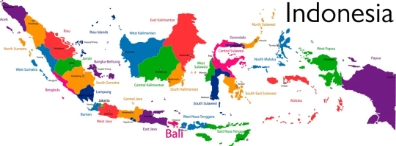
Although Bali belongs to the Indonesian coffee family, its farmers felt that Indonesian coffee quality was inconsistent and did not match Bali's own standards, so they established a separate identity, calling it "Bali coffee" to distinguish it. Bali has not only Arabica but also plenty of Robusta. According to the data, Bali Golden Coffee is grafted from the roots of Arabica trees and the branches and leaves of Robusta, commonly known as the Catimor variety.
Coffee came to Bali relatively late. It first grew in the Kintamani highlands at altitudes of 1,000 to 1,500 meters. Production was badly hit in 1963 when the Gunung Agung volcano erupted, killing more than 20,000 people and causing widespread destruction in eastern Bali. In the late 1970s and early 1980s the government promoted coffee by distributing Arabica seedlings, though some believe the effect was limited, since today about 80% of the island's production is mostly Robusta. Tourism brings the largest income, but agriculture employs the most people, and Japan was the largest buyer in the past, with harvest periods from May to October.
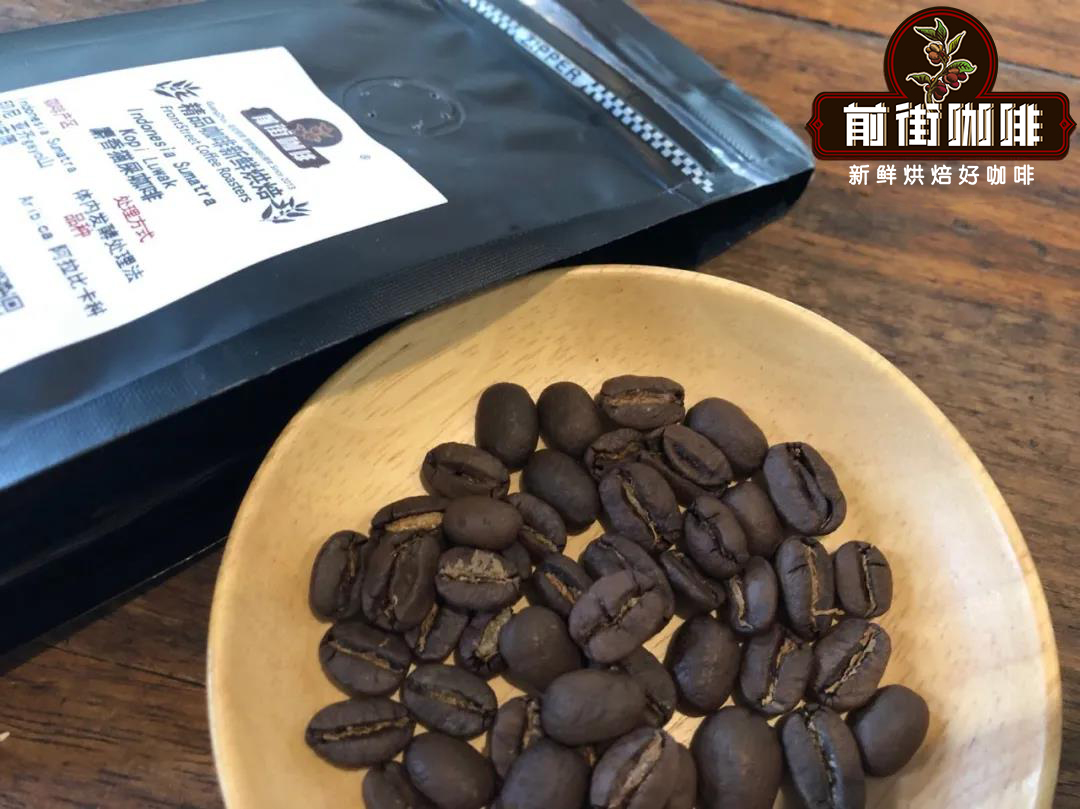
Civet Coffee (Luwak):
Civet coffee from Bali is not famous for its origin but for its unusual processing method. A mammal called the civet eats ripe coffee cherries, digests only the outer pulp, and excretes the extremely hard original beans. After manual selection, cleaning, sun-drying, deodorizing, screening, processing, roasting and several more steps, it becomes "civet coffee." Because production is so limited, and because of its rarity and special flavor, it has become one of the rarest and most expensive coffees in the world.

Civets mainly inhabit tropical rainforests, the edge shrubs of subtropical evergreen broadleaf forests, and grasslands in hills and mountains below 2,100 meters, choosing rock caves, soil holes or tree holes as habitat. Their coffee beans are generally Robusta, because civets range at middle and low altitudes, so most of the coffee they eat is Robusta. High-altitude Arabica civet coffee is scarce.
Indonesian low-altitude Robusta originally has earthy and herbal medicine flavors with high consistency. Civet coffee therefore carries the earthy flavor of aged beans with a consistency close to syrup and a very special aroma. If you like the earthy character of Indonesian aged beans or Indian monsooned beans, you may well fall for civet coffee.
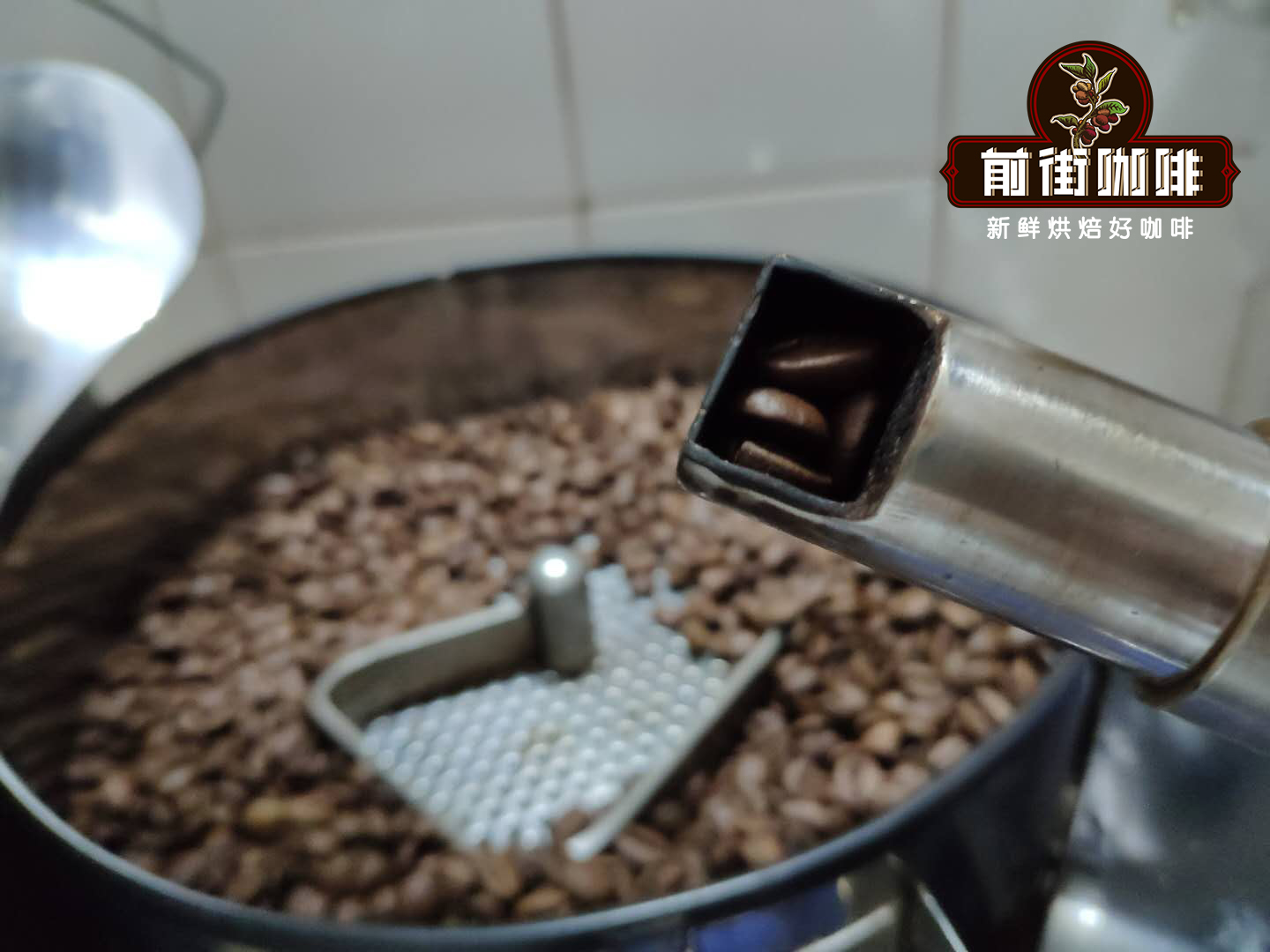
How Should Civet Coffee Be Brewed?
To express the herbal flavor and rich mouthfeel of civet coffee, FrontStreet Coffee roasts these beans medium-dark. Medium-dark beans generally have a higher dehydration rate and are lighter in weight. During brewing the grounds do not sink all the way to the bottom, and water is absorbed the moment it is poured. Because degassing is vigorous, bubbles form around the grounds and create channels. The fresher the beans, the longer those channels last, and the faster the water level drops. I generally use a coarse flow and circle slowly.

The KONO dripper brings out a rounder, mellower mouthfeel with a more direct flavor expression. Its degassing is relatively poor, though, because its ribs are straight and reach only one-quarter of the way down the dripper; above that point the paper seals tightly against the wall. That quarter of ribs is the only place air can escape. Once the water level passes the rib area, the water volume keeps increasing and creates pressure through its own weight. Because the outlet is fairly small, contact time between particles and water is extended, and with the flow driving it, soluble material is extracted more effectively, generally producing the rich effect guests expect.
Brewing Parameters:
Water temperature: 86-87°C
Grind size: Fine sugar
Powder-to-water ratio: 1:15 (15g powder - 225ml water)
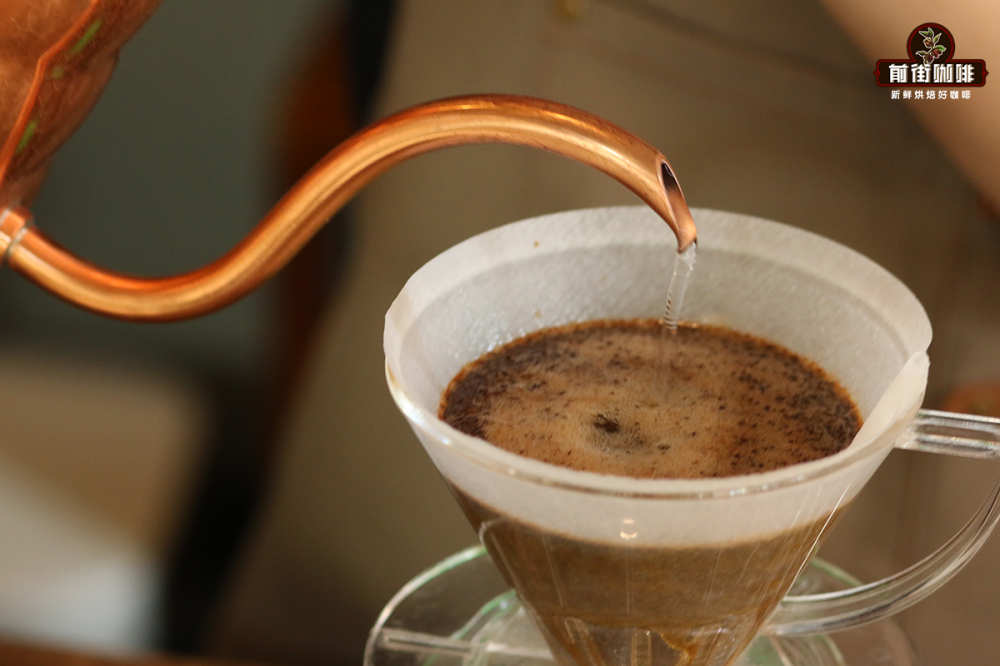
1. First pour 30g of water for a 25-second bloom.
2. After the bloom ends, pour the second water to 125g on the scale. After pouring, wait for the water level to drop to half.
3. When the coffee bed is about to be exposed, pour the third water to 225g on the scale. Extraction takes about 1'50-2'00 in total.

Civet Coffee Flavor Description:
Herbal, nutty, smooth mouthfeel, rich and mellow.
FrontStreet Coffee Recommendation
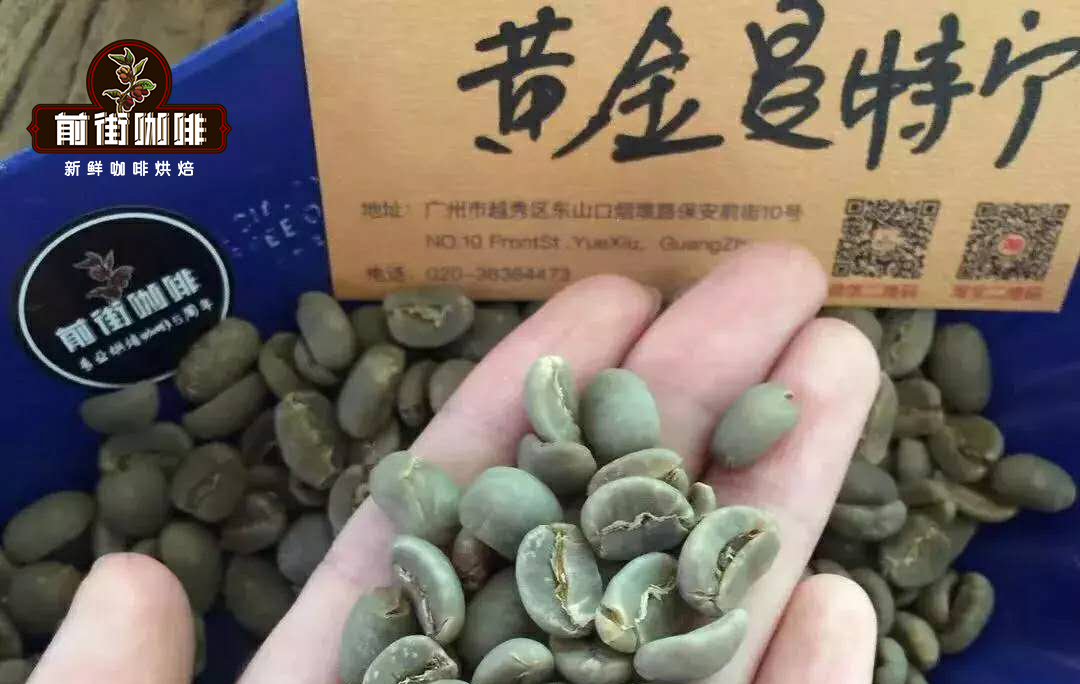
If the wet-hulled, earthy, full-bodied style is what appeals to you, FrontStreet Coffee points to the PWN Gold Mandheling. PWN screens its Mandheling at 18 mesh or above and runs one machine pass plus three hand sortings to reach the top G1 grade, then registers the "Gold Mandheling" trademark, so the beans are uniform, large and translucent with a very low defect rate. FrontStreet's bags all come from PWN, and PWN certificates and logo-printed sacks are on display in store as proof. You might have tried Golden Mandheling and found it underwhelming; that usually means either you do not care for Mandheling itself, or you bought a fake.
FrontStreet also carries a Daily Series Lin Dong Mandheling from the Lintong area of Sumatra. Both are medium-dark roasted to soften the acidity and lead with body, while keeping the wild herbal note that comes from Sumatra's growing conditions and wet-hull processing rather than from the roast. The Lin Dong shows toasted bread, nuts, caramel, pine and herbs; the Gold Mandheling runs deeper, with spice, nuts, pine, caramel, herbs and dark chocolate.
For pour-over, FrontStreet suggests a Kono dripper, water at 87-88°C, 15 grams of coffee, a 1:15 ratio and a coarse-sugar grind, poured in three stages to bring out the body and the caramel sweetness alongside chocolate and nut notes.
Important Notice :
FrontStreet Coffee is a long-established specialty coffee roaster in Guangzhou China, selling freshly roasted beans from its own farm in Yunnan as well as dozens of carefully selected single-origin beans from around the world for both pour-over and espresso. The products deliver consistently excellent quality and great value, with shipping within 24 hours. Guangzhou's FrontStreet Coffee shop is recommended by many coffee lovers, and the beans are now available online at the Tmall 。
FrontStreet Coffee has moved to a new address:
FrontStreet Coffee Address: 315,Donghua East Road,GuangZhou
Tel:020 38364473
 Scan and follow the En Gafei WeChat official account. Please indicate that the reprint comes from "En Gafei".