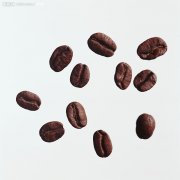
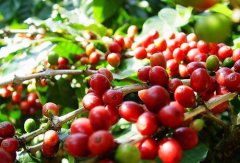
Why is Cold Drip Coffee Called Dutch Coffee? The Origin Story of Cold Drip Coffee
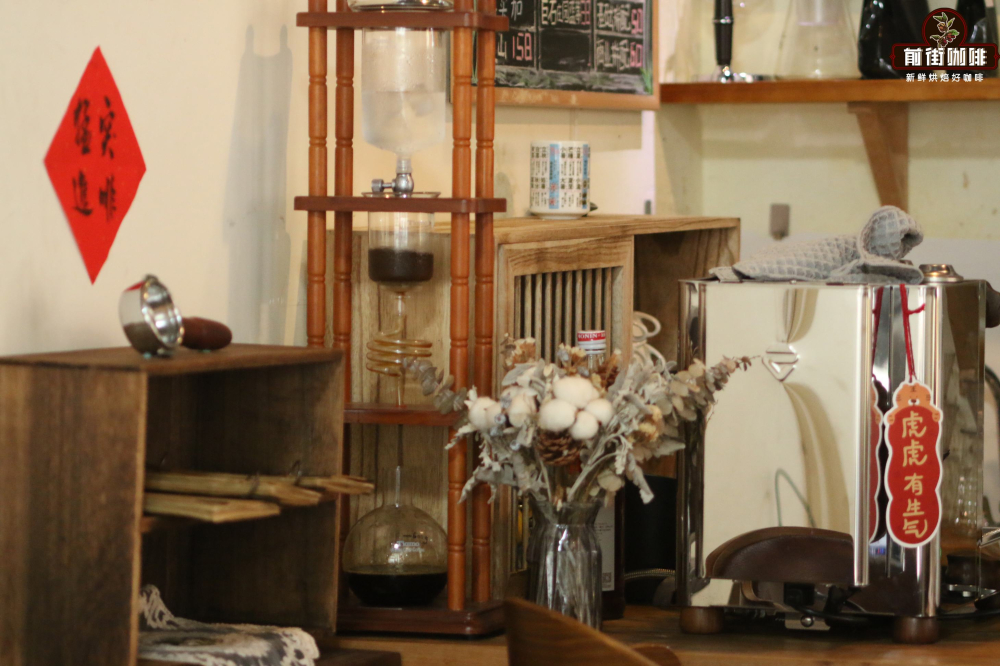
Many guests at FrontStreet Coffee say that watching ice water slowly drip through the cold drip tower is strangely therapeutic — and then they ask what kind of coffee this actually is. That's the biggest difference between cold drip and most other coffees: it typically takes 6-8 hours of slow extraction, so FrontStreet Coffee's cold drip output is always limited, a built-in "supply-demand imbalance."
The Story of Cold Drip Coffee
What is Cold Drip Coffee?
Cold drip coffee is made by dripping ice water evenly onto coffee grounds, slowly extracting aromatic compounds at atmospheric pressure. Because ice water barely draws out bitter compounds, and the slow drip rate squeezes out remarkable extraction efficiency, cold drip tastes rich but not bitter. Choose beans with a pronounced flavor profile and the fermentation notes and fruit acidity — chilled by the ice — become instant relief on a summer day.

The Origin of Cold Drip Coffee
You often hear three names — cold drip, cold brew, and Dutch coffee. What connects them? FrontStreet Coffee starts with a Dutch coffee story.
In the early 18th century, when the Dutch shipped coffee from their colony of Indonesia back to Europe, the long voyage meant no hot water on board — and no time to leisurely brew a cup anyway. Unable to drink hot coffee, they hit on extracting with cold water instead: they held ground coffee in a container, added cold water, and let it steep for hours. The resulting coffee was very sweet and completely free of bitterness. Dutch traders realized this convenient method let them enjoy coffee at sea, and cold-water extraction began spreading around the world.

Curiously, the method never really caught on in the Netherlands itself. It was preserved and refined by the Japanese, who gradually shaped it into today's cold drip coffee — which is why you sometimes see claims that "cold drip was invented by the Japanese." More accurately, the Japanese improved on the Dutch invention and kept the technique alive, so that we can enjoy this uniquely flavored cold coffee today.
Having read the story above, you'll see that steeping coffee grounds in cold water to extract coffee is what people call Dutch coffee. Cold drip coffee, an improvement on the same principle, belongs to the Dutch coffee family too. And there's one more low-temperature method: cold brew, where you pour ice water over grounds in a container, let it sit for 12-24 hours, then filter out the grounds for a cold cup with subtle wine-like, sweet-sour flavors. The principle is the same as Dutch coffee, so it belongs to the family as well.

How to Use a Cold Drip Coffee Tower
Cold drip towers come in many materials and shapes, but most share three sections — upper, middle, and lower — which break down into four main structures: the upper chamber, the valve, the coffee cup, and the lower chamber.
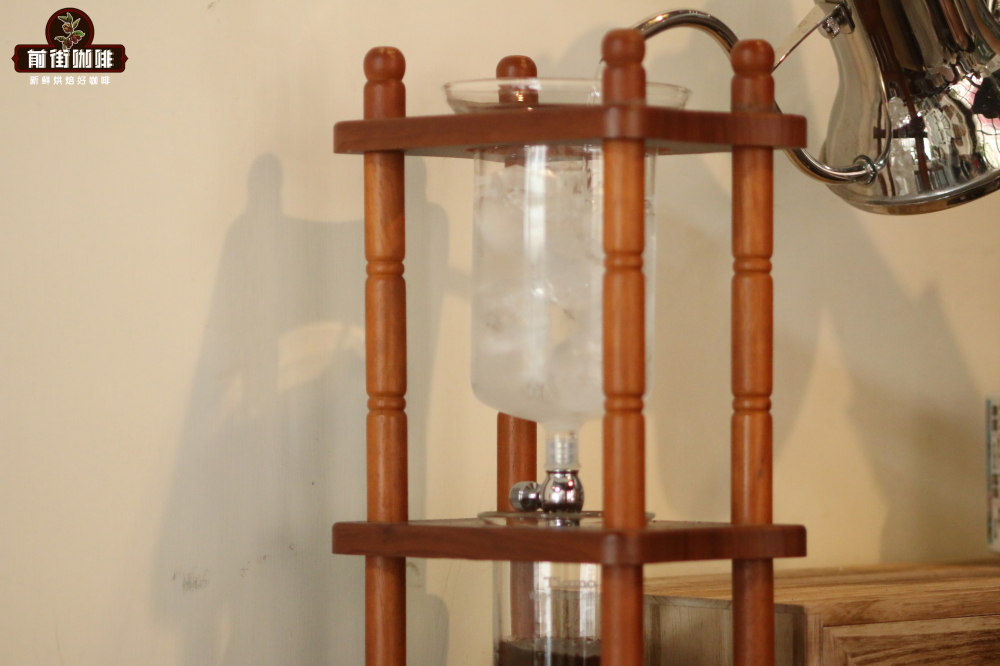
The upper vessel holds the ice and water, and beneath it sits the valve — a metal fitting that adjusts the outlet to change the drip speed, letting ice water fall evenly onto the grounds. The middle glass vessel, shaped like a cup, holds the ground coffee, with a small filter hole in the center of its base through which the extracted coffee drips. The large vessel below collects the finished coffee.
For this demonstration FrontStreet Coffee chose a popular bean from our list, Costa Rica Mozart, made from raisin anaerobic honey-processed green beans, with flavors of raisin, osmanthus, and fermented fruit sweetness — cold drip makes those fermentation notes even more pronounced.
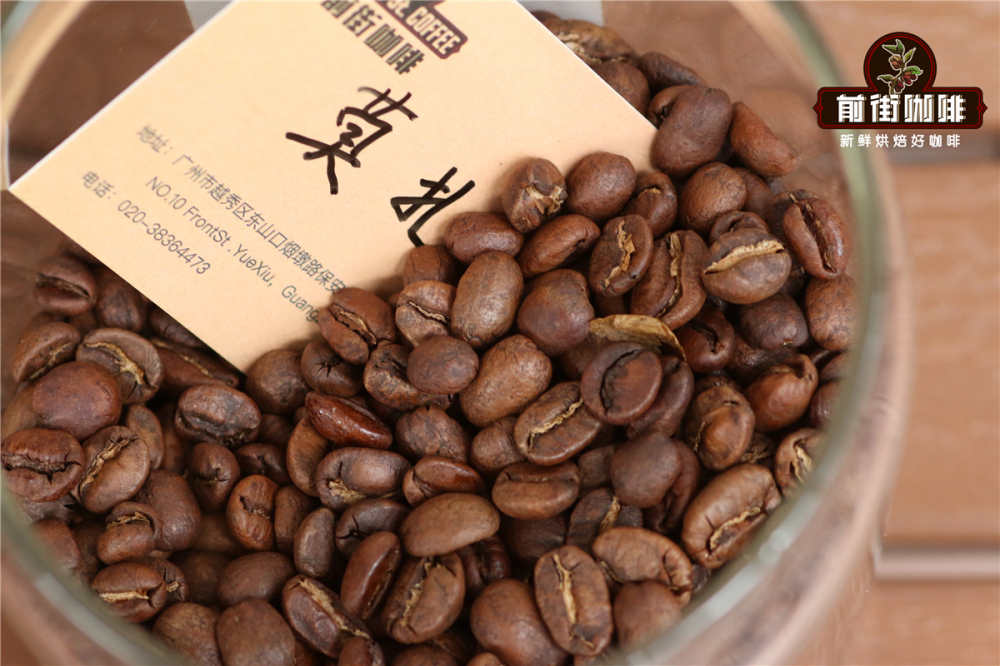
For grind size, FrontStreet Coffee generally uses the same grind as for iced pour-over. Because cold water lowers the extraction rate, we grind finer to compensate. For this bean we chose 85% pass-through on a #20 standard sieve, which on FrontStreet Coffee's shop standards corresponds to setting 9 on the EK-43S grinder.
Next, the parameters: a coffee-to-liquid ratio of 1:10, extracting 600g of coffee liquid from 60g of grounds, an ice-to-water mix of 1:1, and a valve flow of 7 drops per 10 seconds. The full drip typically takes 6-8 hours. (Cold drip ratios usually range from 1:10 to 1:12 — adjust to taste.)
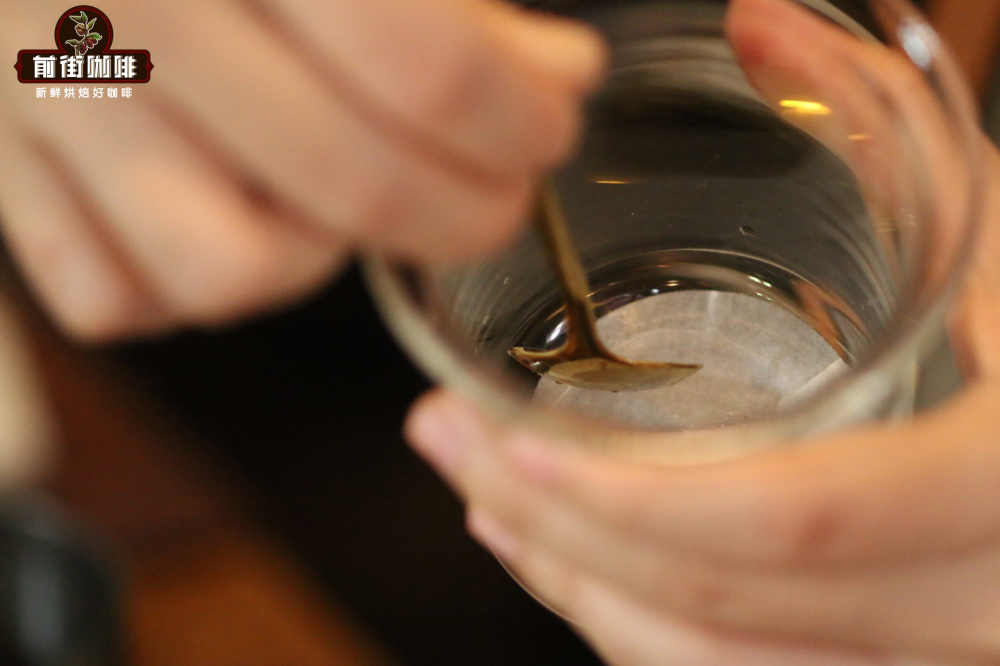
Place a round of filter paper at the bottom of the middle chamber, wet it so it adheres, then add the ground coffee. Level the bed for even extraction, and lay another round of filter paper on its surface so falling drops don't disturb the grounds. Before you start dripping, moisten the bed with a little cold water — it saves extraction time and prevents uneven extraction at the start.
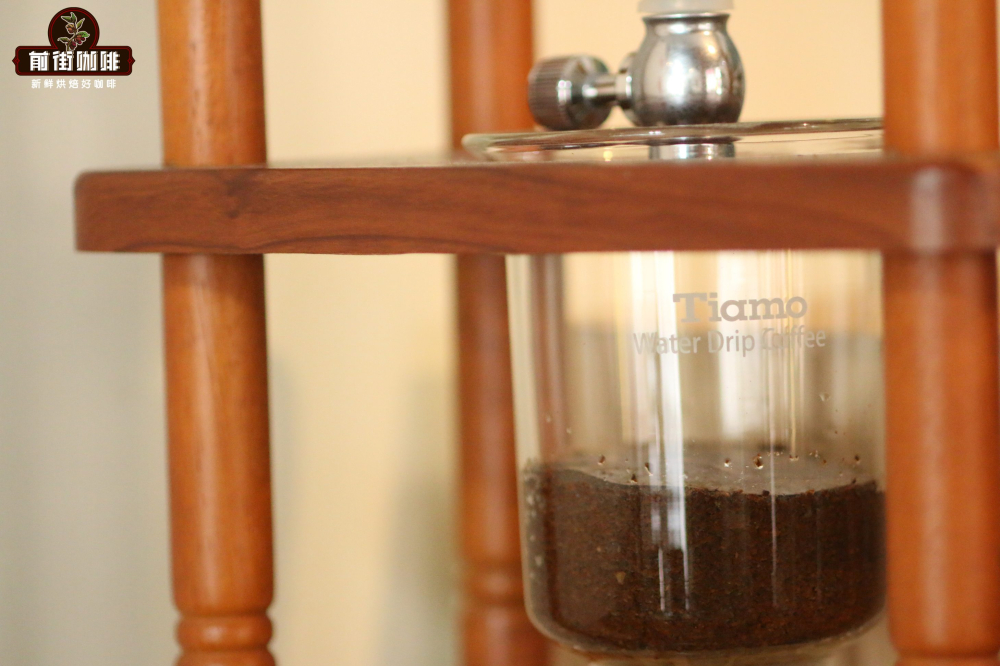
Set the coffee cup on its stand, fill the top with the ice-water mixture (usually half ice, half water), and adjust the valve to 7 drops per 10 seconds, keeping the drips aligned with the point where the coffee filters through. When the dripping finishes, pour the coffee from the lower chamber into an airtight container — FrontStreet Coffee uses glass bottles — and refrigerate it for at least 12 hours. It's usually ready to drink the next day.
After a night in the fridge, the Mozart shows its wine-like fermentation, with the sweet-tart notes of berries, pineapple, and other tropical fruits. Rich but never bitter, thinned over ice, it drinks like a refreshing fruit wine.

How to Choose Coffee Beans for Cold Drip Coffee
Cold drip's defining trait is long, slow extraction at low temperature, so it rewards beans with pronounced flavor character. FrontStreet Coffee groups its suggestions into a few typical styles.
1. Tropical Fruit and Fermented Wine Aroma Types
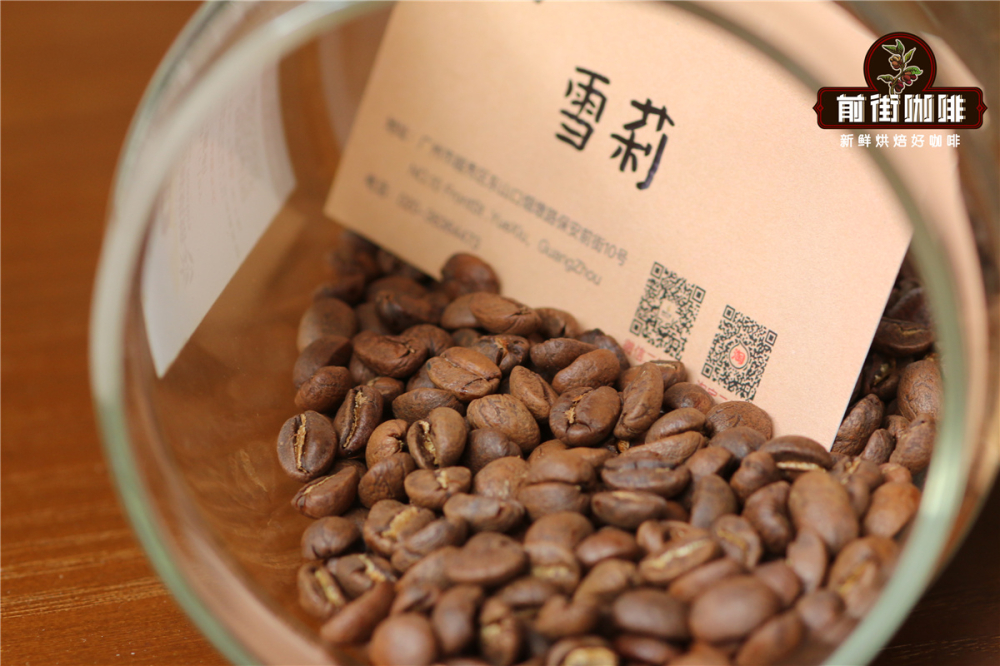
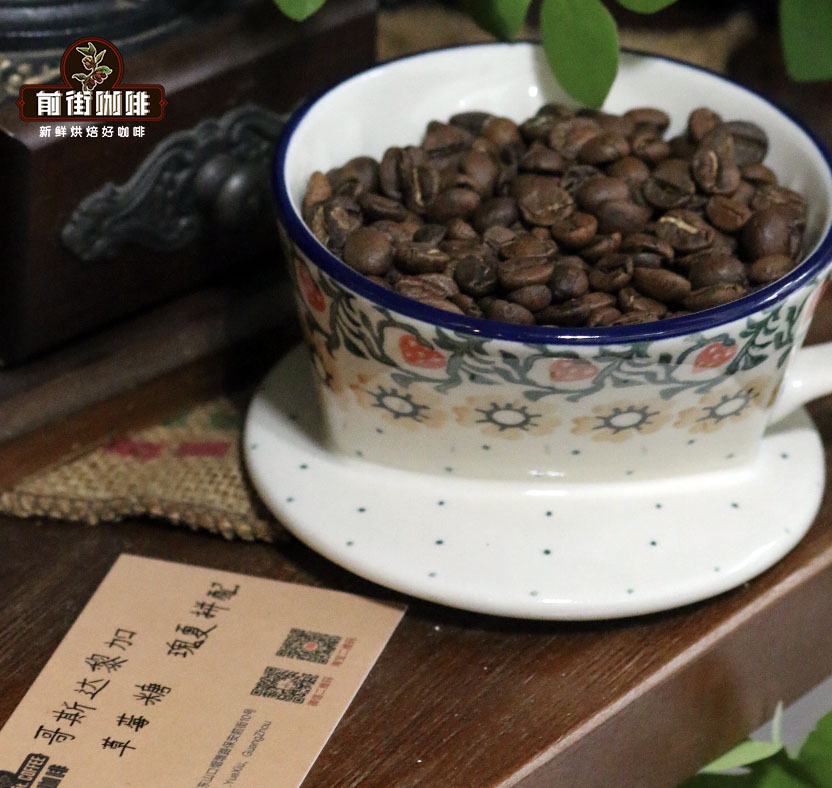
Take the Costa Rica Mozart mentioned above: dark-berry sweetness and acidity, with wine-like flavors developed by the long cold maturation that lift the whole cup. Other FrontStreet Coffee beans in this family include Colombia's Huayue Nights, Honduras' Sherry, and Costa Rica's Strawberry Candy — all wonderfully aromatic, and all equally good for iced pour-over or cold brew.
2. Refreshing and Clean Types
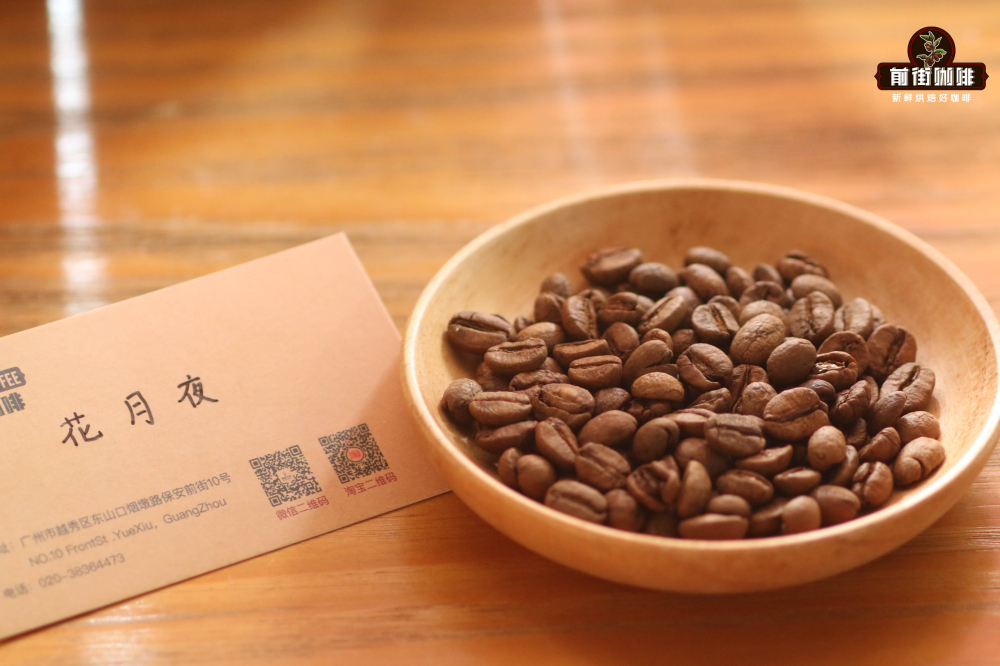
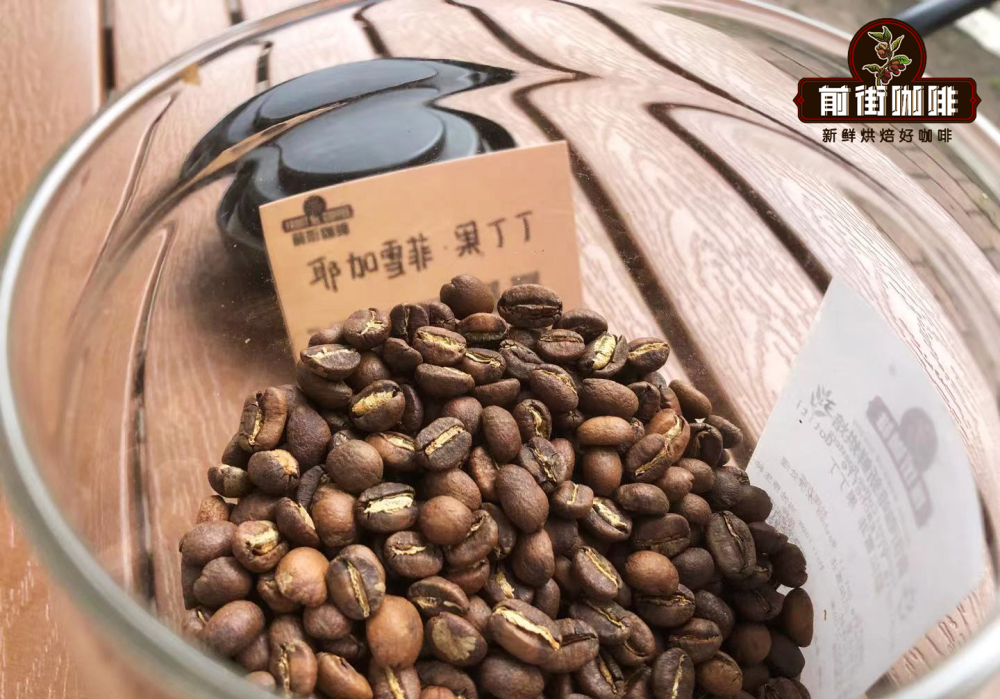
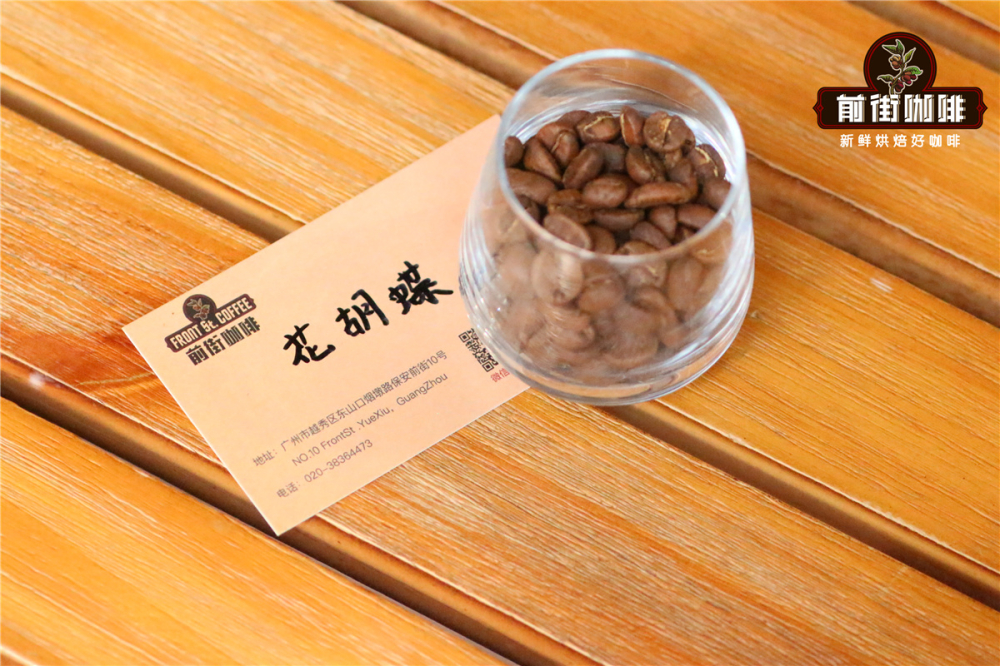
Some washed coffees are extremely clean, with full, crisp acidity. As cold drip they show a juice-like acidity with the fresh fragrance of cherry tomato and grapefruit — perfect in the summer heat. Try FrontStreet Coffee's Kenya Asalia AA, Ethiopia's washed Gedeb Cooperative, or Panama's Geisha Blend Mariposa. If you love fresh, delicate flavors, you'll adore this pure, transparent taste.

3. Sweet and Delicious Types
Unlike the medium-light roasts above, dark roasts are rarely used for cold drip — people assume they'll be too strong and bitter. Not so: FrontStreet Coffee has tried Indonesia's Golden Mandheling as cold drip, and over ice it shows rich chocolate sweetness and a fermented aroma with no bitterness at all. If Mandheling's intensity isn't your thing, FrontStreet Coffee's Brazil Queen Estate also works, bringing nutty, chocolatey notes and a smooth, creamy texture over ice.
4. Flavor Blend Types
Espresso drinkers know beans can be blended, and the same goes for cold drip. Beyond single origins with clear flavors, you can mix two or more single origins and drip them together. FrontStreet Coffee once blended Honduras Lychee Lan with the Musician Series' Beethoven in a 1:1 ratio, hoping for wine and fruit at once — the result delivered rich brandy aroma and honey sweetness alongside refreshing fruit acidity. Follow that lead and you can design a cold drip blend around your own favorite flavors.
Use the classifications above as a starting point. Because cold drip extracts slowly at low temperature, it's remarkably forgiving — adjust for the equipment you have at home and your budget. One thing to remember: every flavor expression rests on the freshness of the roast, so choose beans within their optimal flavor window. FrontStreet Coffee's roasting philosophy is to roast fresh, good coffee; every bean we ship is roasted within 5 days, so each customer can enjoy coffee at its aromatic peak.
FrontStreet Coffee Recommendation
Since the cold drip story begins in Indonesia, it's fitting that one of the best cold drip beans is Indonesian too. Indonesia's finest growing areas lie on the islands of Java, Sumatra, and Sulawesi, and Mandheling — the Arabica coffee of Sumatra — is the classic. It is processed with the local wet-hulled method: the beans are hulled while still half-dry and half-wet, so they dry fully exposed to the air, which gives the coffee its typical herbal and spice character.
FrontStreet Coffee's Mandheling comes from the Lake Toba area of the Lintong region and is roasted medium-dark for the classic profile: low acidity, full and mellow body, rich aromas of caramel, dark chocolate, and toast, and a long, sweet aftertaste — ideal for lovers of strong coffee, and, as the cold drip above shows, surprisingly sweet and juicy over ice.
For the top end, FrontStreet Coffee's PWN Golden Mandheling is a signature product of the PWN trading company, which buys only specialty-grade Mandheling. Every lot passes strict sorting on density, size, shape, and color — machine selection plus hand sorting — for whole, even, lustrous beans with less earthy and grassy taint. Freshly roasted, it shows sandalwood, herbal, spice, roasted hazelnut, caramel, and dark chocolate notes, clean and richly layered, as lovely for daily drinking as it is as a gift.
Important Notice :
FrontStreet Coffee is a long-established specialty coffee roaster in Guangzhou China, selling freshly roasted beans from its own farm in Yunnan as well as dozens of carefully selected single-origin beans from around the world for both pour-over and espresso. The products deliver consistently excellent quality and great value, with shipping within 24 hours. Guangzhou's FrontStreet Coffee shop is recommended by many coffee lovers, and the beans are now available online at the Tmall 。
FrontStreet Coffee has moved to a new address:
FrontStreet Coffee Address: 315,Donghua East Road,GuangZhou
Tel:020 38364473
 Scan and follow the En Gafei WeChat official account. Please indicate that the reprint comes from "En Gafei".