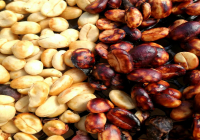
Brazil: The World's Largest Coffee Producer - Premium Brazilian Coffee and Exceptionally Smooth Blends
FrontStreet Coffee · Brazil Rating
Aroma: 3 points | Brightness: 3.5 points | Body: 3.5 points | Flavor: 4 points | Aftertaste: 4 points
Roasting Recommendations
Suitable for City/Full City/Espresso roasts. When used as an Espresso base, the beans should not be roasted too dark. Because they grow at low altitude, Brazilian beans have low density, and deep roasting can produce a charcoal bitterness — it's best to finish roasting before the second crack. Premium Brazilian beans, however, tolerate a much wider window, from City roast all the way to the middle of the second crack.
Brazilian Coffee Overview
Brazil is the world's largest coffee producer, with a history stretching back to the early 17th century. But leadership in volume hasn't always meant leadership in quality: much of the crop is ordinary Arabica and Robusta. Many Brazilian growing areas sit at low altitudes, lack volcanic ash soil, and were originally open grassland without any shade trees — limitations that no amount of modern agricultural technique fully offsets, which is why Brazilian coffee has long had a lukewarm reputation among specialty coffee professionals.
That doesn't mean Brazilian coffee is undrinkable, though. In recent years, Brazilian farmers have worked hard to reposition their coffee as a quality product, with the country's coffee associations throwing their full weight behind the effort. The market has rewarded them with impressive auction prices.
Major Growing Regions
Brazil's three main coffee-producing states are Bahia, Minas Gerais, and São Paulo. Premium beans, however, come mostly from Minas Gerais — and the famous Cerrado is a small producing area within that province. As for Santos, it is Brazil's largest and oldest coffee export port. Beans labeled "Santos" may originate anywhere in Brazil, which makes the name an unreliable indicator of either region or quality grade.
Quality Characteristics
Ordinary Brazilian beans not only look poor in green form, with inconsistent sizing, but more importantly they taste remarkably mediocre — no distinctive character at all, and occasionally an unpleasant iodine note. Premium Brazilian beans come from old Bourbon-variety trees: a distinct stone-fruit aroma, sweet flavors with low acidity, and a bittersweet chocolate finish. Top-tier Brazilian coffee is often described as "extremely smooth and silky" — what the trade calls Strictly Soft.
Thanks to their rich oil content, Brazilian beans have always been an essential component of Espresso blends. A premium Brazilian brings body, flavor, and sweetness without overpowering anyone — the perfect stage on which other coffees can show their best.
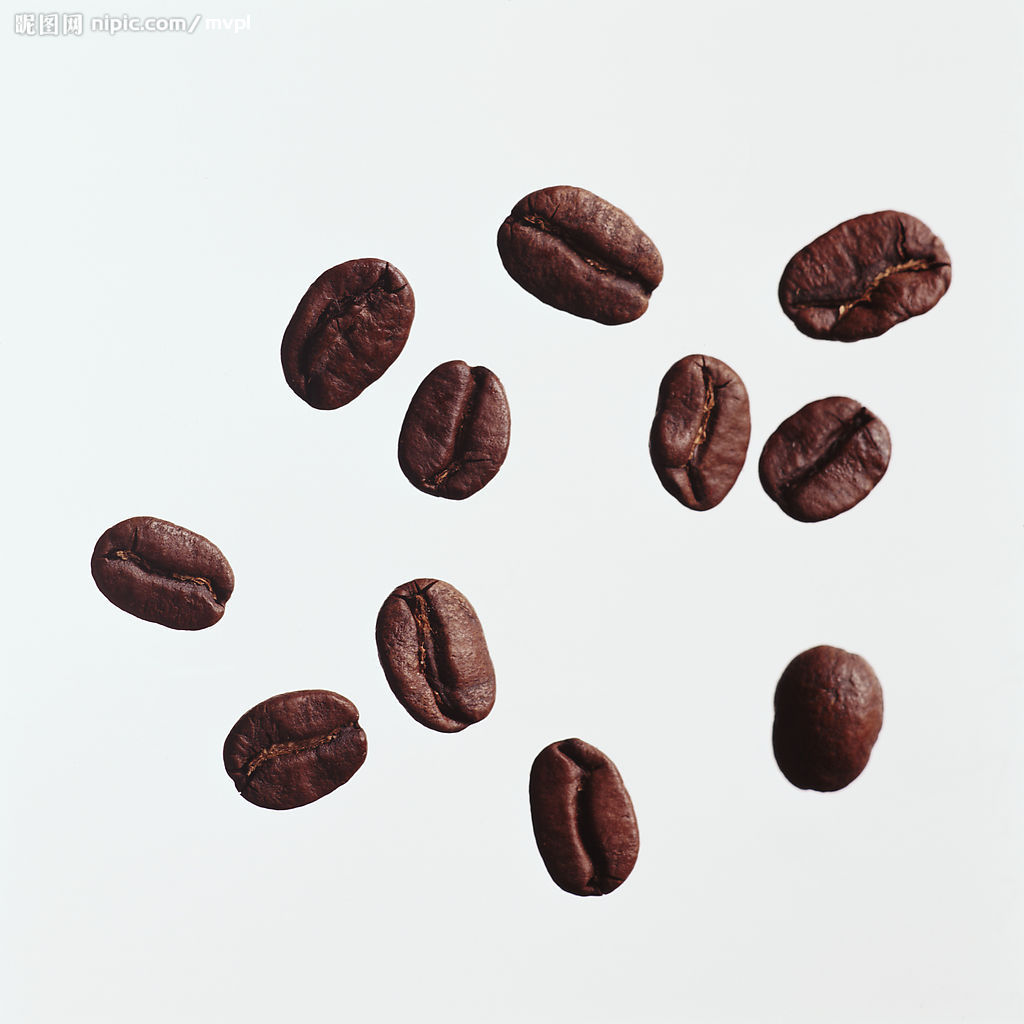
FrontStreet Coffee Recommendation
As the world's largest producer, Brazil offers beans of every style — moderate acidity, gentle sweetness and bitterness, and excellent balance that make them a natural fit for medium roasting and a nutty, mellow cup, whether brewed as a single origin or folded into a blend.
Two FrontStreet Coffee Brazilian single origins are worth seeking out. The FrontStreet pulped-natural Cerrado — a classic Red Bourbon from the renowned Cerrado region of Minas Gerais — shows rich creamed-peanut, toast, caramel, and hazelnut aromas with a round, non-acidic cup and light bitterness; it works beautifully in pour-over, moka pot, espresso SOE, siphon, or French press. The FrontStreet Fazenda Rainha (Queen Estate) Yellow Bourbon, grown in Mogiana's fertile volcanic red soil, offers an even cleaner fruit character with a distinctive sugarcane sweetness plus fruit and chocolate notes. Brazilian beans also anchor FrontStreet Coffee's espresso blends, where their chocolate, cream, and soft acidity keep extraction stable and the crema thick.
Important Notice :
FrontStreet Coffee is a long-established specialty coffee roaster in Guangzhou China, selling freshly roasted beans from its own farm in Yunnan as well as dozens of carefully selected single-origin beans from around the world for both pour-over and espresso. The products deliver consistently excellent quality and great value, with shipping within 24 hours. Guangzhou's FrontStreet Coffee shop is recommended by many coffee lovers, and the beans are now available online at the Tmall 。
FrontStreet Coffee has moved to a new address:
FrontStreet Coffee Address: 315,Donghua East Road,GuangZhou
Tel:020 38364473
 Scan and follow the En Gafei WeChat official account. Please indicate that the reprint comes from "En Gafei".