Pour-Over Coffee Pre-Infusion Time Guide: Water Pouring, Coffee Grounds, and KALITA Dripper
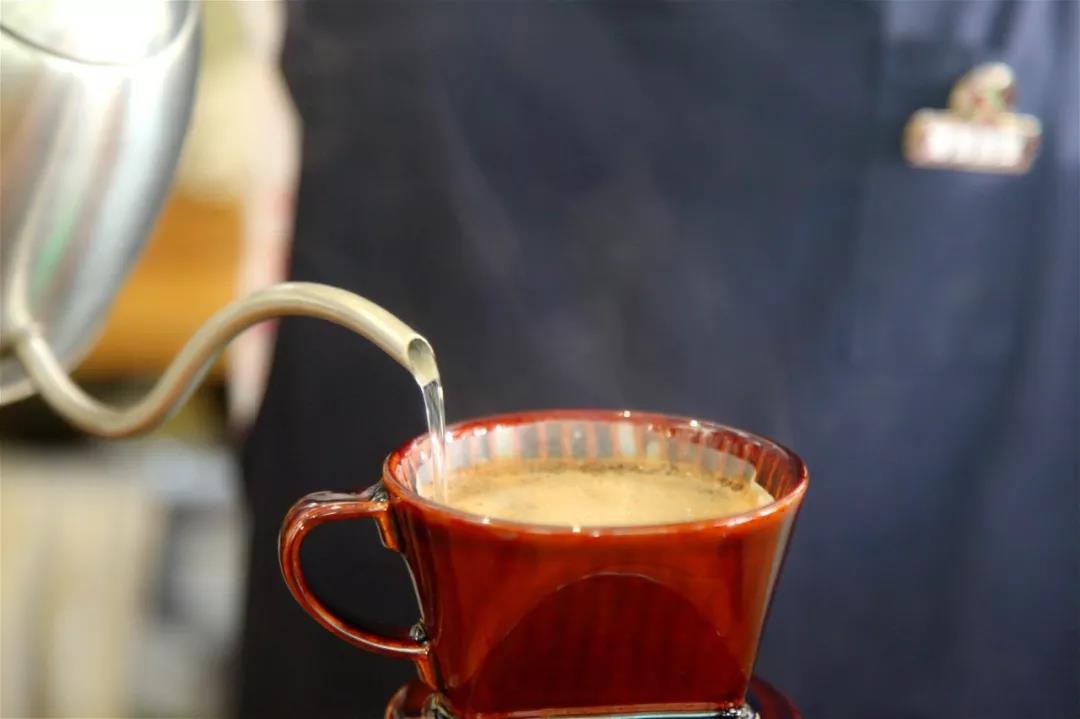
The Art of Pour-Over Coffee: Kalita Wave Brewing Guide
Professional coffee knowledge exchange and more coffee bean information, please follow Coffee Workshop (WeChat public account: cafe_style)
In our daily coffee brewing, we commonly use the V60 dripper, but V60 has a relatively fast flow rate and demands higher control over water flow rate and current control. For beginners, this might be challenging. In such cases, the Kalita dripper is a better equipment choice.
Why is it called Kalita?
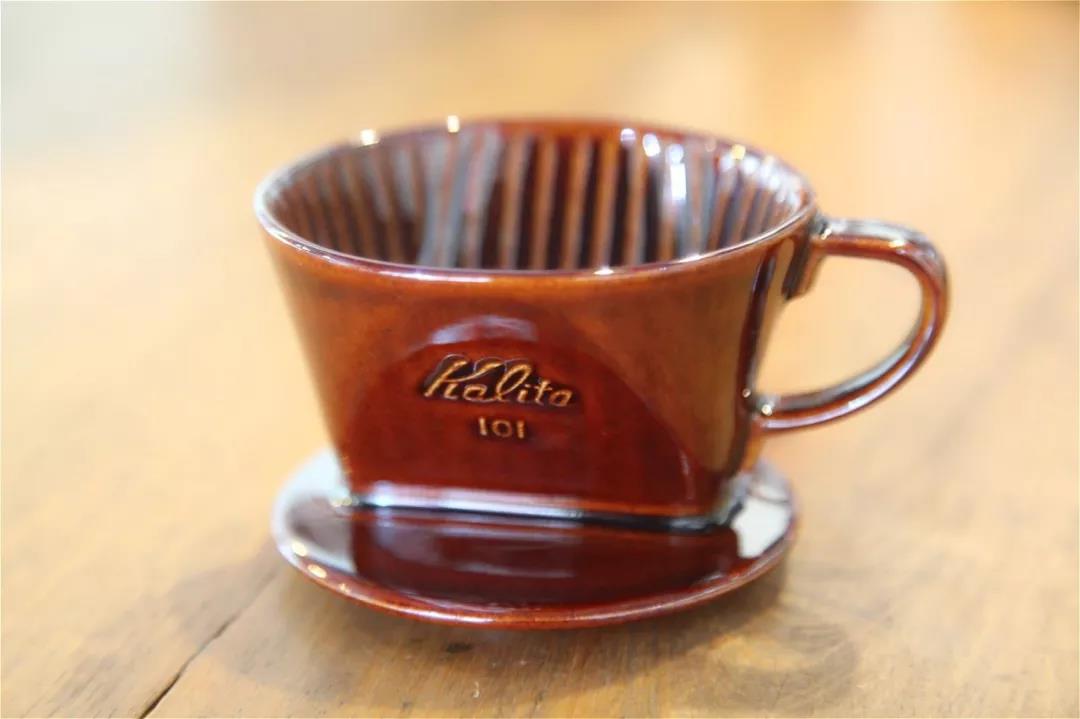
Kalita is actually a company name. Kalita Company began manufacturing coffee equipment under its Japanese company in 1950. The inventor of the fan-shaped dripper was not Kalita, but Mrs. Melitta. The invented dripper was made by drilling a hole at the bottom of a copper cup. Later, Melitta Company launched drippers now commonly seen as single-hole fan-shaped drippers. With a smaller diameter and slower flow rate, they are more suitable for German-style dark roast coffee, until the third wave of coffee culture revived them in Japan.
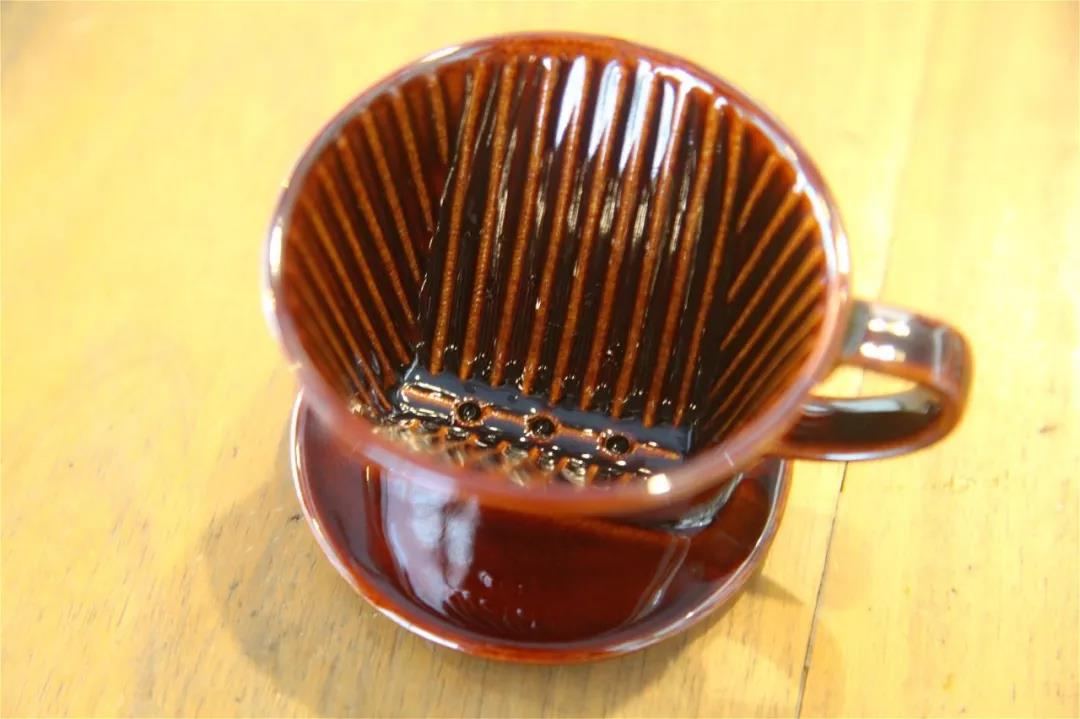
In 1959, Kalita imitated and improved the fan-shaped dripper, changing from a single-hole to a three-hole design to reduce blockage. Brewers can adjust coffee concentration by controlling water flow speed. The Kalita fan-shaped dripper, also known as a "trapezoidal dripper" or "platform-shaped dripper," has smaller holes at the bottom. They range from single-hole to multi-hole (six-hole or eight-hole), with the most common being single-hole and three-hole fan-shaped drippers.
What are the characteristics of the Kalita dripper?
Observed from the side, it presents a shape that is wide at the top and narrow at the bottom, which helps concentrate water volume. The circular top creates a wider area to ensure even distribution of coffee particles and reduce stacking. The Kalita dripper has many straight-line ribs on its walls with consistent spacing between them, designed to increase air venting and water flow speed. Meanwhile, its flow rate is relatively slow, primarily using immersion extraction.
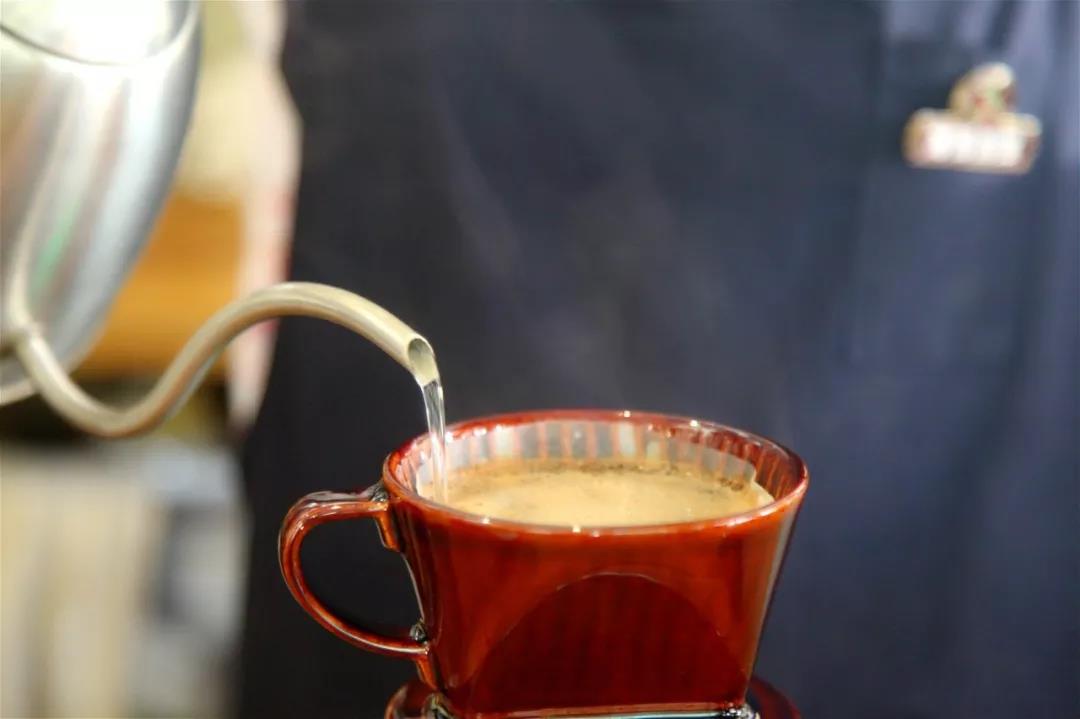
How to make pour-over coffee with Kalita?
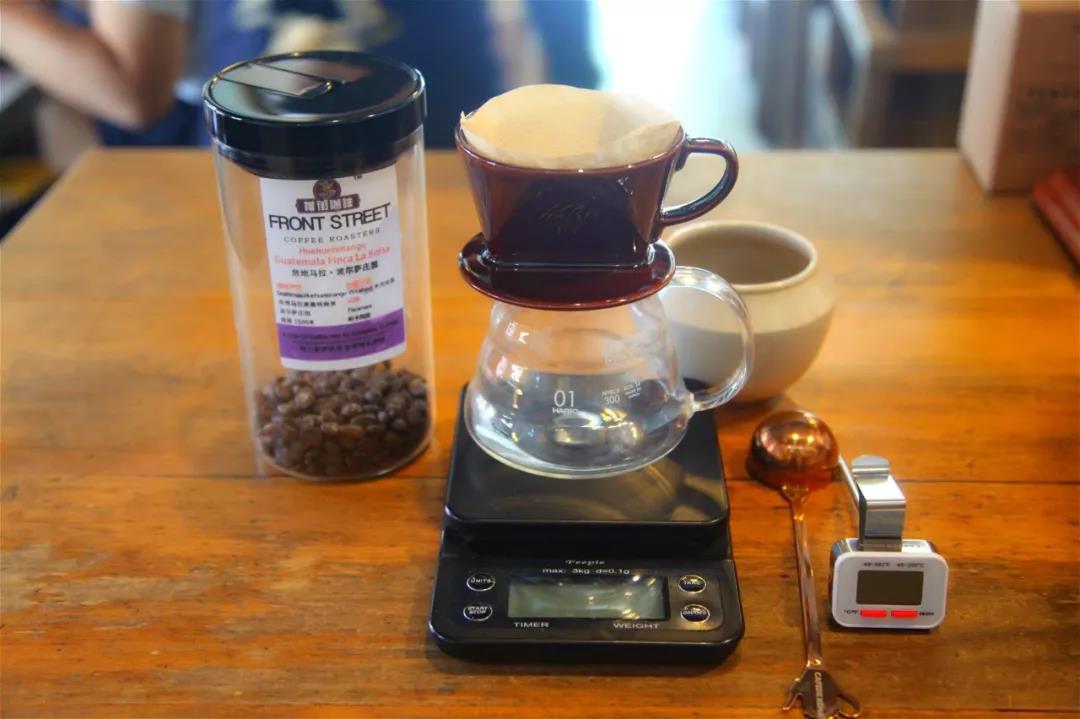
First, prepare the equipment:
Dripper Selection
Choose the Kalita dripper. Because the bottom has three small round holes, the water flows out relatively slowly, making the entire process a semi-immersion extraction. For beginners who are not good at controlling water flow, it easily helps you achieve full extraction without worrying about under-extraction caused by excessive water flow. Kalita's three-hole drippers come in two types: one with a straight-line arrangement and another with a triangular distribution.

Filter Paper
Kalita trapezoidal filter paper. It's worth noting that the upper cups come in different sizes—101, 102, 103—and corresponding filter papers are also available in these models. For home use, model 101 is generally recommended. Some people also use Swiss Gold KF-2/4, originally designed for American coffee machines. Since it's a metal filter screen, it's inevitable that a small amount of coffee powder will filter through.
Pour-Over Kettle
There are many brands of pour-over coffee equipment. It's generally recommended that beginners start with a narrow-spout kettle, using a narrow-mouth kettle with an inner diameter of less than 5mm. General narrow-mouth kettles, palace kettles, and pointed-bill crane kettles are easy to control water flow and won't produce excessive water flow. Excessive water flow will pass directly through the coffee powder to the lower pot, causing under-extraction.
Other equipment to prepare includes: electronic scale, timer, thermometer
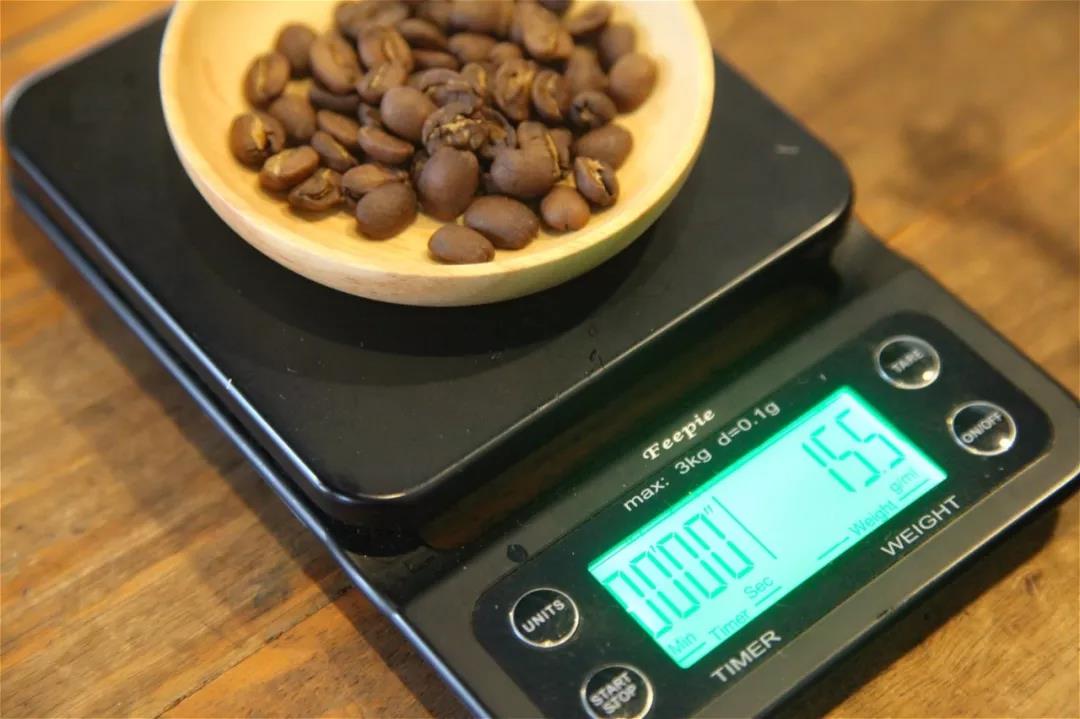
Coffee Beans and Parameters
Coffee beans: 15g Guatemala Borsa
Grind size: Fuji 3.5
Coffee-to-water ratio: 1:15
Water temperature: 90°C
Time: Around 1 minute 50 seconds
Brewing Method
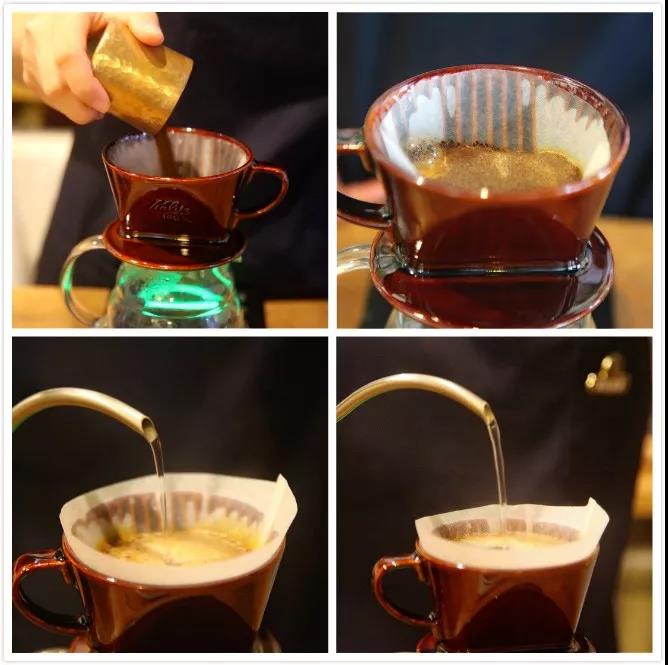
The beans were rested for 7 days. First, rinse the filter paper with hot water, add coffee powder, and gently tap to level it. Using 90°C water temperature and a 1:15 coffee-to-water ratio, perform a three-stage pour-over. Use 25g of water for the bloom for 30 seconds, allowing the powder layer to fully absorb water and release air, preparing for the second stage of water addition and extraction.
Second stage: add water to 120g. Use moderate height, small water flow, and a uniform slow circular motion with a gentle pouring method. Adopt an immersion approach to let the coffee powder release good substances and reduce scouring of the powder layer.
Third stage: add water to 225g. When the water level drops by 1/3, perform the third-stage water addition to 225g. At this time, the water level drop speed is relatively slow, indicating that fine powder has begun to deposit at the bottom of the dripper. Slightly increase the water flow rate and circular speed to let the fine powder at the bottom dance around, reducing over-extraction and bitterness; finally stop extraction around 1 minute 40 seconds, remove the dripper around 1 minute 50 seconds, and don't use the last 5g of liquid.
Flavor Profile
When smelling, there are aromas of caramel and ripe fruits. Upon entry, there's a soft citrus acidity with plum, passion fruit, and yellow lemon notes. Gradually, sweetness similar to sucrose and honey emerges, with a hint of brown sugar aroma in the aftertaste. The texture is smooth and clean, with a higher body than V60 and rich layering.
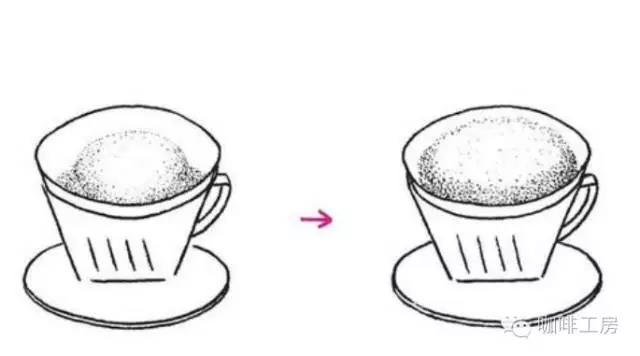
Using a Kalita dripper for brewing is actually not difficult. With appropriate grind size, water temperature, and a stable pouring method, the taste won't deviate too much. Stable water flow requires regular practice. That's all for today's sharing, hope it helps everyone.
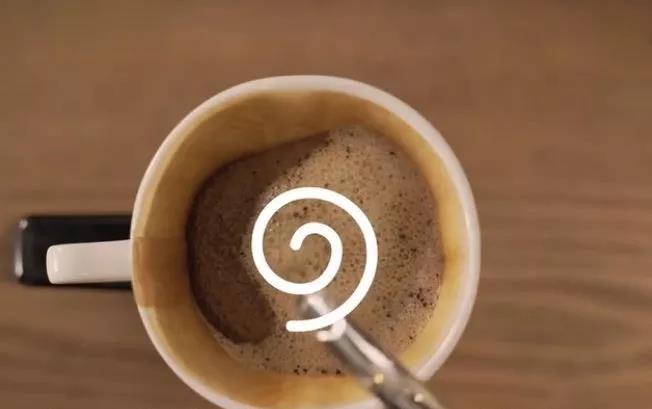
Daily Brewing | Light Roast Geisha + Wave Dripper
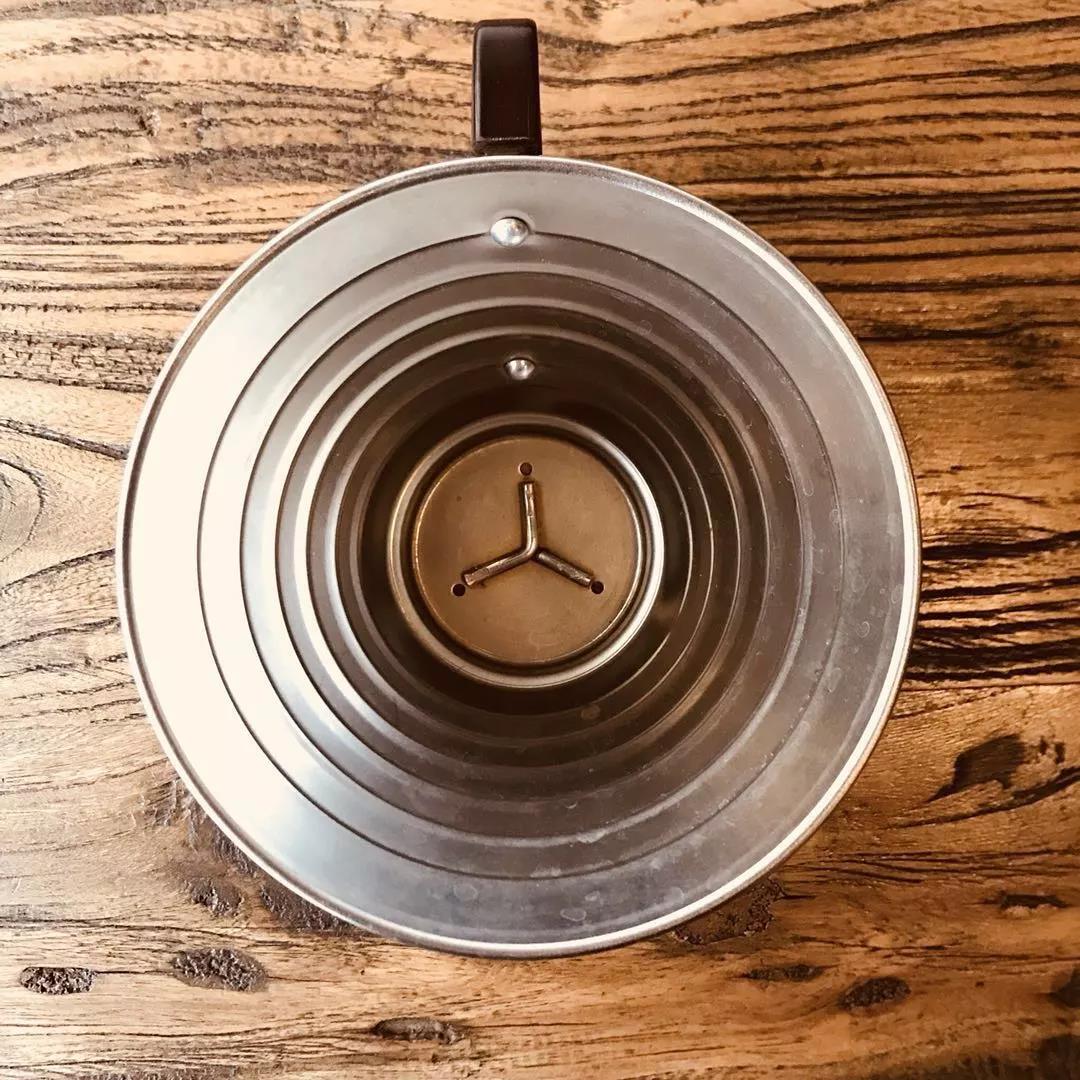
Light roast Geisha + Wave dripper—this combination is used to explain how to brew light roast beans to extract sweetness.
Equipment Introduction
Pour-Over Kettle
Kalita copper kettle, narrow-spout kettle
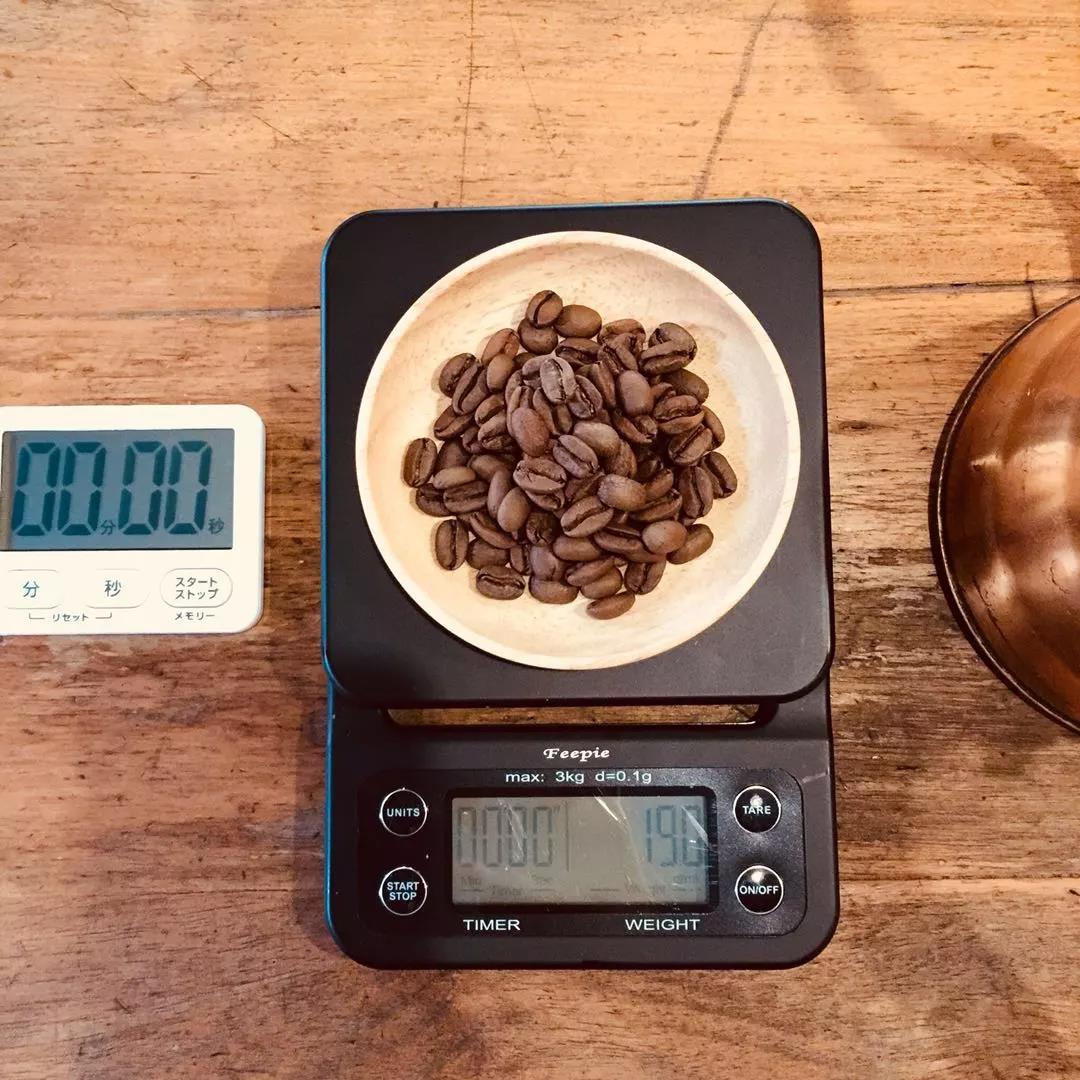
Beans
FrontStreet Coffee sun-dried Janson Geisha, light roast
Dripper
Kalita Wave coffee dripper comes in two sizes: #155 and #185. #155 is smaller and suitable for brewing one cup of coffee, while #185 is larger and suitable for 2-4 servings. Kalita Wave coffee drippers come in glass and stainless steel materials, and for #185 there's also a ceramic version.
The difference between Kalita Wave and our familiar Hario V60 is that the bottom is flat. The flat bottom design allows for more complete extraction. Up-close observation of the Kalita stainless steel dripper reveals three small holes on the flat bottom.
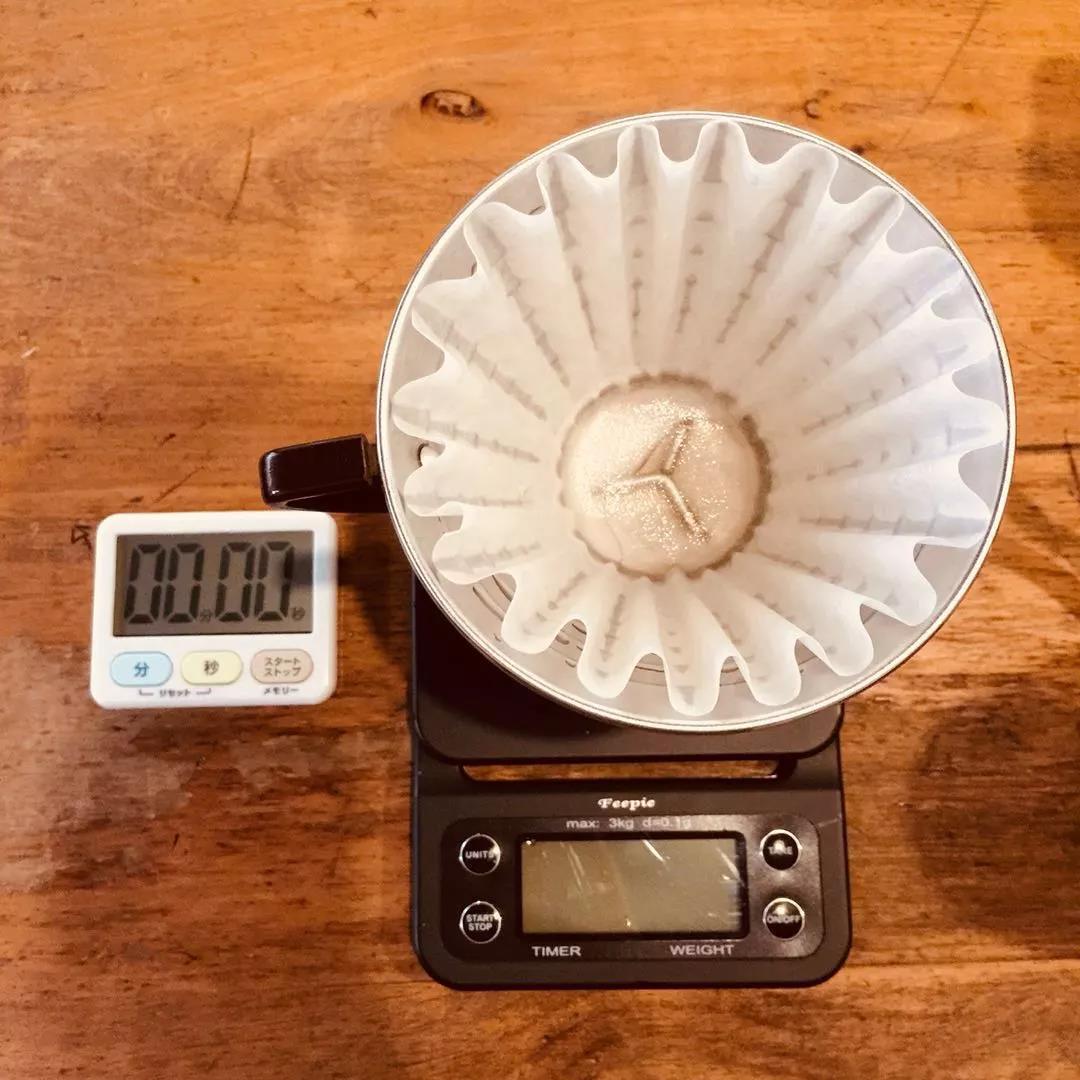
#155 size
You need to purchase special Wave cup filter paper—Kalita filter paper. It's recommended to use Bonavita Wave cup filter paper. The thickened version is thicker than Kalita's, with a special deepened design and side guide grooves.
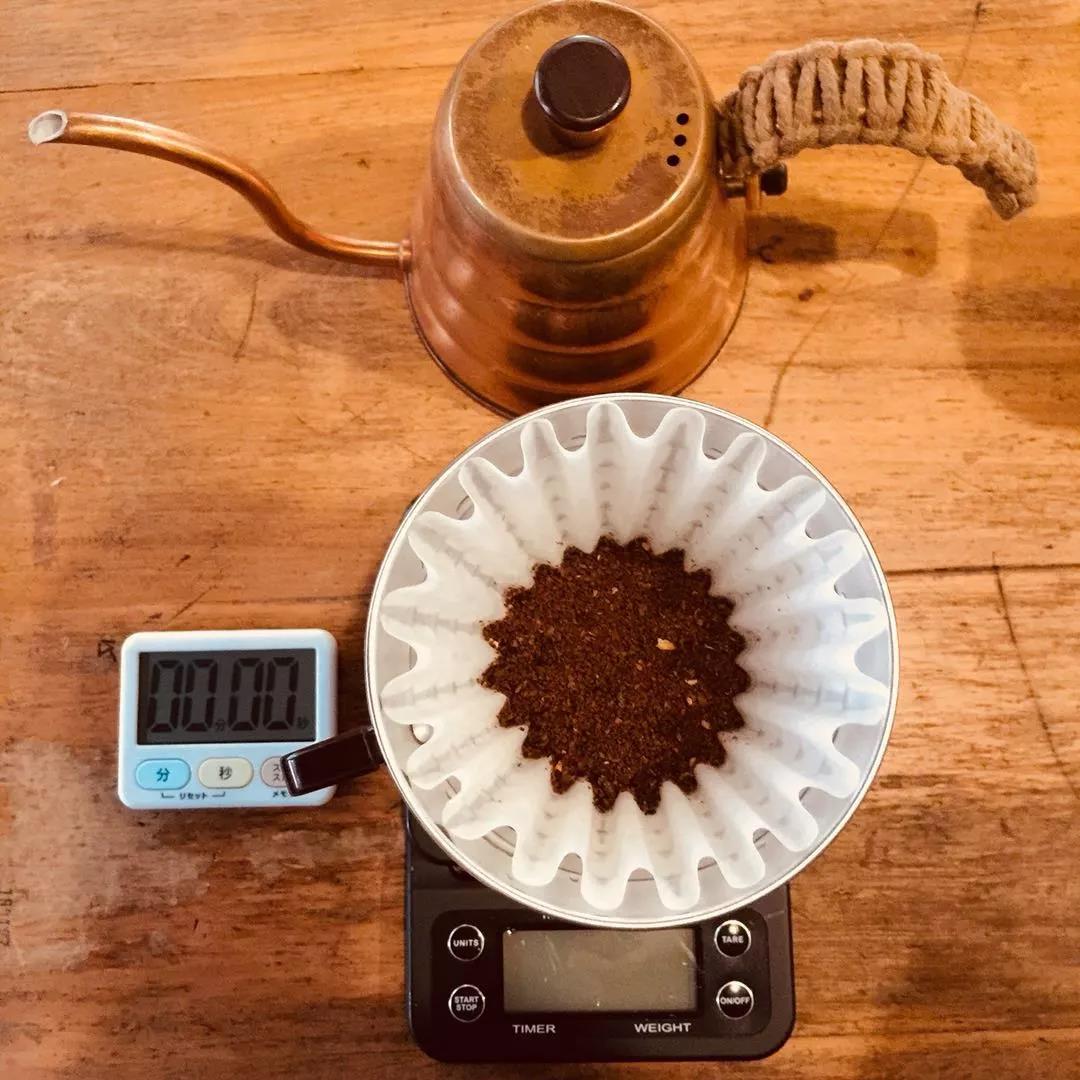
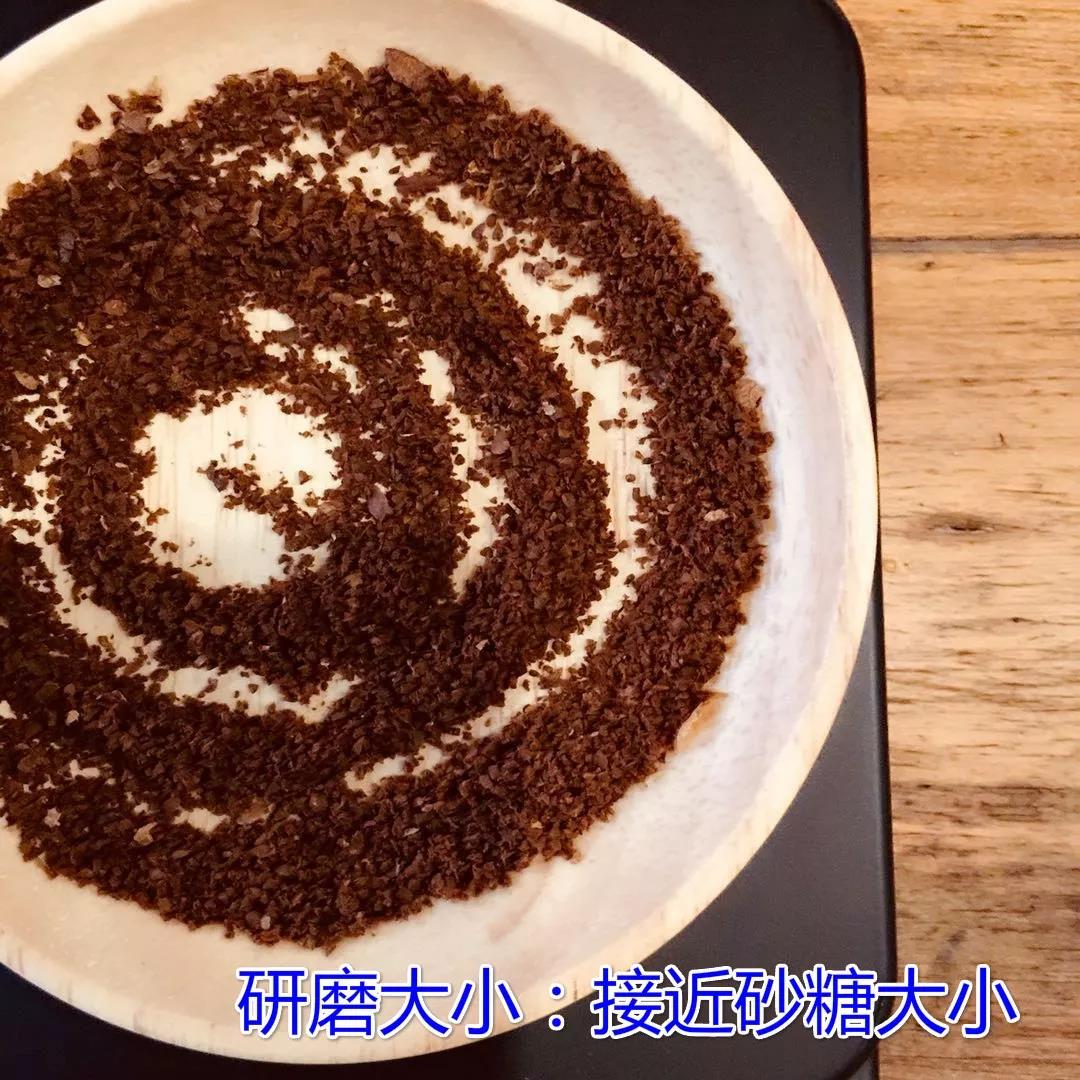
Light roast coffee beans have substances that are extremely difficult to extract, so a relatively fine grind is often adopted. For V60, it would need to be even finer than the picture below. This can increase the water contact area of the coffee powder and improve the extraction rate. Using a Wave dripper is actually an immersion extraction process, similar to the Kalita trapezoidal dripper. Next, FrontStreet Coffee provides pour-over suggestions.
First, Temperature
For Geisha beans, it's recommended to use a 91-92°C water temperature for brewing. Lowering the water temperature can slow down the extraction speed and reduce the extraction of bitter substances.
Second, Gentleness (Water Flow Must Be Gentle)
Gently pour the water flow to reduce its impact on the powder bed, and control the water level height in the dripper. After blooming, slowly pour water from a lower height, then let the coffee powder in the dripper be as if it's being soaked. This can slow down the extraction rhythm and easily produce coffee with a soft mouthfeel and solid flavor.
Third, Slowness (Slow Circular Motion)
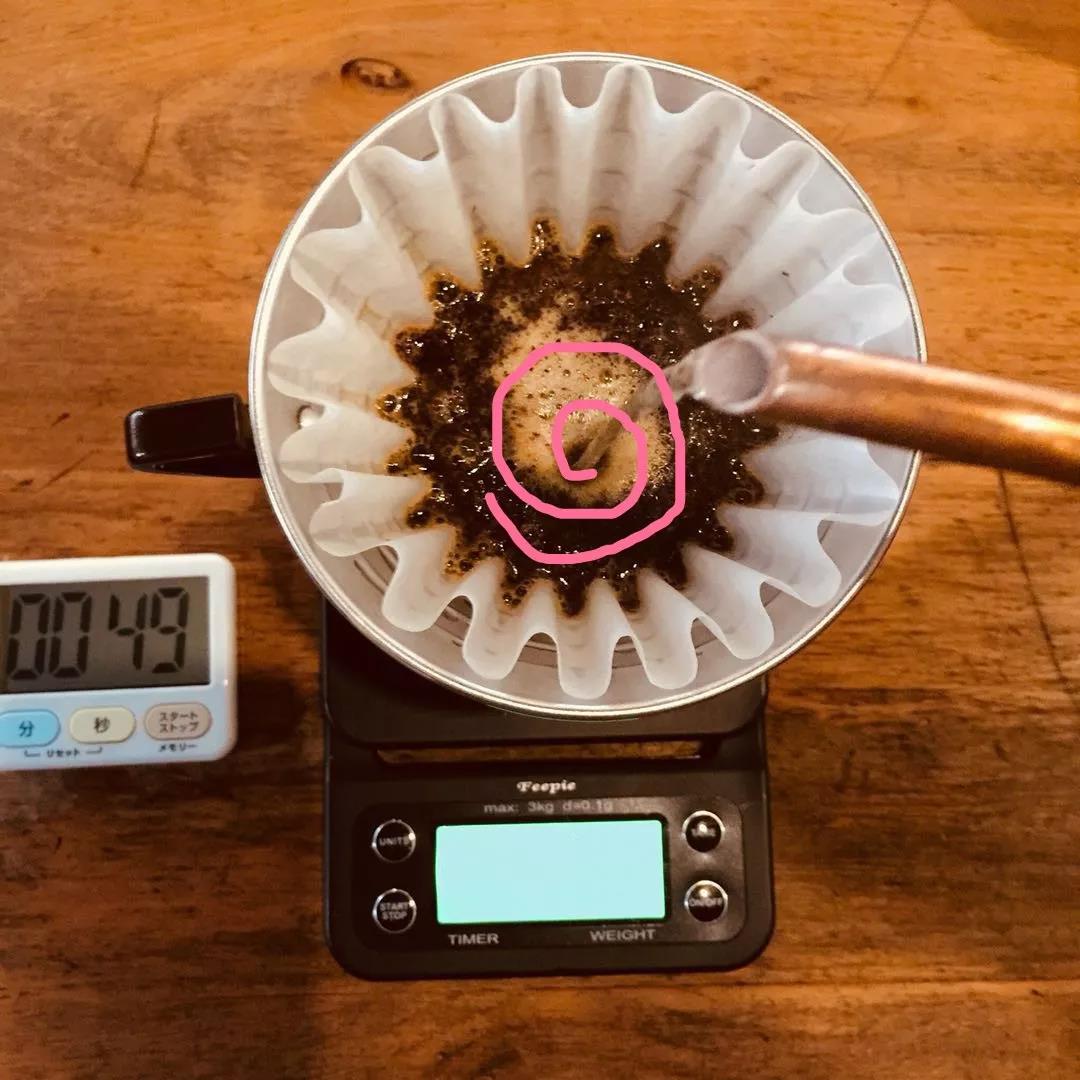
Slowly pour water on the powder bed from inside to outside and then from outside to inside. Too fast a circular motion will increase the stirring effect of water flow on the coffee, easily making medium-dark roast beans more bitter. Try to minimize stirring of the powder bed and let the coffee flavor be extracted through immersion. This can effectively control bitterness and astringency.
Slow, stable, continuous pouring: use a thin water flow for circular motion, gently pouring for even extraction. Very, very slow. Kalita's water drainage is slower than the Kono conical dripper and V60 dripper. You can also appropriately use a stirring rod for stirring. Usually during the blooming stage, perform one cross-stir to let water fully contact the coffee powder and increase the release of aromatic substances.
Fourth, Light Roast Coffee-to-Water Ratio: 1:13-1:14
That is, 18g of powder with 250ml of water. This ratio is moderate and won't produce overly thin coffee with too much water taste.
Specific Parameters
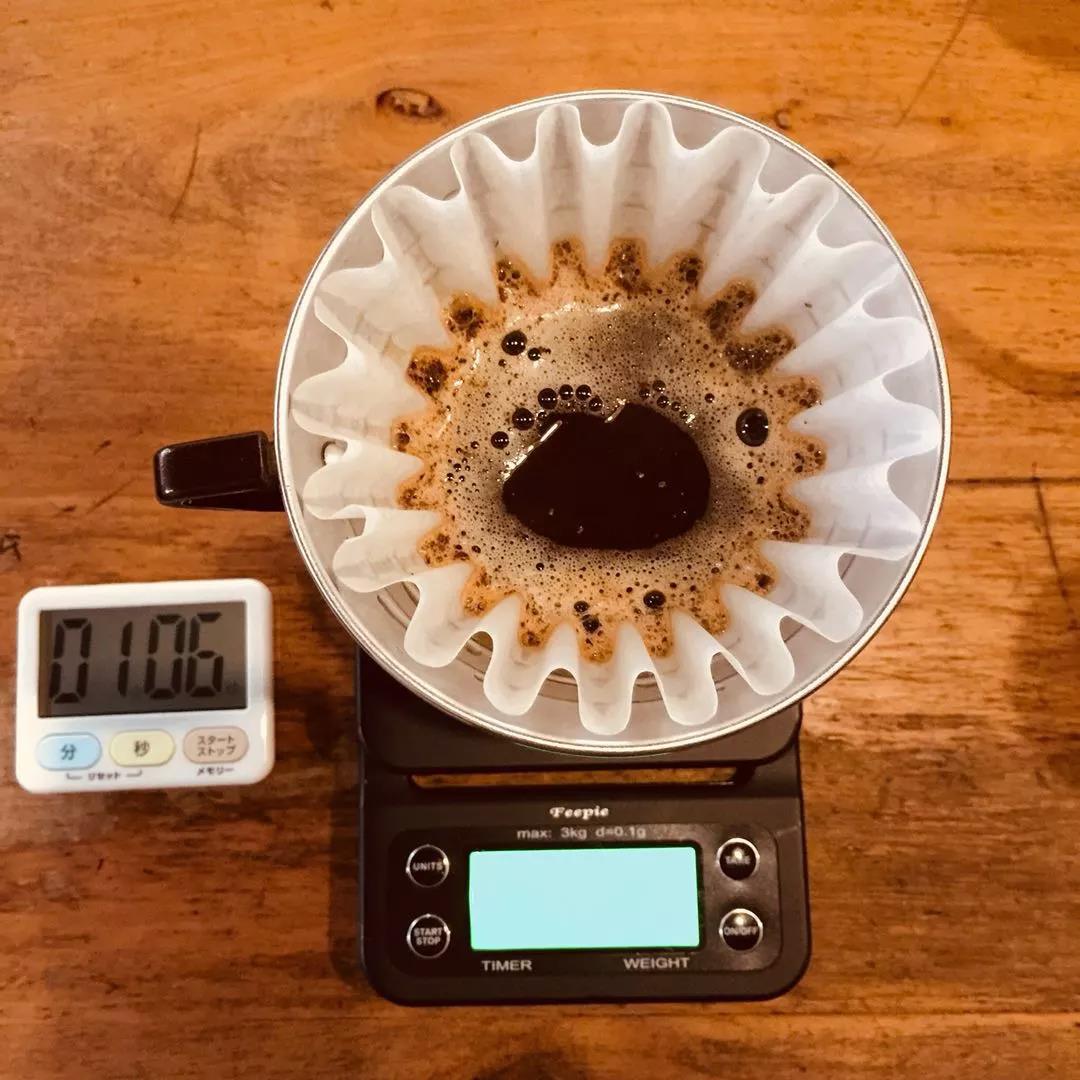
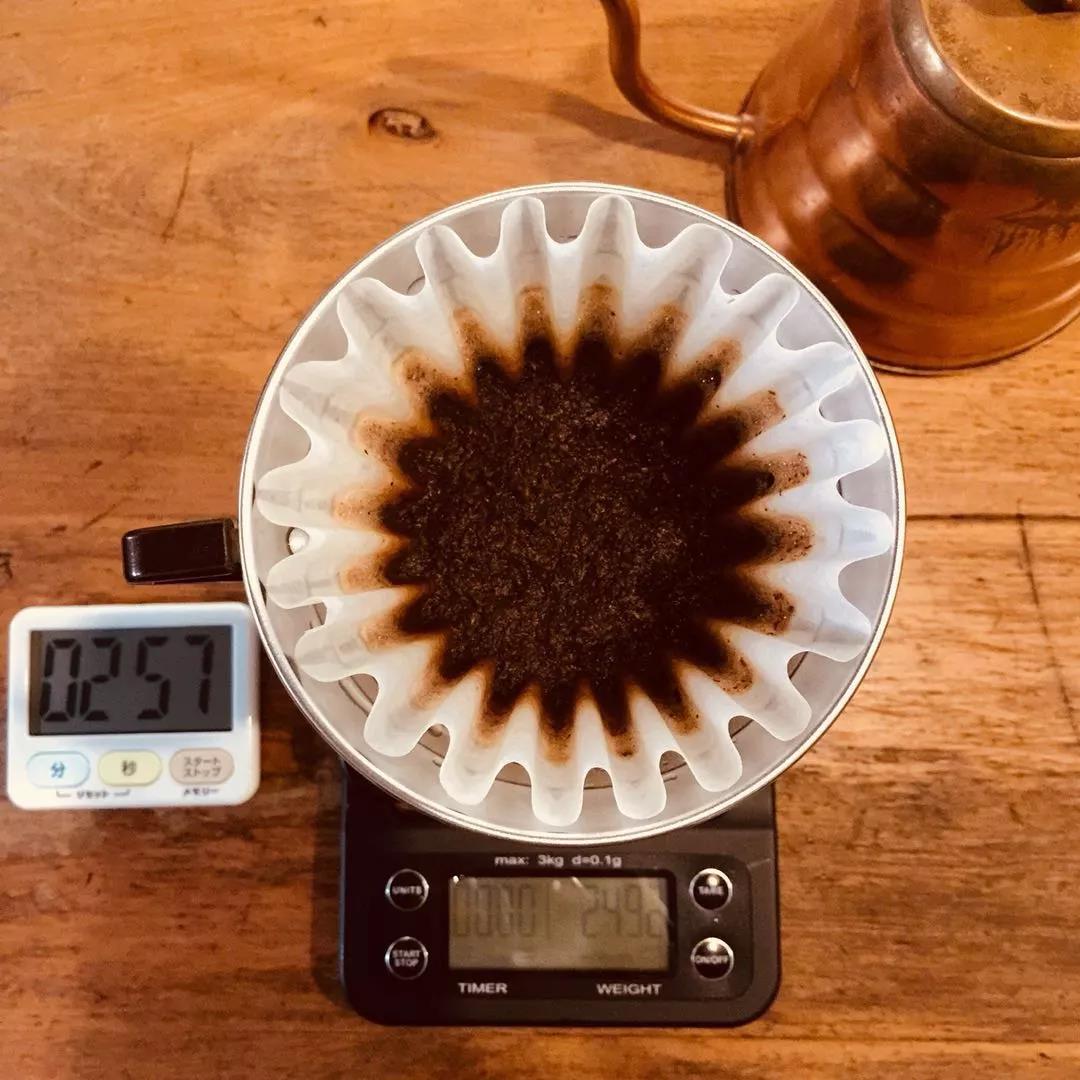
Use the hot water in the pour-over kettle to draw circles clockwise around the center of the dripper. Start timing when brewing begins. Brew the coffee to about 40g within 15 seconds, then stop pouring. When the time reaches 1 minute 06 seconds, perform the second water addition. During the second water addition, same as before, draw circles clockwise around the center of the dripper. Don't let the water flow touch the area where coffee powder meets the filter paper, to avoid the channel effect. When brewing coffee powder to the outermost circle, leave one circle, then brew circle by circle toward the middle. Within 3 minutes, brew the coffee to 250g. The manual pour-over coffee is complete.
Key Points
During blooming, the force of water addition should not be too strong—be more gentle, and don't touch the filter paper edge.
The amount of water used during blooming should be about 10% of the total water amount. For brewing 300ml of coffee, the water needed for blooming is about 30ml. Or, based on powder amount: if 15g of powder, blooming ratio 1:2, you can add 30g of water; if 20g of powder, blooming ratio 1:2, you can add 40g of water.
During the blooming process, the extracted liquid flowing down should be as little as possible. When too much extracted liquid appears in the lower pot, reduce the amount of water added or pay attention to the grind size.
FrontStreet Coffee Recommendation
Since this guide focuses on light-roast Geisha and a gentle immersion-style pour, the beans you choose matter just as much as the technique. FrontStreet Coffee's Panama Esmeralda Red Label Gesha is a natural-process, light-roast single origin with elegant jasmine, citrus, and bergamot and a fine black-tea-like delicacy—clean, transparent, and long in the finish, exactly the kind of coffee a Wave dripper rewards.
If you enjoy brighter, more fruit-forward cups, FrontStreet Coffee's Yirgacheffe Guodingding shows vivid citrus, berry, and floral notes with a green-tea-like finish, and the FrontStreet Ethiopia Huakui leads with tropical strawberry, passion fruit, jackfruit, and lychee aromas, high sweetness, and very low bitterness. The FrontStreet Kenya Cherry Tomato, from Thika at 1,550-1,750 meters with SL28 and SL34 and a 72-hour double washed fermentation, brings cherry tomato and dark plum with a bright, substantial acidity and prominent mid-palate sweetness.
For those who prefer nutty or cocoa-driven coffee, choose a medium or medium-dark roast and pour more slowly—FrontStreet's PWN Indonesian Golden Mandheling is low in acidity and full-bodied with herbal and dark chocolate aromas, while the FrontStreet Brazil Queen Estate is balanced and smooth with rich nut and cocoa notes and a clear caramel sweetness. Whatever the roast, keep the grind even and the pour gentle, and the pour-over will stay consistent cup after cup.
Important Notice :
FrontStreet Coffee is a long-established specialty coffee roaster in Guangzhou China, selling freshly roasted beans from its own farm in Yunnan as well as dozens of carefully selected single-origin beans from around the world for both pour-over and espresso. The products deliver consistently excellent quality and great value, with shipping within 24 hours. Guangzhou's FrontStreet Coffee shop is recommended by many coffee lovers, and the beans are now available online at the Tmall 。
FrontStreet Coffee has moved to a new address:
FrontStreet Coffee Address: 315,Donghua East Road,GuangZhou
Tel:020 38364473
 Scan and follow the En Gafei WeChat official account. Please indicate that the reprint comes from "En Gafei".