Introduction to Flavor and Taste Characteristics of Premium Coffee Yirgacheffe - Features of Washed and Natural Process Yirgacheffe Coffee Beans
Anyone who spends time in cafés knows the name Yirgacheffe. Some call it a province, some a growing region, and some think it's a particular kind of bean.
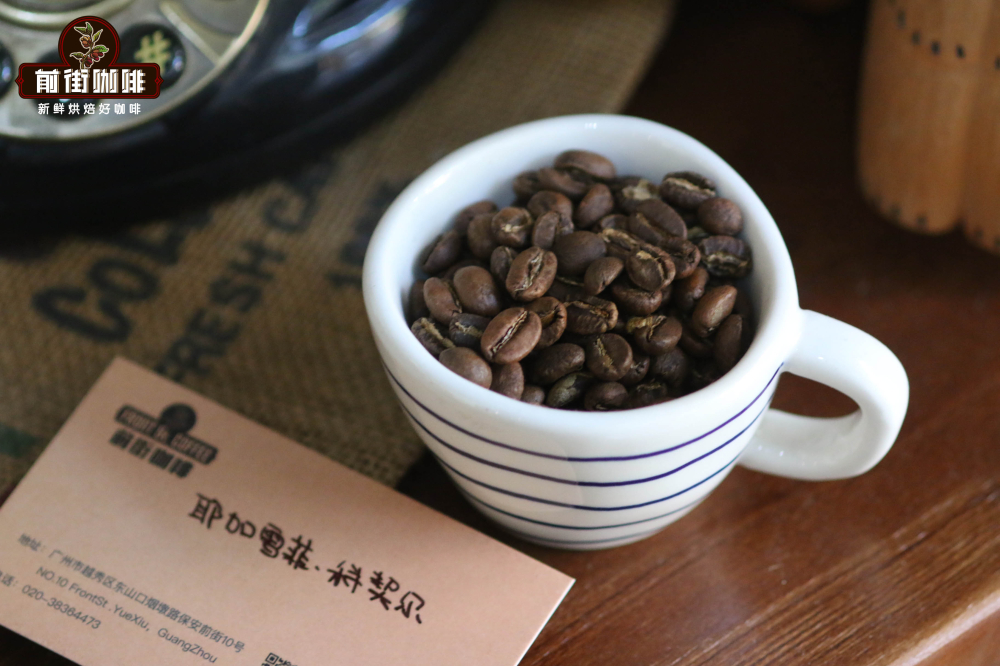
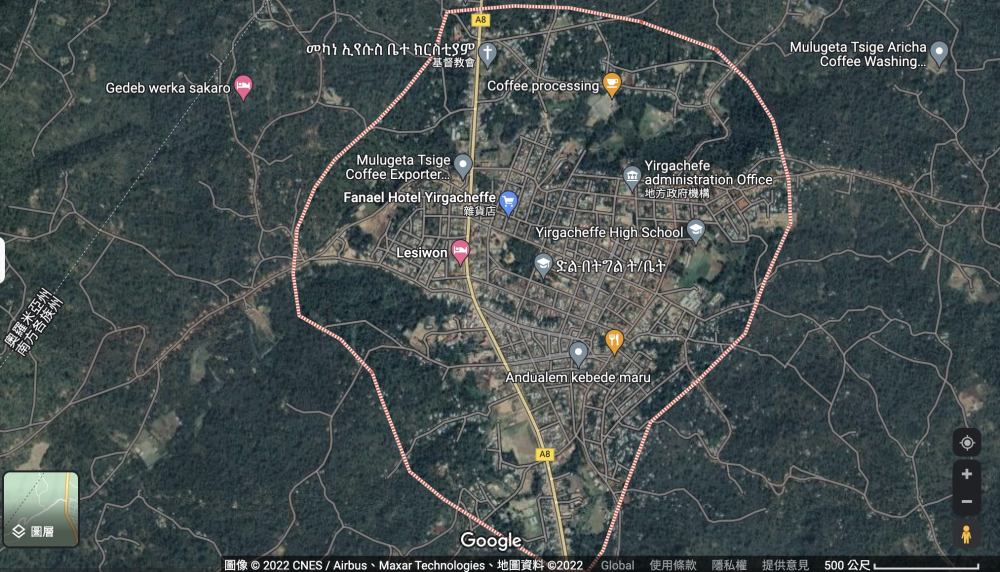
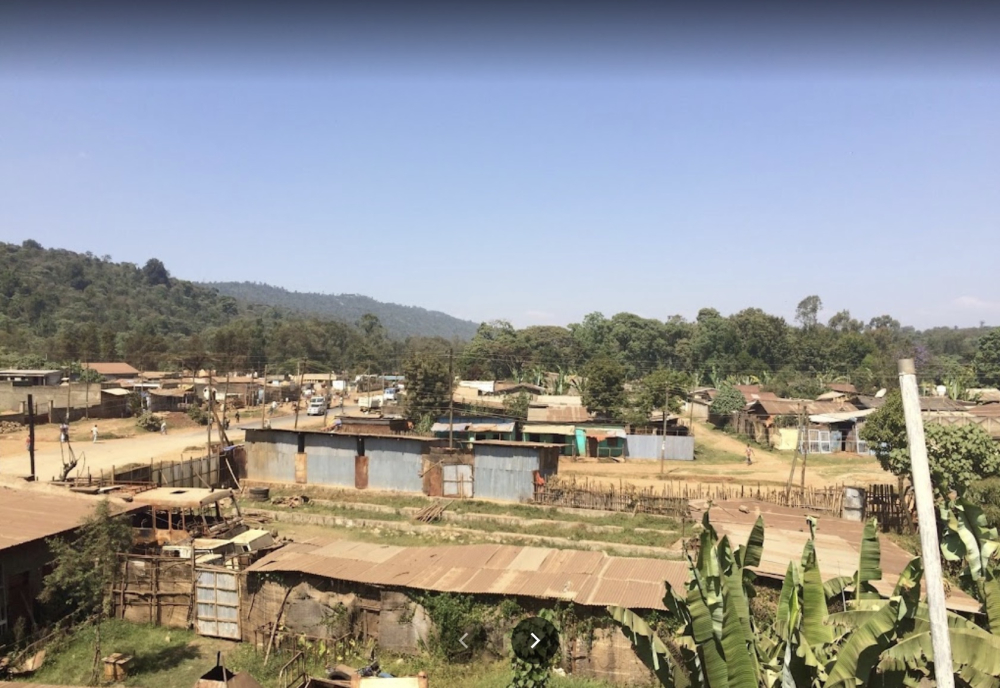
In fact, Yirgacheffe is a small town in Ethiopia. Any coffee produced there is sold as Yirgacheffe. In this article, FrontStreet Coffee explores just how charming the coffees of this region are!
Where is Yirgacheffe?
Yirgacheffe was originally a small town within Ethiopia's Sidamo province. But when Ethiopia redrew its administrative map in 1995, Sidamo ceased to exist as an administrative region, and Yirgacheffe was folded into the Gedeo zone.
Traders later noticed that beans from the Yirgacheffe area carried a distinctive white floral aroma alongside lemon and citrus notes that consumers adored — so much so that many would specifically pick out Yirgacheffe lots before export, hoping to command better prices.
It wasn't until 2009 that the Ethiopia Commodity Exchange established a certification for several specific areas (Wenago, Yirgacheffe, Kochere, and Gelena–Abaya), dividing them into classic Yirgacheffe flavor (Grade A) and non-classic Yirgacheffe flavor (Grade B). That means the "Yirgacheffe" in your cup today may not actually come from the town itself — it simply carries the name, much like how not every "Parisian baguette" comes from Paris.
The Cooperative Origins of Yirgacheffe
Today, "Yirgacheffe" most often refers to the wider area, within which numerous cooperatives process coffee — Kochere, Worka, Gotiti, Chelelektu, Misty Valley, and Konga are among the best known.
Green coffee suppliers typically label these lots "Yirgacheffe + cooperative name" to indicate they come from a particular village and cooperative. Most Ethiopian coffees are tied to place names, but not all: for instance, the FrontStreet Coffee Sidamo Natural Flower Queen 8.0 on our menu is a marketing name coined by domestic green coffee traders to highlight its selling points.
Why Are Yirgacheffe Coffee Beans So Charming?
Yirgacheffe lies within the coffee belt at 1,700–2,100 meters — among the highest coffee elevations in the world and superb terrain for Arabica. The area was historically wetland, so water is plentiful, and the combination of altitude, varied microclimates, wide day–night temperature swings, and phosphate-rich soil creates near-perfect growing conditions.
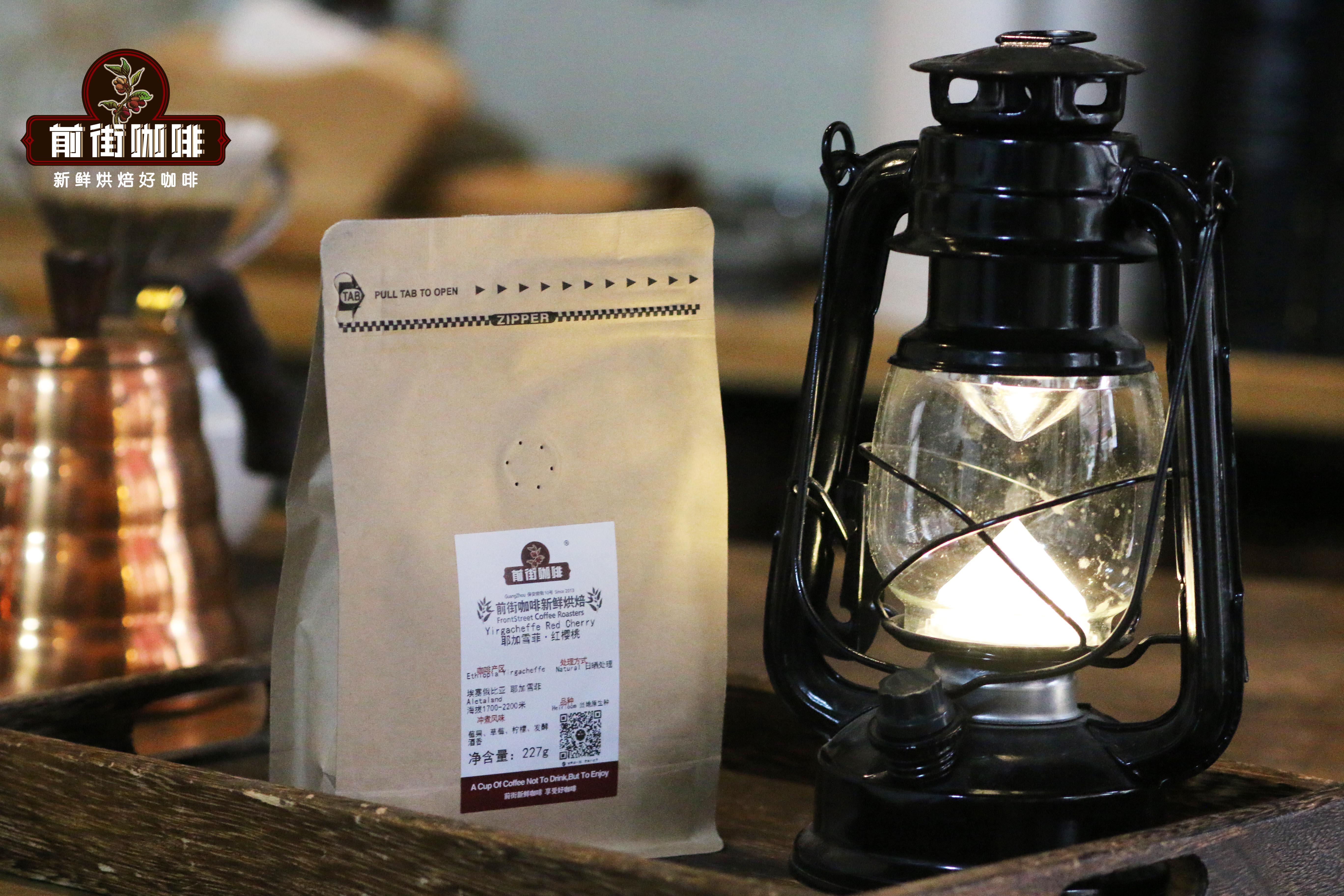
The result is coffee with bright acidity, white florals, and a tea-like finish. Compared with the old assumption that coffee is only about body and bitterness, FrontStreet Coffee's Yirgacheffe is fresh and clean, with an acidity that genuinely opens your eyes.
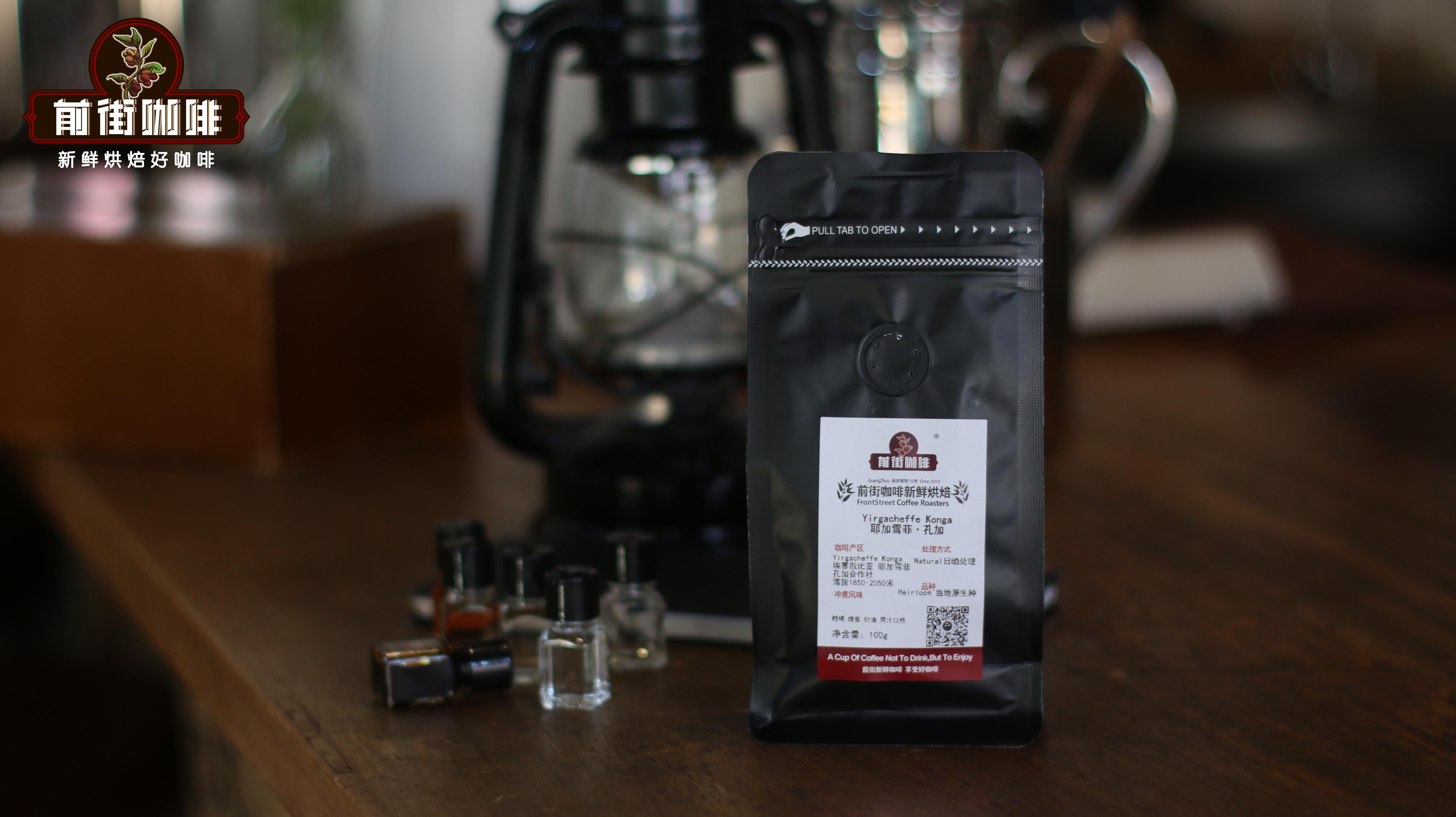
In cupping sessions across multiple Yirgacheffe lots, we've found the dry fragrance typically shows distinct citrus and berry aromas or fresh white florals; the wet fragrance is honey-like, where gentle sweetness and a full juiciness intertwine — light, lively, and with a delicate finish that leaves you wanting more.
How to Brew Yirgacheffe Coffee Beans for Better Taste?
Start with freshly roasted beans ground just before brewing. That's why FrontStreet Coffee only sells beans roasted within the past 5 days — so they reach you at peak aroma and flavor. Freshly roasted coffee tastes best within 30 days.
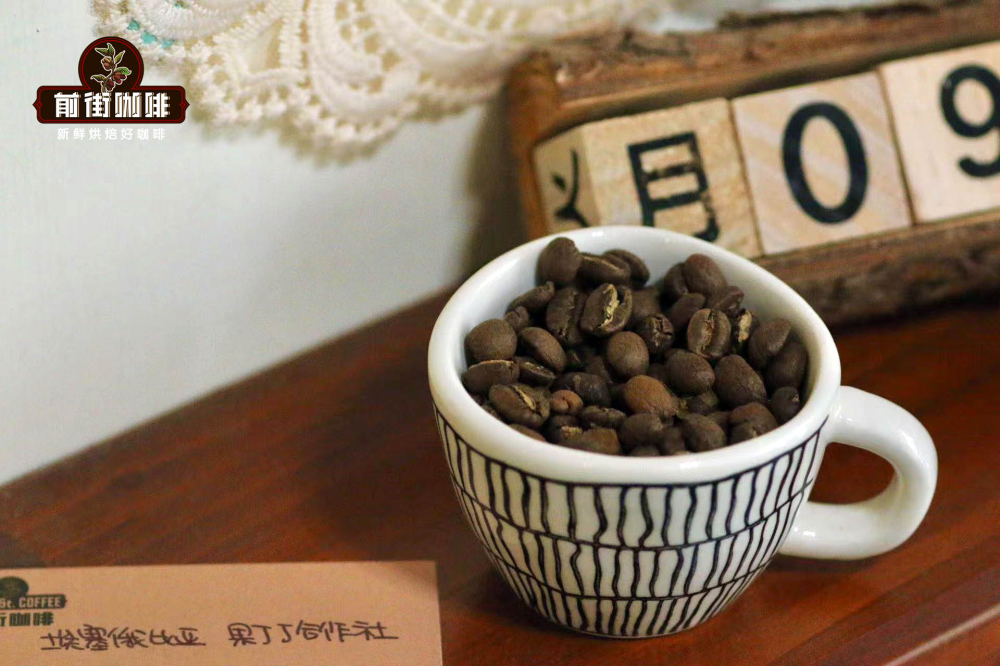
To preserve our Yirgacheffe's bright acidity, we roast it medium-light. The bean structure changes little during roasting, making its compounds harder to extract — so we recommend a medium-fine grind (80% pass through a #20 standard sieve) and water at 90–91°C.
Dripper: Hario V60; Dose: 15g; Water temperature: 90°C; Grind: medium-fine (80% pass through a #20 standard sieve); Ratio: 1:15; segmented pouring.
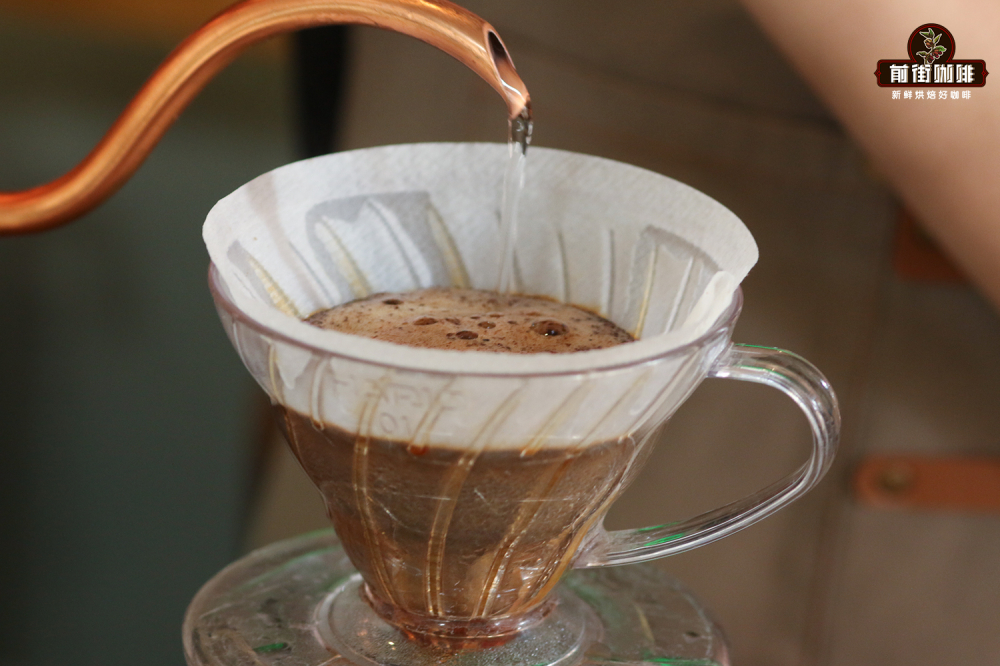
Bloom with 30g of water for 30 seconds, then pour a small stream in the center out to 125g. As the level drops and the coffee bed is about to emerge, pour again to 225g and stop. Once the water fully drains and the bed is exposed, remove the dripper. (Timing starts at the bloom.) Total extraction time: 2 minutes.
FrontStreet Coffee Recommendation
New to Ethiopian coffee? Begin with FrontStreet Coffee's washed Yirgacheffe, our everyday house bean — famous for its white jasmine florals, bright citrus and lemon acidity, and clean tea-like finish, and affordable enough to be many people's first specialty coffee. The name comes from a small town in southern Ethiopia's Sidamo region, where coffee grows at 1,700–2,100 meters on some of the highest coffee terrain on earth; its unmistakable florals and citrus acidity made it a byword for Ethiopian specialty coffee. For a different side of the region, our natural Red Cherry lots are made only from fully ripe, defect-free cherries, sun-dried three to five weeks on raised beds and turned every 2–3 hours at the start to prevent uneven fermentation — yielding a cup with typical Yirgacheffe character plus tropical fruit: citrus acidity, a berry-juice juiciness, honeyed sweetness, and a creamy smoothness.
Brew either one on a V60: 15g of coffee at a 1:15 ratio, water at 90–91°C, ground to fine granulated sugar (EK43s around setting 10, or 80% pass on a #20 sieve). Bloom with 30g for 30 seconds, pour to 125g by the one-minute mark, then finish with the remaining 100g by about 1:35, with drawdown completing in roughly 2 minutes to 2:10.
Important Notice :
FrontStreet Coffee is a long-established specialty coffee roaster in Guangzhou China, selling freshly roasted beans from its own farm in Yunnan as well as dozens of carefully selected single-origin beans from around the world for both pour-over and espresso. The products deliver consistently excellent quality and great value, with shipping within 24 hours. Guangzhou's FrontStreet Coffee shop is recommended by many coffee lovers, and the beans are now available online at the Tmall 。
FrontStreet Coffee has moved to a new address:
FrontStreet Coffee Address: 315,Donghua East Road,GuangZhou
Tel:020 38364473
 Scan and follow the En Gafei WeChat official account. Please indicate that the reprint comes from "En Gafei".