Introduction to the Characteristics of Indonesian Mandheling Coffee: Common Processing Methods Including Washed, Natural, and Wet-Hulled
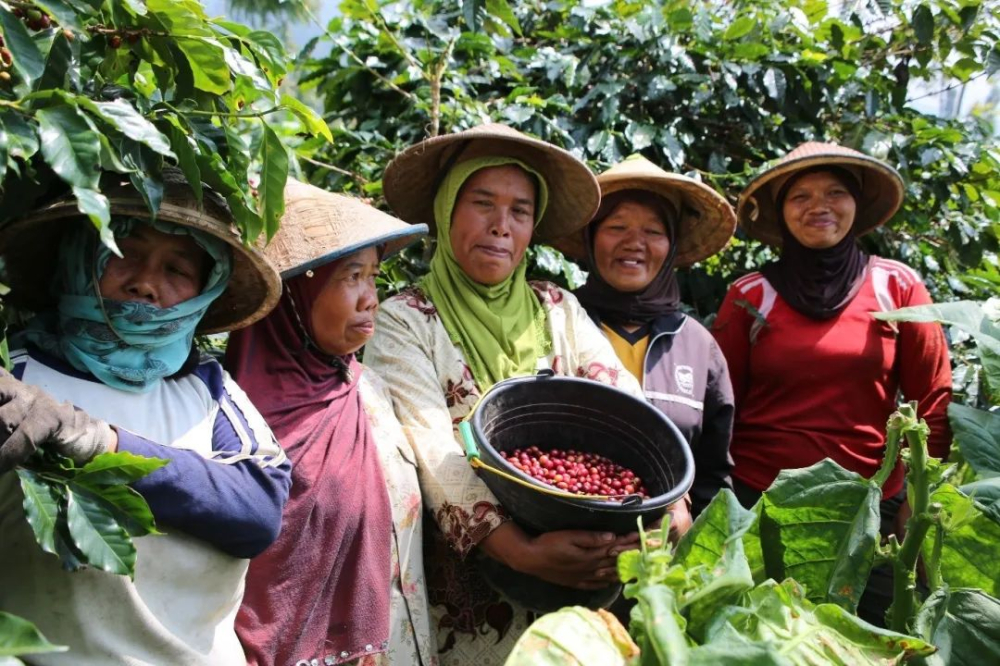
The biggest difference between Indonesia and many other coffee-producing regions is the local humidity. Indonesian humidity runs between 70% and 90% all year, typhoons can strike without warning, and annual rainfall even exceeds 2000 mm. Weather like that simply cannot accommodate the two to three weeks of sun-drying used in Africa. Wet processing consumes more time and demands more labour and water than a mass-production country can afford, so Indonesia developed its own semi-washed approach: wet hulling.
Unlike traditional sun-drying and washing, wet hulling first uses a pulper to remove the outer skin of the cherry, then sends the beans straight into a tank for a brief fermentation of several hours. At that point a little mucilage still clings to the parchment, and it is removed by brushing. The parchment coffee is then dried until moisture reaches 30-40%, at which point the farmers sell the green beans on to buyers. The buyers hull the partly dried parchment directly, which speeds up drying and removes the mucilage and parchment to leave green beans.
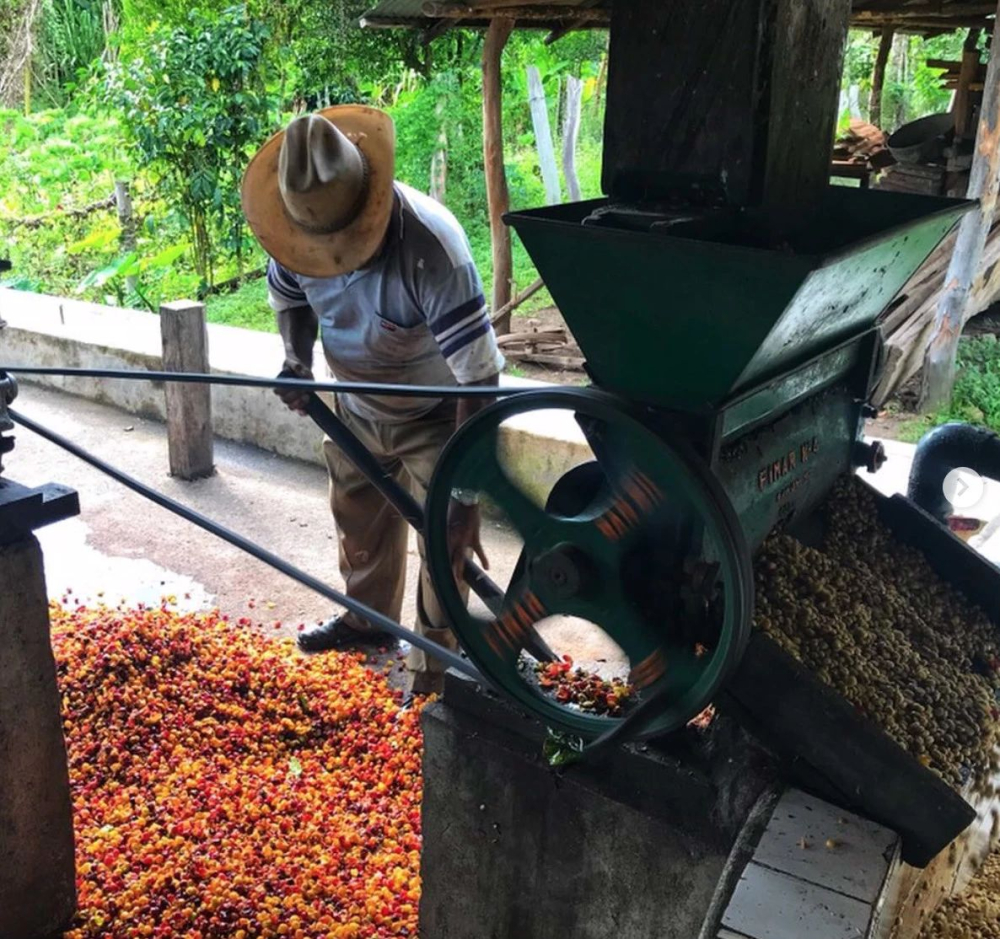
Because the huller uses heavy friction to tear away parchment that is tightly attached to the bean, this stage typically releases a white or green mucus. After prolonged exposure to that mucus and to the humid air, the green beans become soft, pale and swollen and take on a grey-green colour. The agitation of friction also crushes and bruises the beans more easily, particularly at both ends, opening small gaps that produce the so-called "goat hoof" beans. These naked beans, without parchment, dry very quickly, but they are also directly exposed to a humid environment that encourages all kinds of microorganisms.
Wet hulling plainly shortens fermentation, reduces acidity, increases body and intensifies grassy and herbal flavours. The naked beans go on absorbing moisture from the humid air, which builds the distinctive earthy, herbal and cedar "mellow aroma" of the Sumatra region. After roasting they develop rich dark chocolate, caramel and nut flavours, long loved by Japanese drinkers who favour dark-roasted coffee. Both Mandheling coffees on FrontStreet Coffee's menu are processed by wet hulling. If these South-East Asian flavours are new to you, the wet-hulled Indonesian Mandheling staple bean from FrontStreet Coffee is a good place to start.
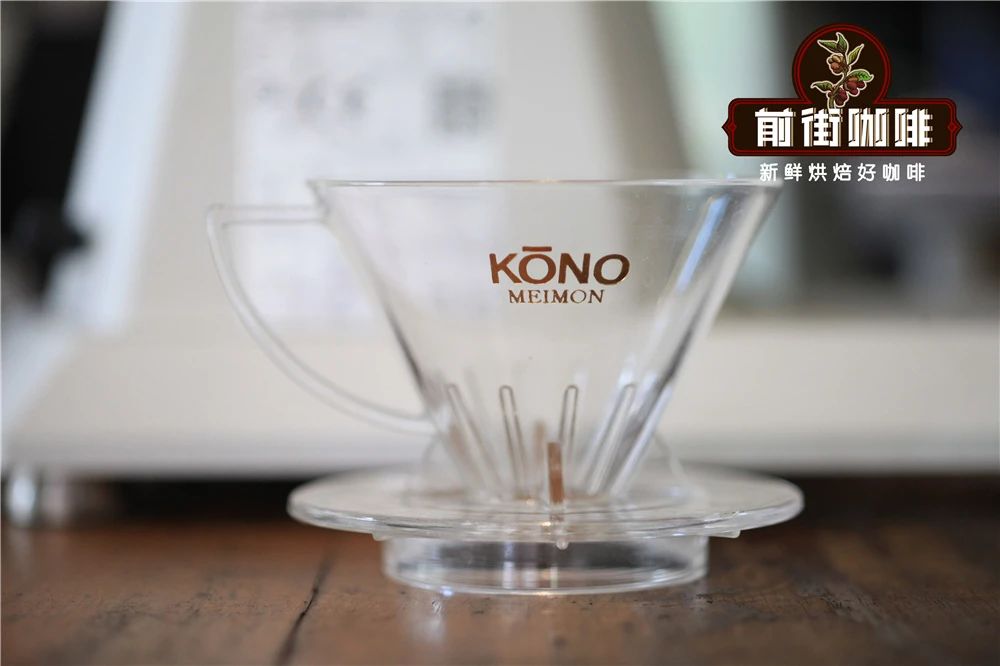
For full-bodied coffees such as Indonesian Mandheling, Brazilian Queen Estate and Jamaican Blue Mountain, FrontStreet Coffee's baristas prefer the KONO dripper. Compared with a V60, the KONO has smooth curved surfaces, a design that keeps the wet filter pressed closely against the dripper wall. With flow ribs only one-quarter of the dripper's height, upward airflow is restricted and water is forced down through the base alone. That extends the time the coffee particles spend absorbing water, letting the coffee bed and hot water form an immersion extraction for a rounder, fuller and more concentrated cup.
Medium-dark roasting changes the internal structure of the beans, making them more porous and more absorbent once ground. If the brewing parameters are not adjusted, the coffee is easily over-extracted and bitter. To get enough aroma without over-extraction, the extraction rate has to come down, so FrontStreet Coffee uses lower water temperatures and a coarse, sugar-like grind to limit the release of bitter macromolecules.
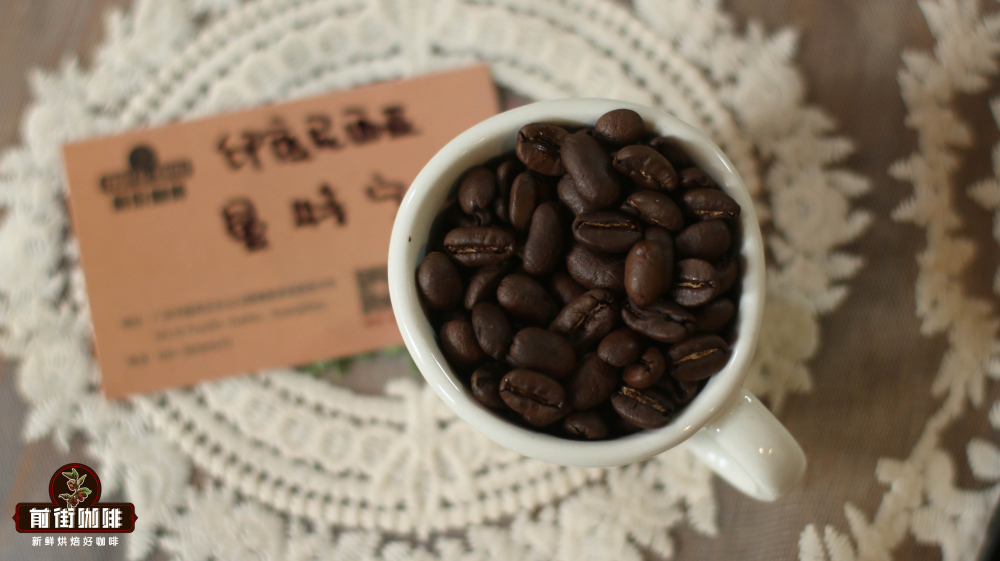
Dark roasting loosens the internal structure of the beans, so a light pinch crushes them, which signals strong absorbency once ground. To avoid an excessive release of bitter compounds after the grounds absorb water, FrontStreet Coffee adjusts the grind coarser and brews with cooler water. Grind size is one of the key factors shaping flavour: once beans are ground and meet hot water, they release large amounts of water-soluble flavour compounds. FrontStreet Coffee uses a Chinese No. 20 standard 0.85 mm sieve to set grind size. For light to medium roasts it consistently uses a 75-80% pass rate, while for medium-dark roasts it uses 70-75%. Compared with light roasts, the internal structure of medium-dark Mandheling is more porous, absorbing water better and releasing bitter macromolecules more readily, so FrontStreet Coffee chooses a coarseness of 70% passing the No. 20 sieve to avoid over-extraction.
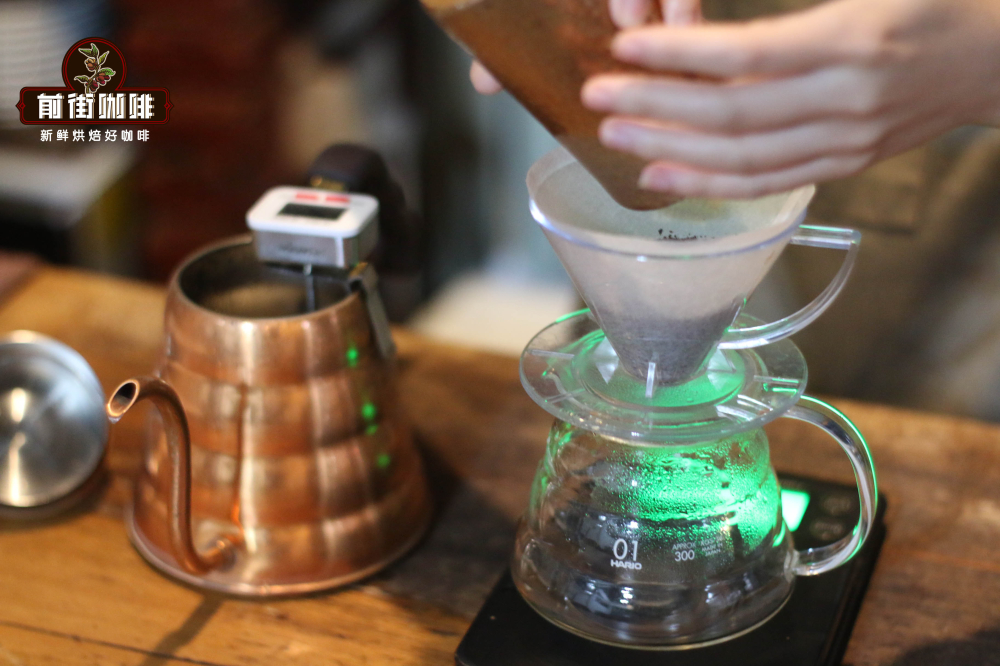
Water temperature plays a similar role to grind size. The hotter the water, the higher the extraction efficiency, the more readily substances are released and the higher the concentration. Brewing with near-boiling water easily extracts unpleasant bitter compounds, so when brewing medium-dark beans FrontStreet Coffee uses different parameters than for light roasts. Caramelisation is greater than in light roasts, making it easier to release bitter macromolecules from caramelisation, and to avoid extracting excessive off-flavours FrontStreet Coffee lowers the water temperature slightly. The brewing temperature for light-roasted coffee is 91-93°C, while FrontStreet Coffee recommends 87-88°C for medium-dark coffee.
Brewing Parameters:
Recommended brewing water temperature: 87-88°C
Coffee powder: 15 grams
Powder to water ratio: 1:15
Grind size: Medium-coarse (China No. 20 standard sieve with 70% pass rate)
The brewing method is a three-stage pour-over, which best expresses the rich body and caramel sweetness of Golden Mandheling.
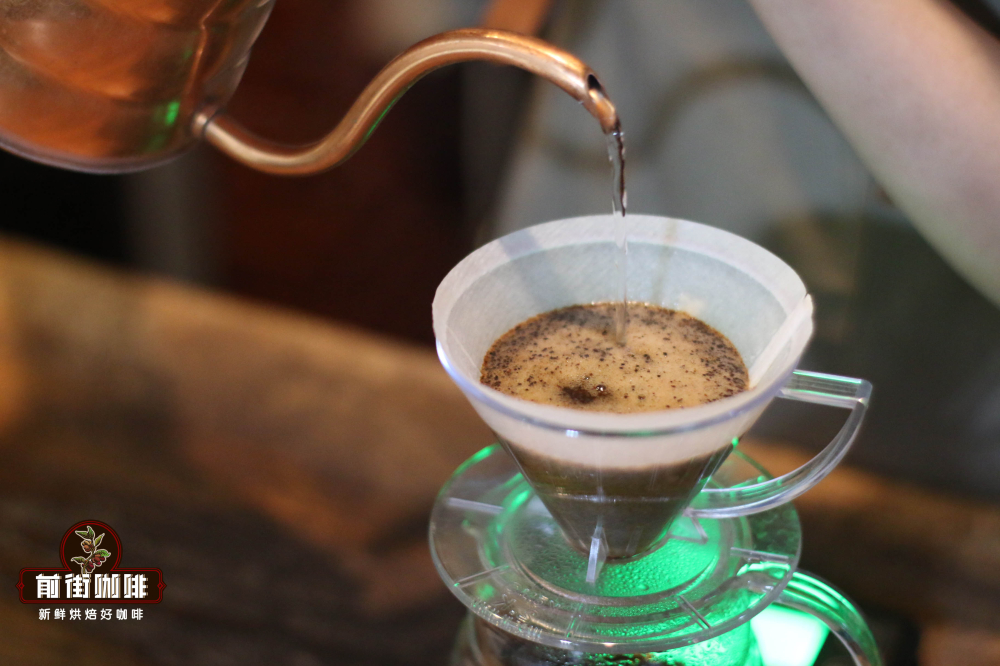
The first bloom stage uses 30 ml of water to wet the grounds fully for degassing, preparing them for better extraction later. The second stage injects 100 ml, mainly to bring out Mandheling's golden foam and lift the coffee bed.
The final stage gently pours 95 ml down the centre, which heightens the sweetness and brings out the full expression of body, caramel sweetness, chocolate and nuts.
For professional coffee knowledge exchange and more coffee bean information, please follow Coffee Workshop (WeChat public account: cafe_style).
For more specialty coffee beans, please add FrontStreet Coffee's private WeChat account: qjcoffeex
FrontStreet Coffee Recommendation
FrontStreet Coffee's Lintong Mandheling and PWN Golden Mandheling come from two different Sumatran growing areas, Lintong and Aceh, and both are medium-dark roasted to bring out dark chocolate and caramel while keeping Mandheling's wild herbal character, which comes directly from the local environment and the wet-hulling process.
To taste the highest grade of the wet-hulled style, start with FrontStreet Coffee's PWN Golden Mandheling. PWN buys only high-quality Mandheling green beans, then applies one machine selection and three hand selections to pick out plump, flawless beans, so the output is uniformly plump, large and translucent with a low defect rate. Medium-dark roasting adds rich roasted aroma, and the brewed black coffee has a clean mouthfeel and full body, ideal for anyone who dislikes acidic coffee.
Pour-over shows Golden Mandheling at its best. FrontStreet Coffee suggests water at 87-88°C, 15 g of coffee, a 1:15 ratio and a coarse-sugar grind, poured in three stages. The first stage uses 30 ml to wet the grounds fully and let them degas, the second adds 100 ml to bring out the golden foam and lift the bed, and the final stage pours a gentle 95 ml down the centre. That lifts the sweetness and delivers thick body with caramel sweetness, chocolate and nuts.
Important Notice :
FrontStreet Coffee is a long-established specialty coffee roaster in Guangzhou China, selling freshly roasted beans from its own farm in Yunnan as well as dozens of carefully selected single-origin beans from around the world for both pour-over and espresso. The products deliver consistently excellent quality and great value, with shipping within 24 hours. Guangzhou's FrontStreet Coffee shop is recommended by many coffee lovers, and the beans are now available online at the Tmall 。
FrontStreet Coffee has moved to a new address:
FrontStreet Coffee Address: 315,Donghua East Road,GuangZhou
Tel:020 38364473
 Scan and follow the En Gafei WeChat official account. Please indicate that the reprint comes from "En Gafei".