Introduction to Guatemala Coffee Bean Regions and Flavor Characteristics | Guatemala Pour-Over Coffee Methods and Flavor Descriptions
A Journey Through Guatemala's Coffee Heritage
Hello everyone, and welcome back! In this issue, FrontStreet Coffee invites you to explore the mysterious homeland of the Maya, one of the cradles of ancient Mayan culture, a land that gave rise to both Mayan civilization and delicious coffee wisdom: Guatemala.
The Land of Volcanoes and Coffee
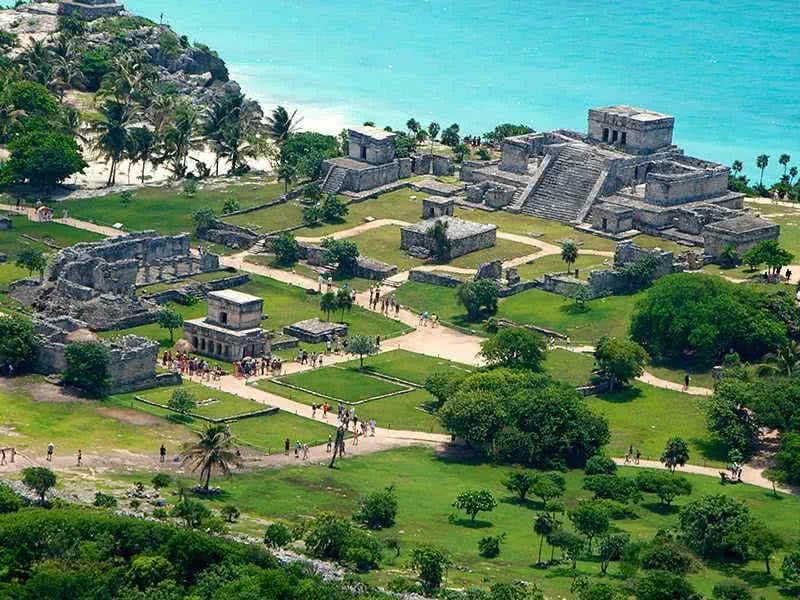
The Republic of Guatemala sits in the Americas and covers roughly 108,899 square kilometers, with mountain forest blanketing two-thirds of the country and giving rise to fine coffee beans.
Guatemala's geography falls into three zones: highland volcanoes, lowland tropical forest, and the volcanic-sand plains of the Pacific coast. Central America's Sierra Madre range runs east to west across Guatemala, covering about 2/3 of the country, with 34 volcanoes within its borders. Rivers and lakes dot the landscape, while equatorial forest and plains jungle cover the land, and undeveloped volcanic beaches line both the Pacific and Caribbean coasts.
Ideal Coffee Growing Conditions
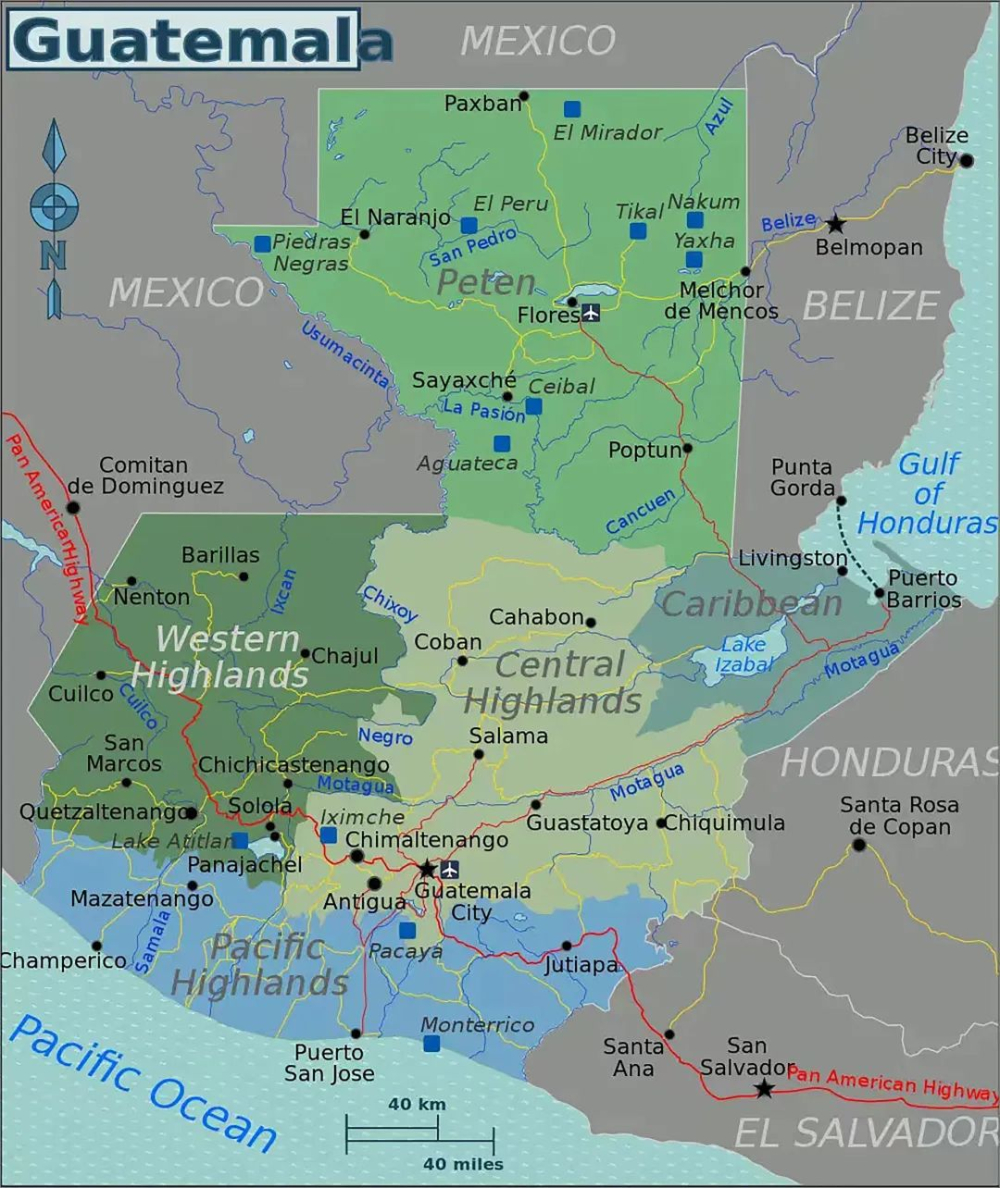
Guatemala borders Mexico to the north, Honduras and El Salvador to the south, the Caribbean Sea to the east and the Pacific Ocean to the west. Blessed with a singular geography of mountains and seas, it offers tropical rainforest, volcanic geology, highland valleys and diverse microclimates. Its economy is mainly agricultural, and coffee is its primary crop. Guatemalan coffee once carried the reputation of being the world's finest, and the beans here are full-bodied and beautifully balanced.
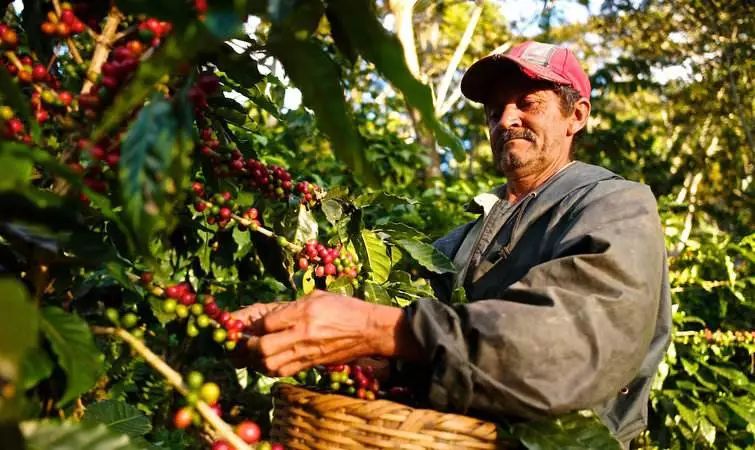
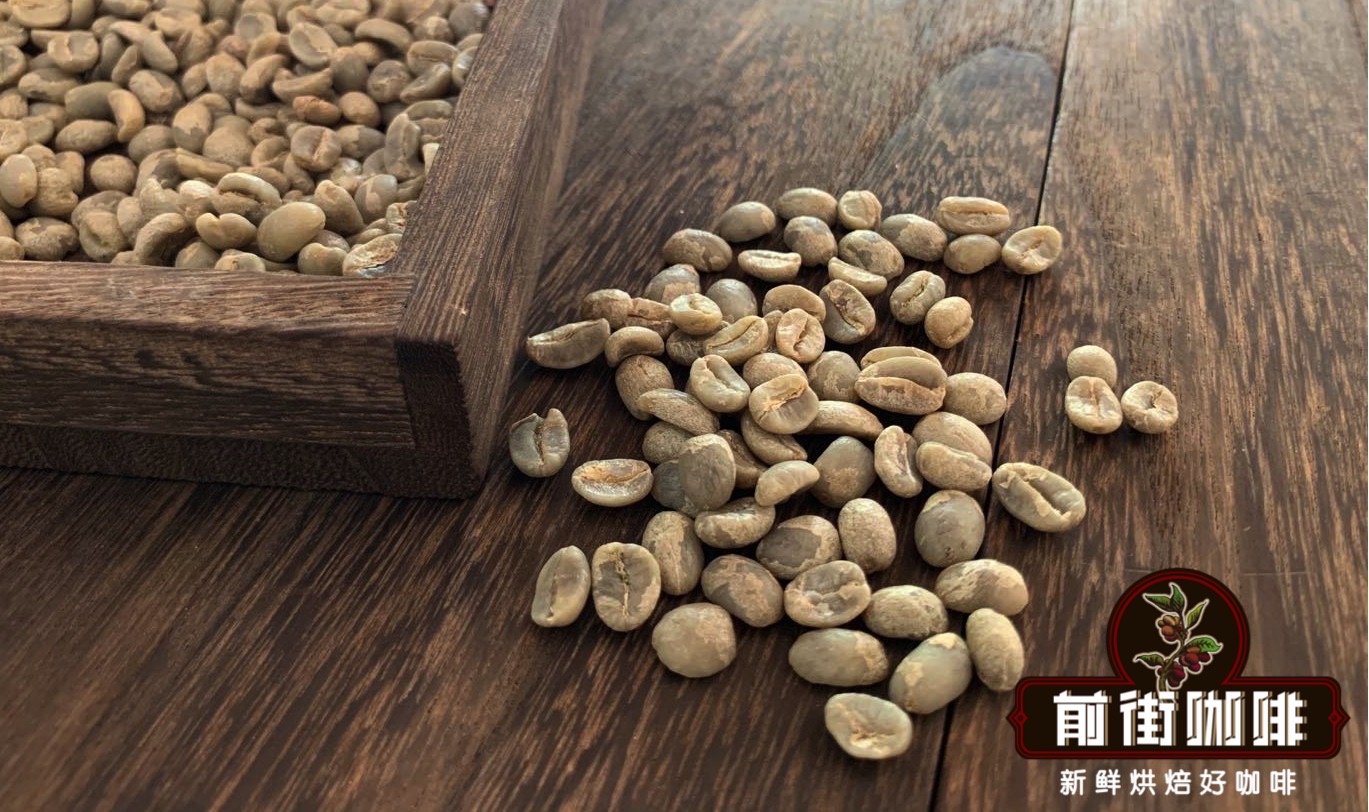
Few places on earth can match the range of high-quality coffee Guatemala produces. FrontStreet Coffee's Guatemalan beans are prized for their elegant, lively acidity, their clean, impurity-free flavor, and their distinct layers, along with green-apple acidity, berry fragrance, jasmine, citrus peel, green pepper, fruity sweetness, chocolate richness and even a smoky finish. Such rich regional character comes from the unique natural conditions of each area: shifting local climates, fertile volcanic soil, abundant water, high mountain altitudes and shade forest.
Coffee History in Guatemala
Coffee was truly introduced to Guatemala in 1750 by Jesuit priests, and by the late 19th century German colonists had developed the industry here.
Guatemala has seven main coffee-producing regions: Antigua, Coban, Atitlan, Huehuetenango, Fraijanes, Oriente and San Marcos.
Among them, Antigua, Atitlan, San Marcos and Fraijanes sit on volcanic rock. Coban, Huehuetenango and New Oriente are non-volcanic highlands or tropical rainforest climates. Guatemala boasts more than 300 microclimates nationwide, considered the most varied in the world.

Flavor varies from region to region, but in general FrontStreet Coffee's Guatemalan coffee has a gentle, rich texture, elegant aromas and a distinctive, pleasant fruit-like acidity that truly earns it the title of nobility among coffees. Of all the regions, Antigua Classic is the one global coffee connoisseurs recommend most highly.
The Famous Antigua Region
FrontStreet Coffee now turns to the famous Antigua region in detail. Antigua is the oldest and most beautiful city in the Americas. As early as 1543, Antigua served as the colonial capital of Central America, where the Spanish governor's palace also stood. After the great earthquake of 1773 the city was completely destroyed, and the capital moved to Guatemala City. Antigua lies about 40 kilometers west of Guatemala City. Its colonial buildings were damaged by earthquakes but preserved as they stood, making the city a living historical museum.
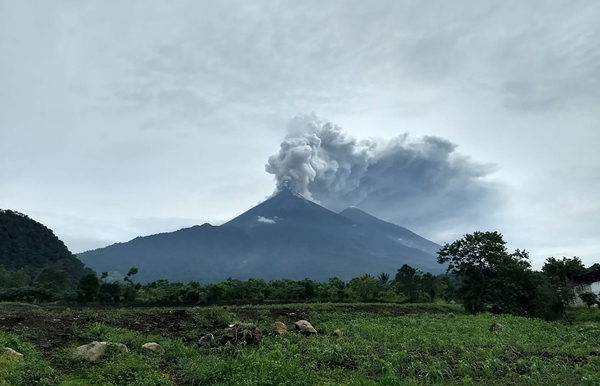
Today's Antigua is a renowned coffee-producing area, distinguished by rich volcanic soil, low humidity, strong sunlight and cool evening winds. Three spectacular active volcanoes, Agua, Acatenango and Fuego, frame a beautiful valley, and the active Fuego occasionally dusts the land with ash. Roughly every 30 years Antigua endures volcanic eruptions, which add nitrogen to the already fertile soil, while ample rainfall and sunlight make the area even better suited to coffee.
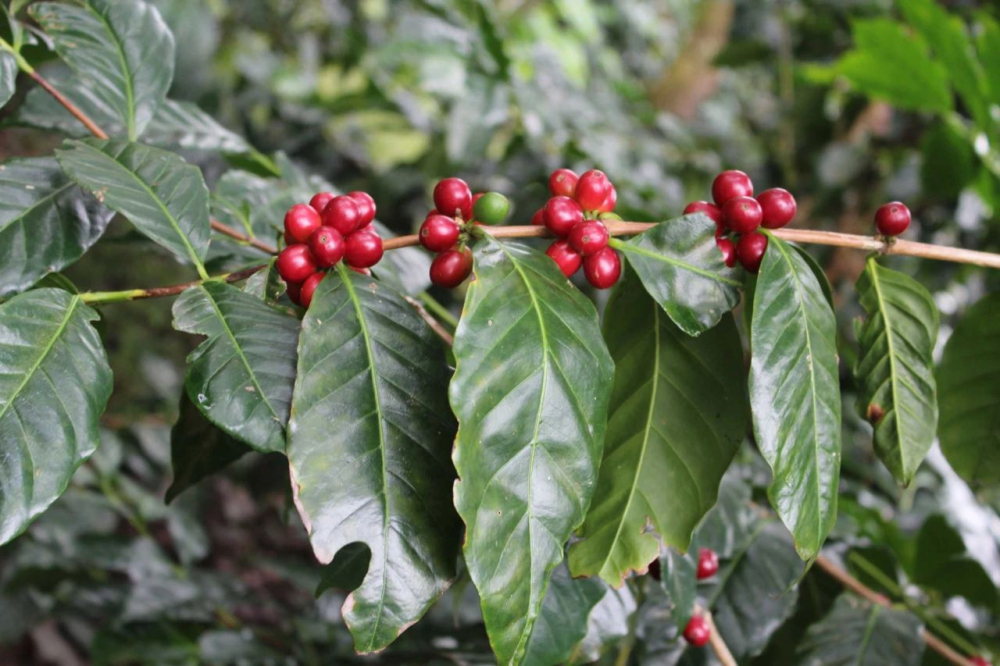
Antigua's coffee is produced at the Camana estate, and the finest of it is El Pulcal. Not only is it high quality, but next to other Latin American coffees it can be called remarkably complete, with rich layers and astonishing excellence. Enjoy it with chocolate and you will make unexpected discoveries. Above all, its flavor is very rich, its mouthfeel fuller, and it carries a fascinating tobacco note, praised as "the perfect coffee bean."
Notable Coffee Estates
Another old estate worth noting is El Injerto, in the northwestern Huehuetenango region. Its unusual name comes from founder Jesus Aguirre Panama, who worried that seed propagation would produce variants and alter the original variety's character, so he used grafting to cultivate pure Bourbon and protect quality. Although the estate was once proud of pure Bourbon, El Injerto today places its emphasis on the hybrid Pacamara.
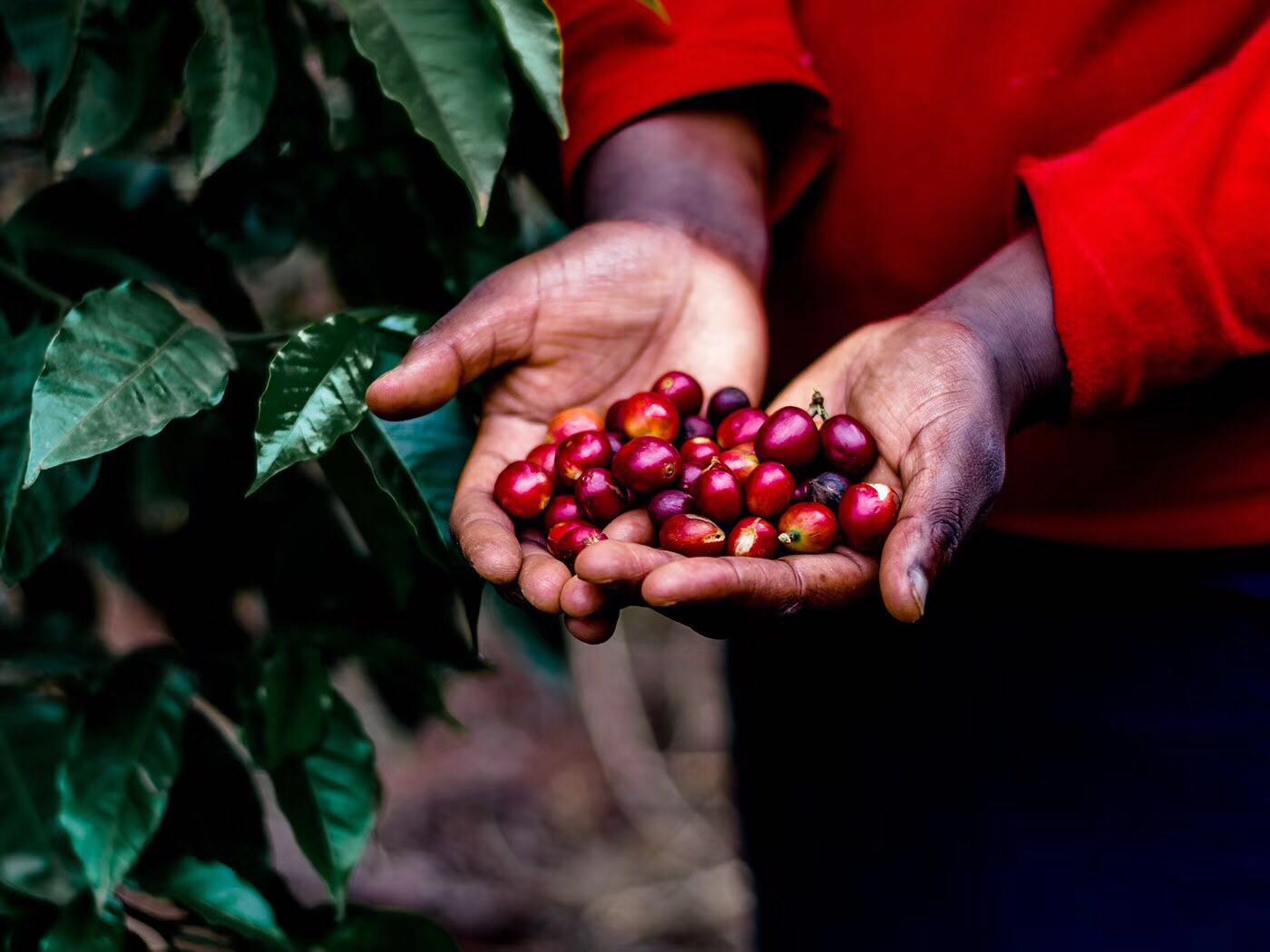
The Pacamara beans cultivated by El Injerto are grown above 1,600 meters, on a par with the Geisha from Panama's Emerald Estate. Pacamara is known for its rich and varied flavors and its smooth, rounded mouthfeel. From 2008 to 2010 it won Guatemala's "Cup of Excellence" cupping competition in consecutive years. In 2008, El Injerto's champion Pacamara set an auction price of $80.2 per pound, causing a sensation in the coffee world.
Modern Guatemalan Coffee Industry
At present, some of Guatemala's highest-quality coffee is exported to Japan. To revive its coffee industry, Guatemala established a Specialty Coffee Association and gives these high-quality coffees its fullest support and attention. Those efforts will soon bear fruit, and the true beneficiaries will be not only the growers but coffee lovers worldwide.
Although this emerald valley has been ringed since ancient times by ready-to-erupt, crisis-ridden volcanoes on every side, its vast, broad and fertile soil still tempts local growers to cultivate fine coffee with care, and they are proud to be known as the Mayan descendants who grow coffee.
FrontStreet Coffee's Guatemalan Selection
FrontStreet Coffee offers a coffee bean from the Antigua region, featuring very clean citrus and honey notes while retaining Guatemala's characteristic smoky quality: FrontStreet Coffee's La Minnita estate coffee beans.

FrontStreet Coffee Brewing Recommendations
FrontStreet Coffee Recommended Method: Pour-over
Pour-over Parameters:
- Dripper: V60
- Water Temperature: 91°C
- Dose: 15g
- Ratio: 1:15
- Grind Size: 80% pass-through through #20 standard sieve
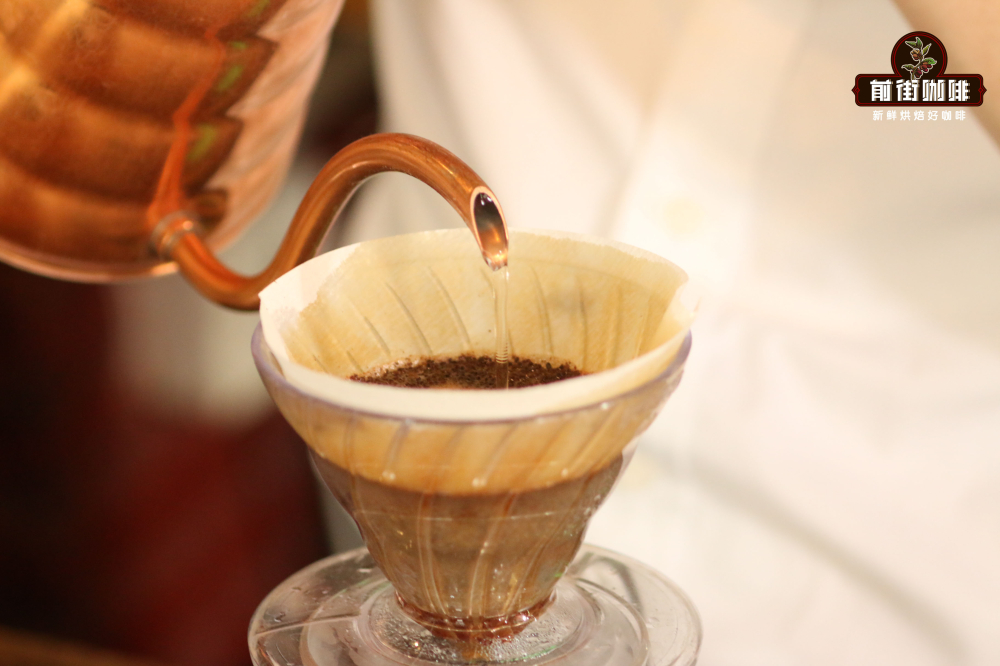
FrontStreet Coffee's baristas habitually use the three-stage pouring technique:
The first stage: pour 30g of water for a 30-second bloom, then pour 95g (the scale reads about 125g), finishing in about 1 minute. When the water level drops to 2/3 of the coffee bed, pour the remaining 100g (the scale reads about 225g), finishing in about 1 minute 35 seconds. Complete the extraction at 2'10", then remove the dripper.
FrontStreet Coffee Recommendation
If this walk through Guatemala has you reaching for your V60, the dripper itself matters as much as the bean. FrontStreet Coffee uses the resin Hario V60, whose 60-degree cone and single large hole extend the contact time between water and coffee for a fuller, more layered extraction. Pair it with a fruit-forward bean such as FrontStreet Ethiopia Flower Queen, whose tropical strawberry and passion-fruit aromas shine through the V60's fast, even flow.
Important Notice :
FrontStreet Coffee is a long-established specialty coffee roaster in Guangzhou China, selling freshly roasted beans from its own farm in Yunnan as well as dozens of carefully selected single-origin beans from around the world for both pour-over and espresso. The products deliver consistently excellent quality and great value, with shipping within 24 hours. Guangzhou's FrontStreet Coffee shop is recommended by many coffee lovers, and the beans are now available online at the Tmall 。
FrontStreet Coffee has moved to a new address:
FrontStreet Coffee Address: 315,Donghua East Road,GuangZhou
Tel:020 38364473
 Scan and follow the En Gafei WeChat official account. Please indicate that the reprint comes from "En Gafei".