Costa Rica Tarrazu Black Honey Los Santos Region Specialty Coffee SHB
Specialty coffee refers to coffee made from green beans grown in a few extremely ideal geographical environments that possess excellent flavor characteristics. Depending on the specific soil and climate conditions where they grow, such coffees have outstanding flavors. Only after rigorous selection and grading, with a hard texture, rich taste, and exceptional flavor, can they be considered specialty coffee beans.
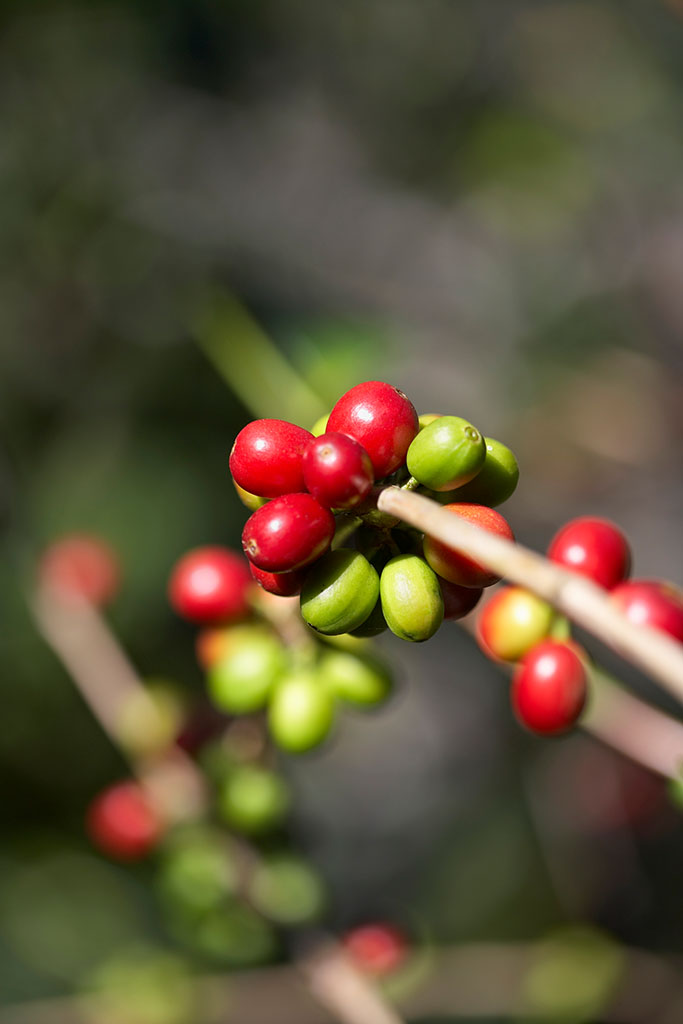
FrontStreet Coffee Costa Rica Tarrazu Black Honey
Costa Rica SHB EP Tarrazu Black Honey
Region: Los Santos
Farm: LOS SANTOS
Varieties: Caturra, Catuai
Processing: Black Honey processing
Altitude: 1700 meters
Average Annual Temperature: 19°C
Los Santos Region
The Los Santos region is located in the southeastern part of Costa Rica, 70 kilometers from the capital San José.
Los Santos is one of the most biodiverse regions in Costa Rica.
The region is situated in a basin area facing the Pacific Ocean,
and is influenced by warm, moist air currents from the Pacific,
giving the region an annual rainfall of 2400 millimeters,
with an average annual temperature of 19°C. Although the altitude can reach up to 1900 meters, frost does not occur.
Benefiting from the basin topography and the influence of warm, moist air currents,
the Los Santos region has a very high forest coverage rate.
This supports biodiversity and the protection of water sources in the basin watershed.
The characteristics of such an ecological cultivation system include a variety of animals, plants, birds, and insects,
earning it a reputation for a harmonious coexistence of biodiversity in coffee ecological environments.
Unique climate conditions, abundant rainfall, plus fertile volcanic ash soil,
combined with the geographical conditions of planting in small valleys and on mountain slopes,
have made coffee from Los Santos highly appreciated by the most demanding international markets.
Product Characteristics
Climate:
Two distinct seasons: rainy season (May-November) and dry season (December-April). This situation is favorable for coffee tree flowering.
The average annual rainfall is 2400 millimeters. The average annual temperature is 19°C.
The coffee cultivation area in the Los Santos region is 22,000 hectares. The average farm size is 2.5 hectares.
The annual coffee production is 780,000 pounds. It is estimated that about 95% of the green coffee beans are graded as SHB.
Altitude and Soil:
Coffee cultivation areas are located between 1200-1900 meters altitude.
The soil type is mainly volcanic ash sediment components,
making the soil pH acidic.
Most plantations in this region use natural shade cultivation.
Harvest:
The harvest period lasts for five months, from November to March of the following year.
The harvest period coincides with the dry season, ensuring the collection of uniformly ripe, high-quality coffee berries.
The dry season provides conditions for sun-drying processing. Some green beans are also processed using the natural method.
Flavor Profile:
The combination of altitude, climate, and cultivated varieties
enables the coffee quality from this region to be highly recognized by the world's most demanding markets.
Higher body, clean and consistent high acidity, rich and prominent aroma,
with a hint of chocolate aroma.
Coffee Bean Processing Method - Honey Processing
The honey processing method originated in Costa Rica.
Simply put, honey processing is the method of processing coffee after removing the peel and pulp,
treating the remaining mucilage and parchment coffee.
The key to distinguishing different honey processing methods lies in the handling of this remaining mucilage—
specifically, the proportion of mucilage retained and the drying speed and method.
Yellow Honey:
About 40% of mucilage is removed;
The drying method requires the most direct heat absorption, receiving maximum sunlight for drying,
taking about 8 days to reach stable moisture content.
Black Honey:
Almost no mucilage is removed; drying takes the longest time,
lasting at least 2 weeks, using coverings,
to avoid too much direct sunlight, preventing overly rapid drying, allowing more thorough sugar conversion.
Red Honey:
About 25% of mucilage is removed;
Compared to yellow honey, the drying time is longer,
and direct sun exposure time is reduced,
even using shade nets, lasting about 12 days.
[FrontStreet Coffee Costa Rica Tarrazu Black Honey Los Santos Region Specialty Coffee Strictly Hard Bean]
Flavor Description:
Cantaloupe, durian, cranberry, rich grape juice,
red wine, orange, pineapple,
and other intense tropical fruit bombs, rich date tea.
FrontStreet Coffee Recommendation
Honey processing did not appear out of nowhere—it grew out of the semi-washed, or pulped natural, method, in which the coffee is dried after the skin is removed. That shortens the drying days while solving the off-notes that come from poorly controlled fermentation, and FrontStreet's Cerrado is a classic Brazilian semi-washed coffee with clear cream, peanut, nut, and chocolate flavors. Brazil's success caught Costa Rica's attention: producers borrowed the semi-washed approach and refined it, varying how much mucilage is left on the bean and how long and how the coffee dries, which became honey processing and then split into the more precise black honey, red honey, yellow honey, and white honey categories.
FrontStreet's Costa Rica Blackberry is a good example of black honey, which removes almost no mucilage at all. Drying takes longer—at least 2 weeks—and uses coverings to keep strong sun from drying the beans too fast, ensuring the sugar converts fully; the coffee must be turned at intervals during drying so uneven heat does not cause over-fermentation, all of which makes black honey more demanding of attention and effort. The Blackberry lot is medium-light roasted, and once ground it releases an intense fresh-floral aroma; brewed, it carries the distinctive flavors of grape, berries, and ripe blackberry. Its neighbor, the FrontStreet Strawberry Candy Geisha blend, pairs Panama Geisha with Costa Rican coffee, and the Costa Rican half uses raisin honey processing that retains 100% of the mucilage with a zero-water method: on harvest day the cherries go into a large water tank, where the ripe, full fruit sinks and the underdeveloped or overripe fruit floats and is removed. The selected cherries dry on raised beds for at least three days, then the skin is removed and drying continues with the mucilage still on, with constant turning for evenness. Treated this way, Strawberry Candy shows Geisha's floral-tea character along with the clean sweetness of grape and dried blueberry, soft fruit acidity, an almond finish, and obvious sweetness.
Beyond ordinary honey processing, some estates have introduced an innovative raisin honey method, a modified version that departs from the traditional yellow, red, and black honey approaches. Raisin honey processing pre-dries the coffee fruit: the cherries rest on raised beds for at least three days before the skin and pulp are removed and the remaining honey steps are completed. Its defining feature is retaining 100% of the mucilage, which raises the difficulty of the process; FrontStreet's analysis suggests it demands strict control of timing and is harder still than black honey. Raisin honey gives the coffee a richer, sweeter hot-fruit aroma, and FrontStreet's Mozart is the bean to buy—whether as pour-over, cold brew, or in a moka pot, it delivers the distinctive aromas of osmanthus, pineapple, and raisin.
Important Notice :
FrontStreet Coffee is a long-established specialty coffee roaster in Guangzhou China, selling freshly roasted beans from its own farm in Yunnan as well as dozens of carefully selected single-origin beans from around the world for both pour-over and espresso. The products deliver consistently excellent quality and great value, with shipping within 24 hours. Guangzhou's FrontStreet Coffee shop is recommended by many coffee lovers, and the beans are now available online at the Tmall 。
FrontStreet Coffee has moved to a new address:
FrontStreet Coffee Address: 315,Donghua East Road,GuangZhou
Tel:020 38364473
 Scan and follow the En Gafei WeChat official account. Please indicate that the reprint comes from "En Gafei".