Characteristics of Indonesian Mandheling Wet Hulling Processing Method - Sumatra Mandheling Coffee Flavor Profile
The Unique World of Sumatra Mandheling Coffee
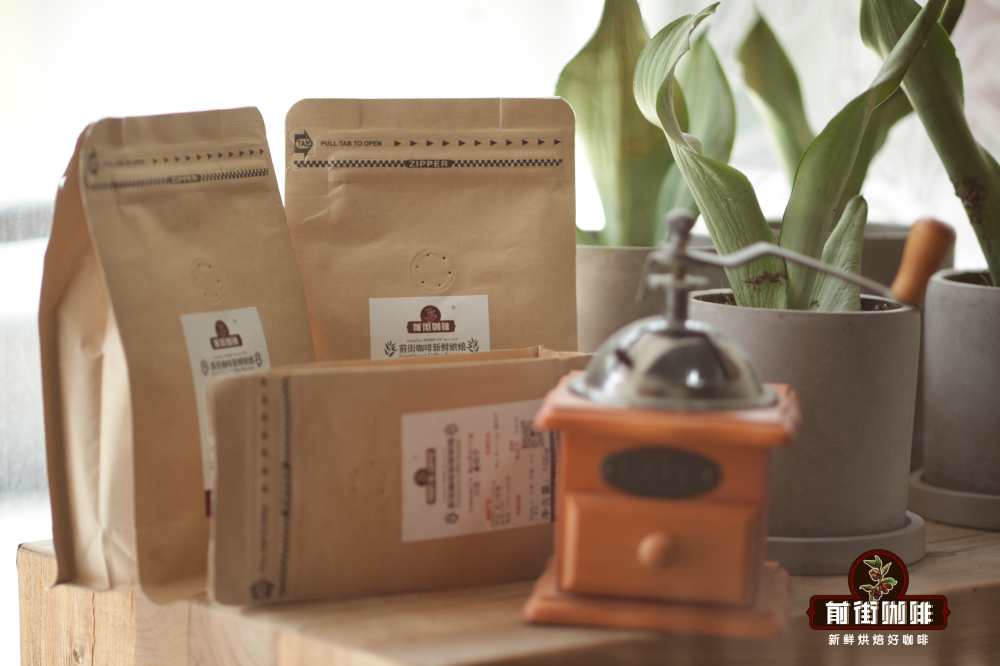
Coffee drinkers are deeply divided over Sumatra Mandheling — some adore it, others avoid it entirely. Its signature spice, herbal flavors, and subtle earthiness are not for everyone, and the method behind that distinctive style is Sumatra's very own Wet Hulling process.
Sumatra: Ideal Coffee Growing Conditions
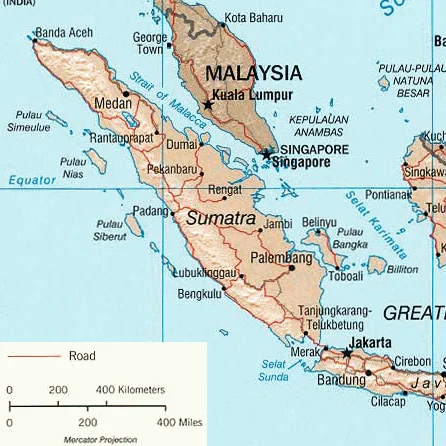
Sumatra is an island in Southeast Asia, part of Indonesia — the country's second-largest island and the world's sixth-largest. Its climate is exceptionally well suited to Arabica coffee, and it supplies high-quality beans to the world.
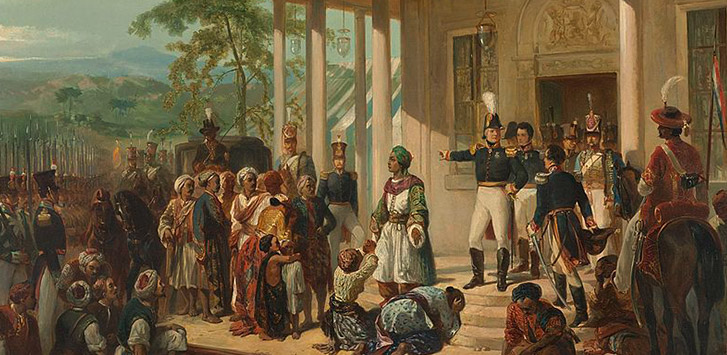
Coffee cultivation in Indonesia dates back to around 1600, when Dutch colonial settlers first planted coffee there. Most of Sumatra's coffee grows near Lake Toba, though production only began to expand significantly after 1884. Soon after, Indonesia became one of the world's largest coffee producers. Since early Indonesian exports shipped from Jakarta on the island of Java, the export packaging was stamped "JAVA" — and thanks to the coffee's excellent quality, Java became a byword for coffee itself.
Sumatra's humid climate, abundant rainfall, and volcanic soils make ideal coffee country. These conditions also stretch the harvest longer than in most origins, spanning May to September.
The Wet Hulling Process
Sumatra's long rainy seasons and brief stretches of sunshine make natural processing impractical, while fully washed processing demands capital and water that local economies could not easily support. The result was a highly distinctive semi-washed method: Wet Hulling (giling basah).
After harvesting, farmers remove the skin and pulp, then let the mucilage-covered parchment beans ferment overnight. The next morning, they wash off the outer mucilage and spread the parchment beans out to dry to a semi-dry, semi-moist state.
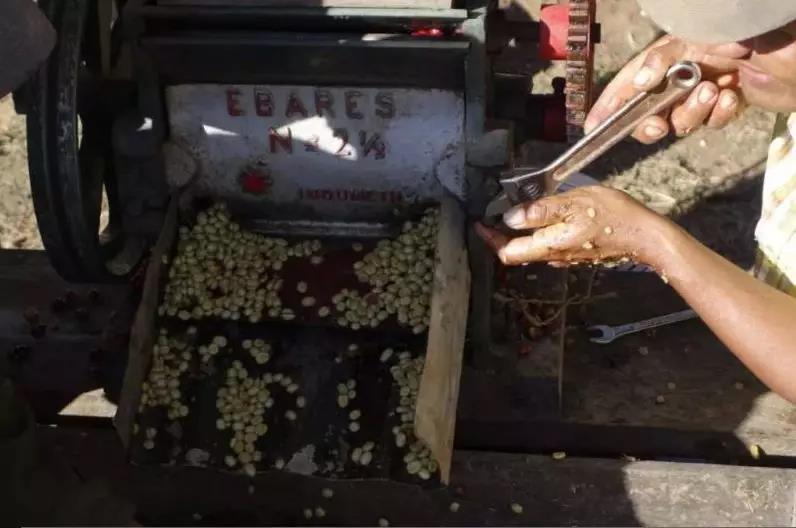
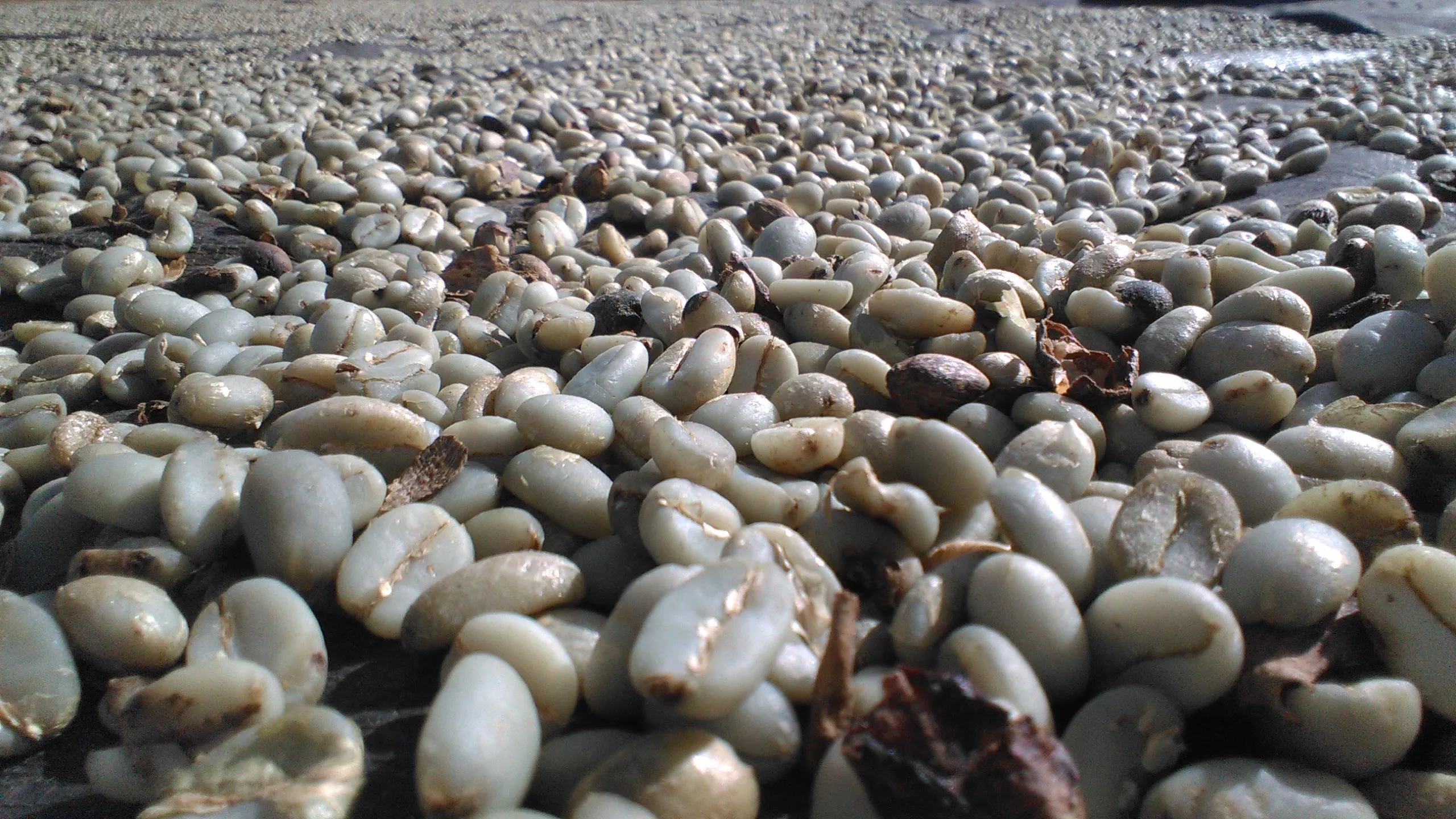
Those still-damp parchment beans are collected and sold to green coffee processors, who hull off the parchment immediately — before the beans finish drying. Once moisture content drops to about 13%, the green beans are bagged for storage and export.
The striking part is hulling while the beans are still half-dry: the green beans end up directly exposed to the air. Parchment is normally a green bean's protective layer, left on until export precisely to keep foreign odors off the beans.
FrontStreet Coffee's Mandheling Selection
FrontStreet Coffee's everyday bean series includes a Mandheling from the Lintong region of Sumatra. Most beans in the series are washed, to show each origin's fundamental character — but Mandheling owes its fame precisely to Wet Hulling, so our Lintong Mandheling is wet hulled as well. The two are inseparable.
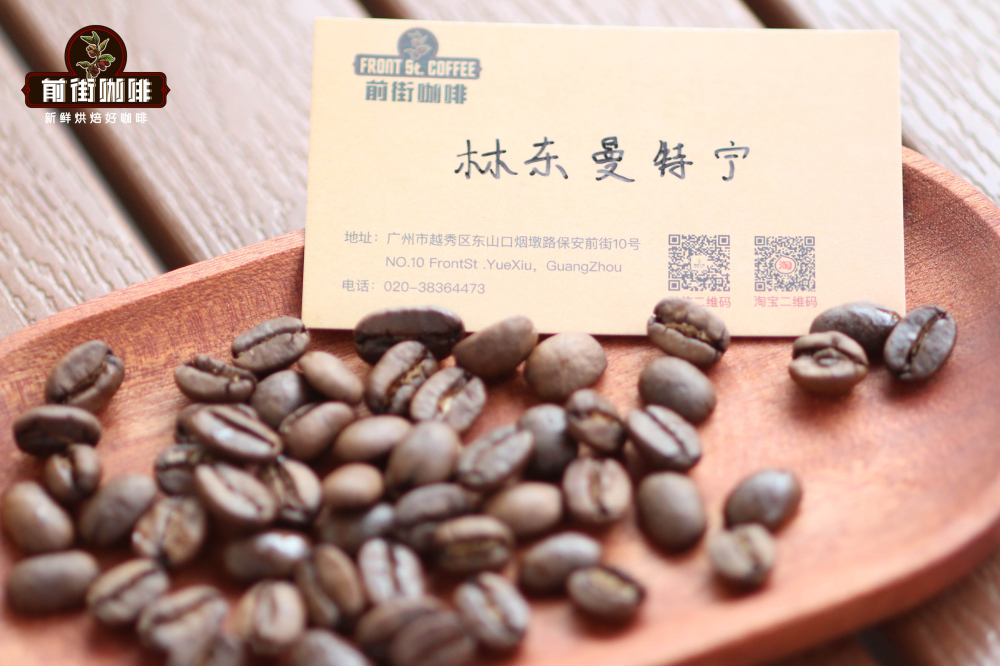
FrontStreet Coffee Indonesia Lintong Mandheling
Region: Lintong region, Sumatra, Indonesia
Altitude: 1,100 meters
Varieties: Typica, Caturra
Processing: Wet Hulling
Our list also features a Golden Mandheling, sourced from Indonesia's PWN company. PWN registered "Golden Mandheling" as a trademark long ago (a Japanese green-bean merchant separately registered "Supreme Golden Mandheling"), so only Golden Mandheling produced by PWN is the genuine article.
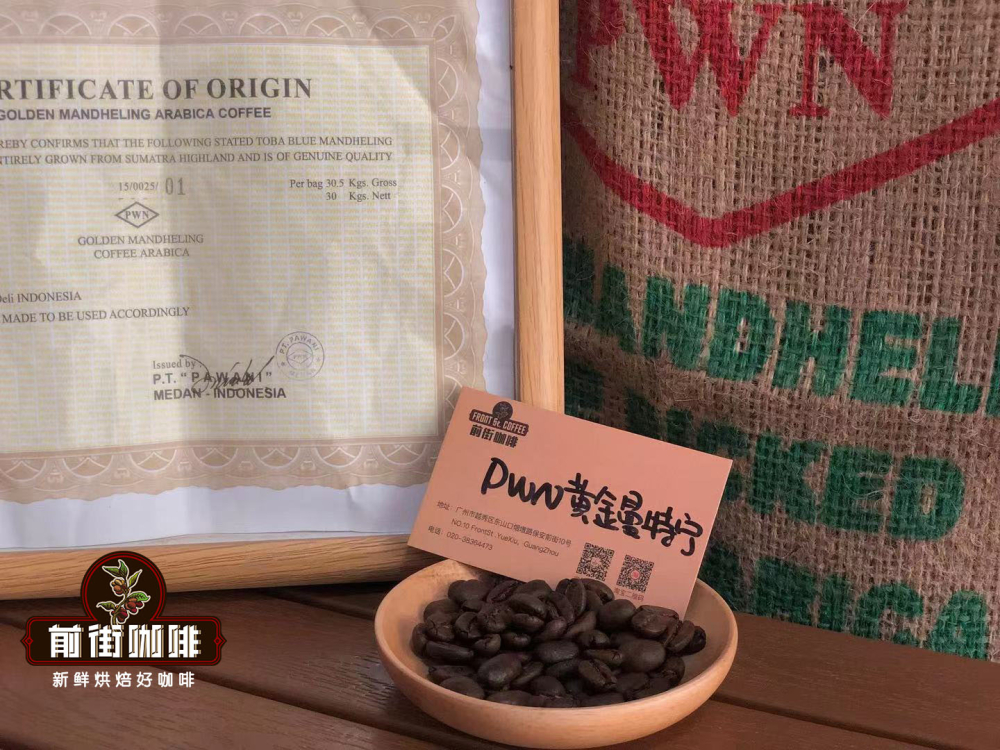
FrontStreet Coffee Indonesia PWN Golden Mandheling
Region: Mount Gayo, Aceh, Sumatra, Indonesia
Altitude: 1,100 – 1,600 meters
Variety: Ateng
Grade: G1, three rounds of hand sorting
Processing: Wet Hulling
PWN applies extremely strict standards to Golden Mandheling: the green beans must be top G1 grade — screened above 18 mesh with fewer than 3 defects per 300g sample — and beyond machine sorting, they are hand-sorted three times to remove every defect, boosting both cleanliness and sweetness.

Because this processing is so labor-intensive, PWN's output is limited, and much of the "Golden Mandheling" on the market isn't theirs at all. If you have doubts about beans you've bought, ask the seller for green coffee sacks printed with the PWN logo and the accompanying certificates to verify it's the real thing.
Brewing Recommendations
Our roasters give both Mandhelings a medium-dark roast to bring out the variety's characteristic richness. For brewing, FrontStreet Coffee recommends 88°C water, a KONO dripper, and a relatively coarse grind.
Dripper: KONO
Water Temperature: 88°C
Dose: 15 grams
Ratio: 1:15
Grind: 70% pass-through on a #20 standard sieve
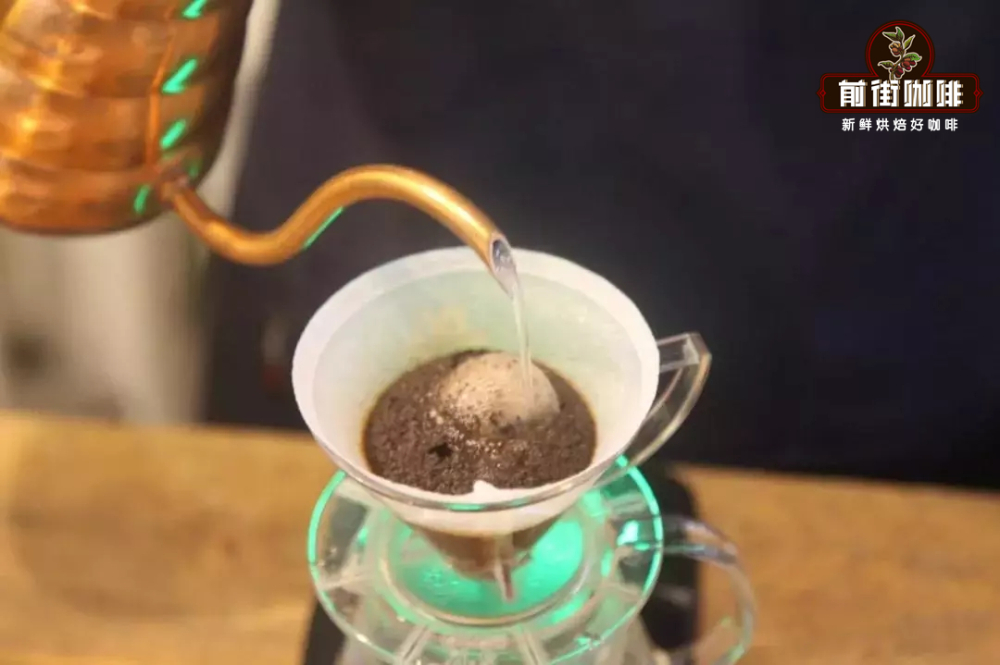
Pour 30g of water first to saturate the grounds fully, blooming for 30 seconds. Then pour a small stream from the center, spiraling slowly out to 125g. Just as the coffee bed emerges, continue gentle circular pours to 225g. Once everything has dripped into the server, remove the dripper. Total extraction time is about 2 minutes.
Tasting Notes
[Lintong Mandheling] Clear herbal notes on entry, a sweet melon aroma as the cup cools, a dark chocolate finish, and caramel sweetness.
[Golden Mandheling] Rich nuttiness, with understated woody, spice, and herbal notes emerging as it cools; a chocolate finish, caramel sweetness, and a clean yet full mouthfeel.
FrontStreet Coffee Recommendation
If wet hulling's wild character intrigues you, we recommend starting at the top with FrontStreet Coffee's PWN Golden Mandheling. PWN buys only high-quality Mandheling green coffee, and with machine sorting plus multiple rounds of hand selection, every lot is specialty grade — uniform, plump, translucent beans with a very low defect rate. Roasted medium-dark, it carries rich roasted aromatics and brews into a black coffee of remarkable cleanliness and full body, with caramel sweetness and chocolate and nut flavors — an excellent choice for anyone who dislikes acidic coffee. Our Lintong Mandheling, from the traditional Lake Toba region, is the pick for lovers of the classic profile: intense, aromatic, and layered with clove, woody spice, and mint-like notes over a deep, persistent sweetness.
Either bean shines as a pour-over with the recipe above — 88°C water, 15g of coffee, a 1:15 ratio, a coarse granulated-sugar grind, and three-stage pouring to bring out the full body and caramel sweetness. If you'd rather run Mandheling through an espresso machine, try FrontStreet Coffee's classic blend, which adds medium-dark Mandheling to creamy Brazilian nuttiness for standout butter, roasted chestnut, and caramel notes, plus a touch of Robusta for richer crema — equally at home in latte art or a layered Dirty.
Important Notice :
FrontStreet Coffee is a long-established specialty coffee roaster in Guangzhou China, selling freshly roasted beans from its own farm in Yunnan as well as dozens of carefully selected single-origin beans from around the world for both pour-over and espresso. The products deliver consistently excellent quality and great value, with shipping within 24 hours. Guangzhou's FrontStreet Coffee shop is recommended by many coffee lovers, and the beans are now available online at the Tmall 。
FrontStreet Coffee has moved to a new address:
FrontStreet Coffee Address: 315,Donghua East Road,GuangZhou
Tel:020 38364473
 Scan and follow the En Gafei WeChat official account. Please indicate that the reprint comes from "En Gafei".