Mandheling Coffee Flavor Profile and Characteristics

FrontStreet Coffee's Mandheling beans may be the ugliest-looking coffee around, but enthusiasts hold that the less attractive a Sumatran bean looks, the better, richer and smoother it will taste. FrontStreet Coffee's Mandheling was once considered the most full-bodied coffee in the world. Tasting it, you feel a distinct smoothness on the tongue together with the most viscous spice and woody flavours, which makes the rich, full body easy to appreciate, and there is a subtle plant aroma underneath.
Next, FrontStreet Coffee will share some information about Mandheling coffee with fellow enthusiasts.

Indonesian Mandheling Coffee Growing Regions
Mandheling is produced primarily on Sumatra, Indonesia's largest island, which sits near the equator. The climate is a typical tropical rainforest one, hot, humid and abundant in rain, ideal for growing high-quality Arabica.

Indonesia's growing regions have limited altitude, though, which constrains the space available for high-quality Arabica: Arabica needs high altitude to reach its best flavour. Only 25% of the beans Indonesia produces are Arabica; the other 75% are Robusta, which grows at lower altitudes. Sumatra has the highest ground in Indonesia.
Origin of Indonesian Mandheling Coffee Bean Name
Seasoned enthusiasts know that most coffee is named after its estate or region, such as the Costa Rica Monster Estate beans recently stocked at FrontStreet Coffee, or Ethiopian Yirgacheffe. The name Mandheling, however, has an interesting story behind it.

As FrontStreet Coffee understands it, the story began when Japanese soldiers who had been stationed in Indonesia returned home but could not forget the local coffee. Through trading connections they asked locals to collect high-quality beans for them, including this Mandheling type. The Japanese loved the coffee and asked for its name. The locals misunderstood and thought they were being asked about their ethnicity, and answered "Mandailing." The Japanese pronounced Mandailing as "Mandehling." Through that double misunderstanding, Mandheling accidentally became the name of the coffee.
Indonesian Mandheling Coffee Processing Method
As mentioned above, Indonesian Mandheling is loved for its unique flavours thanks to Indonesia's distinctive processing method, wet hulling. It is precisely this method that gives Mandheling its characteristic earthy, herbal and spicy notes.
It is worth noting that during wet hulling, when semi-hard, semi-soft moist green beans are hulled to remove the mucilage and parchment, they are easily crushed and split open like goat hooves, commonly known as goat hoof beans. FrontStreet Coffee considers this a distinctive feature of Mandheling rather than a defect.

Origin of Indonesian Wet Hulling Method
According to FrontStreet Coffee's research, Indonesia uses wet hulling because the local weather is predominantly rainy with frequent typhoons, so the good weather that sun-drying requires cannot be relied on. The local economy was also not prosperous enough to afford the more expensive washed method. The result was the uniquely local wet hulling technique.
Indonesian coffee has of course moved beyond its former poverty, and many estates and companies can now use washed processing. Wet hulling has nonetheless not been abandoned. FrontStreet Coffee believes it was a key factor in Mandheling's global recognition: mention Mandheling and wet hulling comes to mind, which shows how well the two complement each other.
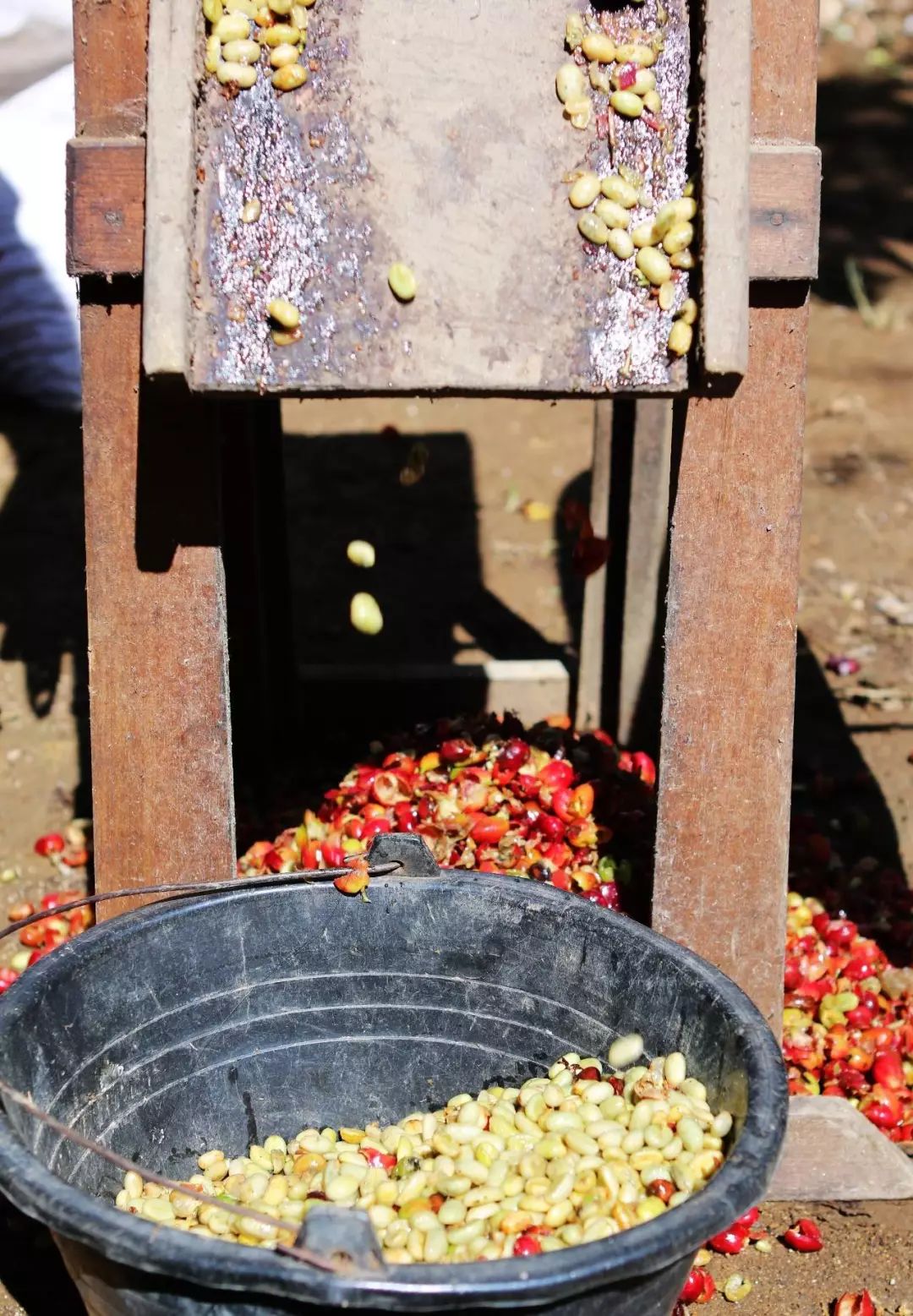
The specific steps of wet hulling fall into two stages:
Stage 1: Use a wooden pulper to remove the skin and pulp, ferment for 3 hours, then dry until moisture content reaches 30-50%, that is semi-dry and semi-wet.
Stage 2: Remove the mucilage and parchment, then continue with final drying. Drying takes 2-4 days until moisture reaches 12-13%.
Beyond regular wet hulling there is also aged wet hulling. The beans are first processed by regular wet hulling and then stored in warehouses for 2-3 years. The warehouse must be cool and ventilated, with regular turning to prevent mould and spoilage. Over that time the coffee's acidity gradually diminishes and converts to sugars, and the colour deepens to yellowish-brown or dark brown. FrontStreet Coffee's Mandheling processed this way is called Aged Mandheling.
Indonesian Mandheling Coffee Bean Grading
Anyone who has visited FrontStreet Coffee knows that Indonesian Mandheling beans are particularly large and full, so grading is based primarily on defect count with size grading as a supplement. As FrontStreet Coffee understands it, Indonesia's requirements for general-quality beans are: no live insects, no mouldy or rotten beans, a maximum moisture content of 12.5% and an impurity rate below 0.5%.
The following are Indonesia's Mandheling grading standards by defects, based on 300 g:
G1 Grade 1: Total defects less than 11
G2 Grade 2: Total defects greater than 12, less than 25
G3 Grade 3: Total defects greater than 26, less than 44
G4a Grade 4a: Total defects greater than 45, less than 60
G4b Grade 4b: Total defects greater than 61, less than 80
G5 Grade 5: Total defects greater than 81, less than 150
G6 Grade 6: Total defects greater than 151, less than 225

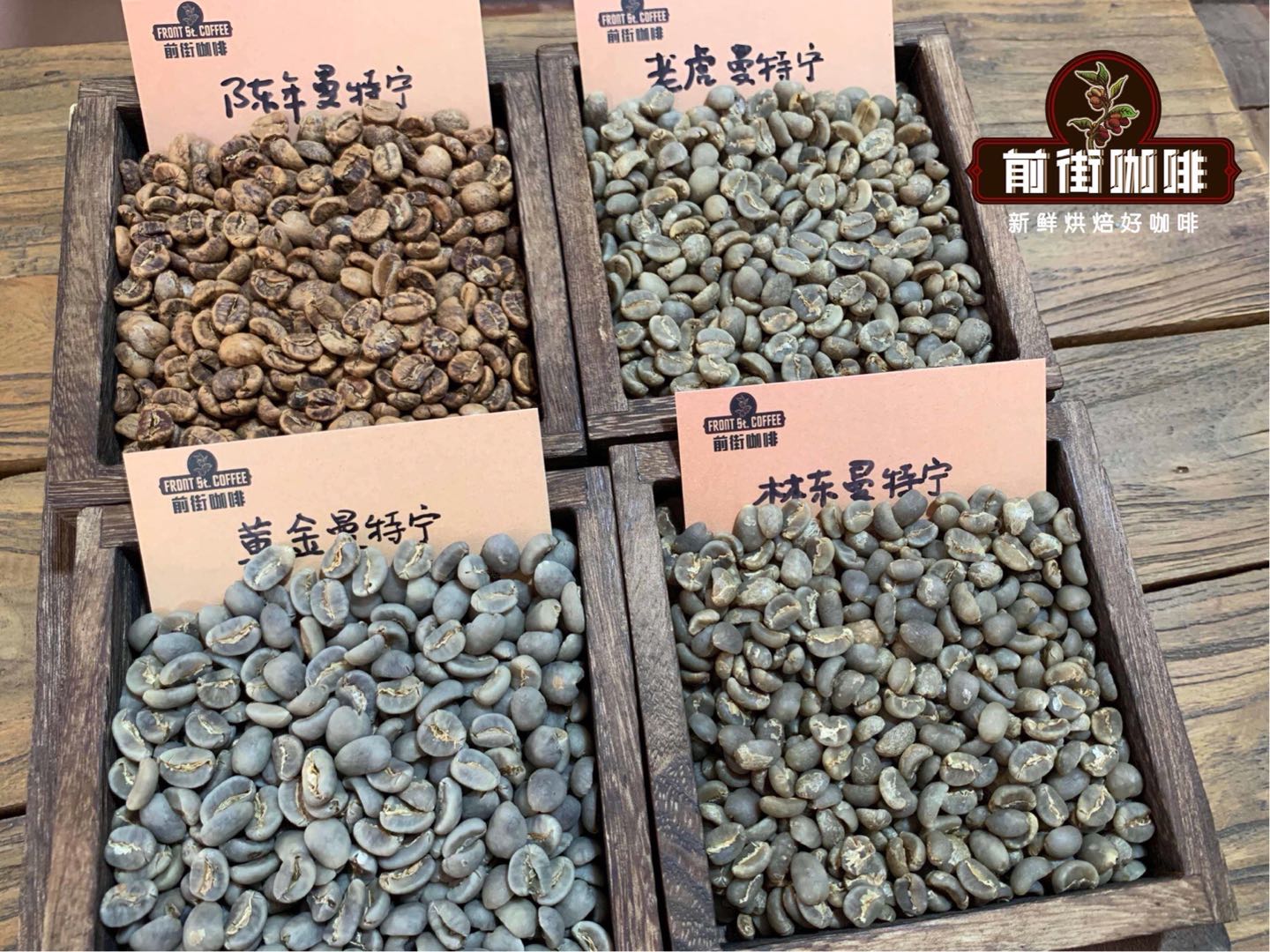
FrontStreet Coffee's Indonesian Gold Mandheling is Grade G1, which is extremely rare and was originally custom-made for Japanese trading companies. G1 allows no more than 11 defects per 300 g, and PWN's own standard goes further, holding a 300 g sample to fewer than 3 defects.
The above covers background on Indonesian Mandheling growing regions. Next, FrontStreet Coffee will share the Indonesian Mandheling varieties currently available at FrontStreet Coffee and their flavour characteristics.
FrontStreet Coffee PWN Gold Mandheling Coffee Beans

Country: Indonesia
Region: Sumatra, Aceh, Gayo Mountain
Altitude: 1100-1600m
Variety: Ateng
Processing: Wet Hulling
Flavor: Toast, nuts, pine, caramel, herbal
FrontStreet Coffee's Gold Mandheling is PWN's latest release in recent months. Unlike the previous PWN Gold Mandheling, this batch comes from Gayo Mountain in Sumatra's Aceh region, while the earlier one came from Lake Toba in Sumatra. Having cupped and brewed this newest Gold Mandheling, FrontStreet Coffee finds it has more toast flavour than the previous one, which makes it taste fuller-bodied.
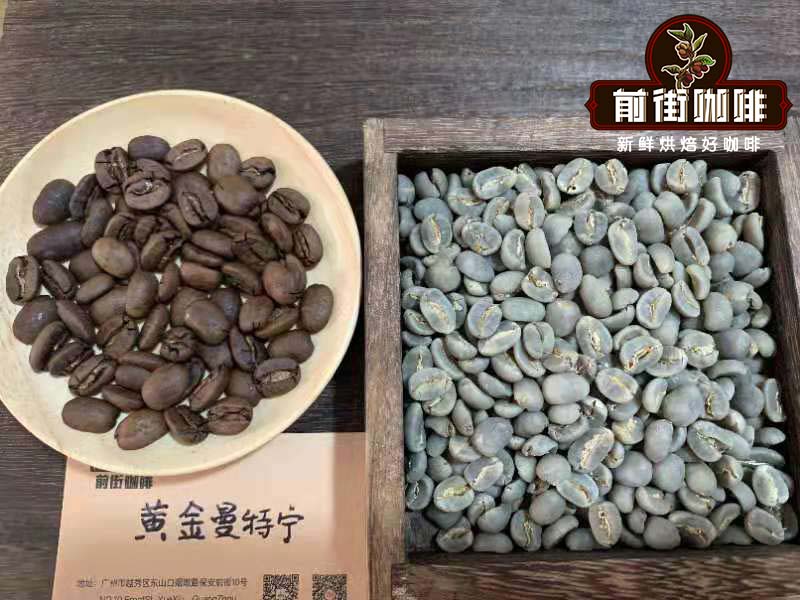
PWN Gold Mandheling also meets a specification of 18 screen size or larger, with fewer than 3 defective beans in a 300 g green bean sample, belonging to the highest Grade G1. The beans are dark green with a uniform, flat shape. After strict selection, FrontStreet Coffee found that the Gold Mandheling not only lacks the characteristic earthy impurities of regular Mandheling but also tastes cleaner and brighter.
FrontStreet Coffee Indonesian Lintong Mandheling Coffee Beans
Country: Indonesia
Region: Sumatra (Lintong)
Altitude: 1100-1600m
Variety: Typica, Caturra
Processing: Wet Hulling
Flavor: Toast, nuts, caramel, pine, herbs
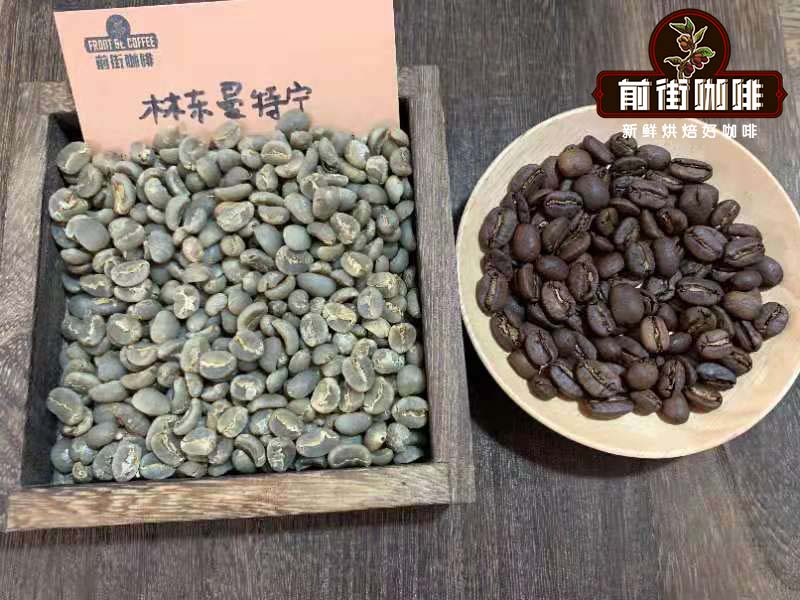
Lintong Mandheling comes from the Lintong highlands of north-central Sumatra, near Lake Toba, and FrontStreet Coffee's entry-level Indonesian Mandheling comes from this region. Lintong Mandheling also uses the unique wet hulling method, which creates its characteristic low acidity and high body.
FrontStreet Coffee Indonesian Tiger Mandheling Coffee Beans
Country: Indonesia
Region: Sumatra
Altitude: 1500m
Variety: Caturra, Typica, Sidikalong
Processing: Wet Hulling
Flavor: Cream, dark chocolate, nuts, balanced flavor
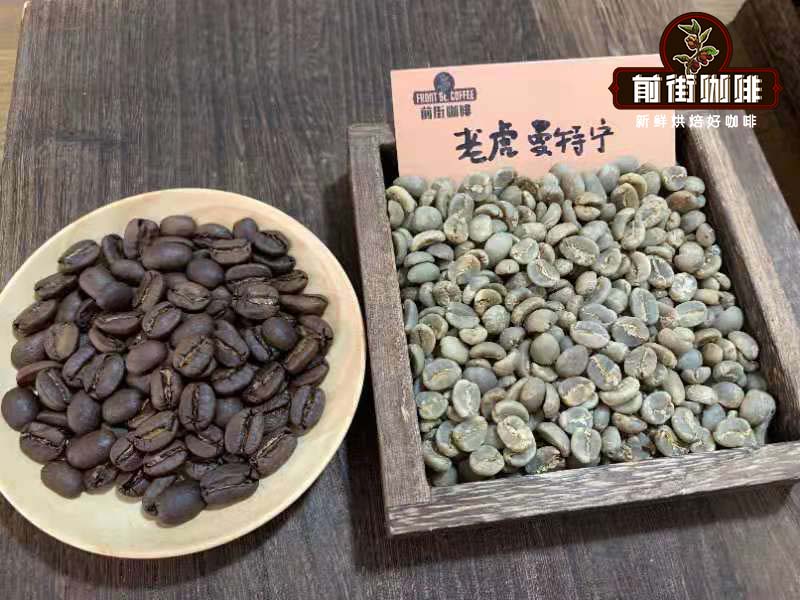
Only Mandheling beans of 17 screen size or larger with a defect rate below 4% can be called Tiger Mandheling. Because its main varieties are Caturra and Typica, the Caturra brings citrus and lemon acidity while the Typica provides a persistent sweet aftertaste, which makes Tiger Mandheling taste more balanced and clean.
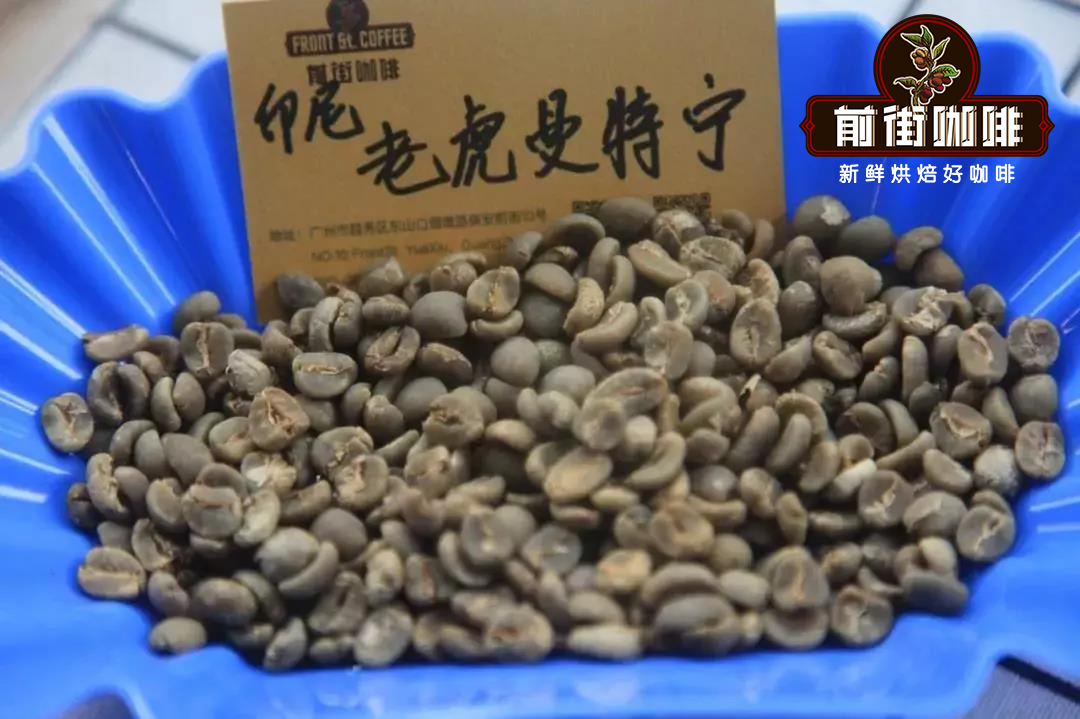
FrontStreet Coffee's selected Tiger Mandheling comes from the Tiger Estate in Sumatra, hence the alternative names "Mandheling Tiger" and "Sumatran Tiger Mandheling." Northern Sumatra is relatively high, and Aceh Province, where Lake Tawa lies, and North Sumatra, where Lake Toba sits, are the main Arabica growing areas. Tiger Mandheling must show a traditional medicinal-herb aroma, and only beans of 17 screen size or larger with a defect rate below 4% qualify.
FrontStreet Coffee Indonesian Aged Mandheling Coffee Beans
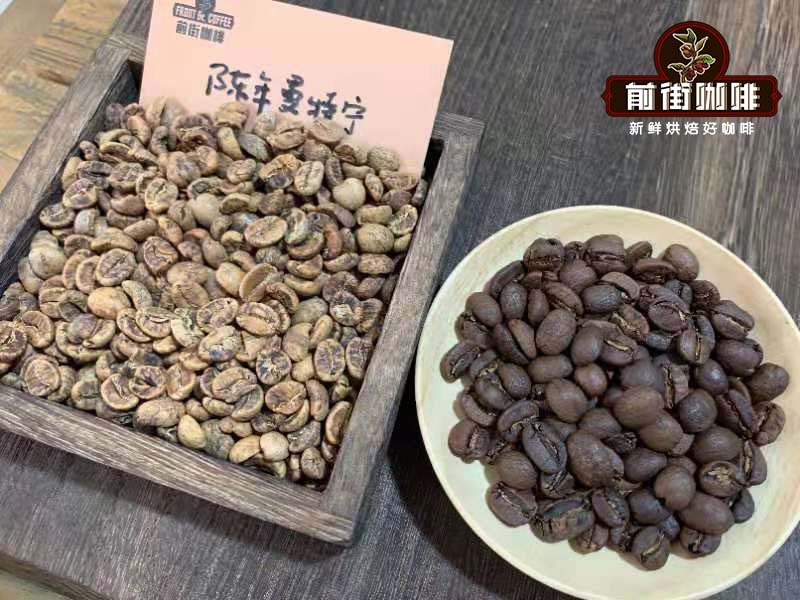
Country: Indonesia
Region: Sumatra
Altitude: 1500m
Variety: Caturra, Catuai
Processing: Wet Hulling
Flavor: Ripe pu-erh tea, caramel, herbs, chocolate, low acidity
Aged Mandheling means Mandheling beans that have undergone ageing, with the green beans maturing naturally through extended storage, typically 2-3 years. The process reduces acidity and changes the colour of the green bean.
Aged Mandheling must also be stored cool and ventilated to prevent mould and moisture. Because of the dim storage environment and the long time involved, poorly handled aged coffee often cannot escape complex flavours reminiscent of mould, or what is commonly called burlap and leather.

Those are the representative wet-hulled Mandheling beans from FrontStreet Coffee. FrontStreet Coffee also offers an Indonesian natural-process Mandheling, which we will not detail here. Next, FrontStreet Coffee will share cupping comparisons among the four Indonesian Mandheling varieties.
Because FrontStreet Coffee's Mandheling beans lack acidity, they are usually brewed directly as black coffee. Taking FrontStreet Coffee's Mandheling as an example, pour-over is used to extract a black coffee of moderate concentration.
Kono dripper, 1:15 coffee-to-water ratio, 15 g of grounds, 88°C water, grind size at 70-75% pass-through on a No. 20 standard sieve
Brewing Method

Segmented extraction: use 30 g of water for a 30-second bloom, then pour in small circles to 125 g to break the pour. When the water level falls and is about to expose the coffee bed, continue to 225 g and stop. When the bed is about to be exposed again, remove the dripper. Timing starts at the bloom. A V60 dripper takes 2:00, while a Kono takes slightly longer at 2:10.
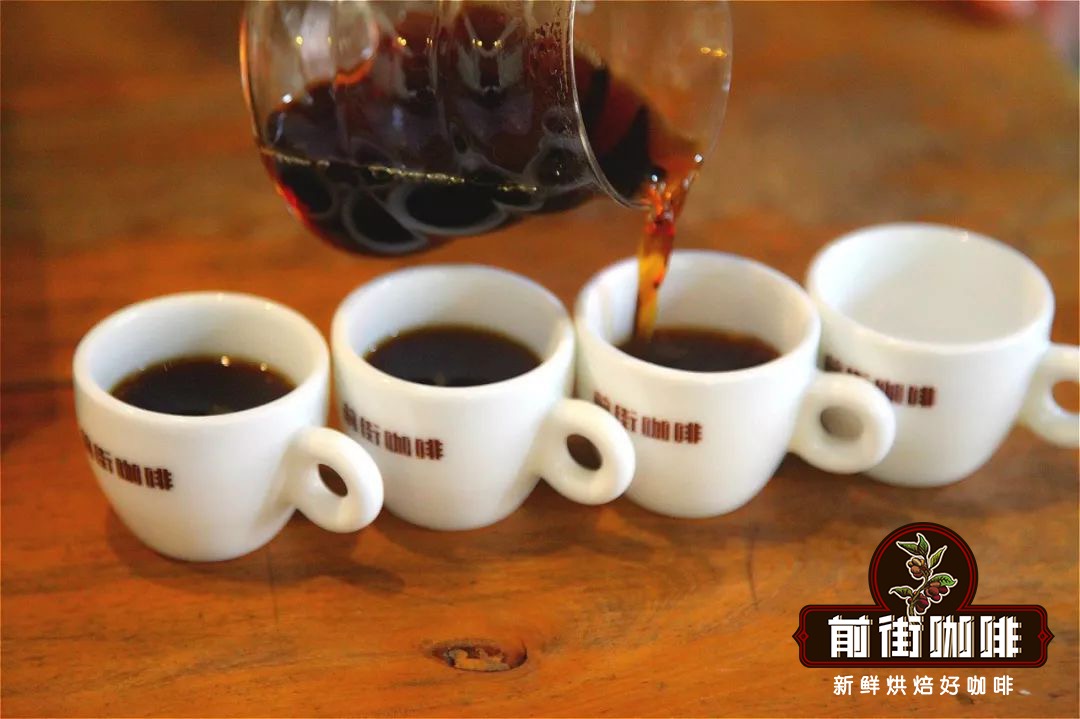
Gold Mandheling: Multi-layered, full-bodied and clean, high balance, rich nut and caramel aroma with chocolate notes and a persistent aftertaste.
Lintong Mandheling: Herbal and medicinal notes on entry, dark chocolate, caramel and a sweet aftertaste.
Tiger Mandheling: Pine and spice aroma, relatively balanced flavour with distinct cream, dark chocolate and nut notes.
Aged Mandheling: Woody, malt and caramel aromas greet you immediately. The mouthfeel is less wild than traditional Mandheling, with more fullness and delicacy, giving a mature and steady impression. Low acidity, with ripe pu-erh tea, caramel, herbs and chocolate on entry and exceptional sweetness.
FrontStreet Coffee Recommendation
FrontStreet Coffee's PWN Gold Mandheling is the benchmark of the wet-hulled style. PWN sets strict green bean standards and removes defects with one machine selection and three hand selections, so the beans are even, plump, large and translucent with a low defect rate. Freshly roasted, it shows sandalwood, herbs, spice, toasted hazelnut, caramel and dark chocolate with a clean finish, a mellow full body and a very layered cup that suits both daily drinking and gifting.
For an everyday Mandheling, FrontStreet Coffee's Lintong Mandheling comes from the Lintong highlands near Lake Toba and is the regular version of Sumatran Mandheling. The wet hulling gives it low acidity and high body, with caramel, dark chocolate and toasted-bread aroma, a strong entry and a long sweet finish, with clove and woody notes. Anyone who likes strong coffee will find it easy to drink.
Both are best as pour-over. FrontStreet Coffee suggests water at 87-88°C, 15 g of coffee, a 1:15 ratio and a coarse-sugar grind, poured in three stages: 30 ml to wet the grounds and let them degas, 100 ml to bring out the golden foam and lift the bed, then a gentle 95 ml down the centre to lift the sweetness and round out the body with caramel, chocolate and nut flavours.
Important Notice :
FrontStreet Coffee is a long-established specialty coffee roaster in Guangzhou China, selling freshly roasted beans from its own farm in Yunnan as well as dozens of carefully selected single-origin beans from around the world for both pour-over and espresso. The products deliver consistently excellent quality and great value, with shipping within 24 hours. Guangzhou's FrontStreet Coffee shop is recommended by many coffee lovers, and the beans are now available online at the Tmall 。
FrontStreet Coffee has moved to a new address:
FrontStreet Coffee Address: 315,Donghua East Road,GuangZhou
Tel:020 38364473
 Scan and follow the En Gafei WeChat official account. Please indicate that the reprint comes from "En Gafei".