Lindong Mandheling Coffee: Origin, Flavor Profile and Taste Characteristics - Features of Indonesia Sumatra Golden Mandheling
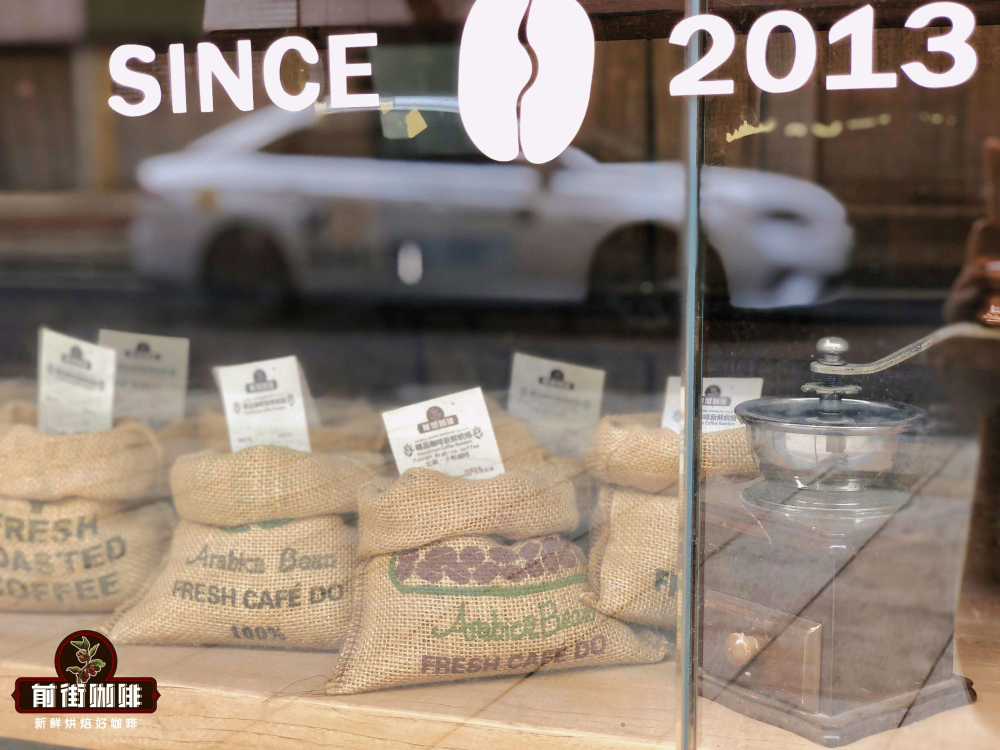
On FrontStreet Coffee's menu of nearly fifty coffee bean varieties, you will find beans with intense fruit acidity as well as those with rich, mellow flavors. Among them, Indonesian Mandheling coffee beans hold a unique position as representatives of rich, full-bodied coffee.
The Divisive Charm of Mandheling Coffee
Mandheling coffee is characterized by its viscous, full-bodied texture and low, mellow notes of herbal plants. Many coffee enthusiasts hold polarized opinions about this bean — those who love it cannot get enough of Mandheling, while those who do not tend to avoid it entirely.
The Historical Origins of Indonesian Coffee
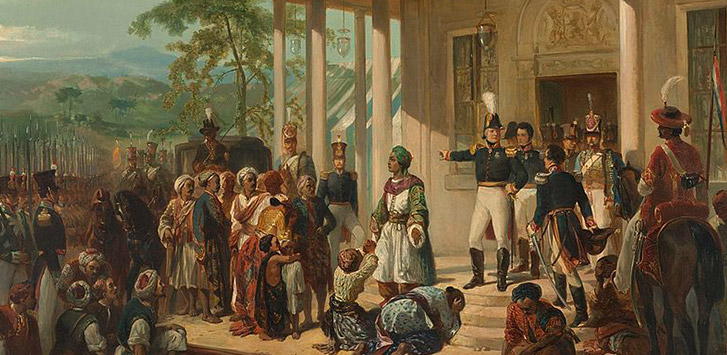
As the well-known "hot fact" goes, coffee originated in Ethiopia. The beginning of coffee cultivation in the island region of Southeast Asia was also initiated by the arrival of Europeans.
As European coffee consumption grew larger and larger, the Dutch bought coffee beans from the port of Mocha and sold them at high prices to various European countries. At the same time, the Dutch planned to cultivate coffee in their colonies for higher profits. In the late 17th and early 18th centuries, the Dutch introduced coffee to the West Java region of Indonesia for cultivation. By 1726, the Dutch controlled approximately 50% to 75% of the global coffee bean trade.
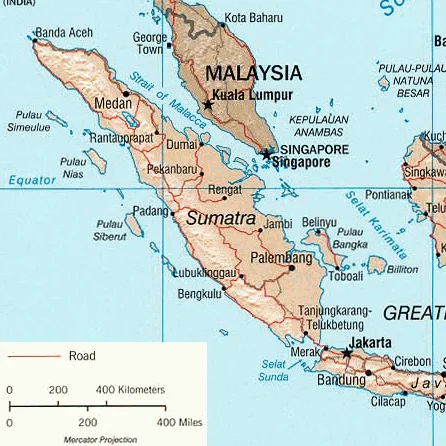
Because Indonesia consists of thousands of islands, not all coffee from the country tastes the same. Besides Java, the beans produced on Indonesia's Sumatra have gained global recognition as Mandheling coffee for their heavy body, low acidity and earthy, spicy, herbal aromas.
The Unique Wet-Hulling Processing Method
The uniqueness of Mandheling coffee flavor comes from the distinctive local post-harvest processing method. Due to year-round rainfall and high air humidity in Sumatra, natural drying would risk contamination by rainwater or even over-fermentation and spoilage, so the conditions for natural processing are not met.
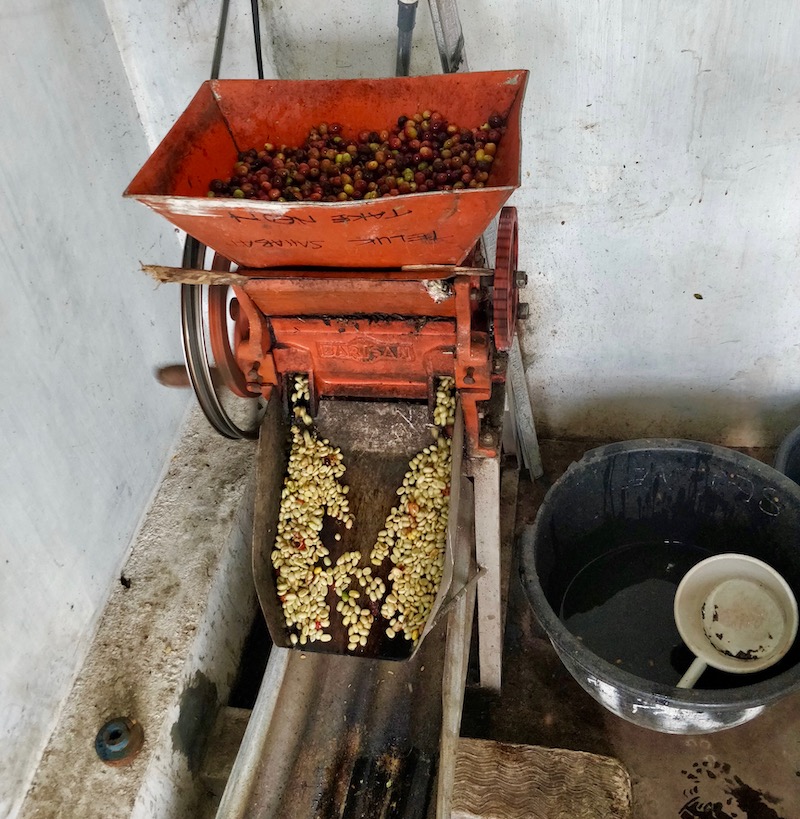
Washed processing also requires sufficient water and adequate funding, but local economic conditions are limited and cannot fully meet the requirements of a complete wash. The uniquely Sumatran wet-hulling method therefore emerged, featuring short drying times and less water use.
After the skin and pulp are removed from the cherries, the parchment beans with their sticky mucilage are briefly washed and then placed in water tanks for short-term fermentation. The longer the fermentation, the more pronounced the acidity. Some processing plants or estates skip fermentation entirely and spread the parchment beans out evenly to dry, which both inhibits acidity and enhances the viscosity of the body.
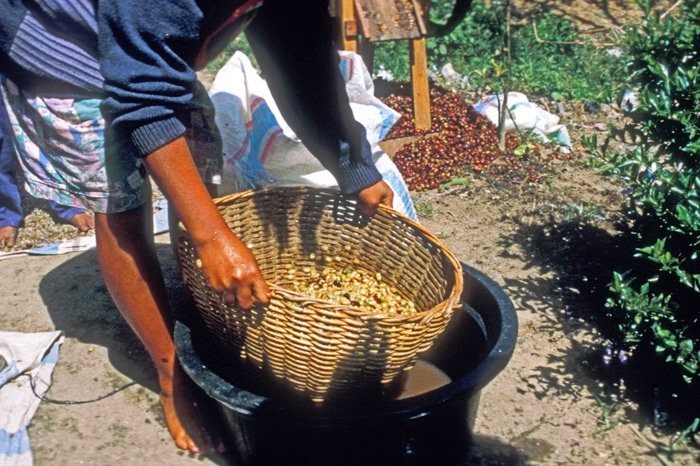
When the parchment beans reach a semi-dry, semi-wet state, a hulling machine is used to expose the green coffee beans directly for drying. In many processing methods the parchment layer is removed only when the coffee beans are about to be exported; the parchment serves as a protective layer for green coffee beans to some extent, shielding them from external damage.
Sumatra's climate, however, is too humid and coffee drying takes longer, and maintaining high humidity for extended periods invites bacterial contamination and spoilage. Removing the parchment layer lets sunlight reach the surface of the green coffee beans directly so they dry quickly.
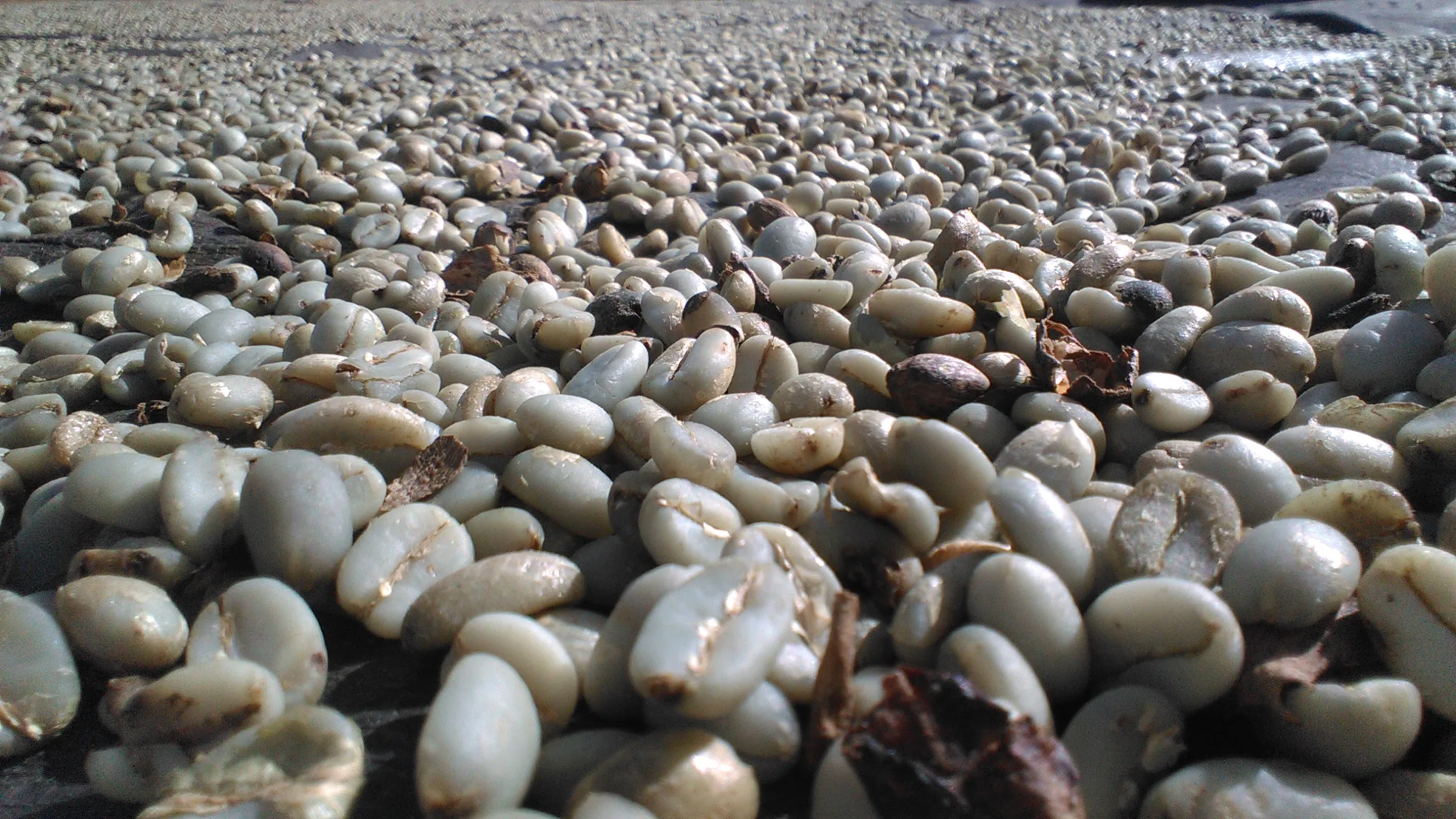
During the removal of the parchment layer, significant friction is generated between the beans and between the beans and the machine. The excessive heat can cause coffee to age rapidly, producing the special woody and earthy flavors found in Sumatran coffee.
Gold Mandheling vs. Lintong Mandheling
Among the many Mandheling coffees you often hear two terms: "Gold Mandheling" and "Lintong Mandheling." FrontStreet Coffee's bean selection includes both.
Many people have heard that the traditional Mandheling producing region should be near Lake Toba in the Lintong area. In fact, production in the Aceh region of North Sumatra far exceeds that of Lintong. Even so, this does not change the fact that Mandheling beans from both regions fully express the flavors of Sumatran coffee.
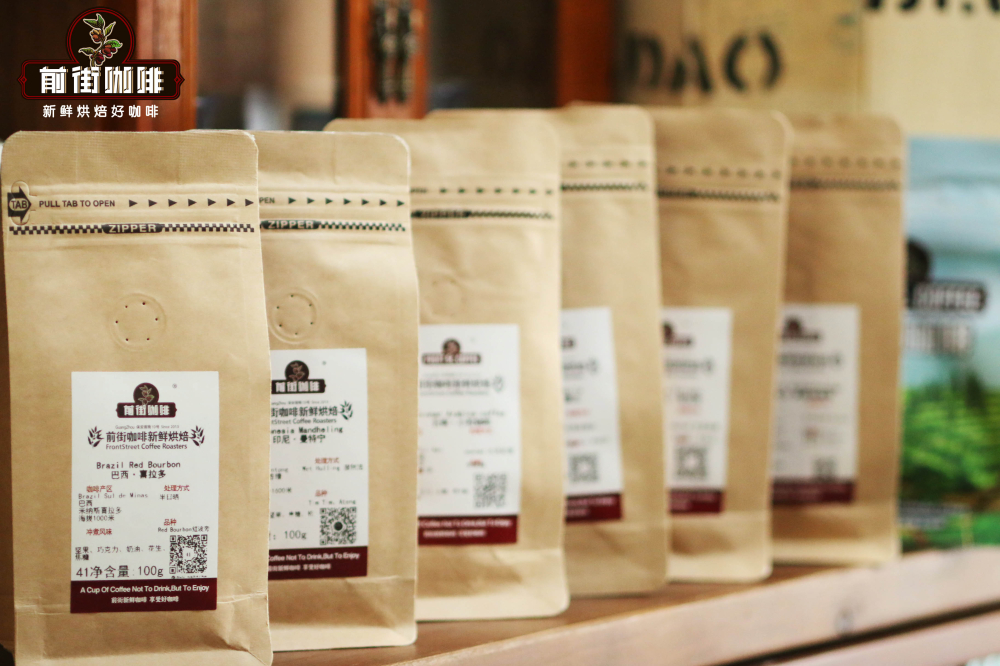
FrontStreet Coffee's Mandheling Selection
FrontStreet Coffee's daily bean series spans multiple major coffee-producing countries: Ethiopia, Guatemala, Colombia, Costa Rica, Indonesia, China and Honduras. The daily bean series predominantly uses washed processing, which — without the flavor enhancement of skin, pulp and mucilage — reveals the most basic flavors of the producing region. The Mandheling beans in FrontStreet Coffee's daily bean series, as representative works of Indonesia's Sumatra, use the wet-hulling method, letting coffee beginners experience traditional Sumatran flavors at an affordable price.
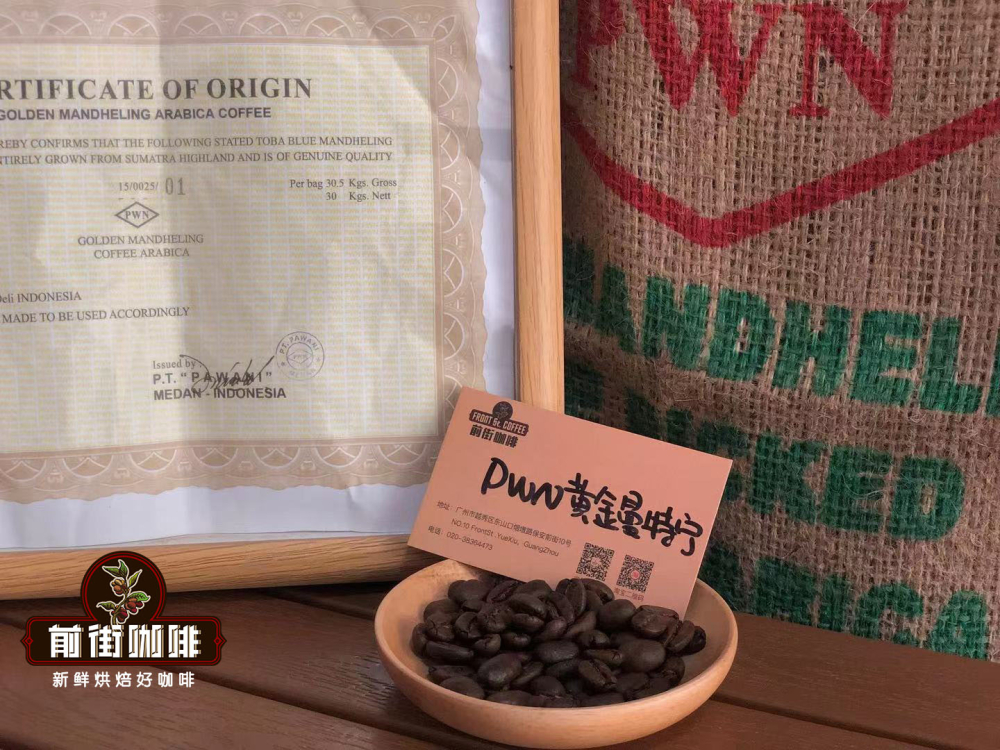
Another frequently mentioned Mandheling is called "Gold Mandheling," where "Gold" reflects the high quality of the bean. FrontStreet Coffee sources Gold Mandheling from PWN company. When producing Gold Mandheling, PWN adopts extremely strict standards: green coffee beans must be size 18 or larger, with fewer than 3 defective beans per 300-gram sample. On top of meeting G1 grade standards, the beans undergo three rounds of manual selection to ensure defective beans are completely removed, maximizing flavor clarity and sweetness.
Roasting and Brewing Recommendations
According to FrontStreet Coffee's understanding, some lightly roasted Mandheling coffees on the market display juice-like acidity and sweetness. Traditional Mandheling flavor, however, has a full body thanks to deep roasting. To present traditional Mandheling flavors, FrontStreet Coffee uses a medium-dark roast level when roasting Mandheling.
FrontStreet Coffee's baristas use the following parameters when brewing medium-dark roasted beans to present a full body while avoiding bitterness from over-extraction:
Filter: KONO
Water Temperature: 88°C
Coffee Dose: 15g
Coffee-to-Water Ratio: 1:15
Grind Size: 70% pass-through rate on a Chinese standard No. 20 sieve
When coffee beans are freshly roasted they contain abundant carbon dioxide, making it difficult to extract optimal flavors stably. FrontStreet Coffee ships beans roasted within 5 days, which have already had a 4-7 day degassing period by the time they arrive. FrontStreet Coffee still suggests a blooming step during brewing to help the coffee powder release its carbon dioxide.
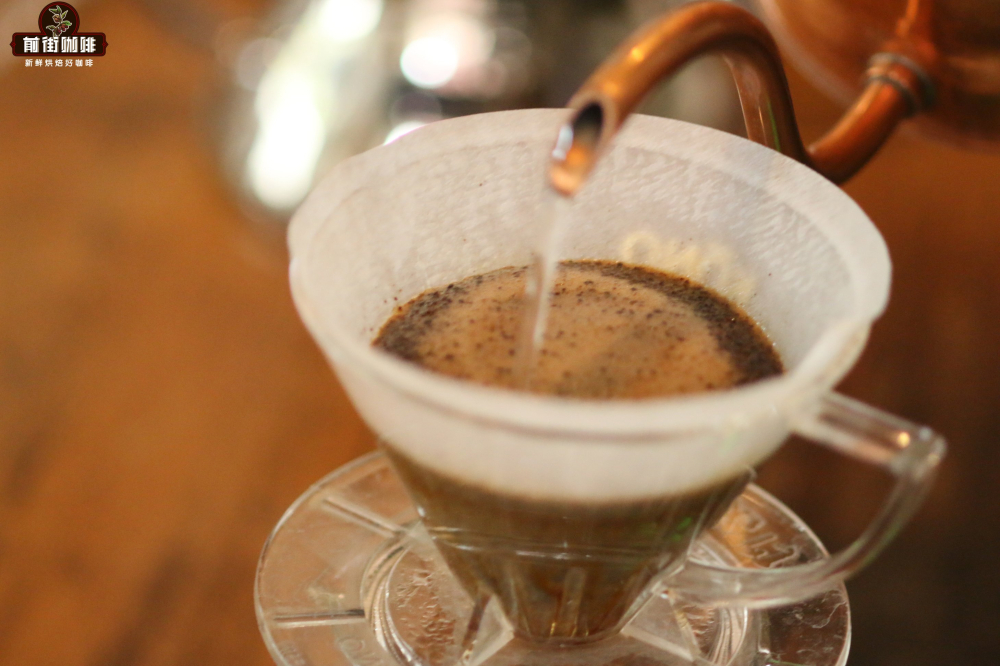
First, pour 30g of hot water for the bloom. Then pour from the center with a fine water stream, slowly circling to 125g. When the water level in the filter drops to just above the coffee bed, continue circling and pouring to 225g. Total extraction time is approximately 2 minutes.
For more coffee bean information, please follow Coffee Workshop (WeChat official account: cafe_style)
For professional coffee knowledge exchange, please add WeChat ID: kaixinguoguo0925
FrontStreet Coffee Recommendation
If the wet-hulling process above is what makes Mandheling what it is, the highest expression of it is FrontStreet Coffee's PWN Gold Mandheling. FrontStreet Coffee sources it from PWN in Indonesia, which applies unusually strict standards: green beans must be size 18 or larger and hold fewer than 3 defective beans per 300-gram sample, meeting the top G1 grade, and then undergo three rounds of hand sorting to strip out every remaining defect and lift the cup's clarity and sweetness. That standard is also why supply is limited — Gold Mandheling is in strong demand in Japan and the United States, and the amount of genuine Gold Mandheling imported each year is small. In FrontStreet Coffee's product listing you can see the certificate and the many bags bearing the PWN mark, which is what separates FrontStreet Coffee's PWN Gold Mandheling from other Gold Mandheling on the market. The bean is uniform, plump and translucent with a low defect rate, and after a medium-dark roast it carries rich roasted aroma, a clean cup, a full body and very low acidity — perfect for anyone who dislikes sour coffee.
For an everyday alternative, FrontStreet Coffee's Lintong Mandheling is roasted medium-dark as well, built on dark chocolate and caramel while keeping Mandheling's wild herbal character, which comes from the growing environment and the wet-hulling process itself. That process exists because Sumatra's conditions leave little choice: the region has eight provinces but only the high-altitude Aceh and North Sumatra provinces grow Arabica at scale, and with humidity between 70% and 90%, frequent typhoons and annual rainfall above 2,000 mm, the two-to-three-week drying used in Africa is impossible, while washed processing costs too much water, time and labor for ordinary farmers. Instead, workers strip the parchment husk while the beans are still half dry so the seed is exposed and dries faster — and in doing so picks up airborne microbes that create Mandheling's one-of-a-kind wild flavor. The harvest runs from September through April, when farmers can be seen working the hillsides.
Both Mandheling lots brew best as pour-over, where FrontStreet Coffee suggests 87-88°C water, 15g of coffee with a 1:15 ratio and a coarse-sugar grind, poured in three stages so the full body and caramel sweetness come through. Bloom with 30ml to wet all the grounds and let them degas, pour 100ml in the second stage to push out Mandheling's golden foam and raise the bed, then finish with a gentle 95ml center pour to lift the sweetness and bring out the chocolate and nut notes on top of the thick, caramelly body. If you want Mandheling in milk drinks, FrontStreet Coffee's Classic Blend is the most repurchased option: it builds on the creamy nut character of Brazilian coffee with medium-dark Mandheling for pronounced butter, roast chestnut and caramel, adds sandalwood, herbal and spice notes for depth, and includes a small amount of Robusta to enrich the crema — which makes latte art and layered Dirty-style drinks easy.
Important Notice :
FrontStreet Coffee is a long-established specialty coffee roaster in Guangzhou China, selling freshly roasted beans from its own farm in Yunnan as well as dozens of carefully selected single-origin beans from around the world for both pour-over and espresso. The products deliver consistently excellent quality and great value, with shipping within 24 hours. Guangzhou's FrontStreet Coffee shop is recommended by many coffee lovers, and the beans are now available online at the Tmall 。
FrontStreet Coffee has moved to a new address:
FrontStreet Coffee Address: 315,Donghua East Road,GuangZhou
Tel:020 38364473
 Scan and follow the En Gafei WeChat official account. Please indicate that the reprint comes from "En Gafei".