Tanzania AA Coffee Beans: Hand Pour Experience and Flavor Profile

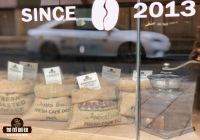
Have you ever visited FrontStreet Coffee's physical store? Have you seen the bean menu?
As you can see, it's densely packed with origins and varieties—about 50 different types if you count carefully, seemingly covering the entire coffee world (with slight exaggeration). Yet even FrontStreet Coffee, famous for its "complete bean collection," has gaps. Here's a hint: Africa. When it comes to African coffee, people naturally think of Ethiopia and Kenya. But look across the continent and there are many excellent coffees worth trying—for example, the Tanzanian coffee FrontStreet Coffee is introducing today.

Kilimanjaro Coffee
Ask coffee lovers about Tanzania and many will think first of Kilimanjaro coffee. Rightly so: it's a distinctive "Kilimanjaro flavor"—rich body, moderate acidity, intense aroma—earning the lovely nickname "the coffee gentleman." A while back, FrontStreet Coffee carried a Kilimanjaro coffee. Here is the green bean information:
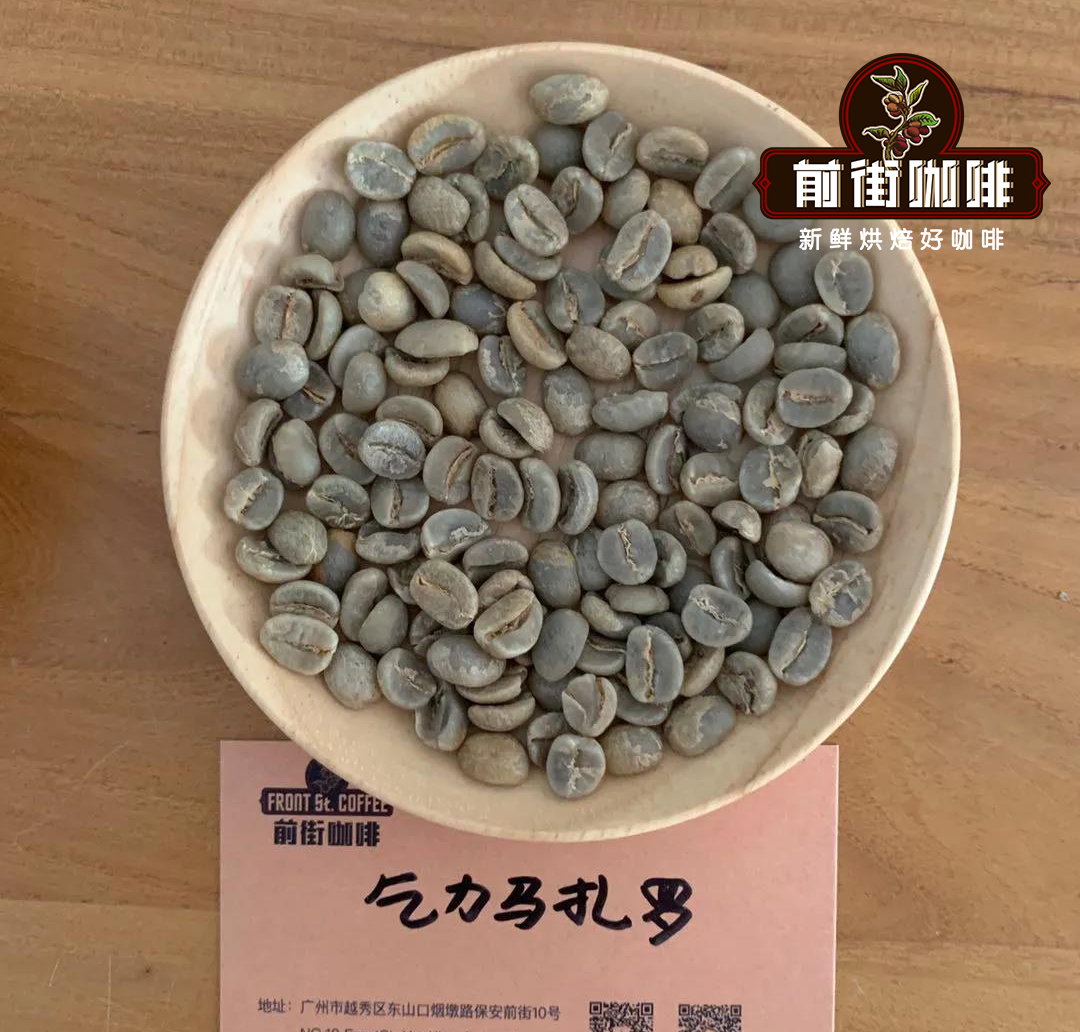
FrontStreet Coffee: Tanzania Kilimanjaro Coffee
Origin: Northern Highlands, Kilimanjaro Volcano Region
Variety: Bourbon
Processing Method: washed
Grade: AA
Altitude: 1,300-2,000 meters
This coffee is a very typical African profile: citrus and berry notes, honey-like sweetness, and a faint tea-like finish. Special in its own way, yet not especially distinctive. When FrontStreet Coffee compares Tanzanian coffee with its neighbor Kenya, the Tanzanian lacks the Kenyan's bright acidity, offering instead a softer, gentler beauty with more sweetness and fragrance. And although a wine-like character is also a hallmark of Tanzanian coffee, against similarly styled beans this one doesn't leave many memorable points—which is why, if you visit FrontStreet Coffee today, you won't find this particular bean on the menu anymore.
Tanzania Coffee Overview
Even so, many regulars still cherish the memory of that Kilimanjaro and want to understand Tanzanian coffee from its roots. Tanzania is a quintessential East African nation, bordered by Kenya and Uganda to the north, Malawi, Mozambique, and Zambia to the south, and Rwanda and Burundi to the west. Though less famous than other African origins, its annual production nearly matches Kenya's at 50,000 tons. The earliest Arabica seeds were introduced from Réunion Island and planted in the Bayamoyo and Mogoro regions.
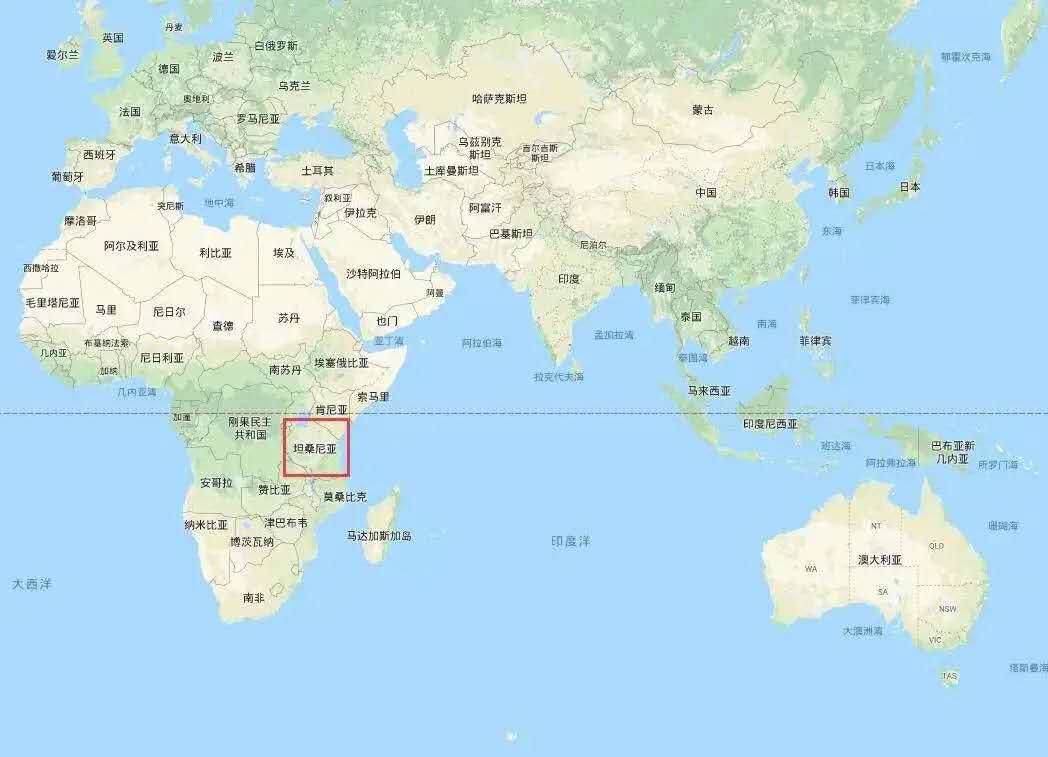
Today, Tanzanian coffee is grown mainly in the Kilimanjaro area and the south:
Southern Coffee Growing Region
The southern region includes Ruvuma and Mbeya, with altitudes of 1,200-2,000 meters, and is considered a zone of real potential for high-quality coffee. Development was long hindered by insufficient funding, but in recent years it has drawn attention from certification bodies and NGOs working to raise the quality of southern coffee, which was previously rated poorly. The southern harvest runs from June to October each year, with main varieties including Bourbon, Typica, and Kent.
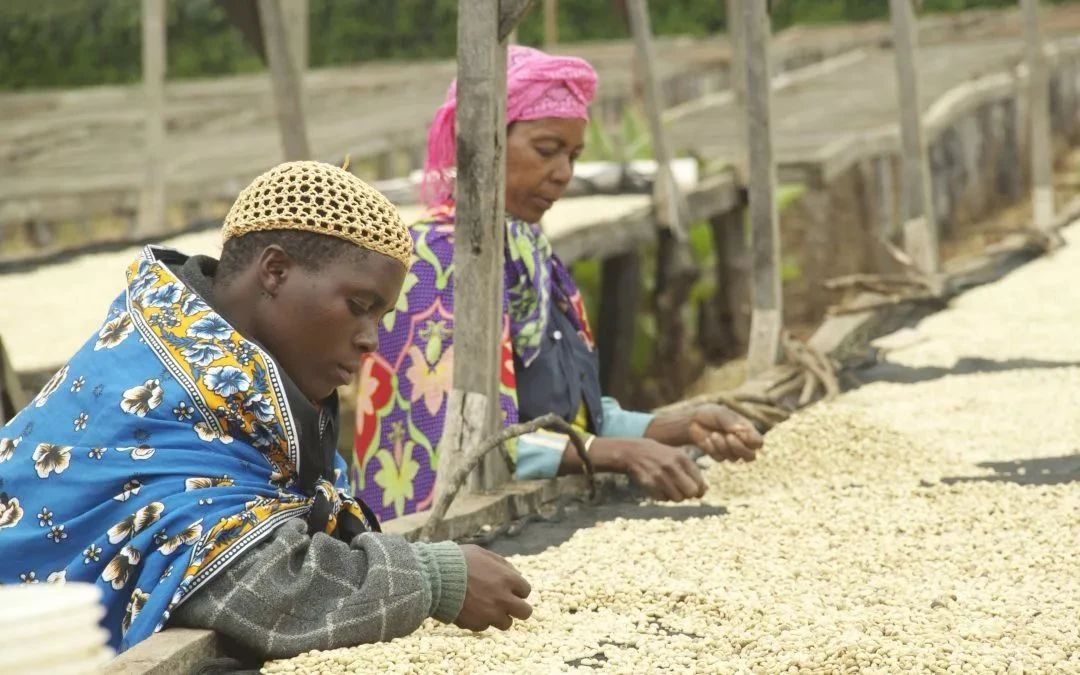
Kilimanjaro Coffee Growing Region
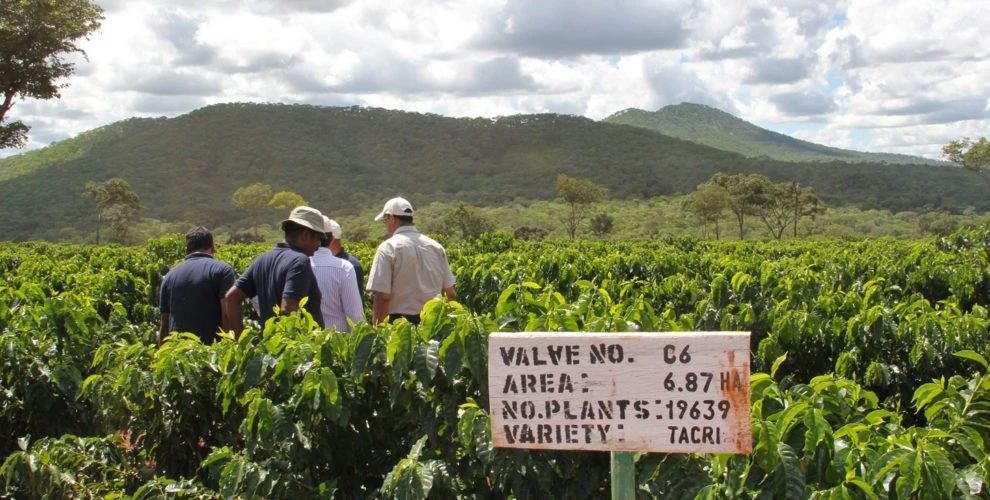
Mount Kilimanjaro is the highest mountain on the African continent, with coffee grown from 1,050 to 2,500 meters. Its ample altitude, volcanic soil, and pure snowmelt water make it the country's most suitable coffee region, and some trees here are over 100 years old. Coffee was first introduced by Christian missionaries from Kenya. The trees demand careful tending—weeding and fertilizing, and pruning old branches to encourage new growth and maintain bean quality.
The Kilimanjaro harvest runs from July to December, with Bourbon, Typica, and Kent as the main varieties. Kilimanjaro is Tanzania's largest coffee-producing region and an economic lifeline for the country. The coffee comes from the slopes of Mount Kilimanjaro in northeastern Tanzania, where smallholder farmers grow beans at 1,300-2,000 meters, nourished by volcanic ash—the high-altitude cultivation yields excellent quality.
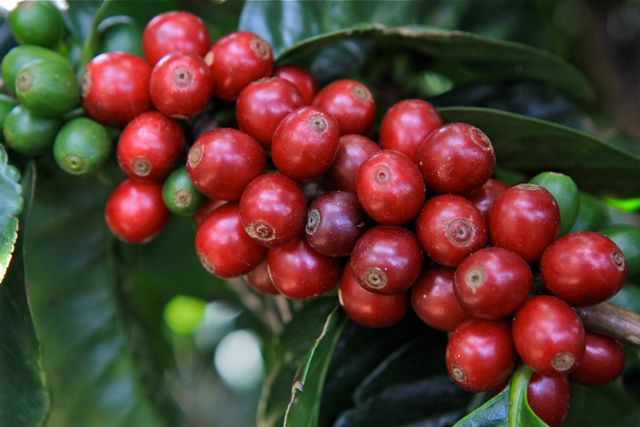
The Bourbon Variety
With some personal preference—since FrontStreet Coffee's lot was Bourbon—we'll introduce just that variety here: Bourbon is a natural variety originally from Yemen, named for its first planting site, Bourbon Island (today's Réunion Island). Bourbon cherries are small and round, with high density in both pulp and seed. The coffee typically shows high sweetness, bright acidity, and wine-like flavors. Bourbon yields 20-30% more than Typica but is still considered low-yielding and is similarly susceptible to coffee leaf rust.
As the green bean information above shows, this coffee used the most basic washed method—and in fact most Tanzanian coffee is washed. After harvesting, farmers deliver the cherries to the nearest processing station.

The Washed Processing Method
The steps of washed processing:
1. Screen out impurities mixed with the cherries
2. Remove the pulp and outer skin
3. Send to fermentation tanks, where fermentation loosens the mucilage from the parchment
4. Wash thoroughly, then dry
Choosing washed beans is also one of FrontStreet Coffee's "little tricks." Anyone already in the hobby knows washing preserves the bean's original character—the classic regional flavors intact. And beyond washing, the AA grade makes connoisseurs' eyes light up: to them, AA means excellent quality. In fact, Tanzanian grading works just like Kenya's, based on bean size. Interested readers, read on:
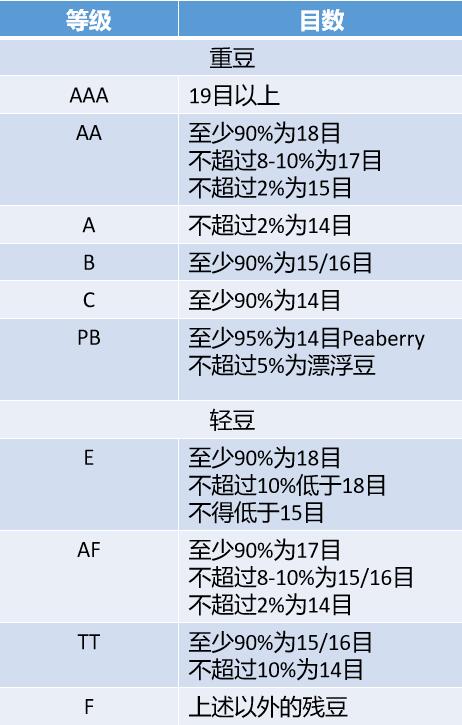
Because these lovely beans are uniformly large, FrontStreet Coffee designed a dedicated roasting profile for them:
Charge at 175°C with firepower at 120 and the damper at 3; turning point at 1'33"—when the drum temperature reaches 115°C, open the damper to 4, holding firepower unchanged. At a drum temperature of 151.6°C the bean surface yellows, the grassy smell vanishes completely, and the roast enters the drying stage. At 9'30" fine wrinkles and black spots appear on the bean surface and the toast aroma clearly shifts toward coffee aroma—the prelude to first crack. Listen carefully for it. First crack begins at 10'16"; open the damper to 5 and develop for 1'48" after crack, then drop the beans at 192°C.
The point of the light roast is to highlight this coffee's sweetness and gentle acidity—amplifying its strengths so it tastes brighter, more fragrant, and sweeter at its best.
So how should it be brewed? No worries—FrontStreet Coffee has a standard recipe for it too:
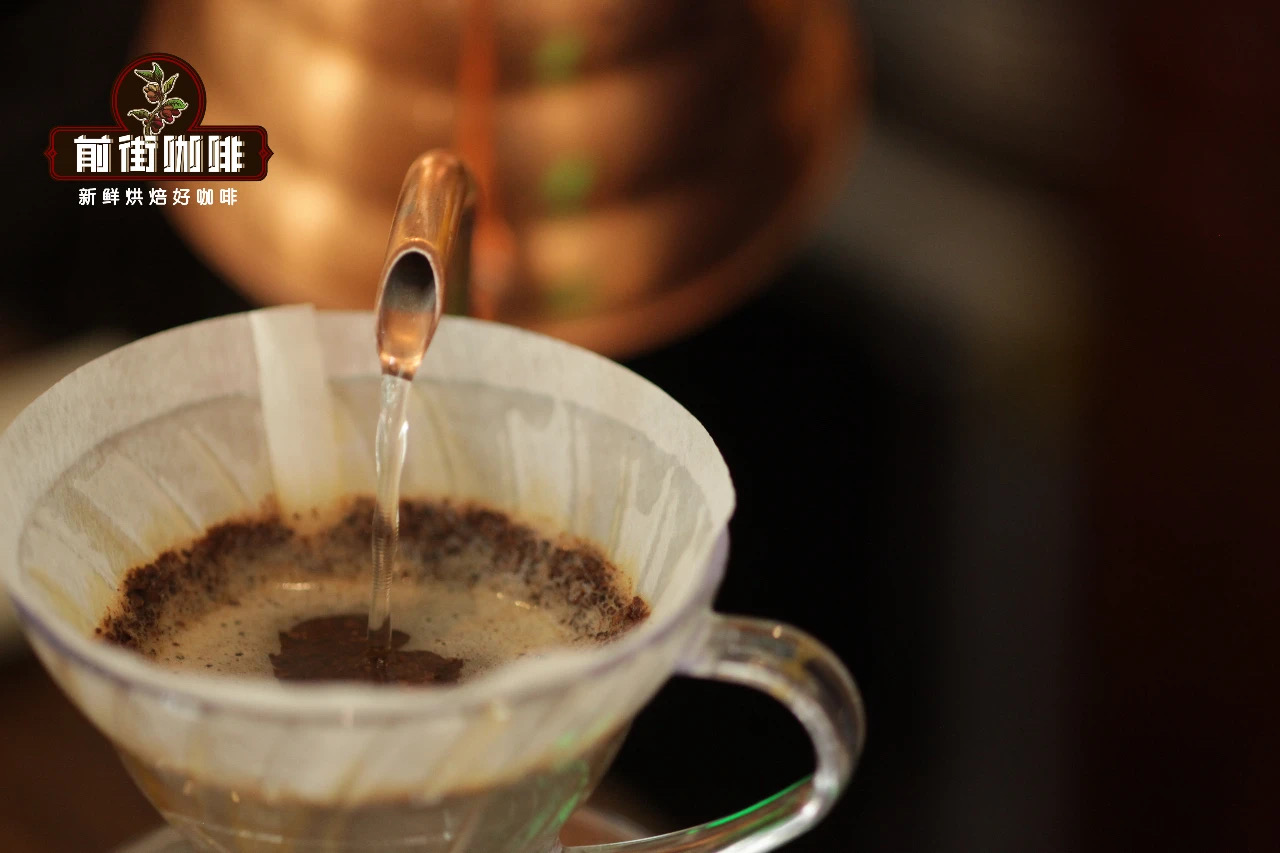
Brewing Parameters
Dripper: V60
Water Temperature: 90°C
Coffee Dose: 15g
Coffee-to-Water Ratio: 1:15
Grind Size: medium-fine (78% pass-through rate on a #20 standard sieve)
Segmented extraction: bloom with 30g of water for 30 seconds; pour in small circles up to 125g and pause; when the level is about to expose the coffee bed, continue to 225g and stop; when the bed is about to show again, remove the dripper. (Timing starts from the bloom.) Extraction time: 2'00".
FrontStreet Coffee Recommendation
If African washed coffees are your thing, FrontStreet Coffee recommends two Ethiopian counterparts that showcase the continent's classic character:
FrontStreet Washed Yirgacheffe — the entry-level pick for tasting Ethiopian specialty coffee: clear jasmine florals and bright citrus acidity over a light, elegant, tea-like body—like a refreshing, clean lemon tea. Yirgacheffe itself is a small town in southern Ethiopia where spring-like coolness, mist, and moisture let thousands of coffee trees thrive, creating its signature weave of florals and fruit acidity.
FrontStreet Kaffa Forest Coffee — from the forests where coffee grows wild: trees thrive under shade at 1,400-2,100 meters in pristine ecology, microclimates, and red laterite soils with abundant rain. Medium-light roasted, it shows distinct white florals on grinding, a bright lemon acidity with sweet orange and bergamot, a gentle melon-and-nut sweetness on the finish, and a green-tea-like mouthfeel.
Important Notice :
FrontStreet Coffee is a long-established specialty coffee roaster in Guangzhou China, selling freshly roasted beans from its own farm in Yunnan as well as dozens of carefully selected single-origin beans from around the world for both pour-over and espresso. The products deliver consistently excellent quality and great value, with shipping within 24 hours. Guangzhou's FrontStreet Coffee shop is recommended by many coffee lovers, and the beans are now available online at the Tmall 。
FrontStreet Coffee has moved to a new address:
FrontStreet Coffee Address: 315,Donghua East Road,GuangZhou
Tel:020 38364473
 Scan and follow the En Gafei WeChat official account. Please indicate that the reprint comes from "En Gafei".