What are the Unique Flavor Characteristics of Colombian Premium Arabica Coffee Beans?
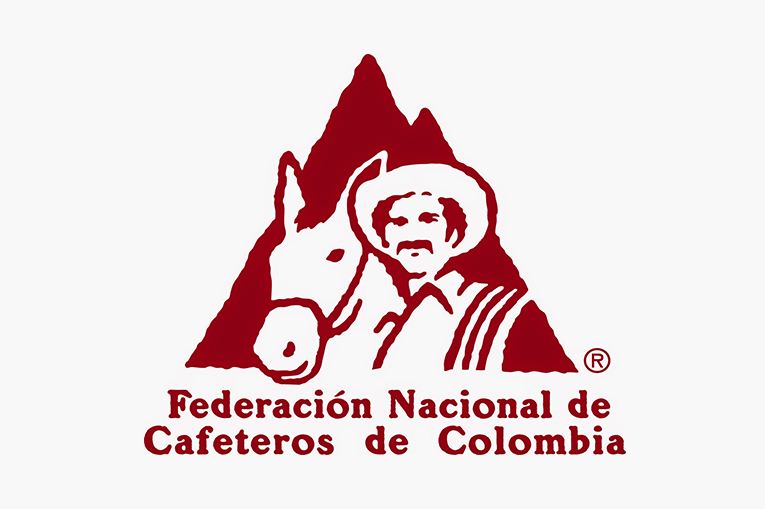
The Icon of Colombian Coffee
If you have searched for Colombian coffee, you have probably seen the trademark of a mustachioed gentleman leading a little mule. That symbol is in fact the official mark of "Colombian Coffee." It combines a triangular background, a mule, and a man in a straw hat. Because the mountain roads through Colombia's coffee regions are so rugged, mules are used to carry the beans, and the mustachioed gentleman represents the most typical dress of the Colombian people.
Why Is Colombian Coffee So Famous?
Colombian coffee is loved around the world mainly because the beans from this region have a soft acidity, layered over the rich body of dark chocolate and roasted nuts, with a distinct caramel sweetness. It is a coffee of both notable acidity and richness, where sourness, bitterness, and sweetness are in perfect balance.
Thanks to this balance, Colombian beans are widely used in espresso blends. Whether as a single origin or in a blend, Colombian coffee at different roast levels shows its own character—sometimes caramel, sometimes chocolate, sometimes a range of bright acidic notes.
Colombian Coffee Growing Environment
Coffee cultivation is concentrated along the western Andes, where three mountain ranges run from south to north. The country holds a remarkable range of ecosystems, with forests, grasslands, rivers, and lakes below each range creating a mosaic of climates. Volcanic-ash soil built up over millions of years provides ideal conditions for coffee. The trees grow mostly on sloped highlands, where clouds and the cooler temperatures of altitude let the cherries retain more sugar, producing coffee with rich flavor and natural sweetness.
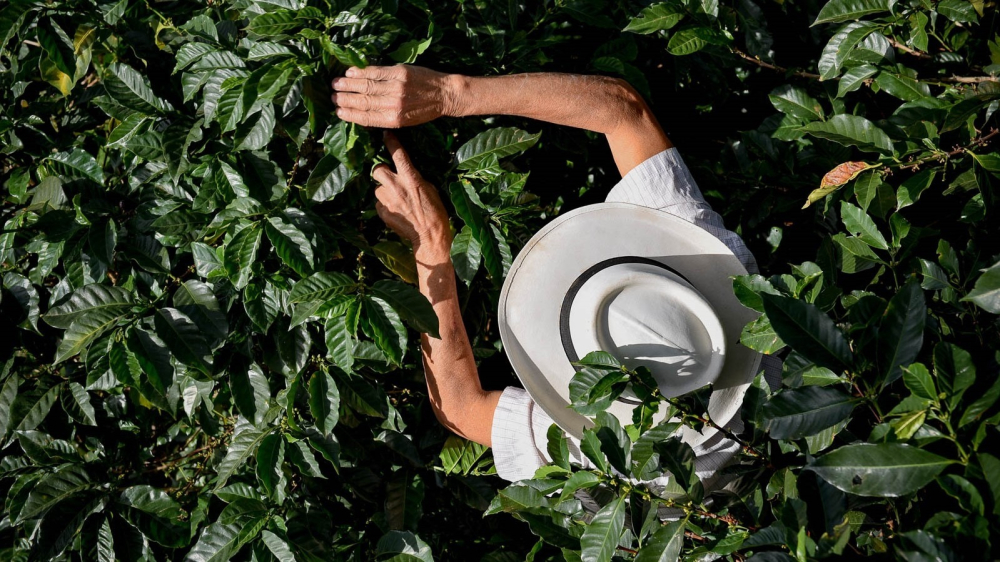
Colombian specialty coffee comes mainly from the south, grown above 1500 meters. These include the Huila, Cauca, Narino, and Tolima regions. Through cupping comparisons, FrontStreet Coffee has found that coffee from these regions shares delicate acidity, berry-like sweetness, and caramel aromas with abundant sweetness.
In recent years, when people mention the Huila specialty region, the Diviso Estate—which has appeared at the World Barista Championship—often comes to mind. FrontStreet Coffee recommends their Sidra and Ombligon coffees, both medium-roasted, with captivating floral aromas and juicy notes. They suit a wide range of brewing methods, including moka pot, espresso machine, cold brew, pour-over, and smart drippers, making them a top choice for many coffee enthusiasts.

Colombian Coffee Grading System
Colombian coffee is graded by the size of the raw beans using screen numbers. The Colombian Coffee Growers Federation (FNC) is a remarkable organization that guides and helps farmers sell and promote their coffee. That is why all Colombian export green beans—whether in jute bags or cardboard boxes—always carry the FNC (Federación Nacional de Cafeteros de Colombia) label.
Packaged green beans are typically sorted on fixed screens, where different mesh sizes correspond to different hole diameters. If a screen has 17 holes, for example, beans larger than that size cannot pass through. The larger the screen number, the larger the beans that remain on top.
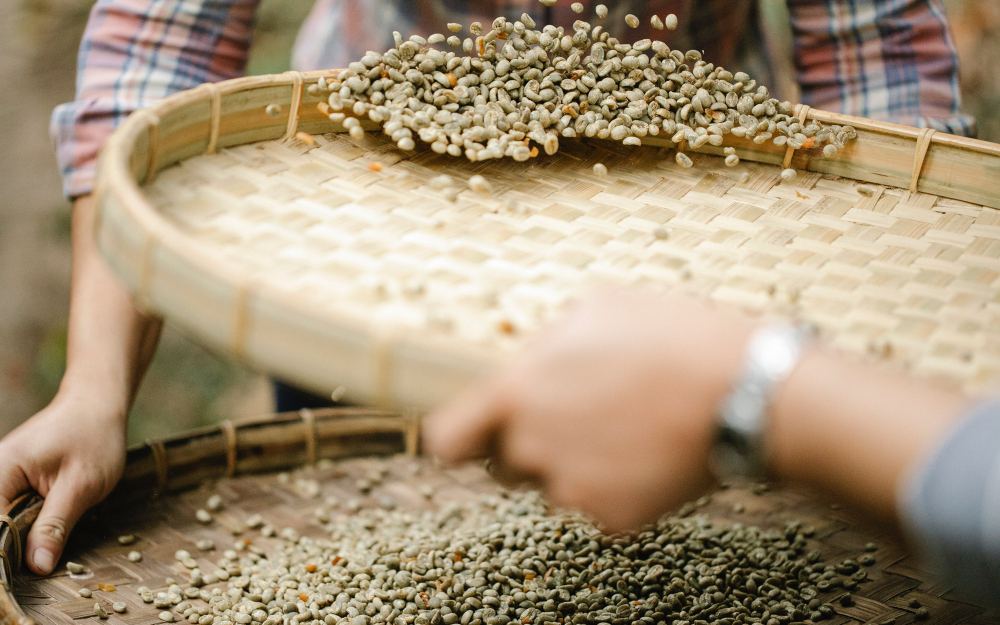
After size sorting, the beans are screened for defects and foreign objects, then graded by defect rate and cupping. In grading by defect rate, Colombia uses specific standards divided into two categories: Category I defects and Category II defects.
Category I defects (those that affect cup quality): black, moldy, or sour/rotten flavors. Maximum allowable defect value: 12. Category II defects (those that affect appearance): discolored (old, faded, yellowish, mottled), damaged, broken, cracked, cut, insect-damaged, malformed, immature, grayish, or soft. Maximum allowable defect value: 60. Points are deducted for each defect, and the final score determines three grades: AA, A, and G.
Each farmer reports a number and files the green bean information, which makes future traceability possible. Colombian exported green beans are usually named as country + region + grade + other information. For example, the green beans for FrontStreet Coffee's Huila daily coffee are named "Colombia Huila Supremo SC17/18 FNC."

Colombian Coffee Processing Methods
Most Colombian coffee is washed, and specialty coffee is produced mainly on small to medium self-operated farms. Compared with Brazil's large-scale cultivation, smaller farms often produce higher quality.
In addition, the Colombian Coffee Growers Federation (Federación Nacional de Cafeteros de Colombia, or FNC) runs special programs to promote specialty coffee, which must pass strict quality control before export. In recent years many special processing methods have come out of Colombia, including barrel fermentation and anaerobic fermentation. Colombian coffee continues to innovate and push the specialty world forward.
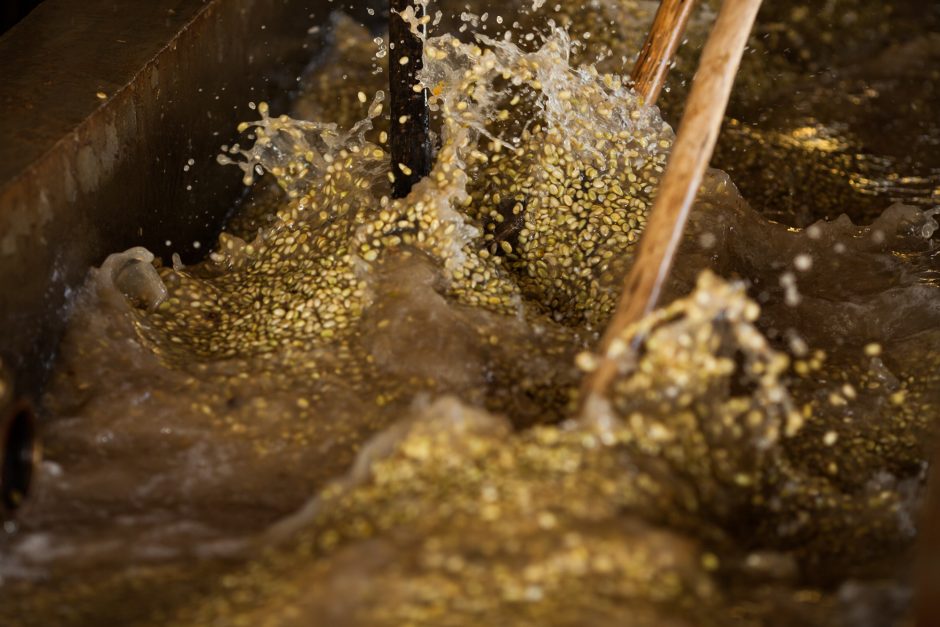
The washed method begins by pouring harvested cherries into large water tanks, where underdeveloped, inferior beans float to the surface while mature, full fruits sink. The floating defective cherries are skimmed off. A pulping machine then removes the outer skin and pulp, leaving a slippery mucilage layer on the beans. The mucilage-coated beans go into fermentation tanks for 16-36 hours, during which microorganisms break down the mucilage.
Once fermentation is complete, the beans are rinsed with fresh water to remove the decomposed mucilage, then dried with the parchment layer still intact. FrontStreet Coffee believes the washed method best reveals a coffee's quality, directly showcasing its clean taste and pure flavors. FrontStreet Coffee has therefore selected a Caturra from the Huila region as an introductory daily coffee, letting everyone experience Colombian regional flavor at a high value.

Colombian Coffee Bean Recommendations
FrontStreet Coffee currently sells 4 specialty Colombian coffees: 3 from Huila and 1 from Cauca. To preserve the soft acidity of Colombian regional coffee and its sweet, caramelized character, FrontStreet Coffee roasts them all at a medium level, while extending the time from yellowing to just before first crack so the beans develop better sweetness.
To ensure everyone experiences the most complete flavors and aromas, all coffee beans sold by FrontStreet Coffee are shipped within 5 days of roasting—100% freshly roasted.
FrontStreet Coffee - Colombian Huila Coffee Beans
Region: Huila
Altitude: 1500-1800 meters
Processing: Washed processing
Variety: Caturra
Flavor Profile: Soft fruit acidity, nuts, chocolate, caramel
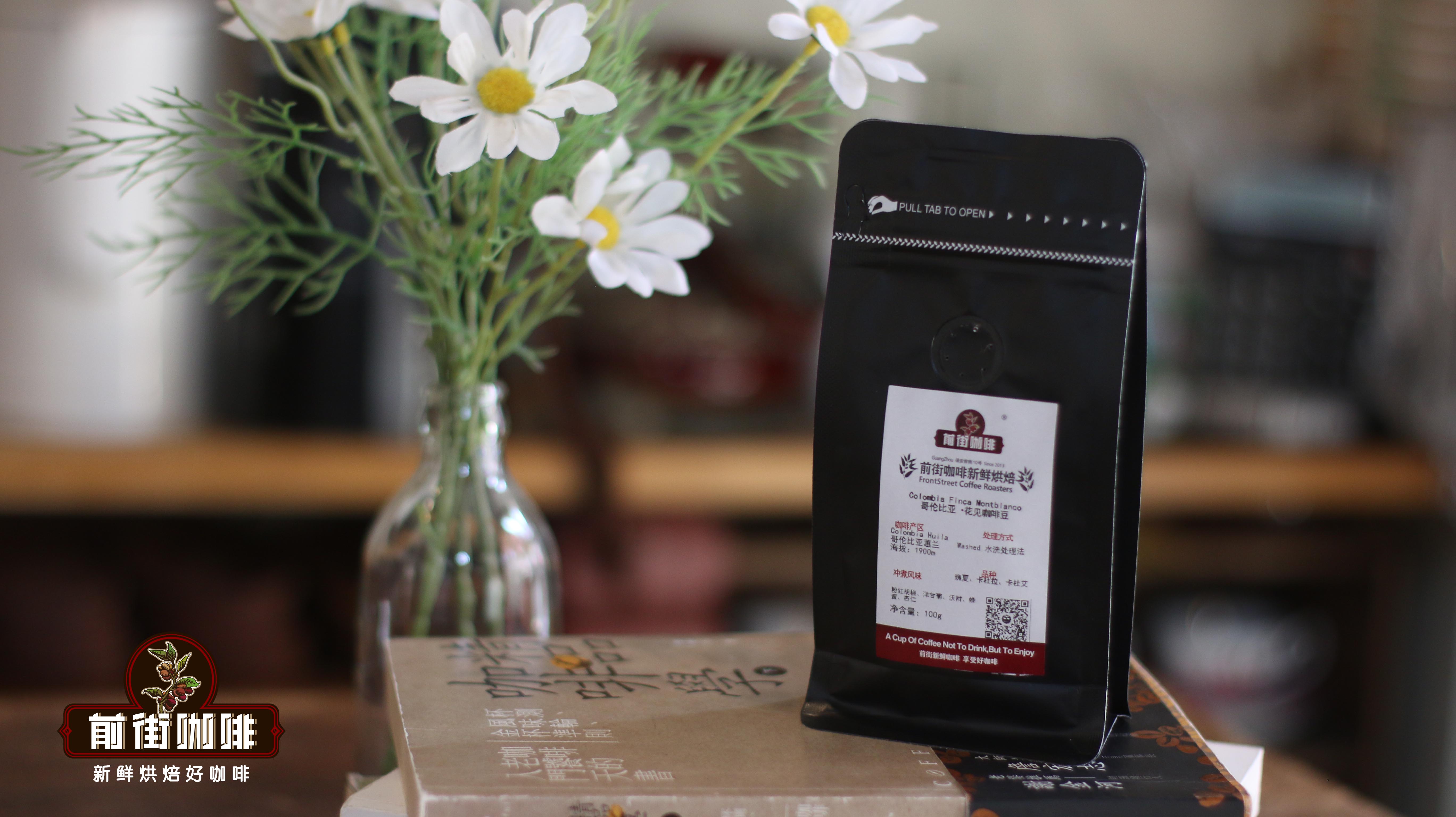
FrontStreet Coffee - Colombian Flower-Viewing Coffee Beans
Region: Huila, Monteblanco Estate
Altitude: 1900 meters
Processing: Washed processing
Variety: Caturra, Catuai, Geisha
Flavor Profile: Pink pepper, chamomile, white citrus, honey, almond
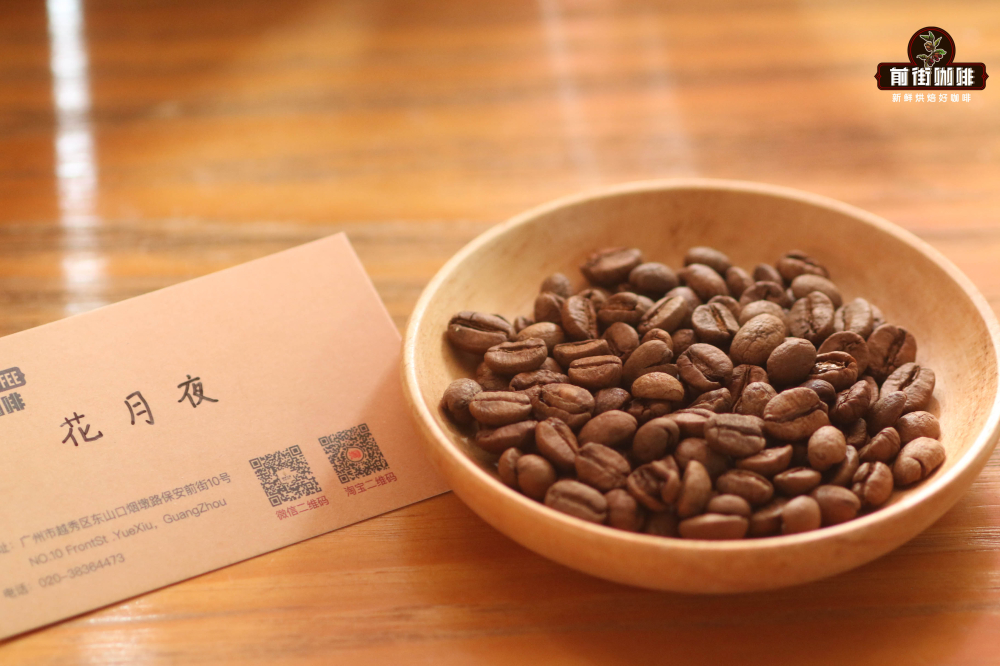
FrontStreet Coffee - Colombian Flower Moon Night Coffee Beans
Region: Huila
Altitude: 1800 meters
Processing: Anaerobic natural processing
Variety: Caturra
Flavor Profile: Strawberry jam, fermented wine aroma, chocolate
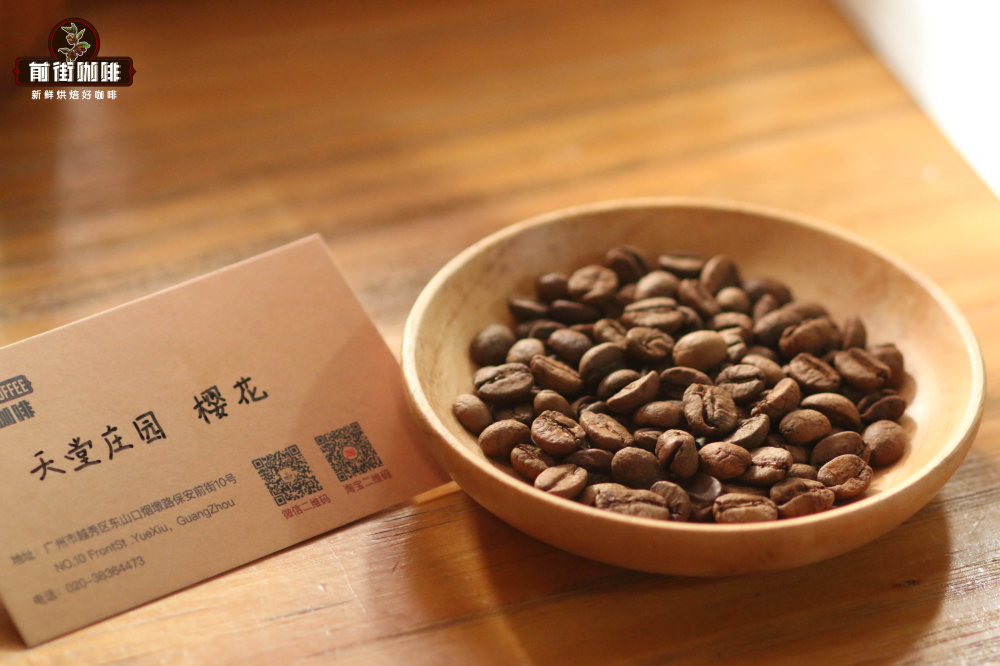
FrontStreet Coffee - Colombian Sakura Coffee Beans
Region: Cauca, Paraiso Estate
Altitude: 2050 meters
Processing: Double anaerobic washed processing
Variety: Castillo
Flavor Profile: Artemisia, berries, fermented aroma, spices, strawberry jam
Rose Valley and Flower Moon Night both sit in the floral-fruity, sweet camp while carrying rich fermented aromas, so FrontStreet Coffee's roasters use medium roasting. The Huila daily coffee focuses more on nutty sweetness, so FrontStreet Coffee chooses medium roasting for it as well.

As for brewing a good cup, FrontStreet Coffee holds that freshly roasted beans come first. A bean's aroma shifts with storage conditions and time, and once it is past its peak, the aroma fades quickly. FrontStreet Coffee understands how much freshness matters, so all shipped beans are roasted within 5 days and can be opened and brewed the moment they arrive.
Dripper: V60
Water Temperature: 90-91°C
Grind Size: 80% passing through a #20 standard sieve
Coffee-to-Water Ratio: 1:15
Coffee Amount: 15 grams
Pour the grounds into the V60, wet the coffee bed with twice the grounds' weight in water, forming a dome, and let it bloom for 30 seconds. Then pour a thin stream in circles from the center outward to 125g and pause. When the bed drops to half the height of the dripper, continue with the same fine stream for a third pour to 225g. Remove the dripper once all the liquid has filtered through, about 2 minutes.

In tasting these coffees, FrontStreet Coffee found that region and processing shape the cup. The washed Colombian Huila daily coffee has distinct chocolate and nut aromas, a caramel wet aroma, and a nicely balanced soft fruit acidity—altogether harmonious. The anaerobic enzyme-washed Rose Valley shows sweet rose aromas, a chocolate-centered flavor when sipped, and, as it cools, the sweet-and-sour taste of dried cranberries. The anaerobic natural Flower Moon Night brings out the refreshing sweetness of cantaloupe, rich strawberry jam, and fermented fruit aromas, finishing with a chocolate aftertaste and a full body.
FrontStreet Coffee Recommendation
Because Colombian coffee is so versatile, the right pick depends on how you brew. If you want to understand the country's classic profile, FrontStreet Coffee's washed Huila beans are the place to start: medium-dark roasted, they showcase dark chocolate, nutty sweetness, moderate oils, and a full body, and they work in a pour-over, French press, moka pot, or espresso machine—great for an Americano or latte. If you are drawn to the newer wave of experimental processing, FrontStreet Coffee's Sidra from the Diviso Estate in Colombia is treated with anaerobic natural fermentation and, at a medium-light roast, delivers complex passionfruit, grape, apricot, and dried-fruit flavors whether you brew it as pour-over, cold brew, drip bag, or moka pot. And for those with a home espresso machine or moka pot, FrontStreet Coffee's specialty blend is an espresso blend designed for café use, combining the creamy nuttiness of Brazilian coffee with the dark chocolate bittersweetness of Colombian coffee; it pulls a fine golden crema and makes a rich, smooth latte that is especially friendly to beginners.
Important Notice :
FrontStreet Coffee is a long-established specialty coffee roaster in Guangzhou China, selling freshly roasted beans from its own farm in Yunnan as well as dozens of carefully selected single-origin beans from around the world for both pour-over and espresso. The products deliver consistently excellent quality and great value, with shipping within 24 hours. Guangzhou's FrontStreet Coffee shop is recommended by many coffee lovers, and the beans are now available online at the Tmall 。
FrontStreet Coffee has moved to a new address:
FrontStreet Coffee Address: 315,Donghua East Road,GuangZhou
Tel:020 38364473
 Scan and follow the En Gafei WeChat official account. Please indicate that the reprint comes from "En Gafei".